
The checkout line has become a negotiation. Not out loud, nobody’s haggling at the register, but inside, shoppers are running calculations that would have seemed extreme four years ago. Is the sale price actually better per ounce? Does the store-brand version come from the same factory? Is this product worth it at all, or should it go back on the shelf?
Tariffs, cost fatigue, and income divergence pushed consumers hard in 2025. Shoppers were encouraged toward value-seeking choices, reinforcing market fragmentation, and heading into 2026, consumers demonstrated behavior that is less predictable, more selective, and less brand-loyal. In 2025, four in five consumers said they changed their behavior because of tariff-driven price increases. That’s not a fringe movement. That’s most of America, rewriting the rules of what they’ll pay for.
In the second quarter of 2026, U.S. consumers faced uneven hiring, rising inflation, and ongoing geopolitical tensions, and against that backdrop, a smaller share reported feeling optimistic while a greater share said they felt pessimistic, with intentions to pull back on spending across most discretionary categories. Which products Americans won’t buy full price anymore has sharpened considerably. Below are 20 everyday items where the answer, increasingly, is no.
1. Breakfast Cereal
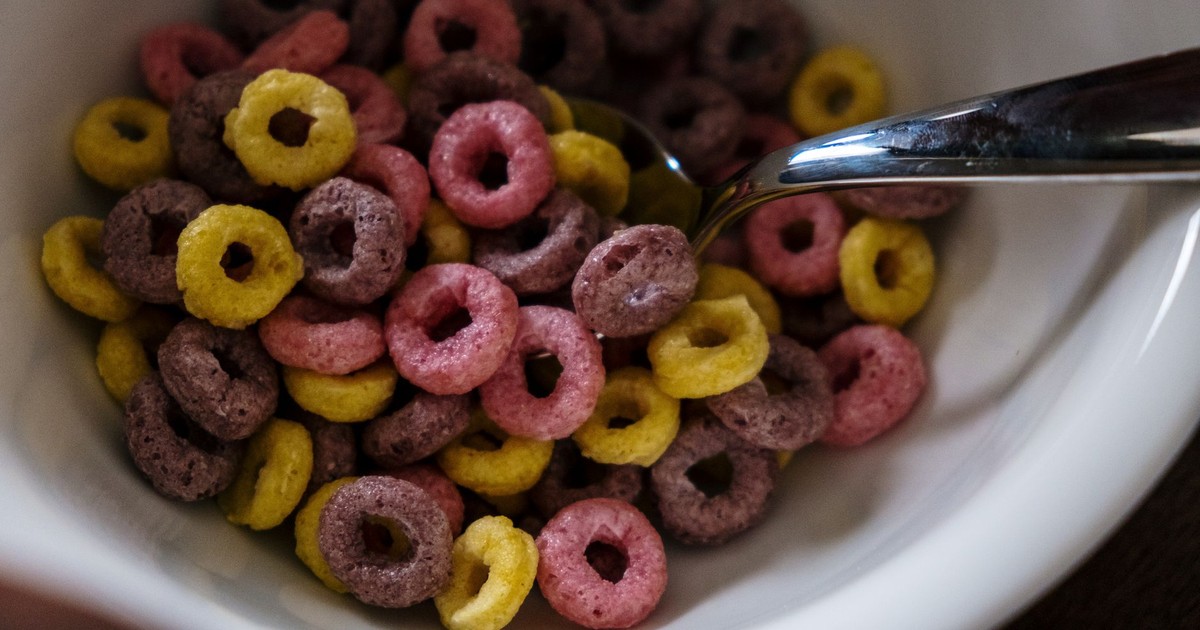
Cereal box sizes decreased from 19.3 ounces to 18.1 ounces across several national brands in 2025, with no price reduction to match. Shoppers have noticed. The combination of boxes getting lighter and shelf prices staying high has turned cereal into a product people wait on, and increasingly, a product people replace.
Bulk oats at a fraction of the cost, Greek yogurt, or eggs have all become standard morning substitutes for households watching their budgets. It’s not just the sugary kids’ cereals, either. Adult favorites like granola and bran flakes are climbing too. The nostalgia attached to a particular box still exists. The willingness to pay whatever the box costs does not.
Check the unit price per ounce on the shelf tag. A “family-size” box often costs more per ounce than a smaller size of the same brand, and store-brand equivalents routinely come in at 20-30% less for an identical product.
2. Potato Chips and Bagged Snacks
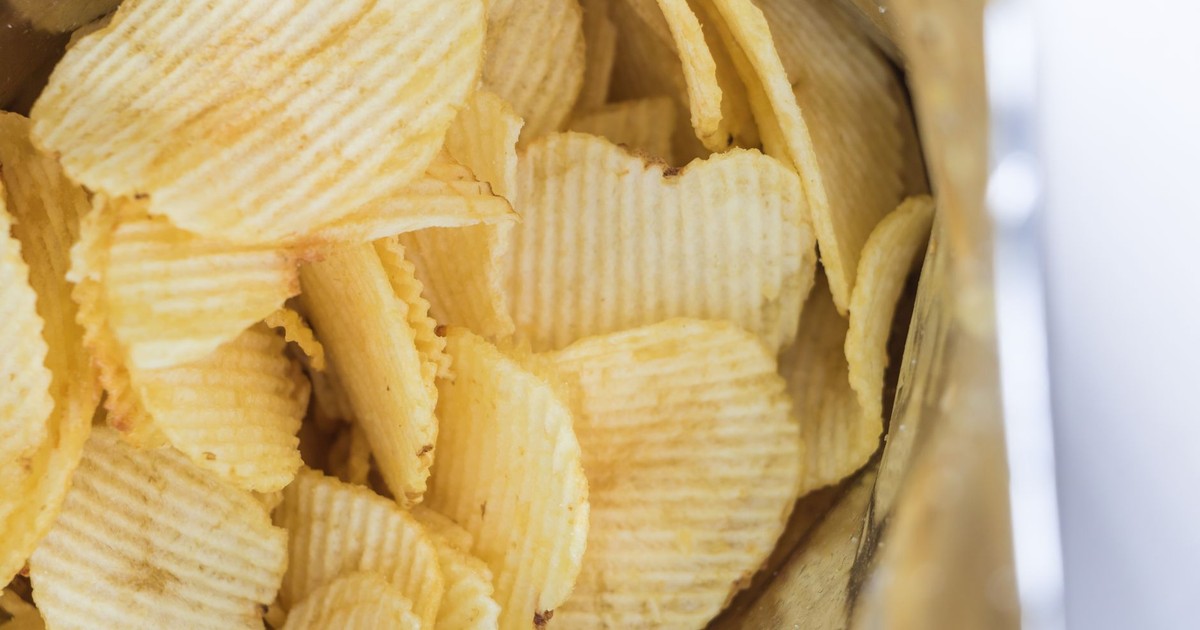
Same shelf space, same visual impression, fewer chips. Doritos, Frito-Lay products, and various cracker brands have all gone through rounds of this since 2020. A standard bag of Doritos dropped from 9.75 ounces to 9.25 ounces, a small change per bag, but repeated across millions of units.
Among all grocery categories, 64% of shoppers express concern about shrinkflation, and 79% of U.S. consumers noticed grocery shrinkflation in 2023. The majority (72%) noticed it in food products, with shoppers also flagging personal care products (44%), household products (43%), and beverages (41%). The response is predictable: waiting for BOGO deals, buying store-brand versions, or skipping the snack aisle altogether in favor of bulk nuts or pretzels from warehouse stores.
If chips are a household staple, buying them through a warehouse club membership or waiting for a genuine sale rather than paying standard shelf price is the most straightforward way to avoid paying a premium for a bag that’s noticeably emptier than it was two years ago.
3. Laundry Detergent
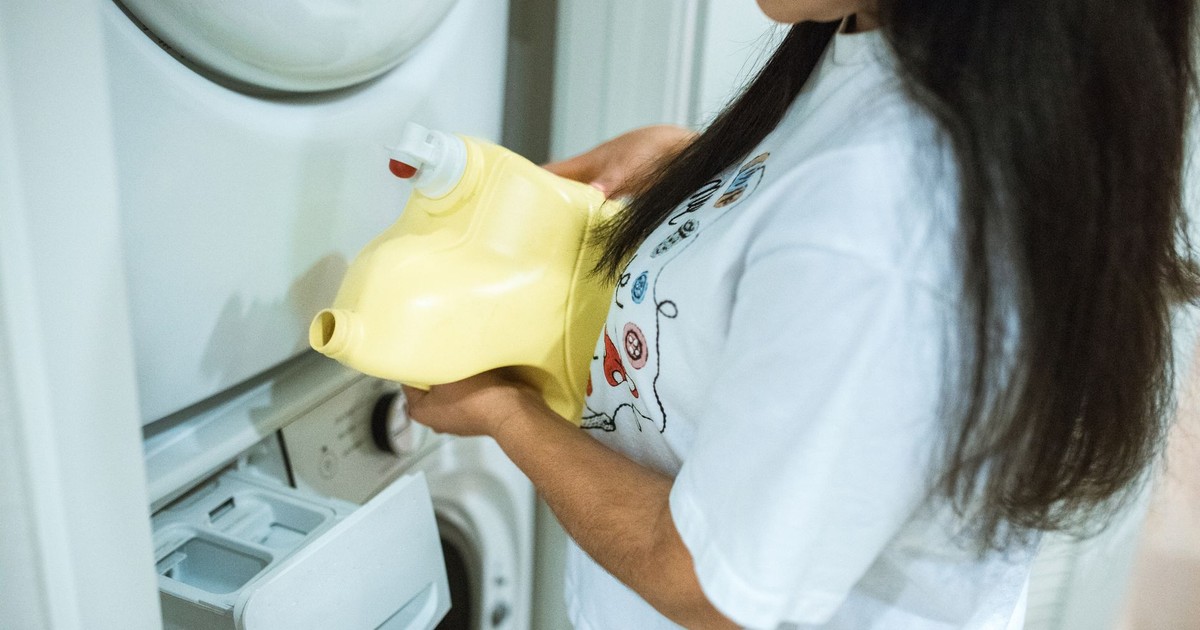
Laundry detergent sits in an interesting category. It’s essential, nobody’s going to stop doing laundry, but the markup on brand-name detergent has become hard to justify when the store-brand alternative is sitting right next to it. Some major brands reduced product sizes by over 30% in 2025 without reducing prices, with shrinkflation averaging 14.8% among selected national grocery brands. If that reduction happened on a product you’ve bought on autopilot for years, the only way to notice is to compare the new package to your memory, or to check the per-load math on the label.
Running the per-load numbers is exactly what more shoppers are doing. A premium detergent that costs $18 for 64 loads works out to about 28 cents per load. Many store-brand versions deliver the same at 12-15 cents. Over a year of weekly laundry, that gap adds up to close to $100. Seventy-five percent of Americans have noticed shrinkflation at their grocery store, and among them, 81% have taken some kind of action, with 48% abandoning a brand as a result. Detergent is exactly the kind of product where that brand switch happens and mostly goes unnoticed.
4. Paper Towels and Toilet Paper

Within a product category, popular items commonly bought by consumers were more likely to be downsized. Paper products, like paper towels and toilet paper, were among those items downsized at higher rates. Certain rolls marketed as “Mega” are simply smaller than in previous years, with sheet counts quietly dropping while the packaging looks nearly identical.
Store-brand paper towels and toilet paper have improved significantly over the past decade. Many are now manufactured in the same facilities as name brands. The quality gap that once existed in these categories has largely closed, which is why paper products routinely top the list of products Americans won’t buy full price. Switching to a store brand or warehouse-club equivalent here is one of the lowest-friction swaps available.
5. Coffee
Coffee experienced the highest per-unit price increase from downsizing among all tracked categories, at 32.4%, according to the U.S. GAO’s July 2025 report. A standard 12 oz can of ground coffee silently became an 11 oz or 10.5 oz can. Ground coffee that sat at $9.99 for years has quietly crossed $12, then $14, in many stores.
The response has split into two camps: those who’ve switched to cheaper ground blends or store-brand coffee, and those who’ve kept their preferred brand but stopped buying it at full retail price, instead waiting for a sale or buying in bulk through a warehouse membership. Costco’s Kirkland coffee partners with major roasters for certain blends, which explains why it tastes far more expensive than it costs. For many households, pods have become a “rushed morning” luxury rather than the daily default.
6. Coffee Pods (Single-Serve)

The per-cup math on coffee pods has always been uncomfortable, but it was easy to ignore when grocery bills felt manageable. A box of 12 name-brand pods at $10.99 runs about 92 cents a cup. Drip coffee made from a decent bag of grounds costs roughly 15-20 cents a cup. That gap is now impossible to overlook for a lot of households.
The pullback on spending was most pronounced among low-income consumers, though even higher-income consumers said they may cut back on “nice to haves.” Coffee pods represent the opposite of good value math: high convenience, high cost, minimal quality advantage over a standard drip machine. The households that have kept pods in rotation tend to use them selectively and wait for store sales or warehouse packs before restocking.
Store-brand pod alternatives compatible with Keurig and similar machines typically cost 30-40% less per cup and have improved in quality substantially. They’re worth trying before paying full retail for name-brand boxes.
7. Shampoo and Conditioner
Personal care products are a category where brand loyalty has historically run deep. People find something that works for their hair and stick with it. But shrinkflation has hit personal care just as hard as the pantry. A shampoo bottle that used to hold 12.6 ounces now holds 10.1 ounces at the same shelf price.
The generic alternative story is compelling here. Drugstore and grocery store house-brand shampoos and conditioners are formulated to compete directly with mid-range name brands, often with near-identical ingredient lists. Consumers who’ve made the switch report minimal difference for everyday use. Where the name brand still wins is in highly specific formulations: color-treated hair products, medicated shampoos, or salon-grade treatments. For standard daily washing, the case for paying full retail has weakened considerably.
8. Greeting Cards

A birthday card that costs $7.99 is a small purchase with a very visible price tag. It sits there on the rack, costs more than a fast-food lunch, and will likely be read once and put in a drawer. Dollar stores are an excellent place to stock up on greeting cards, and stores like Trader Joe’s offer noticeably low-priced options that still look genuinely considered.
The greeting card industry has been contracting for years as digital alternatives, texting, e-cards, and social media posts, handle the sentiment delivery for free. Shoppers who still want a physical card have migrated toward boxed sets (a pack of 20 cards for $15 instead of $8 per individual card) or the card aisle at discount retailers. Paying $7 or more for a single greeting card at a pharmacy is now the exception rather than the default for most households.
9. Bottled Water
Bottled water is a clear example of marketing over necessity. In many parts of the U.S., tap water meets strict safety standards and tastes just as good, yet people continue buying cases of it, spending hundreds annually with a massive environmental footprint to match. A high-quality reusable bottle and a filter, if needed, covers the gap at a fraction of the cost.
The per-ounce price of bottled water has always been remarkably high relative to tap water, but the habit calculus is shifting. Water filters at the tap or in a pitcher have become standard in many households, and the 24-pack of single-use plastic bottles is increasingly seen as wasteful rather than convenient. When people do buy bottled water, they’re buying store-brand cases at warehouse prices, not premium-branded individual bottles at convenience-store markups.
10. Pasta and Pasta Sauce
Pasta used to be the unchallenged champion of cheap weeknight dinners. Pasta boxes shifted from 16 ounces to 14 ounces in select product lines while name-brand prices held steady, and the quality difference between a $1.79 store-brand box of spaghetti and a $2.89 name-brand one is essentially nonexistent. Dry pasta is a commodity: semolina wheat, water, extruded through a die, and the premium version doesn’t cook or taste differently in most preparations.
Grocery prices overall remain stubbornly high, up nearly 23% since 2020, well above historical norms. Against that backdrop, pasta and jarred pasta sauce have become test cases for how far brand loyalty actually extends. For most households, it doesn’t extend far. The store-brand marinara goes in the cart. The name-brand version stays on the shelf unless it’s on sale.
11. Canned Goods
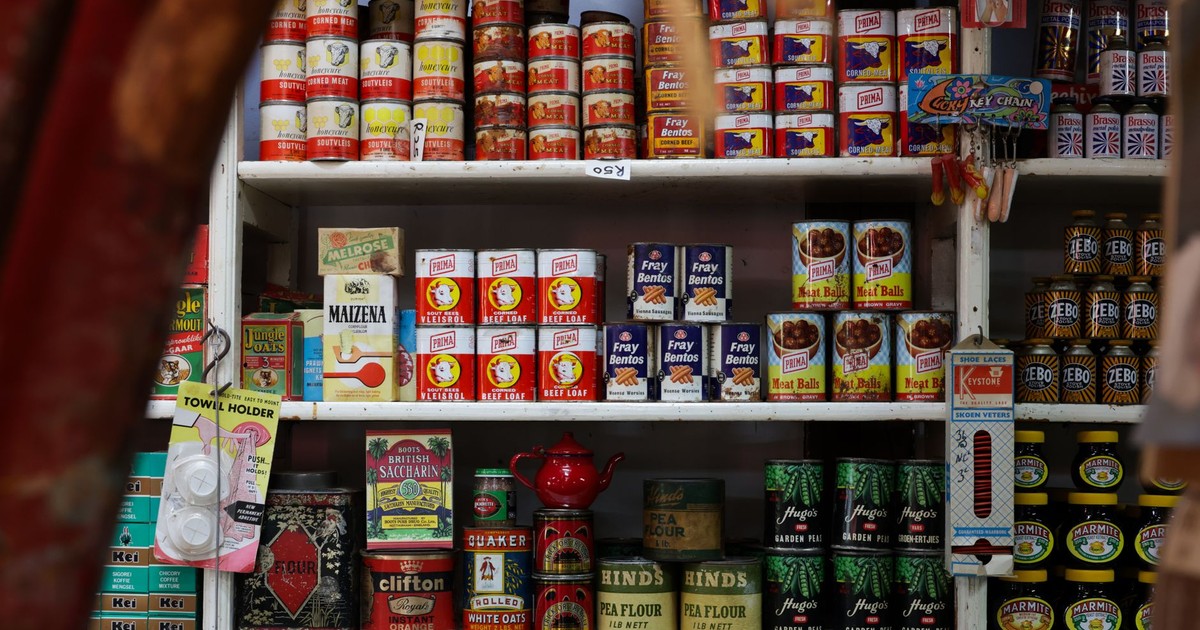
Canned beans, canned tomatoes, canned vegetables, canned tuna: this entire category is one where the store brand is often made in the same facility as the name brand, sometimes on the same production line. Switching to store brands can save 15% to 25% on most items, and up to 70% on staples like orange juice and coffee, according to Consumer Reports. In canned goods, the savings are real and the trade-off in quality is, for most products, undetectable.
The one exception people consistently flag is canned tomatoes, where flavor variation between brands is more noticeable and matters more in cooking. Otherwise, beans, corn, peas, tuna, soup: the store brand wins on price and typically holds its own on quality. Paying name-brand prices for canned corn is now the kind of habit that, once examined, most shoppers stop.
12. Over-the-Counter Medications
Ibuprofen is ibuprofen. The FDA requires that generic over-the-counter medications contain the same active ingredients in the same strengths as name-brand counterparts. Walmart sells its health and wellness products under the Equate label, and federal regulations keep these generics tightly controlled.
Generic ibuprofen sitting at $4 while Advil commands $12 for the same 200mg dosage is not a quality difference. It’s a marketing and brand-recognition premium. The same applies to store-brand allergy medication, antacids, sleep aids, and cold remedies across the board. Paying name-brand prices for OTC medications in 2026 is one of the most straightforward ways to overspend on a household staple. The active ingredient on the back of the package tells you everything you need to know.
13. Frozen Vegetables and Fruit
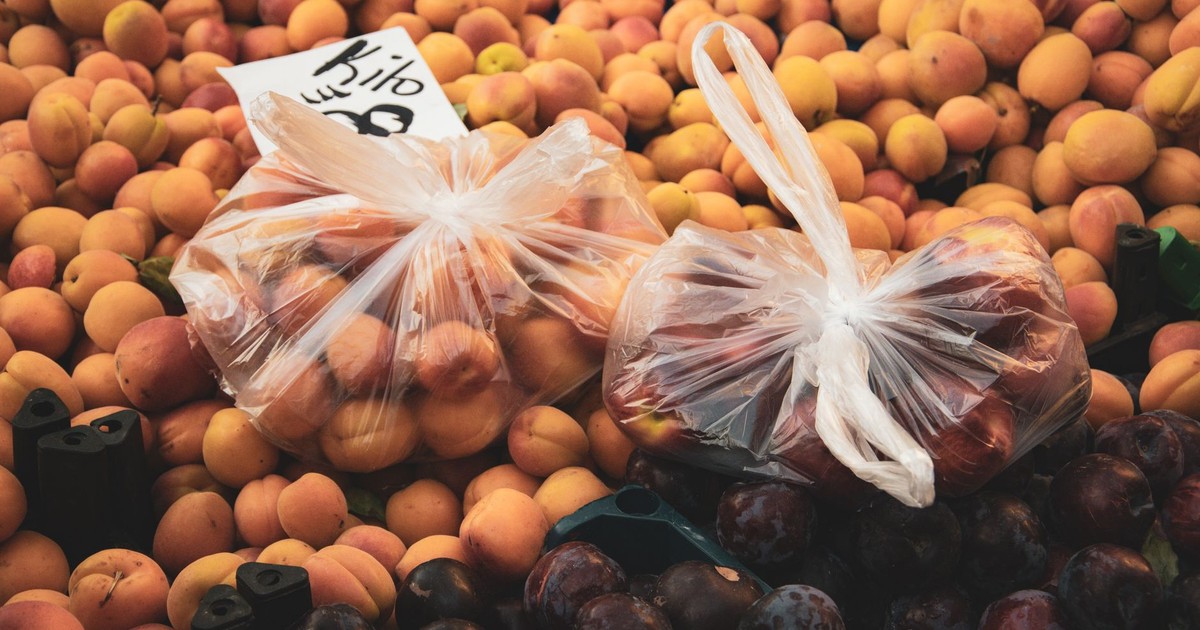
Fresh produce is the dream; frozen produce is often the reality when budgets are tight and produce spoils before it can be used. But even beyond the practical argument, frozen vegetables and fruits frequently match or beat fresh counterparts in nutritional value, since freezing happens shortly after harvest. The brand premium in this category is particularly thin.
Especially when cooking, baking, and making smoothies, it’s unlikely you’ll notice a difference between store-brand and nationally advertised frozen fruits and vegetables. A store-brand bag of frozen broccoli florets does exactly what a name-brand bag does, at 30-40% less. Shoppers who’ve stopped buying name-brand frozen produce rarely go back. There’s simply nothing to miss.
14. Spices and Dried Herbs
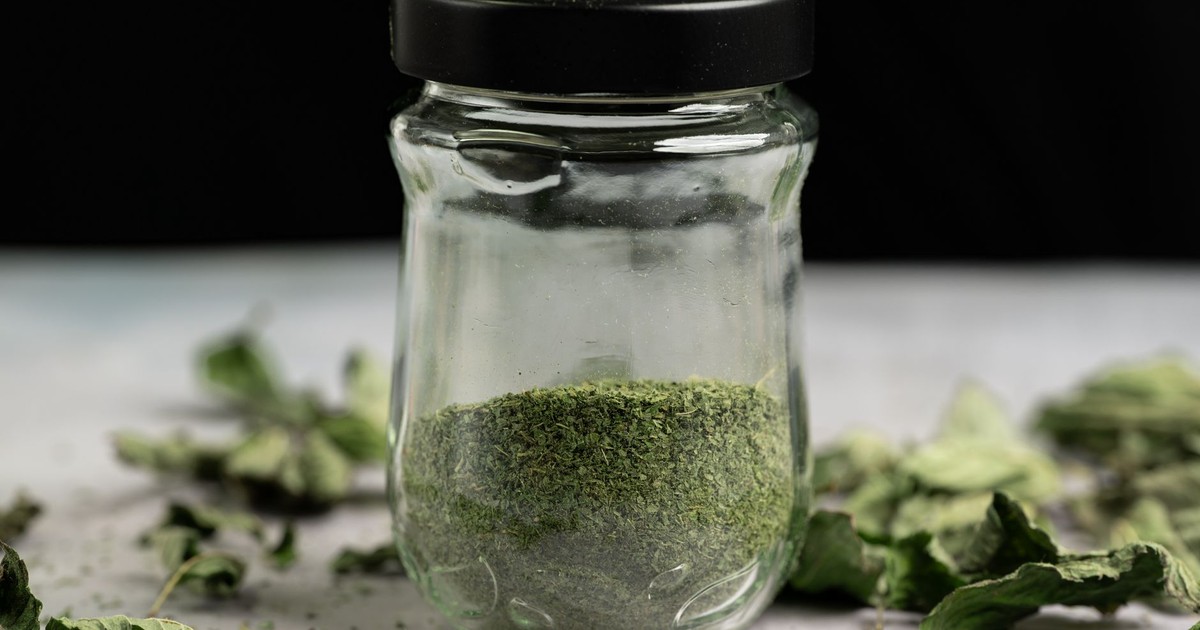
The spice aisle is one of the more striking examples of brand premium without quality justification. A small jar of name-brand garlic powder can run $5-6. Store-brand garlic powder in the same size jar: $1.89. The active ingredient is garlic, dried and ground. Freshness matters more than brand name, and a store brand restocked regularly in a high-turnover store is often fresher than a name-brand jar that’s been on the shelf longer.
Freshness is what counts when buying herbs and spices. Store generics are worth trying, or checking stores like food cooperatives that sell herbs and spices in bulk at excellent prices. Buying spices in bulk from a store that turns over inventory quickly is almost always the best value. Paying $5 for a McCormick jar when a functionally identical product sits next to it for $2 is a habit that’s easy to break.
15. Trash Bags
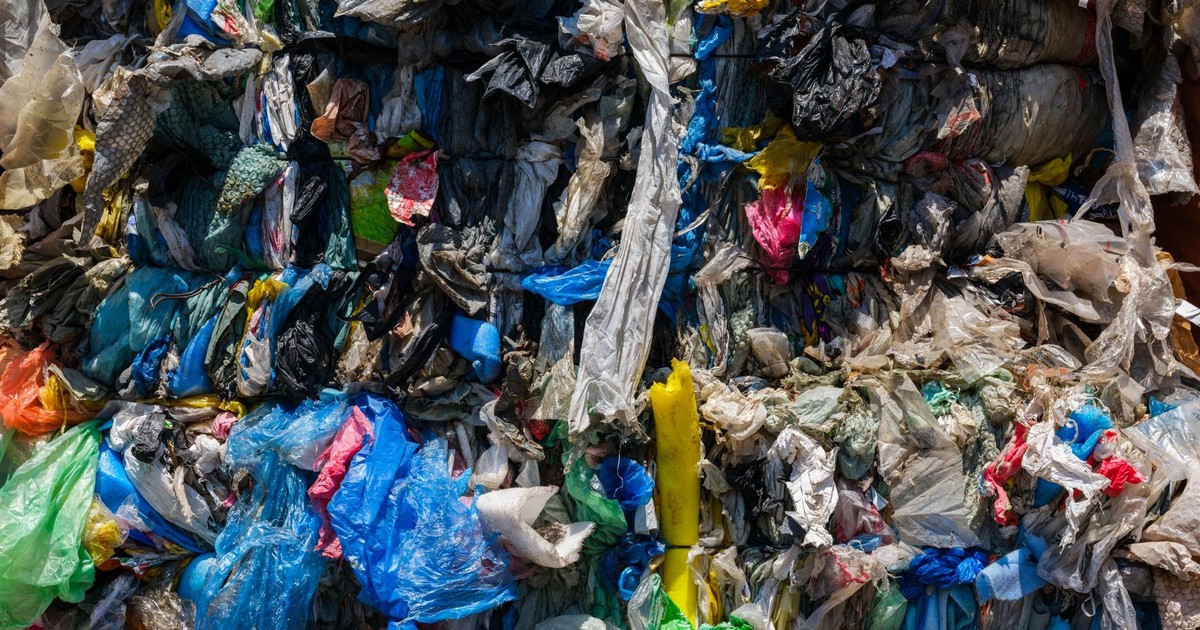
Trash bags are a category where shoppers historically stuck with brands like Glad or Hefty out of a reasonable fear: a bag that fails is much worse than a bag that cost a little more. But store-brand and warehouse-club trash bags have closed the quality gap considerably. Sam’s Club’s Member’s Mark trash bags frequently compete directly with leading national brands in durability tests, with the warehouse model allowing the club to source in bulk and pass savings along.
The key is matching bag strength to what you’re throwing away. Most households don’t need a contractor-grade bag for kitchen trash. For standard use, a store-brand drawstring bag works as well as the name-brand version at meaningfully less cost. Products Americans won’t buy full price very often include trash bags as soon as shoppers run the per-bag comparison.
16. Breakfast Bars and Granola Bars
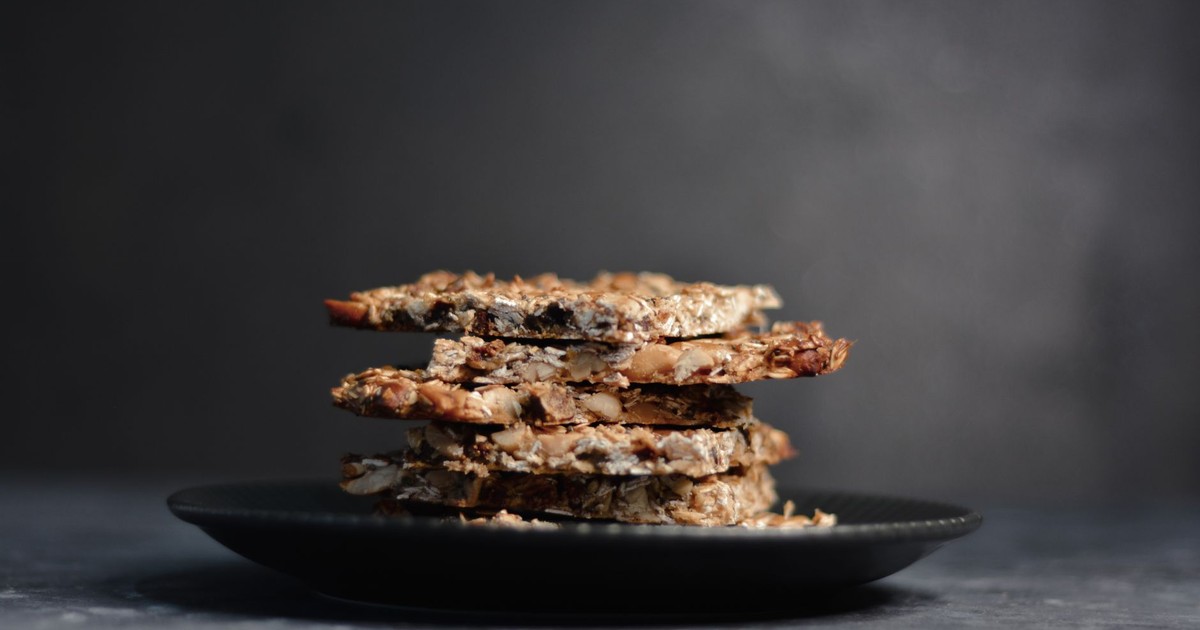
A name-brand box of 6 granola bars at $5.49 works out to about 92 cents per bar. A store-brand equivalent, or a bulk-sized bag of oat-and-nut bars from a warehouse club, can bring that to under 40 cents per bar. The nutritional difference is often minimal, and the ingredient lists on competing products are frequently nearly identical.
Some major brands reduced product sizes by over 30% in 2025 without reducing prices, and shrinkflation averaged 14.8% among selected national grocery brands. Breakfast bars and snack bars have seen similar reductions across multiple brands. Shoppers who compared their old box to the new one noticed fewer bars or smaller bars inside the same packaging. That discovery tends to end brand loyalty fairly quickly. The store-brand alternative has become the default for most households that buy these regularly.
17. Vitamins and Supplements
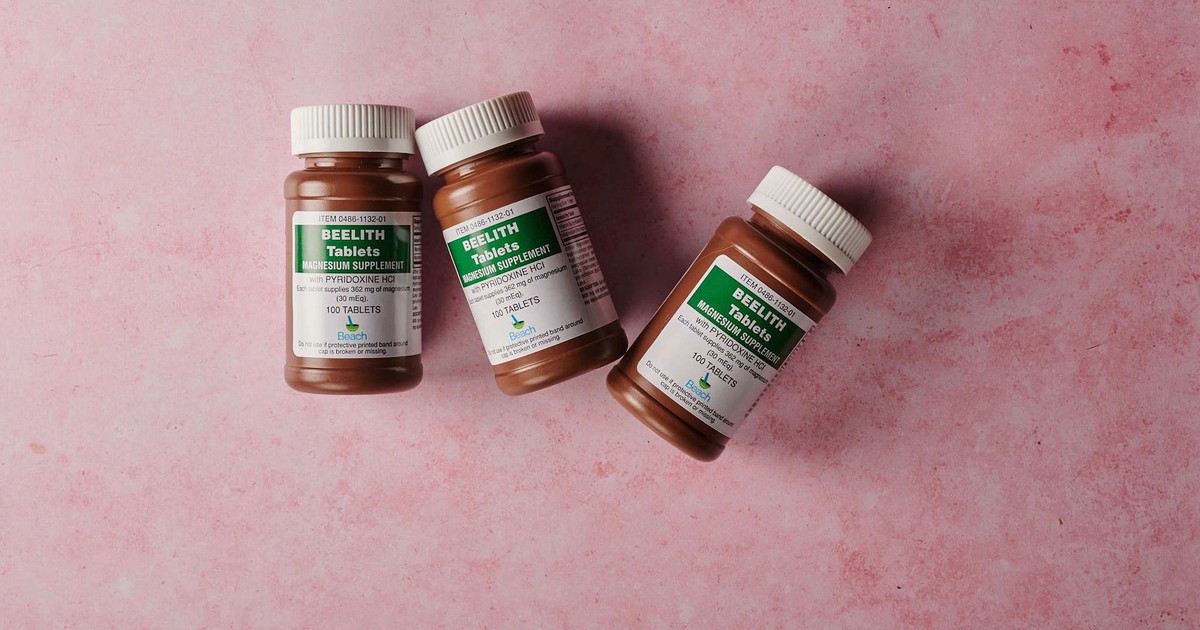
The supplement aisle runs on branding, packaging, and the vague sense that a more expensive product must be working better. For basic vitamins such as vitamin D, vitamin C, B12, and magnesium, the active ingredient is identical across price points, and regulatory requirements ensure consistency. A 90-day supply of name-brand vitamin D3 can run $18-22. The store-brand version: $6-8 for the same dosage and count.
Consumers are demonstrating behavior that is less predictable, more selective, and less brand-loyal entering 2026, and vitamins are a category that exemplifies why. Once shoppers run the comparison and realize the active ingredients are identical, returning to the name-brand price is hard to justify. The premium mostly pays for the bottle design and the marketing budget behind it.
18. Cleaning Products
Multipurpose household cleaners have proliferated into a bewildering range of specialized sprays: one for the bathroom, one for the kitchen, one for glass, one for floors, each carrying a price tag that adds up quickly. Many of these products contain nearly identical ingredients. Multipurpose cleaners handle most surfaces just as well, saving money and reducing clutter under the sink.
Beyond brand versus store-brand comparison, many shoppers have moved to concentrated refillable systems or simple cleaning solutions such as white vinegar, baking soda, and dish soap in diluted form, which cost a fraction of branded alternatives. For heavy-duty jobs like disinfecting, mold, or grease, specific products still matter. But paying $4.99 for a name-brand all-purpose spray when a store-brand equivalent or a concentrated refill does the same job has become a harder sell.
19. Cable and Satellite TV Packages

Cable TV packages haven’t traditionally been grocery items, but they’ve become household line items that Americans scrutinize with grocery-level intensity. A full cable bundle with regional sports and premium channels can run $120-180 per month. Most people only watch a handful of channels regularly, and with streaming services offering targeted content at a fraction of the price, there’s increasingly little reason to pay for the full cable package.
Cord-cutting has accelerated as streaming options have multiplied, and the math on a full cable package has become very difficult to justify for households that mostly watch Netflix, a couple of sports streams, and local news. The full-price cable bill has become the thing people cancel, not reluctantly but decisively, once they do the arithmetic on what they’re actually watching versus what they’re paying for.
20. Brand-Name Batteries
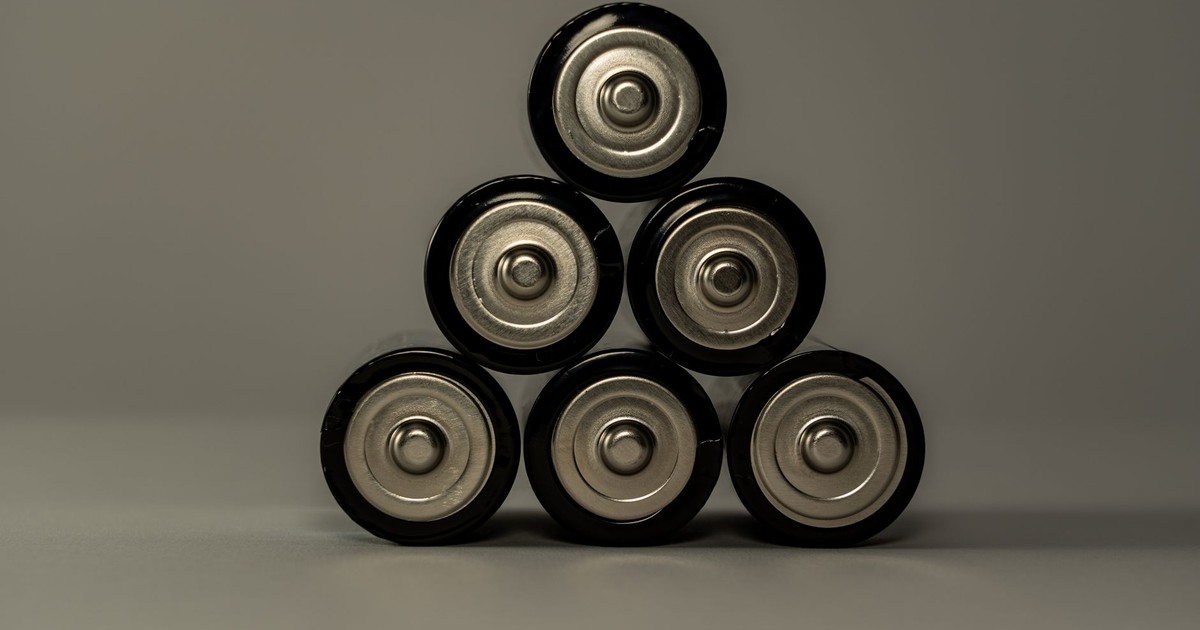
A four-pack of Duracell AA batteries retails for around $8-9 at most grocery stores. Costco requires strict quality standards from its suppliers, and that consistency shows up across product categories. Kirkland batteries frequently rank alongside top national brands in performance tests. The performance gap between premium name-brand batteries and warehouse-club or store-brand alternatives has closed to the point where most consumers can’t detect a difference in standard devices.
For high-drain electronics like gaming controllers and digital cameras, battery quality can matter more. For smoke detectors, TV remotes, flashlights, and kids’ toys, the store-brand equivalent performs identically for significantly less money. Paying $8 for four Duracells when a 48-pack of comparable batteries from a warehouse club costs $15 is one of the cleaner examples of a category where full-retail name-brand loyalty has stopped making practical sense.
Read More: Walmart Overhaul Plans to Remove Self-Checkouts From 650 Stores
The Bigger Pattern Here
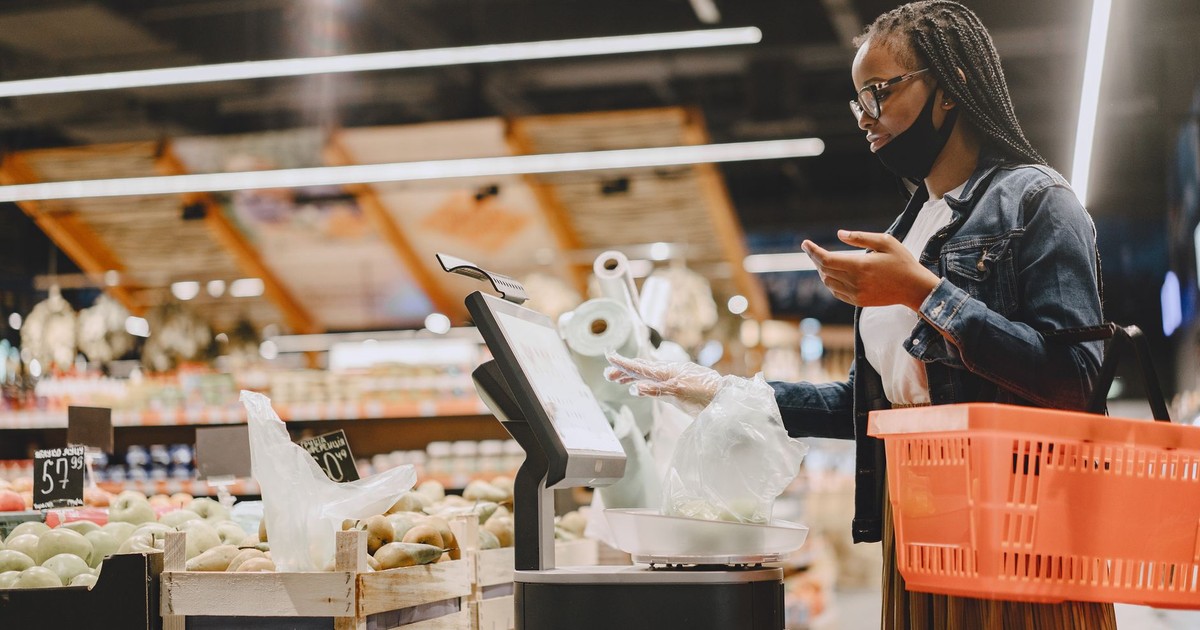
The unifying thread across all 20 of these categories isn’t just price sensitivity. It’s the realization that brand loyalty, for many everyday products, was never really about quality. It was about habit reinforced by advertising. Once that habit gets interrupted by a noticeably thinner bag, a smaller box, or a grocery bill that finally tips over into uncomfortable territory, the recalibration tends to stick.
Some major brands reduced product sizes by over 30% in 2025 without reducing prices, and three-quarters of Americans have noticed shrinkflation at their grocery store, with 81% of those shoppers taking some kind of action and 48% abandoning a brand as a result. The interesting thing about that action is how permanent it tends to be. Shoppers who switch to a store-brand detergent or start buying batteries at the warehouse club rarely switch back when prices stabilize. The full-price habit, once examined, is hard to rebuild.
U.S. consumer sentiment declined sharply in response to tariff-related news, and tariffs emerged as a top concern second only to inflation, prompting many consumers to make changes in their spending habits. As uncertainty around trade policy continues, consumers could remain cautious and increasingly selective in their discretionary spending, according to McKinsey’s ConsumerWise research. The products Americans won’t buy full price anymore aren’t a sign of austerity. They’re a sign of people who’ve run the numbers and found the math wanting. That’s a different kind of shopper, and the brands that don’t adjust to it are going to keep watching their shelf space shrink right alongside their packages.
AI Disclaimer: This article was created with the assistance of AI tools and reviewed by a human editor.