

Retirement is a geography problem as much as a financial one. You can have the savings, the plan, the spreadsheet – and still end up in a city where the money doesn’t go as far as you expected, where a good hospital is 90 minutes away, or where January costs you $400 a month in heating bills you didn’t budget for. The cheapest places to retire south of the Mason-Dixon line solve most of those problems at once: lower housing, favorable tax treatment of retirement income, a climate that doesn’t require a second mortgage on utility bills, and, in many cases, more life per dollar than any comparable city in the Northeast or on the West Coast.
The fifteen cities below aren’t a shortlist built from vague state-level rankings. They’re specific, concrete choices, each one worth considering for different reasons. Some are small and affordable to a degree that borders on disorienting. Some are mid-sized cities with genuine cultural depth and world-class medical centers. A few will surprise you. What every one of them has in common: a retirement budget breathes there in ways it simply doesn’t in higher-cost markets.
The question of which Southern city suits you best comes down to what you actually need day to day – a walkable downtown or a quiet suburban street, a research hospital within twenty minutes or a grocery store you can reach without a highway. The fifteen cities below cover that full range.
1. Knoxville, Tennessee
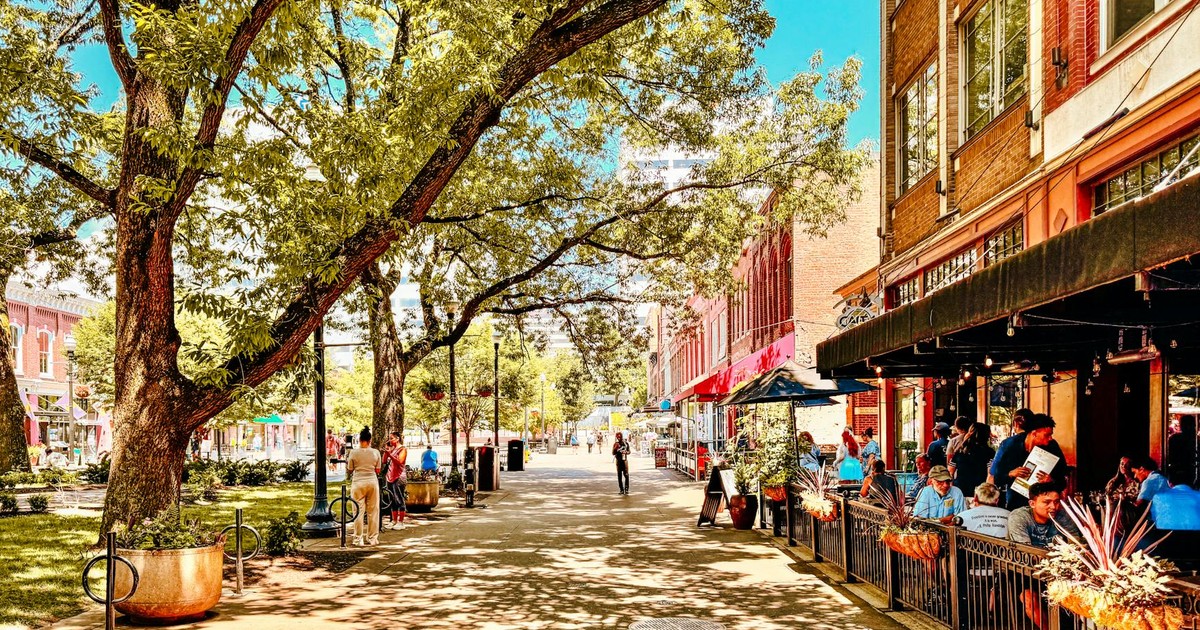
Tennessee charges zero state income tax and sits roughly 10% below the national average for cost of living, and Knoxville is one of the state’s most compelling retirement cities precisely because it packs a lot of life into an affordable package. Nestled between the Cumberland Mountains and the edge of the Great Smoky Mountains National Park, it draws retirees who want genuine outdoor access without paying mountain-resort prices.
The median home price in Knoxville sits well below $300,000, and rental options in suburban neighborhoods are plentiful for those who prefer to rent in retirement. The city has a strong university presence, which means consistent cultural programming, an active arts scene, and a younger population that keeps things moving. Market Square in the downtown core has become a genuinely pleasant place to spend an afternoon.
Tennessee levies zero state income tax on wages or retirement income, and the old Hall Tax on investment income was fully repealed in 2021, meaning what you earn in dividends or capital gains, Tennessee won’t touch. For retirees living off a portfolio or a mix of Social Security, pension, and investment income, that’s a meaningful advantage every April.
2. Memphis, Tennessee
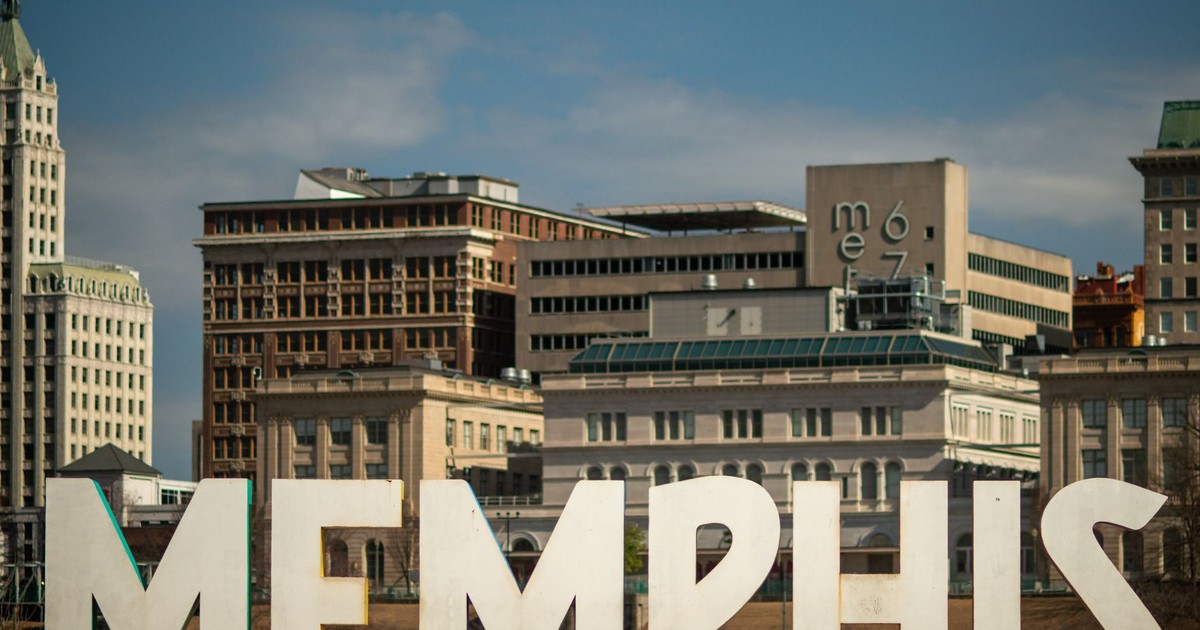
Memphis rarely makes the glamorous shortlist for retirement, which is part of what makes it interesting. The cost of living is genuinely low, the culture is deep and singular, and the healthcare infrastructure is substantial. It’s a city that rewards people who look past the surface.
Annual household costs in Oklahoma sit at $66,284, making it the cheapest state in the country by that measure, according to a 2026 analysis from Visual Capitalist using Bureau of Labor Statistics Consumer Expenditure Survey data and Missouri Economic Research and Information Center figures. Tennessee tracks similarly affordable. Memphis specifically tends to run even lower than the state average, given its larger supply of older housing stock and the sheer number of affordable neighborhoods ringing the city core. You can find a solid three-bedroom house in East Memphis or Midtown for under $200,000, and rental prices reflect the same market reality.
Beyond price, Memphis offers something harder to quantify: a music and food culture that is genuinely world-class. The barbecue alone could be a reason to stay. Add the National Civil Rights Museum, the Memphis Brooks Museum of Art, and easy access to the Mississippi River waterfront, and you have a city that keeps retirees engaged. The med-center campus means top-tier healthcare is not a question mark.
3. Huntsville, Alabama

Huntsville has been transforming for a decade, and the result is a city that feels bigger and more dynamic than its size suggests. Aerospace retirees from California have been selling $650,000 condos and buying 2,200-square-foot homes in Madison County for $285,000 cash. That arithmetic is hard to argue with.
Alabama comes in at a cost-of-living index of 87.6, according to the Missouri Economic Research and Information Center, with inexpensive housing and growing sectors like aerospace and automotive. The Rocket City’s NASA and defense contractor presence has funded world-class infrastructure for a mid-sized Southern city: excellent roads, a strong hospital network, and cultural institutions that punch above their weight. The U.S. Space and Rocket Center is legitimately fascinating even if you’re not a space enthusiast, and the food scene has improved considerably in recent years.
Alabama offers especially attractive tax policies for retirees, including no income taxes on retirement income from government pensions or 401(k) plans. For anyone coming out of a government or military career, that combination of low housing and zero tax on pension income adds up fast.
4. Birmingham, Alabama
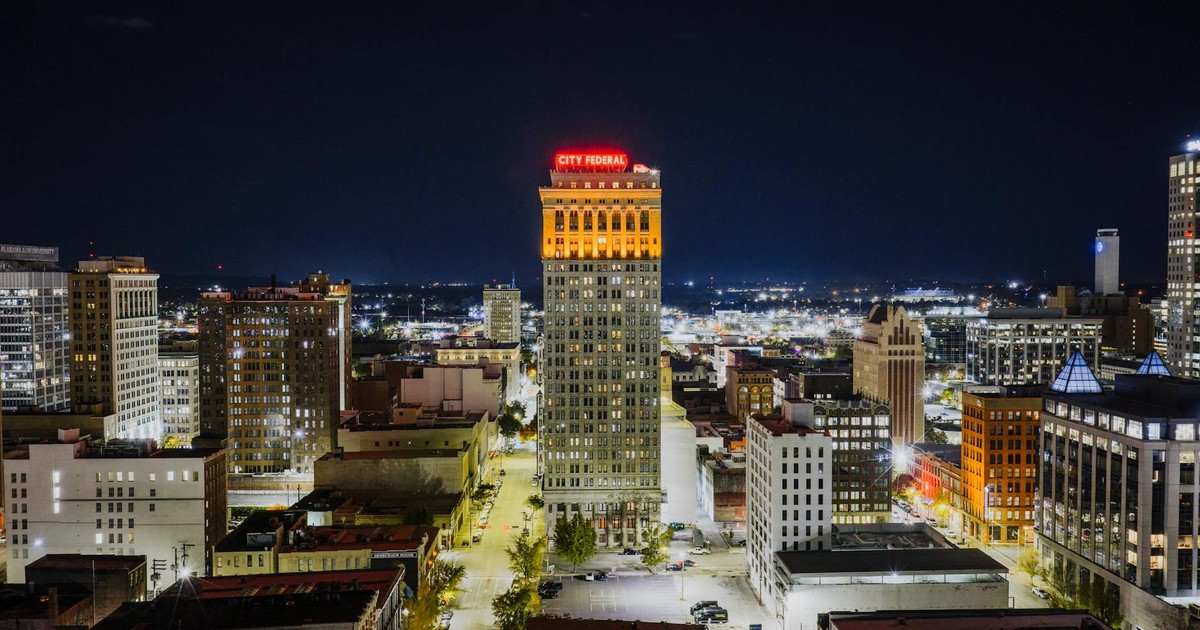
Birmingham is Alabama’s largest city, and it offers what smaller Alabama towns can’t: the full spread of urban amenities at a price point that makes other major Southern cities look expensive. The Southside and Forest Park neighborhoods have become genuinely desirable, with good restaurants, independent bookstores, and walkable streets, all within a short drive of the Appalachian foothills.
Housing costs remain among the lowest for any city of Birmingham’s size in the entire country. Median home prices hover well below the national average, and the city has a disproportionate concentration of high-quality medical care relative to its size, driven in large part by the University of Alabama at Birmingham’s health system, one of the South’s most respected research hospitals. For retirees who want to stay close to excellent healthcare, that’s a real draw.
Alabama’s retirement tax approach is blunt and generous. Coupled with a 4% flat state income tax on other income, the math tips hard in your favor if you’re drawing down a retirement account or collecting a pension. Alabama also has no state inheritance tax, which matters for anyone doing estate planning alongside retirement planning.
5. Jackson, Mississippi

Mississippi scores 83.3 on the composite 2026 C2ER cost-of-living index against a US average of 100, making it the single most affordable state in the country. Housing drives the figure: the median home is $162,100 and a two-bedroom apartment rents for $810 on average. Jackson, the state capital, gives you access to that affordability plus the amenities of a city: museums, hospitals, universities, and a growing food scene.
Mississippi exempts all retirement income from state tax, including IRA distributions and 401(k) withdrawals. As of January 2026, Mississippi is also phasing out its income tax on wages, with the rate dropping to 4.7%. For a retiree, the practical effect is close to zero state tax burden.
The honest trade-off with Jackson is that infrastructure and public services vary widely by neighborhood, and crime statistics in parts of the city warrant research before choosing where to live. But the affordable suburbs of Flowood, Brandon, and Ridgeland offer options within easy driving distance of the city’s core amenities, and home prices in those areas are still far below the national median.
6. Hattiesburg, Mississippi
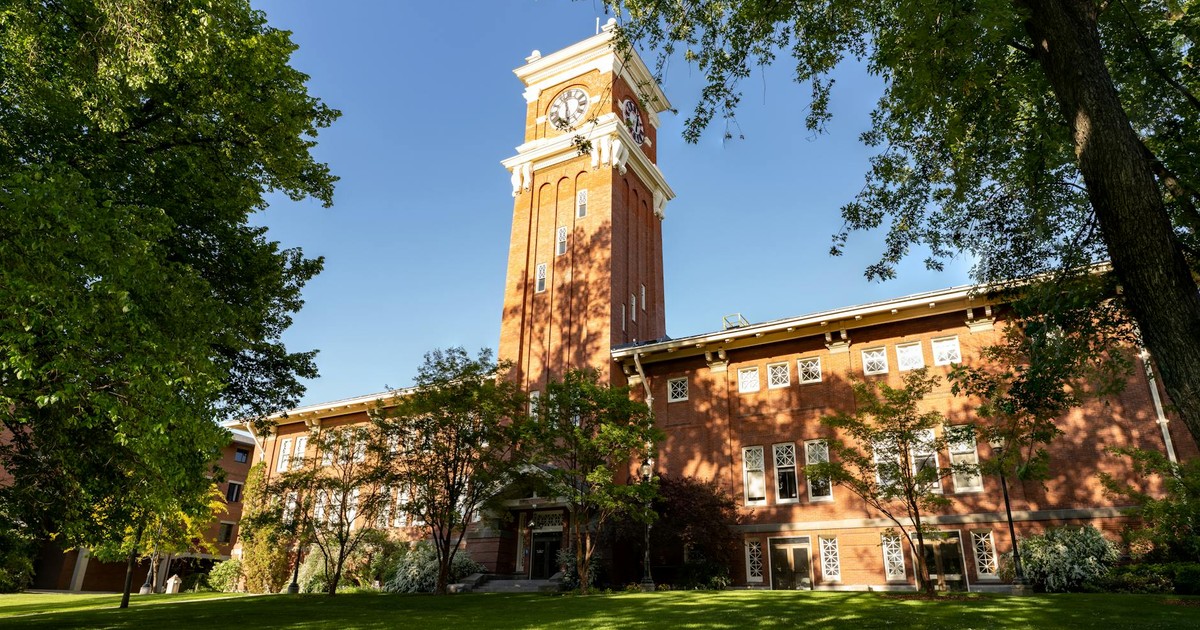
If Jackson feels too central for your taste, Hattiesburg offers a smaller-city alternative with some distinct advantages. For a retiree in Hattiesburg, Mississippi’s tax exemptions on all retirement income represent real money left in the pocket every April. The city sits about 70 miles north of the Gulf Coast, close enough for day trips to the beach but far enough to avoid the hurricane-zone insurance premiums that have hit coastal Mississippi hard in recent years.
The University of Southern Mississippi anchors a good deal of the city’s cultural life, and the Forrest General Hospital campus provides reliable healthcare access. Hattiesburg’s housing stock is mostly modest and affordable, and the city has a strong sense of community that residents consistently highlight as a reason they stay. The cost of a full weekly grocery run here is noticeably lower than what the same basket would cost in a mid-Atlantic or West Coast city.
7. Little Rock, Arkansas

Arkansas is one of those states that gets overlooked in retirement conversations, often crowded out by the louder marketing of Tennessee and Florida. That oversight works in your favor. Twenty-nine states sit below the national average on the cost-of-living index, with the cluster concentrated in the South and Midwest, and Arkansas is consistently among them. Little Rock is the state’s most complete city by most measures.
The Arkansas River Trail, one of the best urban cycling and running paths in the South, runs right through the city. The Crystal Bridges Museum of American Art is a short drive away in Bentonville. Little Rock has solid healthcare infrastructure through the UAMS (University of Arkansas for Medical Sciences) system, and the housing market offers exceptional value. You can buy a comfortable three-bedroom home in the Heights or Hillcrest neighborhoods for well under $300,000, and rental prices reflect the same buyer-favorable reality.
Arkansas partially taxes Social Security income for lower earners but exempts it for those over the income threshold where it begins to phase out. The state has no inheritance tax, and the overall tax burden for retirees is among the lowest in the country.
8. Fort Smith, Arkansas

Fort Smith sits on the Oklahoma border in western Arkansas, and it’s one of the more under-the-radar retirement options in the entire region. Housing costs are even lower here than in Little Rock, and the city has invested meaningfully in its riverfront and downtown core over the past decade, with results that are genuinely visible.
The healthcare situation is solid for a city of its size, anchored by Mercy Fort Smith and Baptist Health hospitals. The cost of groceries and everyday expenses consistently runs below both the Arkansas average and the national benchmark, which is already low. The climate is mild, and the Ozark National Forest is close enough for day hiking without a long drive. For retirees moving from a higher-cost state, the adjustment in what things cost at the checkout line and on monthly utility bills tends to be immediate and noticeable.
Read More: Mountain Towns Where Retirees Can Live Like Millionaires on $50,000 a Year
9. Oklahoma City, Oklahoma

Oklahoma holds the nation’s lowest cost-of-living index at 85.5, meaning life costs 14.5% less than the US average, according to 24/7 Wall St. reviewing the MERIC composite index for the first quarter of 2025. Oklahoma City is where that affordability meets genuine urban scale. It’s a city with professional sports teams, a thriving Bricktown entertainment district, solid medical centers, and an airport that makes it easy to visit family anywhere in the country.
The median home sale price in Oklahoma City sits at $240,000 as of late 2025, with prices rising just 1% year over year. By contrast, the US median stood at nearly $359,000. For a retiree buying in cash or with equity from a sold home in a pricier market, the difference is significant.
Oklahoma levies no state tax on Social Security income and exempts a portion of other retirement income. The combination of low housing, low overall cost of living, and retirement-friendly tax treatment makes Oklahoma City one of the genuinely most affordable cities for retirement in the country, not just in the South.
10. Tulsa, Oklahoma
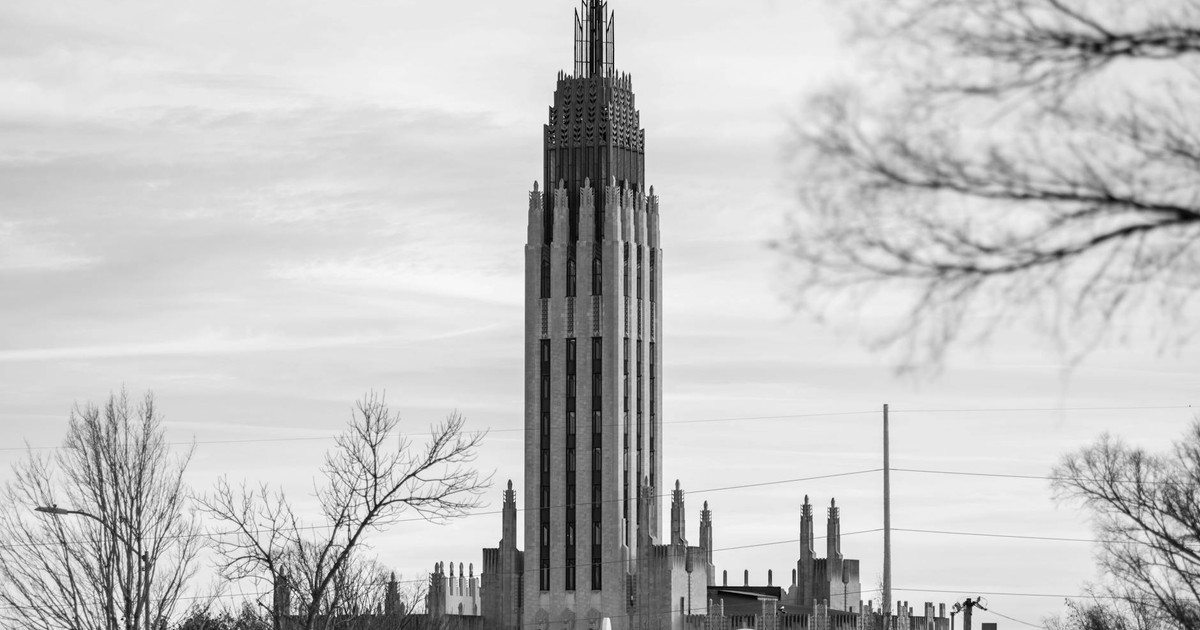
Tulsa has been accumulating the kind of cultural and economic infrastructure that makes a city genuinely livable for retirees without making a lot of noise about it. The Philbrook Museum of Art and the Gilcrease Museum are world-class institutions that most people outside Oklahoma have never heard of. The Brady Arts District has good restaurants and live music. The Gathering Place, a 100-acre riverfront park, is one of the best public green spaces in the central United States.
Tulsa’s metro added over 14,000 net new residents between 2023 and 2025, a signal that the city’s value proposition is being discovered more broadly. Housing costs remain low relative to that growth, and the city’s healthcare system, anchored by Saint Francis and Ascension St. John hospitals, is robust. For retirees who want a mid-sized city with genuine cultural depth and a low monthly overhead, Tulsa is hard to beat.
11. Athens, Georgia
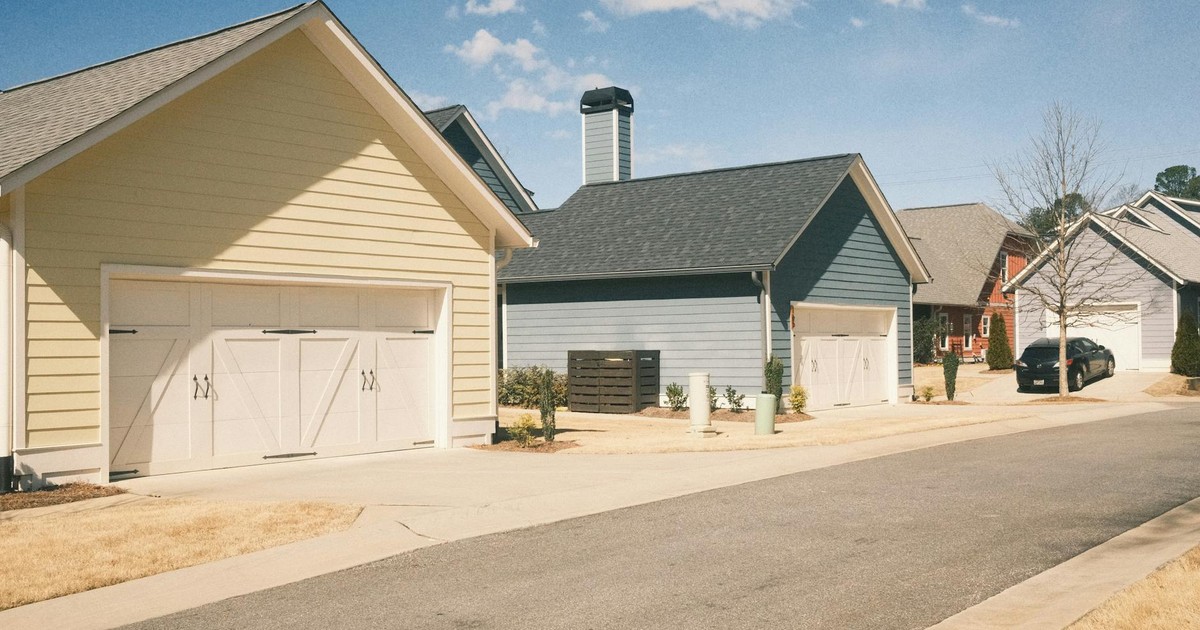
Georgia has carved out a strong reputation as a retirement-friendly state, and Athens is one of its most appealing options for retirees who want college-town energy at a fraction of what similar environments cost in the Northeast. Athens has a cost of living 2% lower than the national average, and the median sale price for a home was $328,000 as of January 2025.
The University of Georgia’s presence means there’s always something happening: lectures, performances, sporting events, and one of the best music scenes in the South. The downtown has excellent restaurants and a walkable core. Georgia doesn’t tax Social Security benefits and offers a significant retirement income exclusion for those 65 and older. The climate is warm without being brutal through most of the year, and the Blue Ridge Mountains are a two-hour drive for a weekend getaway. For the right kind of retiree, Athens is close to ideal.
12. Savannah, Georgia
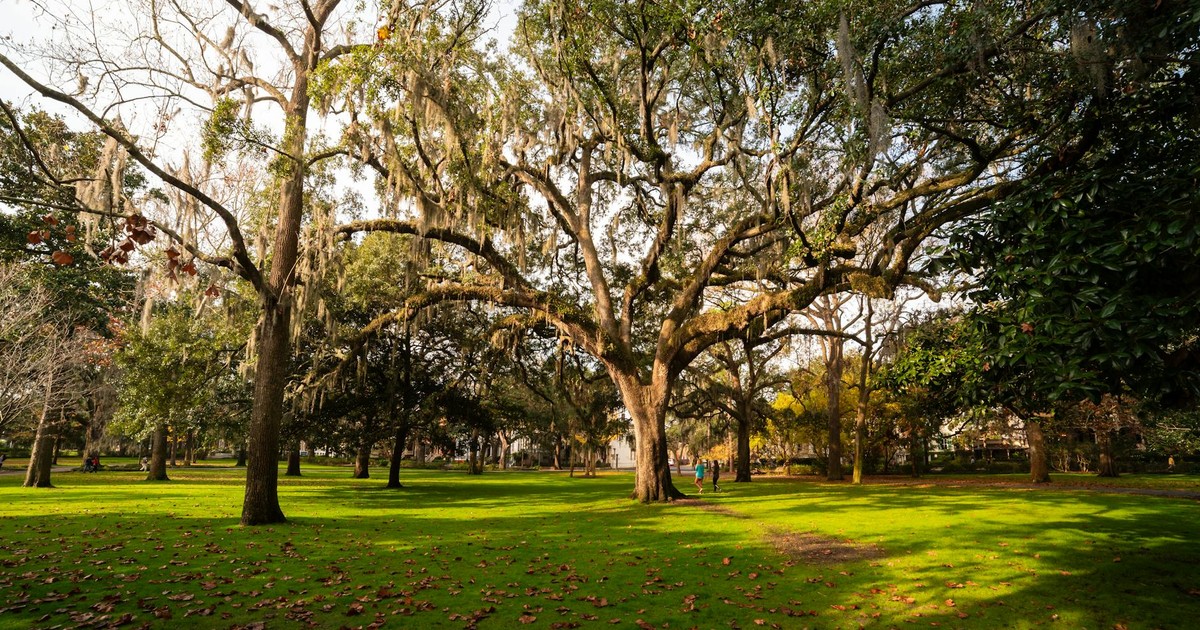
Savannah is one of the most beautiful cities in America, and the fact that it remains significantly more affordable than comparable coastal cities in other parts of the country is one of the better-kept retirement secrets in the South. The historic district is walkable, the squares are iconic, and the waterfront on River Street gives the city a genuine sense of place that most planned retirement communities can’t replicate.
Housing prices in Savannah’s surrounding Chatham County are higher than in Georgia’s inland cities but still competitive by coastal standards. The Savannah metro has seen strong healthcare investment, including a major expansion at Memorial Health University Medical Center. Georgia’s retirement income exclusion applies here just as it does statewide, and the combination of cultural richness, mild winters, and reasonable costs makes Savannah one of the most compelling retirement cities on this entire list. You can visit for a weekend convinced you’re going to move there. That feeling tends to stick.
13. Greenville, South Carolina
South Carolina has earned its reputation as a retirement-friendly state through a consistent combination of low costs and favorable tax policy. The state doesn’t tax Social Security income, only partially taxes retirement account withdrawals and pensions, and has property taxes among the lowest in the country.
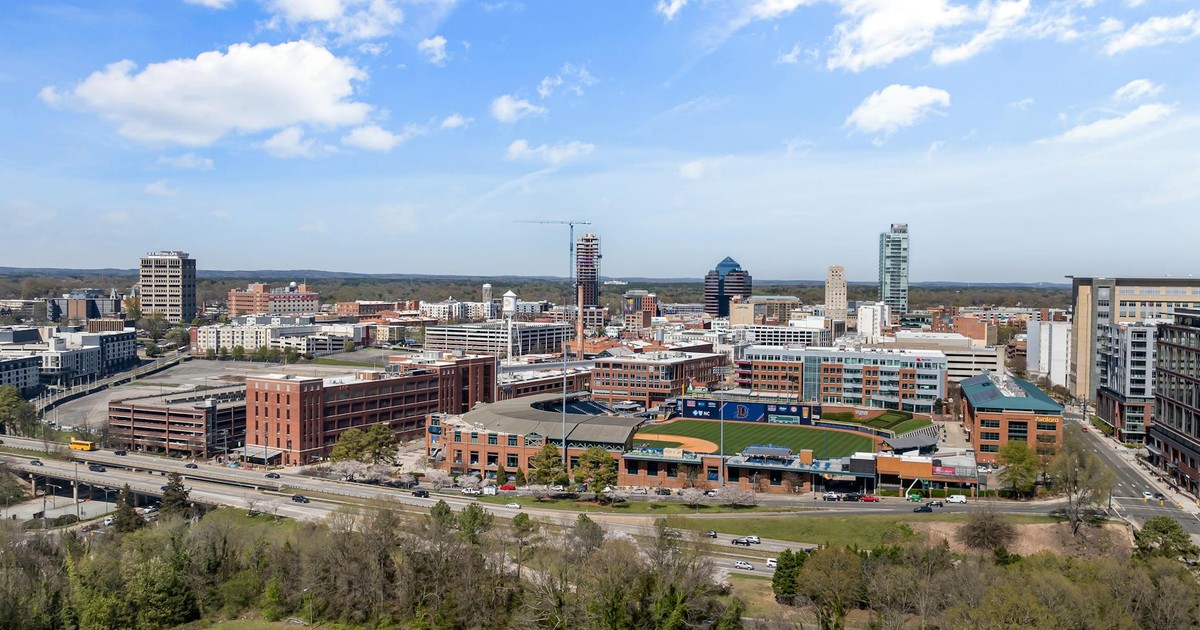
Greenville is the state’s most dynamic city for quality of life. The Reedy River Falls sits right in the middle of Falls Park in the downtown core, which is genuinely one of the prettiest urban parks in the Southeast. Main Street is lined with independent restaurants and boutiques. The Swamp Rabbit Trail connects neighborhoods by bike. The cost of housing runs a bit higher than other South Carolina options, with a median sale price of $454,500, but for a city of its quality and growth trajectory, that number still looks manageable compared to comparable cities in other regions. Retirees moving from the Northeast or the West Coast will find the adjustment immediate and noticeable.
14. Florence, South Carolina
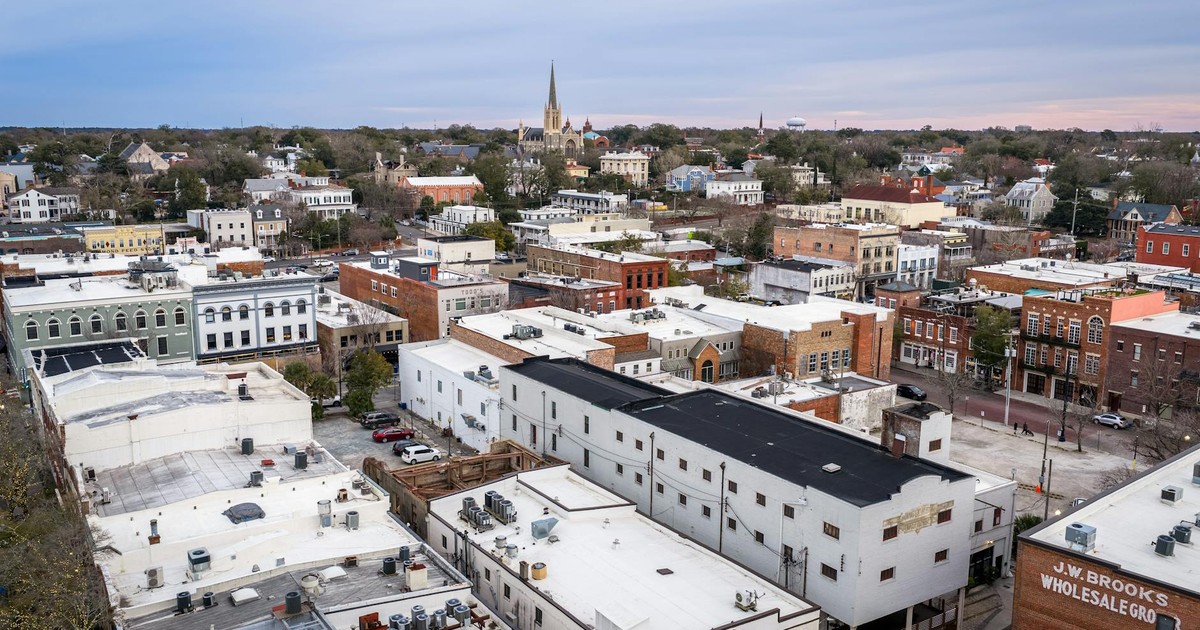
Florence sits at the opposite end of the South Carolina cost spectrum from Greenville, and it’s worth serious consideration for retirees prioritizing raw affordability. Florence sits at the heart of South Carolina’s historic Pee Dee region, offering retirees an affordable and welcoming place to call home. The median home price is $225,490 with rent as low as $922 per month, and 18.6% of residents are aged 65 and older, meaning the city has built genuine infrastructure around its senior population. Doctor’s offices, senior centers, community programming, and social networks oriented around older residents are all easier to find here than in a city still figuring out its identity.
Florence does carry the highest poverty rate among South Carolina’s top retirement cities at 18.1%, which is worth factoring into the research process before committing. The right neighborhood matters more here than in some other cities on this list. But for retirees on a fixed income who need housing costs to stay very low and want to be surrounded by a large peer community, Florence delivers in a way that pricier markets simply cannot.
15. El Paso, Texas

Texas has no state income tax, full stop. The state lands roughly 8% below the national cost-of-living average, and the no-income-tax advantage is real at any income level. Every dollar of Social Security, pension, or investment income you collect is yours entirely, with no state deduction.
El Paso is the most affordable major city in Texas by most measures, and it offers something unusual for a Sun Belt retirement city: genuine cultural depth. The Franklin Mountains State Park sits inside the city limits and offers over 100 miles of hiking trails. The city has strong ties to New Mexico and Mexico, creating a food culture that is singular and deeply local. The University of Texas at El Paso anchors an arts and events calendar that punches well above the city’s national profile. Housing costs are significantly below the Texas average, and the mild, dry climate is among the most forgiving in the South for anyone who struggles with humidity. Summers are hot, but the air is dry and the mornings are cool.
Read More: 13 Affordable Beach Towns Where Retirees Are Moving Instead of Florida
What to Do With All of This

A list like this can make retirement planning feel deceptively simple: pick the cheapest city, move there, done. But affordability is only one axis, and the cities above differ from each other in ways that matter enormously depending on who you are. Tulsa and Savannah are both affordable, but they offer completely different versions of daily life. Memphis and Athens are both college-influenced Southern cities with good food and culture, but the feel on the street is nothing alike.
Research consistently shows that the states with the lowest overall cost of living are concentrated in the Deep South and Midwest. Several of the most affordable states, including Mississippi, Arkansas, and Alabama, also rank among those with higher rates of senior poverty nationally. That doesn’t make them the wrong choices. It means they reward retirees who arrive with steady income, because the dollar genuinely stretches further in those places than almost anywhere else in America. The risk is not whether you can afford to be there. It’s about making sure the local infrastructure, healthcare access, and community density match what you’ll actually need as the years go on.
The smartest move before committing is to spend a week, not a weekend, in the city you’re considering. Walk the grocery store. Drive to the nearest hospital. Sit in the park on a Tuesday morning. The cost-of-living data will get you to the right shortlist. Showing up in person and paying attention is what gets you to the right city.
Disclaimer: This information is not intended to be a substitute for professional medical advice, diagnosis, or treatment and is for information only. Always seek the advice of your physician or another qualified health provider with any questions about your medical condition and/or current medication. Do not disregard professional medical advice or delay seeking advice or treatment because of something you have read here.
AI Disclaimer: This article was created with the assistance of AI tools and reviewed by a human editor.