

Florida has been the retirement default for so long it’s practically a reflex. Sun, no state income tax, warm water – for decades, those three things pointed in one direction on the map, and millions of retirees followed. Then something shifted. Home prices in Florida’s coastal towns climbed past what most retirement budgets can absorb, insurance premiums went up sharply after years of hurricane seasons, and the retirees who arrived in the early 2010s discovered that plenty of their neighbors had also figured out the trick. The quiet became loud. The affordable became expensive.
What nobody told you is that the appeal Florida was selling – warmth, water, walkable community, tax-friendliness – was never exclusive to Florida. The Gulf Coast runs through Mississippi, Alabama, and Texas. The Atlantic coast has Georgia and the Carolinas. And all of those states have beach towns that retired couples are now moving to instead, where the median home price is still under $350,000 and the daily rhythm is exactly what Florida once promised.
According to the Bureau of Labor Statistics’ 2024 Consumer Expenditure Survey, households led by someone 65 or older spend about $61,432 per year on average, or roughly $5,119 per month, covering housing, food, transportation, and healthcare. That number makes the choice of location matter enormously. The 13 towns below each offer genuine coastal living – not a compromise version of it – at prices that don’t quietly drain a retirement account.
1. Myrtle Beach, South Carolina
Myrtle Beach has one of the most lopsided fame-to-cost ratios of any town on this list. It’s well-known as a vacation destination, which makes people assume it’s expensive to live in. It isn’t. Median home values run around $310,000, which puts Myrtle Beach on the affordable end of major Atlantic retirement markets despite being one of the most popular ones.
The geography here is hard to beat for retirees who want options. Myrtle Beach has nearly 90 golf courses and 60 miles of Atlantic beach, with a senior population north of 30 percent. That senior population figure isn’t incidental – it means the area has built genuine infrastructure around retirement: senior centers, medical specialists, retirement communities, and the kind of social fabric that makes it easier to actually meet people after a move.
South Carolina’s tax profile is among the friendlier in the country for retirees: the state does not tax Social Security, allows a deduction of up to $10,000 on other retirement income, and adds an additional $15,000 deduction for residents 65 or older. Healthcare access is strong in town, with Grand Strand Medical Center handling emergency care. Add the off-season quiet – the tourist crowds clear out after Labor Day – and you get the beaches largely to yourself for eight months of the year.
2. Brunswick, Georgia
Brunswick doesn’t get the headlines that Savannah does, and that’s precisely what makes it interesting to anyone comparing price tags. Brunswick is the affordable mainland gateway to the Golden Isles – St. Simons, Sea Island, and Jekyll Island – each of which has direct Atlantic beaches but home prices several times higher than the mainland equivalent. Brunswick itself sits along a network of marsh-fed rivers, with the actual ocean a 10-to-20-minute drive across the causeway depending on which island you choose.
Median home values in Brunswick run around $310,000. For that price, you get a genuine small-city feel with a walkable historic downtown, the views, live oaks, and the kind of unhurried pace that’s hard to find once a place gets popular enough to appear on “best of” lists.
Georgia’s retirement tax profile is one of the more attractive in the South: the state does not tax Social Security and provides a retirement income deduction of up to $65,000 per person for residents 65 and older. Healthcare is handled locally by Southeast Georgia Health System. Brunswick has stayed under the radar long enough that the prices still reflect that.
3. Savannah, Georgia
Savannah has the name recognition Brunswick doesn’t, but it still prices favorably against Florida coastal markets. Known for its oak tree-lined streets and quaint historic district, Savannah offers lower housing costs than many cities in Florida and the Carolinas, while still delivering coastal amenities and a laid-back lifestyle.
The beach itself is a short drive rather than a walk – Tybee Island sits about 18 miles east. But what Savannah trades in immediate beachfront proximity, it more than compensates for with quality of life. Savannah isn’t just affordable – it’s genuinely beautiful in a way that few American cities can match. Its downtown is a National Historic Landmark District, notable for its variety of architectural styles and residential and commercial mix. Spanish moss drips from century-old oaks throughout Savannah’s 23 squares.
Georgia does not tax Social Security income, and residents 65 and older can exclude up to $65,000 of other retirement income per person from state taxes. Memorial Health University Medical Center, a Level 1 trauma center and teaching hospital, anchors the region’s medical care. For retirees who want cultural richness alongside coastal access and reasonable prices, Savannah is difficult to match.
4. Gulfport, Mississippi
Mississippi doesn’t appear on most people’s retirement shortlists, which is a strange oversight given the numbers. Gulfport sits on the Mississippi Gulf Coast with the Gulf of Mexico directly at its doorstep. Nearly one in five residents is already 65 or older, and more than a quarter of households report retirement income, reflecting a well-established retiree community.
Data from the Mississippi Gulf Coast real estate market shows a median home price in Gulfport of around $207,000 as of late 2025 – well below both the national average and most comparable Gulf-facing markets in Florida or Texas. Average rents across the MS Gulf Coast ran about $1,087 per unit in late 2024, leaving room on a modest income for seafood dinners, fishing charters, and the occasional day at the casino resorts in nearby Biloxi.
Mississippi does not tax Social Security income, which stretches retirement dollars further than many comparable Gulf destinations. The town’s long beach boulevard gives residents a scenic oceanfront drive that doubles as a daily walking route, and Gulf Islands National Seashore sits just offshore with barrier island beaches that stay uncrowded most of the year.
5. Biloxi, Mississippi
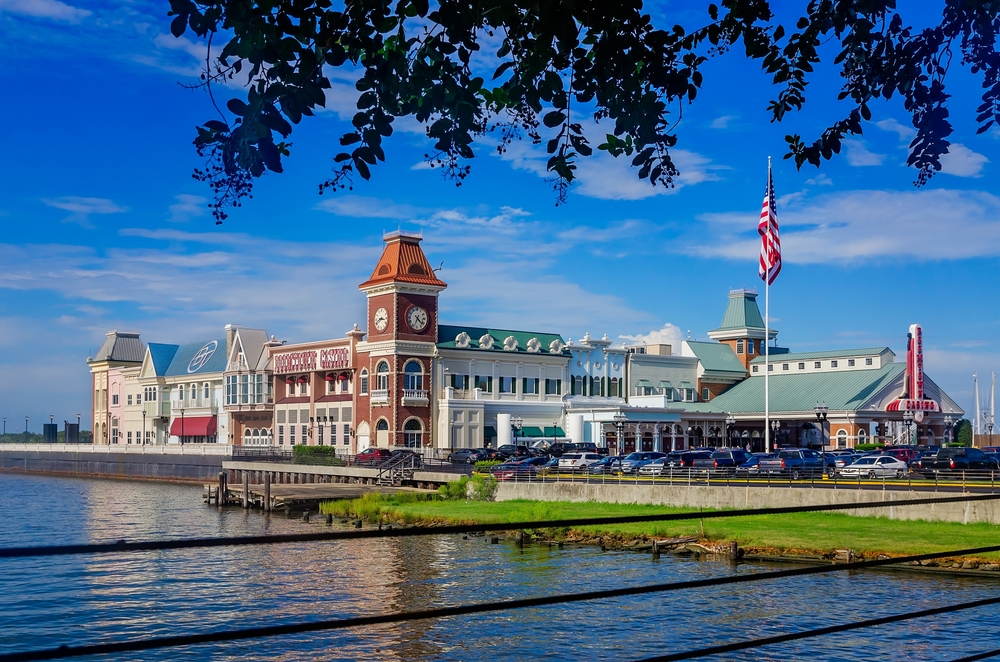
Biloxi sits just east of Gulfport on the same Mississippi Sound coastline, and it’s carved out a distinct identity from its neighbor. Where Gulfport skews quieter, Biloxi has entertainment infrastructure – casino resorts, live music, a cruise port – that makes it feel more animated without commanding the prices those amenities usually bring.
Biloxi is often overlooked as a retiree destination, but its affordability makes it hard to ignore. According to Redfin’s housing market data, the overall cost of living in Biloxi is 15% lower than the national average, and the median sale price of a home is roughly 30% below the national figure. A median home sale price of around $263,000 – per Mississippi housing data – means the kind of Gulf-facing lifestyle that runs considerably more expensive a few states over.
Mississippi ranks among the most tax-friendly states for retirees: it does not tax Social Security income and, according to Rocket Mortgage’s 2025 state housing analysis, is the most tax-friendly state for retirees among all states that exempt retirement income, carrying some of the lowest property taxes in the nation. Keesler Medical Center, a federal military hospital on Keesler Air Force Base, also provides care options for veterans – an underappreciated advantage for that community. The combination of low baseline costs, Gulf water, and year-round warmth makes Biloxi one of the more compelling arguments for looking past Florida entirely.
6. Corpus Christi, Texas
Corpus Christi has over 100 miles of shoreline and a genuine Gulf Coast lifestyle – not a weekend-getaway version of it, but daily access to water, wildlife, and warm weather. According to RentCafe’s 2026 cost-of-living data, the overall cost of living in Corpus Christi is 12% lower than the national average, housing is 24% cheaper than the U.S. average, groceries run about 6% less, and healthcare services cost 7% less. Texas has no state income tax, a significant financial advantage for retirees living on fixed incomes.
Padre Island National Seashore, the longest undeveloped barrier island in the world, is about 30 minutes from downtown. That’s not a weekend destination – it’s where Corpus Christi retirees walk their dogs on Tuesday mornings. The city also has the size to support proper medical infrastructure: multiple hospital systems, specialist access, and the kind of everyday retail that small beach towns often lack.
In a retirement budget, those cost-of-living discounts compound quickly into real dollars – and for anyone whose Social Security check is the anchor of their monthly income, a city that consistently runs 12% below the national baseline is genuinely meaningful.
7. Galveston, Texas
Galveston is often grouped with Houston in the way people think about it – a day trip from the city, a vacation spot, not a place where people actually live permanently. That reputation undersells it considerably. Galveston blends historic charm with Gulf Coast living at prices that appeal to retirees. Home values average around $332,000, which is lower than many East or West Coast beach towns. Texas’ zero income tax policy means retirees don’t lose money to state income taxes. Beyond finances, Galveston offers cultural attractions such as museums, historic architecture, and a variety of local dining options.
The Victorian architecture in Galveston’s East End Historic District is genuinely stunning – 1,500 historic buildings, more per capita than almost anywhere in Texas. Galveston is making strides in preserving its historic character, attracting tourism and investment. Prices in most of the city remain in the $270,000 to $300,000 range in 2026. Houston’s world-class Texas Medical Center is less than an hour away – a significant comfort for retirees who want access to specialist care without living in a major city.
8. Daytona Beach, Florida
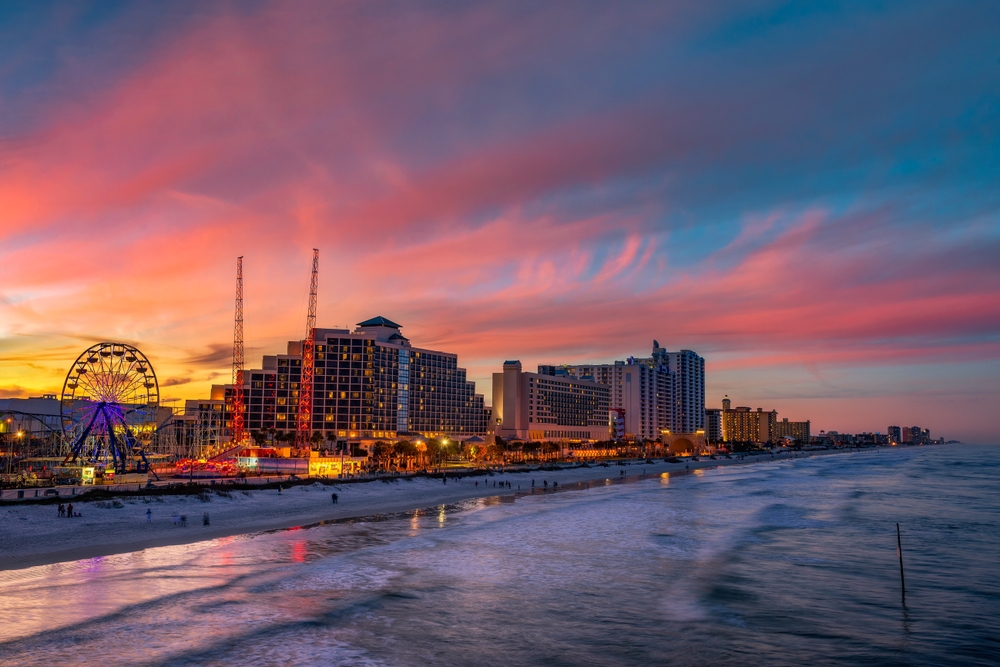
Yes, this is a Florida entry – but it’s a Florida entry for retirees who want the state’s tax advantages without the price tags that usually come with them. Daytona operates on a different tier from Miami, Naples, or Sarasota. Daytona Beach is one of the rare Atlantic-facing Florida beach towns where the retirement math still works out. Median home values run around $280,000, which is well below the Florida coastal average and reflects the fact that Daytona has not been gentrified the way New Smyrna or Vero Beach have.
The town’s hard-packed Atlantic beach runs 23 miles along the ocean, and the Halifax River provides a second waterway running parallel inland. The Latitude Margaritaville retirement community is here, which has drawn attention to the area, though retirees certainly aren’t limited to it.
For retirees, Daytona offers the standard Florida combination: warm year-round climate, broad medical infrastructure with AdventHealth Daytona Beach and Halifax Health Medical Center both in town, and Florida’s signature retiree tax profile of no state income tax, no Social Security tax, no estate tax, and no inheritance tax. For anyone who genuinely wants Florida but can’t stomach what the coastal median price has become elsewhere in the state, Daytona is the answer.
9. Gulf Shores, Alabama
Gulf Shores sits at the end of a long thin barrier island where the Alabama coast finally reaches the Gulf, and the beaches here – white quartz sand, warm emerald water – genuinely rival anything Florida has. The difference is what they cost to live near.
Gulf Shores is known for its white sand beaches and access to Gulf State Park, which offers thousands of acres of protected land and outdoor recreation. Median home prices are around $367,000, with condos providing a more affordable entry point for coastal living. Residents enjoy activities such as cycling, kayaking, fishing, and community events throughout the year.
Retirees enjoy more than 30 miles of white sandy beaches, plus a cost of living that runs about 12% below the national average. Alabama also ranks among the states with some of the lowest property taxes, which helps savings last longer. Alabama doesn’t tax Social Security income and offers generous exemptions on pension and retirement distributions – a combination that can mean real money for anyone on a fixed income. The local festival calendar stays full year-round, and the seafood is as good as it gets anywhere along the Gulf.
10. Mobile, Alabama
Mobile is Alabama’s only coastal city with a proper urban core, which makes it stand apart from the smaller beach towns on this list. It’s a city of around 185,000 people with genuine cultural infrastructure – museums, a symphony, a historic district that predates the United States – and it sits at the top of Mobile Bay with easy access to the Gulf’s beaches via Dauphin Island.
Dauphin Island, a quiet barrier island about 35 miles south, gives residents low-key Gulf beach access without resort pricing, and the University of South Alabama Health system anchors a strong regional medical network. Alabama does not tax Social Security income and offers generous exemptions on pension and retirement distributions, which could mean meaningful savings for retirees on a fixed income.
The combination of urban amenities, strong healthcare, and access to quiet Gulf beaches at a cost well below the national coastal average has made Mobile increasingly attractive to retirees who want more than just sand. For anyone who has watched the Gulf Coast steadily climb the affordability rankings, Mobile offers the closest thing to a full-service city on that coastline at prices that still reflect its lower profile.
11. North Charleston, South Carolina
The name “North Charleston” doesn’t carry the romance of “Charleston,” which is entirely the point. North Charleston gives retirees affordable access to the greater Charleston area without the premium price that comes with an address on the historic peninsula. Folly Beach, Sullivan’s Island, and Isle of Palms are all within a short drive, and the surrounding region’s mix of marshland, rivers, and ocean shoreline keeps outdoor options varied throughout the year.
Charleston’s downtown median home price has pushed well past $600,000. North Charleston sits in a completely different range, giving retirees the same access to hospitals, airports, and coastline at a fraction of the cost. South Carolina’s no tax on Social Security, up to $10,000 deducted from other retirement income – applies regardless of whether your address says “Charleston” or “North Charleston.”
The practical case for North Charleston is simple: you can attend the same restaurants, visit the same beaches, and access the same medical system as someone paying twice your housing costs. The Lowcountry lifestyle doesn’t change because you crossed a city boundary.
12. Toms River, New Jersey
Toms River is the outlier on this list – colder winters, a different coast, and New Jersey’s higher baseline costs – but it earns its spot because of what it offers the specific retiree who wants the Northeast coast without the Northeast coast’s worst prices.
Toms River is one of the largest communities in Ocean County, a stretch of the Jersey Shore that has been a retirement destination for decades. More than 22% of its residents are 65 or older – the highest share among comparable towns – and the township borders Barnegat Bay, with Island Beach State Park directly across the water offering 10 miles of undeveloped barrier island shoreline.
New Jersey does not tax Social Security income, and the state offers retirement income exclusions for taxpayers below certain income thresholds that may reduce the overall tax bill. Community Medical Center, part of the RWJBarnabas Health network, provides full-service acute care in town. For retirees whose family is concentrated in the mid-Atlantic region – and who would rather cut six hours off a drive to see grandchildren than trade away that proximity for warmer winters – Toms River makes the math work in a way most Jersey Shore towns simply don’t.
13. Port Aransas, Texas
Port Aransas sits on Mustang Island off the Texas Gulf Coast, and it operates at a pace that genuinely slows you down within about 48 hours of arriving. It’s the kind of place where the traffic light count can be measured on one hand, dolphin sightings are routine, and the fishing is taken seriously by people of all ages.
Port Aransas, situated on Mustang Island, attracts retirees seeking coastal tranquility without the high prices. Homes average around $350,000, still cheaper than most U.S. beach markets. The town thrives on fishing, boating, and dolphin-watching, with a slower pace of life that appeals to retirees. Texas’ zero income tax environment is another financial advantage that matters increasingly on a fixed income.
The combination here is specific: a genuine island community, water on all sides, warm Gulf weather, and a state with no income tax. The nearest proper city is Corpus Christi – about 40 miles north – which means specialist medical care and major retail aren’t far. According to the Social Security Administration, the estimated average monthly Social Security retirement benefit for January 2026 was $2,071. In Port Aransas, that figure covers considerably more of daily life than it would in any comparable beach town on the Florida Gulf Coast.
Read More: Retirees say they wouldn’t move to these 8 states if they could do it again
What to Do With This List
The towns above aren’t ranked, and none of them are perfect. Insurance costs along any Gulf or Atlantic coast are a serious line item that deserves research before any move, and coastal flood insurance in particular has gotten more expensive in recent years regardless of which state you choose. Coastal climate, hurricane risk, flood zones, and insurance costs can affect long-term affordability and should be reviewed carefully before relocating. That caveat applies to Florida too, which is partly why retirees started reconsidering it in the first place.
What these towns share is that the core of a good retirement is available in all of them: warm or mild weather, water access, manageable healthcare, community, and a cost structure that doesn’t require liquidating investments to cover rent. The idea that Florida has a monopoly on that combination was always more habit than fact.
The harder truth is that no list resolves the real variables – proximity to family, medical history, tolerance for heat or humidity, whether you’re a city person or someone who genuinely wants to sit on a porch and watch pelicans. What this does is widen the frame. If you’ve been mentally circling Florida because it seemed like the only option, these 13 towns are evidence that it isn’t. A lot of retirees have already figured that out and moved accordingly. The prices in some of these places still reflect the fact that most people haven’t caught on yet – but that window doesn’t stay open forever.
AI Disclaimer: This article was created with the assistance of AI tools and reviewed by a human editor.