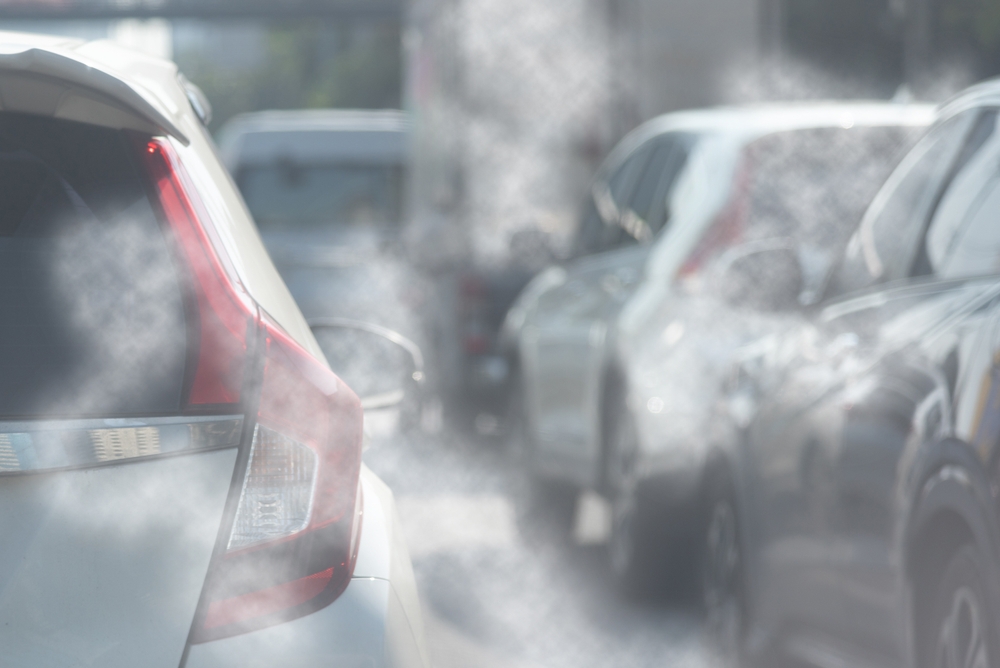

Most people picture smog as a problem somewhere far away: a dense grey curtain hanging over a distant megacity, something they’ve seen in a documentary or a news photograph from the other side of the world. But the numbers coming out of 2025 tell a different story. Air quality got measurably worse across the globe last year, and the cities carrying the worst of it are facing conditions that go far beyond what most people register as “pollution.”
PM2.5 is the measure that matters most here. It refers to fine particulate matter smaller than 2.5 micrometers across, particles so tiny they bypass the nose and throat entirely, travel straight into the lungs, and from there into the bloodstream. When inhaled, PM2.5 particles travel deep into lung tissue where they can enter the bloodstream, and have been linked to asthma, heart and lung disease, cancer, and other respiratory illnesses, as well as cognitive impairment in children. The World Health Organization says the safe annual limit is 5 micrograms per cubic meter. Several cities on this list are running at 20 times that figure, year-round.
The 2025 World Air Quality Report found that only 14% of global cities met the WHO annual PM2.5 guideline of 5 µg/m³, down from 17% the previous year, with 130 out of 143 countries and territories exceeding the safe limit. Wildfires driven by climate change played a large role, but the worst air quality cities had chronic problems that predate any single fire season. Here are the seven cities that stood out, including two that are a great deal closer to home than you might expect.
The Worst Air Quality Cities in 2025
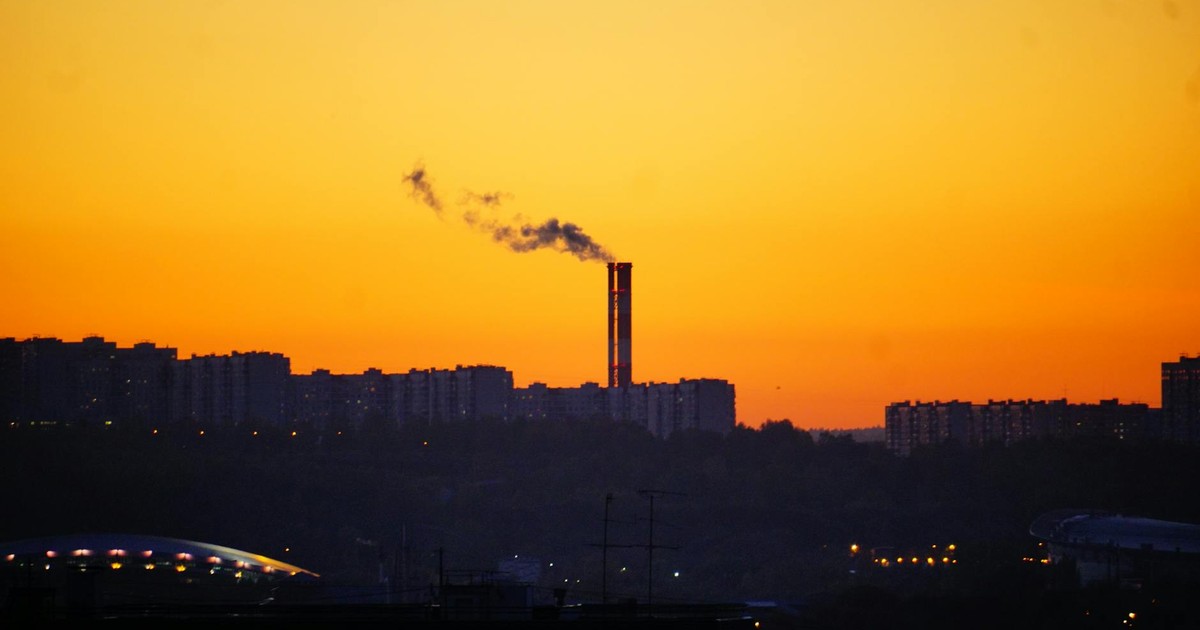
1. Loni, India: The World’s Most Polluted City
Loni doesn’t appear on most people’s radar. It’s not a capital city or a tourist destination. Less than an hour’s drive from Delhi, this rapidly growing industrial base claimed the most unenviable title in the world in 2025: the worst air quality on the planet. Fumes from factories, exhaust from traffic, and dust from construction produce a toxic mix that makes breathing an act of endurance for its 700,000 residents.
Loni recorded an annual average PM2.5 concentration of 112.5 µg/m³ in 2025, a nearly 23% increase from 2024 and more than 22 times the WHO guideline. To put that in human terms: Dr. Anil Singh, who runs a clinic in Loni, said the number of patients he has seen with respiratory issues has increased over the last five years, and that he has “particularly seen kids coming at a very young age with the symptoms of early asthma.”
The residents who spoke to CNN in April 2026 described a reality with no off-season. One resident said the pollution is so inescapable that he wears a mask every time he steps onto the city’s poorly paved roads. “It’s here 24 hours a day,” he said.
2. Delhi, India: The Most Polluted Capital, Again
Delhi has now held the title of the world’s most polluted capital for seven of the eight years that IQAir has published its annual global rankings. Home to over 30 million people, the city recorded an average PM2.5 of 99.6 micrograms per cubic meter in 2025, 20 times the WHO’s safe guideline of 5. The fact that this figure actually represents an improvement on the year before tells you a great deal about how bad things got.
In November 2025, Delhi’s daily average pollution peaked near 460 micrograms of PM2.5, prompting rare public protests. Fueled by seasonal crop burning, vehicular emissions, and stagnant winter air, the spike corresponded with a rise in hospital patients dealing with asthma, cardiac issues, and difficulty breathing. Authorities responded by closing schools, encouraging remote work, banning construction, and restricting diesel generators.
India has made attempts to address the problem. The country launched its Clean Air Program in 2019, with strategies across 24 states and territories aimed at reducing particulate matter concentration by 40% by 2025-26, including cracking down on coal-based power plants, setting up air monitoring systems, and banning biomass burning. Experts suggest, however, that a lack of strict enforcement and coordination means progress has been slow.
3. Lahore, Pakistan: Smog Season Is Now Just Winter
Pakistan ranked as the most polluted country in the world overall in 2025. Within it, Lahore stands out as the city bearing the sharpest burden. In November 2025, Lahore registered a “hazardous” air quality index of 509, according to real-time monitoring data. For weeks at a time, the sky turns grey-brown and the air tastes metallic before noon, a result of fine particles and acidic gases accumulating and irritating the mouth and throat.
The fine particulate matter concentrations in Lahore are primarily attributed to biomass combustion, agricultural residue incineration, vehicular exhaust, and industrial emissions. The public health impact tracks the pollution levels closely. Research published in the Bulletin of Biological and Allied Sciences Research found that during peak smog, hospital admissions per 1,000 people more than doubled, respiratory symptoms nearly doubled, and cardiovascular incidents nearly tripled. Asthma cases rose from 12.52% to 28.74% of presentations during smog peaks, with similar spikes in bronchitis and COPD.
During one particularly severe episode, a provincial committee declared a “critical air pollution event,” issuing school closures, work-from-home mandates, and a “green lockdown” that included banning rickshaws, halting construction, and advising people to stay indoors. For people whose livelihoods depend on being outside, staying indoors isn’t a real option.
4. Dhaka, Bangladesh: 14 Times Over the Limit
Bangladesh ranked as the second most polluted country in the world in 2025, and its capital, Dhaka, is where that national figure becomes most concentrated. Dhaka remains among the top ten most polluted cities globally, with an average PM2.5 concentration of 70 µg/m³ throughout 2024, which is 14 times the WHO annual guideline of 5 µg/m³.
Dhaka’s pollution comes from the same general combination of causes that afflicts most South Asian cities: an explosion of vehicle traffic, dense industrial activity, brick kilns operating on the city’s outskirts, and construction dust from one of the world’s fastest-growing urban centers. The city’s geography doesn’t help. Like Delhi and Lahore, Dhaka sits in a low-lying basin where cold winter air traps pollutants near ground level rather than dispersing them upward.
Asia remains the worst-affected region overall, with all of the world’s top 25 most polluted cities located in India, Pakistan, or China. Dhaka is the reminder that this is a regional emergency, not a collection of isolated local problems. If you want to understand what long-term pollution exposure does to the body, the picture that emerges from South Asia’s most crowded cities is the clearest real-world evidence available.
5. Xinjiang Region, China: The Westward Shift
China has spent the better part of a decade cleaning up the air in its eastern megacities, with Beijing seeing genuine improvements in annual PM2.5 levels compared to the peaks of the early 2010s. But the 2025 data shows where the problem has moved.
According to Air Quality News, air quality improvements in China’s eastern industrial hubs were offset by rising pollution in the west, driven by industrial relocation. Cities in the Xinjiang region in China’s far northwest are now recording some of the highest PM2.5 levels in the country, compounded by desert dust blowing off the Taklimakan Desert and heavy local industrial emissions. Several Xinjiang cities, including Hotan and Kashgar, consistently rank among the worst in the country. 2025 marked the second consecutive year in which no cities in East Asia met WHO PM2.5 guidelines at all.
The broader picture is that China’s air quality gains in the east are real, but they’ve been partly offset by worsening conditions in the west, where industrial expansion and desert conditions combine in ways that are harder to regulate.
The Two That Will Shock You: American Cities on the List
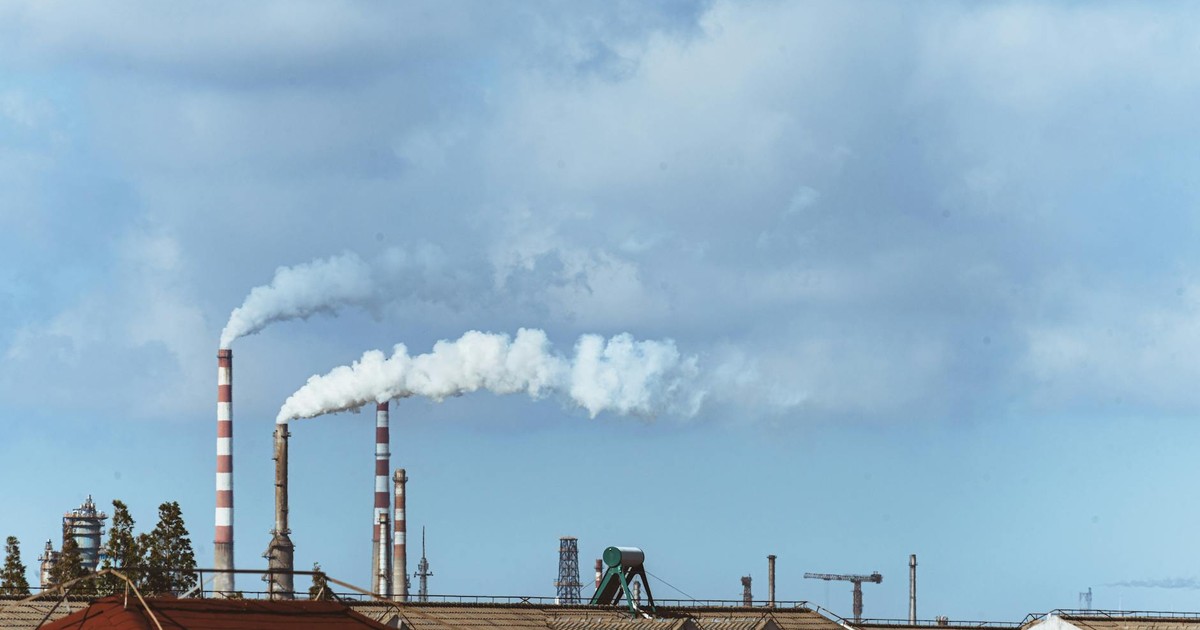
Here’s where the story stops feeling like it’s about somewhere else.
6. El Paso, Texas: Historic Dust and a Record Spike
The most polluted major city in the United States in 2025 was El Paso, Texas. That’s not a temporary wildfire stat. El Paso’s air quality crisis came from a different direction entirely. Historic dust storms triggered a 46% increase in PM2.5 levels to 11.4 µg/m³ as the city recorded the highest number of major pre-summer dust storms since the 1930s.
El Paso sits in the Chihuahuan Desert, right on the US-Mexico border, and the surrounding landscape has been getting drier and more prone to large-scale dust events as temperatures rise. The Dust Bowl comparison in that stat isn’t dramatic rhetoric. It reflects a genuine shift in the frequency and scale of desert dust events hitting the region.
In the United States overall, annual average PM2.5 levels increased to 7.3 µg/m³ in 2025, still far better than South Asian cities but above the WHO guideline of 5 µg/m³. For El Paso residents, that national average understates the local reality considerably.
7. Southeast Los Angeles, California: Fires Finish What Traffic Started
The second American city on this list is not a single place but a cluster of communities that sit in the shadow of Los Angeles. The Southeast Los Angeles region, specifically Cudahy, East Los Angeles, and Huntington Park, heavily impacted by wildland-urban interface fires, ranked as the most polluted area in the entire United States.
These are working-class neighborhoods that have historically carried a disproportionate share of Southern California’s industrial pollution load. The January 2025 Los Angeles wildfires pushed communities that were already struggling with freeway pollution, rail yards, and warehousing exhaust into a different category entirely.
When a person breathes fine particles, they can get stuck in the lungs and move into the bloodstream, causing irritation and inflammation. Even in the short term, particle pollution exposure can cause breathing problems or trigger a heart attack. For Southeast LA residents, that short-term risk played out over weeks of smoke in January 2025, layered on top of chronic baseline pollution they were already managing.
The American Lung Association’s 2026 State of the Air report put the national picture in blunt terms: nearly half the US population, about 152 million people, breathes unhealthy air and lives in a county that the association gives a failing grade for air pollution. Southeast LA is where that statistic becomes a street address.
What the Numbers Actually Mean
The scale of this problem can feel so large it becomes abstract. Twenty-two times the safe limit. Forty-six percent spikes. 152 million Americans. Numbers like that are easy to read and equally easy to let wash over you.
What they translate to, on the ground, is a pediatrician in Loni watching small children come in with asthma symptoms earlier in life than a generation ago. It’s schools closing in Lahore not for snow days but for smog days, a phenomenon that has no real equivalent in most Western experience. It’s an e-rickshaw driver in a city outside Delhi who has never known his hometown to have any other kind of air.
While air pollution has long been recognized as a persistent hazard, 2025 marked a turning point as international institutions finally elevated the crisis to the forefront of the global agenda. The World Health Assembly approved a roadmap to halve deaths from air pollution by 2040, and the United Nations formally categorized air pollution as a major risk factor for non-communicable diseases including cardiac disease, stroke, and cancer. Whether those commitments translate into the enforcement that’s been missing in places like Delhi and Lahore is the real question.
The two American cities on this list are a useful anchor for anyone tempted to treat this as an exclusively developing-world problem. El Paso’s dust storms are connected to the same climate dynamics driving worse wildfire seasons. Southeast LA’s fire-season crisis sits on top of decades of inequitable pollution distribution that no amount of policy language has resolved. The air quality map is global, but it isn’t evenly distributed. It lands hardest on people who had the least say in how it got this bad.
The Part Nobody Wants to Say Out Loud
Cleaning up air pollution is possible. We have strong evidence of this. Beijing’s long-term pollution trend, while not solved, has moved in the right direction through targeted industrial regulation. Parts of Europe have made consistent gains. The problem is not a lack of knowledge about what to do.
The end of the United States State Department’s global air quality monitoring program at embassies and consulates in March 2025 caused millions of people to lose access to air quality data. Monitoring efforts in 44 countries were weakened, and six were left with no monitoring at all. You cannot fix what you can no longer see.
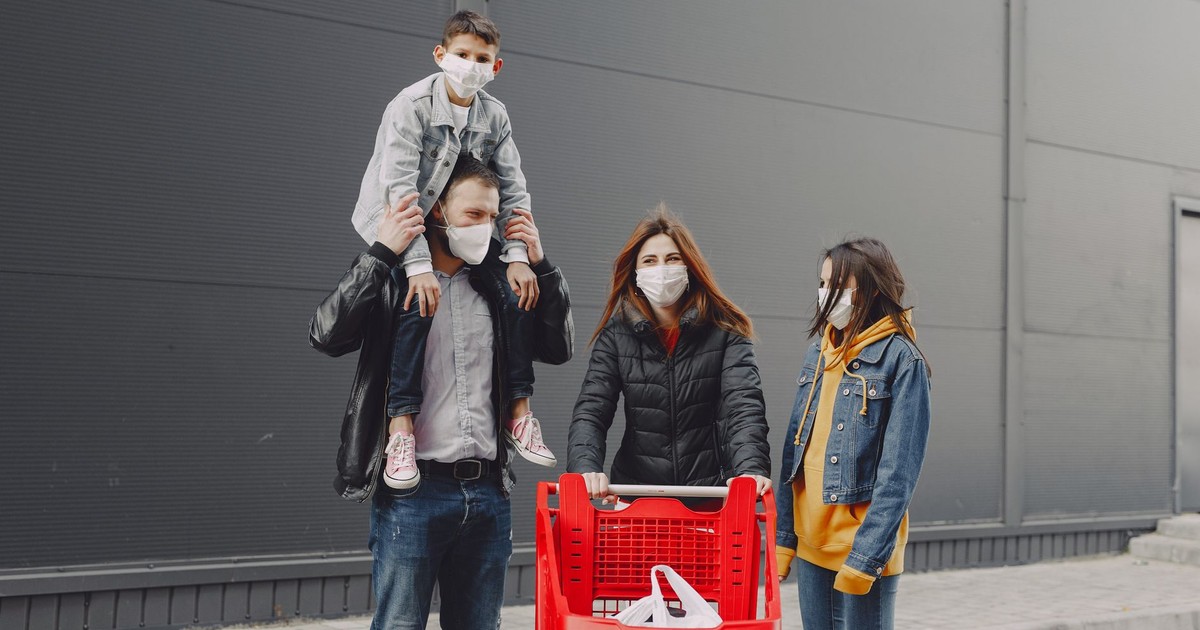
The story of the worst air quality cities is also a story about who gets protected and who gets told to wear a mask and stay indoors. The residents of Loni, Lahore, and Southeast Los Angeles didn’t create the industries or the policies that produced the air they breathe every day. They’re living with decisions made by people who, in most cases, live somewhere with cleaner air. That’s not an abstract point. It’s probably the most important thing the data is actually telling us.
Disclaimer: This article was created with AI assistance and edited by a human for accuracy and clarity.