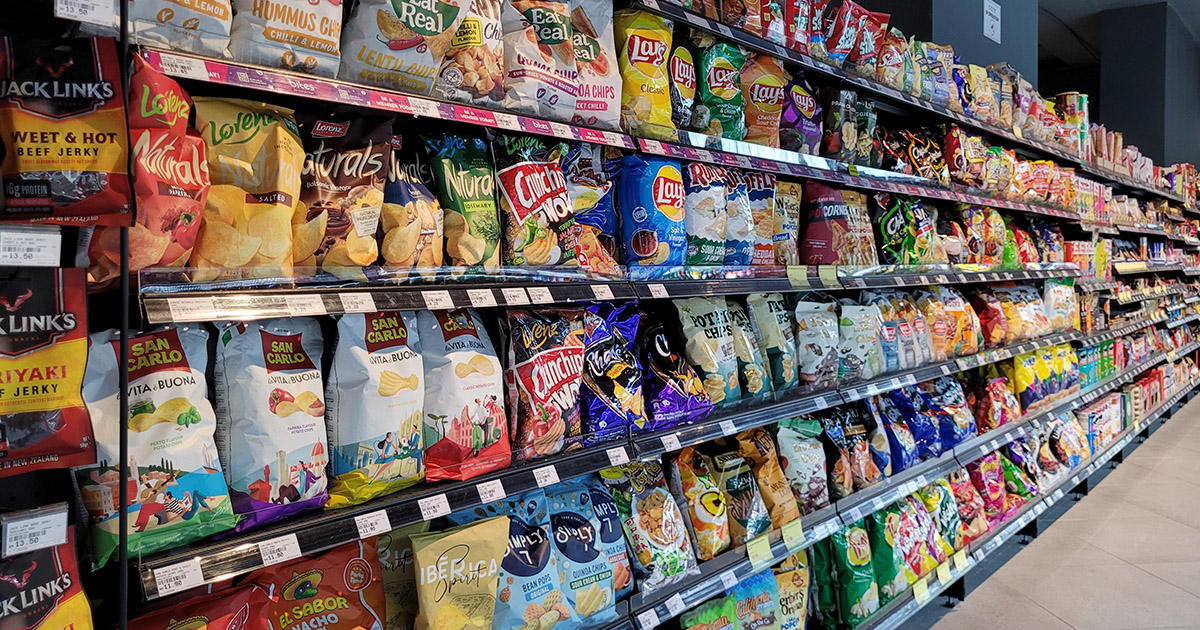

The bag of potato chips sitting in your pantry right now cost about $4.27 a decade ago. Today, the same 16-ounce bag runs closer to $6.75 at the national average. Keep the current trajectory going, and analysts aren’t laughing off projections that push it past $15 within the next several years. For a snack that Americans have grabbed without a second thought since the 1950s, that number lands differently when you actually stop and think about it.
Potato chips are not fine dining. They’re not a seasonal delicacy or a niche import. They’re the thing you grab on a Tuesday afternoon, the lunch box filler, the Super Bowl bowl that gets refilled without anyone noticing. The idea that they could become a $15 luxury item feels absurd right up until you trace exactly how we got from $4 to almost $7 in ten years, and how the forces now stacking up suggest the climb is nowhere near finished.
What’s happening with snack inflation prices is not a single story. It’s at least three separate pressures hitting the same product simultaneously, and the most significant one hasn’t even fully landed yet.
The Numbers Behind the Sticker Shock
Ten years ago, a 2025 Salon report found the average price for a 16-ounce bag of chips was $4.27, citing U.S. Bureau of Labor Statistics data. By the end of 2024, it was $6.32. The current national average has since crept up to $6.75 for a 16-ounce bag. That’s a price increase of nearly 60% in a single decade, for a product that used to be the definition of an affordable treat.
To put that in proportion: a 2025 CNN report found that chip prices have increased 29% since February 2021, outpacing the overall grocery price inflation of 23%, according to the Bureau of Labor Statistics. Meanwhile, food giants including PepsiCo, Campbell, and JM Smucker have all reported weakening sales in their snack brands. The irony isn’t lost on anyone – prices have risen fast enough that the companies selling chips are now watching customers walk away from them.
PepsiCo, the owner of Frito-Lay, reported that people bought 3% fewer snacks last quarter. JM Smucker, which owns Hostess, said people bought 5% fewer snacks during its latest quarter as more “cautious” and “selective” consumers turned away. When Americans start rationing Doritos, something real is happening to household budgets.
Prices for a 16-ounce bag of chips are up 30.6% since the end of 2020, outpacing the 20.6% increase in the consumer price index, a rate that analysts have described as roughly “a decade to 15 years worth of price increases in around three years.” Historically, chip prices had typically risen between 1% and 2% per year. The last five years compressed an entire generation’s worth of price creep into a single short window.
Why Climate Change Is Now a Chip Problem
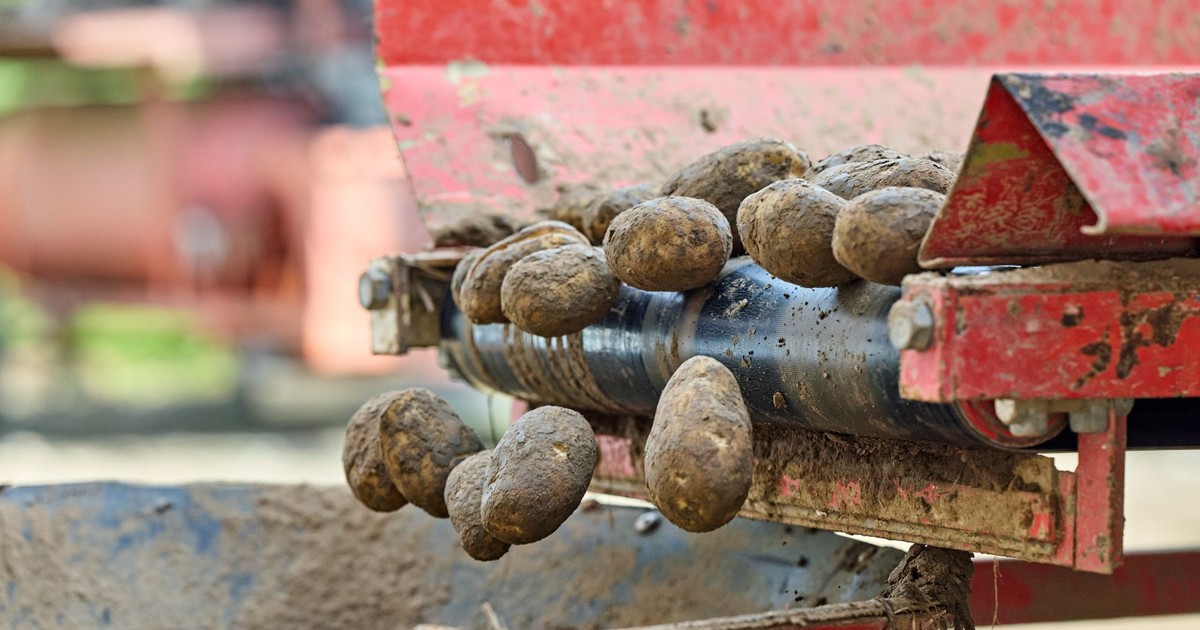
Inflation is only part of the explanation. The other part involves geography, soil temperature, and back-to-back warm years in the states that grow most of America’s potato supply.
The impact of rising temperatures on the snack industry is most visible in Pennsylvania, which has more potato chip factories than any other state in the country. Unlike Idaho and Washington, Pennsylvania doesn’t produce the bulk of U.S. potatoes, but chip-makers based in the state prefer getting the crop from local farmers, especially given inflation and high transportation costs.
Idaho and Washington are the leading potato-producing states in the country, and Idaho had its third-warmest year on record in 2024, while Washington had its 15th-warmest. The acreage devoted to chipping potatoes may still be significant in Pennsylvania but has been declining for several years, partly because potatoes are sensitive to rising soil temperatures. Potatoes grow best when soil stays between 60 and 65 degrees Fahrenheit during the day. A warming growing season isn’t just uncomfortable for the crop – it actively reduces yields, which reduces supply, which pushes prices up regardless of what inflation is doing at the macro level.
This is the part of the chip price story that tends to get overlooked. People blame corporate greed or pandemic-era supply chains, and both play a role. But an agricultural input that is genuinely harder to grow at scale is a structural problem, not a temporary one. A few good harvests won’t undo the longer trend.
Shrinkflation: The Price Increase You Didn’t Notice
For shoppers who thought they’d been holding their own because the price on the bag looked familiar, there’s a cost increase that has been running in parallel. Shrinkflation – the practice of reducing the amount of product in a package while keeping the price the same or raising it slightly – has become widespread across the snack industry.
Shoppers have balked at companies downsizing bags of chips, cookies, and other products while raising prices. Last year, PepsiCo, which owns Lay’s, Doritos, Tostitos, and Ruffles, said it would temporarily put more chips in some bags to claw back customers tired of higher prices with skimpier bags. A PepsiCo spokesperson confirmed that Tostitos and Ruffles “bonus” bags would contain 20% more chips for the same price as standard bags in select locations.
The fact that a company offering more chips for the same price was treated as a significant marketing event tells you something about how normalized the opposite had become. Getting what you used to get is now a promotion.
Research published in the journal Marketing Science found that many consumers may be paying more for grocery products without realizing it, because they are getting less product for the same price. The consumer who notices the bag feels lighter but doesn’t see a higher price is, in practical terms, paying more per ounce whether they’ve registered it or not.
Tariffs: The Pressure That Hasn’t Fully Hit Yet
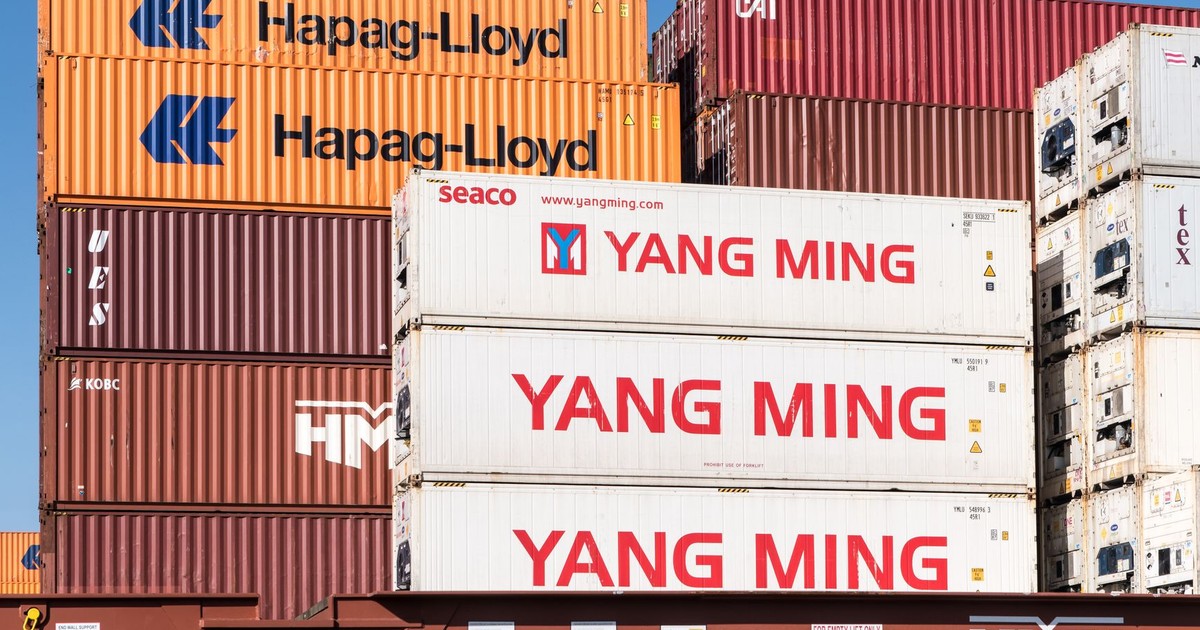
Here is where the $15 projection stops sounding like hyperbole and starts sounding like a reasonable extrapolation. The tariff pressure that began building in 2025 has not yet fully reached grocery shelves – and industry analysts are now largely in agreement that mid-to-late 2026 is when the real pass-through hits.
FoodNavigator-USA reported in January 2026 that analysts note the absence of major consumer price rises in 2025 doesn’t mean tariffs had no impact – “it is just that they haven’t had time to flow through the system, yet. And it is in 2026, and potentially even late 2026, that we will start to see consumers feel a pinch of these higher tariffs.”
Large CPG brands and grocery chains have so far absorbed a significant portion of tariff costs to avoid alienating price-sensitive consumers. But that cushion is running out. Industry analysts note that businesses footed roughly 80% of the tariff bill in 2025 through margin compression, but that ratio is expected to shift markedly in 2026 as cost pressures mount.
The math on what that shift means for snack food specifically is straightforward, and not comfortable. Snack manufacturing relies on imported raw materials including vegetable oils, packaging materials, and seasonings, all of which are now subject to elevated import duties. Many raw materials used in processed foods and beverages are imported and now face elevated tariffs. Coffee, cocoa, and specialty food imports from the EU and various developing countries are all subject to new or increased duties that have not yet been fully passed to consumers.
CPG brands and grocery retailers are expected to begin raising prices in earnest in the middle of 2026. Unlike the gradual inflation of 2021 to 2023, these increases are concentrated and simultaneous across multiple food categories – produce, packaged goods, imported specialty foods, and beverages all facing cost pressure at the same time.
That concentration matters. Shoppers managed the 2021-2023 wave partly by substituting between categories – swapping one item for a cheaper version. When price increases hit many categories at once, substitution gets harder. The store-brand chip might have cost less six months ago. It may not look as cheap once the full tariff burden lands on generic packaging and vegetable oil inputs too.
The Broader Food Price Picture
The chip story doesn’t exist in isolation. According to the USDA’s Food Price Outlook, the CPI for all food increased 0.2 percent from April to May 2026, and food prices in May 2026 were 3.1 percent higher than in May 2025. In 2026, food-away-from-home prices are predicted to rise 3.6%, faster than the 20-year historical average. Food-at-home prices are predicted to rise 2.8%, also faster than the 20-year historical average.
Among the 15 food-at-home categories examined in the USDA’s Food Price Outlook, prices for seven categories are predicted to grow faster than their 20-year historical average rate of growth, including fresh vegetables, processed fruits and vegetables, sugar and sweets, and nonalcoholic beverages.
Snack foods track these trends closely, since their costs are tied to both agricultural commodity prices and processed ingredient costs. When sugar and vegetable oil get more expensive, every chip manufacturer feels it. When fresh potato yields fall, the premium chip producers feel it even faster.
“Consumers are cutting back on non-essentials and stretching the value they get out of every dollar. That’s hitting snacking,” said Chris Costalgi, a vice president at market research firm NIQ. The pullback is already visible in the quarterly earnings reports of every major snack company. The question isn’t whether Americans are reacting to snack inflation prices – they clearly are. The question is what happens when the tariff wave lands on top of climate-stressed supply and already-elevated manufacturing costs.
Read More: 7 ‘Premium’ Grocery Store Items You’re Probably Overpaying for Every Week
What to Do With All of This
The $15 bag of chips is not a headline designed to shock you into putting down the Pringles. It’s what a sustained 3-4% annual increase, running on top of tariff pass-through and a warming agricultural system, looks like when you project it out a decade. Whether it lands precisely at $15 depends on variables no one can fully predict – tariff policy, weather patterns, whether snack companies decide to absorb costs or push them forward. But the direction is not ambiguous.
For anyone actually shopping on a budget, the practical response is already underway. Consumers are switching to private-label brands and rejecting products affected by shrinkflation to save money. That’s a sensible move. Store-brand chips are often made in the same facilities as their branded equivalents, and the price gap between the two is one of the few real levers a shopper actually controls in this environment.
The other thing worth sitting with is that snack inflation prices aren’t separate from broader economic stress – they’re one of its most visible indicators. A bag of chips is something people buy without much deliberation, which is exactly why its price feels so personal when it changes. It’s not the biggest line item in the grocery cart. It’s the one that most reliably signals how far things have shifted from normal. When even the impulse purchase makes you pause, that pause is telling you something.
AI Disclaimer: This article was created with the assistance of AI tools and reviewed by a human editor.