
Not every premium grocery store item is actually work the amount of money they are costing customers.
Pre-cut mango containers and broccoli floret trays cost more than the whole versions they came from. Name-brand spices carry markups of close to 100% over store equivalents. Across seven common grocery categories, the premium prices are consistent, documented, and largely avoidable.
Pre-Cut Produce Isn’t Worth the Convenience Tax
Pre-cut produce is one of the most consistently overpriced categories in any grocery store. According to Mashed, pre-cut fruits and vegetables carry an average 40% markup over whole produce.
The labor argument is real. When you buy a whole vegetable, it has been harvested and delivered. Pre-cut produce has been through extra washes, peeling, slicing, and sealing. The store is selling you time, but the math rarely holds up item by item.
Once produce is cut, it immediately starts losing moisture, texture, and nutritional value. The exposed surfaces oxidize quickly, leaving limp, watery results by the time you cook. Even in sealed containers, the freshness window is much shorter than whole produce. Buying whole and cutting at home on a Sunday, then storing in airtight containers, eliminates the premium entirely.
The Organic Premium Is Growing Faster Than You Think
The organic label carries genuine weight for certain items. Lower pesticide residue is a documented benefit, and for strawberries, spinach, and apples, the argument has real merit. According to a 2026 analysis by LendingTree of USDA retail pricing data, organic fruits and vegetables in the U.S. cost an average of 59% more than their conventional counterparts. Between January 2025 and January 2026, organic produce prices rose 10%, compared with just 0.3% growth for conventional produce.
Some individual item gaps are striking. Organic Roma tomatoes were priced 134% higher than conventional versions. Organic orange and yellow bell peppers each carried a 131.5% premium.
The produce items where pesticide exposure is highest, including strawberries, spinach, and peaches, are the ones where the premium is most defensible. For items with thick skins you don’t eat, like avocados, pineapples, and onions, paying 50% to 130% more is difficult to justify. Buying selectively rather than reflexively across every category is the practical approach.
Bottled Water and Grocery Store Premium Prices

Bottled water sits at one extreme of the grocery markup range. According to Mashed, water carries markups in the thousands of percent, while packaged bread may have a markup as low as 29%. Not all everyday purchases are priced anywhere near the same way.
The markup exists for understandable reasons on the supply side. Plastic, labor, transport, and refrigeration all cost real money. But many brands sold as “spring water” or “purified water” are drawn from municipal water sources. Consumers often pay a premium price for water that flows from their kitchen tap at a fraction of the cost.
A decent pitcher filter costs between $25 and $40 and addresses the taste concerns that drive most bottled water purchases. A reusable bottle completes the swap. For households buying a case of water every week, that line item in the budget nearly disappears with one small upfront investment.
In-Store Bakeries Know Exactly What They’re Doing
Few sensory tactics in a grocery store work as reliably as the smell of fresh bread near the entrance. It is not accidental. According to Tasting Table, in-store bakery goods carry a gross profit margin of nearly 60%, making them among the highest-margin items in the entire store. Sensory appeal and the convenience of ready-to-eat baked goods support that premium at every turn.
The $9 artisan sourdough loaf, the six-pack of muffins for $7, the decorated sheet cake for $35: these are the kinds of items where grocery store premium prices are built in as a matter of course. Pastries and cakes are especially high-margin because ingredient costs are low and perceived value is high.
Baking takes time and skill, and a birthday cake is a fair exception. For everyday items like a sliced loaf, a dozen rolls, or a batch of cookies, the homemade version almost always wins on both cost and quality. For packaged bread sitting on the shelf next to a $6 artisan loaf, the store brand typically uses comparable ingredients at half the price.
Name-Brand Spices: You’re Paying for the Jar

The spice aisle is where the brand premium is most divorced from the product itself. Cumin is cumin. Garlic powder is garlic powder. The dried thyme in the McCormick tin and the dried thyme in the store-brand bag come from the same global supply chain, and the quality difference is negligible. The price difference is not. According to Mashed, name-brand spices from labels such as McCormick and Lawry’s can carry a markup of up to 97%, with no meaningful advantage in taste.
The premium pays for the glass jar, the branded label, and the decades of marketing that trained shoppers to reach for the red cap. The ethnic food aisle typically stocks the same herbs and spices at a fraction of the cost, often in larger bags. Warehouse stores sell large-format spice jars at a significantly lower price per ounce.
Spices lose potency over time, so a massive jar of paprika does not make sense if it sits untouched for three years. For spices used daily, such as salt, pepper, garlic, onion powder, and cumin, buying in bulk makes clear financial sense. For more specialized spices used occasionally, even a smaller store-brand version saves money over the name-brand equivalent.
Prepared and Marinated Meat
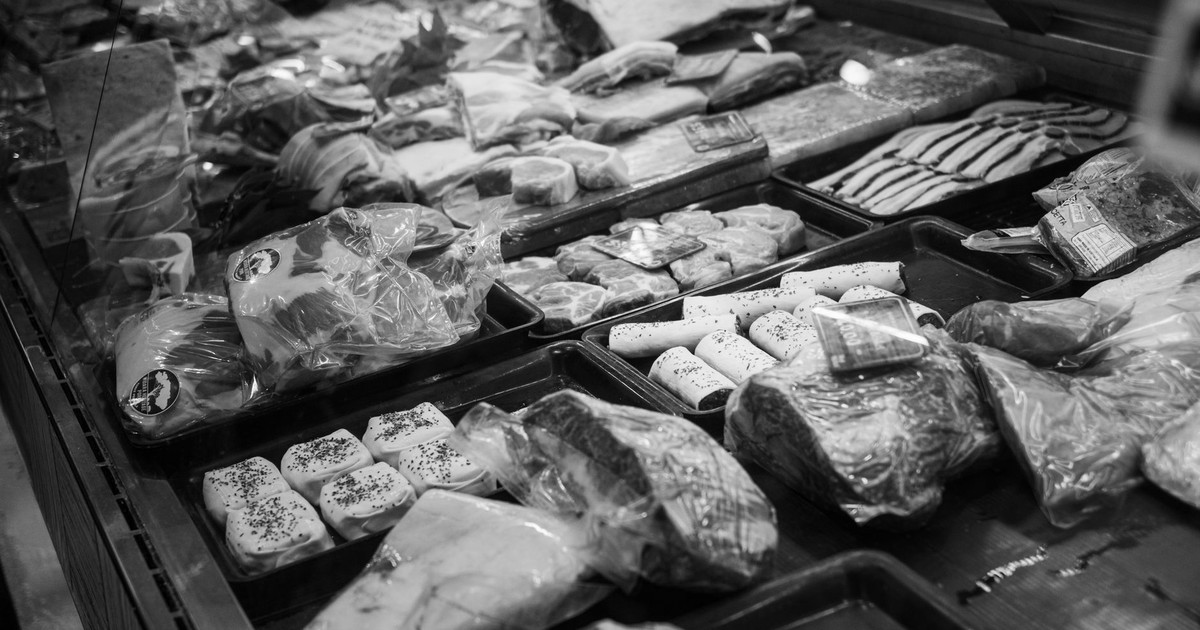
Pre-marinated chicken thighs, fajita-seasoned beef strips, and “stir-fry ready” sliced pork look like time-savers, and in the moment they are. The price is steep. According to Mashed, prepared meat that has been chopped or marinated carries an average markup of 60%.
Part of that cost is legitimate: skilled butchers, specialty packaging, and marination time all add real labor. But a marinade of olive oil, garlic, lemon, and dried herbs takes three minutes to mix and costs cents per serving. The $12 tray of “lemon herb chicken” at the butcher counter contains roughly $6 worth of chicken and $6 worth of packaging and labor.
Buying whole cuts and dividing them at home is consistently cheaper and gives you control over the marinade: no added sugars, no excessive sodium, no preservatives. Buying whole cuts and freezing in pre-portioned bags delivers the same eventual convenience at a fraction of the cost.
Name-Brand Breakfast Cereal

Cereal is one of the longest-running examples of brand premium outpacing product reality. An estimated 290 million Americans eat cold cereal for breakfast, according to Mashed, and a considerable portion of what they pay is markup rather than product. A 2007 study in the American Journal of Agricultural Economics found the average markup across cereal brands to be 28%, with Kellogg’s Corn Flakes carrying the highest at 44%.
The store-brand version of most cereals is often produced by the same manufacturer, sometimes on the same production line, with the same ingredients. Grocery store shelf-placement fees, payments manufacturers make to retailers for premium positioning at eye level, are a significant reason name-brand cereals cost more, and that cost flows directly to the shopper. The store-brand equivalent of most cereals costs 25 to 40% less and tastes functionally identical, from oats to corn flakes to bran. For families going through two or three boxes a week, that difference adds up to a real number over the course of a year.
What to Do With All of This
None of these items are scams. The costs behind the markups, including labor, refrigeration, branding infrastructure, packaging, and shelf-space payments, are all real. The question worth asking is whether the value from each purchase justifies the price, or whether habit and convenience have made these premiums invisible.
Every item on this list has a straightforward, lower-cost alternative that requires little sacrifice. Buy the whole vegetable instead of the pre-cut one, reach for the store-brand jar instead of the McCormick tin, and fill a reusable bottle from the tap. Across seven categories, those swaps produce a grocery bill that looks meaningfully different by the end of the year.
AI Disclaimer: This article was created with the assistance of AI tools and reviewed by a human editor.