

The generation that invented the power suit, built the suburban dream, and kept golf courses profitable for five decades is quietly rewriting its own rulebook. Baby Boomers, born between 1946 and 1964, have always been defined by the sheer scale of their influence on culture, commerce, and the expectations everyone else inherited from them. The trends they helped build into American institutions are losing their hold, and not just because younger generations have moved on. Boomers themselves are walking away.
Some of it is practical. Prices went up, bodies changed, and routines that made sense at 45 stopped making sense at 68. Some of it is more intentional: a generation that spent its peak years accumulating is now, on the whole, editing. Some of it is simply that the world moved fast enough that even the people who set the original pace found themselves outrunning old habits without quite noticing.
The boomer trends declining list below isn’t about things being cancelled or generational failure. It’s a picture of a 70-million-strong demographic recalibrating in real time and in doing so, reshaping whole industries that built their business models around Boomer loyalty.
1. Cable Television
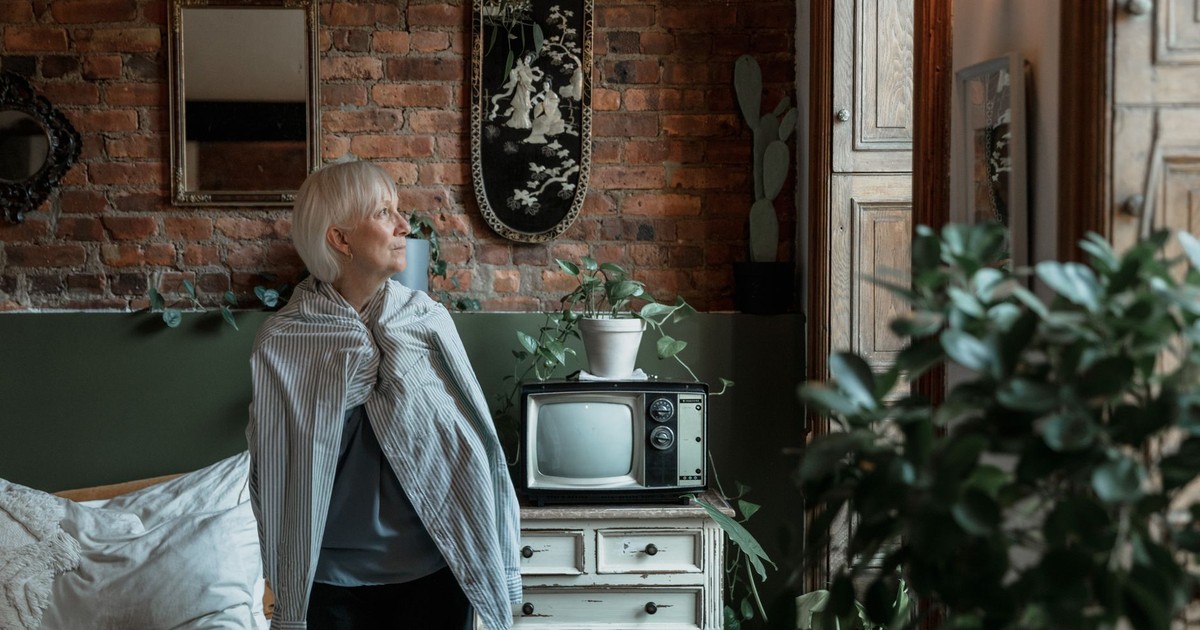
For a generation that grew up scheduling their evenings around network programming, cable television was the great upgrade. You could watch HBO on a Tuesday. You could channel-surf for an hour and feel like you were getting your money’s worth. For decades, Boomers were the backbone of the cable subscriber base.
An estimated 5.9 million households intended to end their cable subscriptions by the end of 2025, with approximately 5.2 million actually cutting the cord that year, according to Zippia. Since 2012, cable providers have lost around 30 million subscribers total. Less than a third of Americans still use traditional cable or satellite TV services.
Boomers aren’t immune to that shift. Approximately two-thirds of Baby Boomers have embraced streaming services, and GWI research found that Boomers aged 55 and up doubled their streaming watch time from 29 minutes per day to over an hour per day in just one year. The appeal is obvious: streaming costs less, delivers more, and doesn’t require sitting through commercials for cars you’re not going to buy. Nearly two-thirds of cord-cutters dropped a streaming service in the past year due to rising costs or switched to a cheaper plan, and only 5% of cord-cutters regret leaving cable at all.
2. Fast Food and Quick-Service Restaurants

The Boomer relationship with fast food was built on convenience and consistency. McDonald’s, Burger King, Wendy’s were reliable, cheap, and fast. The contract made sense. Then prices rose sharply, quality wobbled, and the value equation that had held for fifty years dissolved.
According to Revenue Management Solutions, Boomers and Gen X are visiting fast-food chains less often and cutting their restaurant spending overall, which means younger generations are now driving revenue growth for the QSR industry. Gen X and Baby Boomers have shown the steepest pullback in dining and food delivery spending, and the pattern is income-driven as much as age-driven. Low- and mid-income Boomers are the most vulnerable segment, cutting sharply and unlikely to return without meaningful price relief.
For a generation that learned to cook from scratch and still largely prefers eating at home, the math on fast food has become harder to justify. The habit is breaking.
3. The Formal Dining Room
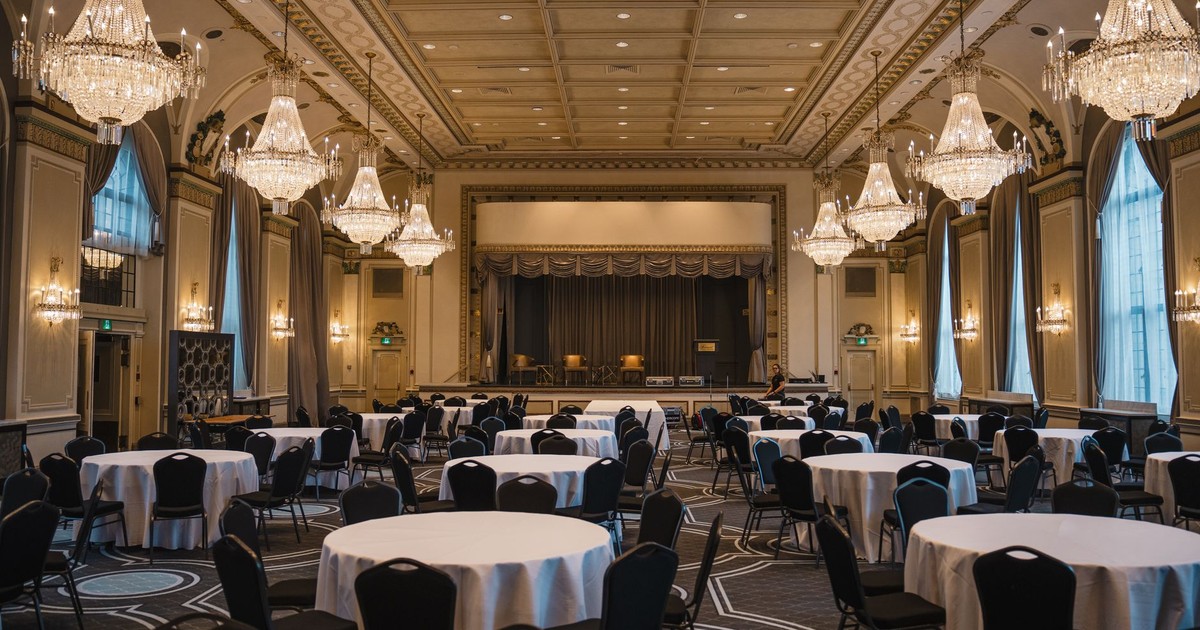
Walk through a suburban home built in the 1980s and you’ll usually find it: a room off the foyer with a mahogany table, matching chairs, a china cabinet, and a chandelier that hasn’t been turned on since a holiday sometime in the previous decade. The formal dining room was a Boomer status symbol, proof that there was space in the house dedicated entirely to the right kind of entertaining.
Casual entertaining has replaced the rigid etiquette of a previous era, and Boomers themselves are leading much of that change. The set of inherited china that once represented aspiration now turns up at estate sales for a fraction of its original value.
The practical logic is hard to argue with: a room used four times a year is a room that’s wasted. As Boomers downsize or reconfigure, the formal dining room is frequently the first thing to go, converted to a home office, a reading room, or simply absorbed into an open-plan kitchen. The china cabinet goes with it.
4. The Landline Phone
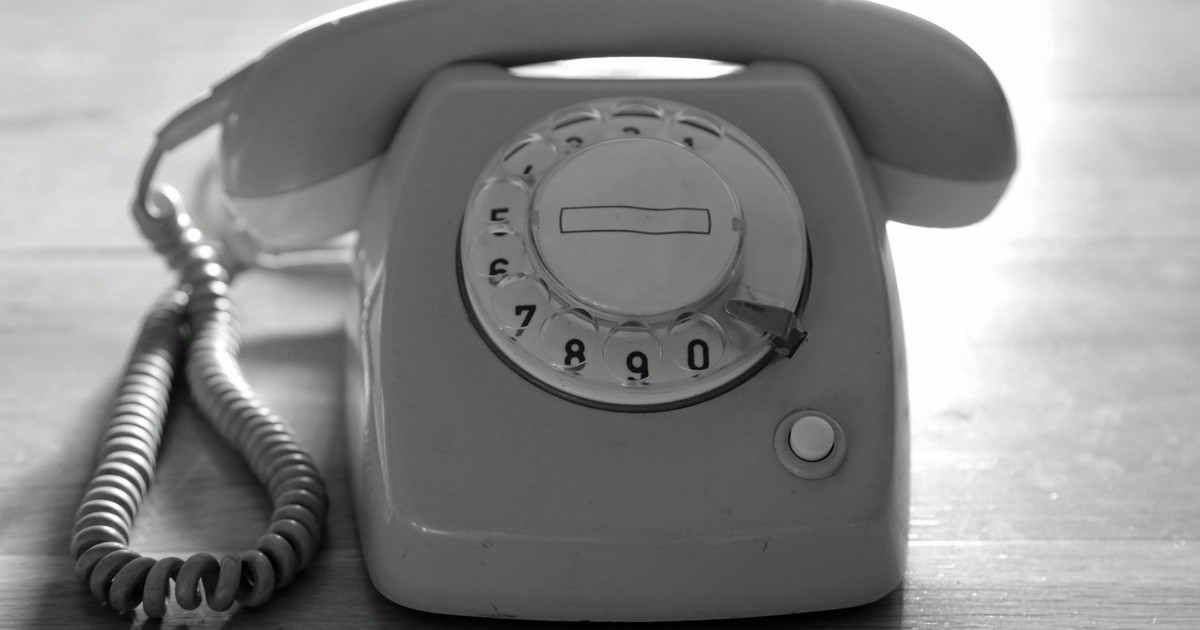
There’s a certain type of Boomer household where the landline still rings. It’s usually someone trying to sell an extended warranty. Most American homes are now entirely wireless, and in 2023 about 76% of American adults lived in households without a landline, a figure that has continued climbing since.
For Boomers who kept landlines as a security measure or out of familiarity, the realization arrives slowly and then all at once: the smartphone in their pocket already does everything the wall-mounted phone did, plus navigation, video calls, and medication reminders. Unidentified calls go almost entirely unanswered regardless of the device, which makes the landline’s core function, being reachable, largely meaningless.
The holdouts are real, but they’re shrinking. For many Boomers, the landline was the last phone they memorized the number for. Letting it go feels like something, and then it doesn’t.
5. Physical Check Writing

Writing a check used to be the adult way to pay for things. You balanced your checkbook, you kept the stubs, you felt responsible. For Boomers who came of age before ATM cards were ubiquitous, the paper check was less a payment method than a ritual of financial seriousness.
Across the generation, digital payment is winning on pure practicality: faster, traceable, and no longer requiring a pen, a stamp, or a trip to the post office. The checkbook isn’t entirely gone. HOA fees, rent at older landlords, and some local services still run on paper. But the category is shrinking fast, and digital payment habits are now firmly embedded even in demographics that once resisted them most.
6. Department Store Shopping

The suburban department store was a Boomer institution. Sears, JCPenney, Macy’s were the places you bought your back-to-school clothes, your wedding gifts, your first grown-up bedding set. Saturday at the mall was a leisure activity, not just an errand.
Huge anchor stores that once defined the American shopping mall are closing at a significant rate, and while online shopping has reshaped retail broadly, the Boomer holdout in physical retail is becoming harder to sustain as the stores themselves give them less reason to show up. Even though Boomers hold more wealth than younger generations, they’re careful when it comes to parting with their money. These consumers want clear value in return, whether that’s a once-in-a-lifetime trip, the ability to keep up with their favorite sports team, or tangible health benefits, according to GWI.
The combination of thinned-out inventory, reduced staff, and the closure of big anchor tenants that made mall trips worthwhile has eroded the experience. When the store is half-empty and the service has disappeared, the value argument is hard to make.
7. Loyalty to a Single Employer
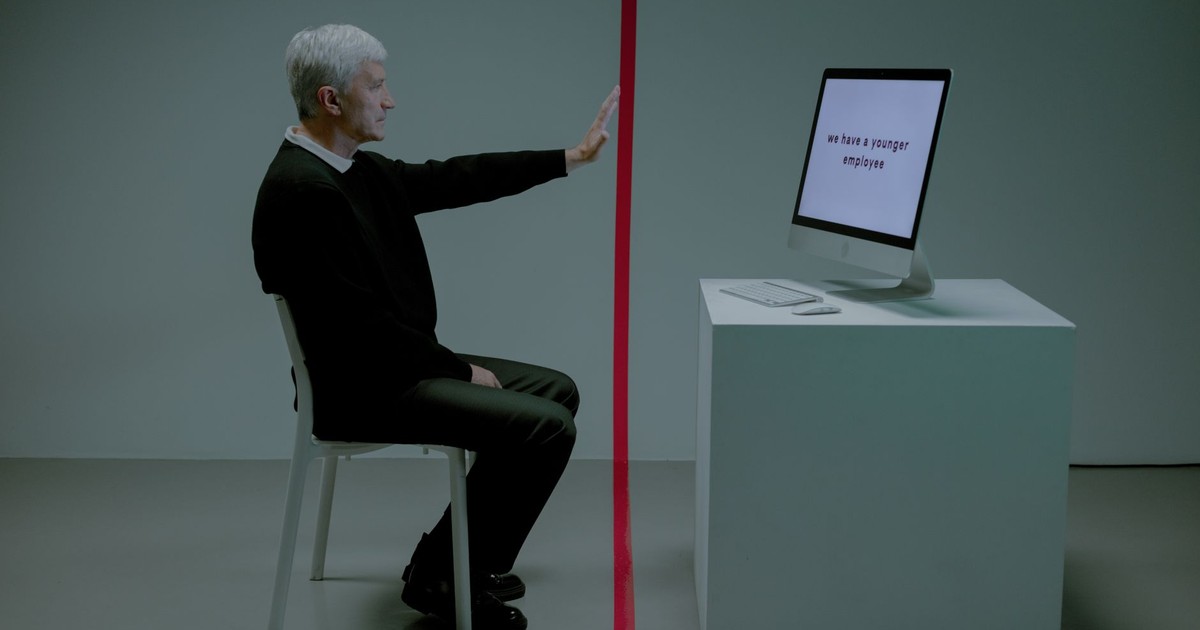
Boomers built the idea of the career. Not just a job, not a portfolio of gigs, but a single institutional relationship that lasted decades and culminated in a gold watch and a pension. That model shaped how they worked, how they raised their children to think about work, and how they judged professional commitment.
Boomers entering their late 60s are redefining what the end of a career looks like. Many are not moving from one employer to full retirement. They’re consulting, freelancing, or pivoting entirely. The idea that your identity is bound to a single institution for forty years is something even the generation that invented it is walking away from.
The practical forces are real too. Corporate loyalty turned out to be a one-way street for many Boomers who watched companies downsize, restructure, or eliminate pensions. The generation that believed in the deal came to understand the deal had changed.
8. Golf as a Primary Leisure Activity

Golf had its great Boomer era. Country club memberships, weekend rounds, business deals closed on the 18th hole. For a certain slice of the generation, golf wasn’t recreation, it was identity. The sport’s demographics told the story: older, male, and willing to pay for exclusivity.
The numbers have been shifting for years, and the shift is accelerating. Younger retirees are choosing cycling, pickleball, hiking, and yoga over the four-hour commitment of 18 holes. The appetite for experience-led leisure is strong. It’s just flowing toward different activities than the ones that defined the generation’s middle years.
Boomers make up 36% of US households, and on average Boomer households spend $21,000 annually across consumer categories, making 733 shopping trips per year according to Numerator. A $10,000 annual golf membership is a harder sell when the same money buys a lot of travel. The country club model, built on exclusivity and expensive dues, runs against how many Boomers are thinking about money now.
9. Print Newspapers and Magazines

The morning paper was a Boomer ritual with a specific texture: the crinkle, the ink, the coffee. Boomers were the last mass-market audience that grew up with print as the primary way information arrived. They kept subscriptions longer than any other demographic, and newspaper publishers built their survival plans around retaining them.
That bet has not paid off. Over-55s globally now spend more than half of their media time consuming online content, a figure that has climbed steadily since 2020. The shift absorbed a lot of time that used to belong to print. Adults in the 55-to-64 age group, who in 2013 devoted less than a third of their media time to digital channels, had crossed the 50% mark by 2023 and have kept going since.
Print publications that held on by telling themselves the Boomer audience would never leave are watching that audience migrate to tablets, news apps, and digital editions of the same publications they once subscribed to on paper. The content is often the same. The format changed, and the readership followed.
10. Rewarding Brand Loyalty Unconditionally

Boomers were the generation that stuck with brands. The same car manufacturer for thirty years. The same supermarket. The same airline, even when the airline made it aggravating. Brand loyalty was a value in itself, connected to reliability and a kind of principled consistency that felt like good character.
That’s eroding. Baby Boomers have long been a dominant force in US consumer spending across CPG, general merchandise, and QSR categories, but as they move further into retirement years, Boomer shopping behavior is shifting and reshaping how and where they shop. Walmart captures 17% of Boomer spend, well above the national average, followed by Amazon at 9% and Costco at 5%. Unlike younger generations, Target falls outside Boomers’ top ten retailers. The loyalty that remains is hard-won by price and convenience, not nostalgia.
What changed, in part, is that brands stopped behaving like partners. Price increases absorbed without explanation, quality reductions dressed up as improvements, loyalty programs that gave less than they promised. Boomers noticed. They spent long enough being good customers to recognize when the relationship had become one-sided.
11. Carrying Cash

Wallets thick with bills used to be a sign of preparedness, even of a certain solidity. Boomers who remember when credit cards weren’t universal, when a restaurant might not take plastic, and when the right amount of cash in your pocket was just practical knowledge held onto the habit long after the reason for it faded.
Tap-to-pay, Venmo for splitting a restaurant bill, Apple Pay at the parking meter. The frictionlessness of digital payment has converted even the generation most resistant to it.
The holdout cases are narrowing. Farmers markets, some food trucks, and the occasional cash-only lunch spot aside, the situations that actually require physical bills are disappearing. Once you realize you’ve gone three weeks without reaching for your wallet, the habit stops feeling like preparedness and starts feeling like a leftover.
What This Actually Means

There’s a story that gets told about all of this as decline: the Boomer era ending, the brands they sustained failing, the culture they built being outpaced. That framing misses the more interesting thing happening. What the data actually shows is a generation reordering its priorities with intention. Cutting cable because streaming is cheaper and better isn’t a loss; it’s a rational decision. Stopping at fast food less because the food costs more and delivers less is equally rational. Boomer trends declining in the marketplace usually reflects Boomers choosing more deliberately, not retreating from engagement.
The harder truth is that many of the institutions those trends supported, chain restaurants, cable companies, department stores, golf clubs, built models that depended on Boomer loyalty holding indefinitely. Industries that treated that loyalty as a fixed asset rather than something that had to be continually earned are now feeling the result. The generation is still here, still spending, still influential. They’re just not willing to keep paying for things that stopped being worth it. Some of those habits go back fifty years. Letting go of them isn’t a small thing, but for a generation that has always defined its own terms, it’s entirely on brand.
Disclaimer: This information is not intended to be a substitute for professional medical advice, diagnosis, or treatment and is for information only. Always seek the advice of your physician or another qualified health provider with any questions about your medical condition and/or current medication. Do not disregard professional medical advice or delay seeking advice or treatment because of something you have read here.
AI Disclaimer: This article was created with the assistance of AI tools and reviewed by a human editor.