
The graveyard of American dining is full of defunct restaurant chains that bet everything on a spectacle and forgot to ask whether the food was actually worth returning for. Most were confident right up until the end. They had the mascots, the murals, the animatronic animals, the celebrity backers, the wall-to-wall theming, and, in nearly every case, a menu that couldn’t carry the weight of any of it. When the novelty wore off, so did the business.
Here are ten chains that leaned so hard into their gimmicks they lost sight of everything else.
1. Sambo’s: The Name Was the Problem (and They Refused to Admit It)
Sambo’s was founded in 1957 by Sam Battistone Sr. and Newell Bohnett in Santa Barbara, California. The founders always maintained that the name was simply a portmanteau of their own names, “Sam” and “Bo,” but the chain immediately associated itself with a very different reference. Rather than distancing themselves from the children’s book The Story of Little Black Sambo, Battistone and Bohnett decorated restaurant walls with murals depicting scenes from the book, including a dark-skinned boy and tigers. Every child who left received a Sambo’s mask. The menu featured dishes named after characters in the book. It was not a subtle decorating choice, it was the entire brand identity.
By 1979, the chain had 1,117 outlets in 47 American states. As it expanded eastward into communities with stronger civil rights histories and more organized local activism, the backlash intensified. In the 1970s, the name and racist depictions began to take a toll on the business as numerous lawsuits were filed against the company. By 1981, some of the chain’s restaurants in the South and the Northeast attempted to change their name, but the business went bankrupt by the end of the year, closing hundreds of stores and laying off thousands of employees.
Financial woes from the company’s restructuring of its “fraction of the action” profit-sharing scheme were the primary driver of Sambo’s filing for bankruptcy in 1981. That year, the company closed hundreds of locations and laid off an estimated 9,000 to 10,000 employees, having lost tens of millions of dollars in the preceding two years. The very last location, the original Santa Barbara restaurant, finally renamed itself “Chad’s” in July 2020 following nationwide protests after the murder of George Floyd, 63 years after it first opened its doors.
2. Howard Johnson’s: 28 Flavors, Zero Adaptation
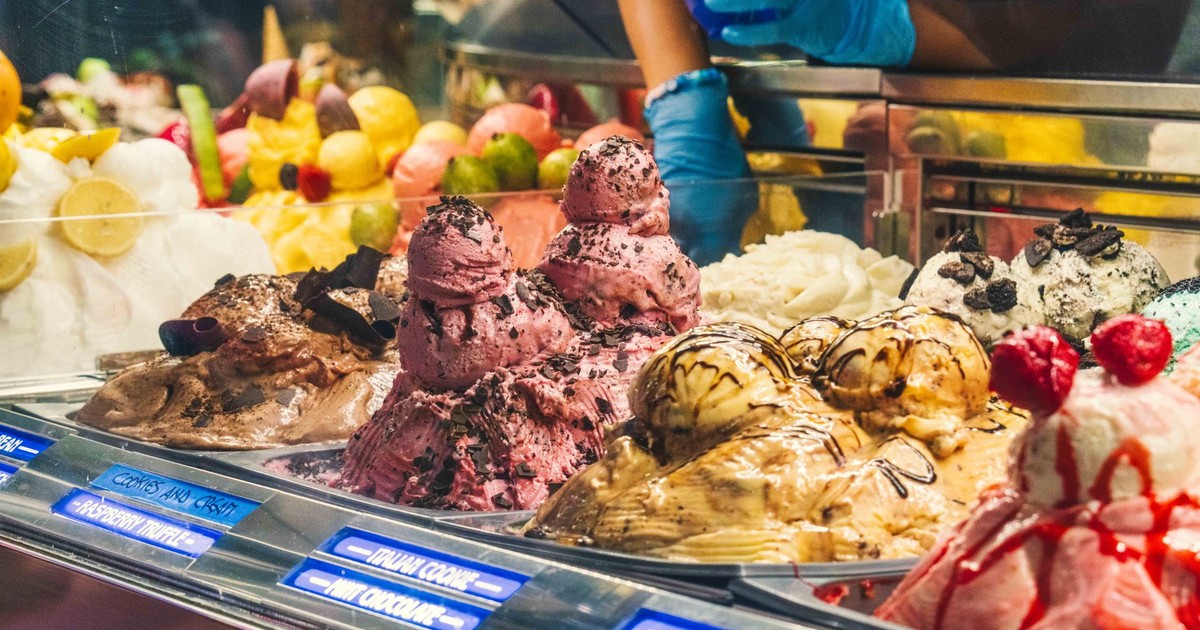
With more than 1,000 locations at its peak, Howard Johnson’s was bound to be somewhere on every road trip, ready to serve its signature fried clam strips, grilled hot dogs, and 28 flavors of ice cream to weary wanderers. The orange roof and turquoise trim were so distinctive that travelers could spot a HoJo’s from a quarter mile down the highway. That visual branding was the gimmick, a promise of cheerful familiarity in an era before every interstate exit looked identical. It worked beautifully for decades.
Howard Johnson’s built its entire identity around that promise of sameness, and then the world changed around it. Fast-food chains like McDonald’s could provide similarly limited menus quicker and cheaper. Fast-casual restaurants like Applebee’s and Chili’s could offer a wider variety of food and an upgraded dining experience. HoJo’s response was essentially no response. The orange roofs stayed. The menu barely moved. The decor aged in place.
The last North American Howard Johnson’s restaurant, in Lake George, New York, closed in 2022 after nearly 70 years of serving food to locals and tourists. The hotel brand survived under different ownership, carrying nothing forward from the restaurants except the name.
3. Steak & Ale: Medieval Cosplay Meets the Salad Bar
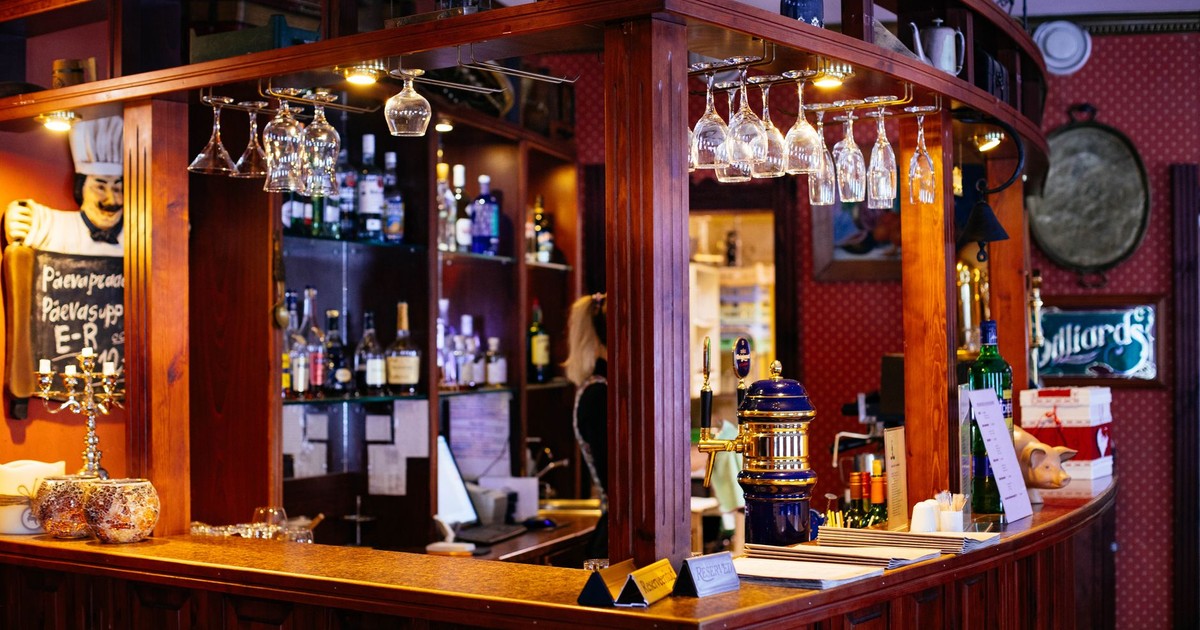
Founded in 1966 by Norman Brinker, who later acquired Chili’s in 1983 and expanded it into a national chain, Steak and Ale revolutionized casual dining by offering affordable steaks in a medieval-themed setting complete with a salad bar, a novel concept at the time. Dim lighting, dark wood paneling, waitstaff in period-adjacent costume, and a prime rib at a price that made middle-class families feel like they were getting away with something. For most of the 1970s, they were. The chain grew to a peak of around 280 locations in the late 1980s, pushing itself as the affordable upscale steakhouse option.
The medieval theme that once felt aspirational gradually started to feel like a joke in poor taste. By the 1990s, the theming was just dated. The chain suffered from menu stagnation as competitors like Outback Steakhouse and Texas Roadhouse emerged with similar offerings and more modern appeal. Steak & Ale had no answer for any of it. The salad bar, once a novelty, was now available everywhere. The same steak in the same dark room no longer felt like an occasion.
In 2008, squeezed by rising operating costs and shrinking consumer spending during the Great Recession, Steak and Ale locations shuttered along with sister restaurant Bennigan’s after its parent company filed for Chapter 7 bankruptcy protection. Employees reportedly arrived at work to find doors locked and no warning of the closure. As endings go, that one was brutal, and entirely avoidable if anyone in corporate had been paying attention for the previous decade.
4. Chi-Chi’s: The Birthday Sombrero That Couldn’t Save the Chain
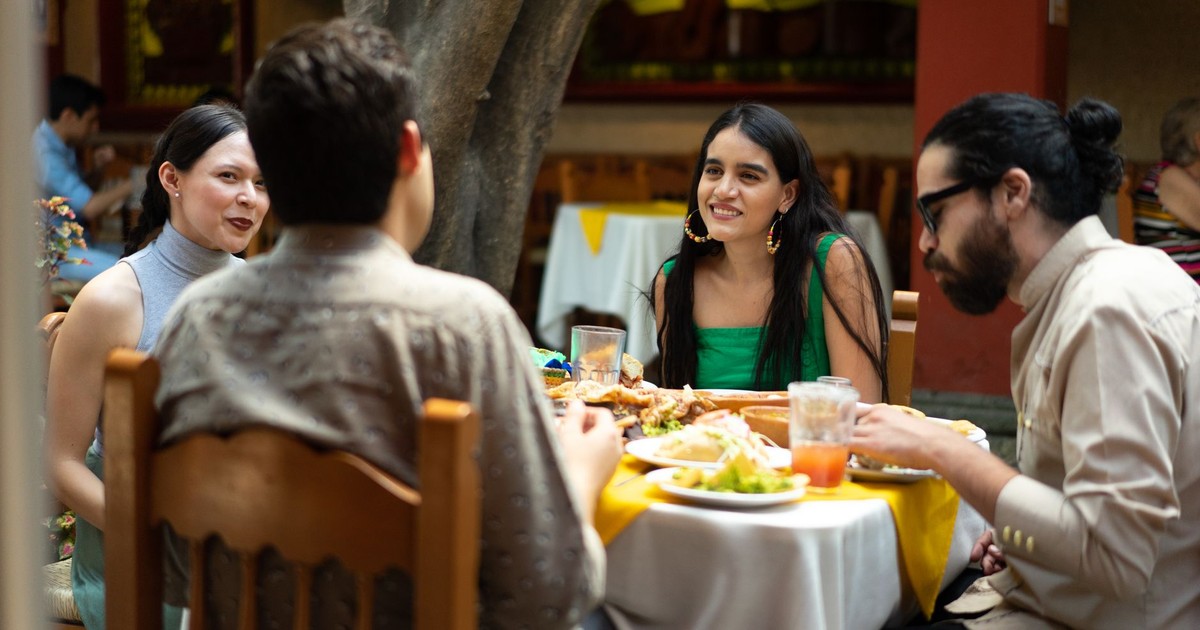
Chi-Chi’s was known for theatrical presentations that were about as authentic as their cuisine. Servers would begin singing a birthday song before bringing out a sombrero for the embarrassed guest of honor. This Mexican restaurant chain spread rapidly across America, introducing many midwesterners to their first taste of “Mexican” food, heavily Americanized dishes drowning in cheese. Founded in 1975, the chain became a go-to destination for anyone who wanted to feel like they were having a festive cultural experience without actually having one.
For a while, novelty carried the day. Mexican cuisine was genuinely unfamiliar in large swaths of the Midwest and South in the late 1970s, so Chi-Chi’s Tex-Mex approximation filled a real gap. As authentic Mexican restaurants and better Tex-Mex chains expanded nationally through the 1980s and 1990s, the comparison became unavoidable. The complimentary chips and the birthday sombrero were no longer enough. Chi-Chi’s had more than 200 locations but filed for bankruptcy in 2003. A hepatitis A outbreak linked to green onions at a Pittsburgh-area location that year, which sickened more than 650 people and killed four, accelerated the chain’s end faster than any market force could have.
5. Planet Hollywood: When Celebrity Wasn’t Enough
Planet Hollywood opened its first location in New York City in 1991 and made a splash that very few restaurant concepts ever have. The founding investors included Arnold Schwarzenegger, Sylvester Stallone, Bruce Willis, and Demi Moore. The concept was straightforward: fill a massive, loud restaurant with movie memorabilia, dress the staff in branded gear, and let the star power do the rest. For a few years in the early 1990s, getting a table at Planet Hollywood felt like an event.
Celebrity names brought first-time visitors but couldn’t manufacture repeat customers. Once you’d stared at a costume from Terminator 2 while eating an overpriced burger, the incentive to go back was limited. The food was consistently panned, the prices were high for what was being served, and the novelty of celebrity ownership faded as the celebrities themselves moved on to other projects. Planet Hollywood restaurants filed for bankruptcy in 1999, just eight years after opening.
The chain attempted to reinvent itself multiple times before converting the brand into a hotel and resort concept, which is where it survives today in stripped-down form. The question every restaurant must answer eventually, once the excitement of being there wears off, is the food worth coming back for? That is the one Planet Hollywood never answered.
6. ShowBiz Pizza Place: Animatronic Dread in a Party Hat

ShowBiz Pizza was a popular place for pizza and kids’ birthday parties in the 1980s. Its centerpiece was a stage show called the Rock-afire Explosion: a band of animatronic animals that performed cover songs with jerky, unpredictable movements and glassy, unblinking eyes. Billy Bob the bear played drums. Fatz Geronimo, a gorilla, handled the keyboards. Mitzi the mouse led cheers from the front. To children of the era, this was somehow thrilling. To many of those same children looking back as adults, it reads as nightmare fuel.
ShowBiz was built on entertainment over food. The pizza was the price of admission to the animatronic show, the arcade games, and the faintly chaotic energy of thirty birthday parties happening simultaneously in one building. The chain struggled in the early 1990s and slowly merged with its former rival, Chuck E. Cheese. Chuck E. Cheese had essentially the same concept with slightly better brand recognition and a cleaner execution, which was enough to win. When two chains are competing purely on the strength of their animatronic bands, the one with the more lovable mascot tends to survive.
7. Lum’s: Hot Dogs Steamed in Beer
Famous for its beer-soaked hot dogs, Lum’s first appeared in Miami Beach and gained popularity through the 1970s, with nearly 400 locations across the country at its peak. The concept was simple and genuinely clever for its time: steam the hot dog in Schlitz beer, serve it in a plain bun, and market it as something between a ballpark snack and a bar bite. It felt grown-up without being fancy, and in the late 1960s and early 1970s, that hit a specific cultural sweet spot.
Building a brand around a single unusual cooking method means the method is easy to replicate and impossible to protect. Once the beer-steamed hot dog stopped feeling novel, Lum’s had no second act. At its peak it was positioned as a major player in casual dining, but frequent ownership changes and poor financial management weakened the chain. By the 1980s, most locations had closed, and the brand eventually disappeared. Lum’s is a clean example of the gimmick-first trap: the hook was good enough to open 400 restaurants and not quite good enough to sustain any of them long-term.
8. Stuckey’s: Billboards, Pecan Rolls, and Corporate Neglect
In its heyday in the 1960s, Stuckey’s had 368 outlets in 30 states, offering gifts and souvenirs, restaurant services, and Texaco gasoline. The gimmick was the building as much as anything inside it, that teal blue sloped roof, visible from miles down the highway, promising pecan log rolls, novelty ashtrays shaped like toilets, and the particular brand of kitschy American roadside charm that made a gas stop feel like an adventure. W.S. Stuckey Sr. even owned his own trucking company, sign-painting company, and candy plant, keeping every piece of the operation vertical and in-house.
When the founder sold to Pet, Inc. in 1964 and the chain passed through increasingly indifferent corporate hands, the wheels came off. In the 1970s, ownership passed to IC Industries, a railroad conglomerate, and the oil crunch curtailed road-tripping culture. By the end of the decade, Stuckey’s was in decline, with stores quickly being shuttered. Only 75 original stores remained by the 1980s. What had been a genuinely beloved piece of American road culture became a chain of neglected buildings with empty shelves, a victim of corporate owners who understood balance sheets but had no interest in pecan rolls.
Read More: 6 Times Restaurants Changed Their Recipes and Customers Lost It
9. Kenny Rogers Roasters: Celebrity Chicken, Short-Lived Fame
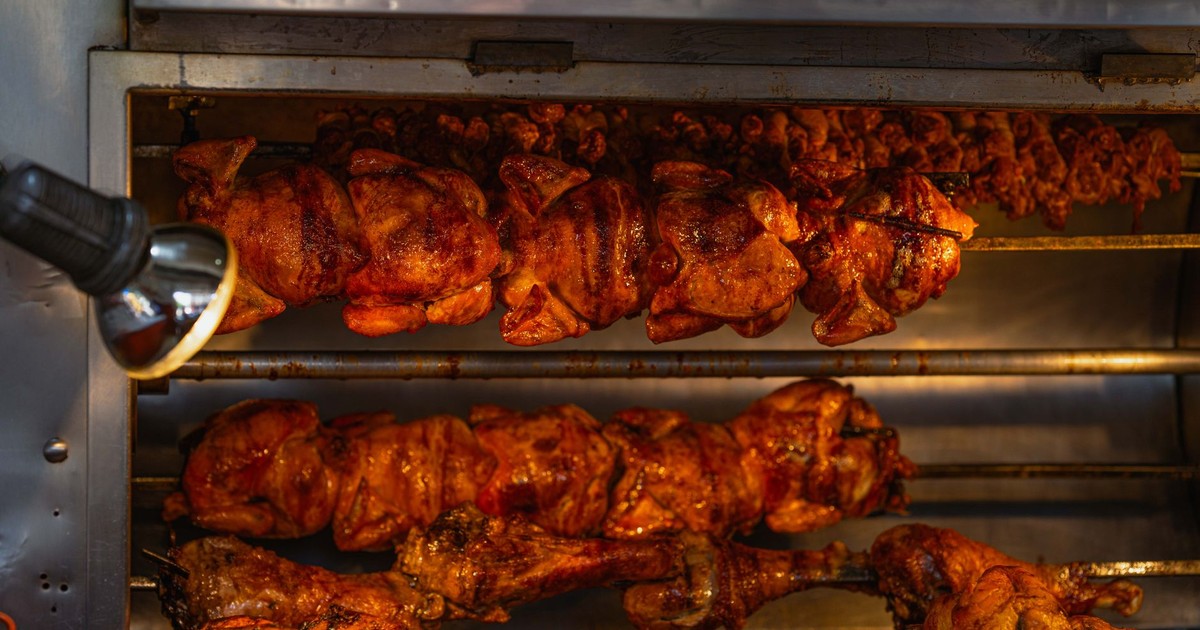
Kenny Rogers Roasters launched in 1991 with a concept that seemed shrewdly timed: wood-fired rotisserie chicken positioned as the healthier, home-cooked alternative to fried fast food. The Kenny Rogers name gave it instant recognition, and the chain grew fast, eventually reaching more than 350 locations around the world.
The collapse was almost as fast as the rise. Boston Market launched the same year and captured the same category with better execution and heavier investment. Supermarkets started selling rotisserie chickens for less than the cost of a fast-food meal. The chain filed for Chapter 11 bankruptcy in 1998 and was sold to Nathan’s Famous for $1.25 million. The last U.S. location, in Ontario, California, closed on December 31, 2011. The chain lives on in Southeast Asia, where it operates as a mid-range dining destination in Malaysia and the Philippines, a second life that its American version never got the chance to find.
10. Victoria Station: Dinner in a Railroad Car
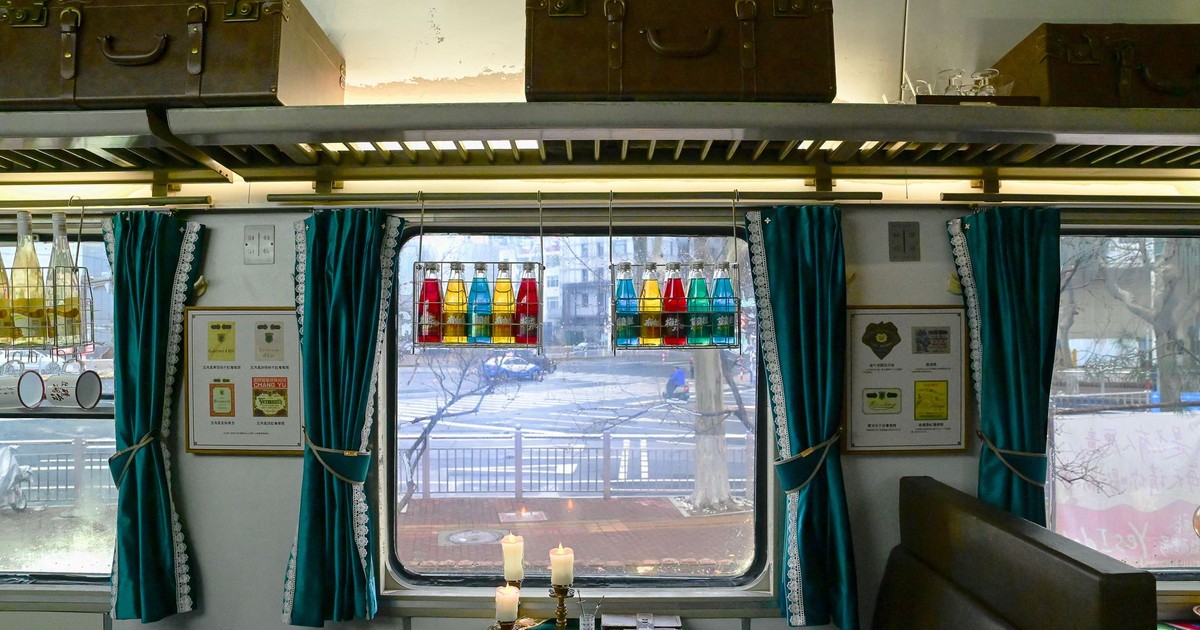
Eating dinner inside converted railroad cars seemed like a brilliant gimmick when Victoria Station launched in 1969. The chain expanded to 100 locations at its peak. Each restaurant featured actual railroad cars and station memorabilia, creating a unique dining atmosphere that initially attracted customers. The menu was straightforward steakhouse fare, prime rib was the star, but the concept made an ordinary steak dinner feel like an occasion. You weren’t just eating out; you were dining on a train. Sort of.
Using actual railroad cars as your restaurant means betting your business on a single architectural novelty that has no connection to the food. Once customers had eaten prime rib in a train car a few times, the dining car lost its magic. The steaks were not remarkable enough to bring people back on the food alone. Poor management, overexpansion, and changing consumer preferences led to bankruptcy in 1986. Victoria Station is a vivid reminder that no amount of set dressing will save a restaurant whose core offering, the actual meal, can’t stand on its own.
The Part Nobody Wants to Admit
Each of these defunct restaurant chains had a hook clever enough to get people through the door the first time. Several had hooks clever enough to get people through the door dozens of times. What none of them could manufacture was the thing that actually keeps a restaurant chain alive across decades: a reason to come back that isn’t dependent on novelty wearing through.
The animatronic bear only amazes you once. The celebrity’s name only impresses you the first time you see it on the awning. The sombrero on your head is funny exactly once, and less funny every time after that. Some chains went down because they leaned too hard on nostalgia. A few went down because they ignored changing social values entirely, Sambo’s being the starkest example of a brand that chose its identity over its customers and paid for it over decades, not overnight.
A gimmick is a loan, not a foundation. It buys you time and foot traffic, but it accrues interest. Every year the novelty fades a little more, and at some point the bill comes due. The chains that survived long enough to become institutions, McDonald’s, Denny’s, the chains still standing today, did it by making the gimmick secondary to something repeatable: a price point, a consistency, a food item people genuinely wanted again next week. The ones on this list never made that pivot. They were still counting on the sombrero when the customers had already moved on.
Disclaimer: This information is not intended to be a substitute for professional medical advice, diagnosis, or treatment and is for information only. Always seek the advice of your physician or another qualified health provider with any questions about your medical condition and/or current medication. Do not disregard professional medical advice or delay seeking advice or treatment because of something you have read here.
AI Disclaimer: This article was created with the assistance of AI tools and reviewed by a human editor.