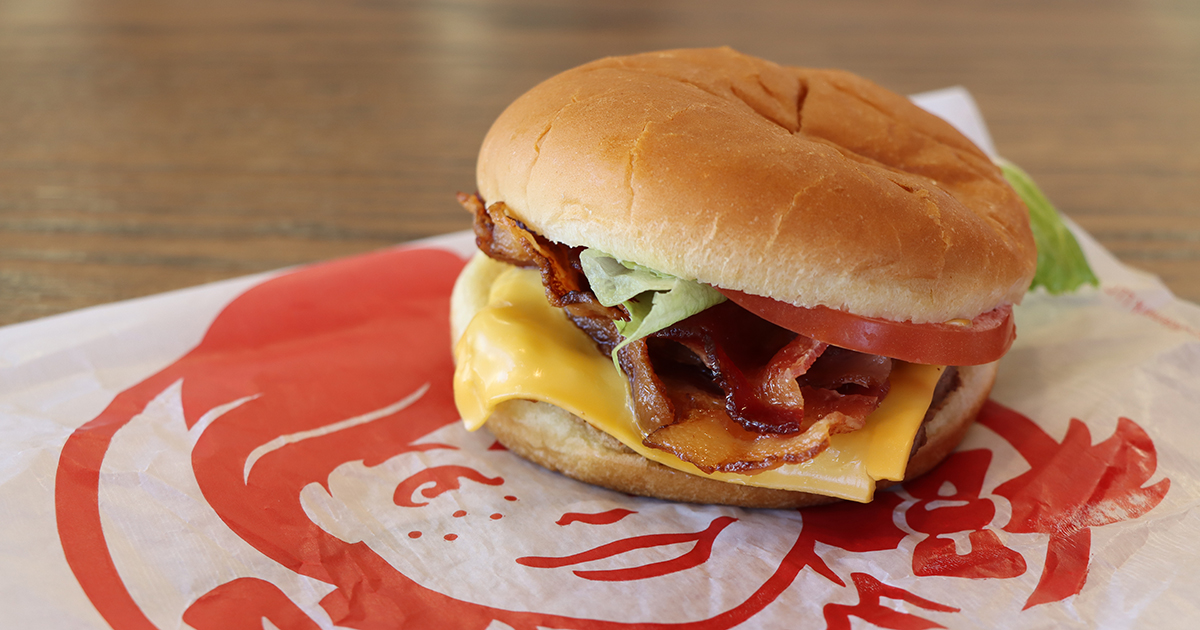

The Wendy’s Frosty has been around since the chain opened its first location in 1969. For decades, customers ordered it knowing what they were getting: a frozen chocolate dessert so thick it practically required a spoon. Ask someone who grew up eating one and they’ll still describe the texture from memory. Ask them what it tastes like now and the conversation tends to go a different direction.
Longtime Wendy’s customers across Reddit, Google Reviews, and fan communities have been raising the same question for years: why don’t the things they used to love taste like they used to? Some of the changes are well documented. Others are harder to pin down. A few are almost certainly inseparable from the experience of eating something in your forties that you first tried at twelve. The fact that the same items keep coming up, across different platforms and different decades of memory, makes the conversation worth taking seriously.
Wendy’s has been making significant changes across its menu for years. The chain upgraded both its Spicy and Classic chicken sandwiches in early 2026 with a new marinade, a new breading recipe, a soft potato bun, and a new mayo mix. The changes are part of a broader attempt to rebuild a brand that has been losing customers.
The Fries That Refused to Stay the Same
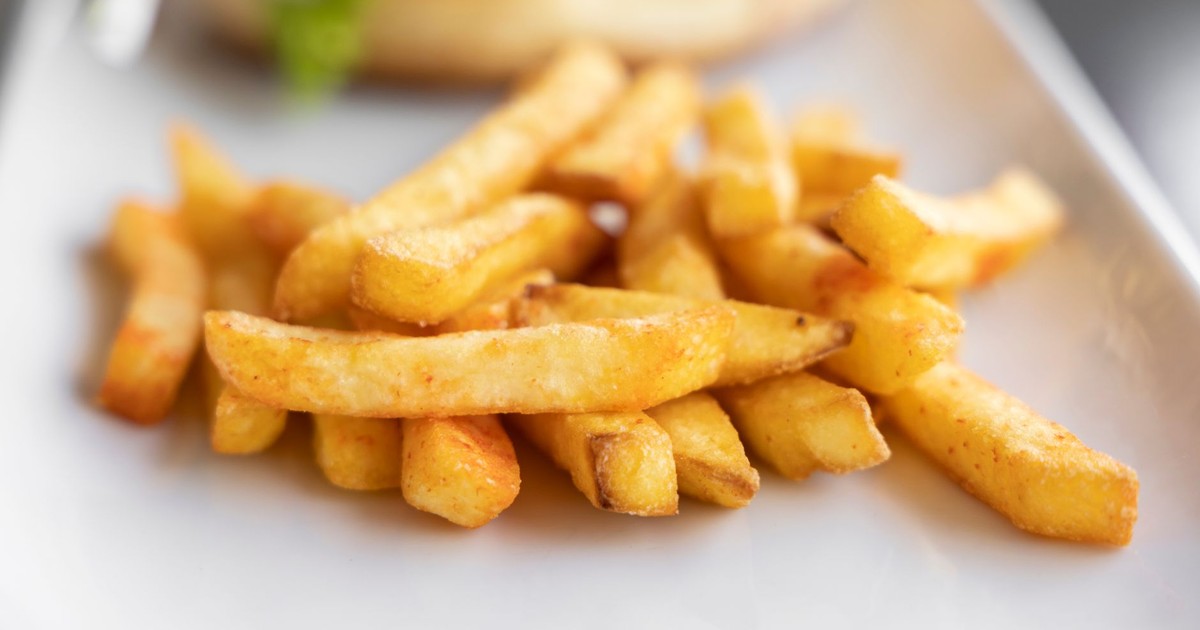
The humble French fry is Wendy’s largest-selling product, and the chain kept it essentially unchanged for 41 years before first updating it in November 2010, when it moved to natural-cut skin-on potatoes finished with sea salt. A lot of people loved those fries. Then Wendy’s changed them again.
In October 2021, Wendy’s introduced its Hot & Crispy Fries, a version the company said was specifically designed to stay hot and crispy for longer after leaving the fryer, primarily to accommodate the brand’s growing volume in drive-through, carry-out, and delivery. The chain backed the launch with a guarantee to replace the fries, no questions asked, if a customer felt they weren’t up to standard.
The customer response was mixed. Fans of the skin-on 2010 version found the new fries somehow simultaneously crispier and less satisfying. Wendy’s designed the Hot & Crispy version with a batter system built to maintain crispiness both right out of the fryer and several minutes later, testing more than 20 different cuts and shapes to land on the final product. A vocal segment of longtime customers felt the battered coating changed the flavor in ways that weren’t improvements. The original potato taste, they said, got buried.
Dave’s Single and the Ghost of a Better Burger
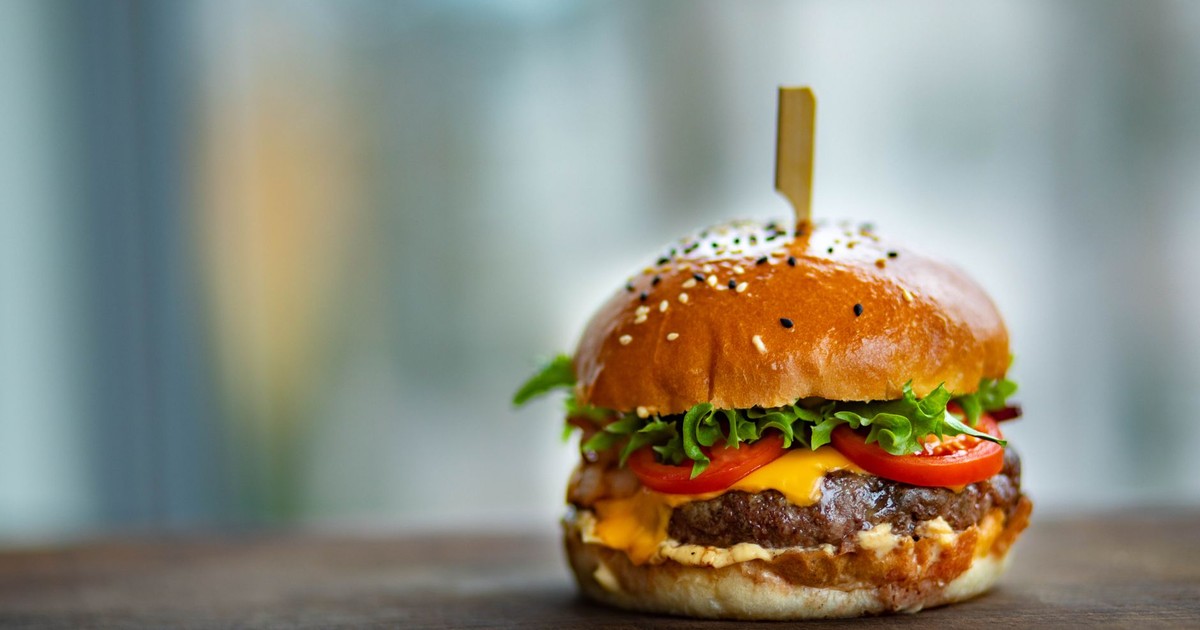
Dave’s Single is the burger Dave Thomas himself would have pointed to as the heart of what Wendy’s was supposed to be: fresh, never frozen beef, simple, and a step above. For a long time, that reputation held. The complaint you hear most often now isn’t that the beef is frozen (it isn’t), but that the overall experience has become less consistent than it once was.
As part of Wendy’s 2026 overhaul, the Dave’s Single, Dave’s Double, Dave’s Triple, Baconator, Son of Baconator, Big Bacon Classic, and several other sandwiches were all revamped with a new potato bun. Whether you consider that an improvement depends almost entirely on your baseline. Customers who loved the previous bun now have a soft potato bun in its place, and for some, soft isn’t the same as better. The burger itself hasn’t been reformulated, but enough around it has shifted that longtime regulars notice the difference.
Interim CEO Ken Cook described the new chicken sandwiches, and by extension the broader menu refresh, as an “everyday upgrade compared to what consumers can get from the competition,” speaking on the company’s Q4 2025 earnings call. Calling something an upgrade rather than a change is how companies tend to talk about these things. Customers who preferred what came before tend to use different words.
The Spicy Chicken Sandwich Gets Rebuilt
The 2026 reformulation of the Spicy Chicken Sandwich brought a new marinade for a juicier bite, crispy panko-style breading infused with nine spices, the addition of pickles for crunch and balance, and a rich homestyle mayo inspired by Southern recipes. Wendy’s said it relied heavily on consumer input, with extensive sampling, consumer focus groups, and in-store testing over more than a year before rolling out the changes.
For years, the Spicy Chicken Sandwich was considered one of the better fast food chicken sandwiches on the market. Then it got inconsistent: smaller filets at some locations, less heat at others, the crunch that made it distinctive sometimes absent entirely. The rebuild is an acknowledgment, even if an indirect one, that the product had drifted.
The Frosty: Icon With an Identity Crisis
Wendy’s recently announced new Frosty variations with the debut of Frosty Swirls and Frosty Fusions, adding to an item that has been on the menu for over five decades. Expanding and innovating around a signature product makes business sense. What it doesn’t necessarily do is address the underlying complaint: that the original Frosty itself has changed.
Longtime fans are specific about what they miss. The original chocolate Frosty was dense. You could turn the cup sideways and it wouldn’t move. Today’s version, by widespread account, is softer and less rich, closer to a thick shake than the hybrid frozen custard the original was designed to be. Some of the texture shift may come down to serving temperature or machine calibration varying by location. The complaints are consistent enough, and specific enough about texture and richness, that something seems to have shifted in the base recipe over the years.
Even Wendy’s dipping sauces inspire surprisingly passionate discussions among longtime customers, with the barbecue sauce frequently mentioned as tasting sweeter and less smoky than previous versions, with fans of the older recipe saying it had a deeper, more balanced flavor that paired better with nuggets and fries.
The Jr. Bacon Cheeseburger and the Shrinkflation Question
For years, the Jr. Bacon Cheeseburger was widely considered one of fast food’s best bargains. While many customers still enjoy it today, longtime fans often say the sandwich feels noticeably smaller and less generously assembled, with recurring online discussions mentioning lighter bacon portions, thinner toppings, and buns that seem less substantial than earlier versions.
Not all of what customers perceive as a taste change is a taste change. Some of it is portion size. Some of it is price sensitivity: the same sandwich that once felt like a steal now costs significantly more, and value is always part of the experience of food. A burger that used to cost a dollar fifty and now costs four dollars is going to taste different even if the recipe is identical, because the transaction itself has changed.
That said, the Jr. Bacon Cheeseburger complaints aren’t only about price. The specific details, less bacon, thinner toppings, track with what food industry analysts have documented broadly across fast food as inflation-era shrinkflation. The item gets slightly smaller. The recipe stays “the same.” The customer notices anyway.
The Bigger Picture: A Company Under Pressure
None of this is happening in isolation. Wendy’s U.S. same-store sales fell 11.3% in the fourth quarter of 2025, the worst result in at least 20 years, capping a full year in which same-store sales dropped 5.6%. Ken Cook acknowledged on the earnings call that Wendy’s “swung the pendulum too far towards limited-time price promotions instead of everyday value” in 2025, and pledged a course correction.
The chain plans to shut down around 300 U.S. stores in 2026, with Cook describing them as “consistently underperforming restaurants” that were weighing down overall performance. That kind of pressure doesn’t make it easier to maintain the consistency that keeps longtime customers coming back. The question is whether menu reformulations and value-tier expansions can do what the brand’s executives are hoping: rebuild trust with people who remember a different Wendy’s.
Wendy’s has reported same-store sales declines even as rivals McDonald’s and Burger King have seen higher demand, with a slowdown that spread from lower-income to middle-income consumers through the second half of 2025. A company fighting that kind of competitive headwind has limited options. It can cut prices, close underperforming locations, and reformulate flagship products to try to recapture the attention of people who have wandered off to competitors. Wendy’s is currently doing all three at once.
What’s Nostalgia and What’s Real
Part of what makes this conversation so hard to settle is that taste memory is genuinely unreliable. The Frosty you had at nine years old tasted better partly because you were nine. The burger that hits differently now might taste different because you’re eating it after a long commute in a car instead of in a booth with friends. These things are real factors, even when they’re inconvenient to acknowledge.
But nostalgia doesn’t explain everything. Some of the Wendy’s menu changes are documented and confirmed: the fry reformulations, the chicken sandwich overhaul, the new buns across most of the burger lineup. Some customers also point to greater inconsistency between locations, suggesting preparation methods may play as large a role as recipe changes. A Wendy’s in Cincinnati on a Thursday might produce a noticeably different sandwich than the same item at a Wendy’s in Phoenix on a Saturday, not because the recipe changed but because the franchise system that produces it carries a level of variability that the marketing doesn’t advertise.
What This Tells Us About Loyalty
When a company is closing hundreds of locations, reporting double-digit same-store sales declines, and simultaneously reformulating its flagship products, those things are connected. The question of whether the food tastes the same isn’t just a nostalgic complaint. It’s evidence in a larger argument about whether a brand has stayed true to the thing that made people choose it in the first place.
Wendy’s built its reputation on a specific promise: fresher ingredients, made-to-order, a step above the competition. That promise is still technically in place. The beef is still never frozen. The square patty is still square. But enough has shifted around the edges, the buns, the fries, the portion sizes, the sauce recipes, the consistency from one location to the next, that the cumulative effect is a product that doesn’t always feel like it’s kept the same deal.
The 2026 overhaul of the chicken sandwiches and the potato bun rollout might help. The Frosty expansions might attract new customers who never had the original. But the people who’ve been going to Wendy’s since the 1980s and 90s aren’t looking for a new product. They’re looking for the one they already loved. Cook himself put it plainly on the earnings call: “We got away from what made Wendy’s great.” Saying it out loud is the easy part. The harder part is that years of incremental drift, a slightly different bun here, a battered fry coating there, a sauce recipe adjusted by committee, don’t reverse overnight, no matter how good the press release sounds.
Disclaimer: This information is not intended to be a substitute for professional medical advice, diagnosis, or treatment and is for information only. Always seek the advice of your physician or another qualified health provider with any questions about your medical condition and/or current medication. Do not disregard professional medical advice or delay seeking advice or treatment because of something you have read here.
AI Disclaimer: This article was created with the assistance of AI tools and reviewed by a human editor.