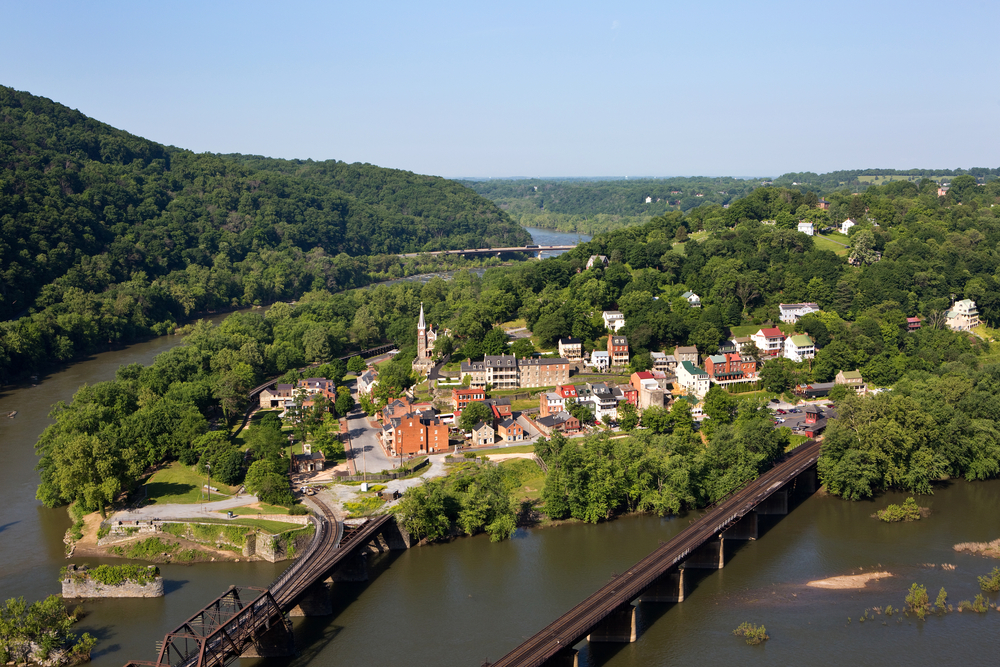

If you’ve spent any real time thinking about where to retire, you’ve probably noticed that the conversation keeps defaulting to the same handful of places. Florida. Arizona. Maybe the Carolinas in a general sense. They’re fine answers, but they’re also crowded, expensive, and increasingly built for people who arrived a decade ago. The more interesting question right now isn’t “where do retirees go?” It’s “where do places actually want retirees to show up?”
The answer, it turns out, is more specific than you’d expect. A mountain region in West Virginia is offering over $20,000 in cash and perks to get you there. A small Nebraska town is dangling $50,000 toward a down payment. A North Carolina riverfront city spent six months in a formal government evaluation process just to prove it deserves your attention. And a coastal Oregon town barely needs to make a case at all, because January in its neighborhood looks nothing like January anywhere else on that coastline.
Finding the best places for retirees in 2026 means looking past the obvious. These four places have done the work, run the numbers, built the programs, and they’re ready to make their case. None of them is perfect, and none of this is a sales pitch. But if a move has been somewhere in the back of your mind, these destinations are worth a proper look.
1. Greenbrier Valley, West Virginia
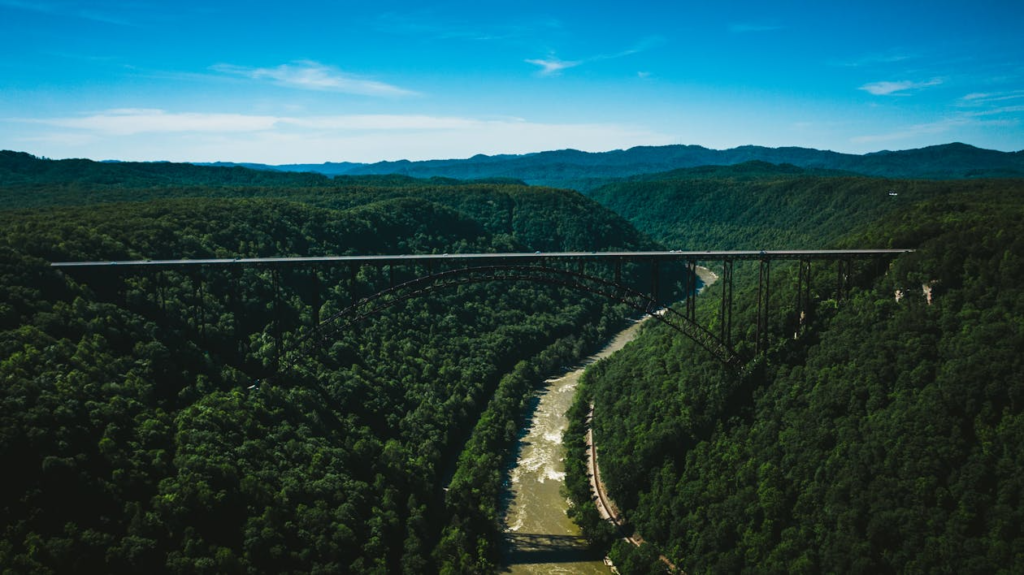
West Virginia doesn’t always make the shortlist when people imagine retiring somewhere beautiful. That’s partly why it’s worth paying attention. The Greenbrier Valley, in the south-central part of the state, is mountain country: river towns surrounded by forested ridges, locally brewed beer, an arts scene that punches above its weight, and a 78-mile stretch of former railroad converted into a trail for walking, biking, and horseback riding.
The region is one of the communities served by a program that has made West Virginia quietly famous in relocation circles. That program is Ascend WV, and it is the real reason Greenbrier Valley belongs on any list of the best places for retirees or semi-retirees who still have some professional income coming in. According to a September 2025 report from WV MetroNews, the program offers north of $20,000 in total incentives, including a $12,000 cash relocation payment distributed in installments over a two-year period. It has drawn over 65,000 applicants since launching, with nearly 1,000 people now living as new West Virginians across the program’s communities. Thirty-six percent of those selected over the past five years have purchased a home in the state. When more than a third of people who tried a place end up buying into it, that says something.
Payments begin after your first month in the program and continue in equal monthly installments over two years. If you choose to purchase a home at any point during that period, you have the option to receive your remaining cash payments accelerated into one lump sum upon verifying the home purchase. On top of the cash, participants get access to free gear rentals, outdoor recreation experiences, an all-inclusive welcome trip, free coworking space membership, and local programming.
The program does require that you have a remote job or manage a business based outside of West Virginia, so it’s best suited to anyone who is semi-retired or still working part-time remotely. That’s a real condition worth understanding before you apply. But for anyone in that position, this is a genuinely unusual offer attached to a genuinely beautiful part of the country.
2. Washington, North Carolina

Washington, NC sits on the Pamlico River in the eastern part of the state, about an hour from the Outer Banks coastline. It is a small city with a historic downtown, a working waterfront, and a distinct lack of the overdevelopment that has made so many coastal Carolina towns feel like they belong to tourists rather than residents. It has also done something that relatively few American cities have bothered to do: formally proven itself.
Washington has been named a certified retirement community as part of Retire NC, a designation managed by the state. As WNCT reported, the detailed application took a committee of community leaders about six months, with research covering medical facilities, crime rate, housing costs, schools, senior programs, and other livability factors. The state’s director of Retire NC noted that “Washington and Beaufort County have the assets that retirees are looking for when planning retirement in North Carolina.”
What that means practically is that Washington had to demonstrate, with evidence, that it actually has the infrastructure to support an aging population. North Carolina as a state adds further appeal: the state does not tax Social Security retirement benefits, and it welcomes all four seasons but few weather extremes, making it possible to get outside any month of the year. Washington’s position on the Pamlico River means kayaking, fishing, and sailing are genuinely part of daily life, not just brochure language. The arts community is active, and the surrounding county has the kind of food culture that surprises people who weren’t expecting much.
For retirees who want a place that feels like a real town rather than a retirement community shaped like one, Washington is doing something different. Retiring to the Southeast has never had more viable, underrated options, and this city is near the top of that list.
3. Brookings, Oregon
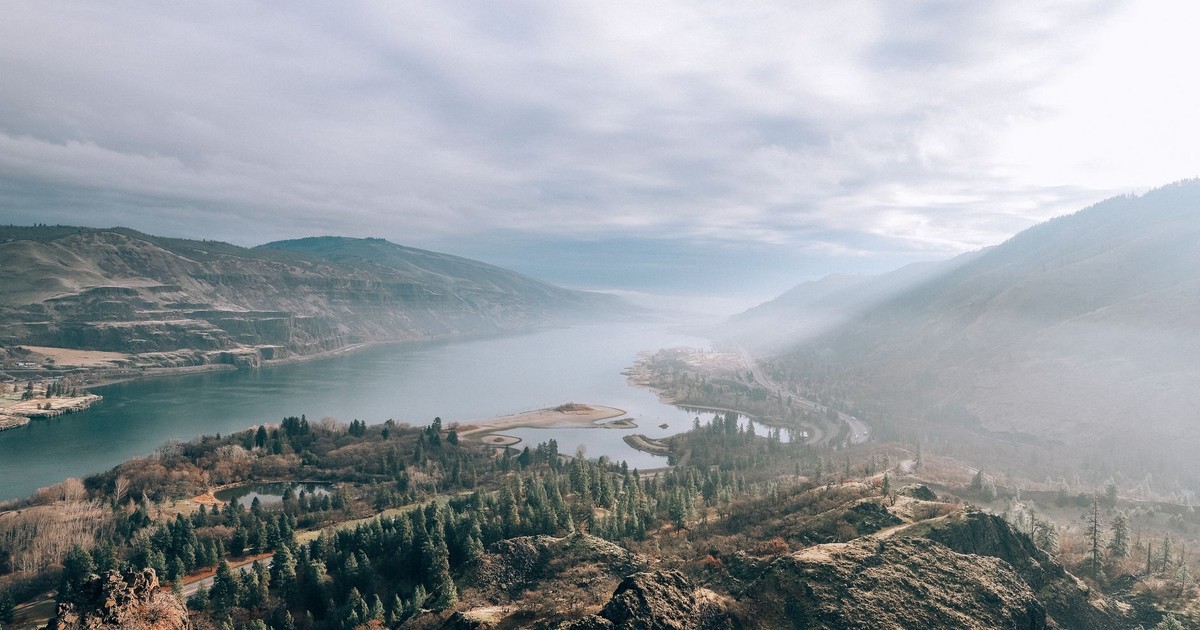
Everything about Brookings, Oregon sounds slightly too good to be true until you look into it. A small coastal town at the foot of the Klamath Mountains in the far south of the state, just six miles from the California border. Temperate year-round. Beaches that don’t require sharing with half a million tourists. Gardens that bloom in January.
Brookings is known as Oregon’s “Banana Belt,” a microclimate produced by the Chetco Effect that delivers consistently milder temperatures than anywhere else on the Oregon Coast. According to a 2026 guide from livinginoregon.net, the climate rarely freezes, flowers bloom in January, and temperatures stay in the 45 to 65°F range year-round. For people who have spent decades tolerating brutal winters or punishing summers, that consistency matters more than it sounds. The same guide places the town among Oregon’s top coastal retirement destinations and notes that Curry Medical Center provides local care, though specialty needs requiring travel to Medford, about two and a half hours away, or Crescent City, California, around 30 minutes south, require planning.
The town itself is small, around 6,700 residents, and a large share of the population is age 45 or older, which means the social infrastructure, the pace of life, and the businesses that survive there all reflect what that demographic actually needs. Harris Beach State Park, whale watching, the Chetco River, Azalea Park, and day trips into the California redwoods are among the outdoor draws, alongside a strong retiree social community. Every second Saturday, nearly a dozen art galleries open their doors with free food and live music, and residents have access to three theater groups and a golf course.
Housing in Brookings sits at a meaningful premium compared to inland Oregon, but it looks different when measured against California coastal markets. Oregon also charges no state sales tax, which benefits everyday purchases in a way that adds up quietly over years of retirement spending. For anyone making the move from a major West Coast city, the financial breathing room can be significant. The remoteness is real, but for the right person, that’s not a drawback.
4. Pawnee City, Nebraska
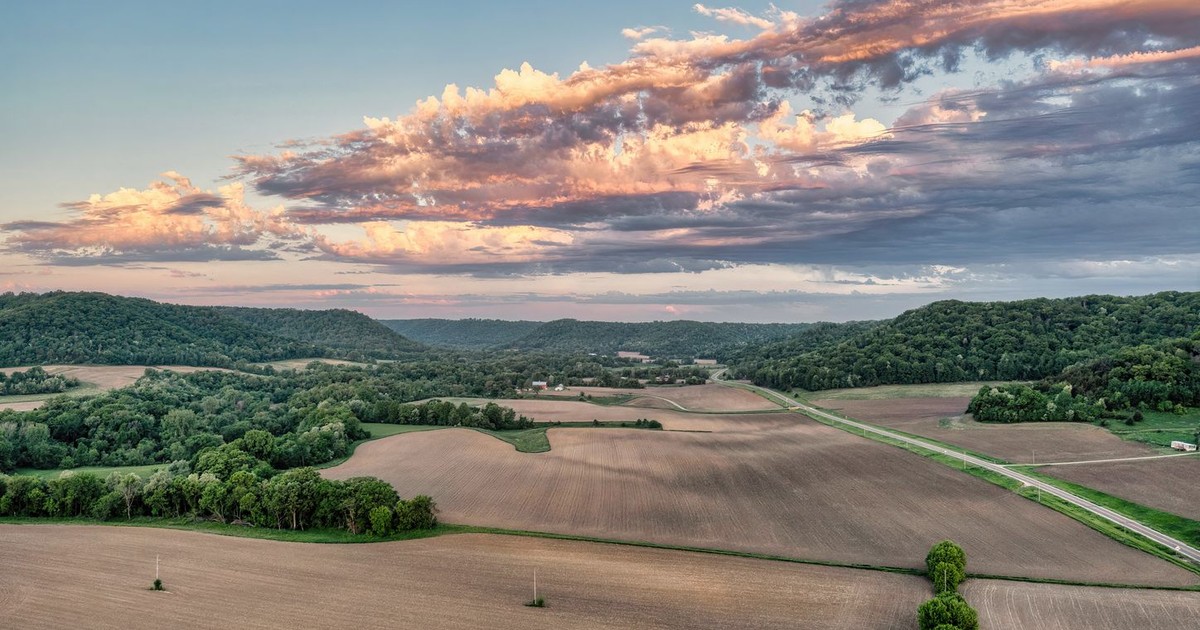
Pawnee City is small. Its population hovers around 900 people, it sits about an hour southeast of Lincoln, and it is not, by any conventional measure, a place that turns up on retirement destination lists. That is precisely why it has decided to do something dramatic about it.
As Nebraska Public Media reported in March 2025, Pawnee City is offering a $50,000 down payment to attract people to the rural town, part of a program called Vision 2030. The subsidy takes the form of a 0%, zero-payment deferred loan for as long as you own and live in the home. In practical terms, that means you never make a payment on the $50,000 for as long as you stay. It functions like a grant attached to your continued residency. Vision 2030 is partially funded by a $650,000 grant through the Nebraska Affordable Housing Trust Fund, which was used to build two homes, with proceeds from those sales going back into the down payment assistance pool.
The pitch from the town’s economic development leadership is straightforward. “We think that housing is the secret sauce for small rural communities to grow,” said Steve Glenn, chairman of the Economic Development Council for the Pawnee City Chamber of Commerce. “In the virtual workplace, people can work from anywhere, and they just have to decide on a quality of life. And we know that’s the benefit of Pawnee City.” Alongside the down payment program, the town is also building 25 new homes and plans to construct more apartments.
Nebraska as a state has real retirement credentials that tend to get overlooked. All Social Security retirement income is exempt from Nebraska state income tax. Housing, healthcare, and daily expenses are all generally more affordable in Nebraska than in most other states. The winters are genuinely hard, and rural healthcare access requires honest assessment before you move. But for a retiree or near-retiree who wants to own a home outright in a close-knit community, at a price that doesn’t require liquidating everything, Pawnee City is making an offer that deserves to be taken seriously.
Read More: This stunning country is the best place in the world to retire if you want to leave the US
The Honest Version of What This Means

None of these four places is for everyone, and the financial incentives, while real, come with conditions. The Greenbrier Valley program requires verifiable remote employment or an active business based outside West Virginia. Pawnee City’s $50,000 is a deferred loan, not a check. Washington, NC’s certification process means the town has proven it’s retirement-ready, but “ready” still means small, and you’ll need to actually want that. Brookings is genuinely beautiful but genuinely remote, and if you need specialist medical care on a regular basis, the nearest facilities will require a road trip.
What connects all four of them is that they are actively trying to make it work. They’ve run the numbers, built the programs, gone through the applications and the committees and the grant processes, because they believe they have something worth offering. Whether what they’re offering matches what you’re looking for is a separate question, one only you can answer. But in a country where so many retirement conversations default immediately to the same handful of overpriced sunbelt metros, it’s worth knowing that places like these exist, that they’ve done the work, and that they’d genuinely like to hear from you.
AI Disclaimer: This article was created with the assistance of AI tools and reviewed by a human editor.