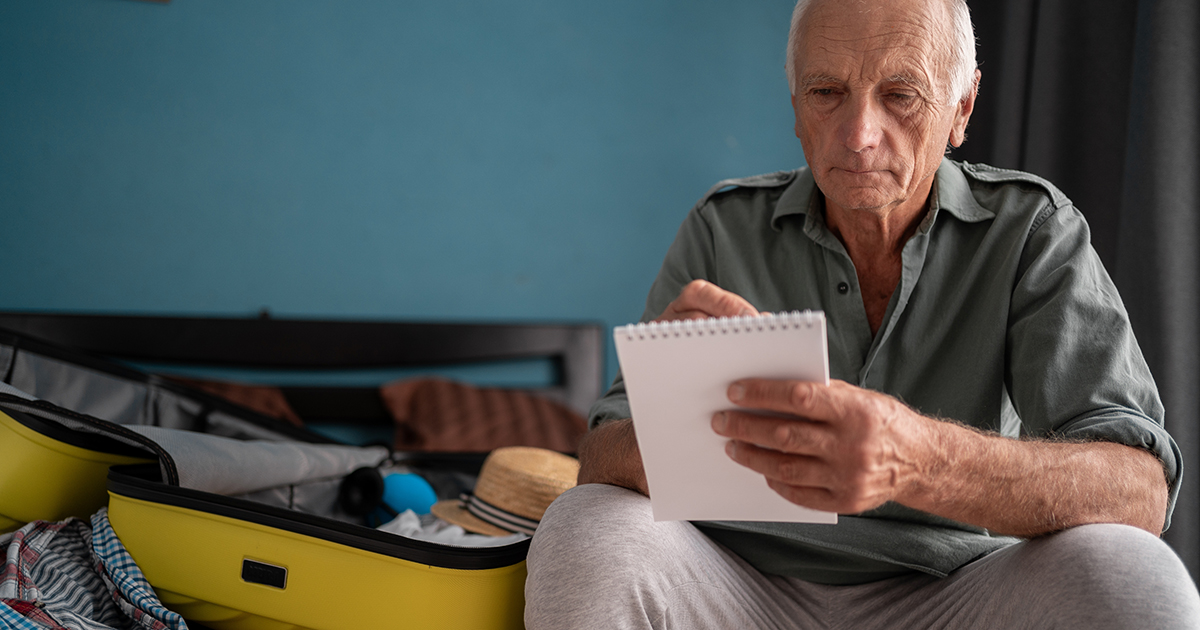

Carry your prescription medication in your checked bag just once and lose it for three days, and you never make that mistake again. The bag shows up eventually, but the lesson doesn’t leave. Experienced solo travelers over 50 tend to be particular about what goes into the overhead bin because they’ve already paid the tuition.
The carry-on packing tips that actually make a difference aren’t the obvious ones. Passport wallet, check. Travel pillow, sure. But there are items that matter specifically after 50, when the journey itself starts to count as much as the destination. Getting them right changes not just the flight but the connection, the first morning somewhere new, the whole shape of a trip.
Solo travel after 50 has its own logic. You’re managing everything yourself, which means every inefficiency costs you twice. A bag that isn’t set up right means more fumbling, more stress, more decisions when you’re already tired. The eight items below close those gaps.
1. A Compact Pill Organizer and Knowing What Goes in Your Carry-On
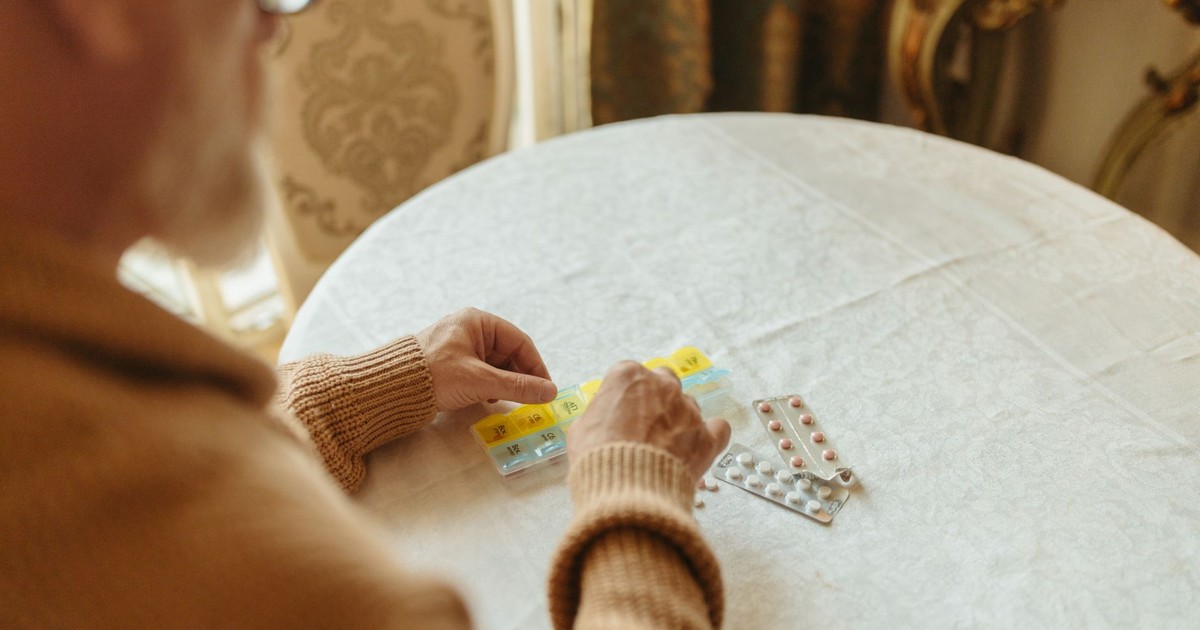
The single biggest packing mistake solo travelers over 50 make is putting their daily medication in checked luggage. Storing vital pills in a checked bag is a risk most medical professionals strongly discourage, because luggage can be lost or delayed, leaving you without necessary treatment for several days. A carry-on keeps your medication exactly where it needs to be: with you.
Nearly two-thirds (64%) of adults age 50 and older expect to travel in 2026, according to AARP’s 2026 Travel Trends report, and actual travel outpaced expectations in 2025, with older adults taking an average of 4.2 trips compared to the 3.6 they had originally planned. That’s a lot of airports, a lot of security lines, and a lot of moments when the wrong thing ends up in the wrong bag.
Liquid medication over 3.4 ounces is allowed in carry-on bags in reasonable quantities, and passengers don’t need to place medically required liquids in a zip-top bag. What the TSA does require is that you declare these items separately at the checkpoint, so keeping medications near the top of your bag, not buried under three layers of clothing, saves everyone time. Keep medications in their original containers with clearly labeled prescriptions, especially for international trips where customs may want documentation.
A slim pill organizer with daily compartments does two things: it keeps you on schedule across time zones, and it collapses your pill bottles into something the size of a credit card holder. For longer trips, pack a day or two of extras in a separate small pouch in your personal item. If your primary bag ends up in the wrong terminal, that buffer matters.
2. A Noise-Canceling Headset, Not Just Earbuds
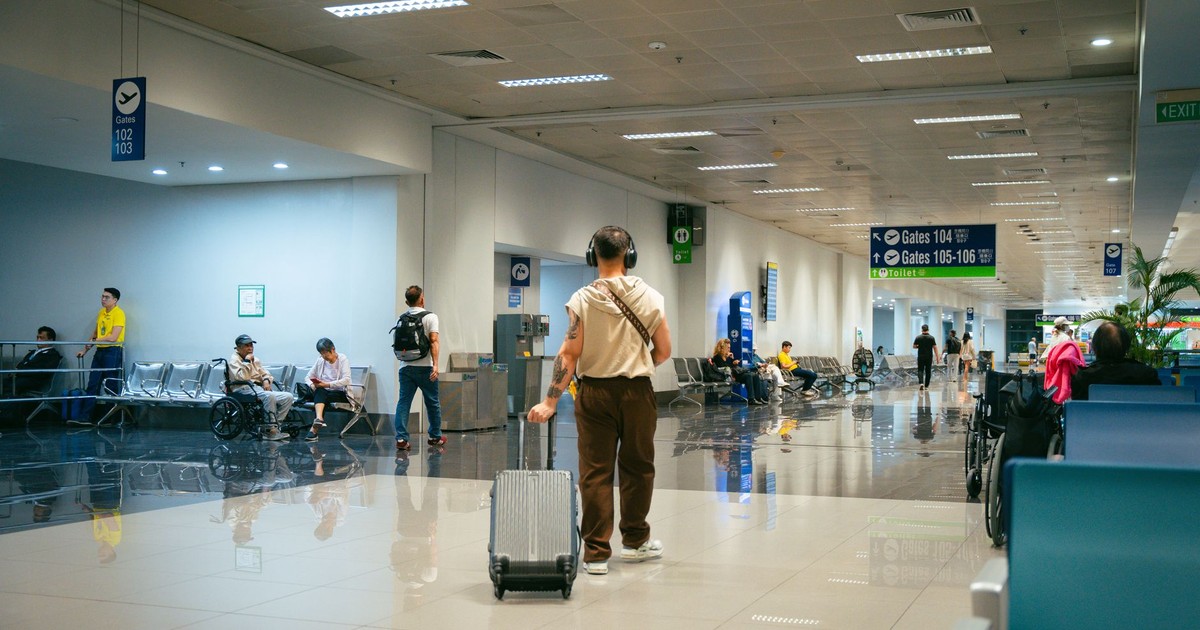
Long-haul flights are loud in a way that most people underestimate until they’ve sat behind a crying infant for four hours on a transatlantic red-eye. Cabin noise on a commercial aircraft runs at around 85 decibels, roughly equivalent to heavy city traffic, and sustained exposure at that level isn’t just uncomfortable, it accelerates fatigue. A pair of over-ear noise-canceling headphones doesn’t just make the movie better. It genuinely makes you less exhausted when you land.
The difference between true active noise cancellation (ANC) and basic noise isolation is significant. ANC headphones use built-in microphones to sample the ambient sound around you and generate a counter-frequency that neutralizes it. Passive isolation, the kind you get from dense foam earbuds, just creates a physical barrier. For the low-frequency drone of jet engines, ANC wins by a considerable margin. Most current models fold flat and fit into a soft case smaller than a paperback.
For solo travelers, headphones also serve a social function. Wearing them signals unavailability without requiring a conversation to establish it. That’s sometimes exactly what a tired solo traveler needs on a 10-hour flight. Choose a model with at least 20 hours of battery life so you’re not rationing usage mid-flight, and make sure it charges via USB-C, the same cable you’re already carrying for your phone.
3. Packing Cubes, the Organizational Tool That Changes How You Think About Clothes
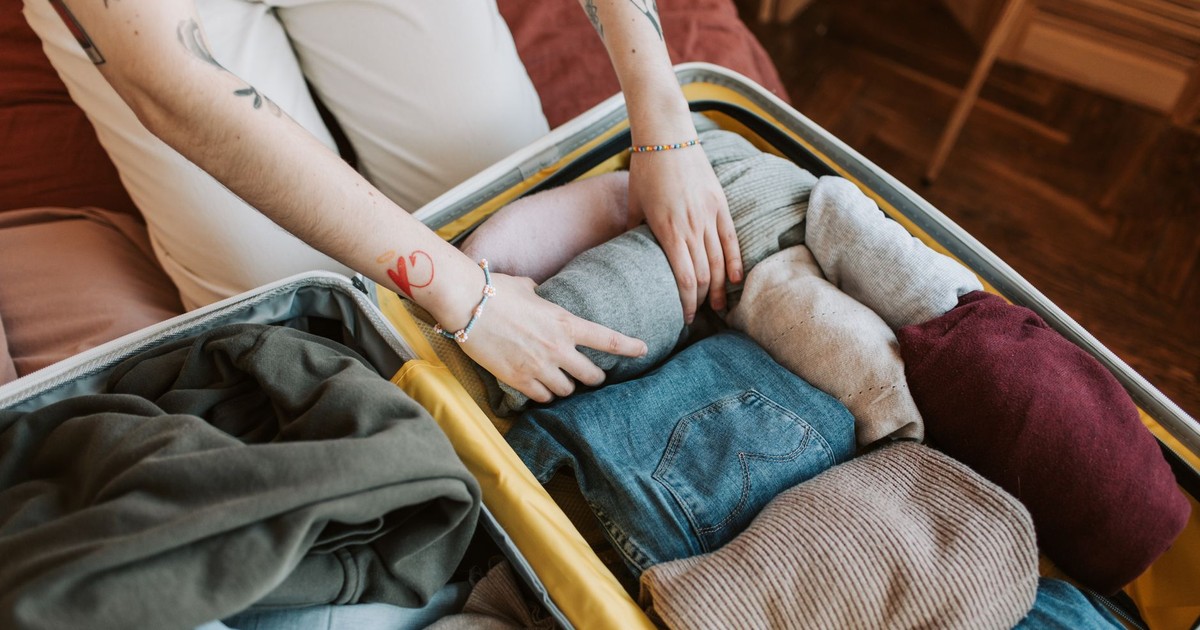
The people who swear by packing cubes and the people who haven’t tried them yet are two entirely different groups. Once you’ve used them, going back to the loose-pile method feels like unpacking someone else’s bag in the dark.
For a carry-on specifically, the benefit is structural. Packing cubes compress soft items (t-shirts, underwear, lightweight trousers) into dense, stackable rectangles that sit flush against the walls of your bag and leave the center accessible for shoes and harder items. You can pull an entire category of clothing out without disturbing everything else. A three-cube system works well for most trips: one for tops, one for bottoms and underwear, one for layers and pajamas. Color-code them and you’ll never dig for a clean shirt again.
There’s also a real advantage specific to solo travel: when you’re the only person managing your bag, every second of fumbling in a hostel room or hotel bathroom at 6am is yours alone. Packing cubes are a small act of future-self kindness. They also make going through security slightly less chaotic, because you can identify at a glance where your electronics and liquids are without unpacking half your life into the bin.
4. A High-Capacity Portable Power Bank
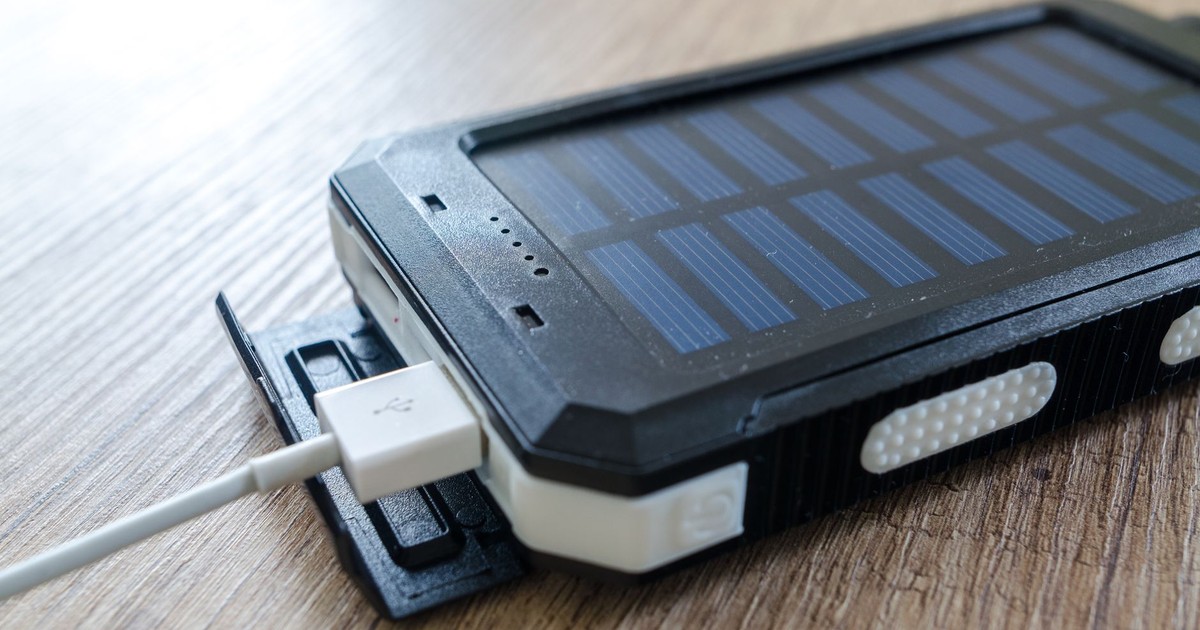
Mobile boarding passes, airline apps, digital tickets, navigation, and online hotel check-in are now normal parts of older travelers’ trips, and while most adults 50 and over are comfortable with technology, a dead battery, forgotten password, or weak signal can become a serious problem when a business has removed staffed counters or expects every customer to use an app.
A portable power bank rated at 20,000mAh carries enough charge to get through a full travel day (airport, flight, connection, and first evening) without hunting for a wall outlet. Real-world output varies by phone model and efficiency, but a 20,000mAh bank typically delivers three to four full smartphone charges. Look for a model with at least two USB-A ports and one USB-C port (ideally with Power Delivery, which fast-charges newer devices). Airlines allow power banks in carry-on bags only; they’re not permitted in checked luggage because of fire risk, which is one more reason they belong with you.
The underappreciated use case for a power bank on solo trips is the layover. When your flight is delayed three hours and the only available outlet is being shared by six other travelers, having your own power source means you can sit somewhere comfortable rather than crouching on the floor near gate B14 for ninety minutes. Pack the bank near the top of your bag where it’s accessible for security screening.
For more on the mistakes that cost solo travelers over 50 the most time and energy in transit, read common mistakes older travelers make.
5. A Lightweight Scarf or Wrap
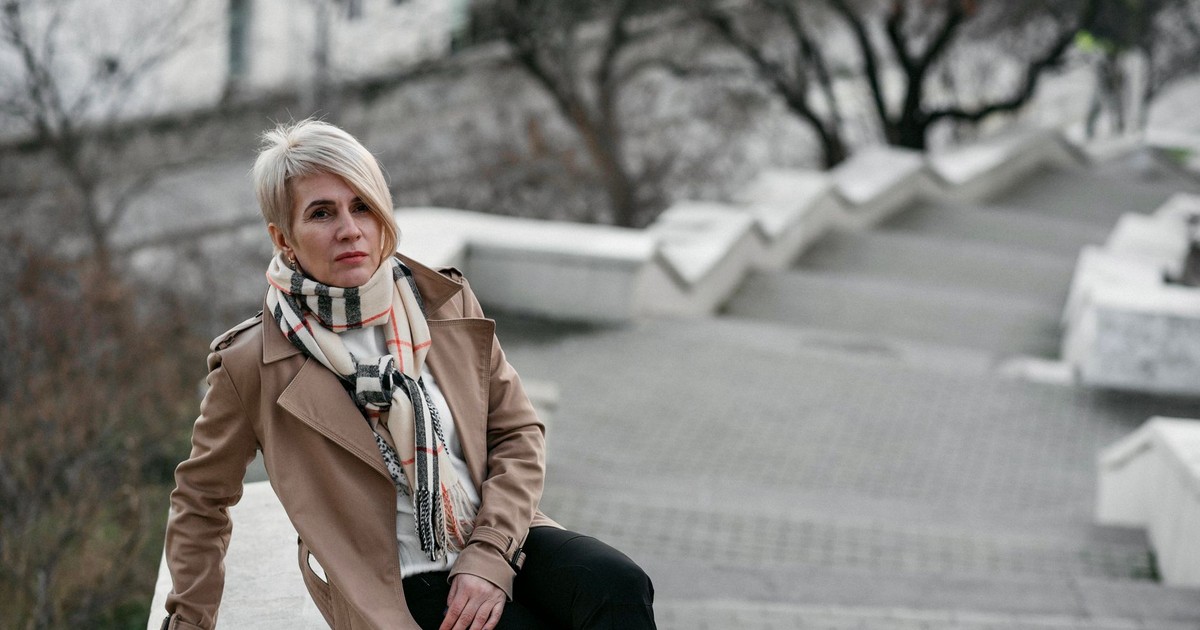
Airplane cabins run cold, inconsistently. The blankets provided in economy, when they’re provided at all, are thin and often feel like something out of a school nurse’s office. A large, lightweight scarf made from merino wool or cashmere-blend fabric does four things at once: it functions as a blanket on the plane, a layer in an air-conditioned museum, a sun cover for a hot afternoon, and something approximating evening-appropriate in a restaurant that turns out to be nicer than you expected.
The trick is the fabric. Merino wool regulates temperature better than cotton or synthetic fleece, stays odor-resistant across multiple days of wear, and packs to the size of a large grapefruit. A scarf or wrap in a neutral tone (charcoal, camel, navy) coordinates with almost anything and halves the number of outerwear layers you’d otherwise need to pack. For solo travelers who prefer to move fast and repack quickly, one good wrap eliminates the need for a cardigan, a pashmina, and a light jacket to coexist in the same bag.
This is especially useful for women traveling solo, who often feel the cold in transit more acutely (planes, trains, overnight buses) but don’t want to sacrifice bag space to a bulky layer. A good wrap solves it in about 200 grams.
6. A Refillable Water Bottle With a Filter

Hydration on long flights matters more than most people acknowledge. Cabin humidity in a commercial aircraft typically runs between 10 and 20 percent, drier than most deserts, and the body responds to that environment by drawing fluid from wherever it can find it. Headaches on landing, foggy thinking for the first day, the bizarre fatigue that’s disproportionate to the time zone shift: dehydration is often the culprit.
A refillable bottle is both healthier and more cost-effective than single-use plastic bottles. Bring it empty through security, fill it at the drinking fountain past the checkpoint, and you have water for the entire flight without paying airport prices or relying on the cabin crew to come by at the right moment. For international trips, a bottle with a built-in filtration system adds a meaningful layer of safety when tap water quality is uncertain.
For solo travelers over 50 specifically, staying hydrated also matters for medication. Several common prescriptions for blood pressure, cholesterol, and joint pain work better and cause fewer side effects when taken with adequate water. A 600ml to 750ml insulated bottle keeps water cool for hours and gives you a concrete visual reminder to drink throughout a long travel day.
7. A TSA-Approved Toiletry Kit That’s Actually Stocked

The standard move is to assemble a toiletry kit from whatever is lying around the bathroom: half-empty bottles stuffed into a sandwich bag the night before departure. That bag will eventually betray you at the security checkpoint with a leak or a liquid that’s technically over 3.4 ounces and causes everyone behind you to sigh loudly.
A purpose-built, TSA-approved toiletry bag (the kind with a clear front panel, a rigid frame, and a hook for hanging in hotel bathrooms) keeps your carry-on liquids organized, visible, and genuinely compliant. Stock it with travel-size versions of your actual products rather than hotel shampoo you’ll hate, and keep it permanently stocked between trips. The idea is to have one bag that goes in and comes out of your carry-on without needing to be reassembled each time. When your toiletry kit is always ready, you’re always ready.
For solo travelers who take multiple short trips per year, this becomes a genuine time-saver. A pre-stocked kit also ensures you don’t arrive somewhere without SPF, which becomes a more serious consideration after 50, when skin recovers from sun exposure more slowly.
8. A Small Personal Item Bag That Fits Under the Seat

The personal item, the bag that goes under the seat in front of you, is underused by most travelers and overused by others. The goal is to make it function as an in-flight toolkit: everything you’ll reach for during the flight without needing to open the overhead bin.
The ideal personal item for a solo traveler over 50 is a slim crossbody or structured tote that fits within airline personal-item dimensions (roughly 18 x 14 x 8 inches for most carriers, though it varies). Inside: your passport and boarding pass, headphones, power bank, water bottle, medication for the flight, a pen, and whatever you’re reading. That’s it. The rest goes overhead.
What this setup solves is the aisle gymnastics. On a full flight, getting up three times to retrieve things from the overhead bin creates friction with the people seated next to you, with the flight attendants, with yourself. Keeping everything you actively need within arm’s reach below the seat means the flight is just a flight, not a logistical operation. For longer hauls, add a small, foldable reusable bag inside the personal item for anything you pick up in duty-free. It collapses to nothing and saves you from the embarrassing overhead-bin shuffle at the gate when you’re already carrying three bags that technically should be two.
Read More: 18 Rookie Mistakes to Avoid at All-Inclusive Resorts
What to Actually Do With This List
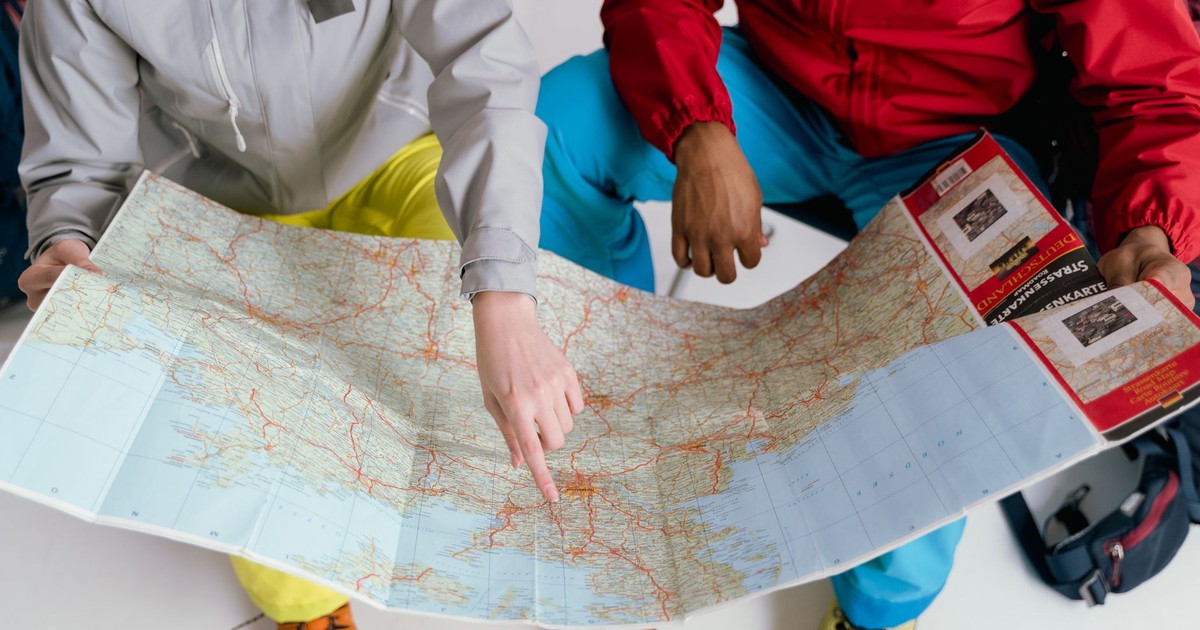
Worries about air travel complications are increasing among older adults, with cancellation concerns jumping from 24 percent in 2025 to 36 percent of respondents in 2026. The best carry-on packing tips don’t just make your bag lighter. They make the whole trip less fragile. Every item that lives in your carry-on rather than checked luggage is one less thing that can be held hostage by an airline.
The real argument for getting this right isn’t comfort, though comfort matters. It’s control. A solo traveler with a well-organized carry-on can rebook a missed connection, wait out a delay, handle a medical need, and still arrive looking like they meant to do it all along. That’s not an accident of temperament. It’s what happens when the bag is set up correctly before you leave the house.
Disclaimer: This information is not intended to be a substitute for professional medical advice, diagnosis, or treatment and is for information only. Always seek the advice of your physician or another qualified health provider with any questions about your medical condition and/or current medication. Do not disregard professional medical advice or delay seeking advice or treatment because of something you have read here.
AI Disclaimer: This article was created with the assistance of AI tools and reviewed by a human editor.