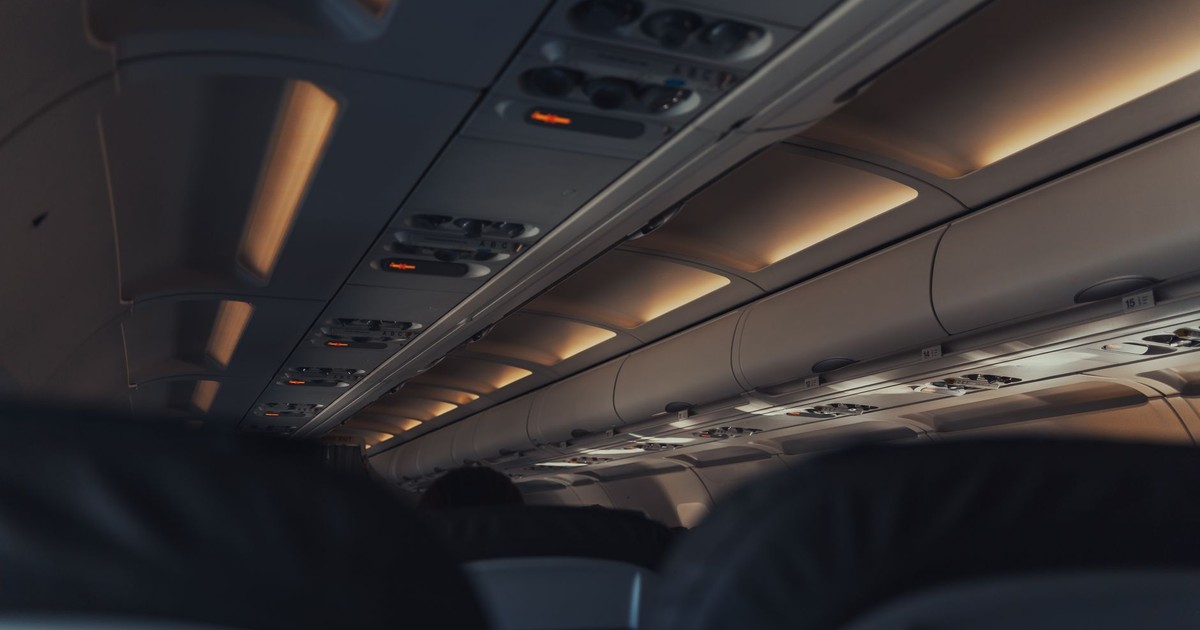

Jetstar Airways announced on August 5, 2026 that it would start charging passengers to use overhead bins. The reaction across Australia landed somewhere between disbelief and fury. Not because the fee itself is outrageous in the abstract. Because of what it means for a country that, until now, had never seen an airline do this. Every budget carrier in the Asia-Pacific market watched what happened next very carefully.
The announcement flipped the math on what budget flying actually costs. The deal that generations of Australian travelers understood – buy a cheap ticket, bring a carry-on bag, get to your destination – is being formally unwound. Jetstar, as the biggest low-cost carrier in the country and a wholly owned subsidiary of Qantas, is the one doing the unwinding.
What Jetstar Is Actually Changing
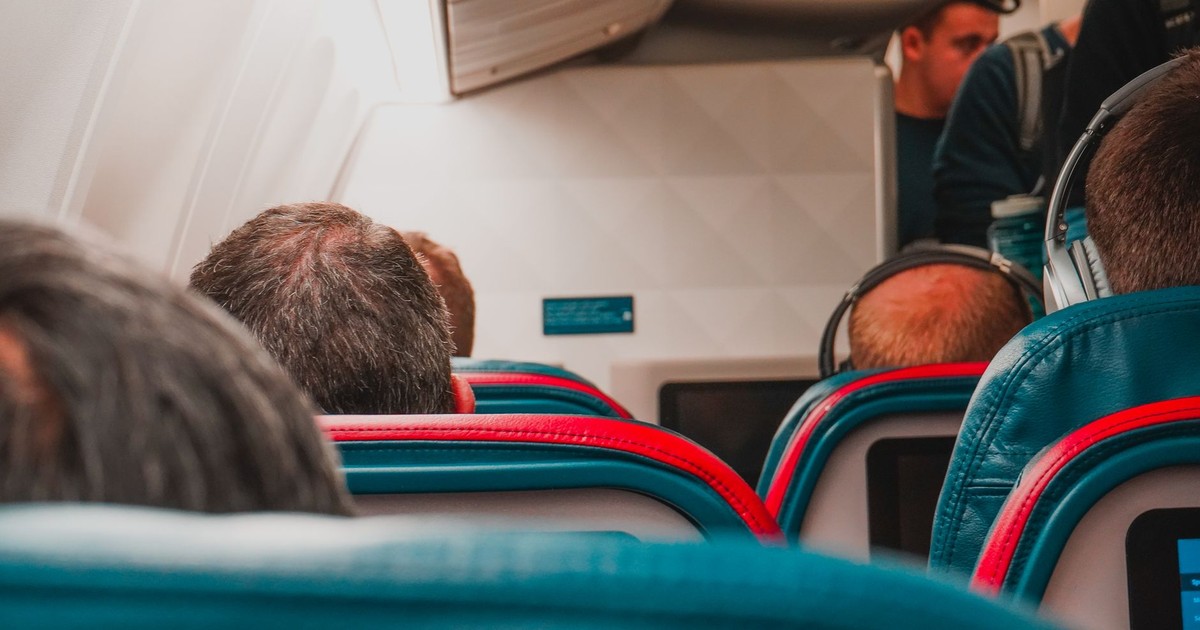
Jetstar will charge passengers to use overhead bins from February 2027 as it introduces a new size-based baggage policy and Priority Carry-on option, overhauling its carry-on baggage policy and replacing its long-standing weight limit with a new size-based system.
Under the revised rules, every fare will include one complimentary underseat bag – a backpack, handbag, or laptop bag – measuring up to 40 x 30 x 20 cm. That’s roughly the size of a standard laptop bag or a day pack you’d carry into an office. Anything larger than that – a rolling carry-on, a gym duffel, a proper cabin bag – goes in the overhead bin, and that now costs extra.
The new charges will go into effect in February 2027. According to Action News Jax, prices for overhead luggage would begin at $18 for shorter flights and could rise up to nearly $37 for each piece of luggage. In Australian dollars, that translates to A$25 on domestic routes and up to A$52 on selected international routes.
The airline said the larger cabin bag may weigh up to 10kg, an increase over the current 7kg carry-on weight limit. So there’s a trade-off built into the new system: pay the fee and you can bring a heavier bag than before. One notable aspect is that Jetstar plans to eliminate the existing weight limit on the small underseat personal item entirely – if you travel with just a backpack that slides under the seat in front of you, the weight restriction on that bag disappears.
The Priority Carry-on fee also comes with priority boarding. Customers can board sooner and secure overhead bin space before general boarding begins. That pairing of overhead access with early boarding is by design – it makes the product feel like an upgrade rather than a reinstatement of something that used to be free.
The Reason Jetstar Says It’s Doing This
Jetstar CEO Stephanie Tully said in a statement: “By giving customers an underseat bag with the option to add Priority Carry-on, we can make better use of overhead locker space, streamline boarding and help more flights depart on time.”
Jetstar claims the “change follows extensive research and feedback from customers and crew who consistently identified having bags weighed at the gate and struggling to find room in overhead lockers as the more stressful parts of the airport experience.”
Anyone who has watched a boarding gate descend into low-grade chaos – the race to find overhead space, the cabin crew asking passengers to gate-check bags because there’s no room left, the delay while a roller bag gets wedged into an obviously too-small compartment – will recognize the problem the airline is describing.
The Backlash and the Government’s Response
While Jetstar has said that getting rid of the strict seven kg weight limit will speed up stressful gate boarding and allow cheaper tickets for those who want to travel light, the public reaction and feedback have been overwhelmingly negative.
Social media responses ranged from the darkly funny to the genuinely indignant. “We pay for food and drink, the seat and checked baggage already .. what’s next .. $10 for the use of soap and toilet paper in the bathroom?” one passenger asked. Others were more sympathetic. “Sick of people with several bags taking all the space,” another person wrote on social media.
“It will ruffle feathers because Australian travelers have got such high expectations,” said Sharon Petersen, CEO of AirlineRatings.com. “For such a long time they lived in a bubble of full-service options” at prices that didn’t reflect what similar flights cost in Europe or the U.S.
The Australian government didn’t stay silent either. Senator Bridget McKenzie criticized the move on social media, calling it a “cash grab,” while Federal Transport Minister Catherine King said airlines should clearly disclose any extra fees during the booking process so passengers are not caught off guard.
Fees for baggage, excess luggage, seat selection, and priority boarding make up a growing share of revenue for budget airlines, and the charges have sparked criticism from consumer groups who argue that advertised base fares don’t reflect the true cost of travel. That critique has been building in the aviation industry for years. According to Dollar Flight Club, the top 10 global carriers raked in $54.1 billion in ancillary revenue in 2023 alone, a pricing model especially prevalent among budget airlines that often disguises the true cost of travel behind low base fares. Airlines have increasingly unbundled their services, meaning many perks that used to come with a ticket now cost extra.
A First for Australia, But Not for the World
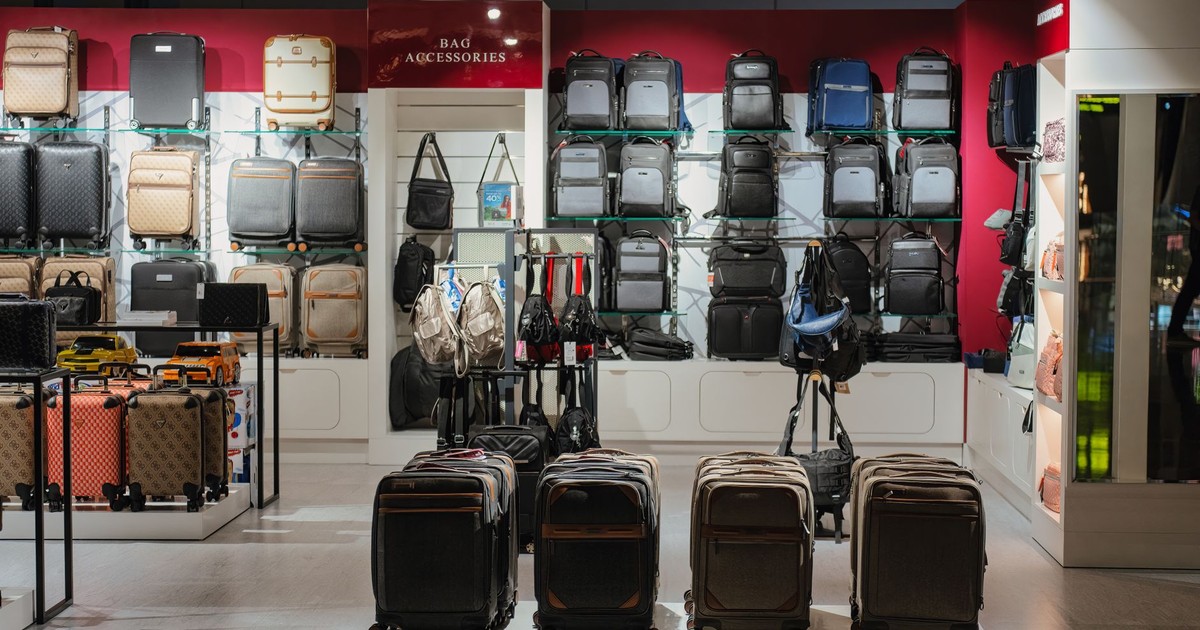
Jetstar has announced it will begin charging economy passengers to use overhead bin space from February 2027, with Aerospace Global News reporting the Australian low-cost carrier says the new overhead baggage fees will speed boarding and reduce passenger stress, replacing its long-standing weight limit with a new size-based system.
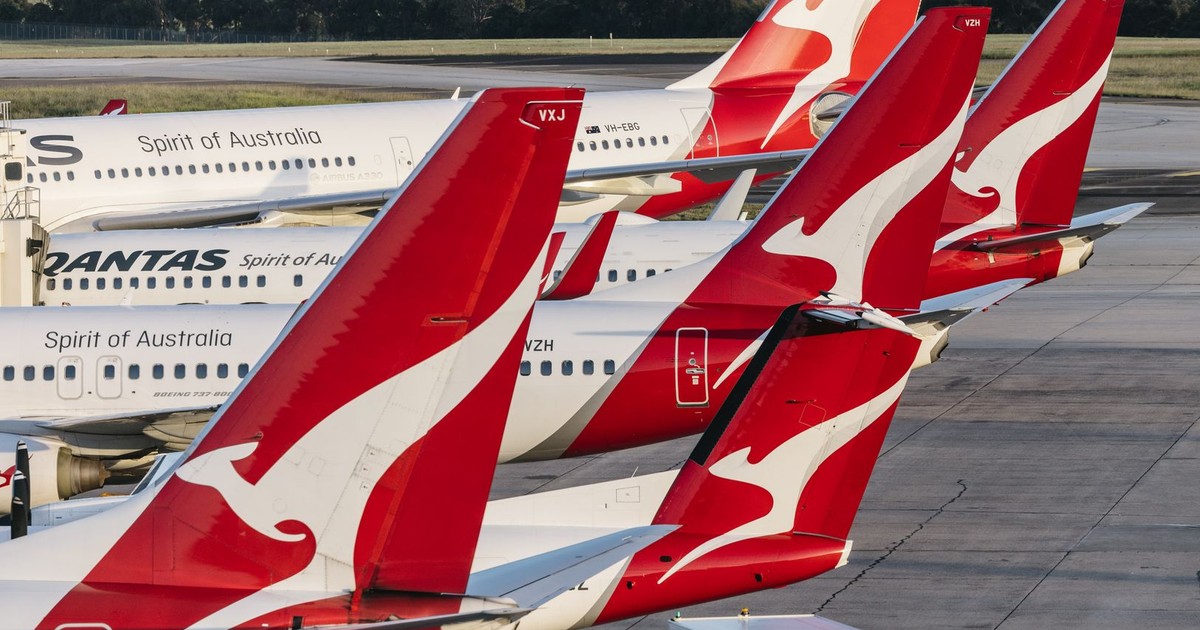
Jetstar is the first airline in Australia and New Zealand to explicitly charge for access to the overhead bins. That’s the headline that stung. Not just that a fee was introduced, but that it was a first – something Australian passengers could have pointed to other markets and said “that doesn’t happen here.” Now it does.
Jetstar’s new policy mirrors the ancillary revenue model pioneered by European low-cost airlines. Ryanair, Wizz Air, and easyJet all limit passengers on their lowest fares to a small underseat bag, often charging a separate fee for priority boarding or a larger cabin baggage upgrade. European budget travelers have lived with this for years. The habit of checking exactly what your ticket includes – not assuming anything comes standard – is deeply ingrained. In Australia, that recalibration is only just beginning.
Australia’s only major budget airline will begin charging passengers to use overhead bins starting February 2, 2027, making it the first carrier in the Australian and New Zealand market to unbundle overhead bin access from the base ticket price, even as the European Union moved in June to ban the exact same fees beginning the same year. The direction of travel, depending on which market you’re in, is pointing entirely opposite ways.
What It Means If You’ve Already Booked
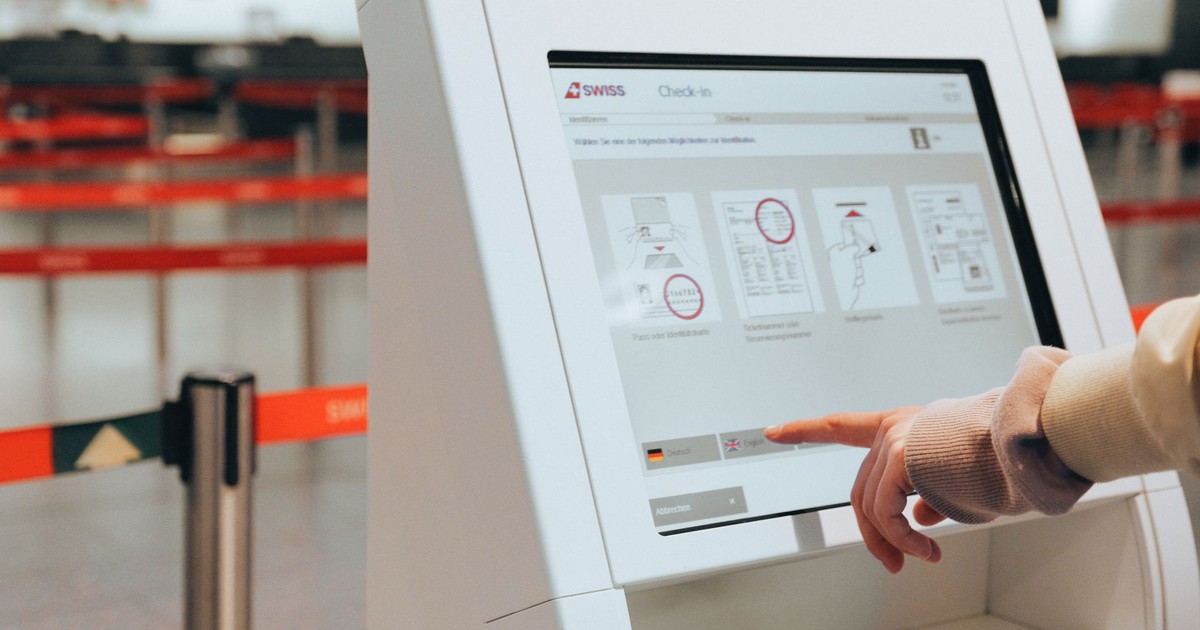
Travelers who have already booked Jetstar flights departing on or after February 2, 2027 will receive Priority Carry-on at no additional cost, meaning the overhead bin access they assumed was included will remain included, at least for those existing reservations.
There are no changes to Jetstar’s checked baggage allowances. If you already pay to check a bag, that process stays the same. The change only affects what happens in the cabin.
For future bookings, the practical math is straightforward. If you travel with a backpack or laptop bag that fits under the seat in front of you, nothing changes financially, and you actually gain flexibility on the weight side. If you travel with a rolling carry-on or any bag that won’t fit under a seat, price in the overhead bin fee on top of your fare. On a return international trip, that’s up to A$104 added to what the headline fare shows.
What U.S. Airlines Are Watching
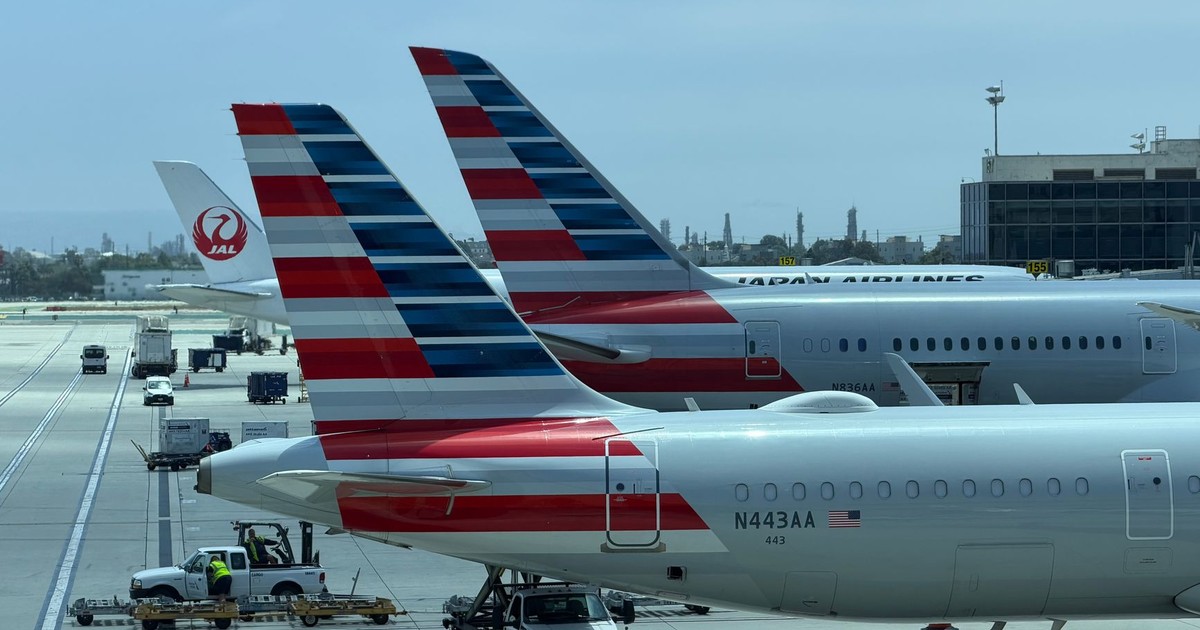
While the Jetstar announcement doesn’t impact the U.S. directly, airlines in America have already been utilizing similar ancillary fee models for years, routinely charging extra for overhead bin access, carry-on bags, and seat selections. The question now is whether the Jetstar model – applied to a market that previously resisted it – proves out the business case in a way that gives American carriers extra cover to follow suit.
For now, all four major U.S. legacy carriers still offer a free full-sized carry-on as part of the standard economy ticket, a norm that has held even as U.S. budget carriers unbundled the same perk years ago. That’s not an entirely comfortable position for the big carriers. Ancillary fees already generate enormous revenue, and the Jetstar model shows there’s at least one more line item that passengers will grudgingly accept.
Whether American carriers follow suit depends partly on competition and partly on regulation – the U.S. Department of Transportation has been tightening disclosure requirements on airline fees, making it harder to quietly introduce new charges without scrutiny. According to The Travel, the global aviation industry is watching closely to monitor any possible trend and assess how to replicate or modify the initiative. Jetstar’s move isn’t happening in isolation. It’s a test case in a market that hadn’t yet tried it, and the whole industry is taking notes.
The Part Nobody Is Saying Out Loud
The “you only pay for what you need” framing that Jetstar’s CEO deployed is technically accurate and also, from a consumer’s perspective, somewhat slippery. The implicit promise of budget air travel has always been that the cheap fare gets you on the plane with the bag you’d normally bring. Disaggregating that into a ticket price and a carry-on price and an overhead bin price produces a number that looks lower at the search stage and higher by checkout.
Passengers aren’t wrong to be frustrated by that. The frustration isn’t really about any single fee. It’s about the accumulation of them – the way a ticket that reads A$89 becomes A$160 once you’ve added a seat assignment, an overhead bin fee, and priority boarding just to have a flight that feels like what flying used to feel like by default.
Jetstar is betting that enough passengers will absorb that friction, either by paying or by genuinely packing lighter. European budget carriers ran the same experiment and found that most people pay, a meaningful number actually do pack less, boarding genuinely does get faster, and the business model holds. Australia’s aviation market is different – less established low-cost culture, more expectation of full-service norms at budget prices – but different doesn’t mean immune.
Before You Book Another Jetstar Flight

The advertised fare is the floor, not the full cost. That’s the single most useful reframe before the February 2027 cutover lands and catches people off guard at the checkout page.
If every bag you bring fits under the seat – a backpack, a tote, a soft-sided bag no bigger than 40 x 30 x 20 cm – you pay nothing extra and you actually gain flexibility on weight. If your bag needs to go in the overhead bin, add $18 to $37 USD each way on top of whatever the headline fare says. On a return trip, that’s potentially $74 added to a price that looked like a bargain when you first searched it.
Jetstar overhead baggage fees formalize something Australian travelers have been able to ignore until now: that the budget airline model was never really about cheap travel, it was about disaggregated pricing that keeps the advertised number low and the total number somewhere else entirely. European travelers learned this the hard way over the past decade. The recalibration hurt, the complaints were loud, and then people adjusted. Australia is somewhere near the beginning of that same arc.
Disclaimer: This information is not intended to be a substitute for professional medical advice, diagnosis, or treatment and is for information only. Always seek the advice of your physician or another qualified health provider with any questions about your medical condition and/or current medication. Do not disregard professional medical advice or delay seeking advice or treatment because of something you have read here.
AI Disclaimer: This article was created with the assistance of AI tools and reviewed by a human editor.