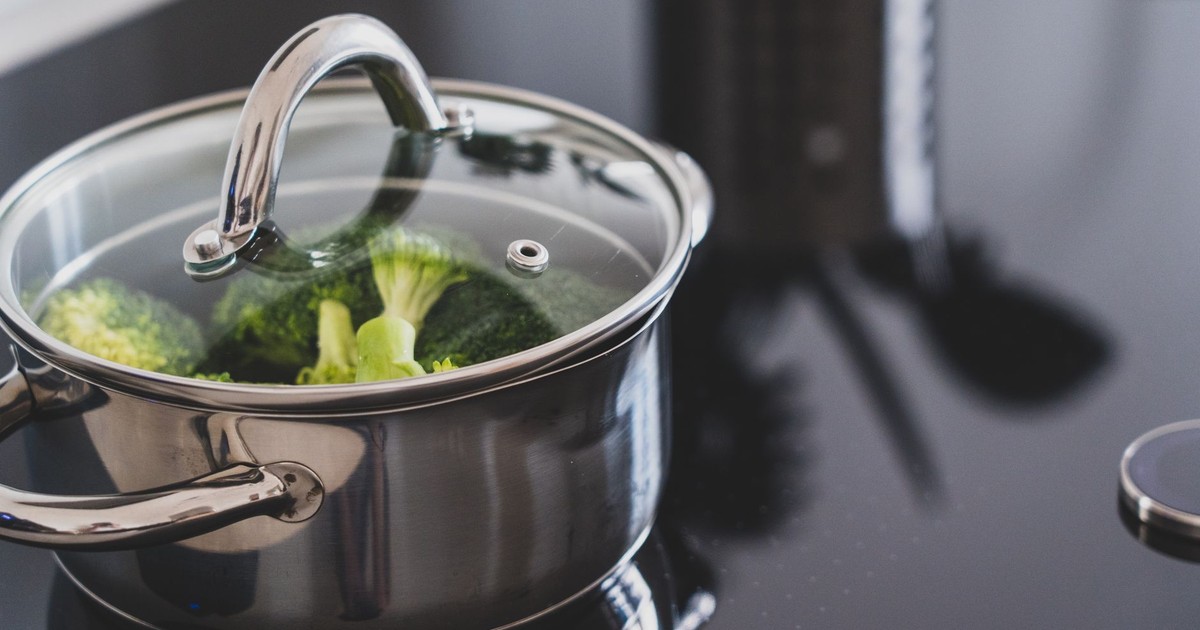

The pot of boiling water is practically a cooking reflex. Broccoli comes out of the fridge, the burner goes on, the water goes in. It’s what most people grew up watching, and it feels like the responsible option. But boiling is one of the least efficient ways to get the nutrition from a vegetable onto your plate, and for decades, researchers have been confirming it.
What actually happens when you cook vegetables depends almost entirely on two variables: how much water the vegetable touches, and how long it stays on heat. Get those two things right, and you can preserve the vast majority of the vitamins inside. Get them wrong, and the nutrients dissolve into the water you pour down the drain, or they degrade from extended heat exposure before the food even reaches the table.
Some vegetables genuinely become more nutritious after cooking. Others lose meaningful amounts of key vitamins when treated the wrong way. And a handful of vegetables operate by entirely different rules depending on which nutrient you’re prioritizing.
Why Boiling Loses the Most
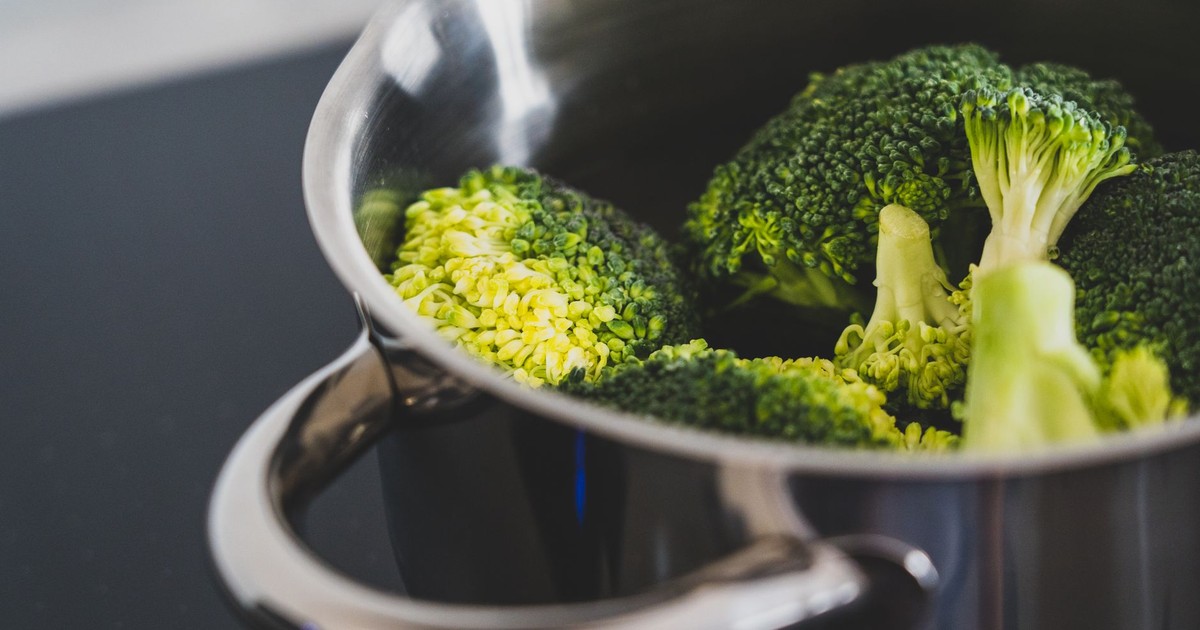
Boiling vegetables causes their water-soluble vitamins, including vitamins B and C, to leach into the surrounding water. One study found that boiling spinach and broccoli could reduce their vitamin C content by 50% or more, while boiling zucchini and sweet potato can cause substantial vitamin C losses. The vitamin doesn’t disappear. It dissolves into the cooking liquid. In the case of boiled vegetables, some of the nutrients lost into the water can be recovered if you use it as a broth or save it for another dish. Most people don’t.
Certain antioxidant, cancer-fighting phytochemicals are also lost in cooking water. Broccoli and other cruciferous vegetables contain antioxidants called glucosinolates. When comparing boiled to steamed broccoli, analysis found that steamed broccoli lost little of the vitamin C it contained when raw and contained more glucosinolates than boiled broccoli. Boiling causes the largest losses of glucosinolates from cruciferous vegetables including broccoli, Brussels sprouts and cabbage, while steaming consistently causes the least loss across studies.
The problem isn’t heat alone. It’s the combination of heat and prolonged water contact. A vegetable that touches boiling water for eight minutes loses far more than one that’s exposed to steam at the same temperature for the same amount of time, simply because the steam doesn’t pull water-soluble compounds out of the cells the way submersion does. Steaming produced no significant loss of folate, even after four and a half minutes of steaming spinach and fifteen minutes steaming broccoli. Yet when those same vegetables were boiled in water, each lost more than half its folate.
Steaming: The Consistent Winner
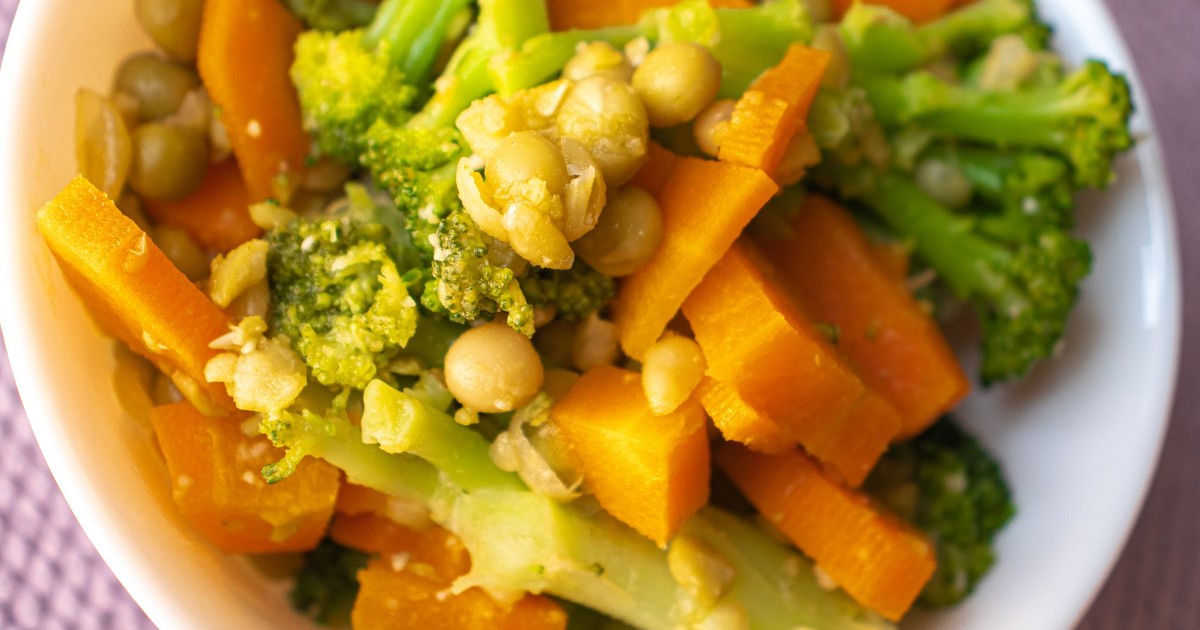
In a review of more than one hundred articles about the effects of cooking on vegetables, researchers settled upon steaming as the best cooking method to preserve the most nutrition because the vegetable isn’t dunked in water or oil where the nutrients can leach out, and excessive dry-heat temperatures aren’t reached either.
Steaming is one of the healthiest cooking methods for preserving nutrients, especially water-soluble vitamins like vitamin C and B vitamins, because food does not come into direct contact with water. It minimizes the leaching of vitamins and minerals, unlike boiling, while also helping to maintain food’s natural flavor, color, and texture.
Research has found that steaming or boiling many vegetables, including carrots, spinach, mushrooms, asparagus, peppers and cabbage, provides more antioxidants, such as carotenoids and ferulic acid, to the body than when those vegetables are eaten raw. For some vegetables, some cooking genuinely improves what you get out of them, compared to eating them straight from the bag.
Keep the lid on, keep the time short, and don’t let the vegetable go limp. Spinach needs only minimal cooking time for maximum nutrient availability, while kale benefits from steaming for five minutes. A bamboo steamer, a collapsible basket inside a covered pot, or even a microwave-safe bowl with a tight lid and a splash of water all deliver the same principle. The vegetable cooks in heat and vapor, not in a bath.
The Microwave Argument

The microwave has a reputation problem that the science doesn’t really support. Most people assume that zapping a vegetable somehow degrades it more than conventional cooking. For many nutrients and vegetables, the opposite is true.
A 2018 study published in PMC evaluated the effect of blanching, boiling, microwaving and steaming on the vitamin content of selected vegetables, finding that retention of vitamin C ranged from 0.0% to 91.1% for all cooked samples. Higher retention of vitamin C was generally observed after microwaving, with the lowest retention recorded after boiling. Microwaving wins on vitamin C largely because of the same logic that makes steaming effective: less water, shorter time. Microwave cooking typically requires less time than boiling or steaming, which means fewer nutrients are lost in the process. Since microwaving often requires little to no water, water-soluble vitamins are less likely to leach out compared to boiling.
That said, the microwave isn’t universally superior to steaming. That same 2018 research found that microwave cooking caused the greatest loss of vitamin K in crown daisy and mallow, but in contrast caused the least loss of vitamin K in spinach and chard. Different vegetables respond differently, and the results shift depending on which vitamin you’re tracking. When it comes to cooking vegetables, there are always tradeoffs. A method may enhance the availability of one nutrient while degrading another.
Add a tablespoon or two of water to the bowl, cover it loosely, and cook in short bursts. You’ll get results that rival steaming for most vitamins, and you’ll do it in three minutes.
When Heat Actually Helps
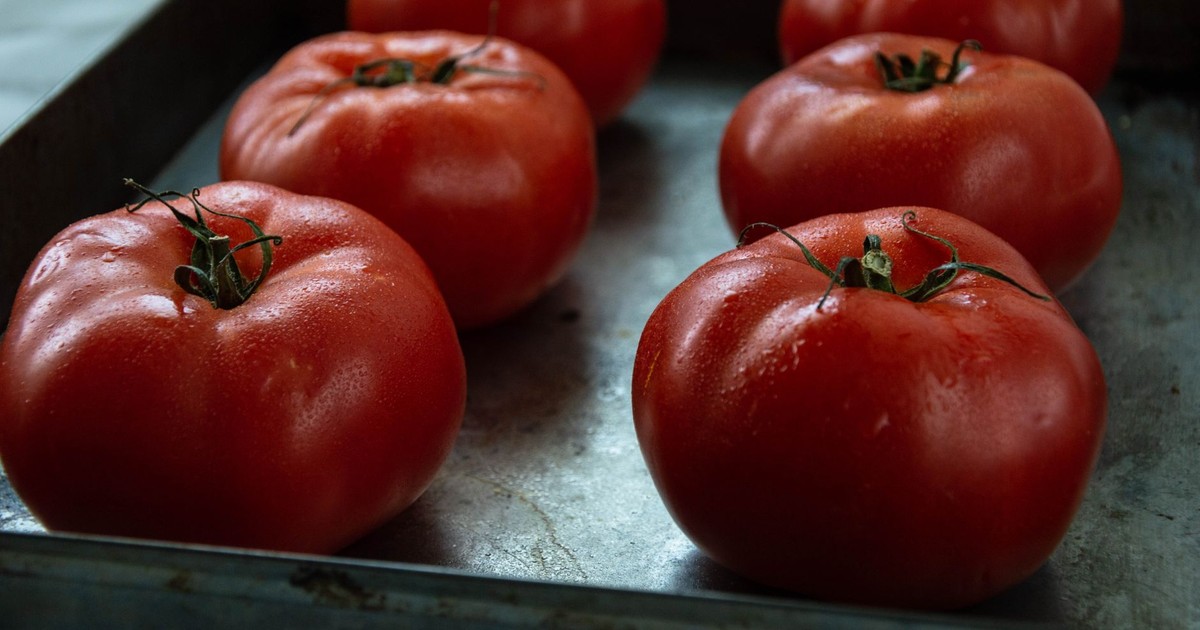
Tomatoes are the clearest example of a vegetable where the standard logic inverts. Cooking them makes them better, not worse, at least on one specific measure that matters a great deal.
Research led by food scientist Rui Hai Liu, published by Cornell University, demonstrated that heat processing actually enhanced the nutritional value of tomatoes by increasing the lycopene content, a phytochemical that makes tomatoes red, that can be absorbed by the body, as well as the total antioxidant activity.
Vitamin C content decreased by 10%, 15%, and 29% respectively as tomatoes were heated for longer periods. The beneficial trans-lycopene content of the cooked tomatoes, however, increased by 54%, 171%, and 164% respectively. Lycopene is a powerful antioxidant linked to reduced risk of certain cancers and heart disease. It’s also fat-soluble, which means the body can’t absorb it effectively without fat present. Roasting cherry tomatoes in olive oil, simmering them into a sauce, or folding them into a shakshuka with a glug of good oil isn’t just delicious. It’s the most efficient way to actually use what the tomato has to offer.
Carrots follow a similar pattern. Heating carrots increases their beta-carotene content, a nutrient necessary for good vision and decent immunity. Cooking breaks down the tough cell walls that otherwise limit how much beta-carotene the body can absorb. Beta-carotene is fat-soluble like lycopene, so a small amount of oil in the pan, or on the roasting tray, helps the body absorb it properly. The carrot sticks served raw with hummus at a work lunch are nutritious. The roasted carrots served with dinner, given a coat of olive oil, are arguably more so for that specific nutrient.
This pattern, cooking unlocking nutrients that were previously locked inside cell walls, applies to a handful of other vegetables too. Leafy greens often benefit from light cooking that breaks down the cell matrix and makes their antioxidants more accessible to the body.
Roasting, Stir-Frying, and Frying
Roasting concentrates flavors, develops texture, and in many cases improves the palatability of vegetables dramatically. On nutrient retention, it sits somewhere in the middle of the pack. The high dry heat can degrade some water-soluble vitamins, but because no water is involved, there’s no leaching. With roasting, it’s the heat rather than the water that does the most work. Shorter roasting times and lower temperatures preserve more.
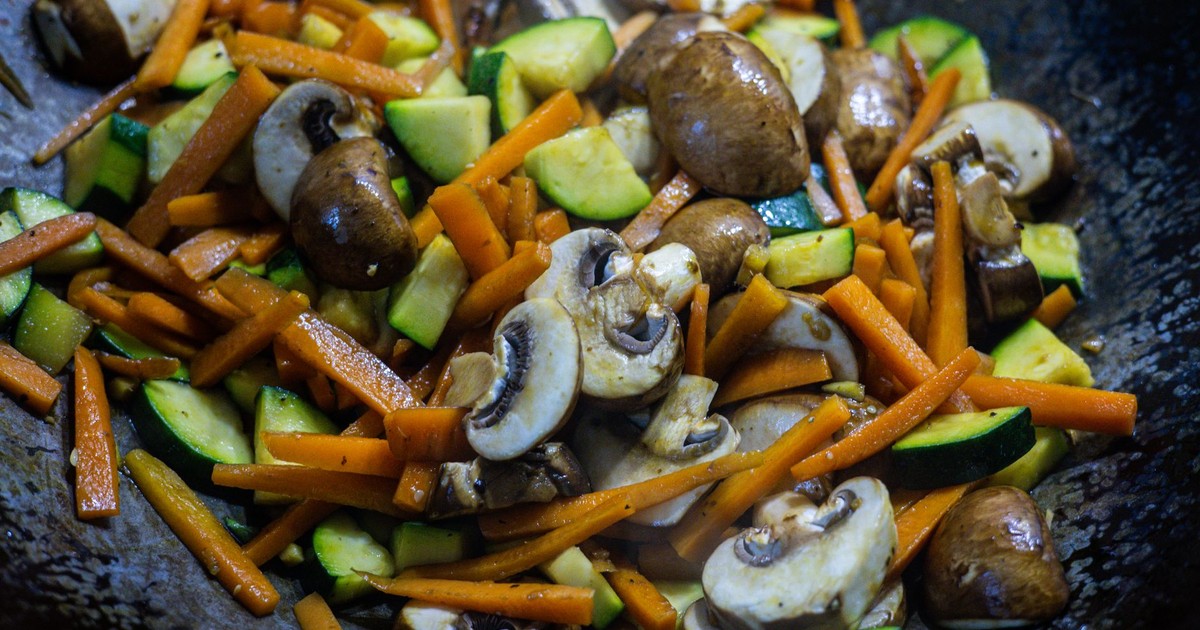
Stir-frying uses high heat briefly, which means there’s less time for vitamins to degrade. The oil involved helps with fat-soluble nutrient absorption. The caveat is that a stir-fry taken too far, vegetables sitting in a wok at high heat for eight minutes, starts to behave more like roasting at its worst. The window is short. Two to three minutes, high heat, constant movement, and the vegetables stay bright and nutritious.
Deep frying is the one method that consistently performs poorly. The extended exposure to very high temperatures, combined with oil absorption, creates a situation where the original nutritional profile of the vegetable is substantially altered. The vegetable becomes a delivery vehicle for oil and heat damage simultaneously. That doesn’t mean the occasional fried zucchini fritter is off the table, but it shouldn’t be the default.
The Vegetable-Specific Reality
One of the genuinely useful findings from this body of research is that the best cooking method isn’t universal. It depends on the vegetable and on which nutrients you’re trying to preserve. Certain cooking methods, such as steaming, may be better for nutrient retention of one type of vegetable, including broccoli, and worse for another, such as sweet potatoes.
A 2025 study in the journal Nutrients examined the impact of grilling, microwave cooking, and steaming on the macronutrients and minerals of vegetables commonly used in Italian cuisine, including two varieties of zucchini, eggplants, and potatoes, finding that cooking can alter nutrient composition through changes in water content and the destruction or loss of certain micronutrients. The mineral picture is different from the vitamin picture. Fiber, as a rule, stays largely intact regardless of method. Fat-soluble vitamins, A, D, E, and K, hold up better through most cooking processes than their water-soluble counterparts.
The practical shortcut: for leafy greens, go with steaming or a very brief microwave. For tomatoes and carrots, apply heat with some fat. For cruciferous vegetables like broccoli, Brussels sprouts, and cauliflower, steam or microwave rather than boil. And if you do boil, use the water.
What to Do With All of This

Less water contact and less time on heat preserves more water-soluble vitamins. That means steaming over boiling, microwaving with minimal water, and keeping cooking times short across all methods. For the vegetables where heat actually concentrates beneficial compounds, tomatoes, carrots, certain root vegetables, cooking isn’t just acceptable, it’s the better choice. The raw tomato on a salad gives you vitamin C that a cooked one doesn’t. The roasted tomato in a pasta sauce gives you far more bioavailable lycopene. Neither is wrong. Both are better than eating no vegetables at all, which is what the research consistently emphasizes: the gap between people who eat enough vegetables and people who don’t is far larger than the gap between steamed broccoli and boiled.
What does shift things is defaulting to one method for everything. Boiling everything on the stove out of habit is where real nutritional losses accumulate, not in the occasional roast or the microwaved bag of spinach on a Tuesday. The person who steams their broccoli, roasts their tomatoes and carrots, and keeps the stir-fry moving at high heat for two minutes is capturing most of what each vegetable has to offer. That’s not a complicated system. It’s just a set of decisions that become second nature once you understand why they work.
Disclaimer: This information is not intended to be a substitute for professional medical advice, diagnosis, or treatment and is for information only. Always seek the advice of your physician or another qualified health provider with any questions about your medical condition and/or current medication. Do not disregard professional medical advice or delay seeking advice or treatment because of something you have read here.
AI Disclaimer: This article was created with the assistance of AI tools and reviewed by a human editor.