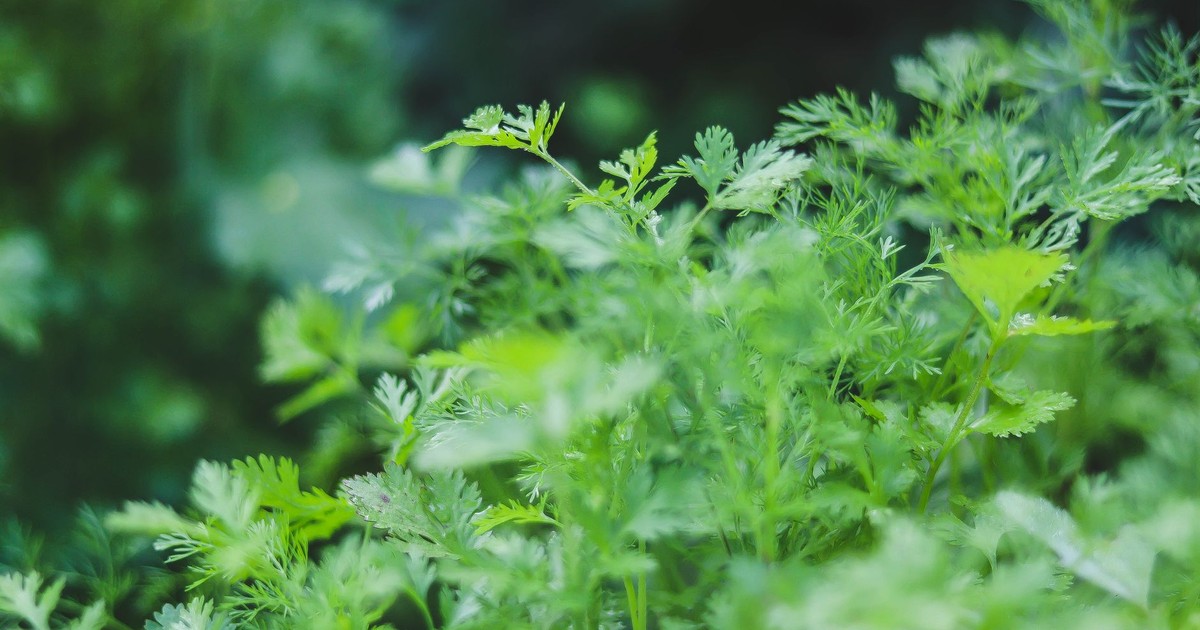

Cilantro has a talent for making itself indispensable. It shows up in a Thai green curry, a bowl of pho, a backyard taco bar, a pot of black beans on a Tuesday night. Pull a bunch from the fridge and the kitchen smells alive before you’ve even started cooking. Most home gardeners attempt it exactly once, usually in late spring, watch it flower into uselessness within three weeks, and conclude it’s not worth the trouble. They’re not wrong about the timing. They’re just wrong about the season.
Fall is when cilantro actually wants to grow. Not as a consolation prize, not as a second-best option, but as its natural sweet spot. The same plant that bolts and turns bitter within a few hot weeks in July will settle into cool autumn soil and produce lush, fragrant leaves for months. Understanding why that happens, and how to set up a fall planting that keeps you in fresh cilantro through early winter, changes the whole relationship with this herb.
Cilantro is one of the most globally used herbs in existence, with a presence in Mexican, Indian, Vietnamese, Thai, Persian, and North African cooking that goes back thousands of years. Fresh from the garden rather than from a plastic clamshell that’s already started to yellow at the edges, it’s a different ingredient entirely.
Why Fall Is Actually Cilantro’s Best Season
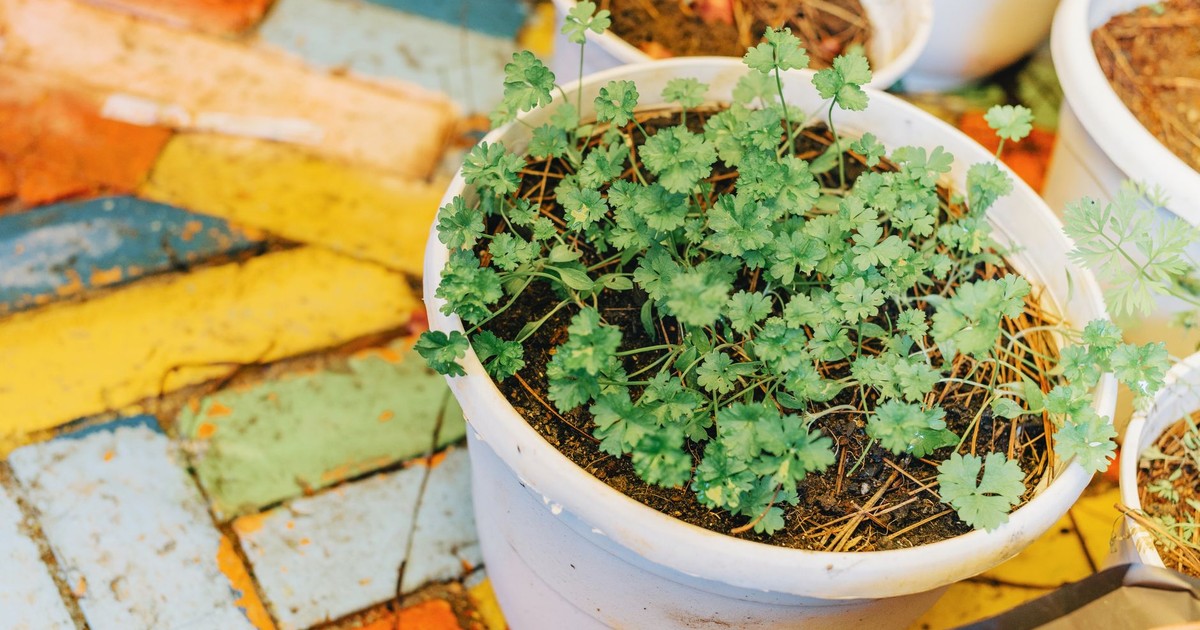
Cilantro is often planted in spring, but warm temperatures quickly trigger flowering and seed production. According to The Old Farmer’s Almanac, plants grown in summer heat will bolt past their harvest window, and the leaves that grow on bolted plants tend to be bitter in flavor. Cooler temperatures slow that process down, sometimes dramatically.
Fall-planted cilantro grows during cooler weather, producing tender leaves for a longer harvest period and allowing gardeners to enjoy fresh herbs well into the cool season. The Old Farmer’s Almanac notes that in the southwestern U.S., a fall planting may last through spring until the weather heats up again.
The secret to growing productive fall cilantro is planting according to soil temperature rather than calendar dates. Harvest to Table advises that cilantro prefers cool growing conditions, thriving when soil temperatures fall into the 55 to 70°F range. A soil thermometer is worth more here than any planting chart. Once the soil drops below around 75°F, you’re in the right window.
Fall is the ideal time to plant in Grow Zones 8 through 11, which covers much of the southern United States, the Southwest, and coastal California. In those areas, a fall planting can keep producing well past Christmas. For gardeners in cooler zones, getting seeds in the ground in early September to mid-October captures enough warmth for strong germination before hard frosts arrive.
How to Set It Up for Success
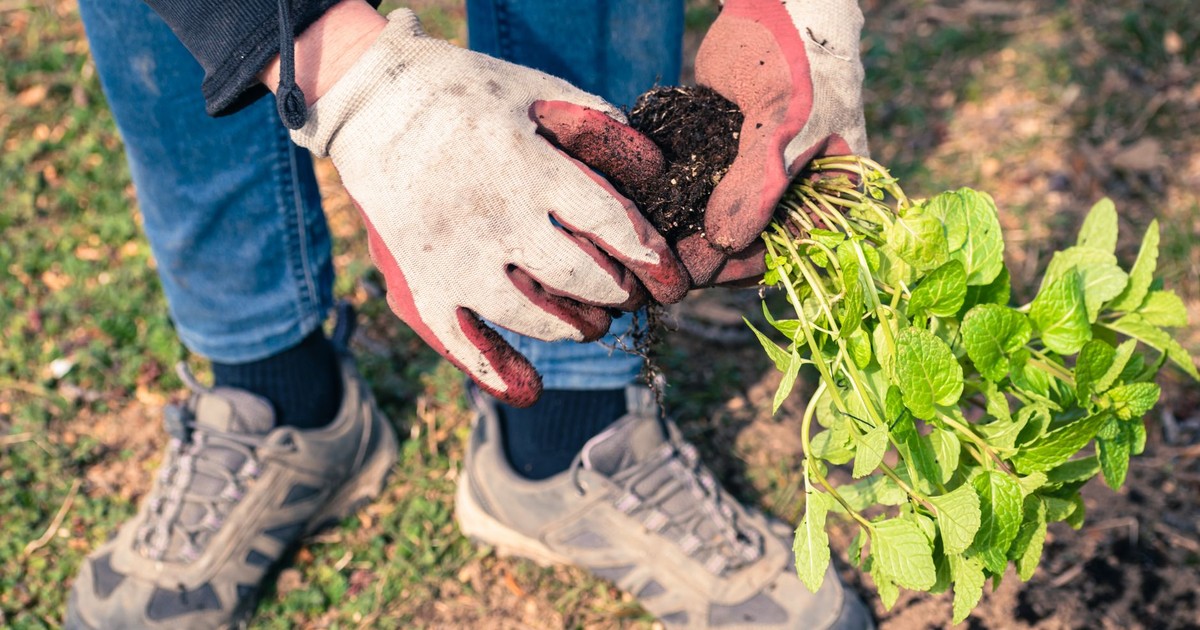
Cilantro is best grown from seed because it develops a taproot and does not transplant easily. Unlike basil or parsley, which are forgiving about being moved from a nursery pot into the ground, cilantro resents any disturbance to its roots. Direct sowing into the final spot, whether a garden bed or a container, is the approach that actually works.
Cilantro prefers fertile, well-drained soil. Loosen soil 6 to 8 inches deep and maintain a soil pH between 6.2 and 6.8. A handful of finished compost worked into the top few inches gives seeds the nutrients they need without the risk of over-feeding, which pushes leafy growth at the expense of flavor.
Plant the seeds in light, well-draining soil and space them 1 to 2 inches apart. Once seedlings emerge and have a couple of true leaves, thin them to about 4 to 6 inches apart. Crowded cilantro competes for water and light, which stresses the plants and speeds up bolting.
For anyone who wants a continuous supply rather than one big flush, succession planting is the answer. Harvest to Table recommends reseeding cilantro every two to three weeks, using succession planting to turn a short-lived summer herb into a reliable fall and winter crop. Apply that same logic in autumn and you’ll have staggered plantings coming into their peak at different intervals rather than one batch all ready at once and nothing behind it.
Look for a slow-bolt or long-season seed variety. Slow-bolt varieties are bred for their foliage and tend to give a lusher, longer harvest. The Old Farmer’s Almanac specifically names ‘Leisure’ and ‘Long Standing’ among the best choices for harvesting leaves, and Calypso and Marino are also widely available at nurseries and online.
The Dual-Purpose Plant Most Gardeners Underestimate
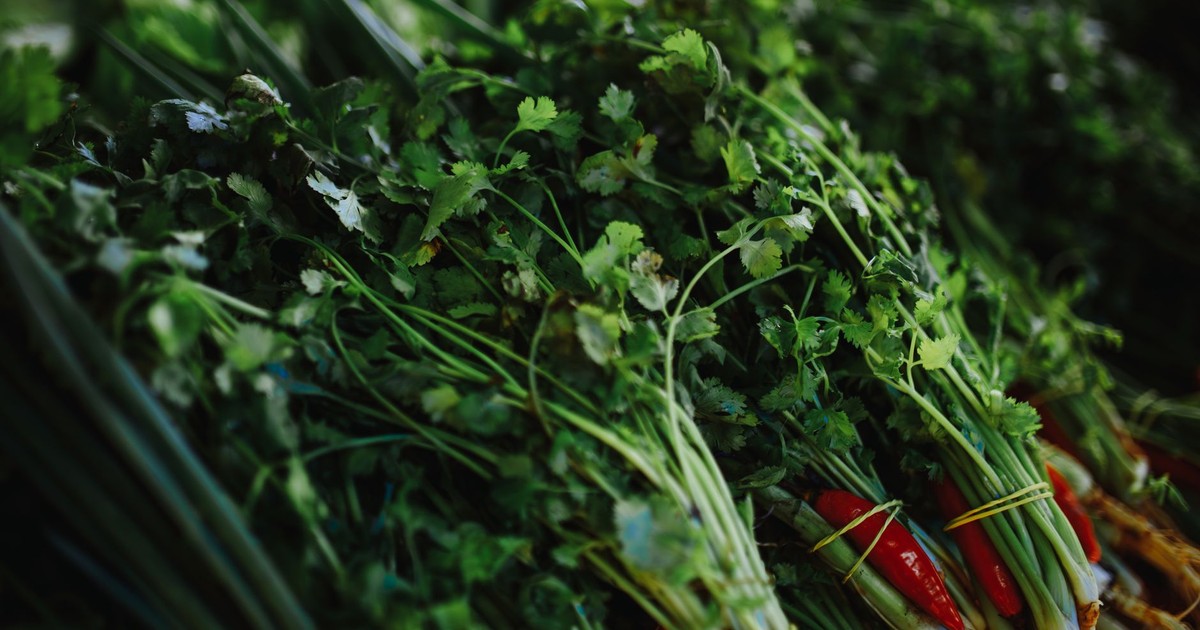
One of the more useful things about cilantro is that giving up on it isn’t actually giving up. Harvest to Table describes cilantro as a valuable dual-purpose crop: gardeners can harvest the fresh leaves and allow plants to produce seeds, known as coriander, extending the usefulness of a single planting.
Coriander seeds are a completely different ingredient from the fresh leaves. Warm, earthy, and faintly citrusy, they’re a cornerstone of Indian spice blends, Moroccan seasoning mixes, and pickling brines. Once cilantro flowers and goes to seed, you can eat the dried coriander seed or save it for replanting. Let the flower heads ripen and the coriander seed brown before cutting off the stalks and shaking seed into a paper bag. Those seeds, stored in a jar, will keep for up to a year and go straight into the pan when you’re building a curry base.
When gathering cilantro leaves, pull from the outside of the plant, leaving the center leaves to continue growing. The same rule applies to most leafy herbs. Working from the outside inward keeps the plant actively producing rather than signaling it to slow down.
If you grow it in a container, keep it near the kitchen door. The difference between fresh cilantro in a dish and no cilantro in a dish is often whether you actually have to walk to get it.
What Makes It Worth Growing: Flavor and the Kitchen
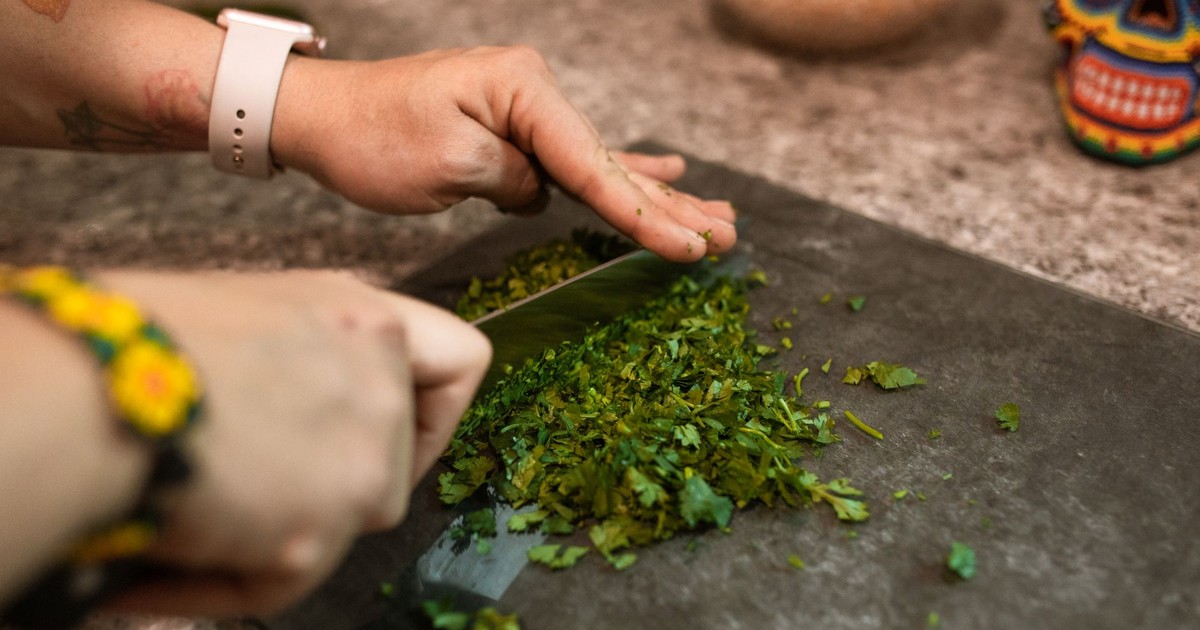
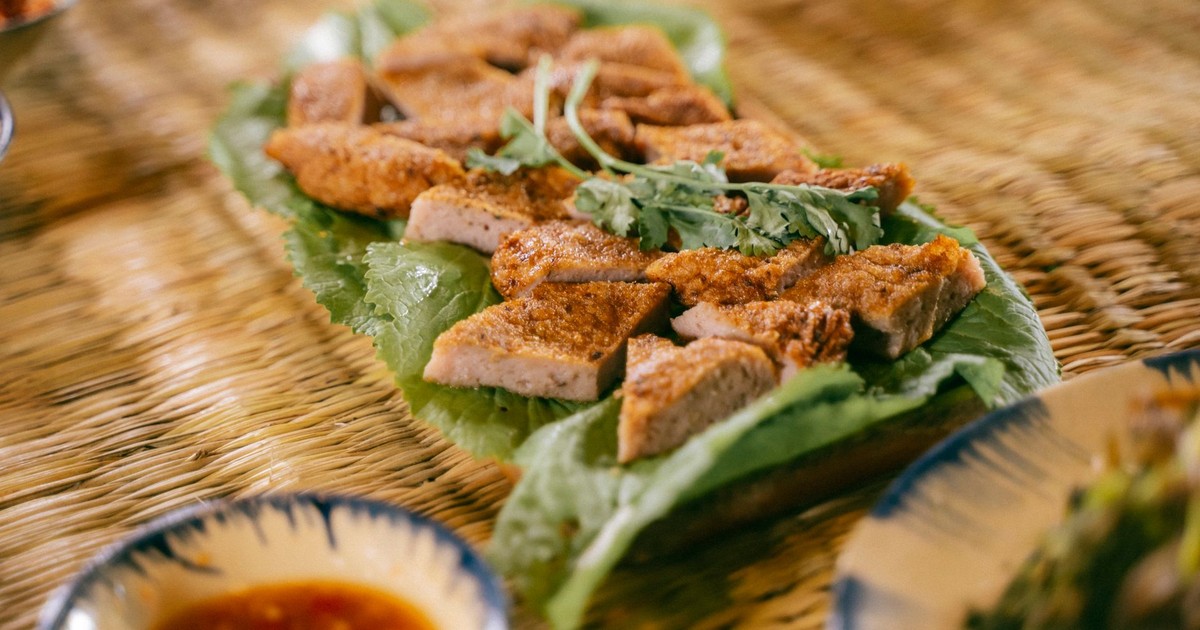
Cilantro pairs well with bold, spicy, or tangy dishes, like Mexican, Thai, Indian, and Vietnamese cuisines. It adds fresh, citrusy flavor to tacos, curries, spring rolls, grilled meats, and rice dishes.
The key to using cilantro well in the kitchen is timing. Use it mostly at the end of cooking to preserve its freshness and aroma, because heat quickly destroys its flavor. Stirring a handful of chopped cilantro into a pot of dal or dropping it into a hot soup the moment before you ladle it into bowls keeps that brightness intact. The same amount added twenty minutes earlier essentially disappears.
Cilantro is a key ingredient in herb-forward condiments like green chutney, yogurt-based dips, and sauces such as chimichurri. Use it as a finishing herb and pair it with lime, chili, or garlic to enhance its flavor.
When cooking with fresh cilantro, it is typically added just before a dish is served or as a garnish on top because heat diminishes its flavor. In many Indian and Central Asian recipes, though, large amounts of cilantro are cooked directly into the dish to add depth. A cilantro chutney, where leaves are blended raw with green chili, ginger, and lime juice, produces a completely different result than a slow-cooked Indian saag. Both are correct. Both require knowing which direction you’re going before you start.
The stems are edible too. Chopped cilantro stems can be incorporated into salsas, sauces, and stir-fries, enhancing the flavor while reducing waste. They have a slightly more intense flavor than the leaves and hold up better to a little heat, which makes them better for cooking into a base while the leaves are reserved for finishing.
Some people experience cilantro as having a soapy taste due to a genetic variation that affects how certain aldehydes in cilantro are perceived. It’s a specific gene, not a sensitivity, and not an acquired taste in the usual sense. Around 10 to 14 percent of people of European descent carry it, though rates vary across ethnic groups. If everyone in your household is firmly in the pro-cilantro camp, lucky you.
More Than Flavor: What’s Actually in the Herb
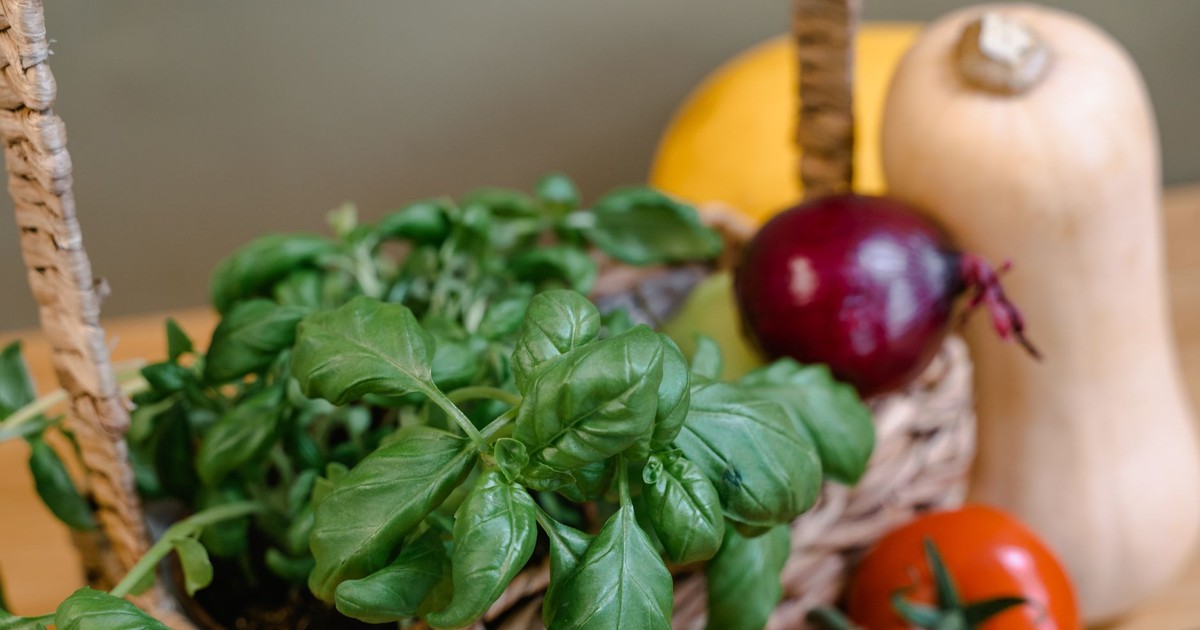
Growing cilantro through fall and keeping it in the kitchen rotation turns out to be worth something beyond taste. Cilantro is high in flavonoids and carotenoids, antioxidants that help keep the body healthy, according to a registered dietitian at the Cleveland Clinic.
Cilantro is rich in antioxidants, phytonutrients, and essential micronutrients, especially vitamin K, vitamin C, and potassium. Its extremely low calorie content allows you to add flavor, freshness, and nutritional support to meals without adding extra fat, sugar, or sodium.
Using cilantro to flavor food may encourage people to use less salt and reduce their sodium intake, Medical News Today reports. A herb that makes food taste more alive can offset the reflex to reach for the salt shaker.
Research on cilantro’s potential effects on blood sugar and brain inflammation is ongoing, and most of it is still in early stages. Human studies are still needed, though research is actively exploring whether cilantro may help with blood sugar regulation. Take those headlines with appropriate skepticism, but the nutritional case for it is solid regardless of what further studies eventually confirm.
What to Do With All of This
The fall garden window for cilantro is shorter than you think, but it opens sooner than most people realize. In most of the country, late August to mid-October is the planting window. Seeds sown now will germinate within 7 to 10 days and be ready for a first harvest within three to four weeks. That puts fresh, homegrown cilantro on the table before the first hard frost, and in warmer zones, consistently through winter.
The case for growing it is really a case against the alternative. Store-bought cilantro, even when fresh, has usually spent two or three days in a refrigerated truck. The flavor is there, but it’s muted. A bunch clipped from a pot outside the back door ten minutes before dinner is a noticeably different ingredient.
The plant that looked like it had run its course, gone to flower, and been written off turns out to have a second act as a warm spice. A single fall planting, managed well, can stock your kitchen with fresh herb through early winter and then leave behind a jar of homegrown coriander for the rest of the year. That’s a lot of cooking for the price of a seed packet.
Disclaimer: This information is not intended to be a substitute for professional medical advice, diagnosis, or treatment and is for information only. Always seek the advice of your physician or another qualified health provider with any questions about your medical condition and/or current medication. Do not disregard professional medical advice or delay seeking advice or treatment because of something you have read here.
AI Disclaimer: This article was created with the assistance of AI tools and reviewed by a human editor.