

Every call I place without warning might feel perfectly ordinary to the person making it. To the person receiving it, it’s a five-alarm interruption that arrived with zero context and expects an immediate answer. That specific tension, between the caller who sees a phone as a tool for connection and the recipient who sees an unsolicited ring as a small invasion, captures the whole generational divide in a single moment. And it’s just one of dozens.
Baby boomers, born between 1946 and 1964, grew up inside a completely different set of social contracts. Long-distance charges made phone calls significant. Showing up at someone’s door unannounced was friendliness, not rudeness. Printed paper was reliable in a way that a glowing screen was not. Those habits made complete sense in context, and most boomers don’t think about them any more than a fish thinks about water. The rest of us, however, notice. Sometimes with affection, sometimes with genuine bewilderment, and sometimes with our hand over our mouth while waiting for the checkout line to move.
Here are 29 boomer behaviors that remain, despite all evidence and exposure, genuinely inexplicable to everyone born after 1980.
1. Calling Instead of Texting, Always

Boomers prefer the personal touch of a phone call even when a quick text would suffice, and they’ll call to ask a simple question or chat about nothing in particular while younger generations prefer the efficiency and convenience of texting. This is not a minor quirk. It’s a fundamentally different theory of what communication is for.
For boomers, a phone call signals effort and warmth. You took time out of your day to actually speak to a person. For millennials and Gen Z, an unannounced call signals emergency or bad news, because every routine question could have been a text. Boomers like being as direct as possible in their communications, so their preference is face-to-face conversation, and short of that, they’ll take a phone call.
The mismatch isn’t about rudeness on either side. It’s about what “communication” felt like when you were first learning to do it. When long-distance calls cost real money by the minute, picking up the phone meant something. That meaning never fully faded.
2. Not Texting a Heads-Up Before That Call
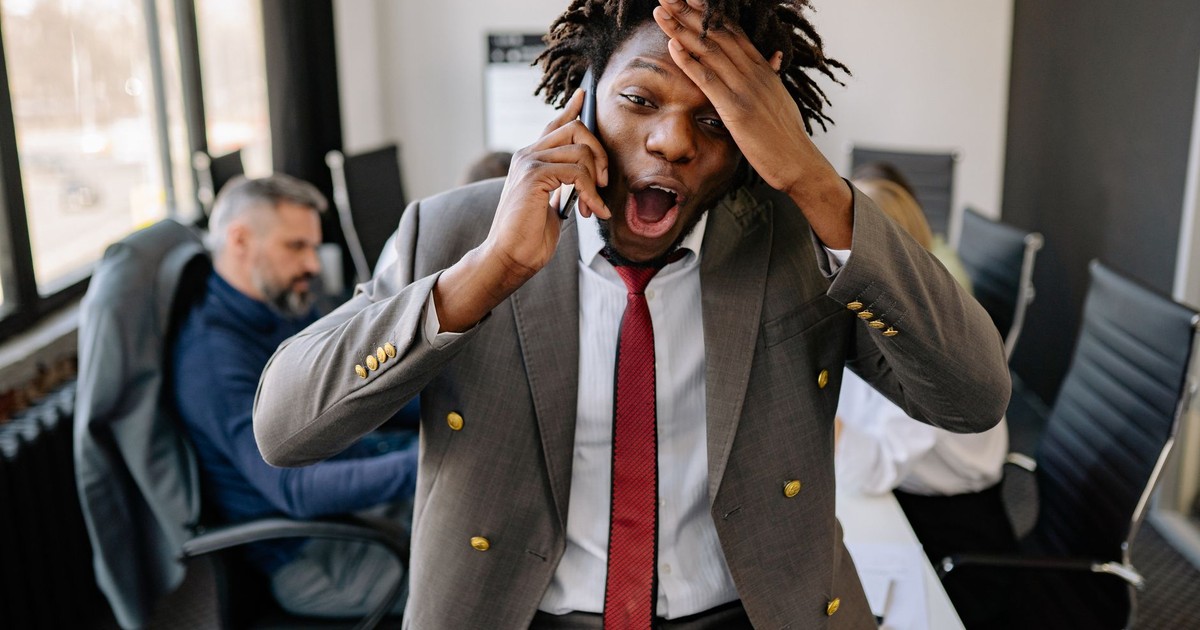
Even boomers who do text regularly will often bypass the simple courtesy of sending “hey, free to talk?” before dialing. The call just.. arrives. Full ring, no context, no warning. Younger people treat unannounced calls like jump scares, digital doorbells that yank attention away from the flow, whereas a brief message lets them reply when cognitive context permits.
The “ping-then-ring” approach would solve this in about fifteen seconds. Send a message first, give the other person a moment to prepare, then call. But the concept itself reveals a gap in assumptions. The boomer model assumes the other person has nothing more urgent happening at this exact moment. The millennial model assumes everyone is always in the middle of something.
3. Printing Things That Did Not Need to Be Printed

The email. The directions from Google Maps. The airline boarding pass that the gate agent just scanned directly from a phone six hundred times that morning. Insisting on printing emails, documents, or instructions frustrates younger people who value environmentally friendly, paperless workflows.
There’s a logic here, actually. Paper doesn’t run out of battery. Paper doesn’t require a passcode. Paper was, for most of human history, the most reliable backup you had. There’s a certain comfort that boomers find in holding a physical piece of paper, which is why printing everything seems to be their default mode, whether it’s emails, online articles, or bank statements. The frustration comes from the sheer volume of it. The printer whirring to life at 7am is a very specific sound.
4. Writing Checks in 2026

Boomers just can’t let go of their trusty checkbooks even in the age of digital payments, and they’ll hold up the entire grocery store line to carefully fill out a check while younger generations impatiently tap their credit cards or use mobile payment apps. This one is less about personal preference and more about its effect on everyone standing behind them.
The check gets opened, then comes the search for the pen, then the date, then the payee name written in full, then the amount in numbers, then the amount again in words, then the signature, then the memo, then the register update. Meanwhile, the person behind them has already paid, bagged, and started walking to their car in their mind.
The Federal Reserve’s Diary of Consumer Payment Choice found that adults aged 55 and older used cash for 22 percent of all their payments in 2023, a rate roughly 1.5 times higher than their younger counterparts. Checks are a separate category entirely, still beloved for bills, rent, and any transaction where “having a record” matters.
5. Keeping Cable News on All Day as Background Noise
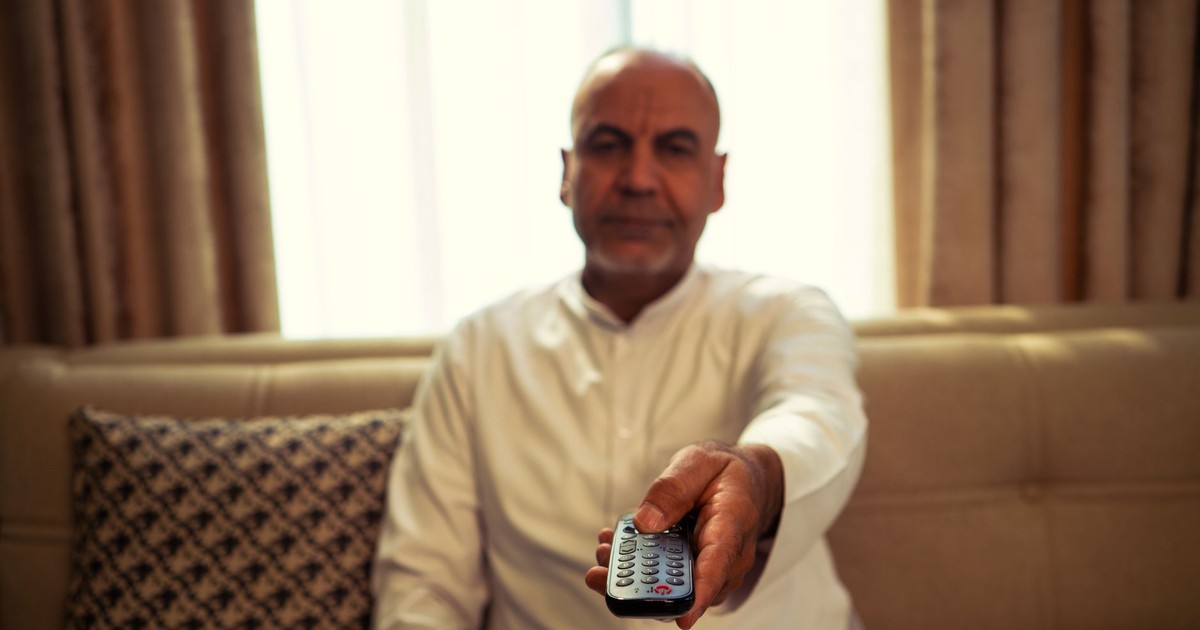
Boomers just can’t get enough of cable news and will have it on in the background all day even if they’re not actively watching, and will insist on discussing the latest headlines with anyone who will listen. This is the television as ambient presence, a habit formed in an era when the TV was the living room’s focal point rather than one of fourteen screens competing for attention.
The volume is part of it. Cable news in particular runs loud, with urgent graphics and raised voices, which is a design choice intended to prevent channel-changing. For younger family members visiting for the holidays, it’s roughly equivalent to having an argument playing in the next room for four consecutive days.
6. Forwarding Chain Emails and Unverified Facebook Posts

The email arrives with a subject line in all caps. Or it’s a Facebook share with a stock photo and a statistic that sounds alarming and has no source. Habits like forwarding long chain emails, sending group texts without context, or refusing to learn messaging apps usually track back to a generation that formed its early internet habits before misinformation became a widely discussed problem.
It’s not that boomers are uniquely gullible. It’s that they came to the internet after decades of trusting printed sources and official-sounding broadcasts. The muscle of pausing to ask “wait, who actually said this?” took time to build, and for many boomers, the warning never came until after the forward button was already a reflex.
7. Using “Reply All” With No Hesitation

The original email goes to twenty-two people. It asks a simple logistical question. Then the reply-alls start: “Thanks!” “Sounds good!” “I’ll be there.” “Me too!” “What time again?” By 10am there are eleven new emails in everyone’s inbox about whether to bring potato salad.
Younger workers generally understand reply-all as a nuclear option reserved for information that every single recipient genuinely needs. Boomers often treat it as ordinary courtesy, the digital equivalent of saying “great, see everyone then!” in a room full of people. The intent is collegial. The effect is inbox mayhem.
8. Refusing Software Updates Indefinitely
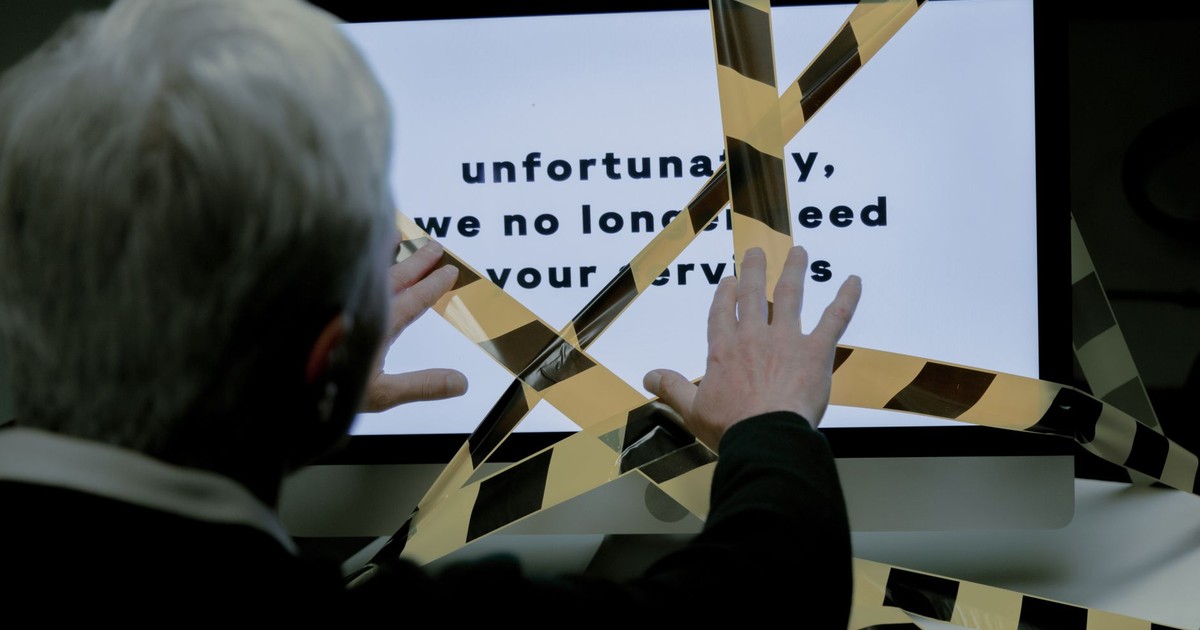
This avoidance stems from a fear that an update might change things too much, making familiar processes harder to use. The phone runs on an operating system from two years ago. The laptop has been dismissing the same update notification since spring. The printer driver is simply not going to cooperate.
The deeper reason is actually understandable: for boomers who spent years mastering a system, an update that moves the buttons around feels like arriving home to find the furniture rearranged. The learning curve was real the first time. Nobody wants to do it again voluntarily.
9. Preferring Their Desktop Computer Over Everything Else

According to a 2025 CSI survey, going online via computer is the preferred banking method for 39% of baby boomers, compared to 38% who use mobile banking apps, while millennials and Gen Z use mobile banking apps by wide margins. The desktop preference runs deeper than banking. Email, shopping, photos, video calls, for many boomers, all of it belongs on the big screen with the real keyboard, not on a phone held in one hand on the couch.
There’s actually a solid case for this. A 27-inch monitor and a full keyboard is objectively a better setup for most tasks than a five-inch phone screen. The odd part isn’t the preference. It’s that the desktop computer is treated as the only legitimate computer, and the phone is considered a phone that occasionally does computer things.
10. Extremely Formal Email Sign-Offs

Lengthy email closings like “Best regards,” “Sincerely yours,” and “Warm wishes” can seem formal or verbose to millennials and Gen Zers accustomed to short messages. To be fair, “Best,” at the end of an email is also wildly ambiguous (best what, exactly?). But there is something genuinely charming and also genuinely baffling about a two-sentence Slack message that closes with “Kind regards, Margaret.”
The formality comes from a time when written communication was serious and its permanence demanded some ceremony. An email replaced a letter, which replaced a memo, and all of those things ended properly. The habit survived the medium change even when the context no longer called for it.
11. Saying “I’ll Google It” and Then Asking You Anyway
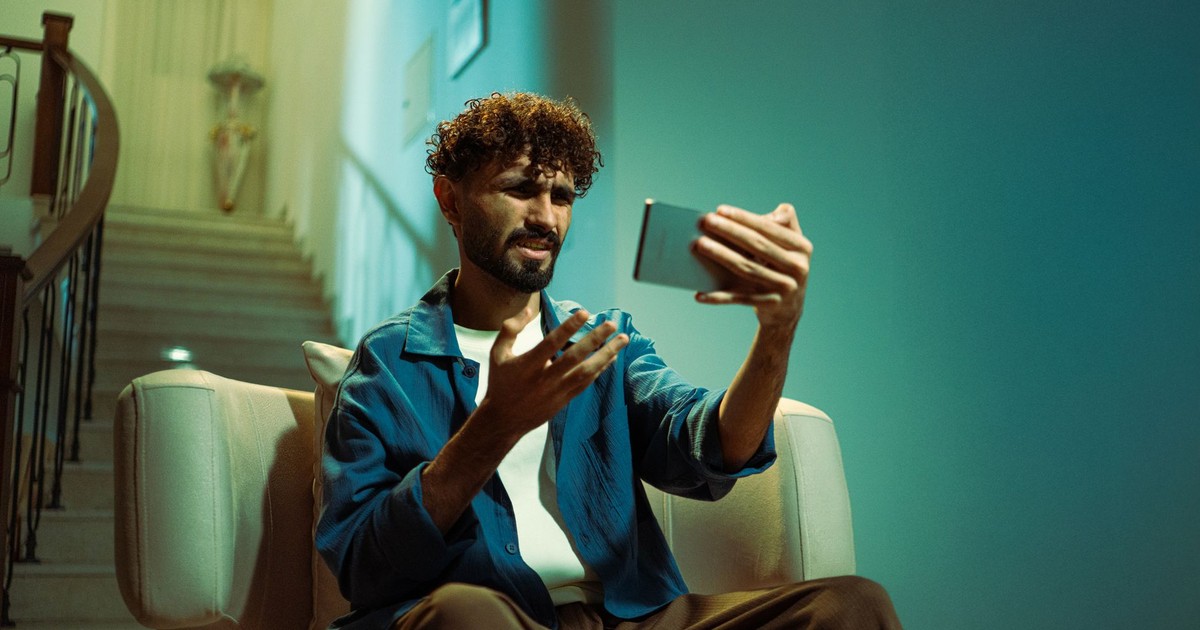
The question is asked. You suggest Googling it. They agree that’s a good idea. Twenty seconds later: “I tried but I couldn’t find it.” You take the phone, type the question, and the answer appears in the top result. The whole exchange takes ninety seconds and ends with everyone exactly where they could have been five minutes ago.
This isn’t unique to boomers, but it’s widespread enough among the generation that it has become its own running joke in every family. The search engine was supposed to be the great democratizer of information. For a lot of boomers, the specific phrasing of a search query is a skill that was never quite learned, and the results that come back feel less like an answer than a list of more questions.
12. Dropping by Without Warning

Boomers often considered it neighborly or friendly to stop by someone’s home without notice, and back in the day, doors were left unlocked and casual visits to people’s homes were considered signs of connection. Show up, ring the bell, see what happens. The logic was purely social: I was thinking about you, so I came over. That’s a nice sentiment.
Today, however, unannounced drop-ins can feel like an invasion of privacy, and younger generations value personal time and schedules, expecting at least a quick text or call before a visit. The modern version of the unannounced visit shows up as a missed call at 11am on a Saturday followed immediately by the doorbell, because the two-step approach apparently counts as forewarning.
13. Making Unsolicited Comments About Weight and Appearance

Boomers often believe that remarks about weight, clothing, or hairstyle are harmless small talk or compliments, and saying things like “You’ve put on a few pounds” might once have been normalized as an observation. The key word is “normalized.” These comments weren’t considered kind in any era, exactly. They were considered neutral, the conversational equivalent of commenting on the weather.
Younger generations prioritize body positivity and mental well-being, recognizing how seemingly casual remarks can trigger insecurity. The gap isn’t really about intention. The boomer who says “you look thin, are you eating enough?” usually means it as concern. The recipient hears a running commentary on their body that they didn’t ask for. Both things can be true at once.
14. Clipping Coupons From the Sunday Paper
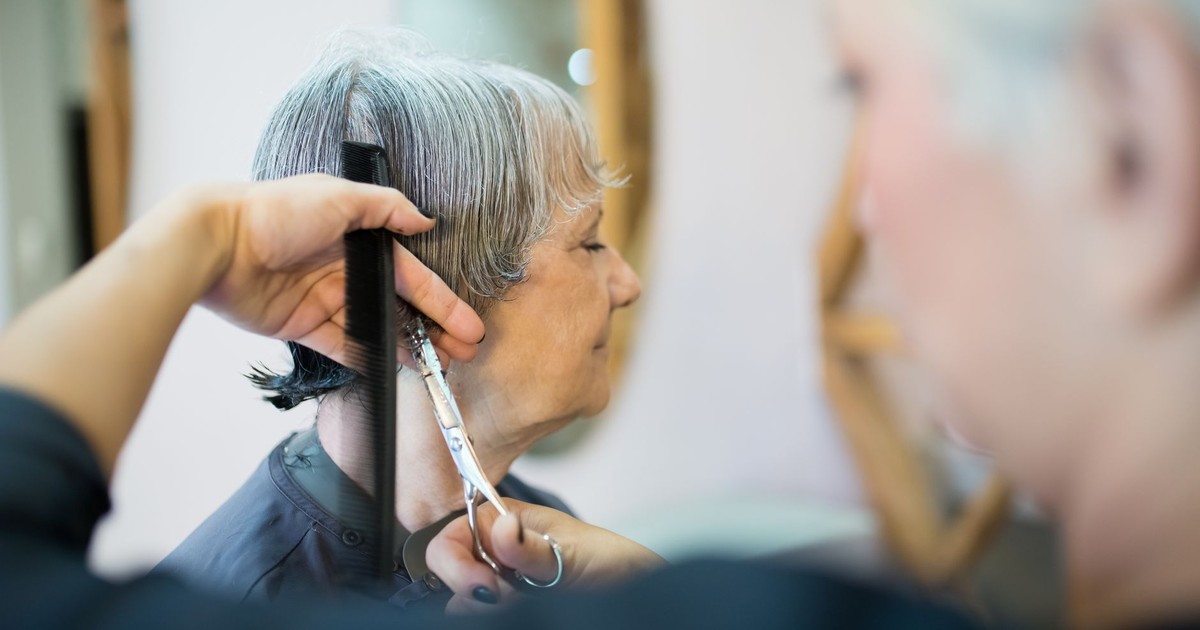
Boomers are always on the lookout for a good deal and will spend hours clipping coupons from the Sunday paper even if the savings are minimal, while younger generations will just use a promo code or shop online for the best price. The ritual is the point. Sunday paper, good scissors, the satisfying little stack of clipped rectangles sorted by category. It’s a form of financial competence that felt active and deliberate.
The modern equivalent takes thirty seconds: open an app, copy a code, done. But the boomer coupon ritual pre-dates apps by decades, and it came with a social dimension too. You’d share good ones with the neighbor. You’d trade tips over the fence. The promo code doesn’t have the same texture.
15. Calling the Bank Instead of Using the App

Customer service once relied heavily on telephone conversations, and many baby boomers still prefer to call support lines and wait through lengthy automated menus rather than use digital messaging. The hold music. The “your call is very important to us.” The being transferred twice. Younger customers will do almost anything to avoid this sequence, including spending twenty minutes looking for the answer themselves just to avoid the phone.
For boomers, speaking to an actual human felt more reliable, more official, and more secure than clicking around inside an app. That trust wasn’t irrational in the early days of online banking. It just hasn’t updated at the same rate as the technology.
16. Watching Live Television on a Schedule
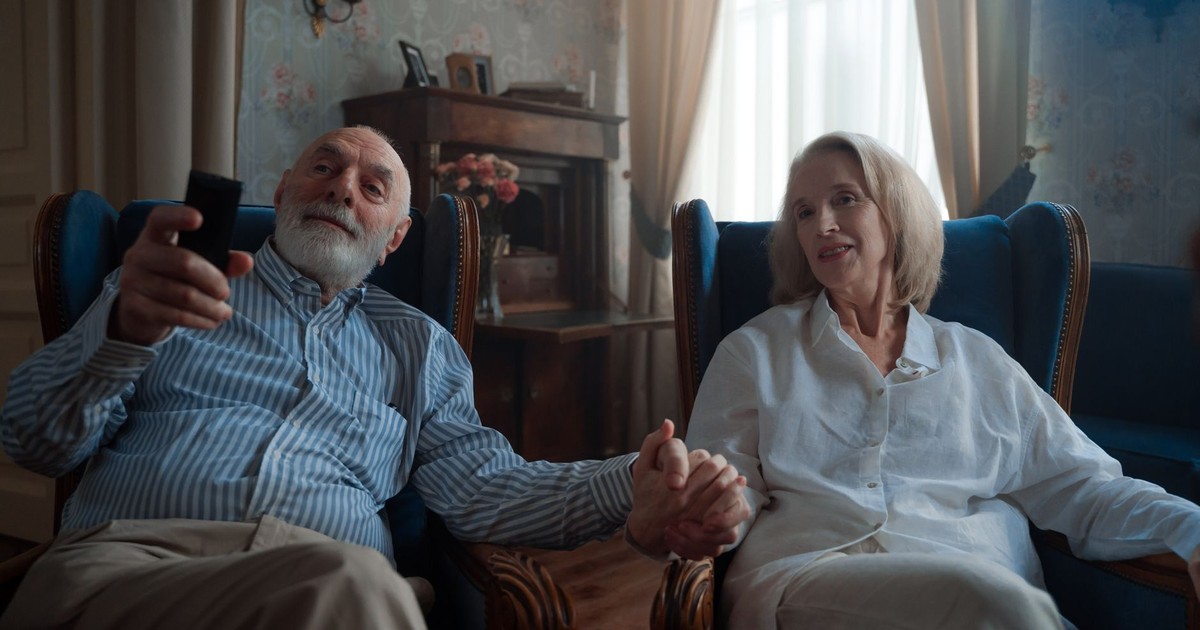
The show starts at 8pm, so you are in front of the television at 8pm. If you miss it, you have missed it. For a lot of boomers, watching live is still how television works, even as on-demand options have multiplied. Nielsen’s 2024 Gauge data shows that streaming accounted for more than 40% of total television viewing in the United States in June 2024, its highest share ever recorded at that time.
The flip side of this is that boomers are also more likely to actually watch something at the same time as millions of other people, which creates a kind of shared cultural experience that the streaming generation genuinely misses. Knowing that ten million other households are watching the same thing at the same moment is its own form of connection. It’s just a form that requires being available at a very specific time on a very specific Tuesday.
17. Over-Explaining Things to People Who Already Know Them

Boomers often rely on detailed instruction, sometimes over-explaining tasks to younger colleagues who grew up with self-directed learning. The explanation starts before it’s been established that an explanation is needed. It continues past the point where the other person has clearly understood. It arrives with a little demonstration, just to be safe.
The instinct behind it is generous. In a pre-Google world, information lived in people’s heads, and sharing it was a genuine act of help. The person who knew how to change a tire, fix the fuse box, or handle the DMV forms was a resource. Passing that knowledge on was how you contributed. That instinct didn’t disappear just because the information became searchable.
18. Sending Voice Notes That Are Four Minutes Long
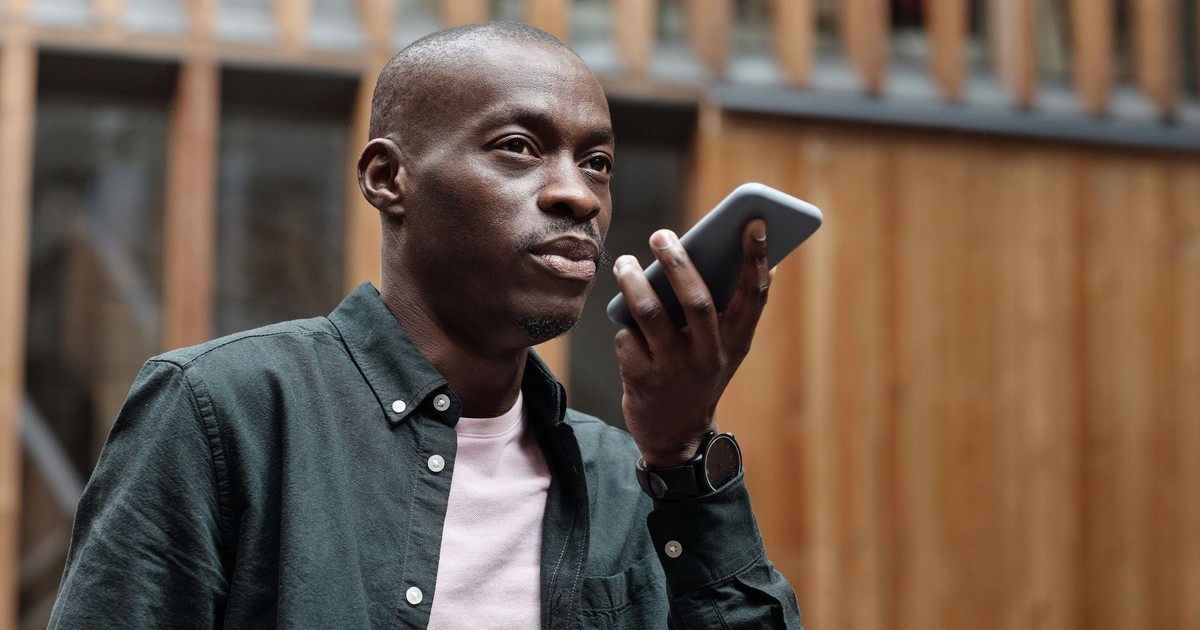
The voice note arrives. It is 4 minutes and 12 seconds. It cannot be easily scanned, cannot be read in a meeting, and cannot be referenced later without listening to the whole thing again. The message, it turns out, is that they’ll be about twenty minutes late.
Voice messaging technology was supposed to serve the same quick-communication function as a text. For younger users, that means thirty seconds maximum. For boomers who’ve always preferred talking to typing, the voice note is basically a phone call you can send asynchronously, which means it gets the full call treatment: the preamble, the context, the actual message, the re-statement of the message, and the sign-off.
19. Putting Their Full Name in Every Text

“Hi , this is Mom.” Not just once, early in a relationship with someone’s number. Every time. Even after fifteen years of daily messages. Even though the contact name shows up at the top of the screen. Even though the first word was “Hi ” which implies the person already knows who sent it.
This one tracks directly to the early days of mobile phones, when caller ID wasn’t universal and texts came through shared family plans. Identifying yourself was good manners. The phone learned who you are. The habit did not.
20. Defaulting to Cash for Everything
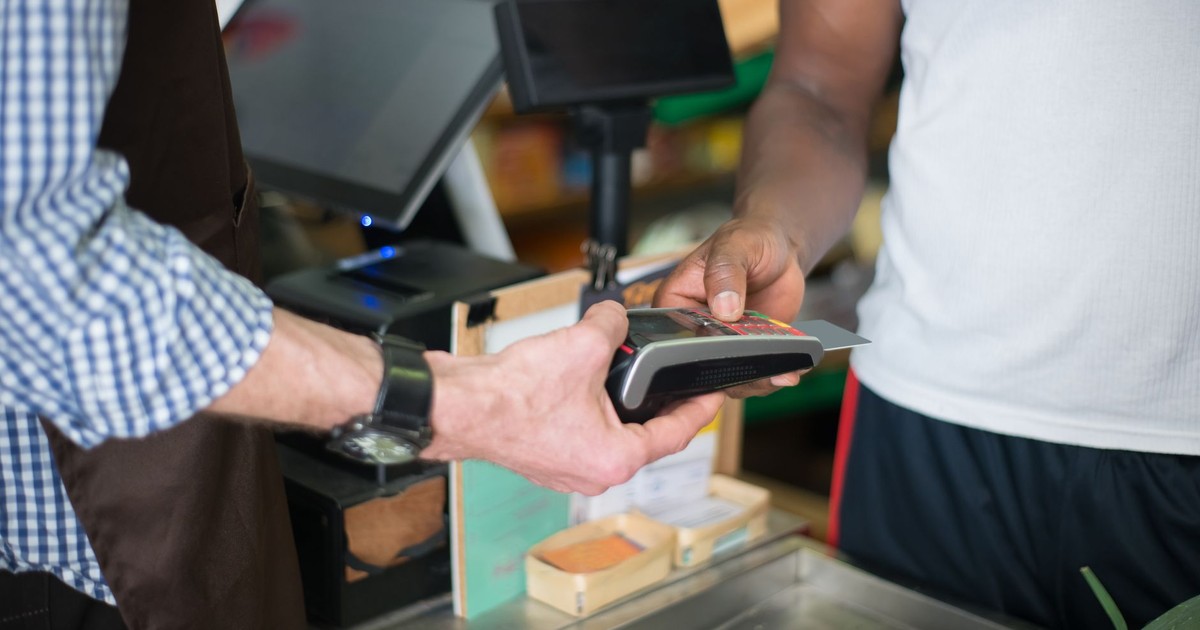
Beyond the check-writing habit, many boomers carry a substantial amount of physical cash as a matter of course. Not emergency cash tucked in a wallet pocket, but real, actively-used paper money for routine transactions. Coffee, tips, splitting a bill, paying the kid next door for shoveling snow. Using cash for small purchases can slow transactions and confuse younger people accustomed to mobile wallets and contactless payments.
The cash habit is partly philosophical. Physical money feels finite and real in a way that a tap-to-pay transaction doesn’t. You can see exactly what you have. You watch it leave your hand. For a generation that learned to budget from an actual envelope system, the abstract nature of digital money has never fully resolved.
21. Storing Important Numbers Nowhere Except Their Own Head

The doctor’s phone number. The insurance policy number. The account password. The alarm code for the beach house. Ask where any of these are written down and the answer is either “I just remember it” or a reference to a notebook that is somewhere. Possibly in the kitchen drawer. Or the one by the bed. Actually, check both.
Younger generations outsource memory to their phones obsessively: contacts synced to the cloud, passwords in a manager, notes app open constantly. For boomers who formed their habits before this infrastructure existed, the human brain was the only reliable storage device, and trusting it became a point of competence.
22. Reading the Entire Article out Loud

The newspaper is open. There is an article. Rather than saying “here’s an interesting thing I read,” the entire article gets read aloud, paragraph by paragraph, with occasional editorial asides. It can last anywhere from ninety seconds to, in particularly long pieces, an actual geological epoch.
This is a form of sharing that worked beautifully when information was scarce and curated by someone else. The person who read the paper thoroughly was the household’s news source. Passing along what you’d read was an act of communal interest. Now that everyone has a news feed of their own, the out-loud reading is, depending on your perspective, either charming or a lot.
23. Showing up to Things Painfully Early

A dinner reservation is at 7pm. A boomer will want to leave at 6pm “just to be safe.” They will arrive at 6:45. They will spend fifteen minutes standing outside, or waiting in a lobby, visibly comfortable with this situation. The other party, who was told 7pm, arrives at 7pm and immediately feels late.
The early arrival habit comes from a world where you couldn’t check traffic in real time, couldn’t see whether the restaurant was busy before driving there, and couldn’t text “five minutes away” to buy yourself a cushion. You planned for uncertainty by arriving before the uncertainty could happen. That habit has simply remained despite all the uncertainty now being manageable in real time.
24. Asking to Speak to the Manager
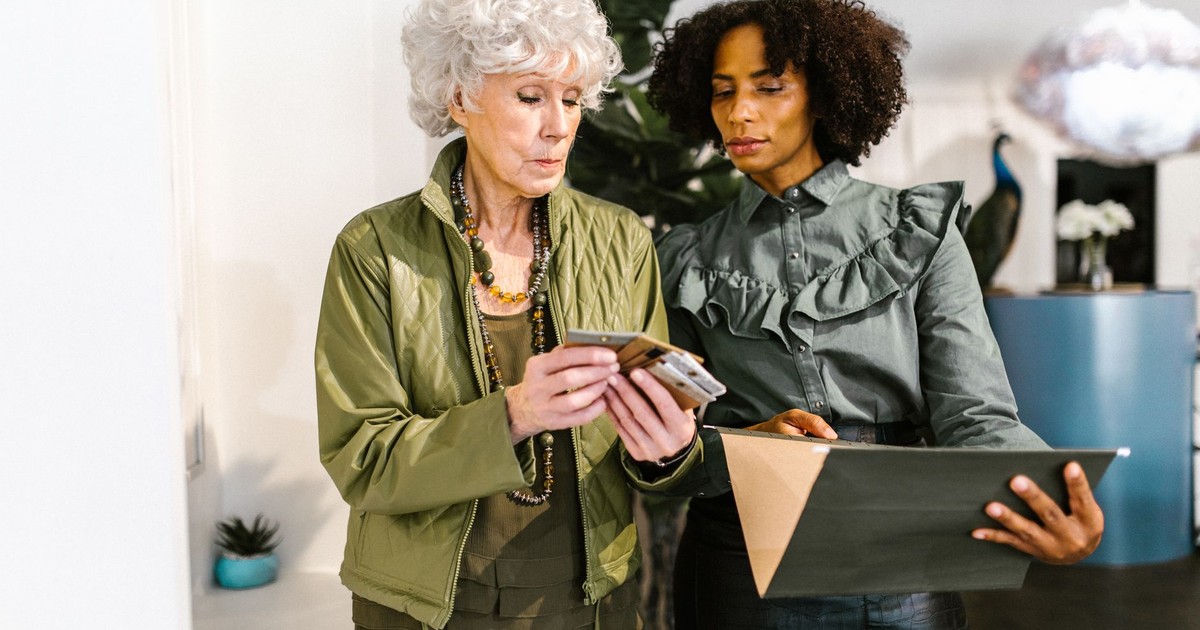
Not in a hostile way, most of the time. Just as a natural first move whenever something has gone wrong. The package didn’t arrive, the bill is incorrect, the room isn’t ready, the prescription isn’t ready, so: could I speak to someone in charge? The request is perfectly reasonable. The frequency is what stands out.
Younger generations tend to start with the app, then the chat bot, then the help article, then the review if nothing works. Escalating to a human manager feels like a last resort and also a little like making someone’s shift harder. For boomers, the manager is simply the person who has the authority to fix things, and going straight to the authority is efficient rather than dramatic.
25. Printing MapQuest-Style Directions Even When GPS Exists

Related to the printing habit but deserving its own entry: the printed turn-by-turn directions. Not just as a backup but as the primary tool, held in the hand of the passenger who then reads each instruction one at a time with half a second’s notice. “Turn left. No, left. The left was back there.”
The GPS is in the phone. The phone is in the cupholder. The printed directions are what’s happening. This one goes back to the fundamental paper-is-reliable conviction, combined with a genuine distrust of technology that could lose signal at exactly the wrong moment. Which, to be fair, it sometimes does.
26. Giving Unsolicited Life Advice at Full Volume in Public
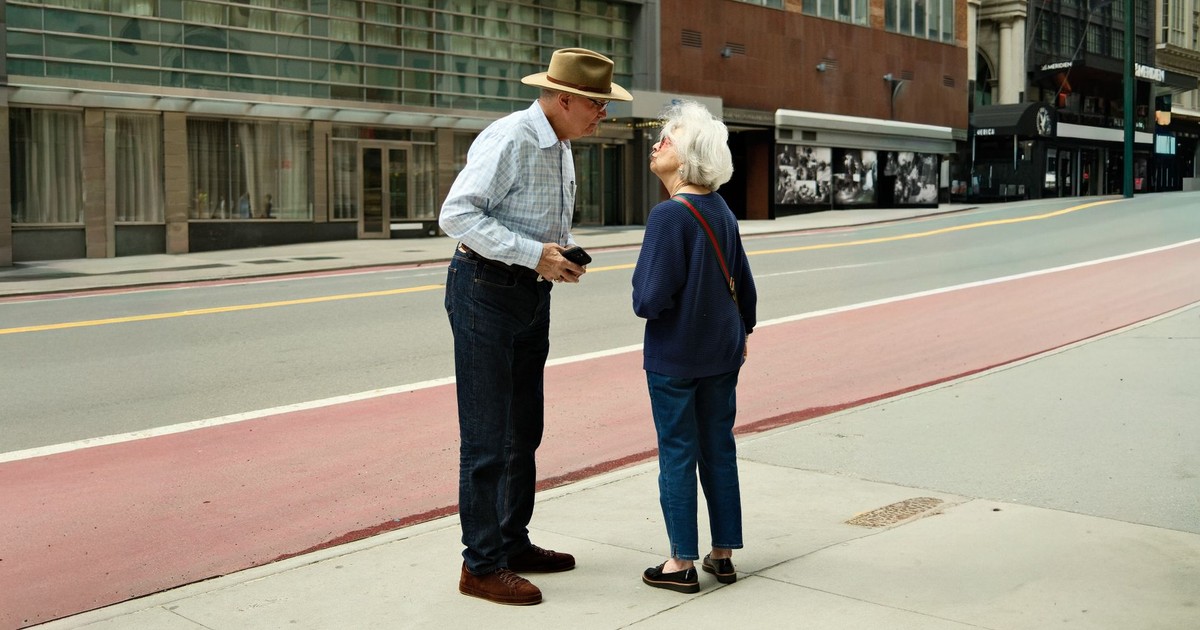
The conversation starts at a normal register. Someone mentions a problem, a plan, or a decision they’re in the middle of. By the third exchange, advice is being offered at a volume that the other tables can hear, with complete sincerity and zero awareness that the whole café now knows your mortgage situation.
Speakerphones amplify not just voices but also tension in shared spaces, and engaging in loud conversations can drown out the calming clatter of coffee cups and keyboards, while younger generations lean toward headphones and private chats. The volume-in-public issue runs broader than phones. It extends to any situation where a boomer is engaged and interested, which is genuinely most situations.
27. Never Deleting a Single Email
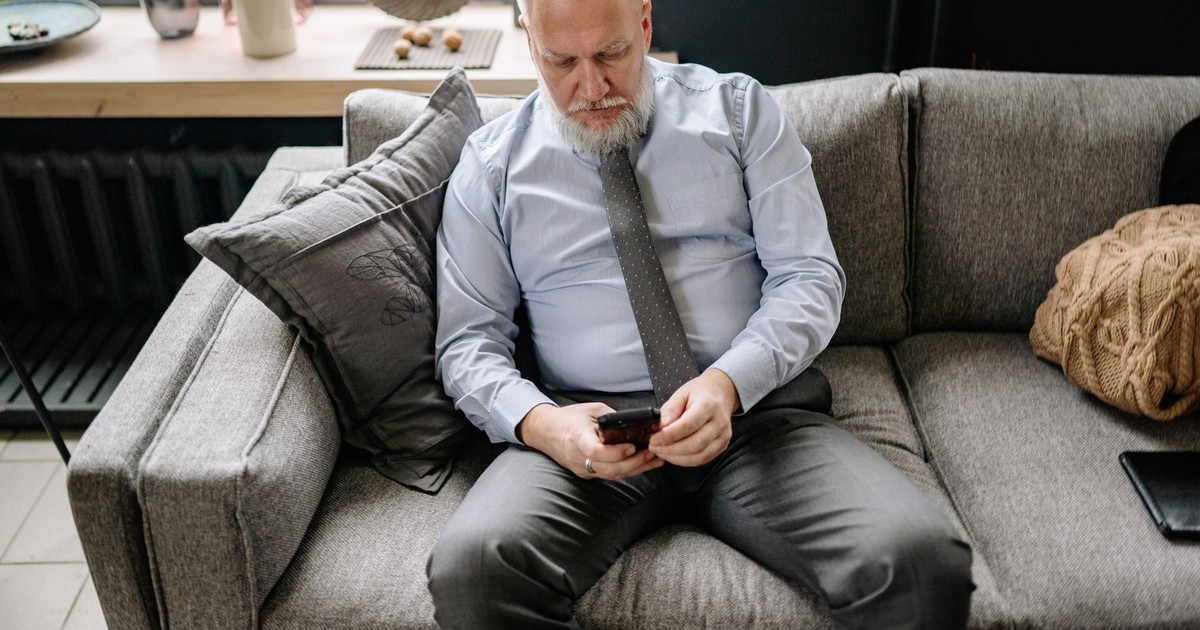
The inbox has 47,000 unread messages. This is not a crisis. This is Tuesday. The boomer email inbox is a complete archive of every message received since the account was opened in 2004, stored without folders, unsorted, and periodically described as “a bit full.” The idea of mass-deleting or unsubscribing from anything creates what looks from the outside like genuine anxiety.
For people who grew up filing paper letters and receipts meticulously, throwing something away carried real risk. What if you needed it? Digital storage seemed to solve this by making the archive infinite, but it also removed the incentive to ever triage. Everything kept, indefinitely, as a kind of safety net. The safety net now contains promotional emails from a rental car company in 2011.
28. Starting Every Story With 20 Minutes of Background Context

You asked how their weekend was. The answer starts in 1987, during a trip they took with a person you haven’t met, to establish context for a decision that was made last Thursday, which is connected to the actual weekend story, which arrives eventually, fully explained, with all motivations accounted for and every relevant party introduced. It is a complete story. It is also twenty-five minutes long.
The storytelling style comes from a time when communication was less frequent and therefore more complete when it happened. A phone call to a distant relative might come once a month. You’d catch them up on everything. That fullness of telling has remained even as communication became constant. The context isn’t redundant to the teller. They’re giving you the whole picture.
29. Trusting Printed Sources Over Everything Else
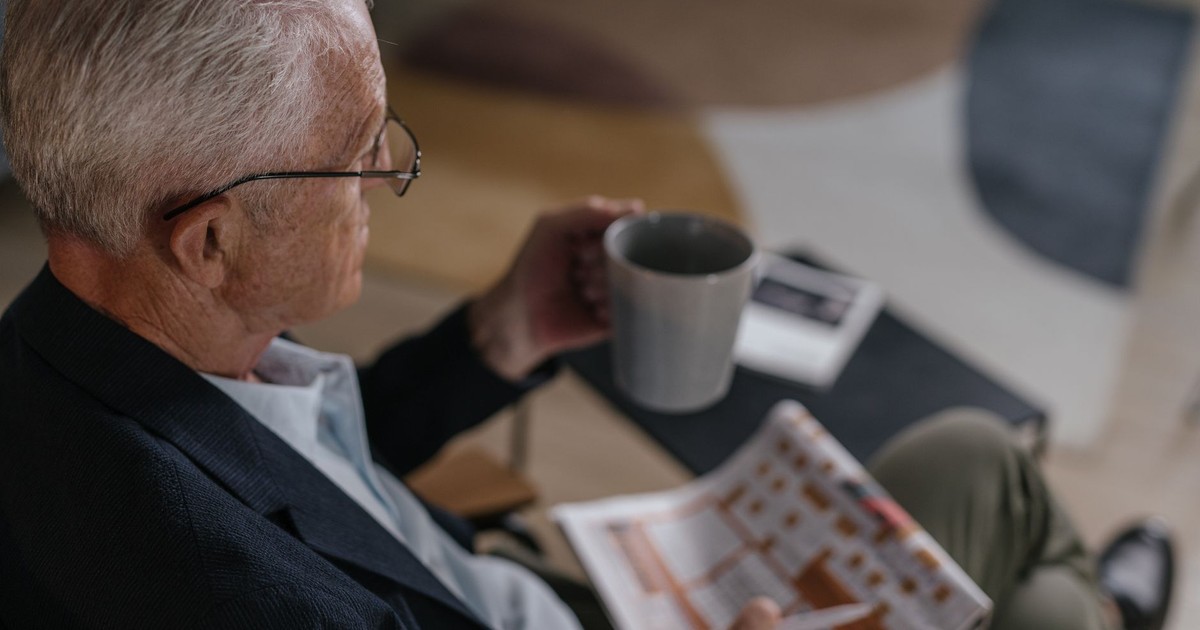
Early internet culture encouraged skepticism toward online information, and many baby boomers still view digital sources as less trustworthy than printed material. The newspaper is credible. The hardcover is credible. The magazine from a waiting room from 2019 is still more credible, in the boomer mental hierarchy, than the article that just loaded on your phone.
This one actually made complete sense for most of the 20th century. Printed news went through editors, fact-checkers, and legal review before it landed on a doorstep. Online content, for a long time, did not. The trust gap formed during the early internet era when a lot of online information was genuinely less reliable than print. The gap has narrowed substantially, but the instinct formed in those early years has not moved at the same speed.
The Thing About All of This
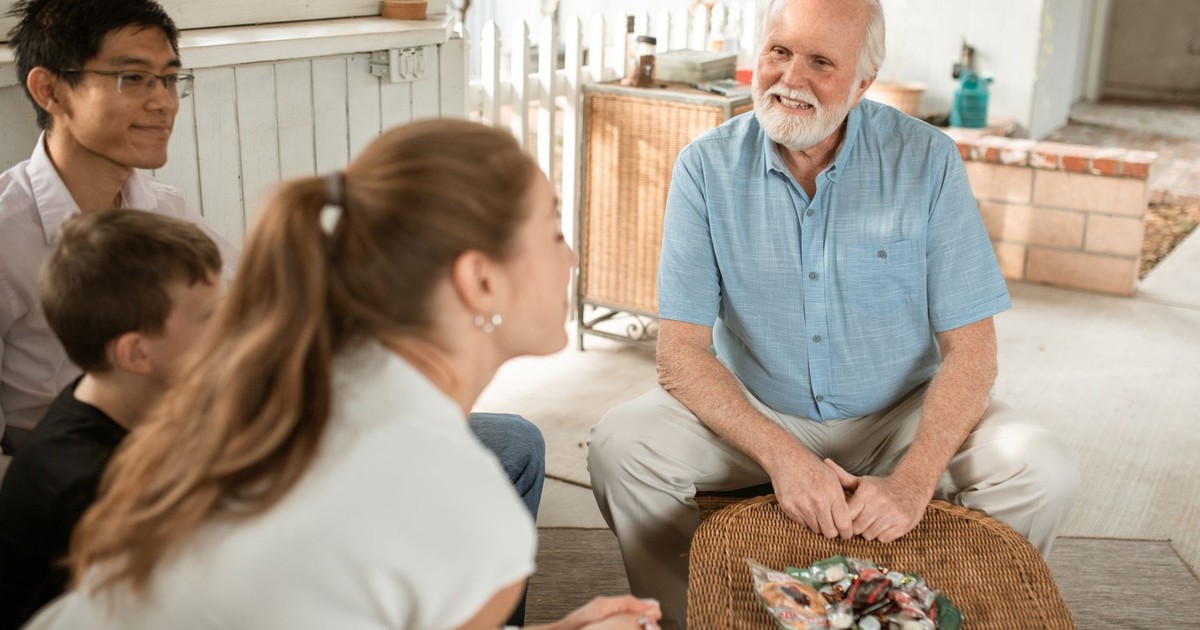
Every single one of these behaviors made complete sense in the world that produced it. Calling instead of texting was warmth. Arriving early was respect. Printing things was reliability. Asking for the manager was efficiency. The behaviors weren’t random. They were rational adaptations to a set of conditions that no longer exist, and they’ve simply continued past their original context the way habits always do. Nobody notices the water they swim in.
Boomers find plenty of millennial and Gen Z habits equally inexplicable. The inability to talk on the phone. The constant need for written confirmation of things that seem obvious. The refusal to just stop by. The lived experiences of boomers and the ones of younger generations are separated by so much context that both sides occasionally feel like they’re watching the other through glass.
None of this resolves into a lesson, and it doesn’t need to. The check-writer in the grocery line and the person sighing behind them are probably each completely convinced the other one is the strange one. They’re both right.
Disclaimer: This information is not intended to be a substitute for professional medical advice, diagnosis, or treatment and is for information only. Always seek the advice of your physician or another qualified health provider with any questions about your medical condition and/or current medication. Do not disregard professional medical advice or delay seeking advice or treatment because of something you have read here.
AI Disclaimer: This article was created with the assistance of AI tools and reviewed by a human editor.