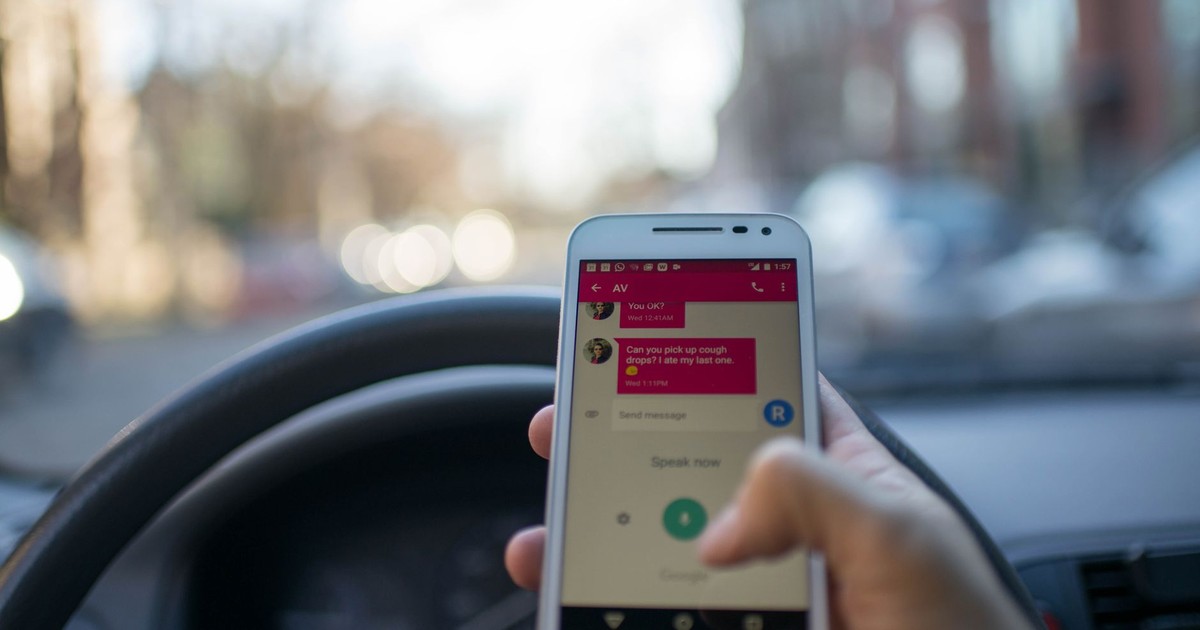

The thumbs-up emoji used to be a perfectly neutral response. A green light. A sign of approval. Then something shifted, and a whole generation started reading it as passive-aggressive, cold, or faintly hostile. If you’ve ever sent one to a younger coworker and noticed the temperature in the room drop slightly, you weren’t imagining it.
The generational communication gap has plenty of flashpoints, but this one captures something true about the larger disconnect. Boomers tend to value context, tone, and complete sentences, seeing these as signs of respect and clarity, while Gen Z prizes authenticity and efficiency. A 24-year-old reads casual lowercase text as warm and easy. A 60-year-old reads it as indifferent. Neither is wrong, exactly. They’re just using different rulebooks.
None of this is really about rudeness. It’s about two groups operating on entirely different unwritten norms and rarely stopping to compare notes. The Gen Z communication habits that baffle older generations didn’t come from nowhere. They’re the logical output of growing up with smartphones from age ten, inside platforms built around speed, images, and asynchronous connection. Understanding where these habits come from doesn’t mean abandoning your own preferences, but it does make it harder to mistake someone’s texting style for a personality flaw.
1. Never Answering an Unscheduled Phone Call

Surveys consistently find that a large share of younger adults prefer receiving a text over a phone call, and a significant portion of Gen Z report never answering calls from numbers not already in their contacts. For Boomers, who grew up tethered to a shared home telephone and for whom calling was the default mode of real connection, this borders on incomprehensible. You call someone, they pick up. That’s how it works.
For Gen Z, an unscheduled call is something closer to an intrusion. Growing up texting means having time to think and edit your response, and real-time voice-only conversation can feel intense and unpredictable. Over half of young survey participants associated unexpected calls with bad news, which tells you something about how this generation has come to code the phone ringing. A call requires you to be “on” immediately, with no preparation and no ability to gather your thoughts.
If you call a Gen Z person without a heads-up text first, you may simply not get an answer. It doesn’t mean they’re ignoring you specifically. Calling has become the language of urgency or emergency, reserved for big news or crises, not casual check-ins. Text first, and the conversation happens. Skip that step, and the call goes to voicemail.
2. Typing Everything in Lowercase
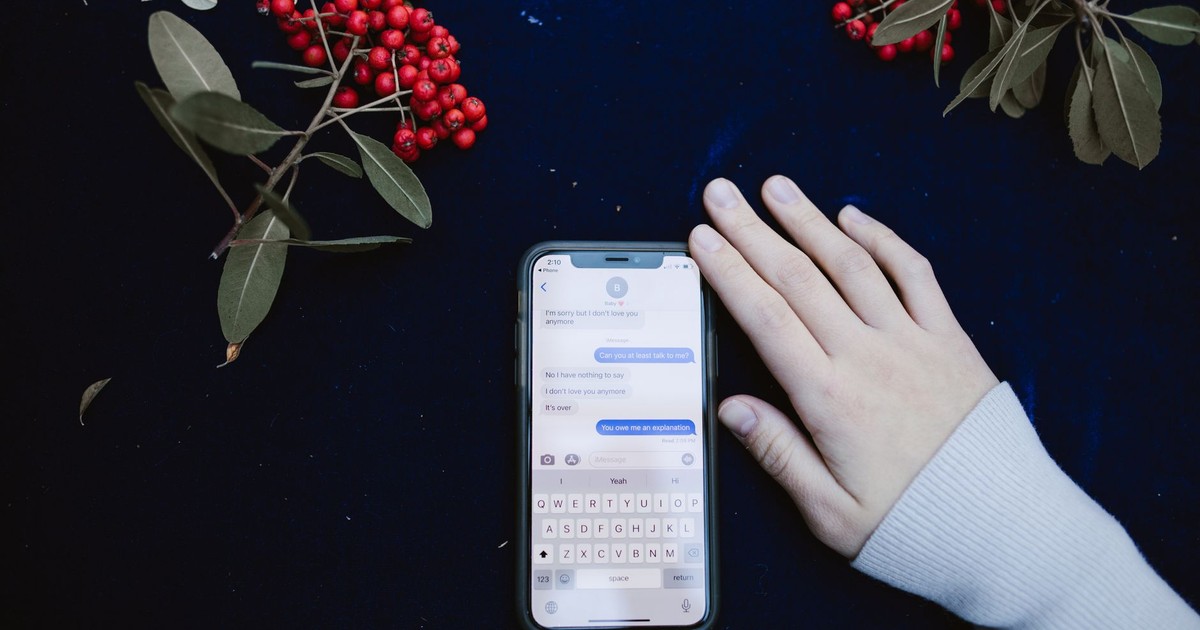
Receiving a text that says “ok sounds good” from someone in their twenties isn’t indifference. It’s a tonal choice, and a deliberate one. Lowercase typing signals that a message isn’t serious or formal, with capitalization reserved for emphasis or stronger emotion.
The inversion of what older generations learned is almost total here. Where a Boomer might write “OK, sounds good!” and mean warmth and agreement, a Gen Z reader can experience that capitalization and exclamation mark as slightly alarming, or at minimum, weirdly intense. Capital letters can feel too formal or aggressive in casual conversation, and when a Gen Z person suddenly uses proper capitalization, it often signals seriousness or irritation.
Text messages that end with a period are perceived to be less sincere than messages that do not, according to research from Binghamton University. For many older readers, that same period is simply correct punctuation, carrying no emotional weight. Gen Z read it as a door closing. The same punctuation mark, two completely different emotional registers.
3. Sending Voice Notes Instead of Calling

Voice notes have emerged as a popular middle ground. Among 18-34-year-olds, 37% prefer voice notes over phone calls, a striking contrast to just 1% of 35-54-year-olds who say the same. To many Boomers, this seems backwards. If you’re going to talk, just call. But that misses the point of what voice notes actually offer.
A voice note is asynchronous. You record it when it suits you, they listen when it suits them. Nobody has to be “on” at the same time. Gen Z appreciates voice notes because they offer a more personal touch than text but without the full commitment of a phone call. You get the emotional register of someone’s voice, the warmth, the laughter, the tone, without either person having to be free at the same moment.
For older generations who grew up scheduling their social interactions around the phone being free, this can feel like an unnecessarily complicated workaround. But for someone who manages most of their relationships via text and DMs, a voice note feels like a meaningful upgrade. It’s a way of saying “you’re worth more than a typed reply” without requiring both people to be available simultaneously.
4. Leaving Read Receipts On and Not Replying

Read receipts might be the single most generationally divisive feature in the history of messaging apps. For Boomers, seeing “Read 2:47pm” and then silence is a small social injury. You know they saw it. Why haven’t they replied?
Gen Z, almost uniformly, doesn’t experience it this way. Reading a message and replying later isn’t avoidance. Not replying immediately signals that you trust the relationship enough to not perform urgency. The reply will come when the person has something worth saying, and in the meantime, the open receipt is just a receipt, not a rebuke.
What Boomers tend to do is reply immediately out of courtesy, even if they have nothing useful to add yet. The result is a back-and-forth that runs for twelve messages before the actual information gets exchanged. Gen Z’s version skips that overhead. It can look cold from the outside. From the inside, it’s just honest pacing.
5. Using Memes and GIFs as Complete Responses

Sending a GIF of a celebrity looking skeptical as a response to a plan you disagree with is, in Gen Z communication, a full and valid reply. So is sending a meme that captures exactly the mood of a situation. For this generation, images and visual content serve as shorthand that improves contextual awareness and emotional expressiveness, combining with text to form a hybrid language that can be difficult for older generations to decode.
The logic is compressed but coherent. A well-chosen image does something a sentence struggles to do: it captures a feeling precisely, without the risk of coming across as too earnest or too blunt. Humor, identity, and connection are wrapped into the image itself. Sending the exact right meme to the right person at the right moment is an act of intimacy.
Boomers who receive a meme in response to a heartfelt message may experience it as deflection or a lack of engagement. The sender is communicating in their most fluent mode. Gen Z grew up inside an internet that spoke in images, irony, and compressed cultural references. A typed paragraph can feel stiff and overwrought compared to a single frame that says everything.
6. Discussing Mental Health Openly and Early

Gen Z views openness as strength, and they’re more likely to talk about mental health, identity, and emotional limits in both personal and professional spaces. When Boomers perceive that as oversharing, Gen Z sees it as being real.
The disconnect runs straight into different assumptions about what counts as private, what counts as professional, and what self-disclosure actually means. A Boomer colleague who grew up in a culture where emotional content was kept firmly out of the workplace may find it jarring when a Gen Z coworker mentions anxiety, burnout, or the need for a mental health day in a matter-of-fact tone.
For Gen Z, concealing those things would feel dishonest. They grew up in an era when mental health conversations moved from stigmatized whispers to open public discourse, largely through social media. Talking about your stress isn’t a cry for help. It’s just honesty about what’s actually happening.
7. Skipping Greetings and Getting Straight to the Point

Starting messages with “Hello” or ending with “Sincerely” or “Best regards” is considered extremely unusual in Gen Z communication norms. A Gen Z text or Slack message might just begin with the thing it needs to say. No “Hi,” no preamble, no pleasantries. Just the information.
Baby Boomers generally prefer formal meetings, detailed memos, and chain-of-command communication, while Gen Z gravitates toward fluid, collaborative environments: Slack messages over meetings, emojis over formal sign-offs. The removal of the greeting isn’t a snub. It’s an efficiency decision rooted in how text-based platforms feel different from letters or emails. A text conversation is already ongoing. The greeting happened implicitly when the contact was saved.
For anyone who learned to write letters, where the salutation was the first signal of the relationship’s temperature, an opening message that jumps straight to the content can read as brusque. But the content is what matters, Gen Z would say. They got to it faster. That’s the point. Exploring how generational differences affect relationships more broadly can help make sense of why these clashes happen not just at work but inside families.
8. Using the 💀 Emoji to Express Laughter

Nothing dates your digital communication faster than certain emojis. According to a 2026 emoji guide, the 😂 face is now considered deeply uncool by Gen Z. Oxford Dictionaries named 😂 its Word of the Year for 2015, a recognition of how dominant it once was, but for Gen Z today it feels performative and outdated. Gen Z replaced it with 💀 to mean “I’m dead” from laughing, or simply types “lmao” in lowercase.
This bewilders older generations fairly consistently. The skull emoji, which most people over 40 associate with death, poison warnings, or Halloween, has been completely repurposed as an expression of finding something so funny you’ve figuratively died. The emoji hierarchy is complex and constantly shifting, with the 😂 emoji now read as outdated while 💀 or 😭 signal genuine laughter.
The generational confusion runs in both directions. When a Boomer sends a thumbs-up emoji sincerely, it can land as sarcastic or passive-aggressive to a Gen Z reader. When a Gen Z person sends a skull, the Boomer wonders if something has gone badly wrong. Neither person is communicating carelessly. They’re using the same symbols to mean entirely different things, and nobody handed out a translation guide.
9. Ghosting as a Response to Conflict
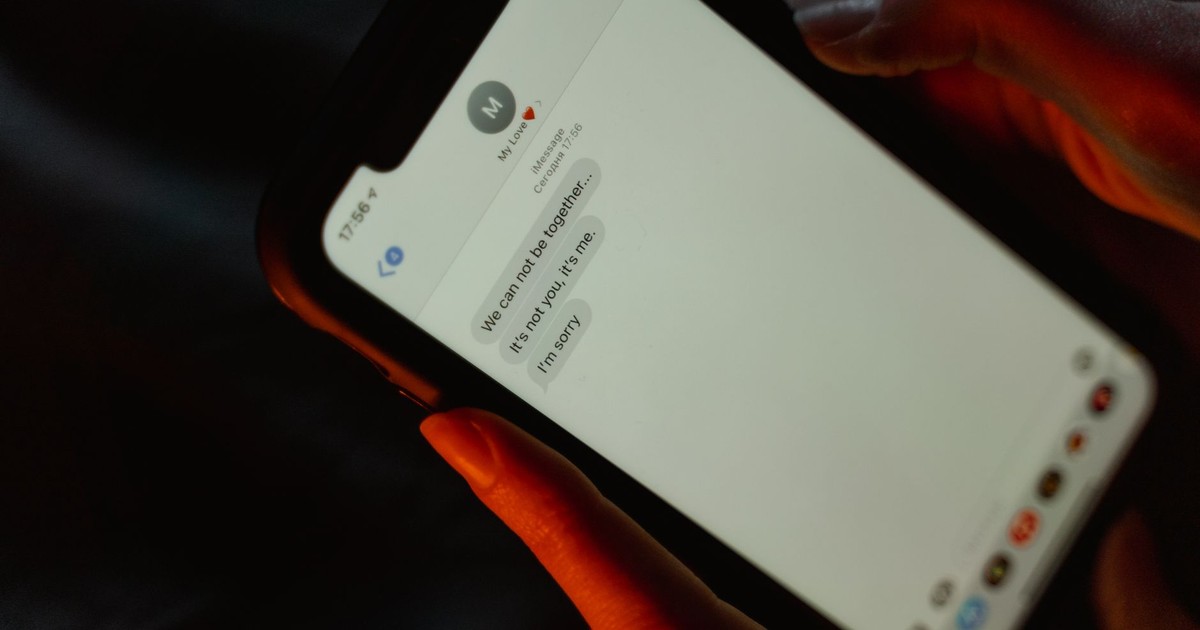
Ghosting, stopping communication entirely without explanation, is widely understood as unkind. But Gen Z’s relationship with it is more complex than a simple refusal to engage. Across friend groups, online communities, and even some workplace settings, going silent after a conflict has become a recognized, if controversial, communication choice.
Gen Z grew up in a social ecosystem of fluid hierarchies and open dialogue. When a situation feels unsafe or unresolvable, many Gen Z people withdraw rather than engage in a confrontation they feel won’t go anywhere. That withdrawal is read, by older generations, as cowardice or passive aggression.
Gen Z’s ghosting often follows a calculation rather than an impulse: if the conversation isn’t going to change anything, why have it? That logic doesn’t always hold, and the damage it does to the person being ghosted is real regardless of intent. But calling it simple rudeness misses what’s driving it.
10. Preferring Text Over a Face-to-Face Conversation for Difficult Topics

A difficult conversation, for Boomers, is typically something you have in person or at least over the phone. Tone of voice matters. Eye contact matters. The physical presence of the other person signals that the conversation is serious and that you respect them enough to show up for it.
Younger adults, having grown up digital-first, often favor messaging even for slow, deliberate exchanges. For Gen Z, working through something difficult over text means you have time to say exactly what you mean. You can read back what the other person said before you react. You’re not put on the spot, and neither are they.
The medium changes, but the desire for honest conversation is the same. The screen isn’t a barrier to Gen Z, it’s where they feel most able to be precise. That’s worth holding onto when an older colleague or family member interprets a text conversation about something serious as a sign you don’t care enough to show up.
11. Replying Out of Order or Hours Later
Texting doesn’t follow the rules of live conversation. Gen Z expects to reply when they have something to say, not within minutes of receiving a message.
For Boomers, who experienced communication as a real-time event, you called, someone answered, you talked, a delayed response without explanation feels like a statement. It feels like the other person doesn’t care, or is making you wait deliberately. Neither of those interpretations is usually accurate.
Gen Z moves between multiple conversations simultaneously, across multiple platforms, and manages all of them on their own schedule. A reply that comes four hours after the message was sent isn’t negligence. It’s just the rhythm of asynchronous communication applied to relationships as naturally as it’s applied to email. The relationship isn’t suffering. The timeline is just different.
12. Communicating Entirely Through Reaction Emojis
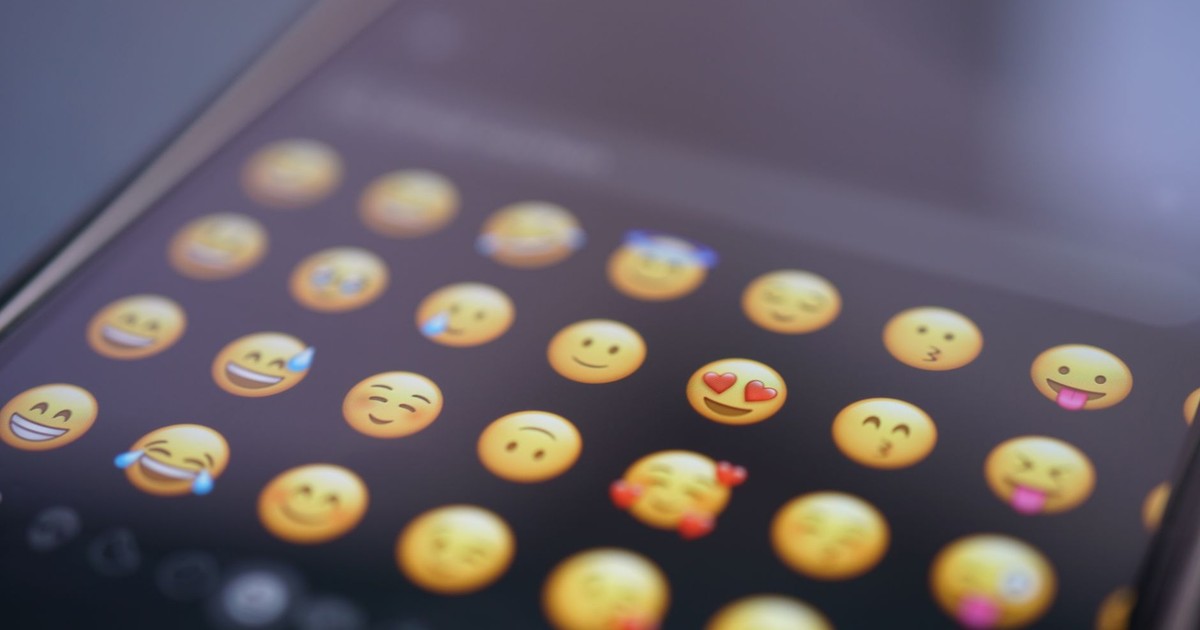
In iMessage, Instagram, and most major platforms, you can respond to a message with a single emoji reaction, a heart, a laugh, an exclamation mark, without typing a word. Boomers, in the main, experience this as a non-response. You acknowledged the message, sure. But did you actually respond?
For Gen Z, a heart on a photo someone shared means “I see this and it made me feel warm.” A skull on a joke means “this destroyed me.” A simple thumbs-up means “acknowledged, no further comment needed.” Each one is a complete communication act. The economy of it is the point.
Gen Z has compressed what Boomers would have put into a short email into a single icon. That compression isn’t laziness. It’s fluency in a visual language that developed entirely within their lifetime.
13. Radical Directness About Saying No

Perhaps the sharpest edge in Gen Z communication habits is this one: they say no, and they don’t perform extensive regret about it. “I can’t make it” without a detailed apology or alternative suggestion. “That doesn’t work for me” without a paragraph of softening language. “I’m not comfortable with that” as a complete sentence.
Gen Z is often unfairly labeled as overly sensitive, but they value authenticity and resist anything that reads as evasive or insincere. The same directness that makes them willing to say no clearly also makes them resistant to corporate-speak, performance apologies, and indirect phrasing that softens a message until it means nothing.
According to ThoughtFarmer, Gen Z is anticipated to make up a third of the workforce by 2030, bringing unique communication preferences and expectations that challenge traditional workplace norms. For Boomers who were trained to say no through layers of polite indirection, “I’d love to but unfortunately…” the directness can feel like a lack of social grace. For Gen Z, those layers feel dishonest. They’re not being rude. They’re just answering the question that was actually asked.
What Nobody Told Either Side

What these 13 habits have in common is that none of them were designed to be rude. They evolved inside a generation that grew up with entirely different communication infrastructure, different ideas about privacy, different relationships to time and attention, and a different sense of what sincerity looks like. Calling them rude is a bit like calling someone rude for writing with their left hand.
That said, understanding where a habit comes from doesn’t dissolve the friction it creates. A Boomer who never gets a verbal greeting from a Gen Z colleague will still feel the absence of it, even after reading this. A Gen Z person who gets an unscheduled phone call will still feel the spike of dread, even knowing the caller meant well. The gap isn’t closed by explanation alone.
Some of these patterns go back further than the generational label does. The preference for control over communication timing, the aversion to performed politeness, the comfort with images over words, these were shaped by platform design, by adolescence spent on social media, by a decade of watching institutions say one thing and do another. Naming that isn’t a solution. But it’s usually where an honest conversation between generations actually starts.
Disclaimer: This information is not intended to be a substitute for professional medical advice, diagnosis, or treatment and is for information only. Always seek the advice of your physician or another qualified health provider with any questions about your medical condition and/or current medication. Do not disregard professional medical advice or delay seeking advice or treatment because of something you have read here.
AI Disclaimer: This article was created with the assistance of AI tools and reviewed by a human editor.