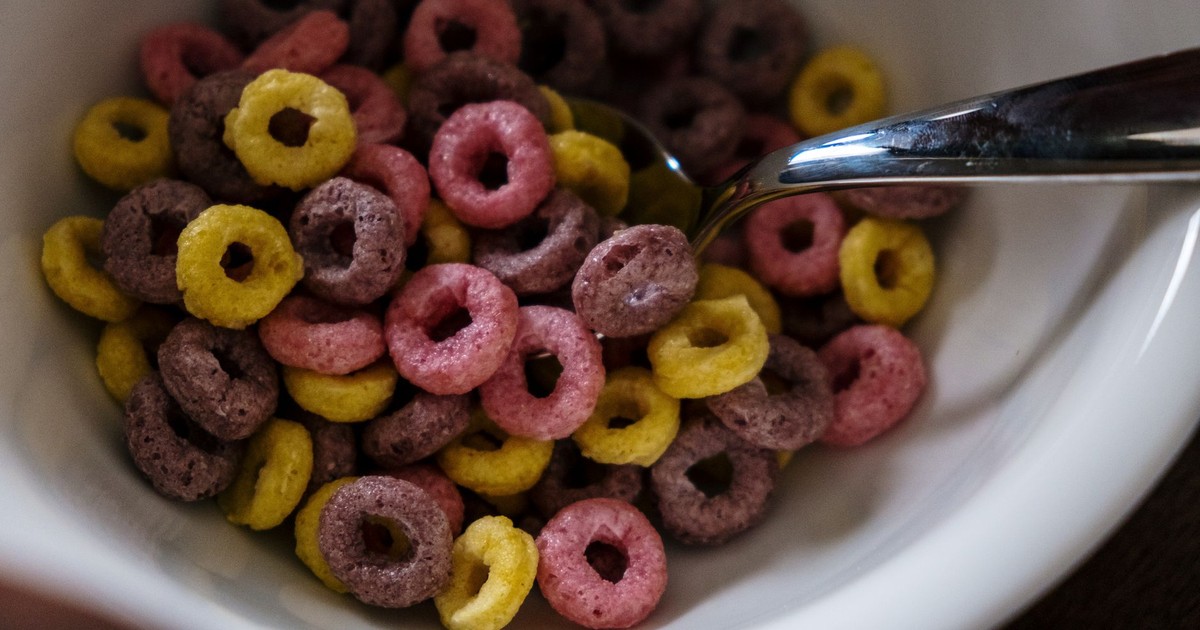

The box has barely changed in sixty years. Same cartoon toucan, same insistence that the loops are fruit-flavored, same electric rainbow that your kids recognize from ten feet away in a grocery aisle. But starting later this year, the thing that makes those colors so impossibly bright will be gone from every Kellogg’s product on the shelf.
WK Kellogg Co announced an accelerated timeline to eliminate all artificial colors and the preservative BHT across its full portfolio of cereals and cereal packaging. The company will remove artificial dyes in cereals from all its products by the end of 2026, a full year ahead of the schedule it announced in August 2025. For Froot Loops and Apple Jacks, two products whose entire visual identity is built on colors that don’t exist in nature, that’s a significant reformulation.
Kellogg isn’t acting in isolation. It’s moving ahead of a wave that has been building for years, driven by parents, state attorneys general, public health advocates, and the federal government itself.
What’s Actually Being Removed
BHT, or butylated hydroxytoluene, is a preservative used to extend the shelf life of foods. The new recipes will use colors derived from natural sources, including fruit and vegetable juices and other plant-based ingredients. The company has already reformulated cereals served in schools to remove artificial colors and stopped introducing new products containing artificial colors earlier this year.
According to WK Kellogg’s press release, Chief Growth Officer Doug VanDeVelde confirmed the company conducted extensive consumer testing to maintain the original rainbow of colors that fans of Froot Loops have come to expect. Kellogg will switch to six colors derived from fruit and vegetable juices as well as other plant-based ingredients. Turmeric is being used for yellow and annatto for orange.
Getting turmeric to produce the same fluorescent yellow as Yellow 5, a synthetic dye made from petroleum, is not a straightforward swap. Natural pigments behave differently under heat, light, and storage conditions. They fade faster, they interact with other ingredients, and they can alter flavor profiles in ways consumers notice immediately. A significant investment in WK Kellogg processing facilities has been made to support the changes.
The food manufacturer had previously removed synthetic colors from most of its cereals, but some remained in Froot Loops, Apple Jacks and a handful of limited-time offerings, which collectively totaled about 15% of Kellogg’s portfolio. That remaining 15% is now the target, and the company says it will be done before December.
The Pressure That Got Them Here
The company has faced mounting pressure for years to remove artificial ingredients from its cereals and has been forced to do so in countries such as Canada and the EU bloc. American consumers have been eating versions of Froot Loops that differ from the Canadian version for decades.
Federal regulators added to that pressure in 2025. The FDA announced in April 2025 a plan to phase out petroleum-based food dyes found in breakfast cereals, drinks, candy, and other food items, with FDA Commissioner Marty Makary stating the dyes are associated with health problems, particularly in children. The FDA also moved to revoke authorization for two additional artificial food dyes and committed to establishing a national standard and timeline for the food industry to transition from petroleum-based dyes to natural alternatives.
State governments didn’t wait for federal action. California banned certain synthetic dyes from foods used in school lunches in 2024, set to go into effect in 2027. West Virginia passed a bill banning seven synthetic dyes from products sold in the state, which will go into effect by 2028. Texas took a different route. Texas Attorney General Ken Paxton signed an agreement with Kellogg assuring his office that the company would permanently remove toxic dyes from its cereals by the end of 2027, after launching an investigation into whether Kellogg violated state consumer protection laws by continuing to use artificial dyes.
That agreement set a 2027 deadline. Kellogg is now beating it by a year.
More than 25 states are currently considering legislation that would ban synthetic food dyes and other food chemical additives linked to ADHD and hyperactivity in children, among other health concerns.
Why Cereals Specifically
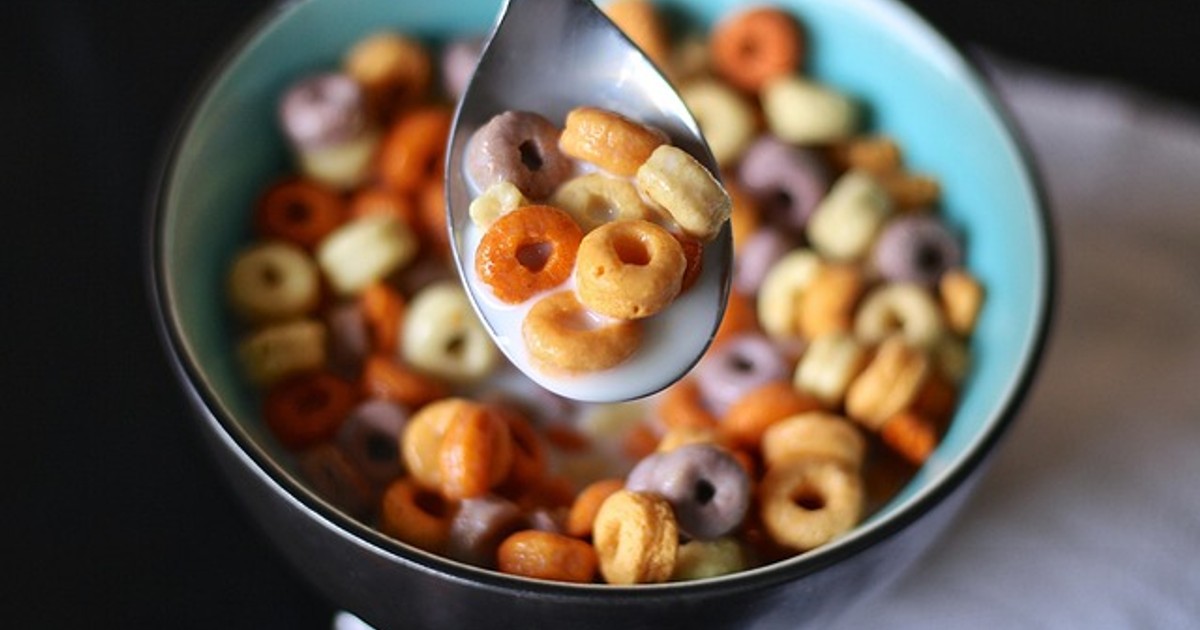
Breakfast cereal sits at an uncomfortable intersection: it’s marketed heavily to children, it’s eaten daily, and it’s historically been one of the most synthetically colored food categories on the shelf. The dyes in question, Red 40, Yellow 5, Yellow 6, Blue 1, Blue 2, and Green 3, are what give products like Froot Loops their signature look.
A March 2026 nationally representative survey from Consumer Reports found that 72 percent of adults say they are at least somewhat concerned about the use of synthetic dyes in food, and 66 percent say food and drug companies should be required to phase them out.
The Rest of the Industry Is Moving Too
Kellogg is the headline today, but it’s part of a broader industrywide shift that has accelerated sharply over the past 18 months.
General Mills, known for cereals such as Cheerios, Trix, and Lucky Charms, pledged to eliminate certified colors from its US cereals and K-12 school foods by summer 2026, and from its entire US retail portfolio by the end of 2027. According to Food Dive’s reporting, WK Kellogg had already removed synthetic colors from most of its cereals before this latest announcement, with the remaining products containing artificial colors totaling about 15% of its portfolio.
General Mills has been down this road before, and it didn’t go smoothly. After the Minnesota company reformulated Trix cereal in 2016 with natural colors, sales declined after consumers complained about the duller, less vibrant hues. For a product targeted at children, the visual is part of the promise.
Kraft Heinz committed to removing all traces of synthetic dyes from its US portfolio by the end of 2027, while also pledging to stop launching any new US products containing FD&C colors immediately. Nestlé followed suit, saying it will eliminate artificial colors from its US food and beverages by the middle of 2026. Nestlé has pledged to remove artificial dyes before. Early in 2015, the company said it would remove artificial flavors and colors from its products by the end of that year, but the promise didn’t hold. This time, with legal pressure from state attorneys general and federal regulators watching, the stakes for non-compliance are considerably higher.
What This Means for the Cereal Aisle
VanDeVelde said the company identified natural solutions for every color and expressed confidence that families will love the updated recipes without compromising on quality or taste. The 2016 Trix situation is a reminder that consumers are sometimes more attached to the visual they grew up with than they realize.
The shift also applies to the packaging itself. WK Kellogg has made a significant investment in its manufacturing facilities to support the transition to natural colors at scale, and the change is also tied to the company’s new SPOONS on-pack nutrition guide, which focuses on simplicity of ingredients.
For families who have been avoiding certain cereals specifically because of the dye content, the timeline matters. Production of cereals with the new recipes, including Froot Loops and Apple Jacks, will begin later this year, with food shipping to retailers before year-end. That means reformulated products should start appearing on store shelves before 2027. The transition won’t be instantaneous, older inventory will still exist in the supply chain for some months, but the shift is real and it’s coming quickly.
What to Make of All This
Kellogg has been selling Froot Loops in the US with synthetic dyes long after it reformulated the same product for Canadian and European markets, where regulators required the change. The acceleration happening now is a response to regulatory pressure, consumer purchasing shifts, legal exposure from state-level investigations, and the growing commercial risk of being on the wrong side of a 66-percent consumer majority.
Petroleum-derived dyes serve no nutritional function. Removing them from the food supply costs consumers nothing and addresses a set of health concerns, particularly around children’s behavior and development, that regulators on multiple continents have taken seriously for years.
For decades, the cost of reformulation outweighed the commercial pressure to change. That balance has flipped. When two-thirds of your consumers want mandatory phase-outs, when state attorneys general are signing legally binding agreements, and when your product is being served in school cafeterias that are now required to be dye-free, the business case for keeping synthetic dyes becomes harder to make than the case for removing them. Kellogg figured that out a year ahead of its own deadline. The rest of the industry is reaching the same conclusion on a rolling basis. By the time most families notice the change on the shelf, the cereal industry’s relationship with artificial dyes will largely be over.
AI Disclaimer: This article was created with the assistance of AI tools and reviewed by a human editor.
Disclaimer: This information is not intended to be a substitute for professional medical advice, diagnosis, or treatment and is for information only. Always seek the advice of your physician or another qualified health provider with any questions about your medical condition and/or current medication. Do not disregard professional medical advice or delay seeking advice or treatment because of something you have read here.