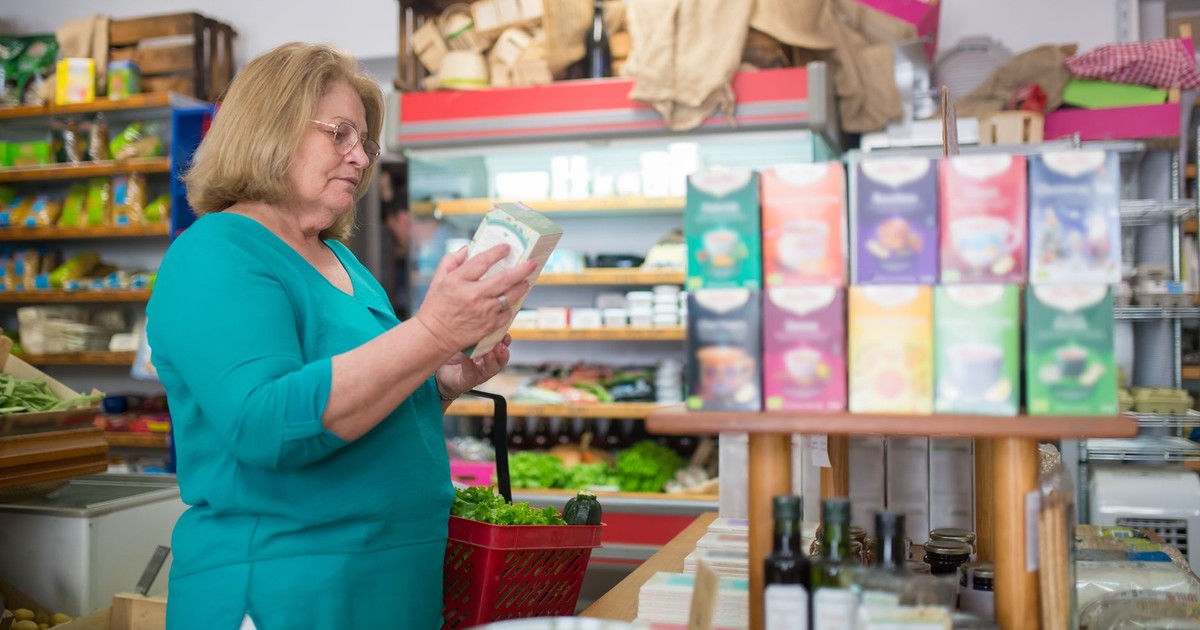

The grocery store is one of the most extensively engineered environments most people walk through on a weekly basis, and it has been that way for decades. The difference now is that the tools retailers use have grown more precise. Pricing software, loyalty card data, store layout analytics, and shelf-placement research all feed into a system designed to increase how much you spend per visit. None of it is random. None of it is neutral.
These practices affect every shopper, but they don’t affect every shopper equally. Older adults tend to visit the store more consistently, stick to familiar products, trust discount signage more readily, and are more likely to be living on a fixed income where an extra $30 here and there is not inconsequential. The habits that make someone a dependable, loyal customer also make them predictable in ways that grocery retailers have learned to work with.
Knowing what those grocery store tactics seniors encounter most often are doesn’t require becoming cynical about every Tuesday sale. But it does mean paying attention to different things than you’ve been conditioned to notice.
1. Senior Discount Days That Aren’t Actually Discounts
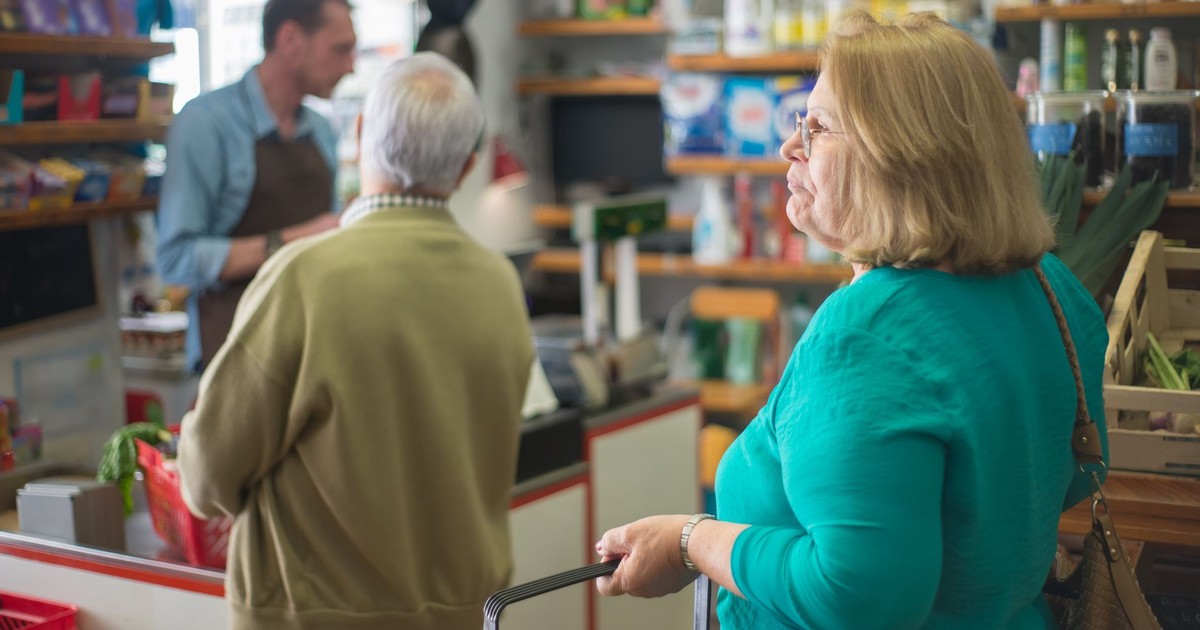
The senior discount day is one of the most trusted fixtures in grocery shopping for older adults. Show up on Wednesday, flash your loyalty card, and get 10 percent off. Except the base prices of the items you buy most often are sometimes quietly raised in the days before that discount applies, leaving you paying roughly what you’d have paid on any other Tuesday.
Retailers understand that a promotional banner creates psychological cover. The shopper feels rewarded, which lowers their guard around the actual shelf price. Comparing the unit price on your usual oatmeal or canned tomatoes in the week before and after senior discount day will often tell you more than the banner ever will. If you’re making a special trip for the discount, make sure you’re actually getting one.
2. The Pharmacy at the Back of the Store

Placing the pharmacy at the far end of the building is one of the oldest grocery store tactics seniors encounter, and one of the most effective. The walk from the entrance to the pharmacy counter takes you past bakery displays, seasonal promotions, prepared foods, and end-cap items that carry the highest markups. Research on in-store decision fatigue is consistent: after a certain threshold of time spent shopping, decision-making tilts emotional.
Researchers at Bangor University used brain-scanning technology to study how shoppers evaluate promotions and special offers. Around 23 minutes into a simulated grocery shop, participants began making choices with the emotional part of the brain rather than the cognitive part. After 40 minutes, nearly all participants were purchasing emotionally rather than rationally. By the time you’ve picked up your prescription, you’ve been walking past temptation long enough that your resistance is genuinely lower, not as a personal failing, but as a predictable biological response that store design relies on.
3. Eye-Level Shelf Placement for High-Margin Items
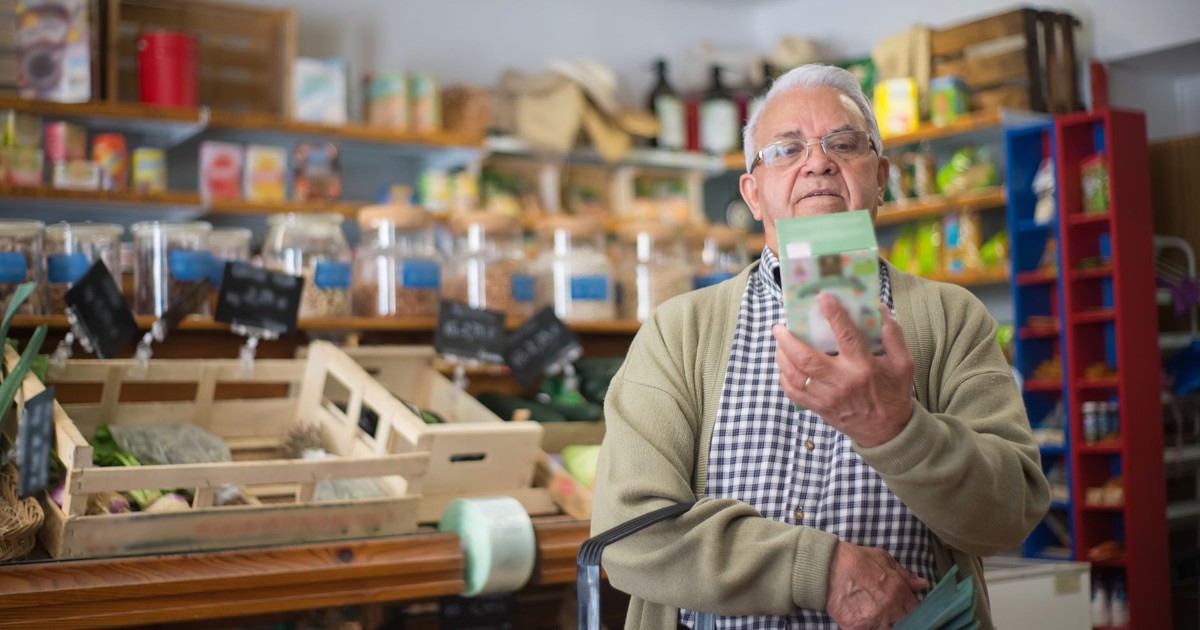
Shelf placement is not neutral. The products positioned between waist and chest height, what retailers call the “grab zone,” carry the highest price tags and the fattest margins. The cheaper alternatives, including store-brand versions of the exact same product, are almost always on the top shelf or near the floor.
Research using eye-tracking technology, detailed in The Art of Shopping by Siemon Scamell-Katz, found that shoppers naturally look lower than eye-level, to somewhere between waist and chest level. That grab-level space has become the most sought-after and expensive real estate for consumer goods companies as a direct result. For anyone who finds bending or reaching uncomfortable, the store layout doubles down on that instinct by making the convenient item the expensive one. Looking up or crouching down to read a lower shelf is almost always worth the effort.
4. Shrinkflation Hidden Inside Familiar Packaging
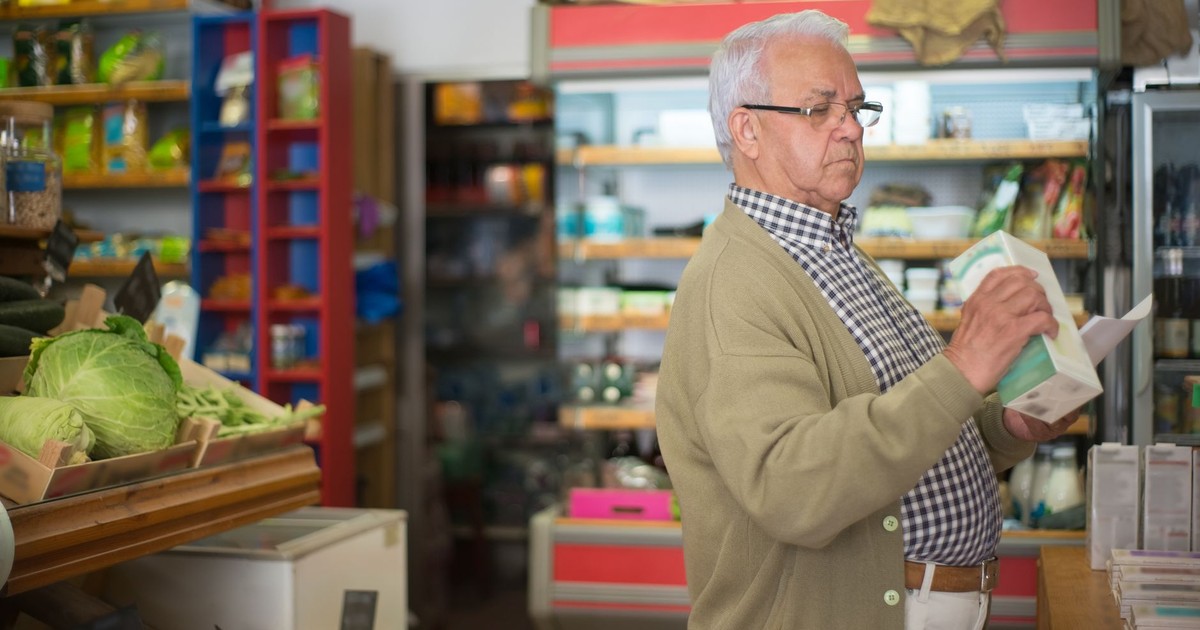
The package looks exactly the same. The price is the same, or close to it. But there are now 14 ounces where there used to be 16, or 10 sheets where there used to be 12. Shrinkflation is the practice of reducing product size while maintaining price, and it has become one of the most widely documented forms of hidden grocery inflation in recent years.
According to data from Capital One Shopping, 75 percent of Americans have noticed shrinkflation at their grocery store, and among them, 81 percent have taken some kind of action as a result. According to a LendingTree survey, 66 percent of shoppers who noticed shrinkflation stopped buying the offending product. Older shoppers who rely on familiar brands and consistent meal planning are hit particularly hard, because shrinkflation works only if the shopper doesn’t notice. Some major brands reduced product sizes by over 30 percent in 2025 without reducing prices. Checking net weight rather than just price per package is the only reliable defense.
5. Nostalgia-Branded Products That Charge a Premium

Grocery stores and food brands both understand that older shoppers often have strong emotional attachments to specific brands. A product that has been on kitchen shelves for decades carries real loyalty, and that loyalty is worth money to the manufacturer. The result is a growing category of “heritage” and “original recipe” products that command premium prices almost entirely on the strength of familiarity.
The label says the same thing it said in 1985. The formula may or may not have changed. But the price is 30 or 40 percent higher than the store-brand equivalent sitting two shelves down, which is frequently produced by the same manufacturer in the same facility. For shoppers on a fixed income, the emotional pull of a familiar brand is one of the most expensive habits to maintain, and one of the easiest to question once you know it’s happening.
6. Lighting Designed to Make Expensive Items Irresistible
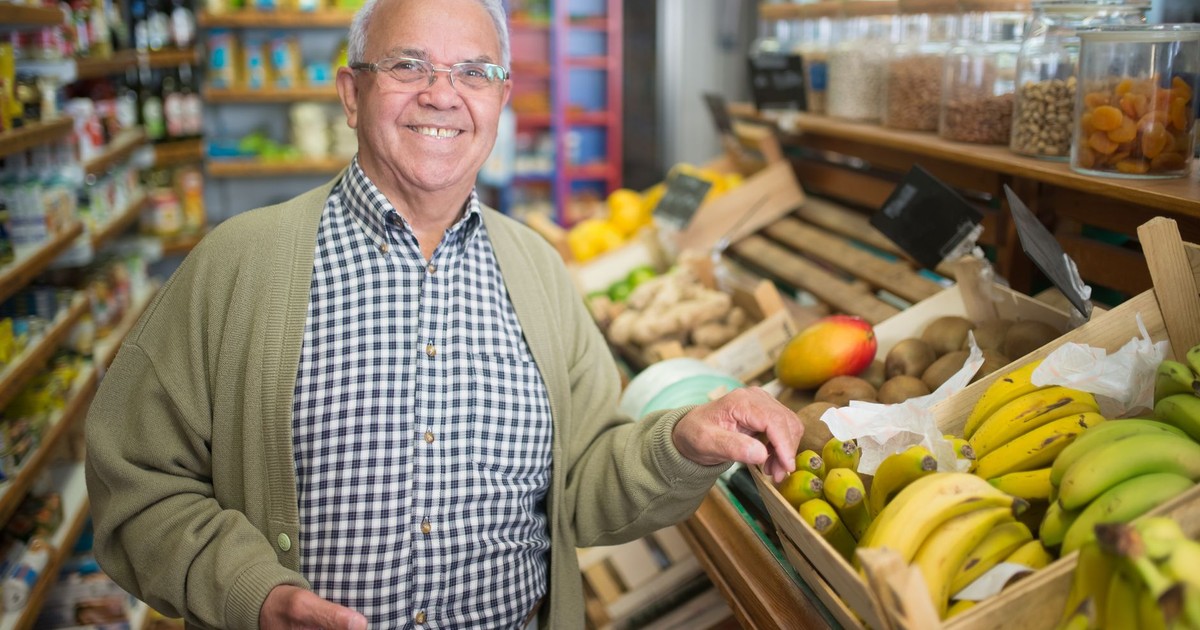
Grocery stores invest heavily in lighting design for retail spaces, and not for your benefit. Warm, saturated lighting over the fresh produce section makes tomatoes look riper, steaks look redder, and pastries look freshly baked. The purpose is to make those departments, which carry among the highest margins in the store, feel as appealing as possible at the moment you walk past them.
Studies also show that certain colors appear less vibrant as we age, meaning high-contrast lighting and color choices affect how older adults perceive and engage with products. The beautiful glow over the artisan cheese counter is an engineered effect, not ambient light. The cheese under it is usually twice the price of the block in the refrigerated case around the corner.
7. Store Layout Changes That Force Longer Trips
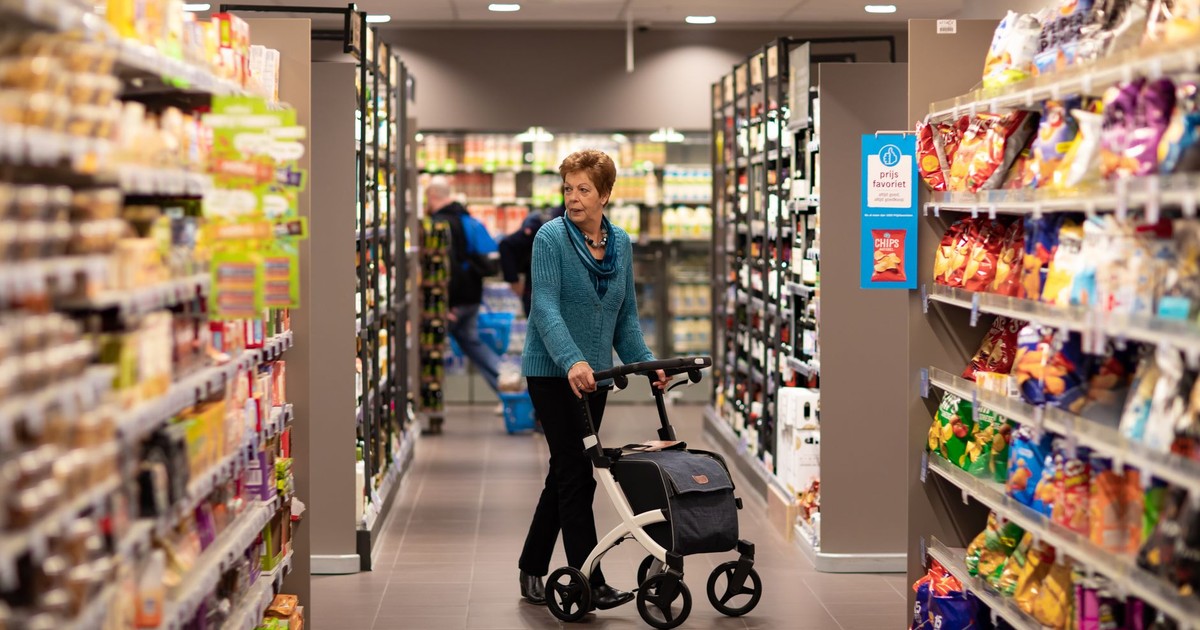
You knew where the pasta was. You’ve bought it in aisle 9 for three years. Then one Thursday it’s gone, and you spend 12 minutes finding it in what used to be the baking supplies section. Supermarkets don’t reorganize because they’ve run out of ideas. They do it because a shopper who has memorized the layout spends less time inside, and less time inside means less exposure to products they hadn’t planned to buy.
Supermarkets deliberately avoid consolidating essential products in one aisle. The wandering through product-filled middle aisles is the point, not an inconvenience. Periodic layout changes reset that familiarity and force loyal customers to browse again. For older shoppers who may already find a long trip physically tiring, the extended walk translates directly into more fatigue, and more fatigue makes saying no to unplanned items harder.
8. Checkout Lane Impulse Items Targeting Decision Fatigue

By the time you reach the checkout lane, you’ve made dozens of small decisions. You’ve compared prices, chosen between brands, navigated the store, and resisted at least a few things you didn’t need. That accumulated effort depletes the mental resources you’d normally use to evaluate a purchase calmly, and the checkout aisle is designed around exactly that.
After roughly 40 minutes of shopping, brain-scanning research shows that nearly all shoppers shift to emotional rather than rational purchasing, which is precisely what supermarkets use to influence spending at the end of a trip. The items placed at checkout, including candy, magazines, single-serve snacks, batteries priced at double what they’d cost in the electronics section, and travel-size toiletries at per-ounce rates that would embarrass a hotel minibar, are stocked specifically because they sell to tired people making unreflective choices. Setting a hard budget before you enter, and treating the checkout lane as a no-buy zone, makes more difference than most people expect.
9. Loyalty Program Data Used Against You

Loyalty programs appear to work in your favor: you swipe the card, you get the sale price. But the data those cards collect is extraordinarily detailed. Your store knows exactly what you buy, how often you buy it, what you’re willing to pay, and which prices make you switch to a competitor. That data is used to personalize your experience in ways that aren’t always to your advantage.
According to a December 2025 AARP survey, 78 percent of adults 50-plus say they are concerned about grocery prices, and 48 percent say rising costs have significantly changed how they feed their households. Many of the most accessible savings at major chains are now filtered through loyalty programs that heavily favor younger consumers, leaning on features like app-based gamification and experiential rewards. For older shoppers specifically, a loyalty program may simultaneously be flagging you as price-insensitive on certain items, meaning you may never see a promotional offer on the categories where you’re most loyal. Periodically check whether the “member price” you’re paying is actually lower than what a competitor charges without any card at all.
10. Anchor Pricing That Distorts What “Good Value” Looks Like

You’ve seen the label: “Was $8.99, Now $5.99.” The $8.99 exists primarily to make $5.99 feel like a deal. Price anchoring is one of the most thoroughly studied techniques in retail psychology. The original price doesn’t have to have been real or recent, it just has to be visible so your brain uses it as a reference point.
The impact of price anchoring is amplified by loss aversion, a cognitive bias in which losses feel significantly more painful than equivalent gains feel good. That’s why a “limited time” price reduction hits harder than simply finding a cheap product. You’re not just buying something at a good price, you’re rescuing yourself from a loss. Older shoppers who grew up in an era when sale signage was relatively trustworthy may be more susceptible to anchor prices that have been engineered rather than earned. The unit price sticker on the shelf edge, not the promotional banner above it, is the number that actually tells you what something costs.
11. Bulk-Buy Pressure That Doesn’t Suit Single-Person Households
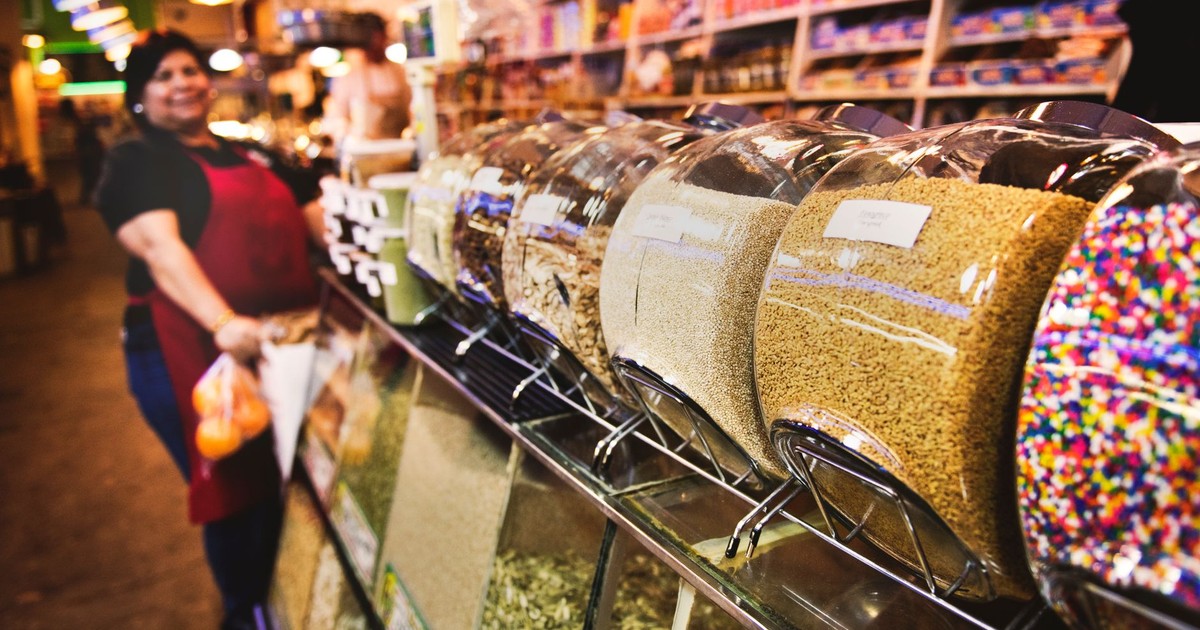
The “Buy 3, Save $1.50” offer looks excellent if you have a family running through pasta sauce every couple of weeks. If you’re cooking for one or two, it’s frequently a way to spend more than you intended on items that will sit in a cabinet until they expire. Stores know their demographics well enough to know that older shoppers, who are more likely to live in smaller households, are also more likely to overbuy when a multi-unit promotion is framed persuasively.
The per-unit math almost always favors buying the single item if you won’t use three of something before it goes bad. Most stores are required to display the unit price on the shelf tag, and that number, cost per ounce or cost per count, is the only figure worth comparing. A deal that results in a bag of brown rice sitting at the back of the pantry for eighteen months is not a deal. Among the grocery store tactics seniors encounter regularly, bulk-buy pressure is one of the easiest to neutralize simply by doing the arithmetic before putting anything extra in the cart.
12. Subscription and Digital-Coupon Barriers That Exclude Older Shoppers

Digital coupons sound straightforward. Log in to the app, click the offer, save at the register. But for shoppers who don’t use smartphones comfortably, or who aren’t set up with the store’s app ecosystem, those savings are simply unavailable. The coupon exists, but only for a specific category of customer. Many of the most accessible savings at major chains are now gated behind digital tools, and the shoppers most affected by grocery price increases are also the ones least likely to access them.
Some stores have begun installing coupon-loading kiosks near the entrance for shoppers without smartphones, and asking customer service whether one exists in your location is worth trying. Asking a cashier to manually apply a digital deal that you found in the weekly circular but couldn’t load digitally is also worth trying more often than most shoppers do. Stores would generally rather give you the promotional price than lose the sale entirely.
What to Do With All of This
Knowing these tactics doesn’t make every grocery run a battle, but it does change what you pay attention to. The senior discount day is worth verifying rather than assuming. The unit price tag at the bottom of the shelf often beats the product at grab level. The checkout lane was designed for a tired version of you who has already spent 40 minutes making decisions, and it works because that’s exactly who arrives there.
Markups, slotting fees, shrinkflation, and strategic product placement all contribute to a pricing environment that rewards manufacturers with the deepest pockets and penalizes shoppers with the fewest options. Carrying a phone calculator, checking net weights on packages that used to feel heavier, and ignoring any banner that uses the word “deal” without showing the math underneath it won’t solve the larger problem. But they shift the advantage, even slightly, back toward the person holding the cart. The store has spent decades studying its shoppers. A few minutes studying the store is a reasonable response.
Disclaimer: This information is not intended to be a substitute for professional medical advice, diagnosis, or treatment and is for information only. Always seek the advice of your physician or another qualified health provider with any questions about your medical condition and/or current medication. Do not disregard professional medical advice or delay seeking advice or treatment because of something you have read here.
AI Disclaimer: This article was created with the assistance of AI tools and reviewed by a human editor.