

The most stubborn myth about the adult brain is that it’s basically done – that by your mid-thirties the wiring is set, the capacity is fixed, and the smartest thing you can do is just try not to lose what you have. The research tells a different story. Neural and cognitive functions in healthy adults begin to decline as early as the late twenties, particularly brain blood flow and speed of mental processing, even in the absence of injury or disease – but that decline is far from inevitable, and it’s certainly not the whole picture. The same brain that starts losing a little processing speed at 28 can grow new connections at 68, provided you give it something worth working on.
The ten mind busy activities below do the opposite of routine. Each one is genuinely enjoyable, each one is grounded in current research, and each one teaches you something in the process – which turns out to matter more than simply “staying busy.”
Why Mental Engagement Actually Works
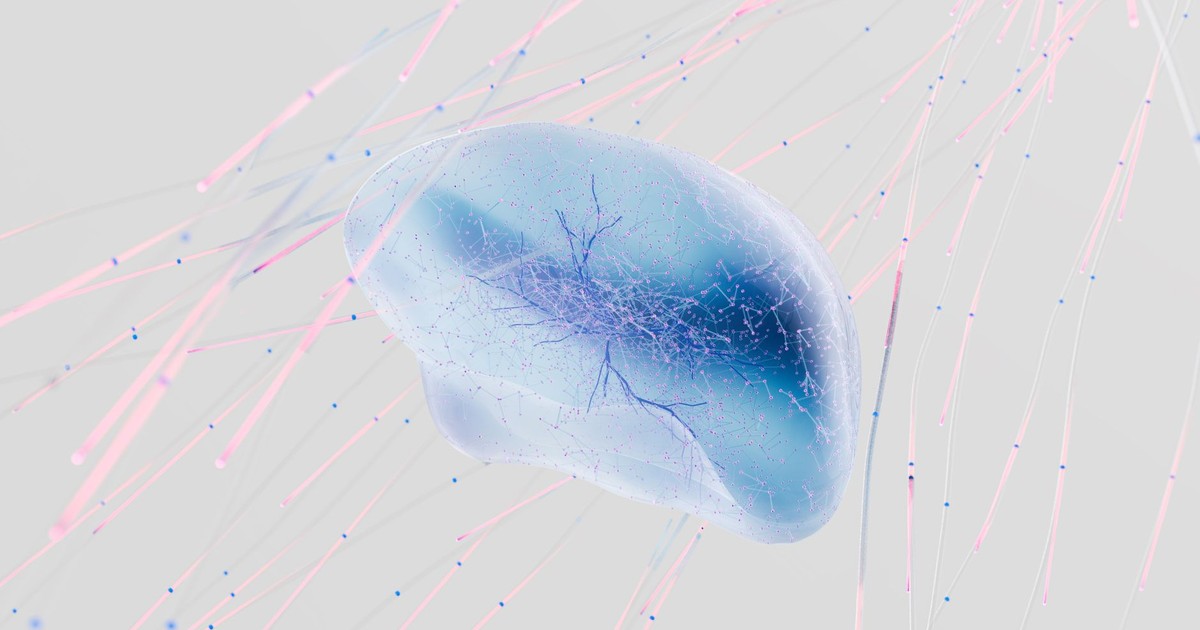
Cognitive engagement activates and strengthens brain networks that are essential for functions like memory, attention, and processing speed. The activities that do this best share one quality: novelty. Your brain doesn’t get much benefit from doing the same crossword puzzle every day once it has figured out the puzzle-maker’s habits. It responds to problems it hasn’t solved before, skills it hasn’t practiced, information it hasn’t encountered. That’s the engine running beneath every item on this list.
Higher engagement with strategy-based learning, coaching, and brain-healthy habits is associated with the greatest gains. You get more from activities you have actively chosen and pursued with some structure than from ones you drift in and out of. Deciding to learn something – and then actually doing it – is itself part of the benefit.
1. Learn a New Language

Few activities demand as much from your brain simultaneously as learning a second language. You’re holding new vocabulary in working memory, applying grammar rules you’ve never used before, and forcing your auditory system to distinguish sounds it has spent decades ignoring. Whether you learn to play a musical instrument or speak another language, you’re training your brain to be more efficient. Researchers have found that musicians and people who are bilingual use fewer brain resources when completing a working memory task. Fewer resources for the same task means the brain is running leaner, with more capacity left over for everything else.
You don’t need to reach fluency for the benefits to accrue. Committing thirty minutes a day to a language app, a class, or even a conversation with a native speaker is enough to keep your brain adapting. Pick a language with a personal hook – somewhere you want to travel, a family heritage you want to reconnect with, a culture whose films or music you already love. The motivation matters because consistency is the variable that separates the people who genuinely improve from the ones who downloaded the app and forgot about it.
2. Pick Up a Musical Instrument

The cognitive case for playing music keeps getting stronger, and the latest research suggests it’s never too late to start. Engaging in music throughout your life is associated with better brain health in older age, and for those who struggle with physical exercise, playing an instrument is a genuinely viable alternative.
A 2026 study from ScienceDaily, reporting on research published in Imaging Neuroscience by scientists at Kyoto University, followed 53 older adults with an average age of 73 who began learning a musical instrument for the first time. Those who kept playing for four years showed significantly less decline in verbal working memory compared to those who stopped, and brain MRI scans showed preserved volume in the putamen and cerebellum – two regions that typically shrink with age. The researchers described it as the first longitudinal study to demonstrate that starting an instrument in older age can protect against age-related memory decline over several years. If you’ve always wanted to play guitar, piano, or even the ukulele, the science is firmly on your side. Start with fifteen minutes of deliberate practice a day – not just noodling, but working on something specific you can’t yet play well.
3. Read Widely and Deliberately

Reading is one of the original mind busy activities, and it earns its reputation. The key word is deliberately. Reading the same genre you always read, in the same comfortable chair, before you fall asleep, is pleasant but not especially challenging. Reading something that pushes back – history you don’t know, a science book aimed at a general audience, a novel translated from a language and culture entirely unlike your own – forces your brain to build new frameworks rather than slot information into existing ones.
The Lancet Commission’s 2024 report on dementia prevention identified 14 modifiable risk factors that together account for approximately 45% of global dementia cases – meaning nearly half of all cases could be prevented by lifestyle changes made across a person’s life. The commission noted that as life expectancies increase, dementia rates continue to climb, with projections suggesting over 150 million people worldwide will be living with dementia by 2050. Regular reading, particularly of complex material, is consistently cited among the lifestyle factors that support long-term cognitive health, precisely because it exercises comprehension, inference, vocabulary, and sustained attention all at once. A good practical approach: keep one “comfortable” book going for pleasure and one “stretch” book going for challenge. Rotate them. One keeps you reading; the other keeps your brain honest.
4. Write – Especially by Hand

Writing by hand is a different cognitive act than typing. When you write by hand, you slow down enough to construct and sequence ideas rather than simply transcribe them, and the motor act of forming letters is itself a form of neural engagement that keyboards bypass entirely. Journaling, writing letters, keeping a commonplace book of ideas you’ve encountered – all of these require you to consolidate what you think and know into coherent language, which is one of the most effective memory-encoding techniques available.
A 2025 cross-sectional study published in PMC, which examined activity engagement across stages of cognitive health in older adults, found that meaningful engagement declines as cognitive performance decreases, and concluded that promoting meaningful activities improves quality of life in older adults with decreased cognition. Writing qualifies as that kind of meaningful activity. It’s cognitively demanding in a way that can be scaled – a five-minute daily journal entry is enough to start – and expressing something you’ve experienced or learned deepens how well you retain it.
5. Play Strategy Games and Puzzles
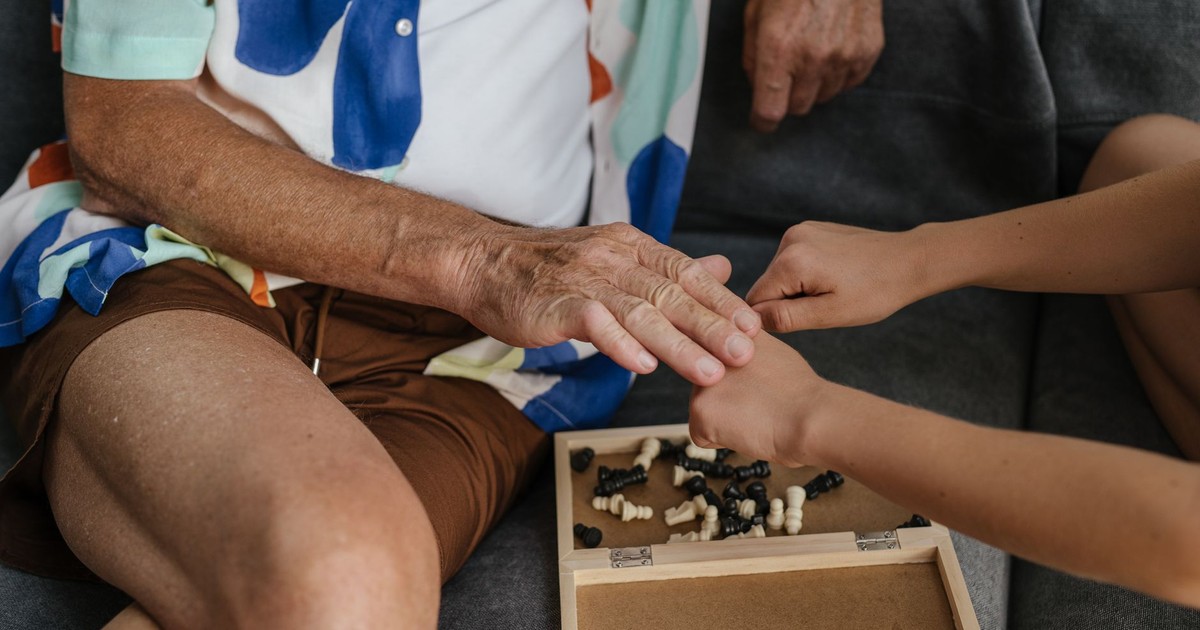
Chess, bridge, Scrabble, Go, logic puzzles, crosswords, sudoku – the family of strategy-based games has consistently appeared in brain health research for one straightforward reason: they require you to hold multiple variables in mind, plan several steps ahead, and revise your thinking when new information arrives. That’s working memory, executive function, and cognitive flexibility all in one sitting.
Taking proactive steps to extend and strengthen brain health over time may be even more impactful than simply addressing risk factors once they appear. Strategy games offer exactly that kind of proactive engagement, and they have the practical advantage of being social. Bridge and chess clubs exist in almost every city and town. Playing against another person raises the stakes slightly and introduces an unpredictability that solo puzzle-solving can’t replicate. The social element is, as it turns out, its own separate cognitive benefit.
6. Take an Online Course in Something Completely New

The last decade made serious learning genuinely accessible. MIT OpenCourseWare, Coursera, edX, and dozens of other platforms now offer university-level content on everything from astrophysics to Roman history, often for free. Structured courses that include lectures, readings, and assignments ask more of the learner than passive browsing, and that additional demand is precisely where the cognitive benefit lives.
According to Stanford Lifestyle Medicine, neuropsychologist Shaliza Shorey, PsyD notes that “parents are constantly enrolling their children in different activities, but we aren’t doing that for ourselves as adults.” An online course is a structured way to correct that. The subject is almost secondary – what matters is that you’re encountering genuinely new information, doing something with it, and being tested on whether you understood it. Pick something you’ve always been curious about but never had a reason to study. Curiosity is underrated as a cognitive driver; the brain retains information better when it actually wants the answer.
7. Learn to Draw, Paint, or Make Something Visual

Visual arts demand a kind of attention that most daily life doesn’t require: careful observation of what’s actually in front of you rather than what you expect or assume to be there. Learning to draw, for example, is largely about training your brain to see accurately instead of falling back on symbols. A drawn apple looks nothing like an apple until the learner starts actually looking at light, shadow, and proportion rather than drawing the apple-shaped idea stored in their head.
Researchers consistently point to a concept called cognitive reserve – the surplus of brain connections built up over a lifetime that gives you a buffer against age-related decline. Creative activities like drawing and painting contribute to that reserve because they require learning entirely new motor skills, visual processing habits, and problem-solving approaches at the same time. Painting, printmaking, ceramics, collage – the specific medium matters less than the fact that you’re doing something your hands and eyes have never done before.
8. Practice Mindfulness or Meditation

This one surprises people who think of meditation as simply sitting still and doing nothing. Done properly, meditation is one of the more demanding mental exercises available. Holding attention on a single point, noticing when the mind has wandered, and returning it – without frustration, without following the distraction – trains the prefrontal cortex (the part of the brain responsible for attention, decision-making, and emotional regulation) in a way that carries over into everything else you do.
Long-term meditators and everyday cognitive performance consistently show differences in attention span and stress response compared to non-meditators. You don’t need an app or a class, though both can help. Twenty minutes in the morning, sitting comfortably, focusing on breath, and gently returning attention each time it wanders, is sufficient. The cognitive gains come from consistency over months, not intensity in a single session.
9. Engage Socially – and Make It Substantive

A thirty-second exchange at the checkout counter doesn’t count. The kind of social engagement that benefits the brain is the kind that involves genuine exchange of ideas: a book club where people actually disagree, a debate with a friend about something neither of you is certain about, a conversation with someone whose background and experience is significantly different from your own. Keywords from recent cognitive health research consistently include social engagement alongside cognition, aging, and meaningful activities as interconnected variables.
This matters more than it might seem. Social conversation requires real-time language processing, perspective-taking, attention, and memory retrieval all at once. It’s cognitively demanding in a way that scrolling social media absolutely is not, even though both feel like they involve “other people.” Seek out the kinds of conversations that leave you slightly tired afterward because you actually thought hard. Those are the ones doing the work.
10. Cook Something You’ve Never Made Before

Cooking is an underappreciated cognitive workout. Following an unfamiliar recipe requires working memory and reading comprehension. The physical process of preparing ingredients develops fine motor skills. Managing timing across multiple components of a dish requires planning and task-switching. And learning the underlying principles of flavor – why acid balances fat, what heat does to protein – turns a practical skill into a genuine area of knowledge.
Participating in various hobbies is excellent for brain development. Cooking checks almost every box: it’s novel each time you try a new dish, it’s multisensory, it has a clear feedback loop (the food either tastes good or it doesn’t), and it’s naturally social when you cook for or with someone else. Commit to one completely unfamiliar recipe per week – from a cuisine you don’t usually eat, using techniques you haven’t tried. Over a year, that’s fifty-two small expansions of what your brain knows how to do.
What to Do With All of This

The list above covers ten genuinely different kinds of mental engagement, and you’re not supposed to do all of them at once. The point isn’t to schedule every waking hour with cognitive-improving activities. Most people, without realizing it, have drifted into a life that asks very little of their brains – same routes, same routines, same sources of information, same circle of people saying roughly the same things.
Brain health has emerged as a major public health priority, driven by growing global efforts to prevent brain-based disease and accumulating evidence that modifiable lifestyle choices make a real difference across a person’s life. The more useful framing, though, is personal: the activities that keep your brain in good shape are largely the same activities that make a life feel interesting and worth living. Learning something, making something, connecting with someone over ideas – these aren’t medicine. They’re just what engaged human beings do. Pick two things from this list that genuinely appeal to you. Do them consistently for three months. See what changes – not in some abstract brain-health sense, but in the more immediate sense of noticing that your days feel slightly more alive than they did before.
Disclaimer: This information is not intended to be a substitute for professional medical advice, diagnosis, or treatment and is for information only. Always seek the advice of your physician or another qualified health provider with any questions about your medical condition and/or current medication. Do not disregard professional medical advice or delay seeking advice or treatment because of something you have read here.
AI Disclaimer: This article was created with the assistance of AI tools and reviewed by a human editor.