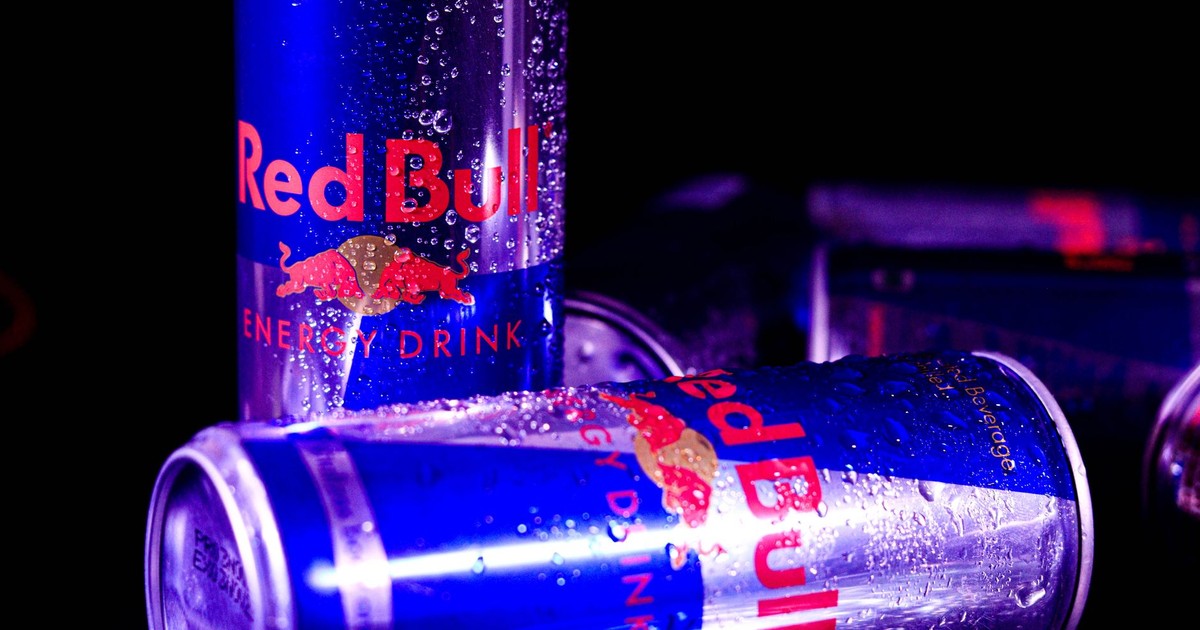

Pick up a can of Celsius or Monster or Prime at any gas station refrigerator and the label tells you almost nothing useful. There’s a caffeine number, usually buried near the bottom, and a scatter of B vitamins with percentages that go into the thousands. What it doesn’t tell you is what a cardiologist, a nephrologist, or a mental health researcher would say if you showed it to them.
They wouldn’t call it a strong coffee. They’d call it a pharmacological cocktail with a branding problem.
The wellness makeover energy drinks have received over the past decade has done a lot of work. Pastel cans, adaptogen blends, names that sound like spa treatments. The category feels benign now in a way it didn’t when the original concern peaked around 2012. But the science has kept moving, and the picture it’s assembled since then is considerably more uncomfortable than the products’ current reputation suggests.
What’s Actually in the Can

The headline ingredient is caffeine, and the doses involved are not comparable to what’s in your morning coffee. Full-size cans vary widely in caffeine content, and energy drink shots are far more concentrated than standard cans. Some full-size cans push past 200mg in a single serving, and certain brands stack multiple servings in one container without making that especially obvious on the label.
Caffeine is also not the only stimulant at work. Energy drinks typically contain caffeine alongside taurine, guarana, and other bioactive compounds. Taurine is a naturally occurring amino acid, but at concentrated doses it influences cardiac excitability and contractility, meaning it affects how forcefully and how rhythmically the heart beats.
Guarana is a botanical ingredient that contains caffeine, but its caffeine content is often not listed separately from the declared caffeine total. Labels may not make clear how much of the total caffeine figure comes from guarana versus added caffeine directly.
A standard 16oz energy drink can carry as much as 54 grams of sugar, comparable to a 16oz serving of regular Coca-Cola. Even the sugar-free or “natural” versions typically still deliver the same high caffeine load. The sugar-free label creates an impression of health that the caffeine content does not support.
What They Do to Your Heart

The FDA has received numerous reports linking energy drink consumption to deaths and serious adverse reactions, including elevated blood pressure, convulsions, and heart rhythm abnormalities. Research has shown that energy drinks can disrupt normal heart function, with people experiencing elevated blood pressure and abnormal electrical activity in the heart for hours after consuming them.
Mayo Clinic Press cardiologist Dr. Anna Svatikova found that not only does blood pressure increase rapidly after one energy drink, but stress hormones rise by approximately 70 percent as well.
The word “arrhythmia” sounds abstract. What it means in practice is that the electrical system controlling your heartbeat is firing out of sequence. For most people with healthy hearts, a single energy drink probably won’t cause lasting damage. The danger ratchets up fast when there’s an underlying condition involved, when drinks are consumed in volume, or when they’re combined with alcohol or physical exertion.
Case reports have linked heavy energy drink use, especially when combined with alcohol or intense physical exertion, to episodes of cardiac arrest. Public health experts have raised alarms about mixing them with alcohol specifically, and the FDA has warned manufacturers that caffeine is an “unsafe additive” to an alcoholic beverage.
Heavy caffeine use above 400 milligrams per day can cause headaches, insomnia, nervousness, irritability, a fast heartbeat, palpitations, tremors, and gastrointestinal upset. The FDA notes that toxic effects including seizures can occur with rapid consumption of 1,200 milligrams of caffeine. Some stacked energy drink combinations can get a person surprisingly close to that threshold faster than they’d expect.
The Effect on Your Brain

Regular heavy caffeine consumption has been linked to increased anxiety, difficulty sleeping, and over periods of months, prolonged issues including restlessness, irritability, and depression. A 2025 study in Nutrients went further, finding that energy drink consumption from as little as one drink per month was significantly associated with an increased risk of both suicide attempts and ideation. That’s a different relationship from what the same researchers found with coffee, where higher consumption was actually associated with lower suicide risk. The stimulant compounds specific to energy drinks appear to be the relevant variable.
A product sold openly in every gas station, convenience store, and gym lobby, one that’s actively marketed to teenagers and young adults, has now been associated with suicidal ideation in a peer-reviewed meta-analysis that tracked people across demographic groups. The research controlled for pre-existing mental health conditions and still found the association held.
The shorter-term mental effects are also real. The classic cycle is familiarly brutal: the caffeine hits, then the sugar spikes, then both drop together around the two-hour mark, leaving you more tired and more irritable than you were before you opened the can. That crash makes you reach for another one. The product design and the withdrawal pattern reinforce each other in a way that keeps people buying.
If you’re interested in how high-stimulant trends are creating risks for young people well beyond energy drinks, these TikTok health trends cover similar territory in gym and fitness culture specifically.
The Damage You Can’t Feel

Kidney and liver damage are slow and silent until they aren’t. By the time either organ is sending obvious signals, the situation is typically already serious. Long-term energy drink consumption has been linked to hypertension, arterial stiffening, hyperglycemia, weight gain from liquid calories, insulin resistance, and various effects of chronic stimulant exposure on the nervous system. But it’s the organ cases that are the starkest illustration of what sustained high-volume use can do.
A 2025 case report published in the Journal of Medical Case Reports documented stage 3 acute kidney injury in a 21-year-old male with no prior medical history, after just one month of consuming two liters of energy drinks daily. His serum creatinine, a key marker of kidney function, peaked at 10.32 mg/dL. Stage 3 acute kidney injury is the threshold before dialysis becomes a genuine consideration.
His levels normalized within two weeks of stopping, but the speed of the damage was notable. Separately documented cases have described simultaneous acute kidney injury and acute hepatitis in patients consuming five to six cans of sugar-free energy drinks daily, with both conditions resolving after stopping. The researchers behind these cases note the common thread: the ingredient combinations rather than any single compound appear to be responsible.
The liver risk is partly tied to niacin, a B vitamin added to most energy drinks in doses that seem harmless but accumulate. High-dose niacin is known to stress the liver, and many energy drink labels stack multiple B vitamins in quantities well above recommended daily values, a fact most consumers never notice.
Who Is Most at Risk

If you have known heart issues or a history of anxiety, the evidence points clearly toward skipping energy drinks entirely. The same applies if you’re pregnant or breastfeeding. No safe level of caffeine intake has been established for children and adolescents, a fact that sits uneasily against who these products are actually marketed to.
The marketing for many of these products is aimed directly at younger consumers. The bright colors, the esports sponsorships, the music festival presence and social media campaigns, none of it is aimed at 45-year-olds. The bodies of children and teenagers process caffeine differently than adults do, with lower body weight amplifying the effective dose and developing nervous systems responding more intensely to stimulant exposure. A 12-year-old drinking a single large can may be consuming the equivalent of three or four espresso shots relative to their body weight.
The wellness rebrand has done particular damage here. A product that calls itself a “healthy energy drink” and features adaptogens or electrolytes on the label is still delivering 200mg of caffeine into a body that may not handle it well. The packaging has changed. The pharmacology hasn’t.
What the Can Still Doesn’t Tell You
None of this means that one energy drink before a long drive has sent you into organ failure. Dose and frequency are everything, and a single can on a rare occasion for a healthy adult without heart or anxiety issues lands very differently than a daily 2pm habit. The people most likely to be drinking these regularly (teenagers, university students, shift workers, gym-goers) are often the least likely to perceive them as a health risk. They’re legal, they’re everywhere, they’re socially normalized, and they’re aggressively marketed to the exact demographic that tends to feel invincible.
Mixing energy drinks with medications or alcohol compounds the risk considerably. They’re also dehydrating, a fact that matters especially for people consuming them before or during exercise. Drinking a diuretic before a workout and calling it fuel is a mistake with a real physiological cost.
The FDA’s upper limit of 400mg of caffeine daily is a ceiling for healthy adults, not a target. Teenagers should stay below 100mg. A single large energy drink can consume half that adult limit in one sitting. Two of them, combined with a coffee earlier in the day, clears it entirely. Most people genuinely have no idea how much caffeine they’re actually taking in across a full day, because they’re not counting the guarana, the pre-workout, and the diet soda alongside the can.
The research on energy drink dangers has moved well past preliminary. The cardiac, renal, liver, and psychological findings are consistent enough that multiple independent research teams across multiple countries are reaching the same conclusions. The products are legal, the market keeps growing, and the labels still don’t have to tell you what a daily habit might cost you over time. That gap between what is known and what is communicated is where most of the real risk lives.
Disclaimer: This information is not intended to be a substitute for professional medical advice, diagnosis, or treatment and is for information only. Always seek the advice of your physician or another qualified health provider with any questions about your medical condition and/or current medication. Do not disregard professional medical advice or delay seeking advice or treatment because of something you have read here.
AI Disclaimer: This article was created with the assistance of AI tools and reviewed by a human editor.