

Walk into the home of someone who retired the old-school way and something hits you before you even sit down. It’s not a smell, exactly, though there’s often a hint of good wood polish in the air. It’s more of a feeling: that this house has been inhabited, not staged. Every surface tells you something about the person who lives there. The figurines on the shelf, the recliner angled just so toward the television, the framed photos going back three or four decades on the same wall. Nothing in the room is accidental.
Old-school retirement means something specific. It means people who saved steadily, paid off the mortgage, perhaps stayed in the same house for thirty years, and built a home that reflected a life fully lived rather than an aesthetic carefully curated for Instagram. These are not people who called in an interior designer. They are people whose china cabinet has been in the family since 1978. And their homes are, in their own way, fascinating.
A lot of retirees stay put in the family house for as long as they possibly can, accumulating decades of personality in every room. Whether they downsized into a tidy bungalow or are still in the house where they raised three kids, certain things show up again and again. Here are ten of them.
1. The Recliner That Rules the Room
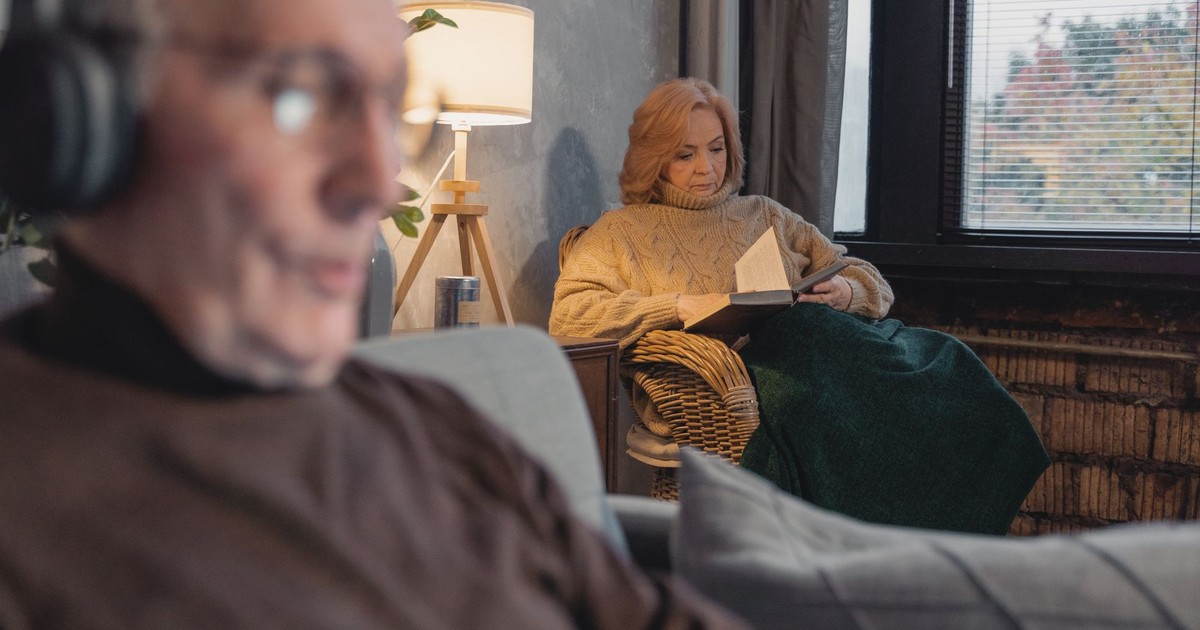
There is always a recliner. Not pushed into a corner out of embarrassment, but positioned front and center, aimed directly at the television. Senior living specialists consistently identify the recliner as the anchor piece in these homes, worth spending real money on because it tends to follow residents through every move.
The old-school recliner is usually leather or a durable fabric in a neutral brown or burgundy, and it is almost certainly not the sleek, barely-cushioned kind you’d find in a modern showroom. It is deep, it is well-worn, and the armrests have a slight patina from years of use. A wall hugger model is popular in smaller spaces, while motorized versions with buttons on the armrest are a common choice for those who want automated operation without fumbling for a remote that gets lost. In old-school homes, this chair is not a concession to age. It is a throne, and everyone in the family knows whose it is.
2. A Gallery Wall of Family Photographs
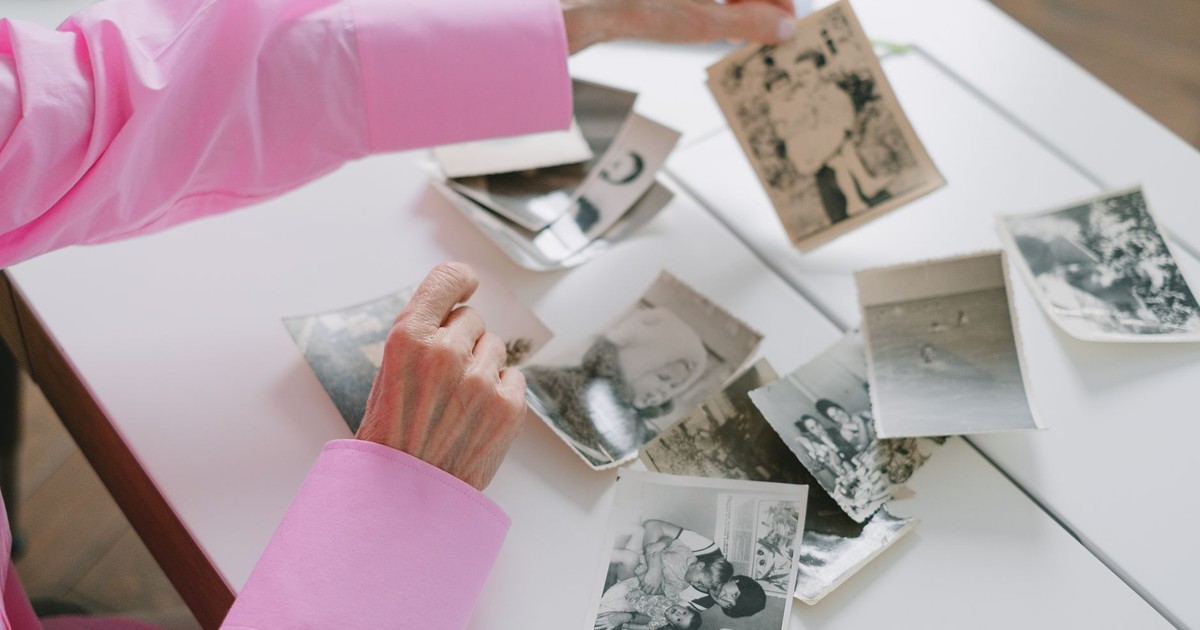
The gallery wall in an old-school retiree’s home is not the curated, matching-frame arrangement you see in home décor articles. It grows organically over decades: the school portrait from 1987 next to the wedding photo from 2003 next to a snapshot of a grandchild at the beach that someone printed at Walgreens and stuck in a drugstore frame. The collection expands outward from an original anchor point until it covers most of the hallway wall. There is no artistic curation happening here, just an honest accumulation of what mattered.
3. China and Silverware That Never Gets Used
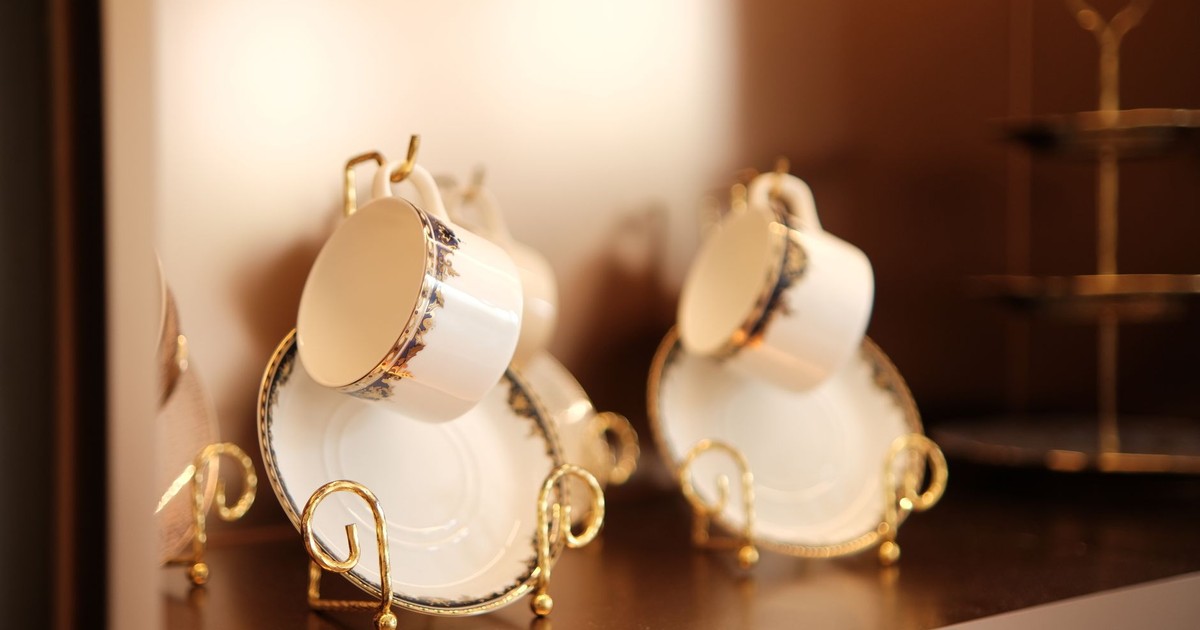
The china cabinet is a staple of old-school retirement homes decor: a large, glass-fronted piece of furniture, usually in dark wood, holding a full set of dishes and stemware that come out perhaps twice a year, at Christmas and Easter. The silverware lives in a felt-lined box in a drawer nearby. Both sets were almost certainly gifts, either for a wedding or from a parent who passed them along.
The china cabinet is less a storage solution than a display case for a particular set of values: that you keep good things, that you maintain them carefully, and that some occasions deserve the real plates.
4. Handmade Afghans and Quilts on Every Soft Surface

In an old-school retiree’s home, no sofa cushion or armchair goes uncovered. There are hand-crocheted afghans in colors that would not survive a single trending home decor season (goldenrod yellow, avocado green, a burnt orange that was last fashionable in 1974), and every one of them was made by someone in the family. The guest bedroom has a quilt. The living room has at least two blankets draped over the back of the couch. The recliner has its own dedicated throw.
These textiles are functional objects with a maker attached to each one. You don’t wash them carelessly. You fold them back exactly as you found them.
5. A Dedicated Hobby Corner That Has Fully Taken Over
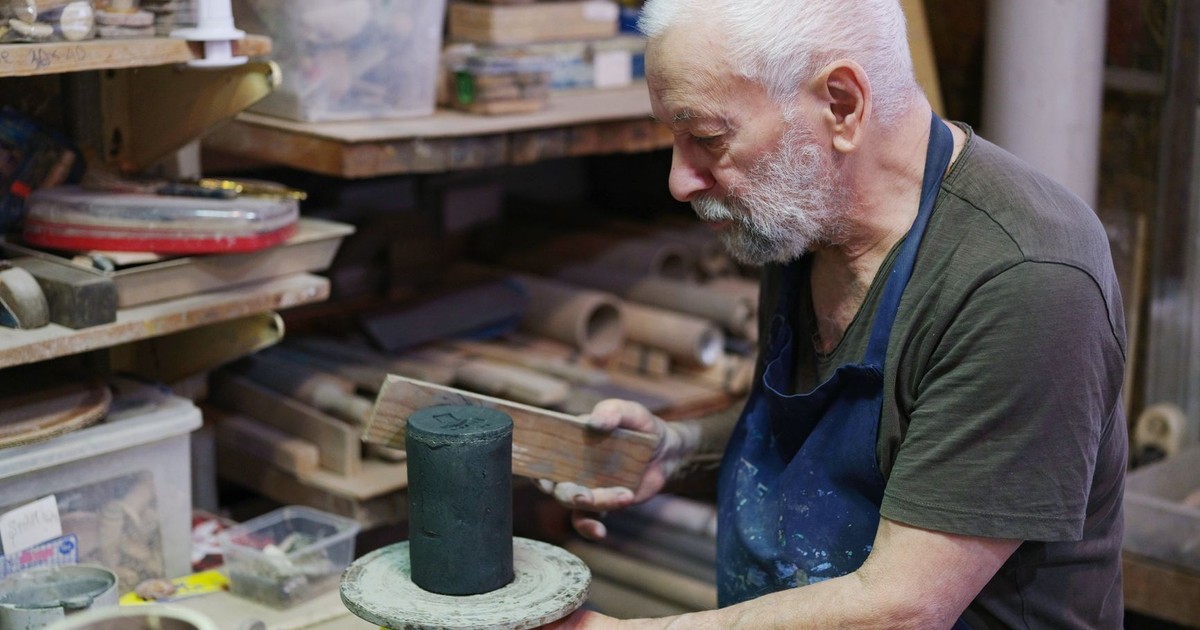
Old-school retirees took the concept of a hobby corner and let it expand at will. What began as a small corner of the spare bedroom with a sewing machine is now a full operation: fabric bolted by the yard, patterns filed in folders, scissors that no one is allowed to use for anything but fabric. In another home it might be a workbench in the garage that takes up three of the four walls, or a corner of the living room overtaken by a jigsaw puzzle that has been in progress since January.
This corner is not aspirational. It is operational. The evidence of actual use is everywhere: the fabric scraps on the floor, the half-finished puzzle with a coffee mug ring stain near the edge.
6. Real Wood Furniture That Was Built to Last
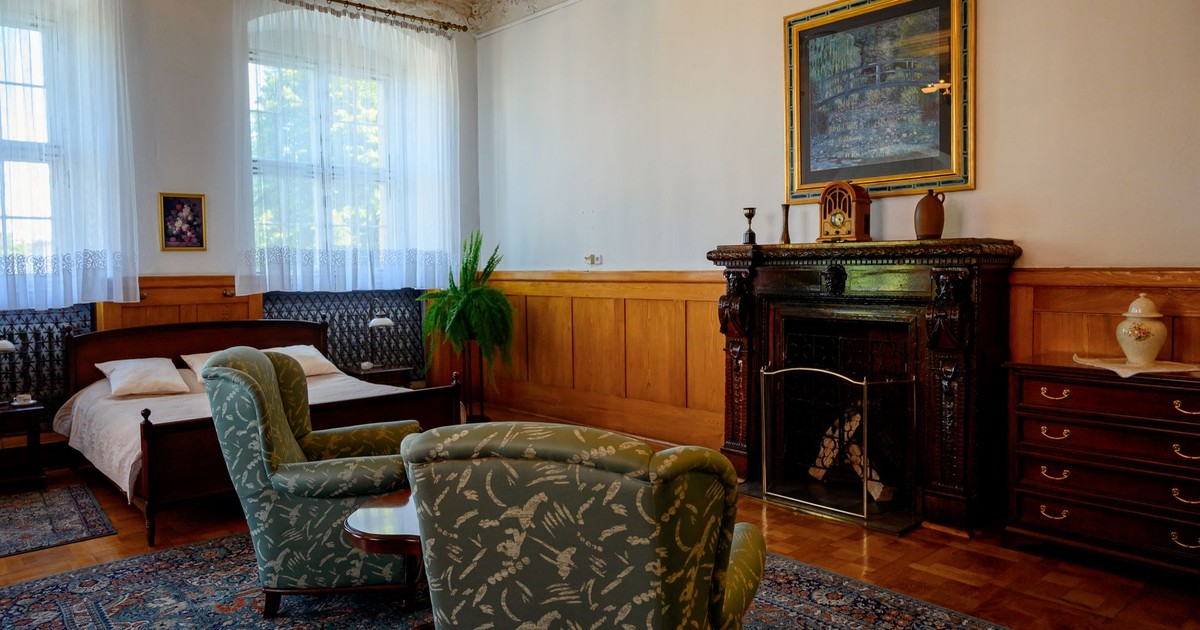
There is no flat-pack furniture in an old-school retiree’s home. The dining table is solid oak and has the nicks and scratches to prove it. The dresser in the bedroom was built before anyone thought to sand down the corners to make them look deliberately distressed. Hand-me-downs and vintage pieces have life in them and are usually better quality than what’s available and affordable today.
Old-school retirees rarely replaced furniture that still worked. A coffee table that has been in the family since the 1980s has a patina that no amount of staining can replicate. The furniture in these homes is heavy, oversized by modern standards, and unmistakably real.
7. A Formal Living Room Nobody Sits In
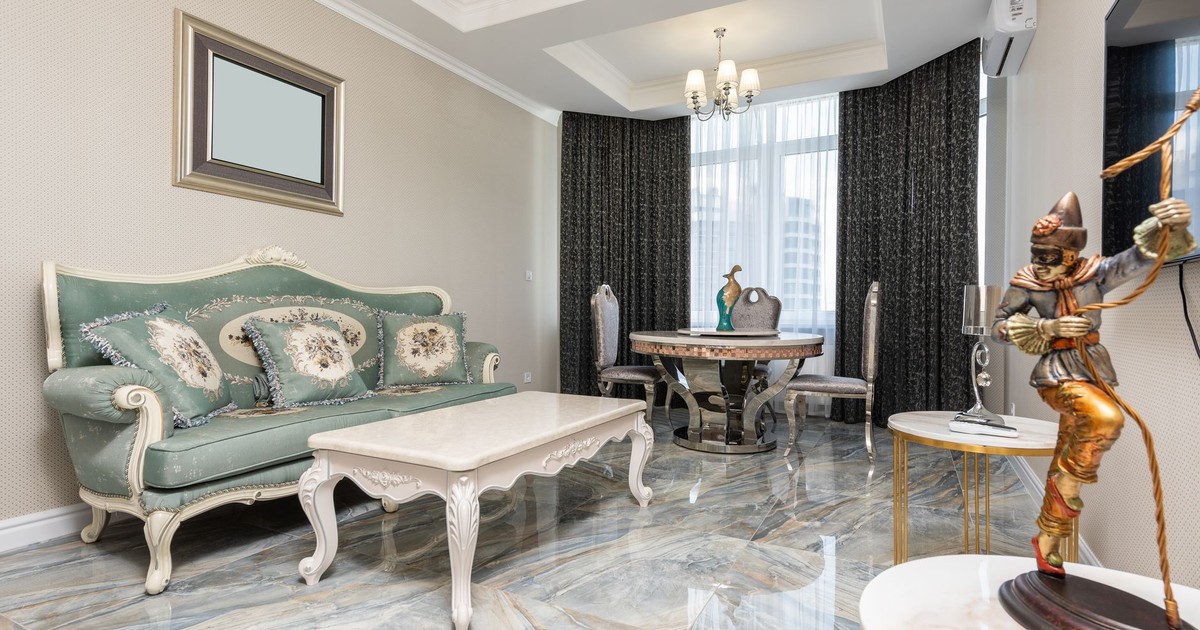
The formal living room, the one with the plastic-covered sofa or the furniture arranged around a fireplace that doubles as a display shelf, is a specific hallmark of homes decorated in the old-school tradition. The sofa in this room is in near-perfect condition. That is because everyone sits in the family room. The formal living room is for company, for holidays, for the pastor’s visit, and for an abstract aspiration of elegance that is honored by being preserved rather than used.
This division of the home into “good rooms” and “real rooms” is a generational habit. The idea that certain spaces should be maintained for occasions of appropriate importance comes directly from the households these retirees grew up in, where the front parlor was similarly untouchable.
8. Practical Lighting Everywhere, and Lots of It
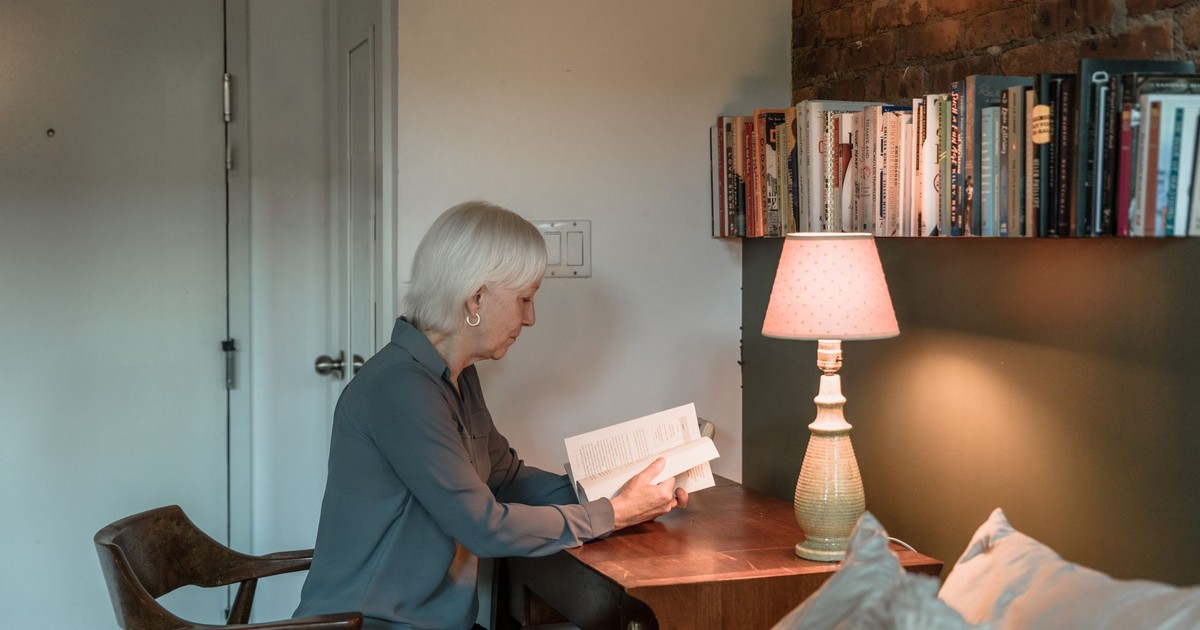
Old-school retirement homes are bright. Very bright. Overhead lights, floor lamps, table lamps, under-cabinet lights in the kitchen. Many lighting standards are based on younger people in the 20 to 30 year age group. Research published in Investigative Ophthalmology and Visual Science found that crystalline lenses in adults aged 40 to 59 transmit roughly 88% of visible light on average, a figure that drops to around 70% for those 60 and older, meaning older adults need significantly more light to see clearly for basic tasks. In old-school homes, this has accumulated over time as eyes have gotten older and the answer to every dark corner has been another lamp.
The style of the lamps themselves is often eclectic: a brass torchiere that was fashionable in the 1990s next to a ceramic-base table lamp from a craft fair, next to a motion-activated night light plugged into the hallway outlet. Sound or motion-activated lighting is especially useful in hallways and entryways, and touch lamps are another practical option that appears throughout these homes. None of it matches. All of it works.
9. A Fully Stocked Medicine Cabinet and Supply Drawer

Old-school retirees are prepared. There is a drawer, sometimes two, dedicated to batteries in every size, an extra bottle of Tylenol, a blood pressure cuff, magnifying glasses in three different strengths, reading glasses that were purchased by the three-pack at the drugstore, and a first-aid kit that has been replenished steadily since the 1990s. The medicine cabinet in the bathroom holds the brand names they have trusted for decades, rarely substituted with a generic.
This is partly practical and partly a philosophy. The old-school approach to retirement was built on the premise that you prepared for what was coming rather than improvised when it arrived. AARP’s 2024 Home and Community Preferences Survey found that 75% of adults aged 50 and older wish to remain in their current homes as they age. The supply drawer is part of how old-school retirees have always worked toward that goal: by making the home functional for every contingency before the contingency arrives.
Read More: 12 Home Décor Items Some Believe Bring Bad Energy Into the Home
10. Sentimental Collectibles Displayed With Genuine Pride

The last and most defining feature of old-school retirement homes decor is the collection. It might be Hummel figurines arranged on a shelf above the television. It could be a case of commemorative plates from national parks visited over forty years. Perhaps it’s the row of ceramic roosters on the kitchen windowsill, or the basket of smooth stones gathered from beaches on every family vacation since 1983. Whatever the specific objects, they are displayed without irony and without apology.
In old-school homes, the collection is not a design element. It is a biography. Each piece was acquired in a specific moment, a specific place, by a specific version of the person who now lives here. Visitors who ask about any one of them will get a full story.
The Home That Fits the Person

Old-school retirement homes draw a certain amount of eye-rolling from people who see the mismatched lamps, the bursting hobby corner, and the china that only comes out twice a year. Too much furniture. Too much stuff. Not enough negative space.
Walk through one of these homes with someone who actually lives there and a different picture forms. The mismatched lamps were each bought to solve a specific problem. The china cabinet holds dishes that came from someone who is no longer here. The hobby corner is where Tuesday mornings go now that there is finally time to spend them as intended. Nearly half of adults 50-plus expect to eventually relocate, with housing costs being a primary driver, yet more than half say they need a home that supports independent aging. For the ones who stayed put and built their homes around their actual lives, the result is something no interior designer produces on purpose: a room that tells you who lives there before they’ve said a word.
Disclaimer: This information is not intended to be a substitute for professional medical advice, diagnosis, or treatment and is for information only. Always seek the advice of your physician or another qualified health provider with any questions about your medical condition and/or current medication. Do not disregard professional medical advice or delay seeking advice or treatment because of something you have read here.
AI Disclaimer: This article was created with the assistance of AI tools and reviewed by a human editor.