
Most of us spend a fair amount of time making our homes look good. We pick out throw pillows that cost more than they should, hunt for the perfect pendant light, and decide between six shades of white paint for a wall. But according to a tradition that has shaped how people have arranged their homes for thousands of years, some of the things we put on display, keep on a shelf, or never quite get around to fixing might be doing the opposite of what we intended. Not decorating the space. Draining it.
Feng shui, the ancient Chinese practice of arranging living spaces to support the flow of energy (called chi or qi), has been guiding decisions about home design for millennia. Rooted in ancient Chinese philosophy, it’s the art of organizing spaces to promote positive energy, with the goal of creating harmony between individuals and their environment. You don’t have to be a devoted practitioner to find something useful in it. Many of its principles make intuitive sense: a cluttered entryway feels stressful, a room that never gets natural light feels flat, and a home full of broken things starts to feel like evidence of a life on pause.
The 12 items below are ones that feng shui tradition, as well as various cultural superstitions stretching from ancient Rome to East Asia, consistently flags as sources of home décor bad energy. Some you’ll recognize immediately. A couple might surprise you. None of them require a complete renovation, just a fresh look at what you’ve been living with.
1. Broken or Cracked Mirrors
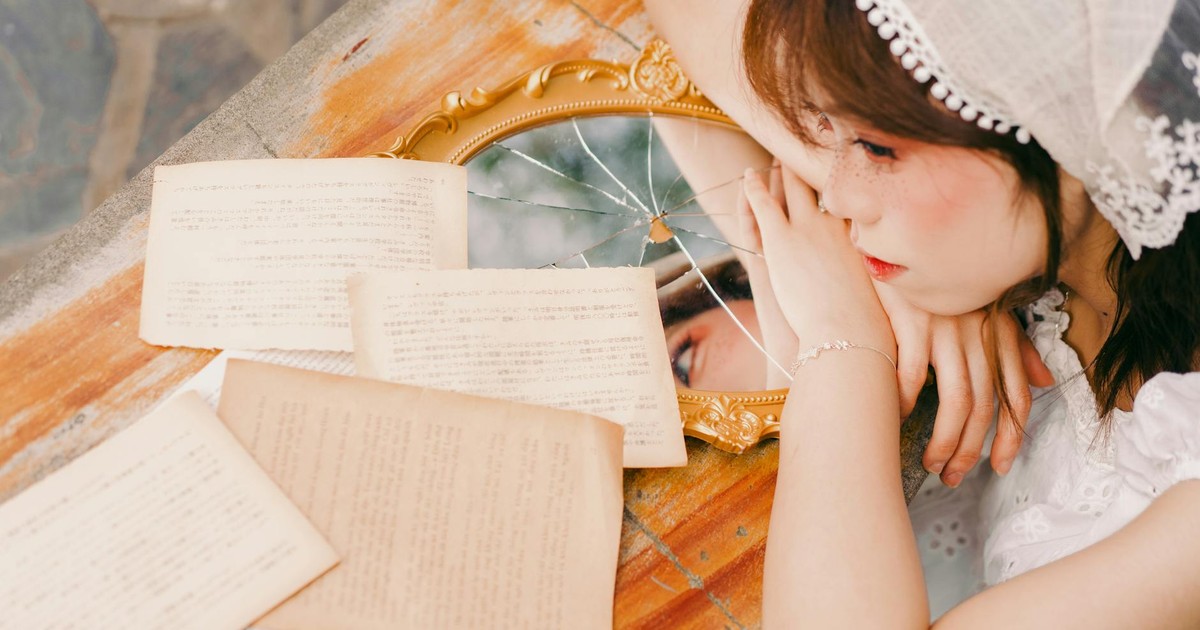
In feng shui, mirrors are considered powerful tools for reflecting and enhancing energy. A cracked or broken mirror can distort energy flow and invite negative vibes, leading to misfortune or emotional unrest. As feng shui expert Ye explains via Homes & Gardens, “mirrors are powerful tools used to expand space and reflect energy.” A broken one is considered particularly unlucky, with the shattered reflections believed to fragment chi, causing disturbances in your energy flow.
The cultural unease around broken mirrors runs deep across multiple traditions. The ancient Romans believed that a mirror reflected one’s soul, and that the gods used these images to see one’s inner identity. A broken mirror was considered such a violation of this portal to the soul that punishment from the gods was thought to follow, and the superstition of seven years of bad luck has roots in this belief.
Whether or not you share either belief, there’s a psychological case to be made here too. A cracked mirror catches your eye every time you pass it, and not in a good way. It’s a low-level daily reminder that something in your environment isn’t quite right. The placement matters as well: hang mirrors where they can reflect positive views, like windows or plants, and avoid placing them directly opposite the entrance, as that placement is thought to push energy back out of your home.
2. Stopped or Broken Clocks
A clock on your wall that hasn’t moved in six months is more than an aesthetic problem. Feng shui expert Victor Cheung explains in Living Etc that “feng shui discourages keeping unused or broken clocks in your home, especially if they have stopped working.” In feng shui principles, “a non-functional clock can symbolize time standing still, which may create a sense of stagnation or hindrance in one’s life.” Cheung recommends repairing or replacing non-working clocks to ensure that “time flows smoothly and positively within your living space.”
Clocks that are not in use or are broken are believed to symbolize a stagnant concept of time and hinder progress. They can create a sense of pressure, reminding us of time passing without purpose. The remedy is to repair or replace broken clocks and remove unused ones, to encourage a healthier relationship with time.
Think about what it actually feels like to glance at a clock stuck on 3:47 every morning. It registers, even fleetingly, as something unresolved. Feng shui tradition holds that this feeling is the whole point. Time should move, and when the thing measuring it doesn’t, the symbolic message bleeds into the atmosphere of the room.
3. Dead or Dying Plants
A dead plant is among the most consistent entries on any feng shui “remove this” list, and the reasoning is straightforward. In feng shui, plants represent life force and the wood element, which connects to growth and vitality. A dead or dying plant is thought to radiate the opposite, death energy and a failure to thrive. This includes dried flowers, which are essentially preserved dead plants.
The brown, shriveled succulent you keep meaning to replace. The dried bouquet on the mantelpiece from last year that you’re keeping for sentimental reasons. Feng shui draws no distinction between them. Living plants and cut flowers that are dying are also not recommended, because dead or dying plants do not carry healthy chi and are believed to push that stagnant energy outward into your space.
The practical fix is obvious, but the principle is worth sitting with: your home should feel like a living thing. One brown-edged, waterless plant on a windowsill says otherwise, loudly, to everyone who walks in, including you, every single day.
4. Fake or Artificial Plants
Silk succulents and plastic ferns might solve the “I keep forgetting to water things” problem, but feng shui tradition argues they create a different one. Traditional feng shui prizes vitality and growth, and in that framework, a plastic plant mimics the appearance of something alive without carrying any of the life force. It’s a visual trick that the energy of the space, in this belief system, doesn’t fall for. Feng shui’s classical position is that fake plants carry what’s called “Si Qi,” or stuck, dying energy, “since they don’t grow, live, or breathe” and therefore can’t produce the positive energy that real plants generate. Fake plants also collect dust easily, and in feng shui, dust is itself a form of stuck energy that signals neglect.
Real plants, even low-maintenance ones like pothos or snake plants, do the job authentically. Choosing the right low-maintenance species for your home is a much better solution than reaching for artificial greenery. The feng shui recommendation is simply to choose easier species rather than replacing living plants with artificial ones.
5. Cluttered Entryways and Piled-Up Shoes
In feng shui, the doorway is a gateway for life energy, or chi. What happens at the entrance of your home matters enormously, because it’s where all that positive energy is thought to enter. Which makes a pile of shoes, muddy boots, stacked bags, and three months’ worth of unopened mail a significant problem.
In feng shui, a clear and unobstructed entrance allows positive energy to enter freely. Piles of shoes or general disarray in these areas can create a sense of chaos and hinder the smooth transition of positive energy into your home. Keeping entryways organized and clutter-free is central to maintaining a harmonious flow of energy.
Architect and feng shui enthusiast Cliff Tan, who has shared his design approach with millions of followers, puts it plainly: before adding anything new to a space, deal with the worst things first. A cluttered entrance costs nothing to fix and has an outsized impact on how a home feels.
6. Chipped or Cracked Crockery
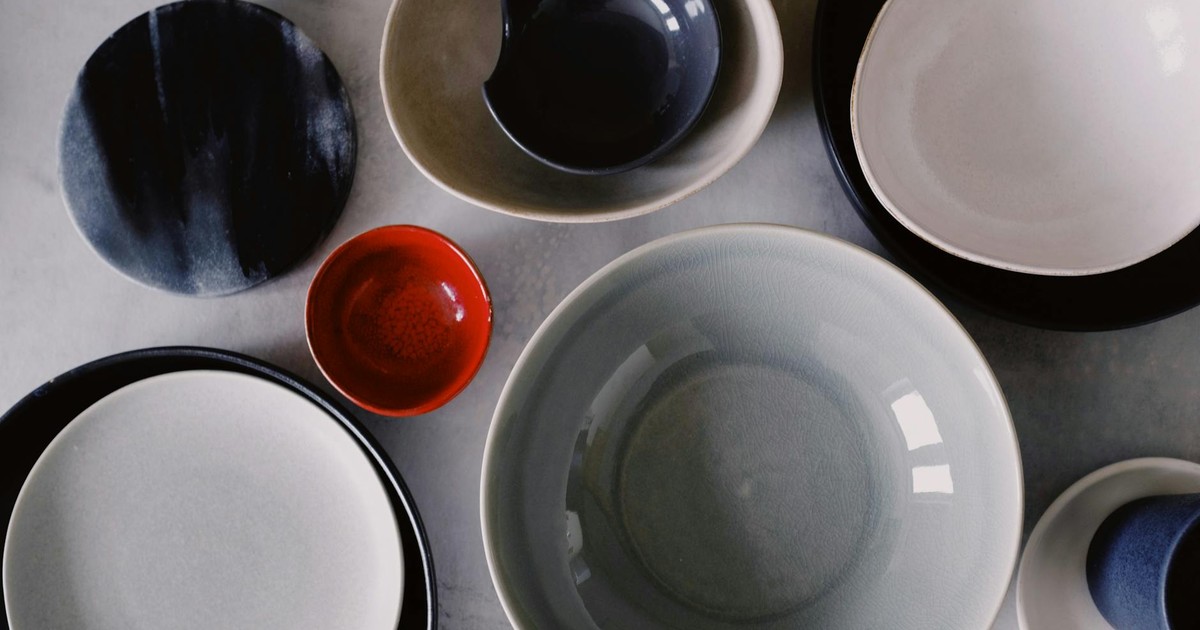
That mug with the chipped rim that you keep because it’s your favorite shape. The salad bowl with the hairline crack you’ve been meaning to replace. According to feng shui, both of them are actively working against you. Feng shui expert Denise, writing for Woman & Home, explains it directly: “Chipped, broken, or unused plates and cups all drain your personal Qi, or energy, and obstruct the positive energy within your space.” Qi is understood as a type of energy that constantly flows around us and the objects in our homes, its quality determined by the condition of the space it exists in.
The symbolism is consistent across different feng shui traditions: broken crockery represents an acceptance of damage as normal. You eat from it every day. You send yourself a signal every day. Replacing a chipped mug costs about the same as a coffee out.
7. Taxidermy and Mounted Animal Heads
This one generates real debate. For some, a mounted deer head is heritage decor. For feng shui and many cultural traditions, it’s something else entirely. Objects that indicate decay, including dead animals and taxidermy, are considered in feng shui to halt forward movement, both physically and energetically. Objects with aggressive or violent energy are thought to create what practitioners call “cutting sha qi,” meaning sharp, negative energy that disturbs wellbeing.
Even less superstitious homeowners might want to think twice before displaying an animal carcass in their homes. Real estate professionals have noted that taxidermy can be a turn-off for potential home buyers. Similarly, artwork that depicts scenes of destruction, like a shipwreck or a battle, raises the same concern in feng shui.
The reasoning connects back to a broader feng shui principle: your home should reflect and reinforce life, movement, and vitality. An animal preserved in death is, by definition, the opposite of that. This doesn’t mean every piece of wildlife-adjacent art is problematic, but a trophy wall of mounted heads makes a specific energy statement, and feng shui says it’s not a helpful one.
8. Dark or Violent Artwork
The art on your walls isn’t neutral. Feng shui treats every object in a home as a contributor to its overall energy, and imagery is no exception. A painting of a storm at sea, a print of a violent historical scene, or abstract artwork that reads as aggressive or chaotic is thought to introduce those qualities into the atmosphere of the room.
Architect Cliff Tan, whose feng shui design philosophy has reached millions of followers, has noted that spaces shape moods and feelings directly. Art is no different. The logic is that you live with these images every day, and over time they become part of the emotional backdrop of your space. A bedroom hung with dark, unsettling paintings is going to feel different from one hung with calm, open imagery, and most people would agree with that assessment even without reading a word of feng shui.
Darker hues and imagery can create an atmosphere that feels heavy and emotionally stagnant when overused. Dark tones in particular can block energy flow, especially in smaller or dimly lit rooms where light and openness are already in short supply. The practical move is to look honestly at each piece of art in your home and ask whether it makes you feel good or uneasy. If it’s consistently the latter, that’s your answer.
9. A Mirror Facing the Bed
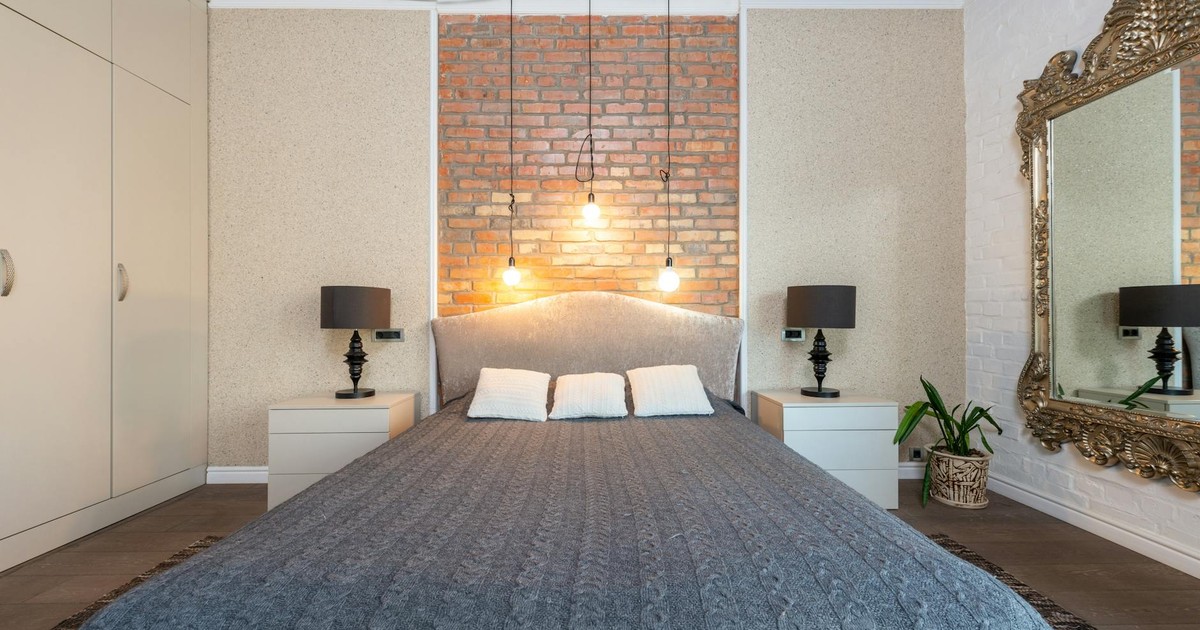
Mirrors in the bedroom are a specific feng shui concern, and ones placed in certain positions are flagged as especially disruptive. A mirror that directly faces the bed is believed to bounce energy around the room while you sleep, which is thought to drain your personal chi and leave you feeling less restored in the morning. In relationships, the facing mirror is also said to invite the energy of a third party into the partnership.
From a purely practical standpoint, waking up and immediately seeing your own reflection can be startling and disorienting. Reflective surfaces in the bedroom can catch and amplify ambient light from streetlights, device screens, or alarm clock displays, making the room brighter at night than it needs to be. Many people who have repositioned a large bedroom mirror report that the room simply feels calmer without it facing them while they sleep. Feng shui frames it in terms of energy flow, but the real-world effect is worth taking seriously on its own terms.
The fix is simple: reposition the mirror to a side wall, or cover it at night. Either option costs nothing and might make the room feel genuinely different.
10. Cacti and Sharply Spiky Plants
Cacti are having a sustained aesthetic moment, and they’re genuinely low maintenance. But feng shui has concerns. “In a partnership area, such as a bedroom, you might not want to place two cacti, as this would introduce prickly, sharp energy,” writes feng shui advisor Anjie Cho in Homes & Gardens. Rana Kashiwabara, a Feng Shui certified interior designer based in San Francisco, agrees: “Spiky plants are not good for feng shui; it is said that sharp points drain the personal energy, so something like a cactus doesn’t promote good energy.”
This concern connects to the broader feng shui principle of “sha qi,” which refers to sharp, aggressive energy created by pointed objects, from furniture corners to architectural features. Cacti thorns fall squarely into that category. Agave and other sharply spiky plants raise the same concern for the same reason.
The good news: cacti aren’t necessarily banned. Rather than banishing them completely, the recommendation is to relocate them to patios, balconies, or gardens where they can thrive without disrupting indoor harmony. Keep them outside and save the indoor plant spots for something with softer, rounder leaves.
11. Electronics in the Bedroom, Especially TVs
The TV in the bedroom is one of the most common feng shui flashpoints, and it’s one where ancient philosophy and modern sleep science land in the same place. Like a mirror, a television has active electronic energy, described in feng shui as the fire element, that works against the rest and passive “yin” energy required for a bedroom. It can disrupt sleep, create distance between partners, and bring the stress of the outside world into a space meant for recovery.
Interior design expert Melissa Denham makes the practical case plainly: keeping electronics in the bedroom is not conducive to healthy sleep hygiene. Most of us have read, at some point, that scrolling through the phone or watching something thought-provoking before bed makes sleep worse. The evidence on that is well established, and feng shui arrived at the same conclusion from a different direction.
There’s also the issue of a switched-off screen. When your TV is off, it becomes a large, dark, reflective surface facing your bed, which circles back to item 9. Feng shui tradition suggests tucking bedroom TVs inside a cabinet, or removing them from the room entirely. It sounds drastic until you actually try it for two weeks and notice the difference.
12. Old Calendars and Outdated Décor
An old calendar still hanging on the wall in June. The “2024” New Year’s decoration still in the corner of the room. Keeping an outdated calendar on display is considered in feng shui to bring bad luck, similar to the stopped clock. The tradition holds that using a time-keeping device incorrectly, or leaving time-bound objects past their purpose, can stall progress and anchor a space in a period that’s already behind you.
The energy principle at work here is the same one that runs through broken clocks and dead plants: stagnation. Anything that signals “we are still living in a time that has already passed” is thought to anchor the home’s energy in the past, making it harder for new opportunities, growth, and positive change to take hold.
As one feng shui practitioner puts it, “You can still do a regular audit and let go of once-meaningful things that no longer serve your current self.” Well-loved and well-worn can be beautiful, but broken and outdated things are not good feng shui. An old calendar is easy to take down. It’s the inertia that keeps it up, and that same inertia, the tradition would argue, is exactly what it represents.
Read More: 7 Resilient Plants That Thrive in Heat, Drought & Poor Soil
What to Do With All of This
None of this requires you to believe that a stopped clock is literally blocking your career prospects, or that your bedroom TV is energetically conspiring against your love life. You can hold these ideas loosely, as a prompt, a reason to finally throw out the cracked bowls you’ve been keeping since 2019, a framework for looking at your home with fresh eyes.
What feng shui does, at its most practical, is give you a reason to ask which things in your home are working for you and which aren’t. A broken mirror doesn’t get fixed because you believe in seven years of Roman bad luck. It gets fixed because every time you glance at it, something registers as wrong. A dead plant doesn’t get replaced because of sha qi. It gets replaced because brown, shriveling things in living spaces feel like neglect made visible. The belief system is the lens. What you’re actually looking at is your own home, and how honestly you’re willing to see it.
Home décor bad energy, in the end, might be less about mystical forces and more about the accumulated weight of things you haven’t dealt with. The items on this list have been flagged across cultures and centuries not because they’re random, but because they all share one quality: they represent something that’s stopped, broken, faded, or past its time. Clear them out, and the space, and possibly you, might feel noticeably lighter.
AI Disclaimer: This article was created with the assistance of AI tools and reviewed by a human editor.