
The United States has a handful of chains that everyone can name without thinking, but there is a whole different layer of regional spots that rarely get nationwide attention. These underrated U.S. fast-food chains grew from local cravings instead of corporate strategy, which gives their menus a rooted sense of identity. People talk about them with a kind of familiarity that only comes from eating somewhere for years, not because a commercial told them to. Their locations may be limited, yet the loyalty surrounding them often beats what national chains spend millions trying to create. Many travelers discover these places by accident and end up wondering why they never heard of them sooner. If you have only eaten at the major brands, this list opens the door to a different side of American fast food culture, one shaped by neighborhood tastes, local ownership, and menus that feel distinct instead of copy pasted.
Pal’s Sudden Service
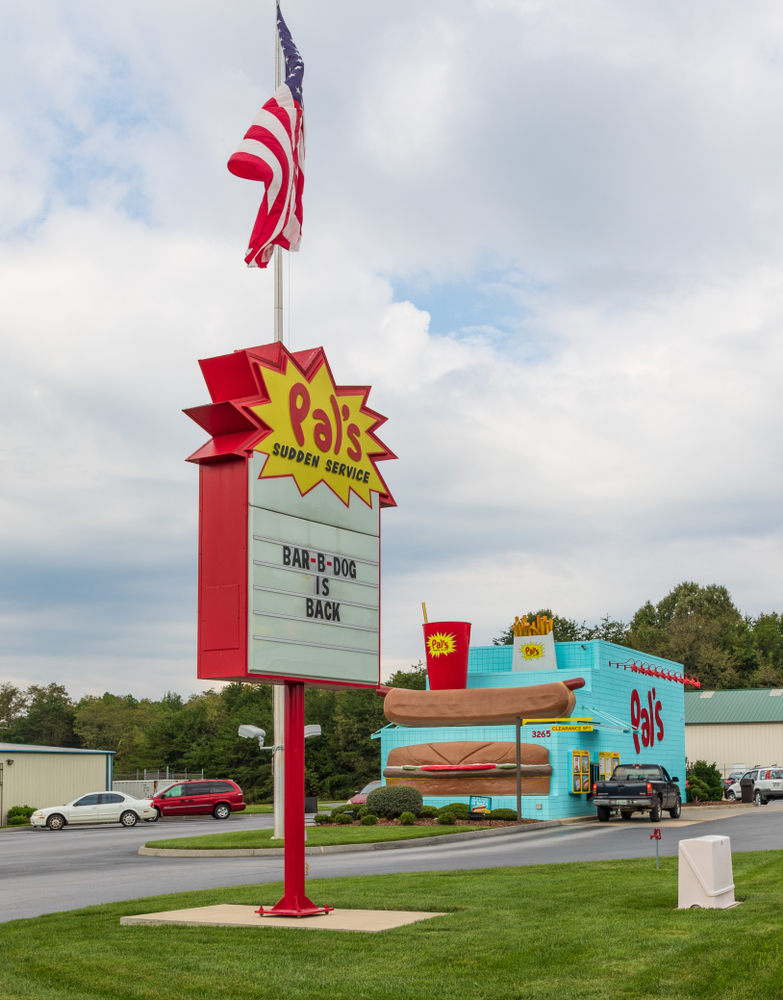
Pal’s is easy to spot thanks to its bright blue buildings and oversized food sculptures. The chain focuses on fast drive thru service and a short menu that cuts out confusion. Popular items include the Big Pal burger, Cheddar Rounds, hot dogs, and strong iced tea. Everything is built around consistent preparation rather than large menu variety. The food arrives quickly, tastes the same from one visit to the next, and keeps customers loyal for that reason alone. People who stop at Pal’s for the first time often notice how smoothly the operation runs.
Runza
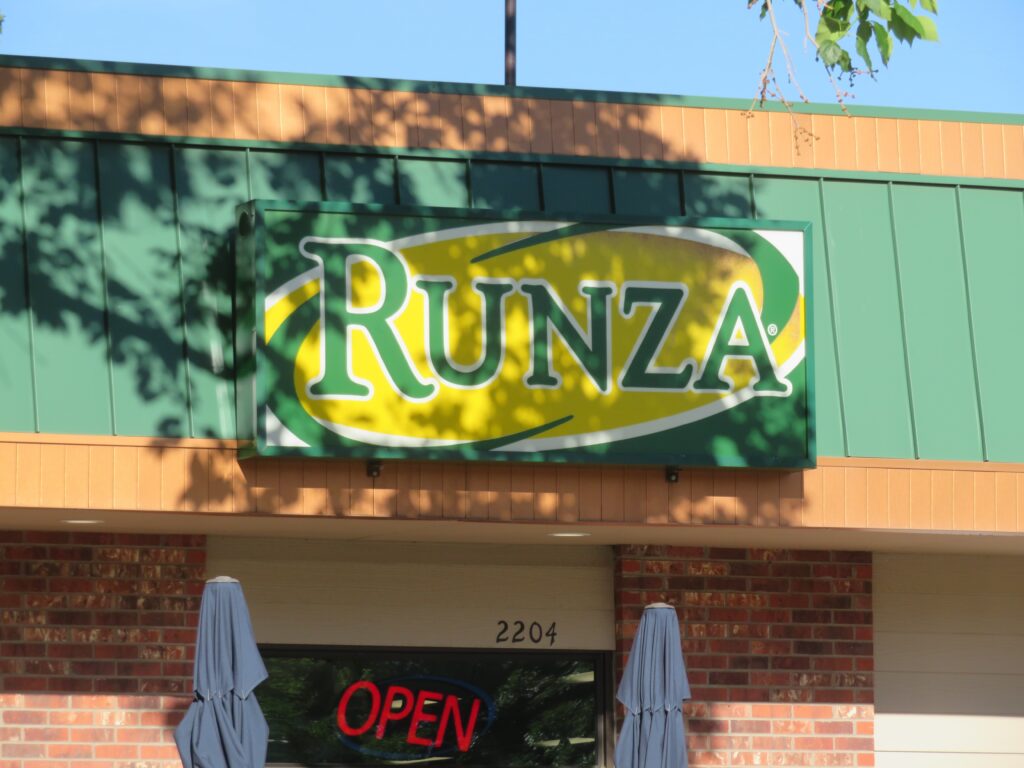
Runza centers its identity on a regional sandwich that most chains do not offer. The signature runza is a baked bread pocket filled with seasoned beef, onions, and cabbage. The chain also sells burgers, crinkle fries, and cinnamon rolls. Customers in Nebraska treat Runza as a familiar part of daily life because the menu has stayed consistent for decades. Travelers trying it for the first time quickly see that the chain is rooted in local tradition, not trend chasing. The straightforward approach is what gives Runza its staying power.
Cook Out
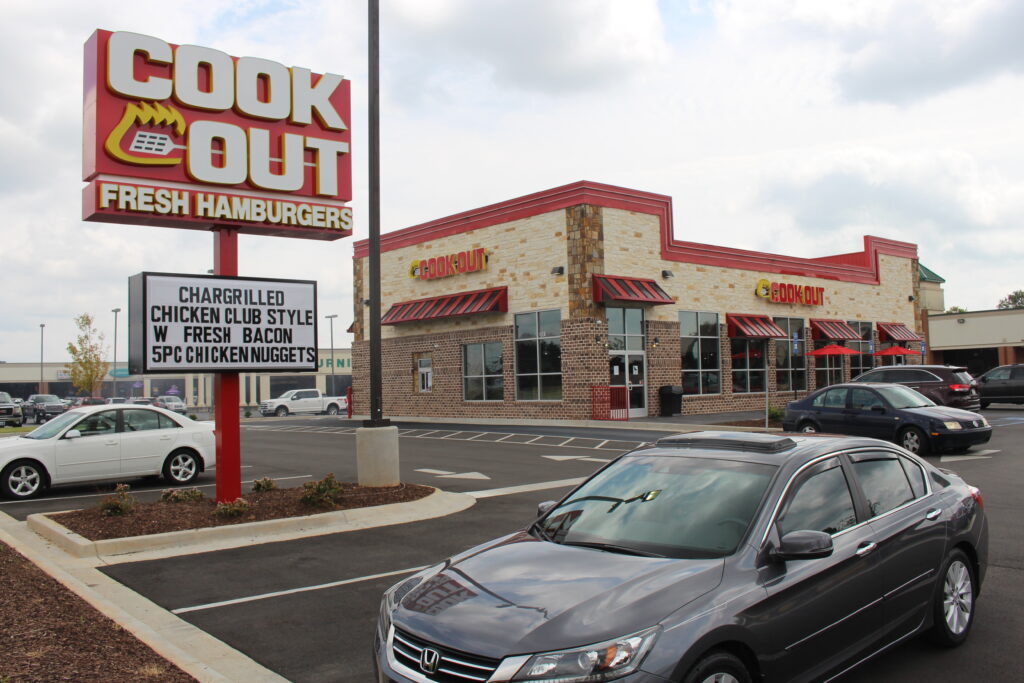
Cook Out offers a wide mix of items that line up with Southern comfort food. People build trays with burgers, barbecue sandwiches, chicken strips, hushpuppies, or quesadillas. The milkshake list is extremely broad, with flavors like banana pudding and peach cobbler. Locations often skip indoor dining so the chain can focus on low prices and fast service. This setup draws students, families, and late night customers who want variety without spending much. Cook Out stands out because it delivers a broad menu without making the food feel generic.
Zaxby’s
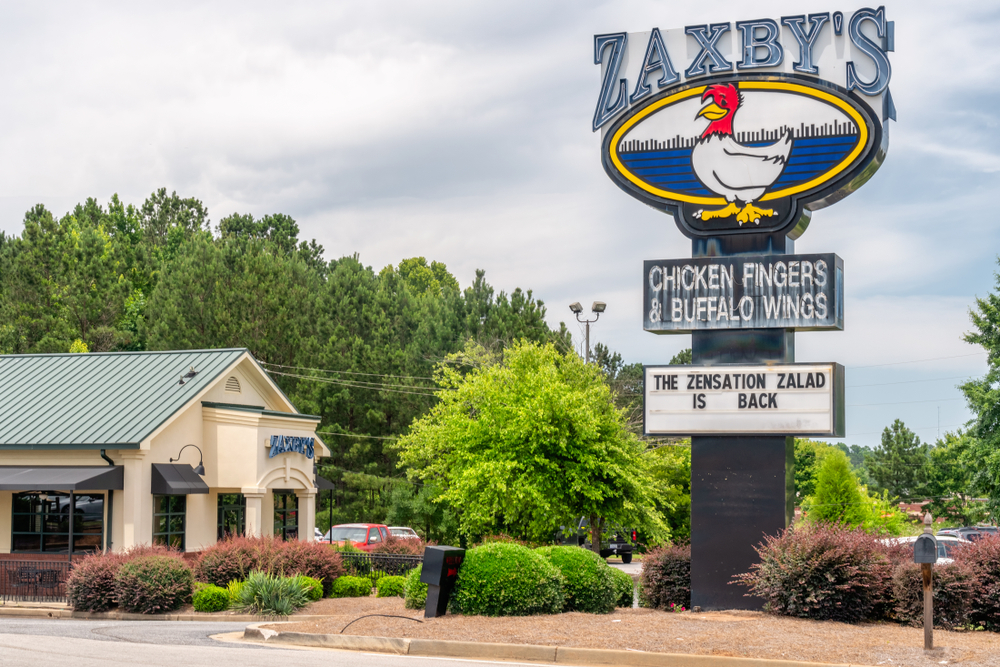
Image credit: Shutterstock
Zaxby’s keeps its menu centered on chicken instead of branching into unrelated categories. Customers order wings, chicken fingers, salads, sandwiches, and toast, all supported by Zax Sauce that has become a signature item. The seasoning is stronger than what many national chains use, which gives the food more definition. Items like the Kickin Chicken sandwich highlight how Zaxby’s prioritizes flavor without complicating the menu. The restaurants remain casual and accessible without leaning into the standardized look many large chains use. People who want simple, fast chicken options often find Zaxby’s to be a dependable choice.
Culver’s
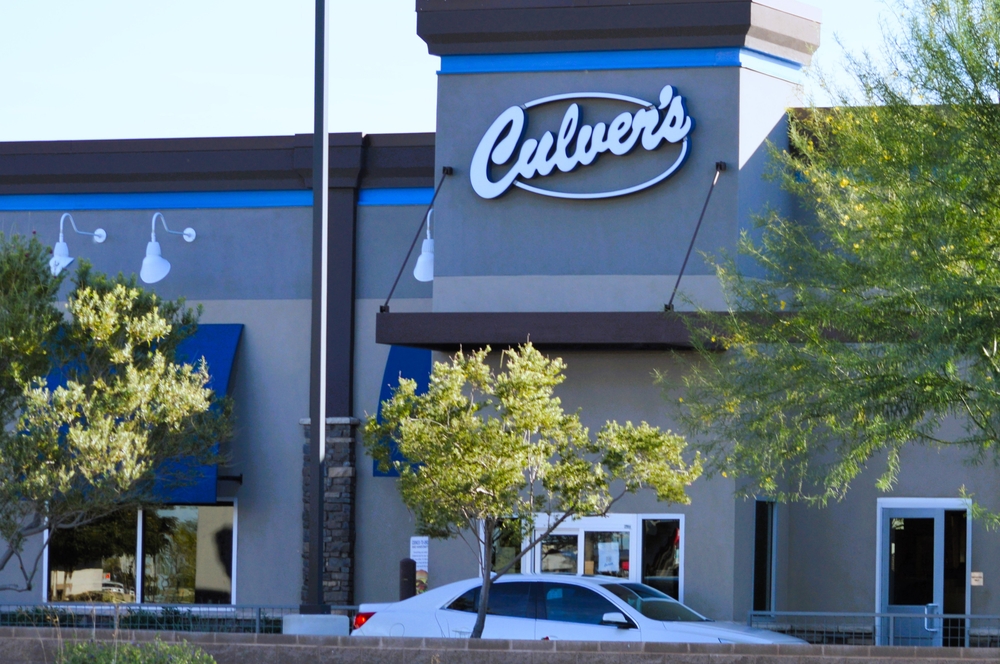
Culver’s blends fast service with preparation methods that feel more deliberate than many major chains. The ButterBurger is cooked on a hot griddle so it develops a clear crust and warm interior. Fresh Frozen Custard rotates daily flavors, and cheese curds remain one of the most ordered sides. The menu also includes fish sandwiches and pot roast meals, giving it a wider range than standard burger chains. Customers often notice that the ingredients taste fresh and the food is prepared with care, even during busy hours. That level of consistency is what keeps Culver’s expanding across new regions.
Bojangles
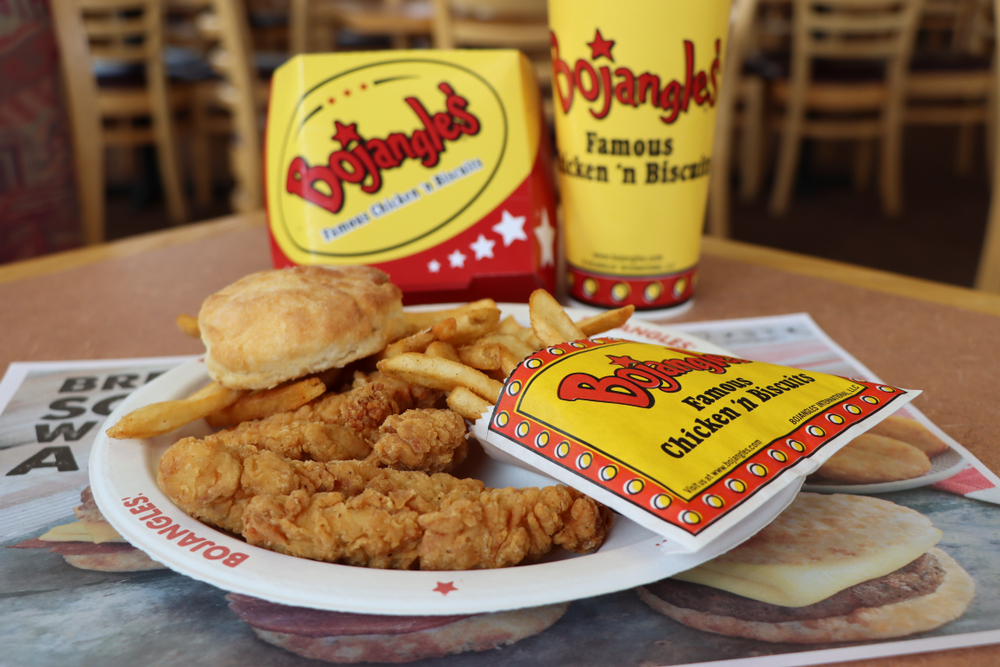
Image credit: Shutterstock
Bojangles built its identity on seasoned chicken and biscuits, two items the chain has focused on since its early years. The seasoning used on the chicken has a stronger profile than what national chains usually offer, and this gives the food a recognizable character. Biscuits are prepared throughout the day, and their texture remains a central part of the brand’s appeal. The menu also includes sides such as Dirty Rice, Cajun seasoned fries, and Bo Rounds, which contribute to the chain’s Southern profile. Customers tend to order combinations that match local eating habits, especially in the Carolinas and surrounding states where Bojangles is most established. Beverage sales play a significant role as well, since the sweet tea offered in large cups is one of the chain’s most consistent sellers. Bojangles maintains its direction by keeping the menu centered on items that tie closely to regional food traditions. The chain continues to grow within the Southeast while staying aligned with its original style.
Jollibee
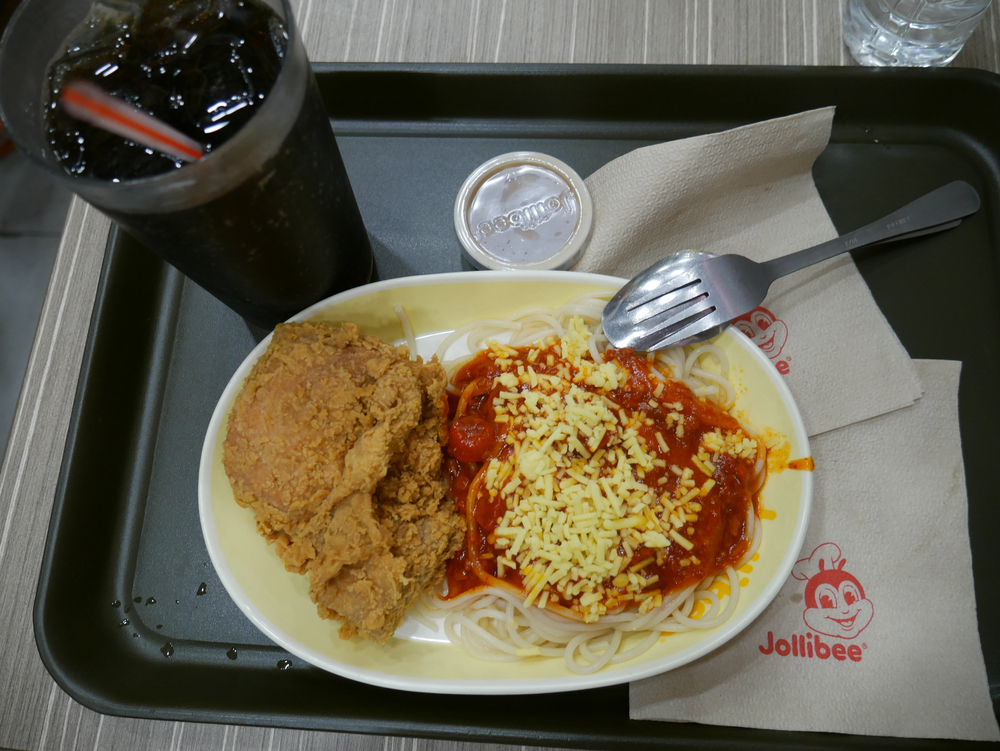
Image credit: Shutterstock
Jollibee’s menu differs sharply from typical American chains, which is the reason people often try it out of curiosity. The chain’s best known item, Chickenjoy, is fried with a coating that stays crisp even when boxed for takeout. Another notable dish is the Filipino style spaghetti, which has a sweeter sauce and sliced hot dogs mixed in, a combination many customers have not seen before. Jollibee also offers Peach Mango Pie, Yumburgers, and other items rooted in its home country’s flavor preferences. This approach reflects the brand’s history rather than an attempt to mirror U.S. fast food trends. Locations in the United States attract a mix of Filipino families familiar with the flavors and newcomers who want something different from standard menus. The chain continues to expand in major cities, adding stores in regions with diverse populations. Jollibee keeps its format simple, allowing the menu to carry the distinct identity of the brand without major adjustments.
PDQ
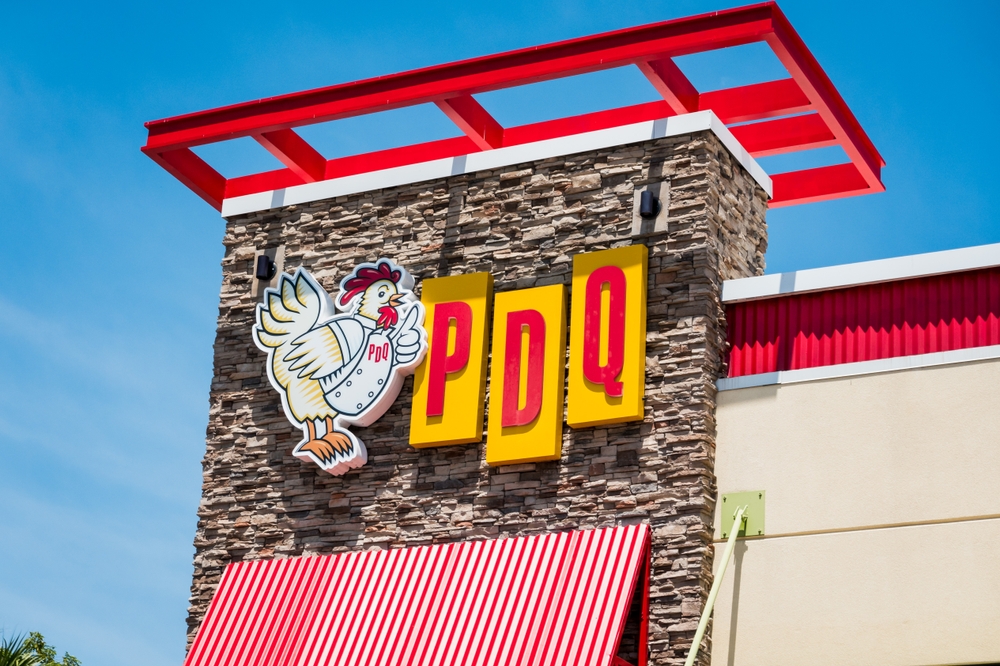
PDQ approaches fast food by focusing on a straightforward lineup built around chicken. The chain prepares its tenders by hand, and that method gives the meat a fresher feel than the prebreaded styles used by many competitors. Sandwiches, salads, and fries round out the menu, and the portions stay tight enough for people who want something quick instead of a heavy plate. The brand originally promoted a kitchen setup built around fresh ingredients rather than frozen ones, and some locations still follow that approach, but the exact setup can vary across the chain today. What stays consistent is the way they handle their sauces, since they mix them on site and keep the flavors simple enough for the kitchen to move fast. PDQ places most of its stores in areas where people want something between fast food and casual dining, and the layout matches that intention.
Portillo’s
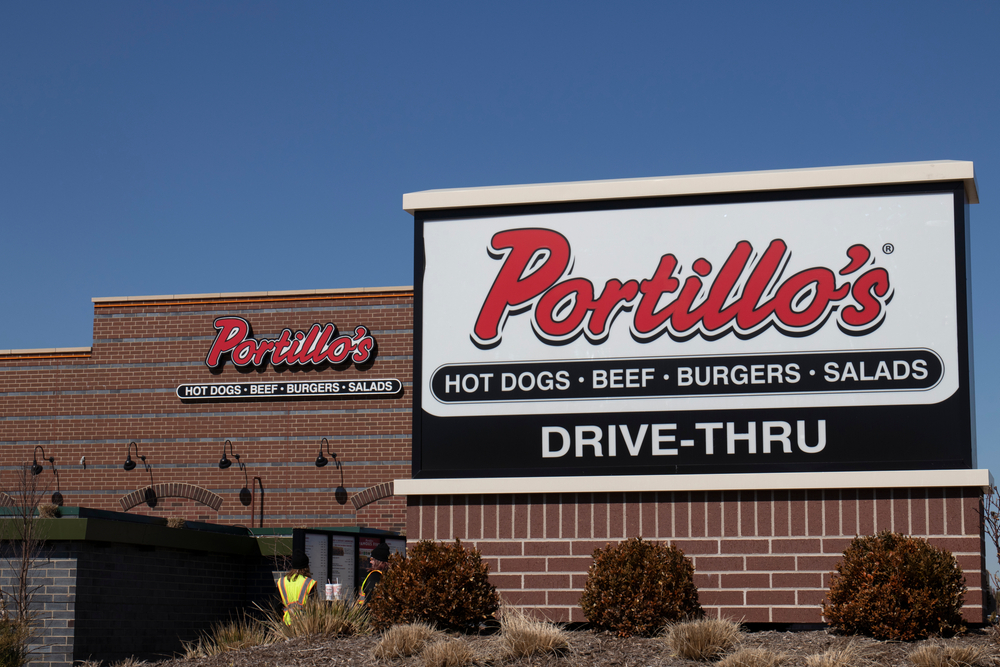
Image credit: Shutterstock
Portillo’s began as a hot dog stand in the Chicago area, and its menu still reflects the foods commonly associated with that region. The Italian Beef sandwich is the item most closely linked to the brand, often served dipped and topped with giardiniera. Chicago style hot dogs remain another central component, complete with the full set of toppings that define the city’s approach. Beyond these, customers can find Polish sausages, burgers, chopped salads, and the well known chocolate cake shake. Portillo’s locations are larger than typical fast food buildings, allowing the chain to handle high volumes of orders during lunch and dinner rushes. The interior design usually includes references to Chicago history, reinforcing its connection to the city even in out of state stores. Rather than shifting toward national trends, Portillo’s continues to highlight the same core items that built its reputation. This consistency helps the chain maintain strong customer interest in both long standing and newly opened markets.
Wawa
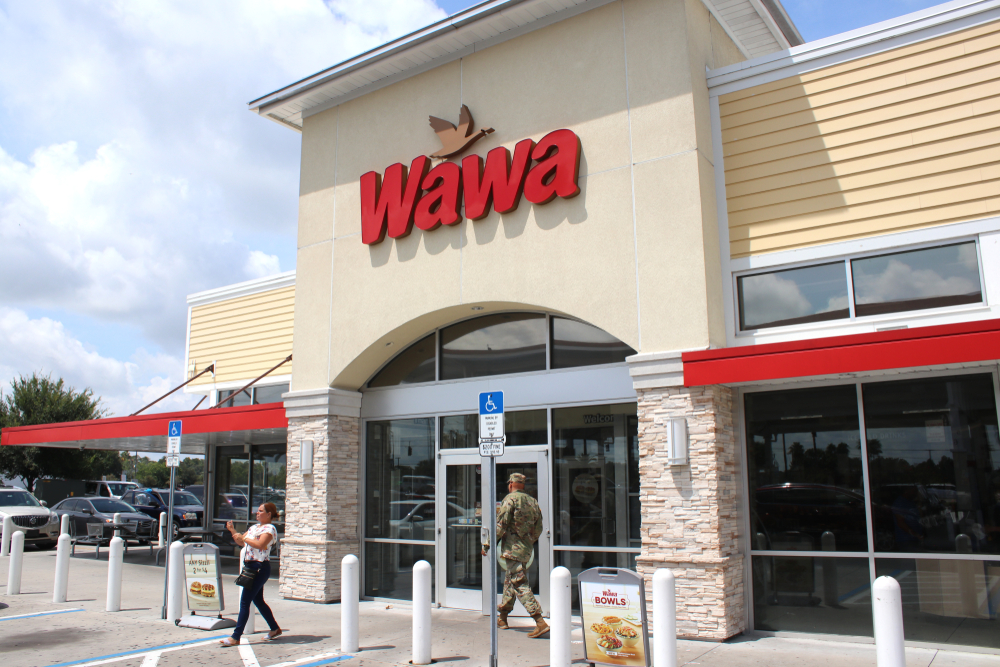
Wawa is technically a convenience store, but the food is better than what you expect when you hear that. You order everything on a touchscreen, which makes customizing way easier. The hoagies are the most popular item, and you can load them with whatever ingredients you want. Breakfast sandwiches, quesadillas, burritos, and bowls all come out fast, and the coffee has its own following. People usually stop at Wawa for gas once, then end up grabbing food every time they pass by. It sits in its own category because it blends convenience store speed with a menu that feels like a proper food stop.
Sheetz
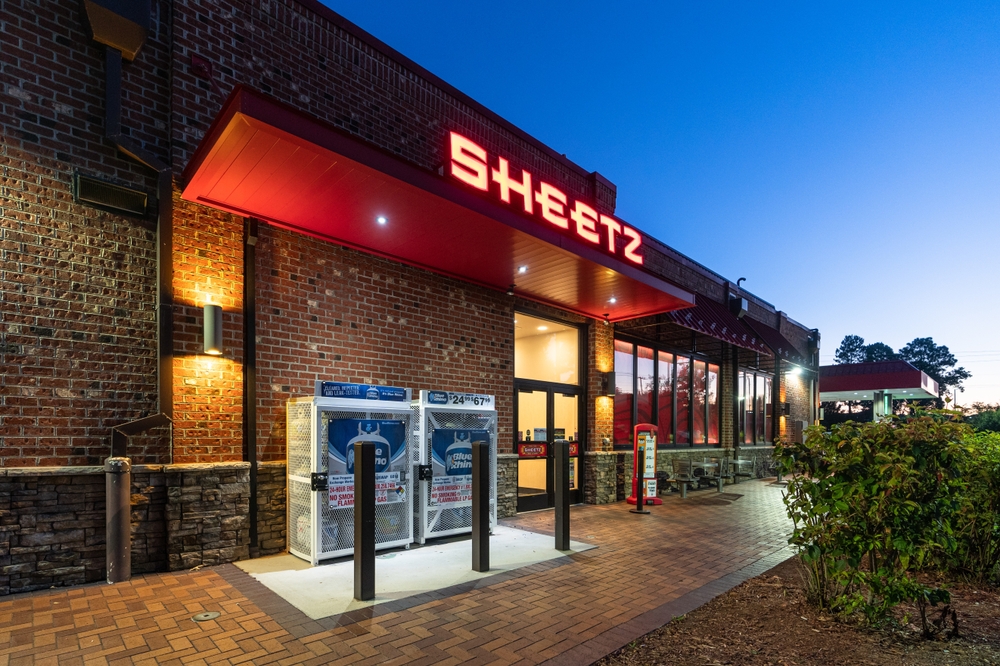
Sheetz gives you the same touchscreen setup as Wawa, but the menu leans heavier into big portions and late night food. You can grab burgers, wraps, subs, fries loaded with toppings, or even breakfast items in the middle of the night. It works as both a convenience store and a fast food stop, which makes it useful during long drives. Most locations stay open around the clock, so you can rely on it when other places are closed. The ordering system is simple, and the food comes out fast without feeling rushed. People usually remember Sheetz for the sheer amount of choice it offers, which makes it stand out right away.
Read More: 15 Foods Americans love and 15 they absolutely hate
Swensons Drive In
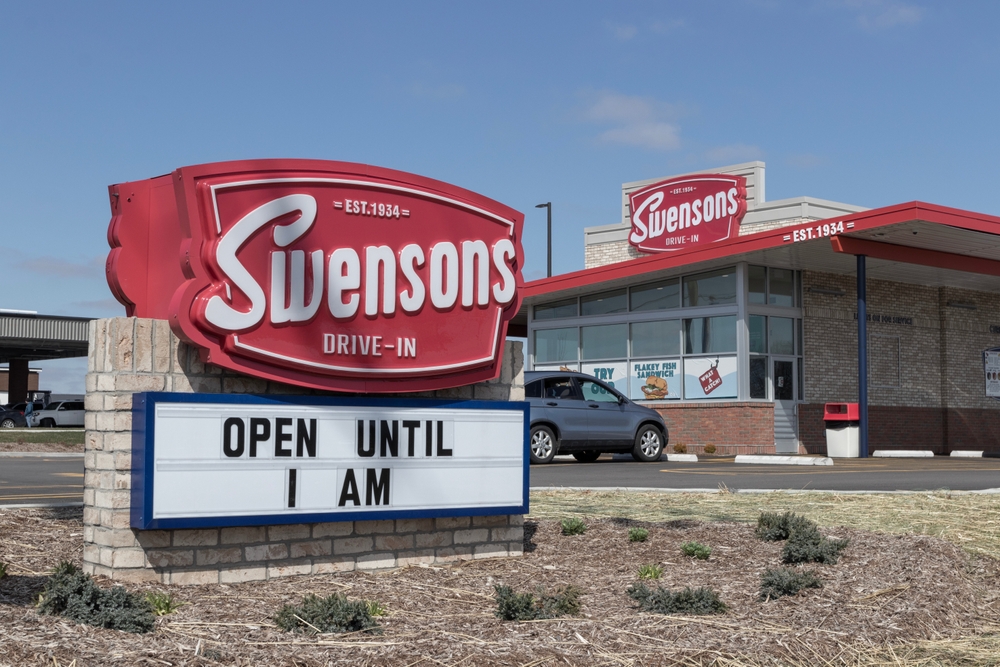
Swensons operates with a drive in format that has become less common in the fast food landscape. Cars park in designated spots, and servers take orders directly at the vehicle, which gives the experience a different rhythm compared to traditional drive thru setups. The Galley Boy, a double cheeseburger with two signature sauces, is the chain’s best known item and draws frequent repeat orders. The menu also includes potato teezers, milkshakes, and sandwiches prepared in a straightforward style. Swensons has remained concentrated in Ohio, allowing the chain to maintain steady quality control across its locations. The company emphasizes quick service by having staff move continuously between cars, which keeps wait times short even during peak hours. Customers familiar with the chain often treat it as a regular stop, especially in regions where it has operated for decades. Swensons continues to rely on the same core model that shaped its early success, adjusting only where needed to support modern operations.
Taco Cabana
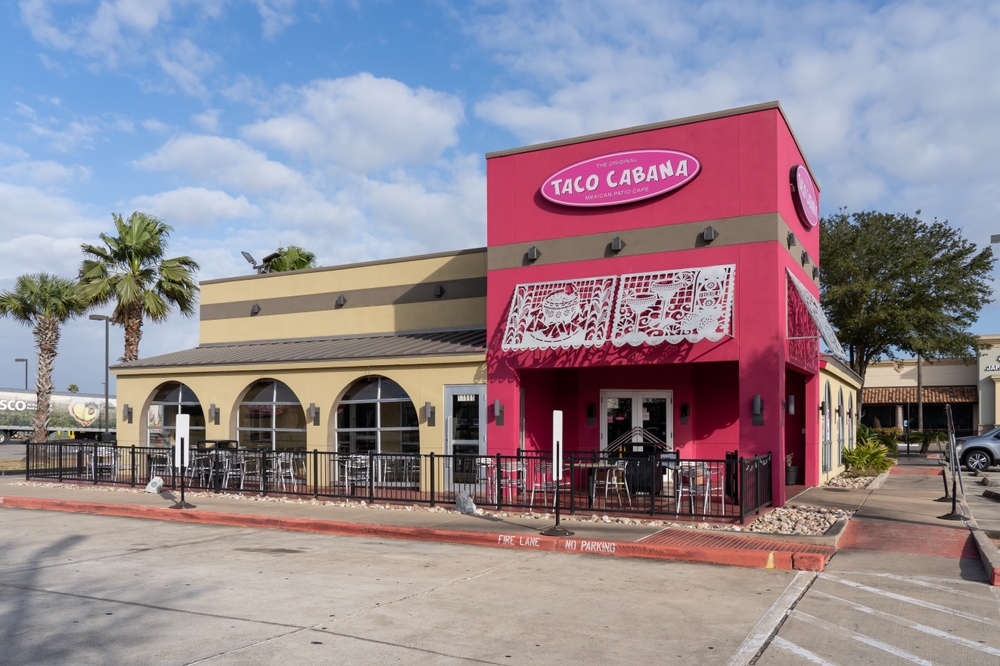
Taco Cabana is a quick stop for Tex Mex that still tastes freshly made. They press their tortillas on site, which you can taste right away whether you get tacos, quesadillas, or fajitas. Their salsa bar gives you plenty of options, so you can adjust your meal exactly how you want it. Breakfast tacos are a big deal here, and you can order them throughout the day without any hassle. The food comes out steady and warm, and the portions are manageable without being overwhelming. People often end up coming back because the menu is flexible enough for both quick snacks and full meals.
Hattie B’s Hot Chicken
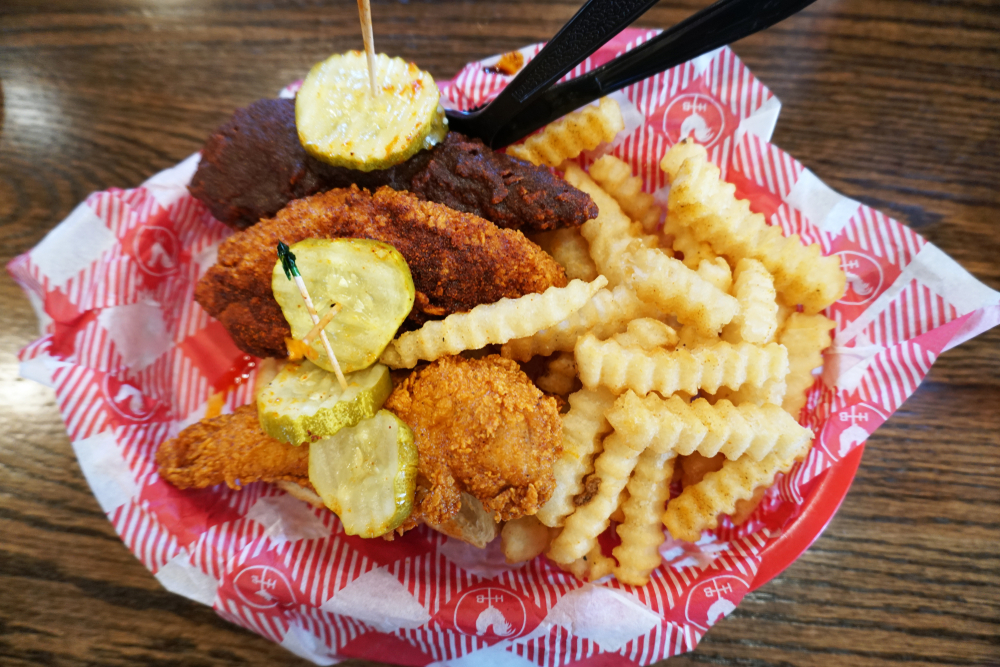
Image credit: Shutterstock
Hattie B’s focuses on Nashville style chicken with heat levels that range from mild to extreme. The chicken stays crisp, and the seasoning does not drown out the flavor. You can pair it with tenders, wings, sandwiches, greens, mac and cheese, or banana pudding. Some locations get busy, but the staff keeps things moving, so the wait never feels out of control. The spice levels make it easy for anyone to find a version they can handle. Most people walk away remembering the balance between the crunch, heat, and seasoning.
Burgerville
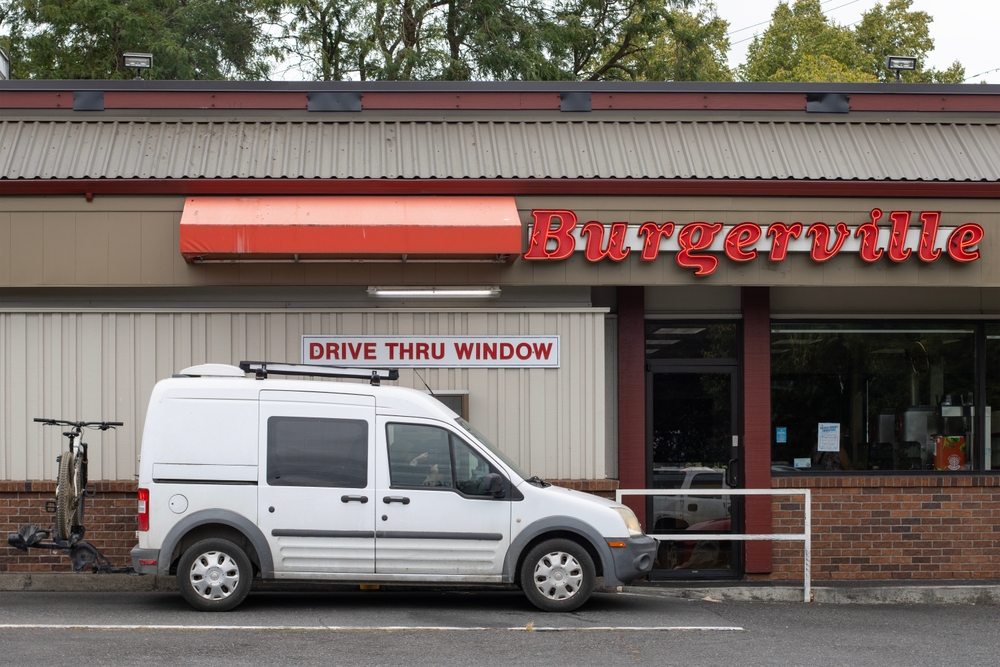
Burgerville builds its menu around ingredients from the Pacific Northwest, which gives the food its own identity. Seasonal items rotate through the year, like Walla Walla onion rings or marionberry shakes. The standard items, like burgers and chicken, still feel fresh because the chain works closely with farms in the region. The menu is simple to navigate, and nothing feels overcomplicated. Even the sides taste clean and straightforward. Customers tend to appreciate how connected the food feels to the area instead of coming across as generic.
Why We Hope These Places Stick Around
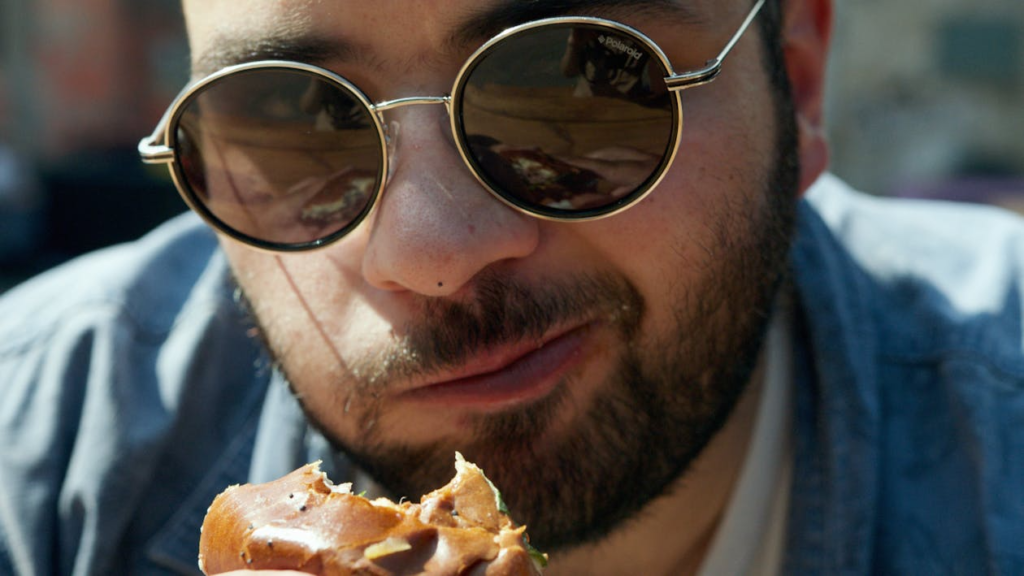
These chains stay focused on what they do best, even without the reach of national brands. Each one has its own rhythm, its own way of serving food, and its own group of customers who rely on it. You learn a lot about a region by paying attention to where people stop for a quick meal, and these places tell their stories without trying to match anything outside their area. Some highlight long running traditions, others lean on styles rarely seen anywhere else, and a few operate formats that feel different from the larger chains. They give you a clearer picture of how varied American fast food can be when it grows at its own pace.
Read More: 14 Healthy Fast Food Picks for Those On-The-Go Moments
Disclaimer: This article was written by the author with the assistance of AI and reviewed by an editor for accuracy and clarity.