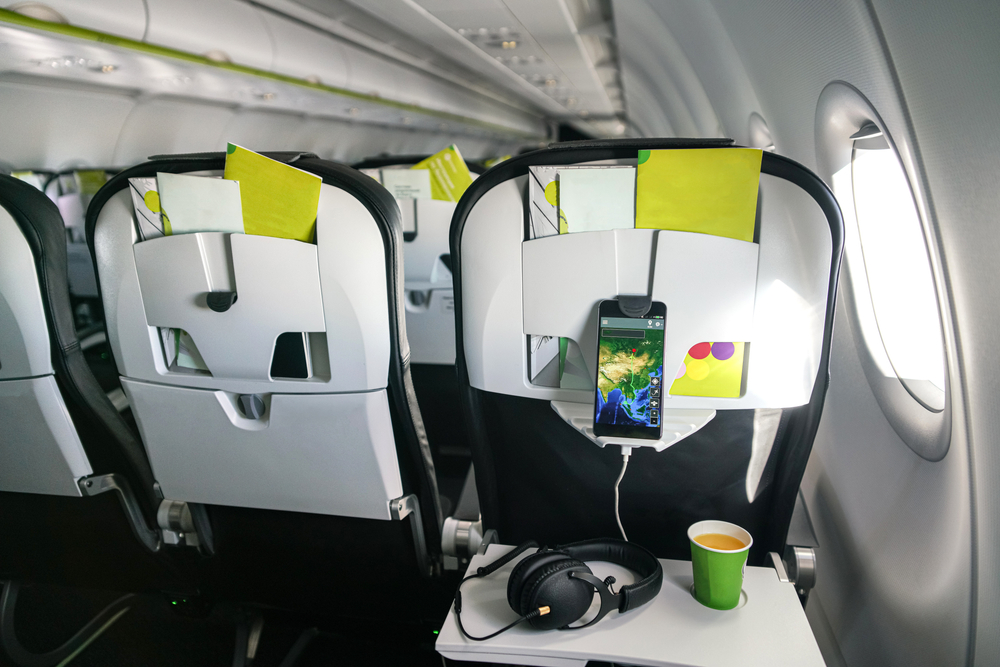

Most people board a plane and assume the dirtiest thing near them is the tray table. That guess makes sense. You eat on it, rest your hands on it, and fold it down right in front of your face. But the part of the seat area that gets overlooked the most is often the seat pocket. It looks harmless. It feels built-in. It almost seems like part of your own space once you sit down. That is exactly why people trust it too much.
The trouble is that the seat pocket is basically a shared storage pouch that strangers keep using all day. People shove in phones, snacks, tissues, wrappers, water bottles, books, tablets, and whatever else they do not want to hold. It may look fine from the outside, but that does not mean it is a great place for your stuff. In fact, it is usually one of the last places you want to put anything you plan to touch again and again during the flight.
Why the Seat Pocket Gets So Gross
The seat pocket has one big problem. People treat it like a personal drawer when it is really just public storage. One passenger uses it for a phone. Another uses it for a half-open snack. Someone else stuffs in a crumpled napkin or an old receipt and forgets it. A parent drops in a toy. A tired traveler tucks in tissues or lip balm. Then the next person comes along and does the same thing.
That is what makes it worse than it looks. It is not just touched. It is used. There is a difference. A tray table gets handled and wiped now and then. A seat pocket gets loaded with random objects that have already been everywhere else. Airport counters, bathroom sinks, security bins, sticky snack fingers, the floor under the seat, all of that can end up feeding into one little fabric compartment.
And because the seat pocket does not look dramatic, most people never stop to question it. They just slide in their belongings and move on.
The Part People Miss
The real issue is not just the pocket itself. It is what happens next. You put your phone in there, then pull it back out and keep using it. You put your headphones in there, then wear them. You slide in a snack, then grab it later and start eating. That is how the mess follows you without you really noticing.
It is easy to think of the pocket as out of the way and therefore fine. But it is more like a contact point that keeps passing things back to you. The phone you are holding, the passport you are grabbing, the earbuds case you keep opening, those things do not stay in the pocket. They keep coming back into your hands, and then your hands go straight to your face, your drink, your food, or your neck pillow.
That is why this matters more than people think. It is not about one dirty patch of fabric. It is about the chain of contact that starts there and keeps going.
It Feels Private, But It Is Not
Once you sit down on a plane, your row starts to feel like your little zone. The armrest feels like yours. The tray table feels like yours. The seat pocket in front of you starts to feel like your pocket. But it is not. It is still part of a shared public space, just one that happens to be assigned to you for a couple of hours.
That false sense of ownership is what makes the seat pocket such a sneaky problem. People would never walk into a public waiting room, find a hanging fabric pouch full of mystery contact, and immediately store their phone and snacks inside it. But on a plane, they do exactly that because the setting makes it feel normal.
Once you stop thinking of it as your storage and start thinking of it as shared storage, the whole thing looks different. It stops feeling convenient and starts feeling unnecessary.
The Tray Table Is Still Dirty Too
None of this means the tray table gets a free pass. It is still one of the grimiest surfaces near your seat because so many people touch it, eat off it, and rest things on it. The same goes for armrests, seat belt buckles, overhead bin handles, window shades, and the lavatory door.
The difference is that most travelers already suspect the tray table. A lot of people wipe it down before eating. Some at least refrain from putting food straight on it. The seat pocket does not get that same side-eye. It blends in. That makes it easier to trust, and that trust is what causes the problem.
So the point is not that the seat pocket is the only dirty thing on the plane. It is one of the easiest dirty things to avoid using, and one of the most overlooked.
Other Dirty Spots Inside the Plane
If you want a more realistic picture of the cabin, there are a few other spots worth thinking about. Armrests get handled constantly, especially on full flights where people keep shifting around. Seat belt buckles are touched by every passenger. Overhead bin latches are grabbed by row after row of people during boarding and landing. Window shades get pulled up and down all flight long.
Then there is the lavatory, which is obvious for a reason. The lock, sink area, flush button, faucet, and door handle all get heavy use in a tight space. That does not mean you should avoid the restroom all flight. It just means you should act like it is a shared public bathroom, because that is exactly what it is.
The same idea applies to the back of the seat in front of you, especially if you find yourself grabbing it while standing up or sitting down. It may not look filthy, but a lot of hands have probably been there.
Airports Are Full of the Same Problem
The airport is not much different. By the time you even reach your seat, you have probably already touched a check-in screen, a passport scanner, a luggage trolley handle, a security bin, an escalator rail, a bathroom door, and at least one gate-area chair.
Security bins are a big deal because people put shoes, belts, phones, tablets, and bags in them all day. Touchscreen kiosks are another obvious contact point. Then there are handrails, elevator buttons, gate counters, self-checkout machines, and payment terminals at airport shops.
None of this means airports are shocking or unusually nasty. It just means they are busy public spaces where lots of people are touching the same things in a short amount of time. That is normal. The mistake is acting as if your travel day starts fresh again once you board the plane. It does not. You are carrying an airport contact with you right into your seat area unless you are a little more thoughtful about what you touch and what you do right after.
Why Your Phone Ends Up Being Part of the Problem
One of the easiest ways travel grime sticks around is through your phone. It goes everywhere with you. It touches airport counters, seat pockets, tray tables, your hands, your face, and sometimes your food area, too. Then you keep holding it all day like it is somehow separate from the rest of the mess around you.
That is why the seat pocket matters so much. A lot of people put their phone in there without thinking, then take it out five minutes later and use it nonstop for the rest of the trip. If there is one personal item most people should be a little more careful with while traveling, it is probably that one.
The same goes for earbuds cases, passports, water bottles, and anything else you keep reaching for. They may belong to you, but that does not magically keep them clean once they start landing on shared surfaces.
What to Do Instead
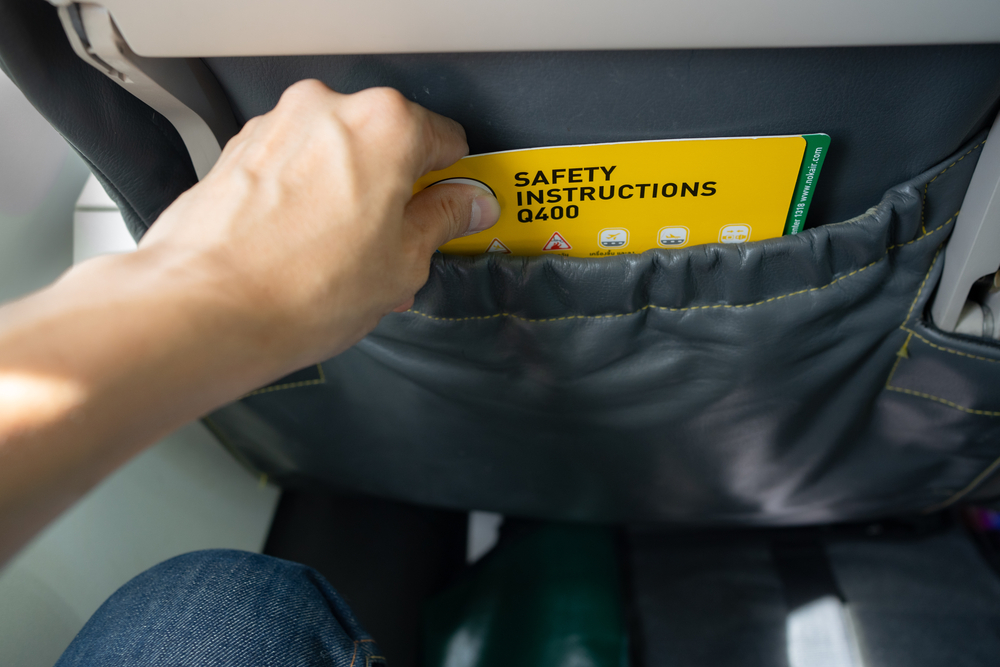
You do not need a full cleaning routine to make this better. You just need a few smarter choices. The first one is easy. Skip the seat pocket unless there is no other option. Keep your things in your own bag, in your jacket, or on your lap if needed. That alone solves a lot.
Second, wipe down the tray table if you plan to use it closely, especially for food. Third, clean your hands before eating and after using the restroom. That one move does a lot more than people think. You are never going to avoid every public surface during travel, so clean hands matter far more than trying to dodge every touch point.
Also, be a little more mindful of your phone and anything else you keep handling. Not in a stressful way, just in a practical way. If it has been in the seat pocket, on a tray table, or in your hand through the whole airport, maybe do not grab your snack with that same hand two seconds later.
A Better Way to Think About It
The easiest way to make sense of this is to stop treating your plane seat like your personal lounge chair. It is still public space, just in a tighter format. Once you think of it that way, better choices become much more obvious.
The seat pocket stops feeling like free storage. The tray table stops feeling like a kitchen surface. The overhead bin handle stops feeling like nothing. You do not have to get weird about it. You just stop being careless with the objects and surfaces that get the most shared use.
That is a much more useful approach than trying to decide which one thing is the absolute dirtiest. Travel is full of high-contact points. The real win comes from noticing the ones people trust too easily.
The Best Takeaway Before Your Next Flight
The seat pocket is one of those things that seems helpful until you really think about how many strangers have used it and what they probably put in there. Once you picture it as shared storage instead of personal space, it loses a lot of its appeal fast.
That does not mean flights need to feel stressful or gross from start to finish. It just means a little caution goes a long way. Keep your own belongings in your own bag when you can. Be smart about what touches your hands before you eat. Treat airports and planes like busy public environments, because that is what they are.
That one shift makes the whole experience easier to manage. You do not need to obsess. You just need to stop trusting the wrong things. And on a plane, the seat pocket is high on that list.
This article was created with the assistance of AI tools and reviewed by a human editor.