

The job title was “Groom of the Stool.” It came with its own office at court, a salary, and the ear of the king – and its holder was expected to wipe the royal bottom after every visit to the privy. For roughly four hundred years, ambitious men competed for it.
Some jobs are unpleasant. Some are dangerous. Some are both, and then layer on top of that a social stigma so thick that even the people doing the work were considered permanently contaminated. The worst jobs in history didn’t just grind down their workers physically. They were designed, by accident or by class, to be done by people who had no other option. That’s the part that doesn’t quite come through in the history books.
The jobs that follow span different centuries and continents, but they share a common thread: long hours, real physical danger, social contempt, and conditions that most people today wouldn’t spend five minutes in. These weren’t edge cases. They were entire livelihoods, passed down through families, shaped by necessity, and endured because the alternative was starving. These are the worst jobs in history, in no particular order. You can rank them as you please.
The Groom of the Stool
Implemented during the reign of Henry VII and only abolished in 1901 by Edward VII, the role of Groom of the Stool required the holder to take the monarch to the toilet, check whatever went on in there, and clean the royal bottom afterwards. On paper, this sounds like the bottom of the barrel. In practice, despite the obvious unpleasantness, the job was considered one of the most prestigious posts in the kingdom. The one-on-one time and unique access to the royal ear meant the Groom was perfectly positioned to influence the royal mind on any topic.
So here was a job that was simultaneously the most demeaning and most politically powerful position a courtier could hold. Noblemen lobbied for it. They understood that proximity to power was worth any indignity the morning ritual required. During the reigns of Mary I and Elizabeth I, the title came to be First Lady of the Bedchamber. From then onward, the title underwent several changes, including being called the First Gentleman of the Bedchamber. It was not until the ascension of King Edward VII in 1901 that the office was finally discontinued.
The Gong Farmer
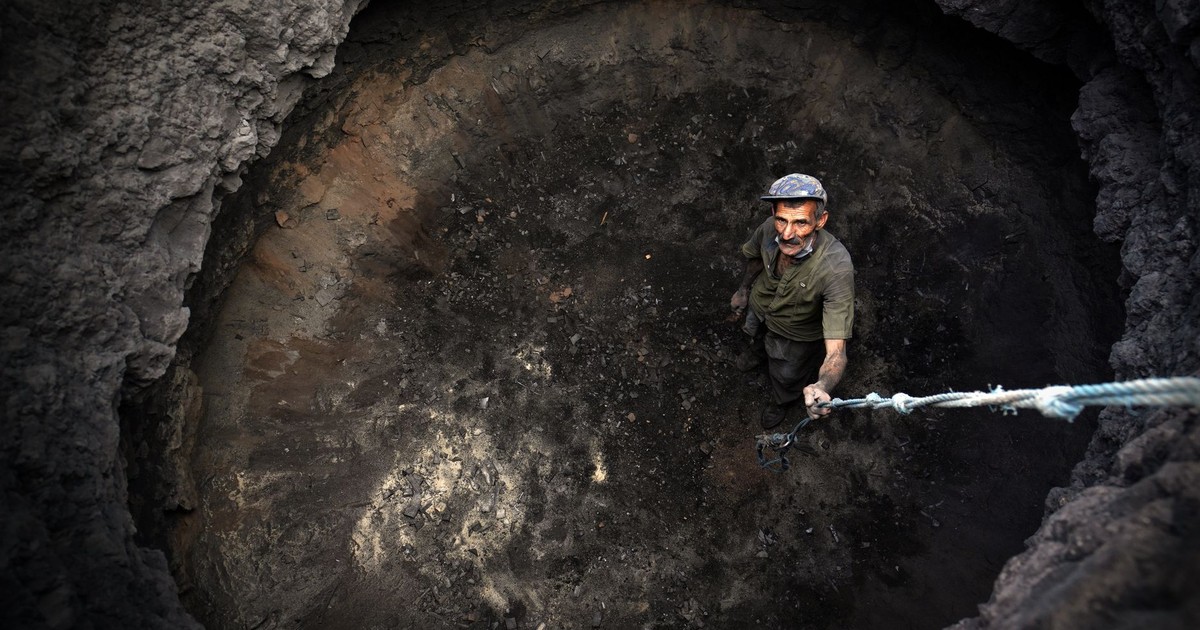
Before modern plumbing turned sewage disposal into a matter of flushing a handle, someone had to deal with it by hand. That someone was the gong farmer, also known as the nightman. Only permitted to work at night, gong farmers were tasked with digging out and removing all of the human waste in cesspits. Paid per ton, they spent all night in deep holes, up to their waist or neck in human excrement.
The fumes alone were enough to kill. Methane and hydrogen sulfide built up in enclosed pits faster than anyone could warn their colleagues. These workers earned decent wages due to the repulsive nature of their work, but faced serious health risks from toxic gases and disease. Many dulled their senses with alcohol just to make it through their shifts.
In the late 14th century, London had just sixteen public toilets for a population of around 30,000. The math tells you everything about how overworked the gong farmers were, and how non-negotiable their services actually were.
The Leech Collector

Medieval medicine ran on a single theory: that most illness came from an imbalance of bodily fluids, and that drawing blood from a patient would restore equilibrium. Leeches were the preferred tool. The people who supplied them waded barefoot into marshes and swamps and let the creatures attach directly to their legs.
A leech collector’s working method was also the occupational hazard. Standing in cold, stagnant water with bare legs until leeches latched on meant chronic infections, open sores from constant exposure, and blood loss that compounded week after week. Waterborne diseases came with the territory.
Leech gatherers in the United Kingdom were, in a grim irony, a bit too successful. By the turn of the 20th century, the medicinal leech was declared extinct in Britain. The demand for leeches was so relentless that the profession essentially destroyed its own supply chain.
The Chimney Sweep

The image most people carry of a chimney sweep comes from Mary Poppins: soot-dusted but cheerful, dancing on London rooftops. The reality was so far from that it barely qualifies as the same occupation. According to Historic UK, those employed as chimney sweeps, often called climbing boys, were frequently orphans or from impoverished backgrounds, sold into the job by their parents, some as young as three years old.
Standard flues narrowed to around 9 inches by 9 inches. Children climbed those spaces with no protective gear, their lungs exposed to toxic fumes and carcinogenic soot with every job. They suffered respiratory problems, physical injuries, and burns from hot flues that never fully healed. It was not uncommon for climbing boys to get stuck and suffocate inside a chimney. The luckier ones, if that word can be used, made it out but developed what physicians eventually called chimney sweeps’ carcinoma, or soot wart, the first occupational cancer ever formally identified.
A series of bills and regulations throughout the 19th century chipped away at the practice of sending children into chimneys, but enforcement was almost nonexistent for most of that period. It took the death of 12-year-old George Brewster, who died stuck in a chimney at Fulbourn Hospital in 1875, to finally force the government to require licensing and police enforcement of the rules. The climbing boys era ended that year, but not before generations of children had paid for it with their health and their lives.
The Leather Tanner

A tanner’s job was to prepare raw animal hides for leather by soaking the skin in urine and dog feces. The mix of urine and feces softened the material, and tanners had to scrape fat, hair, and flesh from rotting carcasses. The smell was so bad that History Hit records tanneries being placed at the edges of towns, downwind, always downwind, because no community wanted one within smelling distance.
The hides were also soaked in giant pits of lime to soften the hair and tissue. All of the hair and fat would then be scraped off by hand, a slippery and foul process. The lime itself was its own hazard. Quicklime is caustic, highly unstable, and reacts violently to water. It can spit, steam, and even explode. It was so dangerous it was sometimes used as a weapon, thrown at an enemy to cause painful burning wherever it came into contact with moisture.
Tanners were typically barred from certain public spaces and were regarded as permanently unclean, regardless of how thoroughly they washed. The stigma followed them everywhere.
The Match Girl
In 1888, 1,400 women walked out of the Bryant and May match factory in the East End of London against low pay and harsh working conditions. Beyond the 14-hour days and arbitrary fines, they were protesting a disease that was destroying their faces from the inside.
Phossy jaw, formally known as phosphorus necrosis of the jaw, was caused by white phosphorus vapor rotting the bones of the jaw. According to a University of Manchester review published in the British Dental Journal, it was entirely preventable from the moment it was identified, yet companies chose profit over safety for decades. Workers developed unbearable abscesses in their mouths. Their gums glowed greenish-white in the dark. The only way to save the jaw was to remove it entirely. In some cases, that surgery still wasn’t enough.
Finland was the first country to ban white phosphorus matches, in 1872, followed by Denmark in 1874 and France in 1897. Great Britain did not introduce its own ban until the White Phosphorus Matches Prohibition Act of 1908. The women who walked off the factory floor in 1888 helped set that legislation in motion, making the Bryant and May strike one of the most consequential labor actions in British history.
The Body Snatcher
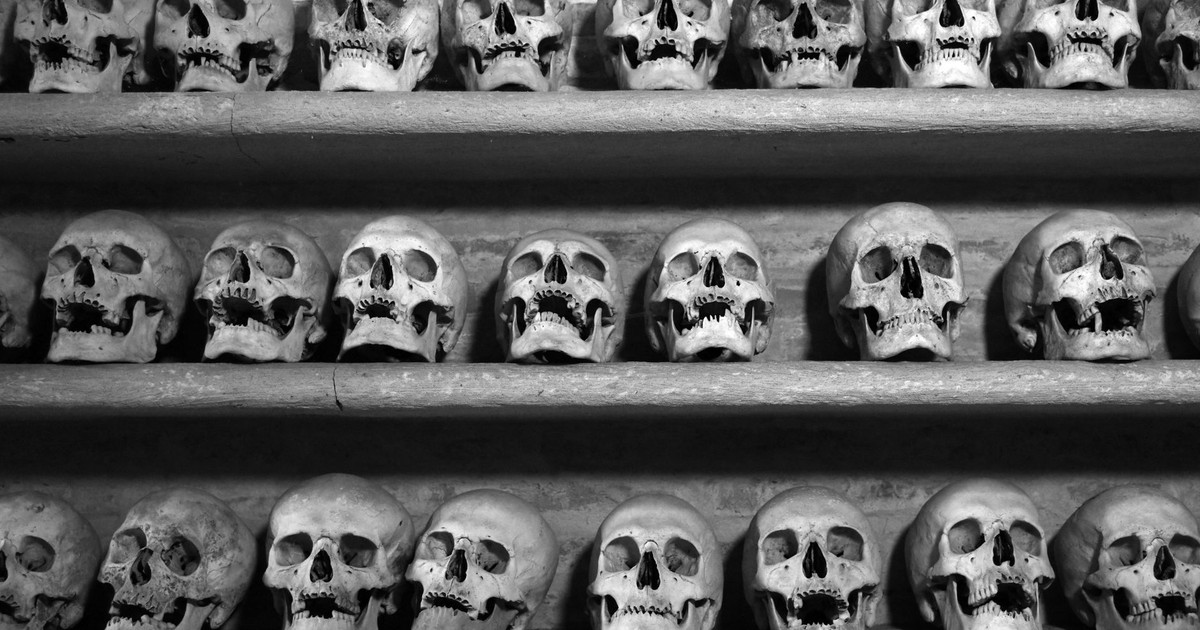
In the 18th and 19th centuries, medical schools across Britain needed cadavers for anatomy lessons. The legal supply, limited to executed murderers under a 1752 ruling, couldn’t come close to meeting demand. So some people became body snatchers, also known as resurrectionists. The job was lucrative, but bodies weren’t embalmed at the time, so they rotted quickly, and the work had to be done fast, in the dark, in graveyards, where communities had started posting armed guards on fresh plots.
Body snatching was punishable under law, but the penalties were lighter than for most theft since bodies weren’t legally considered property. The real deterrents were public outrage and the iron coffin, a device specifically invented to make burial plots harder to dig up. Eventually, the British government allowed doctors access to unclaimed workhouse dead in an attempt to stem the theft, but the trade persisted until the Anatomy Act of 1832 finally opened a legal supply of cadavers for medical training.
The Ancient Roman Sewer Cleaner
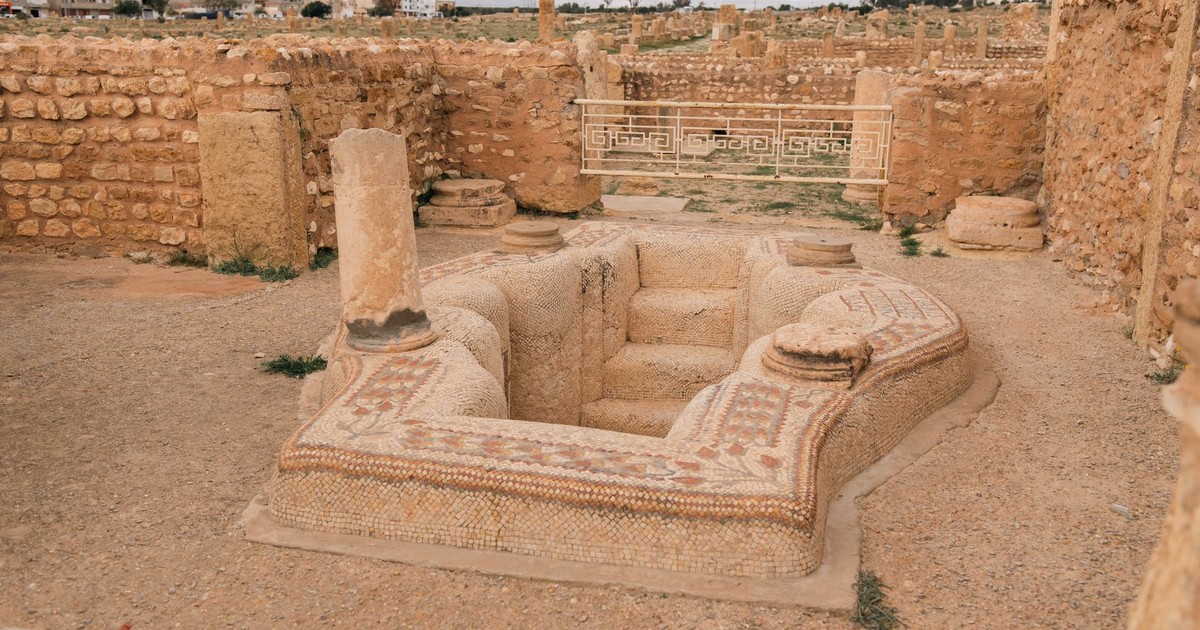
Rome built the Cloaca Maxima, one of the ancient world’s most impressive engineering feats, a sewer network that drained the city’s waste into the Tiber. Someone had to maintain it from the inside. As Brewminate documents, sewer cleaners worked the Cloaca Maxima’s tunnels scraping blockages in conditions where collapse, drowning, and suffocation were constant threats.
These weren’t accidental assignments. Workers were drawn from the lowest rungs of Roman society, often slaves or the desperately poor. The sewer cleaner worked in darkness, breathing air that could kill within minutes, for wages that barely registered. Galley rowers, also drawn from the slave class, were chained to oars and whipped for endurance, left to die when ships sank. The Roman world was built on a foundation of labor that was never counted, never honored, and almost never survived long enough to leave a record.
The Fuller
Wool was the economic engine of medieval England, and before it could be turned into cloth, it had to be cleaned and compacted. That process was called fulling, and it involved stomping on raw, freshly woven wool soaked in vats of stale human urine for hours at a time. The urine acted as a natural detergent. It also smelled appalling, burned the skin on contact, and carried disease. By 1300, there were probably 15 million sheep in England, outnumbering humans three to one, which means there was an enormous and constant demand for fullers.
Their feet stayed perpetually cracked and infected. The smell of their working day soaked into everything, followed them home, and woke up with them the next morning. They were socially scorned in much the same way tanners were: essential to the economy, treated as beneath it.
The Powder Monkey

Naval warfare in the age of sail produced some of the worst working conditions ever devised, but few roles were as dangerous as the powder monkey. Carrying gunpowder from the ship’s magazine to the gun decks fell to boys typically aged between 10 and 14, selected for their speed, agility, and small size, which let them move through the cramped passages of the ship.
They carried loose gunpowder, in the open, through a warship that was simultaneously being shot at. A single spark between the magazine and the gun deck meant instant death. These boys weren’t volunteers in any meaningful sense. They were often pressed into service or had signed on out of sheer desperation. Their job description was essentially: run through a fire hazard, repeatedly, until the battle ends or you don’t.
Read More: 15 of the Biggest Lies Ever Told in Human History
The Weight of All of This
The standard response to a rundown of history’s worst jobs is gratitude, a reflexive appreciation for modern labor laws. That’s not wrong, but it’s incomplete. What these occupations actually reveal is something more uncomfortable: that societies have always generated essential work that they also despised, and that the people doing the worst of it were almost always the people with the fewest choices.
The gong farmer kept medieval cities from drowning in their own waste. The tanner made leather for every saddle, boot, and book binding in Europe. The powder monkey kept the guns firing. None of them were optional. All of them were, in their way, foundational to the civilization that looked down on them. When historians trace the worst jobs in history, they’re not cataloguing the grotesque for its own sake. They’re tracing the labor that built everything and was remembered by almost nothing.
Some of these conditions were eliminated by technology. Others were ended by strikes, by legislation, by people who decided the cost was too high and refused to keep paying it. The match girls of 1888 walked off the factory floor and changed the law. The powder monkey had no such option. Both facts belong in the same account.
AI Disclaimer: This article was created with the assistance of AI tools and reviewed by a human editor.