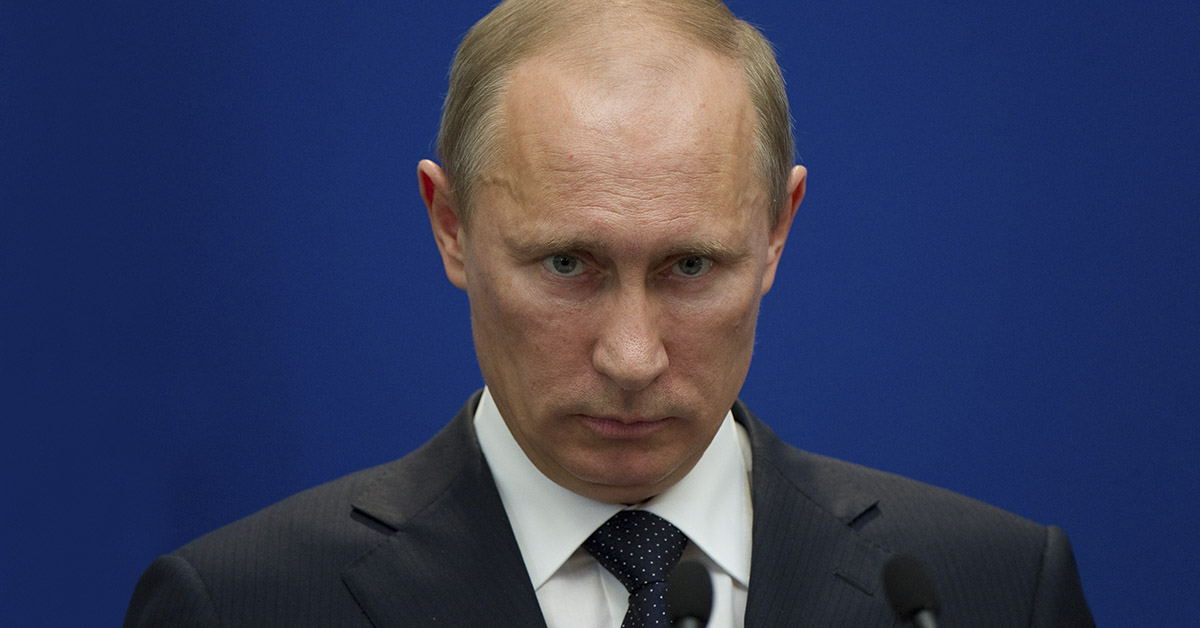

A profound shift in security rhetoric has swept across Europe in recent months. German officials and NATO leaders now openly discuss the possibility of a major conflict. These warnings mark a departure from decades of relative peacetime assurance on the continent. Experts fear that escalating tensions could eventually spiral into World War III. The rhetoric has moved from theoretical discussions to concrete civil defense advice. Germany recently updated its crisis guidelines to reflect this possibility.
The warnings stem from a combination of geopolitical instability and military intelligence assessments. Russia’s ongoing aggression serves as the primary catalyst for this heightened state of alert. European leaders worry that the conflict in Ukraine acts as a precursor to wider war. They believe that complacency could lead to catastrophic consequences for the entire alliance. This has prompted governments to urge citizens to prepare for significant disruptions. The mention of World War III is no longer just a fringe theory.
NATO Chief Issues Urgent Warning on Russian Aggression

NATO Secretary General Mark Rutte delivered a chilling message to allies in Berlin. He urged member states to drastically step up their defense efforts immediately. Rutte warned that a future war could match the scale of World War II. He stated that Russia might be ready to use military force against NATO soon. He suggests that Russia’s military force would have full attacking capabilities within the next 5 years. While intending to not cause alarm, Rutte urges European countries to prepare for a mass-scale conflict with Russia
Rutte expressed deep concern regarding the current mindset of many alliance members. He fears that too many allies feel quietly complacent about the Russian threat. The NATO chief emphasized that time is not on the side of the West. He argued that waiting to act would only increase the danger of World War III. Rutte declared that conflict is already at the doorstep of the European continent. He stressed that Russia has effectively brought war back to Europe.
The urgency in his speech reflects a broader anxiety among Western security officials. Leaders acknowledge that decades of military neglect have left Europe vulnerable to attack. Rutte called for a rapid increase in both defense spending and production. He believes these steps are the only way to deter a massive Russian assault. The goal is to prevent a war that would devastate the current generation. His words serve as a direct appeal to wake up from a post-Cold War slumber.
European nations must now balance economic constraints with the need for military readiness. Rutte’s warning implies that financial costs today are cheaper than the costs of war. He highlighted that the threat is not just theoretical but developing in real-time. Russia continues to ramp up its own military production and troop numbers. NATO allies must match this pace to maintain any semblance of credible deterrence or lose the already fragmented peace Europe contentiously still holds on.
Leaked German Military Documents Outline Conflict Scenarios
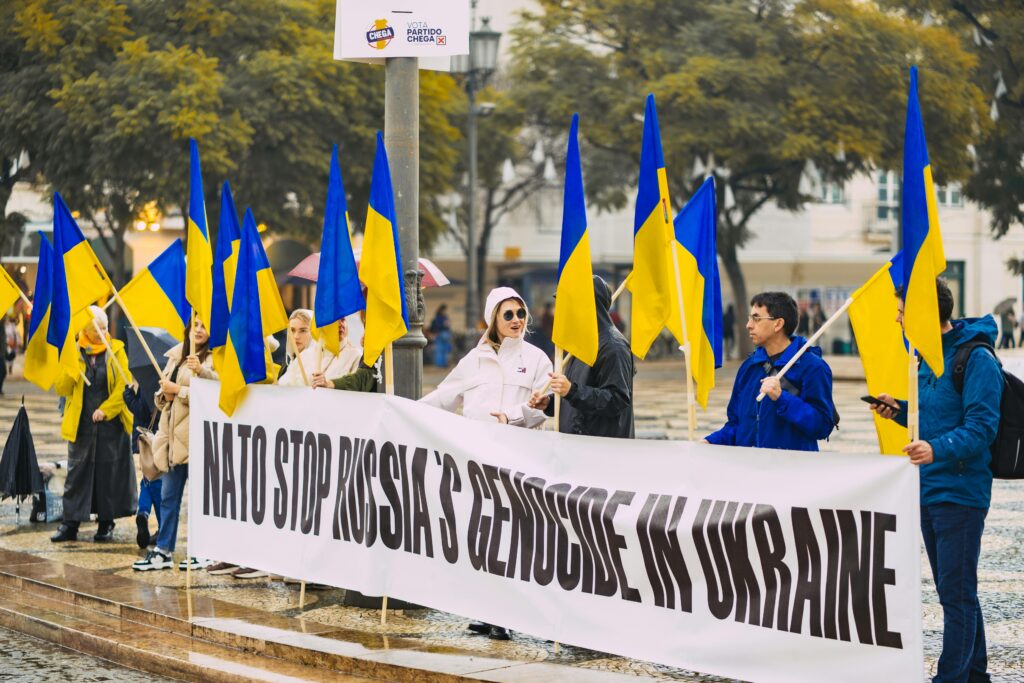
The tabloid German media outlet, Bild, published excerpts from internal undisclosed military planning documents. The leaked files outline a hypothetical trajectory of events toward a direct conflict with Russia rather than concrete predictions. The scenario was labeled “Alliance Defense 2025″ by the German armed forces, according to the tabloid report. It detailed a sequence of escalations that could trigger a full-scale NATO-Russia war.
In the leaked military plan, one scenario described a Russian mobilization of 200,000 new troops into Ukraine. This move would theoretically occur as early as February of the following year. The plan envisioned a spring offensive driven by dwindling Western financial support for Kyiv. Success in Ukraine would then embolden Moscow to target other sovereign nations. The document speculated that the Baltic states would be the next logical targets.
Planners theorized that Russia would utilize severe cyberattacks to destabilize Estonia, Latvia, and Lithuania. These digital assaults would likely begin around July of the projected time. Moscow would also incite tensions between ethnic Russian minorities and local populations. This hybrid warfare strategy aims to create internal chaos within NATO borders. The document suggests these actions would set the stage for a physical invasion.
The leaked scenario culminates in a tense standoff in the Suwałki Gap. This narrow strip of land connects Poland to the Baltic states. Taking this territory would effectively isolate the Baltics from their NATO allies in Europe. The document envisioned Russia using false accusations of NATO aggression to justify troop movements. Tens of thousands of German soldiers would deploy to counter this Russian threat.
Civil Protection Guide Breaks 35-Year Taboo on War
For the first time in 35 years, the German government has pivoted its national security doctrine regarding civilian safety. The Federal Office of Civil Protection released a newly revised emergency guide explicitly mentioning war as a threat. Titled “Preparing for Crises and Disasters”, previous editions focused solely on natural disasters like floods or technical failures.
The guide states that war no longer seems as unlikely as it did previously. The agency emphasizes that Germany remains one of the safest countries globally. However, the updated text stresses the need to prepare for extreme crisis situations. Officials believe that ignoring the possibility of war is dangerous and irresponsible. They want the population to understand the fragility of the current geopolitical order and be prepared, not fearful.
BBK President Ralph Tiesler explained the reasoning behind this dramatic update to the guide, noting the current geopolitical situation concerns many Germans. The guide attempts to offer support and guidance to address those specific fears. The updated guide addresses hybrid threats such as cyberattacks on critical infrastructure and disinformation. These modern warfare tactics can disrupt daily life even without a physical invasion. The government wants citizens to be ready for these non-traditional forms of conflict.
This new manual provides practical advice on how to recognize false information. It also instructs civilians on finding shelter during attacks on urban areas. The guide covers coping with fear and anxiety during extreme situations. The explicit mention of war follows public debates on conscription and drones.
Household Preparedness Doctrine Shifts to Self-Sufficiency
The new German preparedness document recommends that each household have a specific level of self-sufficiency in cases of crisis. Authorities advise every household to be able to survive for 10 days alone without any external support. This contingency plan covers scenarios without electricity, running water, or access to supermarkets for this timeframe. The goal is to reduce the immediate burden on emergency services during a crisis. A resilient population allows the government to focus on critical infrastructure defense.
The checklist for a 10-day supply is optimised for individuals to 4 member family units. However, authorities recognise that each household differs in its needs. It recommends storing at least 20 liters of drinking water per individual. The guide warns that power outages would likely disable municipal water pumps. Citizens are told to fill containers immediately if water is still running. Food supplies should include items that require no cooking or refrigeration. This ensures survival even if the power grid fails completely.
The food list includes substantial amounts of carbohydrates and proteins for energy. It suggests approximately 7 kilograms of rice and pasta goods per person. The list also calls for canned vegetables, fruit, fish, and meat. Nuts, oil, and hard cheese round out the nutritional requirements. However, some critics state that the volume of food required not only poses a financial issue but a storage problem as well. For example, a family of 4 members would require a substantial amount of storage space to store all the goods required in the case of a crisis.
To mitigate this, officials recommend the concept of a “living stockpile” to manage these supplies. Households should integrate stored items into their everyday consumption cycles. Newly purchased products go to the back of the shelf. This rotation ensures that nothing expires before it might be needed. The guide acknowledges that cost is a barrier for some families. However, it stresses that even small steps in preparation are better than none.
Intelligence Chiefs Confirm Europe Is Already in the Fire
German intelligence officials have reinforced the urgent warnings coming from civil agencies. BND President Martin Jäger delivered an unusually stark warning to the German parliament, stating Europe is “already in the fire” regarding Russia. Jäger described the current state of the continent as “an icy peace at best.” His assessment confirms that the conflict is not a distant possibility.
Jäger’s previous role as German Ambassador to Ukraine adds weight to his words. He has witnessed the reality of Russian aggression firsthand. The BND chief warns that one must not relax in the current climate. He believes that Russia sees itself in a direct confrontation with Europe. This perspective drives the intelligence community to push for higher readiness. They argue that ignoring these signals invites further aggression.
The timing of Jäger’s statement coincided with the release of the BBK guide. This synchronization suggests a coordinated effort by the German government to alert the public. Leaders want to convey a unified message about the risks of World War III. Intelligence reports indicate that Russia continues to expand its military capabilities. The threat is evolving faster than many European nations can rearm. Jäger stresses that the time for debate has largely passed.
These warnings align with assessments from other Western intelligence agencies. Danish and German intelligence both warn of a potential attack within 5 years. They see Russia producing military equipment at an exponential rate, meaning this could allow Moscow to test NATO’s solidarity soon.
European Nations Ramp Up Defense Spending and Training
Countries across Europe are taking drastic measures to prepare for potential war. Poland is leading this effort with a historic boost to defense spending. Warsaw plans to train every adult male for military service. The nation aims to boost its army to 500,000 troops. Poland remembers its history as a colony of Moscow vividly. They are determined to deter any Russian aggression on their soil.
Scandinavia and the Baltic states are also aggressively strengthening their defenses. Norway is restoring old military bunkers inside the mountains. These facilities have been deactivated for 40 years. New building codes in Norway require bomb shelters in large structures. Lithuania, Latvia, and Estonia are withdrawing from the ban on anti-personnel landmines. They argue that mines are paramount to defending NATO’s eastern flank.
The move to reintroduce landmines highlights the desperation of frontline states. These countries share borders with Russia and its ally Belarus. They fear that a Russian invasion would be swift and brutal. Defense experts note that European armies currently lack the size to hold front lines. Russia has lost equipment but still commands a massive number of troops. “Quantity is a quality of its own,” warns one strategic analyst.
Germany has also passed a major defense spending plan worth billions. This represents a radical departure for a country traditionally reluctant to militarize. Berlin is now investing heavily in infrastructure and support for Ukraine. The goal is to build a credible deterrent against Russian expansionism. Nations are waking up to the fact that the “good times” are over.
Political Hurdles Stall EU’s Drone Defense Wall
The European Union is attempting to build a “drone wall“ to protect its eastern flank. This initiative aims to counter the growing threat of Russian surveillance and attack drones. Incursions into Polish, Danish, and German airspace have highlighted the urgency. However, the proposal faces significant political and technical hurdles. Disagreements over control and funding are slowing down the project.
France and Germany have expressed skepticism about the Commission’s original plan. Major powers are wary of handing too much defense control to EU bodies. They prefer to handle large procurement initiatives through national channels. French President Macron argued the threat is more complex than a “wall” suggests. German Chancellor Merz has also not fully embraced the proposal.
The technical requirements for such a defense system are immense. It would need a layered system of sensors, cameras, and jammers. Weapons would include machine guns, rockets, and interceptor drones. Experts note that drone warfare evolves rapidly. Ukrainian forces found that interceptor drones lose effectiveness as enemy speeds increase. A system built today might be obsolete within months.
Defense firms are lining up to provide solutions for the drone wall. Companies like Rheinmetall and Helsing see a potential bonanza in orders. They are pitching cannon-based defenses as cost-effective solutions. Using million-euro missiles to shoot down cheap drones is not sustainable. The industry is ready, but the political will remains fragmented. Without a unified approach, Europe remains vulnerable to aerial intrusion.
Shifting Alliances Drive Europe Toward Military Independence
Transatlantic tensions are complicating Europe’s security situation further. German Chancellor Friedrich Merz recently rejected a blistering attack from the US administration. A US strategy paper accused Europe of risking “civilizational erasure.” It claimed European governments were subverting democratic processes. Merz found some of the language understandable, but much of it unacceptable. This rift challenges the historic reliance on American protection.
Merz stated clearly that Europe must become more independent in security policy. He argued that if democracy needs saving, Europe can manage it alone. This sentiment reflects a growing realization that the US might not be reliable. Former President Trump has previously encouraged Russia to attack non-paying NATO members. Such rhetoric forces European capitals to rethink their defense strategies. They can no longer take the US nuclear umbrella for granted.
The debate over nuclear deterrence without the US is intensifying. European nations are looking to France and the UK for leadership. These are the only two European countries with their own nuclear arsenals. However, their combined stockpiles pale in comparison to Russia’s inventory. This disparity leaves a gaping hole in Europe’s strategic defense. The continent is scrambling to fill this void before a crisis hits.
Merz acknowledged that European militaries have withered after decades of neglect. Rebuilding them requires navigating harsh criticism from Washington while maintaining the alliance. He emphasized that security cooperation remains the most important question. Europe must walk a fine line between independence and alienation. The goal is to be strong enough to stand alone if necessary. This shift marks the end of the post-WWII security architecture.
Clarifying the Threat: Hypothetical Scenarios vs. Reality
It is crucial to understand the context of these alarming reports. The leaked German documents represent hypothetical scenarios, not guaranteed predictions. Militaries routinely create worst-case plans to test their readiness. The “Alliance Defense 2025” scenario was one of many speculative paths studied. Most predictions in the report did not come to pass in 2024. However, the underlying tensions it highlighted remain valid.
Experts caution that while the timeline might be off, the risk is real. The structural tensions between NATO and Russia have not disappeared. Many argue that the risks highlighted could still become relevant. Premature warnings are better than being caught unprepared. The goal of these exercises is to identify weaknesses before they are exploited. They serve as a roadmap for prevention, not a prophecy of doom.
Reaction from Russia to these leaks has been dismissive. The Russian Foreign Affairs Ministry compared the documents to “last year’s horoscope.” Kremlin spokesman Dmitry Peskov refused to comment on the Bild report directly. He accused the newspaper of publishing fake news and “canards.” Despite these denials, European nations continue their preparations. They prefer to trust their intelligence over Kremlin statements.
Other European officials have echoed the need for mental preparation. Swedish Civil Defense Minister Carl-Oskar Bohlin warned of war in Sweden. He clarified his intention was not to scare but to prepare. The message is that awareness is the first step in defense. Governments want citizens to be resilient, not terrified. Preparedness is the ultimate insurance policy against World War III.
Conclusion
The warnings coming from Germany and NATO are a stark wake-up call. They signal that the era of guaranteed peace in Europe is over. Officials are prioritizing brutal honesty over comforting diplomatic language. The risk of World War III is now a public conversation. Citizens are being asked to take an active role in their own survival. Governments are racing to rearm after years of complacency.
While the scenarios are hypothetical, the actions taken are concrete. Defense spending is soaring, and civil protection is being overhauled. The continent is preparing for a future that is volatile and uncertain. These measures aim to deter aggression before it begins. Preparedness is the only viable strategy in a world of rising threats. Europe hopes for peace but is undeniably preparing for war.
A.I. Disclaimer: This article was created with AI assistance and edited by a human for accuracy and clarity.
Read More: Ukraine Develops ‘Flamingo’ Missile That Could Surpass Tomahawk in Firepower