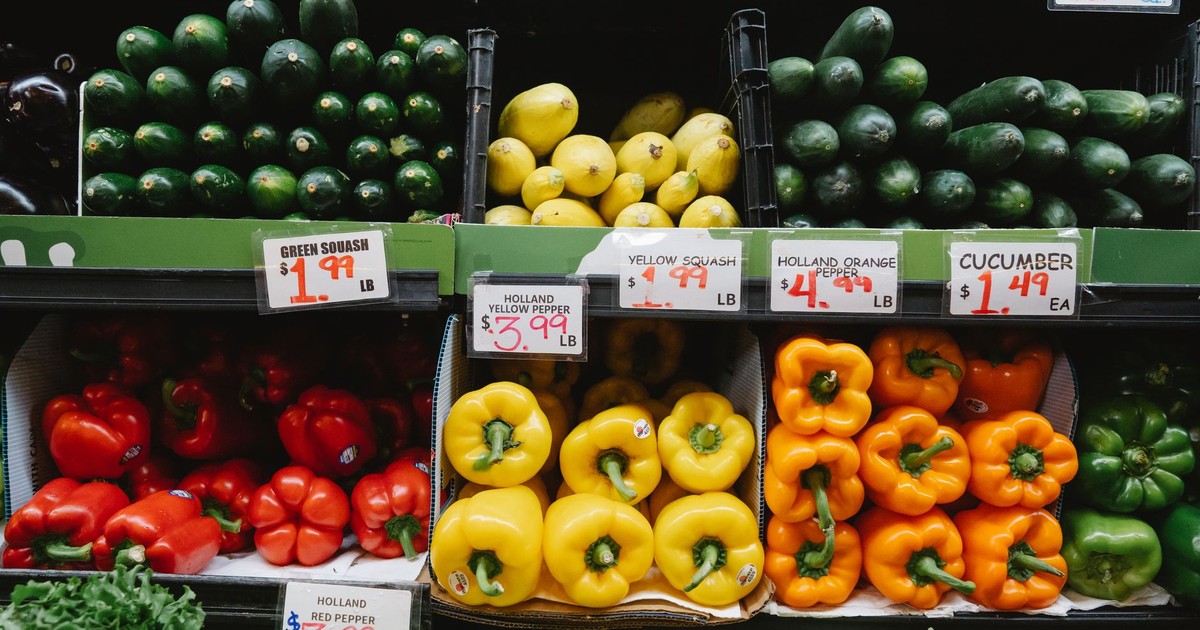

The first time most East Coasters step into a grocery store on the West Coast, nothing is wrong, exactly. The aisles are aisles. The produce section is the produce section. But something keeps slowing you down, and it takes a few minutes to figure out what it is. The person ahead of you pulled a canvas tote from their bag without being asked. The checkout counter has no bag dispenser. The bulk aisle goes on longer than seems reasonable.
West Coast grocery stores have been shaped by a different set of assumptions about what a grocery trip is for, who’s doing it, and what they care about. Some of it traces back to regulation, some to demographics, some to geography. All of it adds up to a shopping experience that can feel subtly disorienting to someone whose baseline was set somewhere between Maine and Maryland.
Plastic Bags Are Already Gone
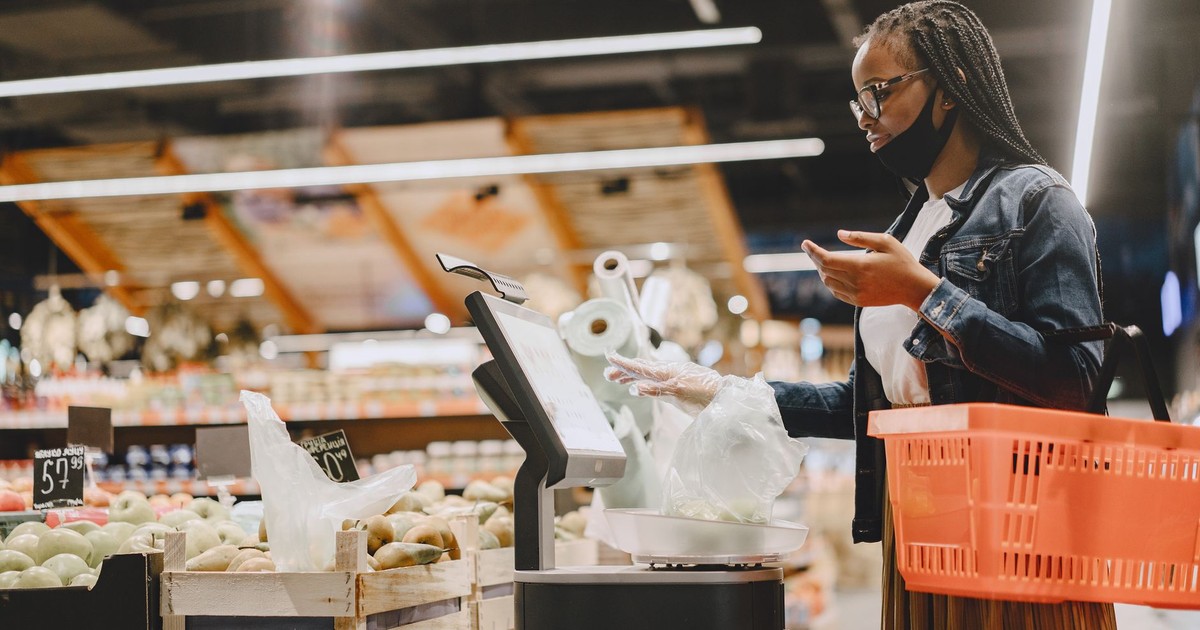
A new California law banning the distribution of plastic bags went into effect on January 1, 2026. Impacted businesses may only offer recycled paper bags at checkout. Businesses can no longer provide plastic bags, even if they still have stock. The law applies to grocery stores, convenience stores, liquor stores, and retail stores with pharmacies. Paper bags cost at least 10 cents.
The law closes a loophole in the state’s 2014 plastic bag law by prohibiting all plastic checkout bags, including thicker versions previously marketed as reusable. That original 2014 law had banned thin single-use bags but left the door open for heavier plastic bags sold as “reusable.” In practice, those bags were rarely reused and almost never recycled. California’s SB 1053 finally closed that gap.
Oregon and Washington have followed a similar trajectory. Oregon banned thin single-use plastic bags at checkouts starting in 2020, but stores quickly replaced them with thicker “reusable” plastic bags that were rarely reused. Oregon has since passed legislation banning those thicker bags as well, with the new rules taking effect in January 2027. Washington banned thin single-use plastic bags at retail locations and restaurants starting January 2021, with customers paying a fee for any paper alternatives, and lawmakers have been pushing to close the thick-bag loophole there too. For East Coast shoppers from states where plastic bags still flow freely, the West Coast checkout can feel abrupt. The cashier doesn’t pause. You either brought a bag or you’re paying for a paper one.
Bulk Bins Are a Normal Part of the Store
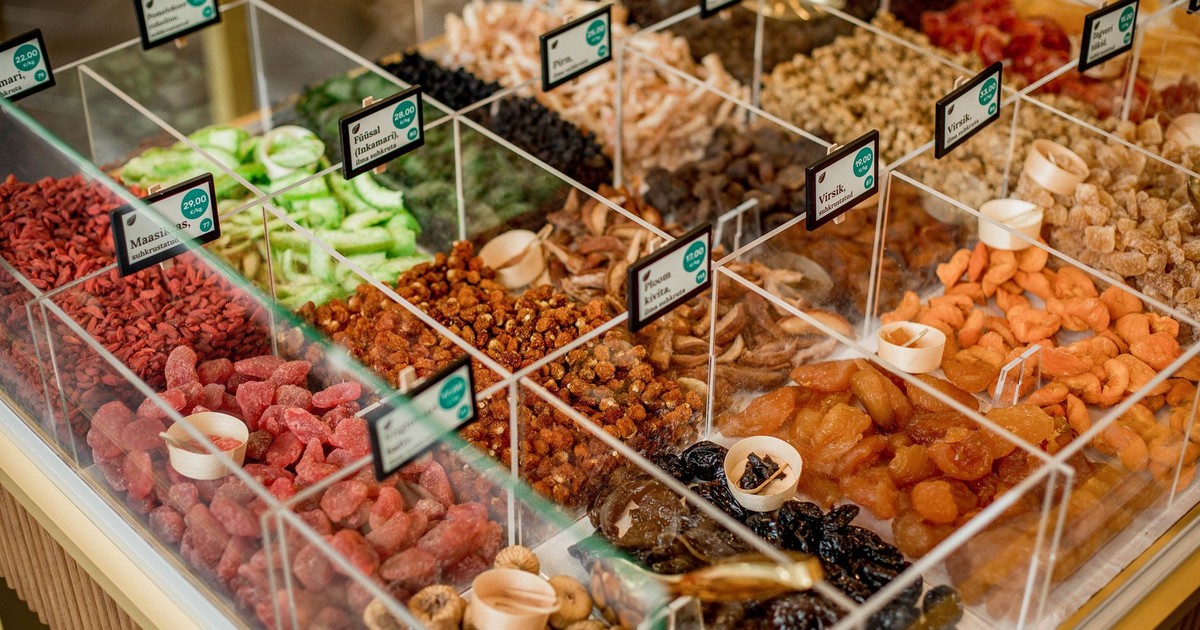
Most East Coast supermarkets have a bulk bin section the way they have a salad bar: technically present, rarely the reason anyone came. On the West Coast, bulk bins occupy a significantly larger portion of the store’s footprint and product range. Rainbow Grocery Cooperative in San Francisco was founded in 1975 by activists of the People’s Food movement, who formed a worker-owned collective that sold local, organic food in bulk. The store’s bulk section accounts for a quarter of the store or more, drawing chefs in specifically for spices. It runs to wet bulk, dry bulk, and refrigerated bulk.
Rainbow Grocery isn’t unusual for the region, it just represents the outer edge of what the bulk-first philosophy looks like when fully committed. Oregon’s Market of Choice chain stocks in-store made entrees, soups, sandwiches, and sushi alongside bulk bins, a butcher shop, a florist, coffee from independent roasters, and a cheese shop. The product range stretches well past trail mix and granola. Shoppers fill bins of tea, coffee, pasta, spices, nuts, seeds, beans, grains, and dried fruits, plus oils and vinegar, with nut butter grinders available at some locations. The bring-your-own-container culture runs alongside this. Shoppers are encouraged to bring glass jars and cloth bags to fill with bulk goods.
For a first-timer from, say, New Jersey or Massachusetts, the bulk aisle can feel like a test they haven’t studied for. Do you bring your own jar? Do you weigh it first? Is there a pen for labeling? The assumption baked into West Coast bulk sections is that you’re here to buy what you need, not necessarily what comes in a package.
There’s a Hot Bar, a Juice Bar, and Possibly a Smoothie Counter
The East Coast has prepared foods sections. The West Coast has taken that concept significantly further. Walk into a Whole Foods in Seattle, an Erewhon in Los Angeles, or a Market of Choice in Eugene, and you’re not just passing the deli. Market of Choice produces entrees, soups, sides, salad bars, sandwiches, pizza, sushi, Mexican food, plant-based breakfast items, fresh coffee, and baked goods in-store. The hot bar isn’t a side attraction, it’s a reason people show up.
Erewhon Market has turned its smoothie bar into something that functions more like a cultural fixture than a grocery department. About 60,000 people pay up to $200 per year for Erewhon’s membership program, which includes a free branded drink each month. The smoothies are expensive, customizable, and regularly produced as collaborations with celebrities or wellness brands. Non-member smoothies typically range from $11 to $21, with celebrity collaboration drinks reaching $22 or more. To an East Coaster, paying that much for a smoothie at a grocery store sounds like a punchline. To the clientele at Erewhon’s West Hollywood location, it’s Tuesday.
The emphasis on prepared, ready-to-eat food within the store is consistent across the West Coast at every price point, not just Erewhon. You don’t have to go home to eat what you just bought. The lines between restaurant, cafe, and grocery store are blurred by design.
Organic and Local Produce Is the Default, Not the Upgrade
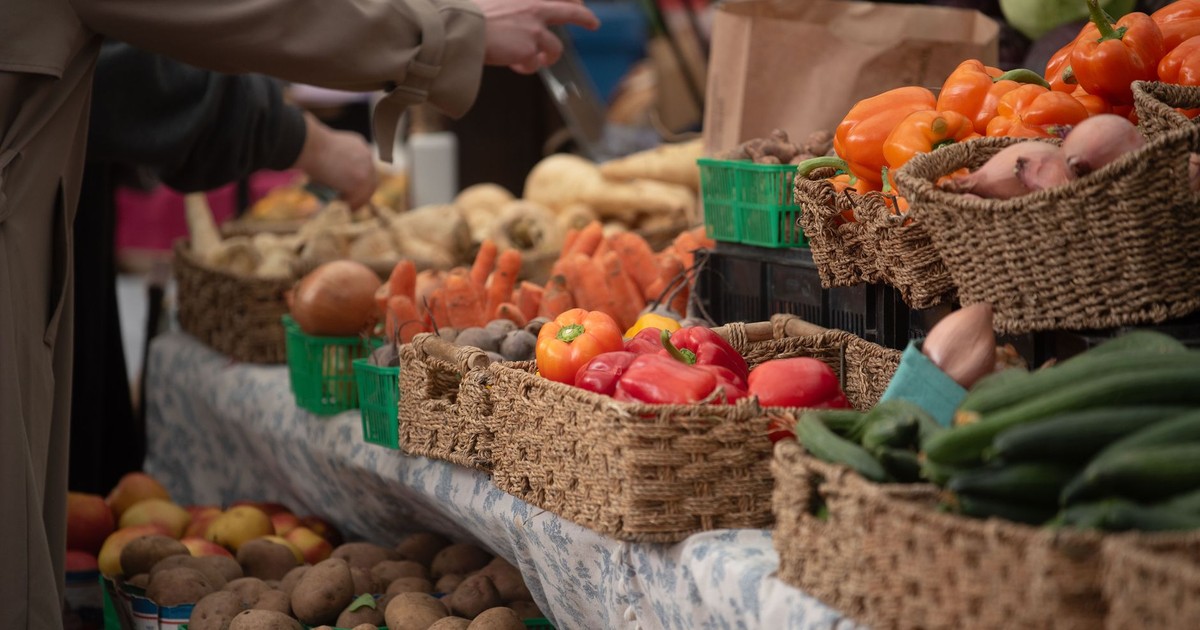
On the East Coast, organic produce typically occupies a separate section, often marked with green signage and higher price tags, positioned as the premium option beside conventional. West Coast chains like Market of Choice commit to offering organic, non-GMO, and non-irradiated produce, alongside grass-fed and cage-free meat products and wild-caught or sustainably farmed seafood. The same philosophy runs through chains like New Leaf Community Markets in California and PCC Community Markets in Seattle. This isn’t the premium tier at these stores, it’s the baseline.
The geography behind it is worth understanding. California’s agricultural abundance includes more than 400 commodities. Nearly half of the country’s vegetables and over three-quarters of the country’s fruits and nuts are grown in California, according to the California Department of Food and Agriculture. That scale means local and fresh isn’t a marketing claim, it’s just proximity. A tomato grown in the Central Valley can be on a shelf in San Francisco within 24 hours.
For an East Coast shopper who treats the organic label as a conscious choice requiring a price premium, West Coast stores can quietly reorder that expectation. Organic is often the default. Conventional is what you have to specifically look for.
There Are Entire Chains You’ve Never Heard Of
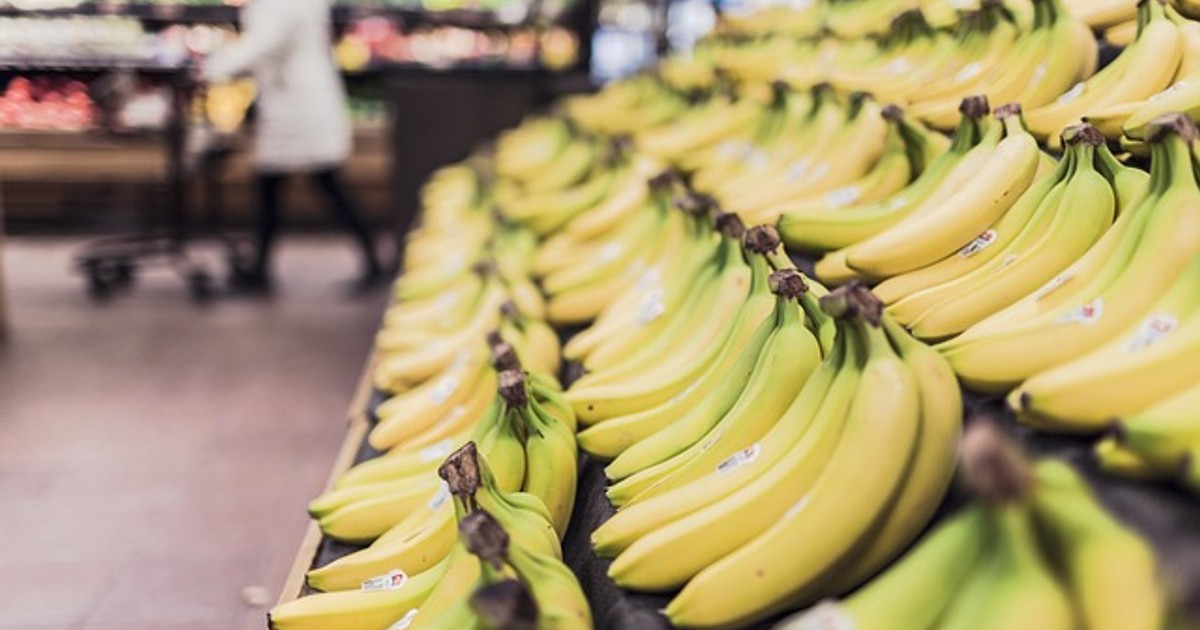
West Coast grocery store chains often have no presence east of Nevada, and for an East Coaster, the unfamiliar names stack up fast. Ralphs is Kroger’s California banner with over 180 locations across the state, but you won’t find one east of the desert. Fred Meyer in the Pacific Northwest is a one-stop shop that sells groceries, clothing, electronics, and garden supplies under one enormous roof, something that has no real East Coast equivalent. Costco was born in Seattle, though it has since gone national.
Vallarta Supermarkets is a West Coast specialty chain built around traditional Mexican meat cuts and a full tortilleria that makes fresh corn and flour tortillas daily. The seafood counter offers a dozen types of ceviche. It is not a novelty shop. It is a full grocery chain that millions of Southern Californians use as their primary store.
Uwajimaya, operating stores in Portland and Seattle, functions as the regional anchor for East Asian groceries in the Pacific Northwest. Shoppers don’t need to wait to get home to eat, because the store’s food court serves sushi, bento boxes, roast duck, and more. East Coasters visiting the Pacific Northwest for the first time often assume Uwajimaya is a specialty restaurant. It is, in fact, a grocery store with a food court.
Trader Joe’s Started Here, and the Culture Shows
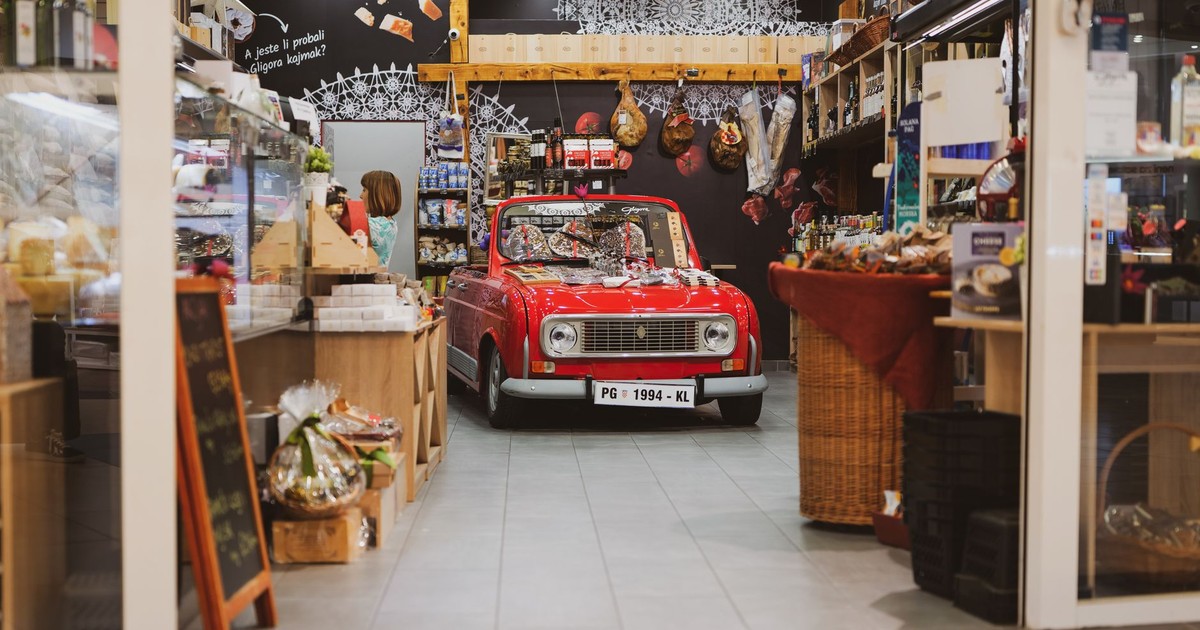
The first Trader Joe’s opened on August 25, 1967, at 610 South Arroyo Parkway, Pasadena. Joe Coulombe was inspired by the popularity of tiki culture in America. Since one of the most famous tiki-themed restaurants was the iconic Trader Vic’s, Coulombe thought he’d name his own markets Trader Joe’s. His stores would be decorated in tiki and nautical themes, with workers wearing Hawaiian shirts.
Named for its founder, Trader Joe’s is described as one of the most successful supermarket chains in the country, measured by sales per square foot of store space. From the start, Coulombe marketed his store as a haven for the “overeducated and underpaid,” offering international foods, niche wines, and offbeat snacks that weren’t widely available elsewhere. By introducing private-label products early, the company avoided expensive brand markups and slotting fees, passing savings directly to consumers. The model was built entirely around what West Coast shoppers, specifically educated, curious, budget-conscious Californians, actually wanted to buy.
When East Coasters encounter Trader Joe’s, they’re often encountering a West Coast cultural artifact that was already decades old before it expanded beyond California. The Hawaiian shirts, the hand-lettered signs, the relentless private-label philosophy: all of it was developed in Southern California. The stores on the East Coast are faithfully reproduced, but the original logic behind them, that food should be an adventure and a bargain at the same time, is unmistakably West Coast.
The Stores Themselves Are Laid Out Differently
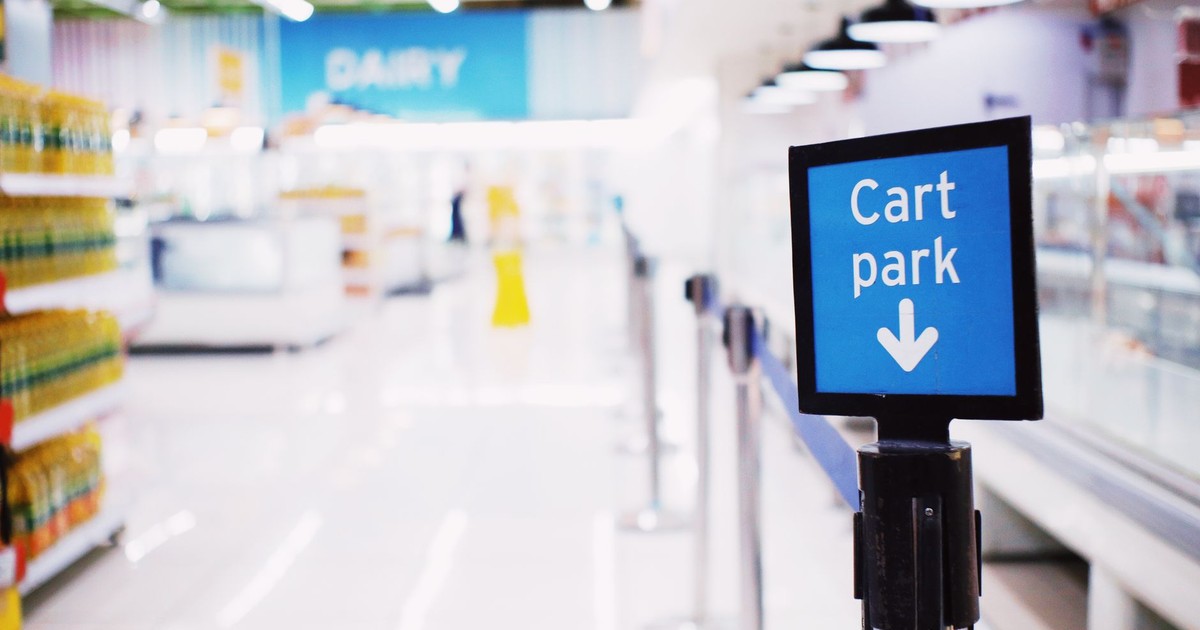
The big difference is space. East Coast supermarkets are generally designed with wider aisles and more room at checkout, while West Coast supermarkets tend toward narrower aisles with less clearance between where the aisle ends and the cashiers begin. You can end up stuck waiting to check out with no clear view of other lines, whereas an East Coast layout typically lets you jump to a faster one.
Real estate drives a lot of this. California, Oregon, and Washington have high land costs in their major urban centers, which compresses store footprints. Smaller stores mean tighter floorplans, and that has downstream effects on where products sit, how checkout lines flow, and how much room there is to stop and read a label without blocking traffic. Trader Joe’s small footprint and limited product selection are not accidents, they’re the core of the model, and that same compact design logic runs through many West Coast chains. The stores feel curated rather than exhaustive.
The other layout difference is what’s inside and where. East Coast supermarkets tend to follow a traditional grid: fresh food on the perimeter, packaged goods in the center aisles. West Coast stores, especially independent and natural food chains, routinely integrate the cafe, the hot bar, the juice counter, and the bulk section into the main traffic flow. The store isn’t just where you buy food. It’s where you eat some of it, fill a jar, and maybe bump into someone you know.
What to Make of All This

The differences between West Coast grocery stores and what most East Coasters are used to aren’t cosmetic. They come from genuinely different assumptions about what grocery shopping is for, whether the store is a transactional pit stop or a place worth slowing down in, whether packaging is someone else’s problem or yours, whether organic is a luxury or a starting point.
Some of it is easy to adapt to. Bringing a reusable bag takes about three trips to get used to. The bulk bins become intuitive fast. But some of it runs deeper, specifically the sense that West Coast stores are built around a shopper who is paying attention to what they buy and where it came from. That posture isn’t universal, and the price tags at places like Erewhon make clear it’s not for everyone. Still, even the mid-range chains carry some version of it.
Disclaimer: This information is not intended to be a substitute for professional medical advice, diagnosis, or treatment and is for information only. Always seek the advice of your physician or another qualified health provider with any questions about your medical condition and/or current medication. Do not disregard professional medical advice or delay seeking advice or treatment because of something you have read here.
AI Disclaimer: This article was created with the assistance of AI tools and reviewed by a human editor.