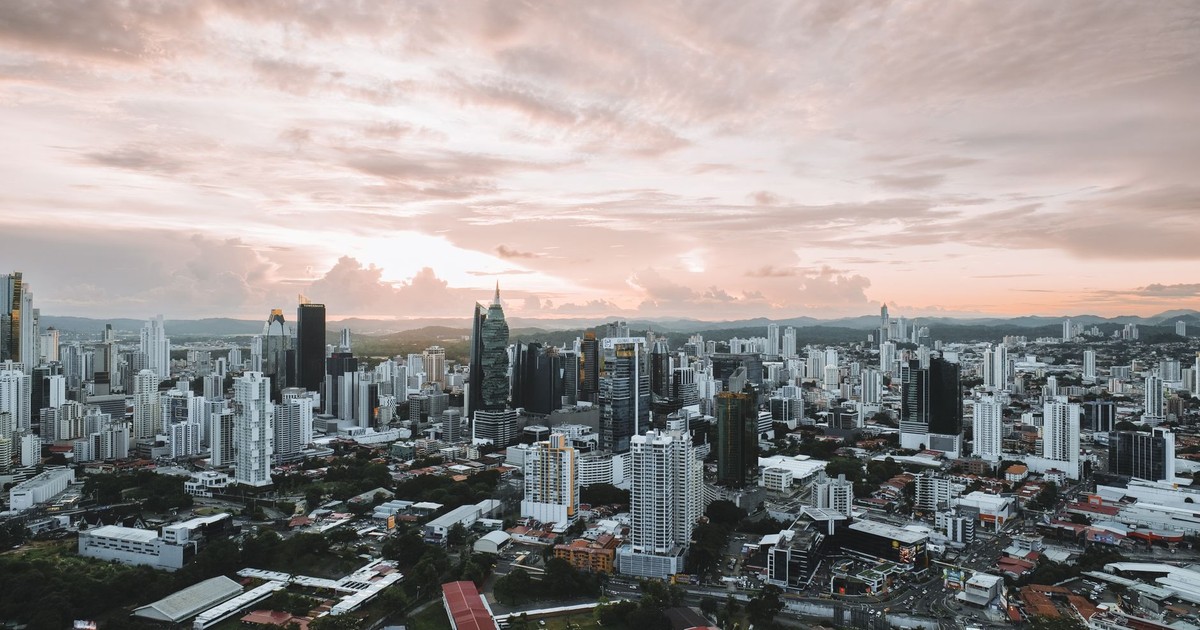

Home prices don’t stay reasonable forever. They stay reasonable until enough people notice, and by then the window has already started closing. The cities that absorbed the overflow from New York, San Francisco, and Boston spent most of the 2010s looking like bargains. A few of them still technically are. But the underlying math in each of them is moving in one direction, and it isn’t stopping.
The national median single-family existing-home price hit $426,800 in Q3 2025, still climbing despite years of high mortgage rates, according to the National Association of Realtors. The price-to-income ratio reached approximately 5x nationally as of early 2026, well above the historically normal 3-4x range, according to the Harvard Joint Center for Housing Studies. With interest rates holding above 6 percent, the monthly payment on a median-priced home runs approximately $2,100 to $2,300. To afford that comfortably, a household needs an income north of $117,000. In 2020, that figure was $66,000.
But the story isn’t the same everywhere, and that’s the real problem. The cities below aren’t already unaffordable in the way Manhattan or San Francisco are. Several of them were, until recently, the place you moved to instead of those cities. What’s changed is a combination of stalled supply, persistent income gaps, and the kind of price inertia that doesn’t reverse without a severe correction. Here are nine cities where the math is heading somewhere most residents aren’t ready for.
1. Nashville, Tennessee
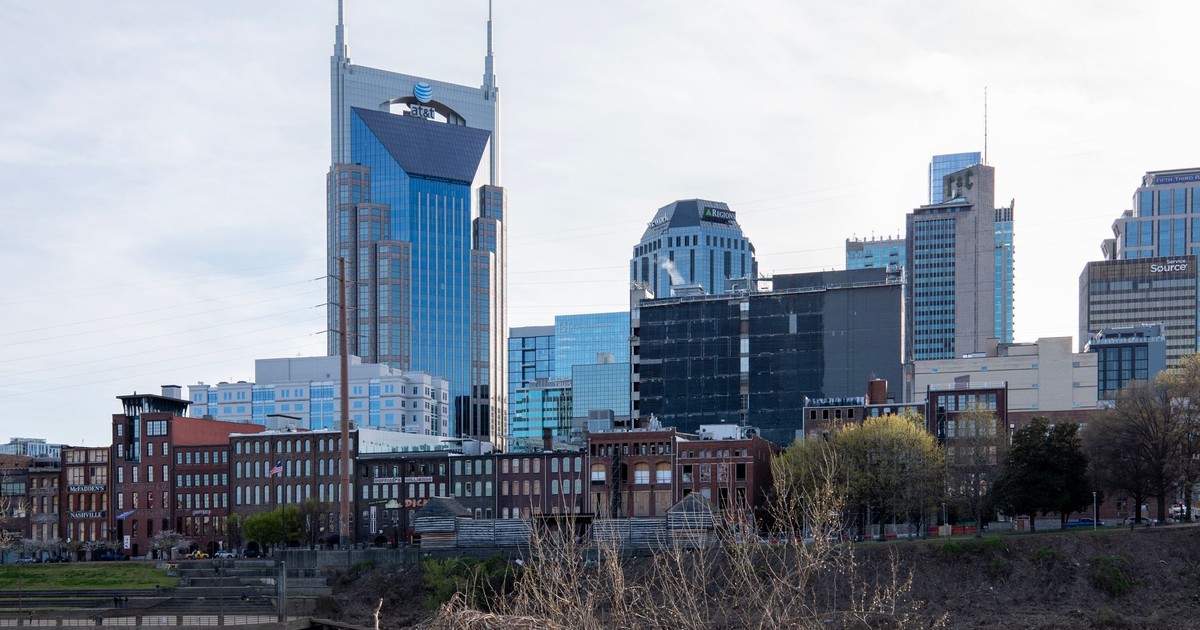
Nashville’s transformation from a country music town into a corporate relocation magnet happened fast enough that the infrastructure and the housing stock never really caught up. Median home prices across Tennessee roughly doubled from 2020 to 2025, powered by the Nashville area, where single-family homes rocketed past a median price of $500,000. To comfortably afford a median-priced Nashville home without being house poor, a household income of $100,000 to $120,000 is generally recommended.
The city’s appeal hasn’t faded. Corporate relocations, a thriving entertainment industry, and the absence of state income tax continue to draw high-earning transplants. Buyers financing a purchase in 2026 are working with average interest rates hovering between 6.25% and 6.75% for a 30-year fixed mortgage. The slowdown in days on market doesn’t signal relief so much as a pause before the next wave of demand catches up to a market where supply is still falling short.
Inventory conditions are expected to keep improving in 2026, but only in small steps. The Nashville market currently holds over 11,400 active listings, a multi-year high for Middle Tennessee, a stark contrast to the bidding wars that defined the area just a few years ago. When a city with Nashville’s job growth, migration numbers, and cultural draw can only manage a few months of supply, the long-term trajectory for first-time and mid-income buyers is difficult to read as anything other than a narrowing window.
2. Miami, Florida
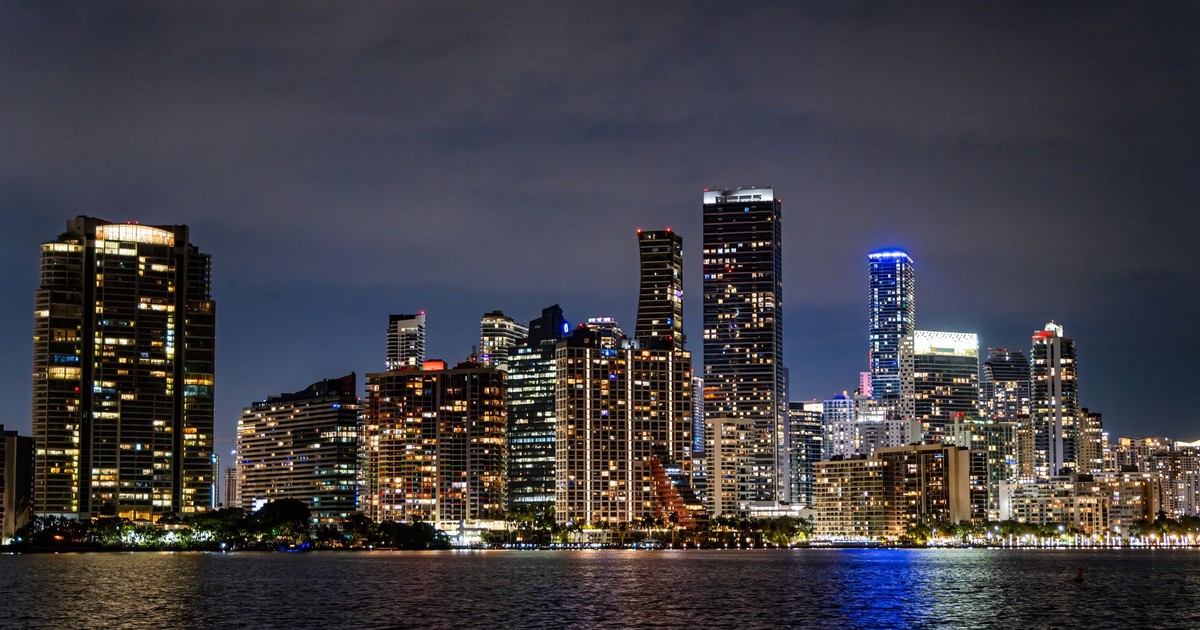
Miami’s affordability problem isn’t new, but its scope has shifted. From 2019 to the mid-2022 peak, Miami’s average home price climbed from $300,000 to $450,000, a 50% increase in roughly three years. Miami’s predicament for the decade ahead is that those gains largely held, even as other Sun Belt cities gave some back.
Nearly 10% of all new condos for sale in the entire United States are located in either New York City or Miami, where median listing prices top $1 million. That figure tells you who the new supply is being built for, and it isn’t the teacher or the nurse or the young family who already lives there. When the luxury product outpaces the affordable product by that margin, the middle of the market gets squeezed out over time, not overnight.
The insurance crisis compounding Miami’s housing costs is its own slow-motion emergency. Florida’s property insurance market has been in turmoil for years, with several insurers exiting the state entirely and remaining providers raising premiums sharply in coastal and flood-prone areas. For buyers stretching to afford the sticker price, an insurance bill that has tripled in some ZIP codes makes the total monthly cost of ownership a different calculation entirely.
3. Denver, Colorado
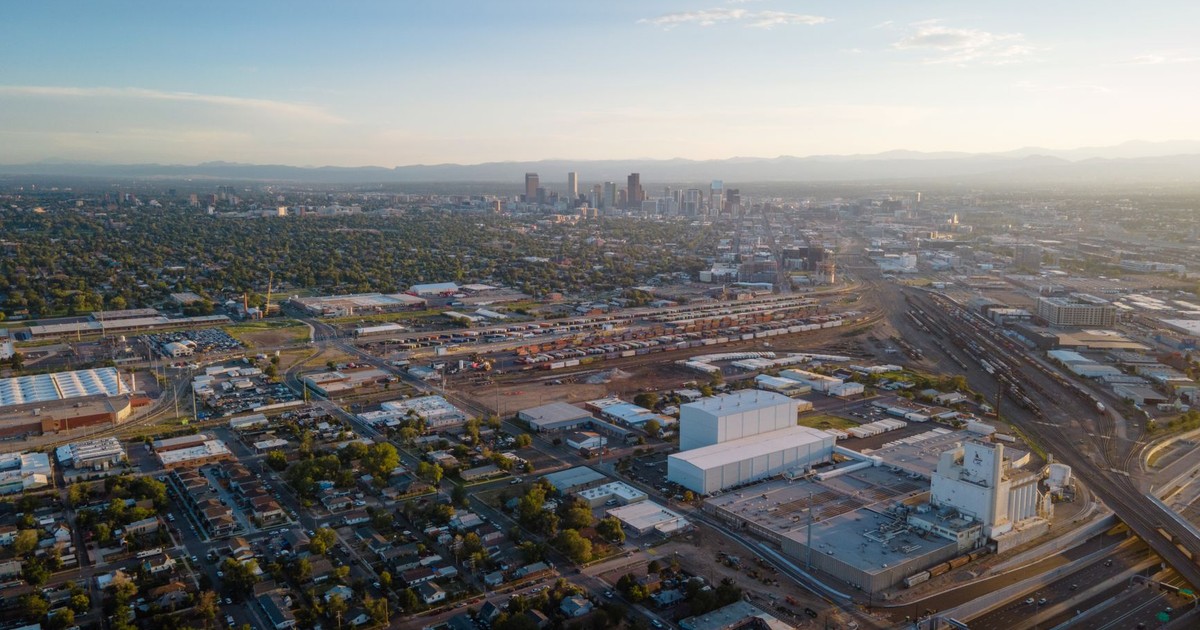
Denver was one of the pandemic-era darlings: a Western city with outdoor access, a growing tech presence, and prices that still looked reasonable compared to Seattle or the Bay Area. That era is effectively over. From mid-2020 to mid-2022, Denver experienced massive price spikes as part of a national surge. Those gains, layered on top of already elevated prices, are what created today’s affordability problem in the city.
Denver has seen some price correction since its 2022 peak, posting a modest annual price decline in mid-2026. But a pullback after a 40%-plus run-up doesn’t make a market affordable. It makes it slightly less unaffordable, which is a meaningful distinction when you’re looking at the next ten years of compounding costs.
Denver’s long-term picture is made harder by its homeowners insurance costs. Colorado State University REDI ranks Colorado as the sixth-costliest state for homeowners insurance nationally, with an average annual premium of $4,072 for $300,000 in coverage, and premiums increased 58% from 2018 to 2023. Wildfire risk is fueling a steep increase in the cost of insurance for Colorado homeowners. When insurance costs are factored in alongside a Denver metro median price that remains above $500,000, the total cost of ownership lands in territory that most Denver-area incomes simply can’t sustain comfortably.
4. Austin, Texas

Austin went from a quirky college town with affordable rents to one of the most-discussed real estate markets in the country in the span of about a decade. Austin home prices roughly doubled from late 2019 to the mid-2022 peak, a gain that restructured the market’s price floor entirely.
Austin has given back some of those gains since the peak, among the steeper corrections in any major city. Austin posted the largest year-over-year price decline among the major cities tracked in mid-2026. For buyers, that sounds like good news. The challenge is that a meaningful decline off a price that doubled still leaves a median home well above what a typical Austin-area income can support, especially with mortgage rates above 6%.
The city’s tech-driven job market continues to pull in high earners, which keeps a floor under prices that a more evenly distributed economy might not sustain. Every major employer that announces Austin as its next hub is, indirectly, making the next decade harder for the people who were already there.
5. Charlotte, North Carolina

Charlotte has spent years being the answer to “where can you still afford to buy a house near a major city?” That answer is getting harder to give with a straight face. The city’s financial sector base, population growth, and infrastructure investment have pushed it squarely into the path of the affordability pressures that already consumed Raleigh, Atlanta, and other mid-tier Southern cities.
New single-family construction is concentrated in markets like Charlotte, Houston, Dallas, San Antonio, Atlanta, and Phoenix, where prices remain closer to the national median. New construction helps, but it also signals exactly the kind of in-migration and demand pressure that tends to push prices up in tandem. The builders follow the buyers, and the buyers follow the jobs, and Charlotte’s job market in finance, healthcare, and logistics is one of the more robust in the Southeast.
The income gap between new arrivals and existing residents is Charlotte’s real pressure point over the next decade. High-earning transplants from the Northeast and Midwest can afford the new construction. Long-term Charlotte residents on local wages increasingly cannot. That gap, once it takes hold in a housing market, tends to widen rather than close.
6. Raleigh, North Carolina
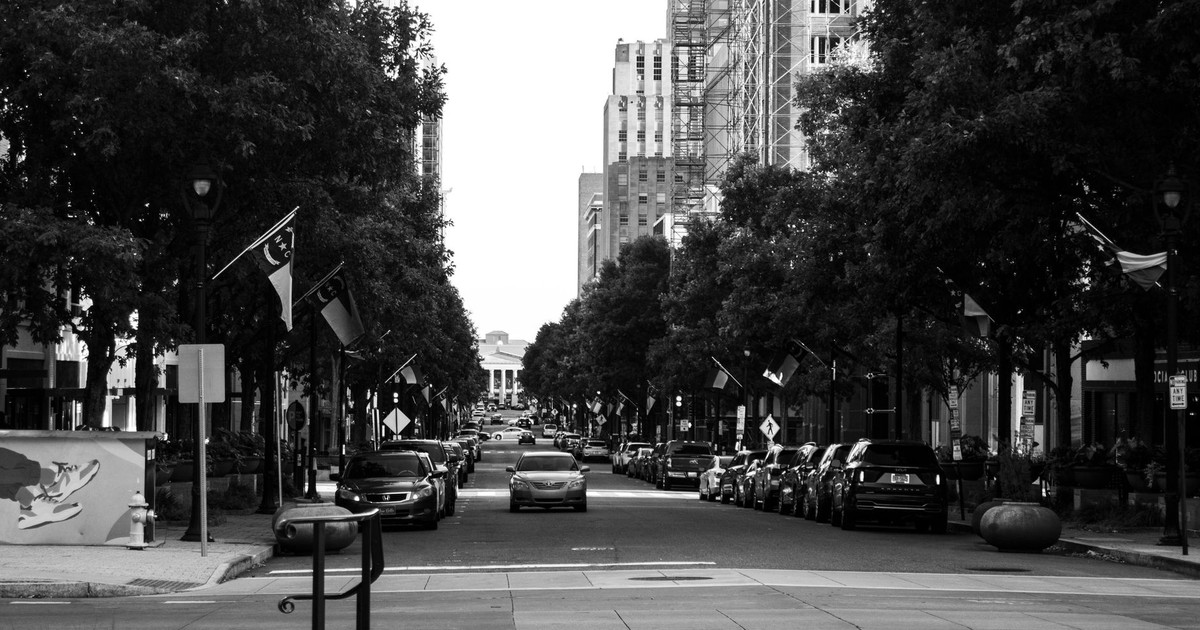
Raleigh’s affordability window opened in the wake of the Research Triangle’s tech and pharmaceutical boom, and it’s been closing steadily ever since. From mid-2020 to mid-2022, Raleigh home prices jumped 49%, one of the steepest pandemic-era surges among all major U.S. cities. Even with some subsequent softening, the baseline from which Raleigh’s market now operates is dramatically higher than it was five years ago.
Raleigh has a highly educated workforce, a research university ecosystem anchored by Duke, UNC, and NC State, and continued corporate interest in the Research Triangle corridor. All of those are the exact ingredients that, in hindsight, predicted the affordability squeeze in Austin, Denver, and Nashville. The pattern is familiar enough that “Raleigh in five years” is already a sentence real estate analysts say out loud.
New supply offers some cushion. Raleigh has more room to build than many coastal cities and has been doing so. But supply additions tend to lag demand curves in growth markets, and the demand curve for Raleigh isn’t showing signs of flattening.
7. Richmond, Virginia

Richmond is the one on this list that surprises people. It doesn’t have Austin’s tech profile or Nashville’s cultural moment, but it has something those cities had five years ago: a price point that still makes buyers feel like they’re getting ahead of something. That feeling has a shelf life.
Richmond’s proximity to Washington, D.C., close enough to attract remote workers and government contractors priced out of Northern Virginia, far enough to maintain a distinct identity, is its defining affordability pressure. New builds in the Northeast and Midwest are largely luxury products and much harder to come by, and the same dynamic is beginning to take hold in mid-Atlantic cities like Richmond, where new supply skews toward the upper end of the market and entry-level inventory remains thin.
The city has genuine economic momentum, with healthcare, finance, and higher education providing a stable employer base. When you add the D.C. overflow effect on top of that local demand, you get a market where prices are being pushed from both ends simultaneously, by people moving in from more expensive places above and by improving local incomes from below.
8. Boise, Idaho
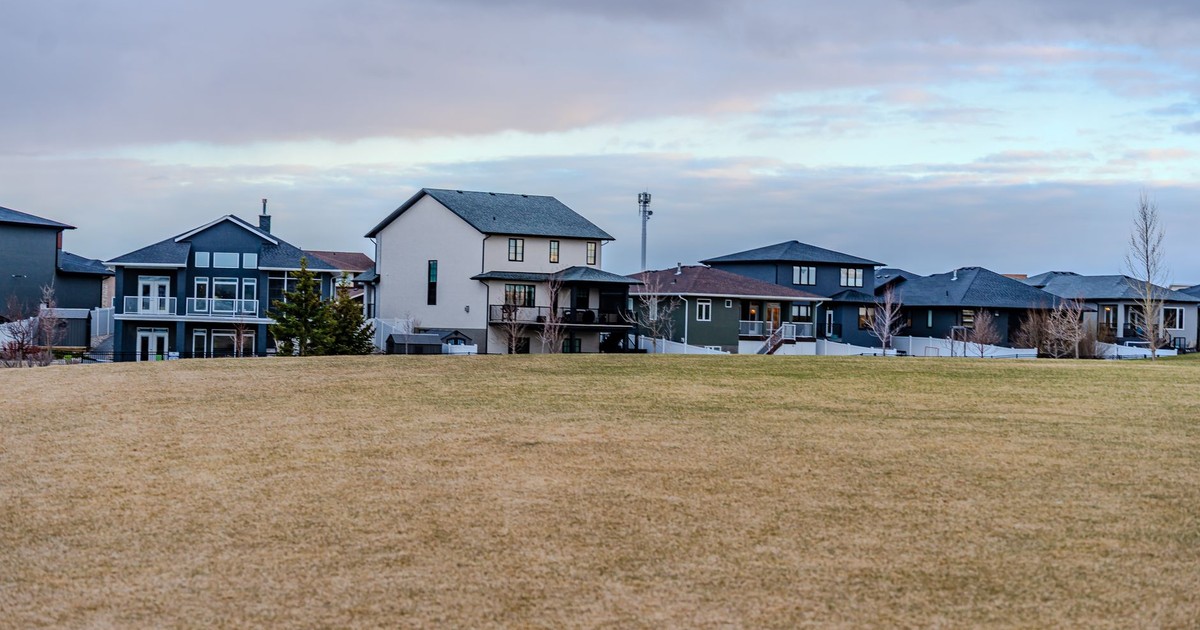
Boise got famous during the pandemic as the prototype for the “anywhere worker” relocation story: cheap flights, mountain access, a college town feel, and prices that made Californians do a double-take. That wave has already reshaped the market permanently. The pandemic-era price surge flowed mostly to the Sun Belt and a suite of western cities, including Denver, Seattle, Portland, and Boise.
The hangover from that surge has been real. Boise saw significant price corrections after its 2022 peak. But the structural story hasn’t reset. The remote workers who arrived have stayed. The California-priced buyers who entered the market set a new price floor. And Boise’s in-migration, while slower than the 2020-2022 pace, remains well above historical norms.
Boise’s housing supply constraints are more severe relative to its size than a larger market like Denver, which also saw a post-peak correction but has more options to absorb new demand. The U.S. had a deficit of 4.03 million homes in 2025, up from 3.8 million in 2024. Even under an optimistic scenario where housing construction increases by 50% above the 2025 pace, it would still take approximately seven years to eliminate the current shortage. In smaller markets like Boise, local supply gaps don’t get resolved by national policy anytime soon.
9. Philadelphia, Pennsylvania
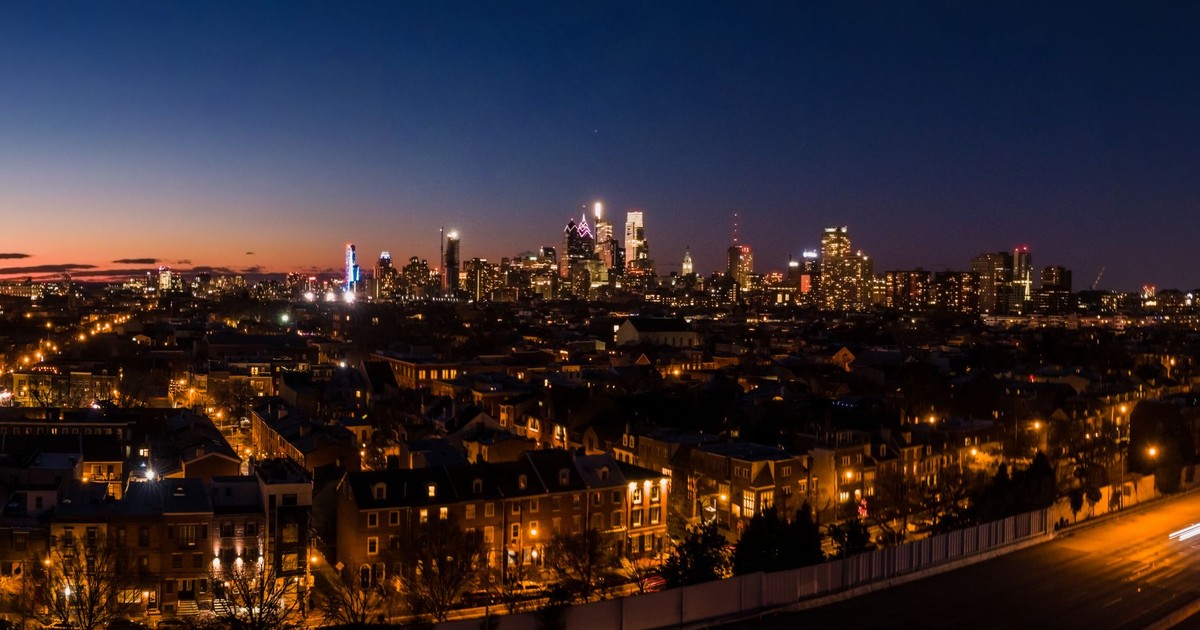
Philadelphia has long been the exception to the Northeast affordability rule: a genuine major American city with cultural weight, walkable neighborhoods, world-class hospitals, and home prices that looked almost reasonable compared to Boston, New York, or Washington. That gap is closing faster than most Philadelphians expected.
Philadelphia saw price growth continuing to outpace income gains through 2025 and into 2026, a pattern that defines the transition from “affordable for a big city” to simply unaffordable. The city’s appeal to remote workers and people priced out of New York has injected a new category of buyer into a market where existing supply is largely old, often requires significant renovation, and isn’t being replaced at anything close to demand pace.
The neighborhoods that absorbed the first waves of gentrification a decade ago are now fully priced in. The pressure is spreading outward into areas that hadn’t been on any buyer’s radar until three or four years ago, and the ripple effect on affordability across the city is accelerating. In Philadelphia’s case, where median household incomes lag behind many comparable metros, the national price-to-income ratio of approximately 5x is particularly punishing.
What the Next Ten Years Actually Look Like

The bipartisan 21st Century ROAD to Housing Act became law in July 2026 and is intended to increase housing supply and address affordability, combining dozens of measures aimed at encouraging construction and restricting purchases by large institutional investors. But experts say it could be some time before homebuyers see any real benefit. Policy moves at the federal level, even well-designed ones, take years to translate into meaningful supply at the local level, and the cities on this list are each dealing with their own zoning regimes, construction cost pressures, and political realities that no national bill fully overrides.
The 10-year window isn’t a scare tactic. It’s an observation about momentum. The share of young adults living with parents runs 2.7 percentage points higher than during the 2010-2014 period as high housing costs delay independent living. The cities listed here aren’t doomed. Some will build their way toward a better equilibrium. Some will see demand soften if remote work patterns shift again. But the structural pressures, income gaps, insurance costs, supply deficits, and the compounding effect of prices that doubled in two years and never fully came back down, don’t resolve themselves on a convenient timeline. The window for buying into these markets at a price that makes long-term financial sense is narrowing. That’s not a prediction. It’s arithmetic.
Disclaimer: This information is not intended to be a substitute for professional medical advice, diagnosis, or treatment and is for information only. Always seek the advice of your physician or another qualified health provider with any questions about your medical condition and/or current medication. Do not disregard professional medical advice or delay seeking advice or treatment because of something you have read here.
AI Disclaimer: This article was created with the assistance of AI tools and reviewed by a human editor.