

Grocery carts across America have quietly reorganized themselves in 2026. The food-at-home CPI, which tracks what Americans pay at grocery stores and supermarkets, was 2.7 percent higher in May 2026 than in May 2025. Stacked on top of four years of prior increases, that cumulative hit has forced real changes in what people buy. The expensive household items disappearing from carts aren’t impulse purchases. They’re former staples.
The frustration is concentrated. Specific products that felt like permanent fixtures have spiked hard enough to force substitutions, downgrades, or outright elimination. These are the 15 expensive household items people are cutting from their regular shopping trips.
1. Ground Coffee
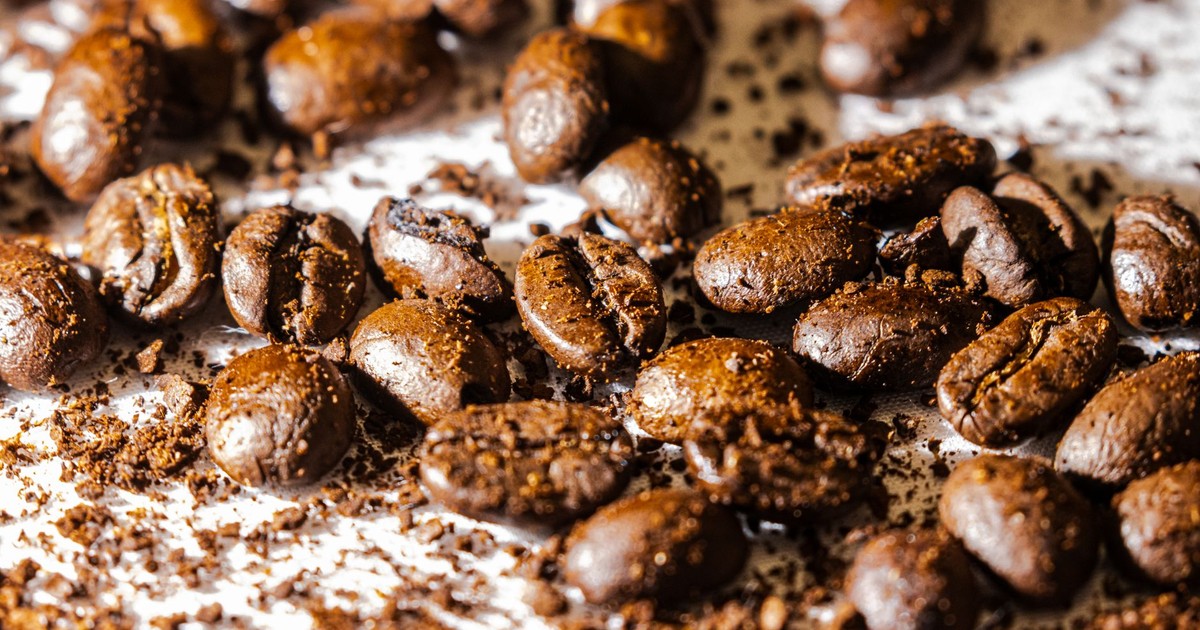
Bureau of Labor Statistics data published through the Federal Reserve Bank of St. Louis FRED database shows the average price of a pound of roasted ground coffee at U.S. grocery stores reached $9.72 in April 2026, the highest level on record since the BLS began tracking it in 1980. That edged out the previous record of $9.60 set just one month earlier in March. The series has jumped 105 percent since April 2021 and 29 percent over the past year alone.
The price run has been fueled by sustained high costs for green coffee tied to supply constraints and rising global demand, combined with the Trump administration’s reciprocal tariffs enacted in April 2025. Brazil and Vietnam, the world’s two largest coffee-producing nations, both suffered serious drought-related crop damage in recent years, and the United States imports virtually all of its coffee from these and a handful of other countries.
Shoppers are dropping premium single-origin bags and name-brand canisters in favor of store-brand ground coffee, which tends to track the same commodity prices but at a lower margin markup. Others are cutting back on the number of cups brewed at home or shifting entirely to tea, which the BLS data shows has increased just 1.4 percent over the past year.
2. Ground Beef

According to the USDA’s Economic Research Service, the U.S. cattle herd has decreased to its lowest level in 75 years, and beef and veal prices were 12.9 percent higher in May 2026 than in May 2025.
A combination of drought, higher feed costs, and historically low cattle inventories has driven beef prices steadily higher. Ranchers cut herd sizes during severe drought years, and rebuilding those herds takes time. Cattle ranching operates on a cycle measured in years, not months.
Shoppers are making the switch to ground turkey, pork, and plant-based alternatives for weeknight meals, saving beef for occasions when it feels worth the splurge. Chicken thighs, which have stayed comparatively affordable, are filling a lot of the gap.
3. Olive Oil
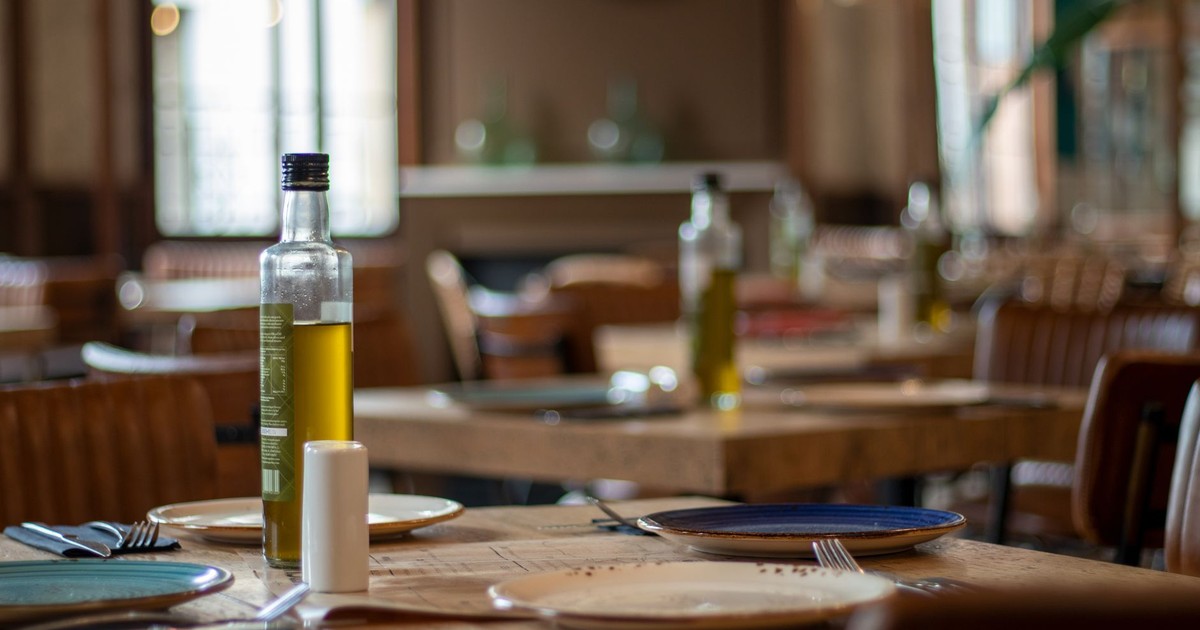
Writing in Forbes, food industry analyst Phil Lempert laid out the numbers: the United States is among the world’s largest olive oil consumers, going through roughly 380,000 to 400,000 tons a year, yet according to the USDA Economic Research Service, domestic production represents less than 2 percent of U.S. olive oil consumption, with imports making up the rest.
On April 2, 2025, the U.S. government announced a 10 percent tariff on all olive oil imports, followed on April 9 by differentiated tariffs ranging from 11 to 50 percent for selected countries. As of August 2025, EU olive oil imports into the U.S. are subject to a 15 percent import tax. Avocado oil and domestic sunflower oil have become the practical substitutes for most everyday cooking, with people reserving olive oil for finishing dishes rather than using it as an all-purpose cooking fat.
4. Eggs
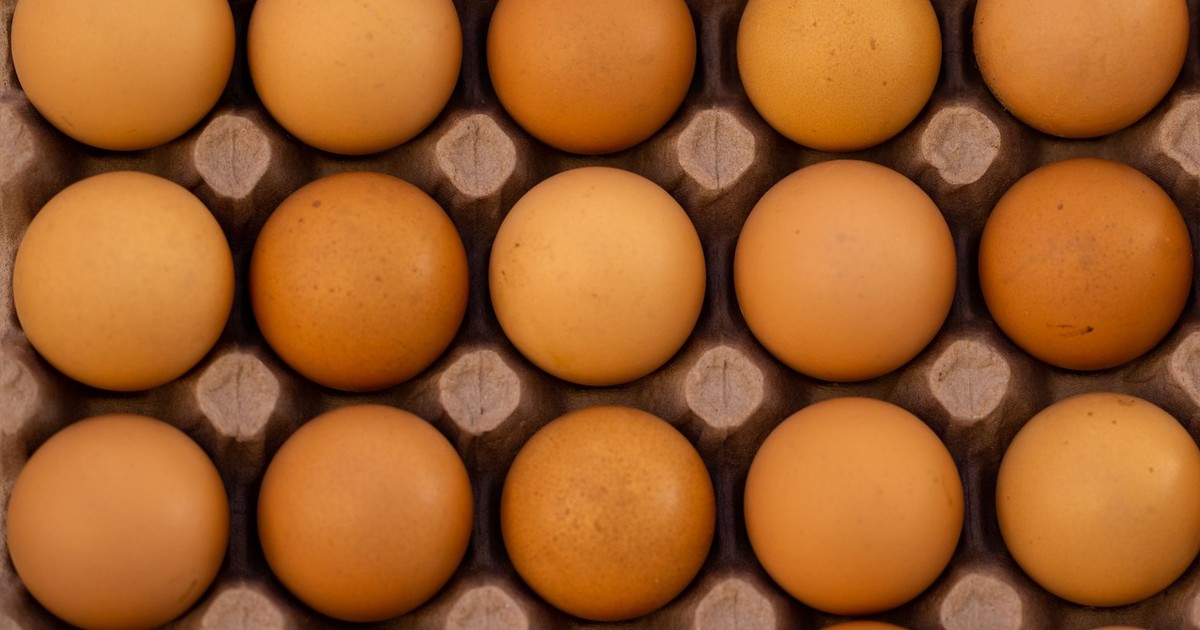
Average egg prices more than doubled from March 2024 to March 2025, a spike driven largely by a bird flu epidemic that wiped out tens of millions of egg-laying hens. USDA data shows that the ongoing outbreak of Highly Pathogenic Avian Influenza, which began in 2022, caused egg prices to increase 21.9 percent in 2025. Eggs peaked at $6.23 per dozen in March 2025 before the bird flu crisis eased.
By mid-2026 egg prices have moderated, though they haven’t returned to the sub-$2 range that older shoppers remember as baseline. Eggs had been one of the last truly cheap proteins, and once that broke, it changed how a lot of households think about breakfast. Shoppers who need to stretch their egg budget are leaning on canned beans and tofu for protein, or buying powdered eggs in bulk for baking where the textural difference is hard to notice.
5. Butter
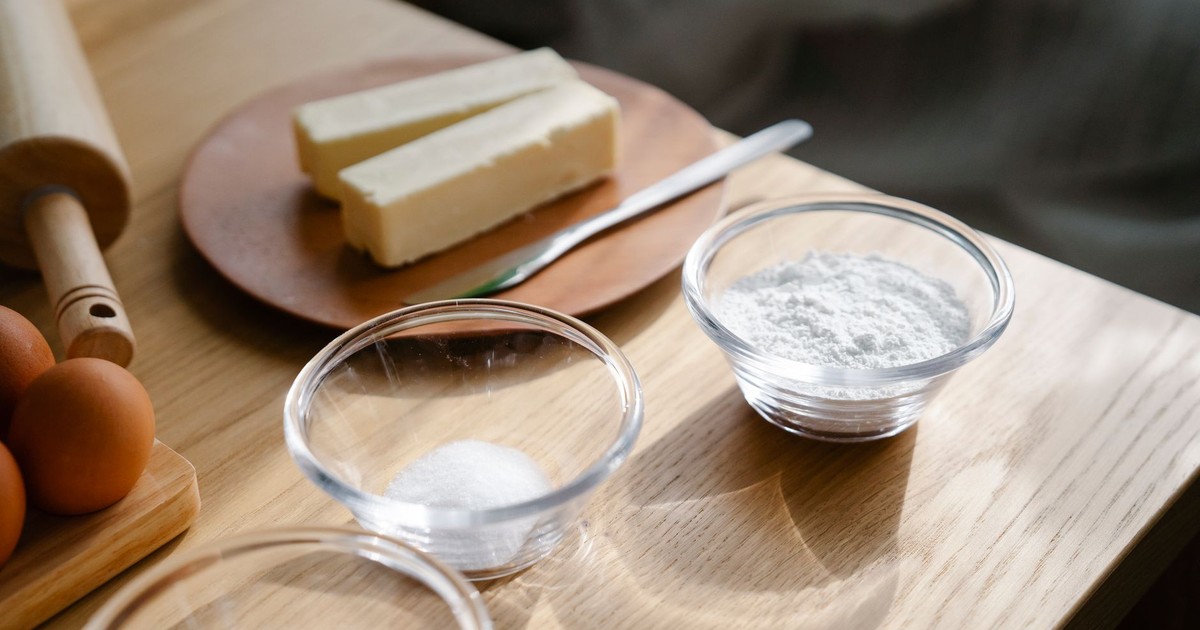
Dairy inflation has run above the overall grocery average, with the index for dairy and related products rising sharply through 2025 and into 2026. Premium European-style butters, which crossed the $8 and $9 mark for a pound in many markets, are the first to go.
Home bakers who once swore by cultured butter for croissants and shortbread are switching back to standard American-style butter or, for certain applications, vegetable shortening. Margarine, long treated as a relic of the 1970s, has seen a modest sales revival among budget-conscious shoppers.
6. Chocolate and Cocoa Products
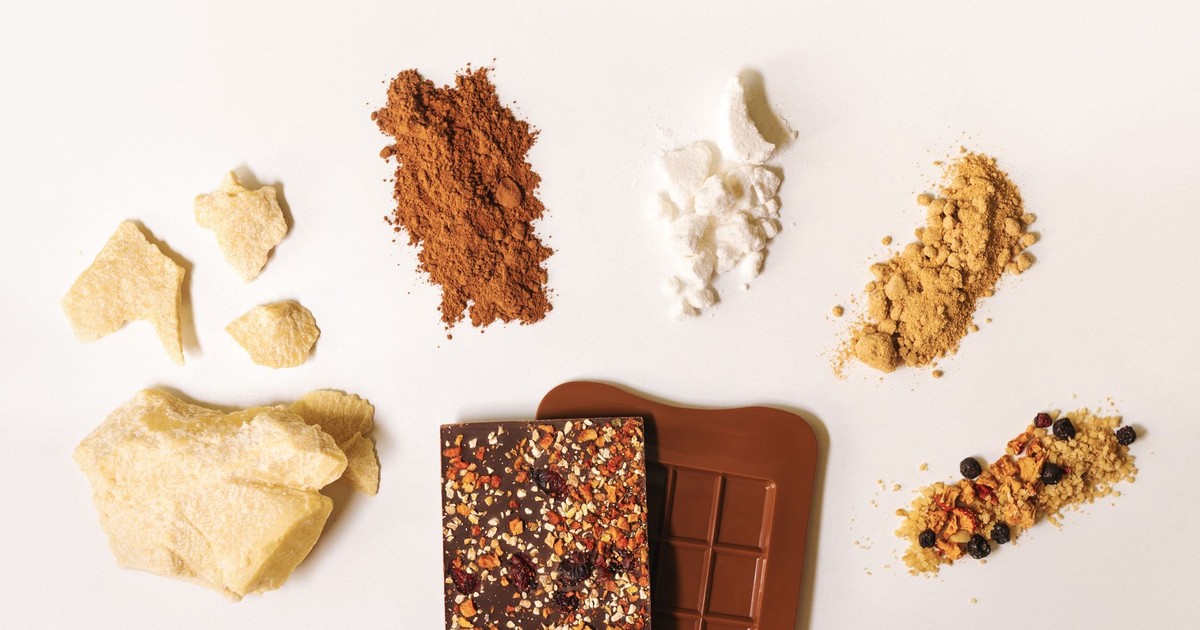
Poor harvests in West Africa reduced global cocoa supplies, sending commodity prices sharply higher, and grocery stores passed those costs along to shoppers. Ghana and Ivory Coast together account for roughly 60 percent of the world’s cocoa, and when disease and drought hit their crops simultaneously, the price of every chocolate bar and box of cocoa powder on American shelves climbed with it.
A bar of good dark chocolate that cost $3 two years ago now regularly runs $5 or $6. For everyday baking, shoppers are using less chocolate per recipe, substituting carob in certain applications, or choosing store-brand baking chips that carry slightly thinner margins.
7. Fresh Tomatoes
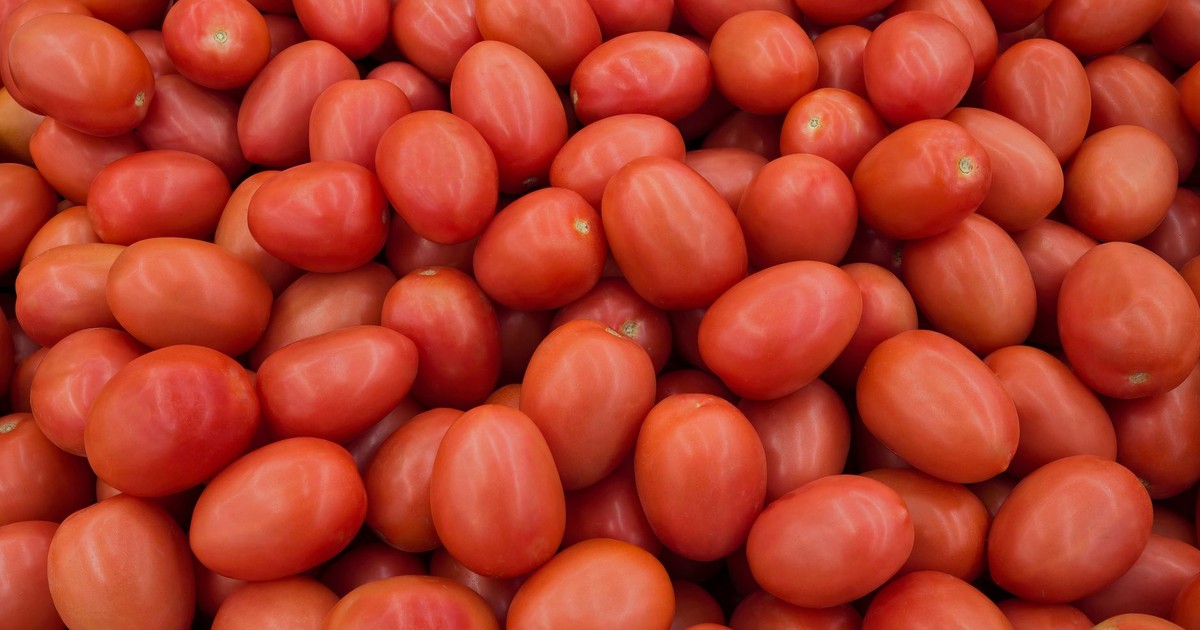
Retail prices for fresh tomatoes rose more than 20 percent in early 2026 compared to the same period the year before, making them one of the sharper single-category spikes in the entire grocery store. A significant portion of the increase traces back to trade policy, with tariffs on imports from Mexico hitting a category where the U.S. relies heavily on cross-border supply during the winter and spring growing seasons. Florida crops were also hit by multiple winter freezes and storms from December 2025 to January 2026.
Canned tomatoes, by contrast, have stayed far more stable. Shoppers who once reached for fresh tomatoes for sauces, salsas, and salads are cooking around the price spike by using fire-roasted canned varieties or buying Roma tomatoes in bulk when they do go on sale.
8. Sugar and Candy
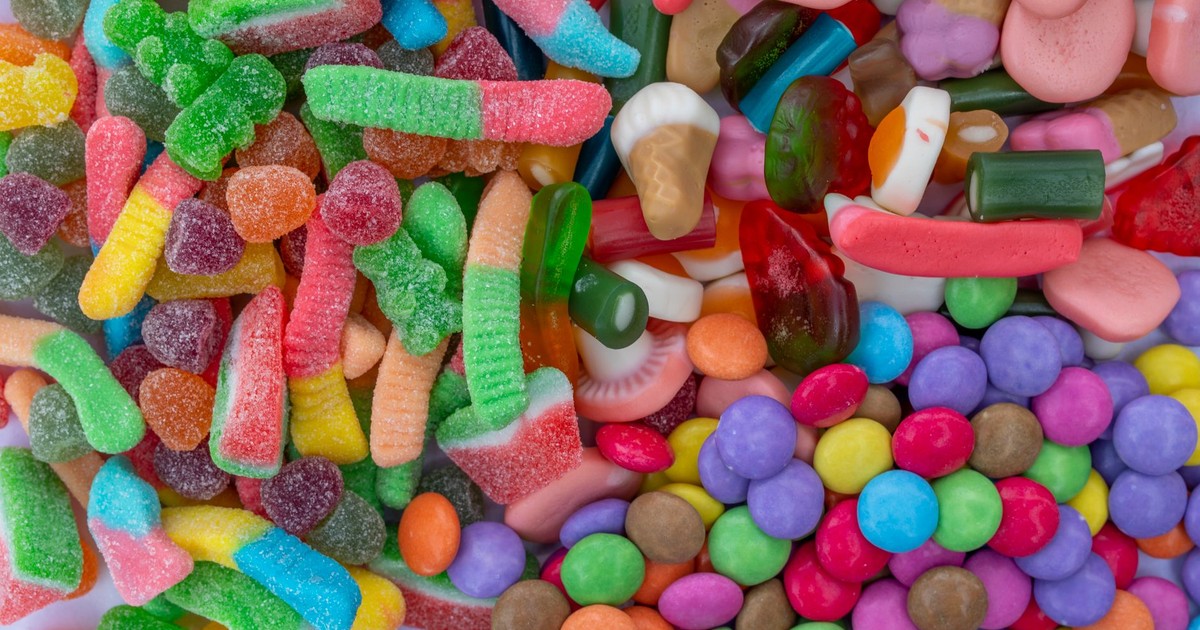
Prices for sugar and sweets rose 1.3 percent from April to May 2026 alone and were 7.1 percent higher in May 2026 than in May 2025, according to the USDA Economic Research Service. Over a full year, that’s one of the fastest-climbing categories in the grocery store.
Name-brand candy has become a luxury-feeling purchase. The price of a standard candy bar has risen enough that many shoppers notice it at the register even when buying just one. Families that used to add a bag of candy to the cart without thinking now compare prices between brands or wait for post-holiday clearance sales.
9. Name-Brand Cleaning Products

Name-brand dish soap, laundry detergent, and surface sprays have climbed steadily as manufacturers have passed on higher packaging, chemical, and transportation costs. A bottle of premium dish soap that cost $4 a few years ago now regularly runs $7 or $8.
Store-brand cleaning products have captured significant market share from the big names. Retailers like Walmart, Target, and Costco have invested heavily in their own cleaning product lines, and the quality gap between private-label and brand-name has narrowed considerably. Concentrated formulas and refillable options are also gaining ground because they offer a clear cost-per-use advantage.
10. Premium Artisan Bread

Bread prices rose far less than most other grocery items during 2025, with grain supplies stabilizing after earlier supply disruptions. Standard sliced bread stayed relatively affordable, and the USDA ERS projects cereal and bakery products will increase just 1.1 percent in 2026. Artisan sourdough loaves, whole-grain specialty breads, and bakery-fresh options that were already $7 or $8 before the inflation wave have pushed past $10 and $12 in many markets.
Shoppers who made a habit of picking up a good loaf from the in-store bakery or a local bread shop are doing the math on home baking. Bread flour, yeast, and salt are still cheap. A Dutch oven and an overnight rise can produce a loaf that would cost three times as much at a specialty bakery.
11. Bacon
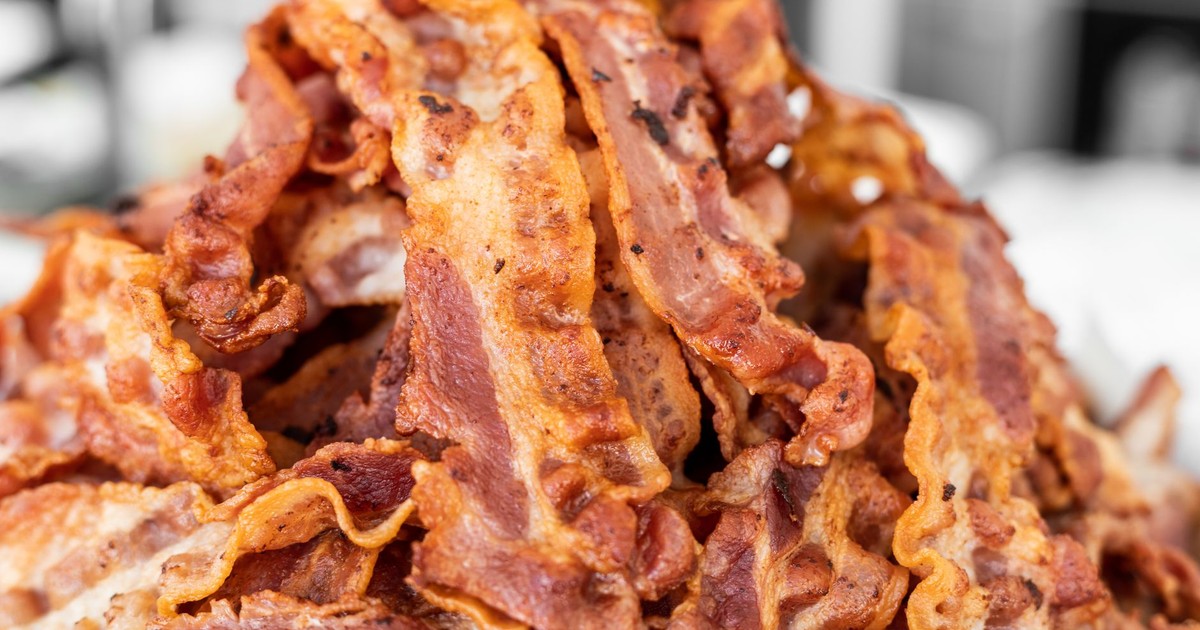
Pork prices rose 1.0 percent from April to May 2026 and were 2.6 percent higher year over year, a modest headline number that masks what’s happened to bacon specifically. A package that cost $6 in 2020 now regularly runs $10 to $12 for standard cuts, with thick-cut and specialty varieties well above that.
For households that used bacon as an everyday breakfast item or a regular flavoring ingredient in soups and salads, the cumulative increase has been enough to push it to the occasional treat column. Turkey bacon has absorbed some of that displacement, and pancetta and smoked ham hocks are being used as lower-cost flavoring substitutes in cooking applications where the smokiness matters more than the exact cut.
12. Fresh Lettuce and Leafy Greens
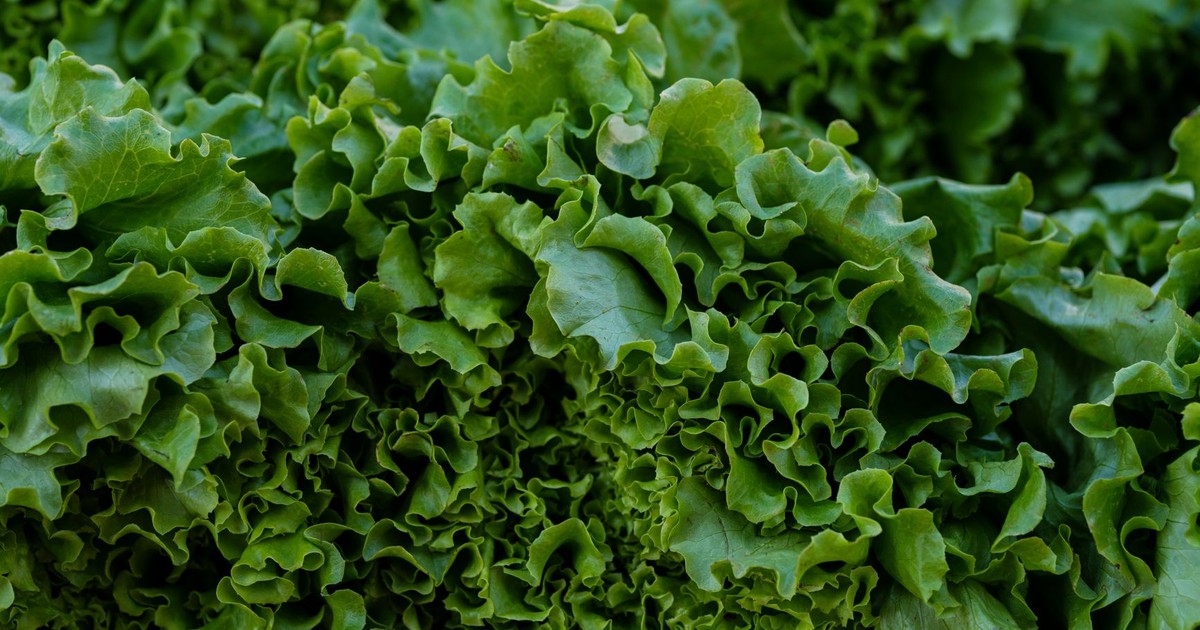
Prices for fresh vegetables are predicted to increase 7.7 percent in 2026, and within that category, fresh lettuce has been among the most volatile. Lettuce was up by almost 14 percent in a single month in March 2026. A head of romaine that cost $1.50 a few years ago now sits at $3 or above in many regions, and pre-washed bag salads have climbed into the $5 to $7 range for a single serving.
Leafy greens are hand-harvested, water-intensive, and highly perishable, which makes them expensive to produce, transport, and store even in normal conditions. Trade and immigration policy changes have put additional pressure on the agricultural labor pool in the Southwest. Shoppers making the switch are buying cabbage, still cheap and sturdy, growing their own herbs and lettuces in small containers, or pivoting to frozen spinach for cooking applications.
13. Orange Juice

Florida’s citrus greening disease, a bacterial infection that causes trees to produce bitter, unusable fruit, has been gutting domestic orange production for over a decade. Brazilian orange crops, which supply most of the imported concentrate used in American OJ, have also faced adverse weather. A 52-ounce carton of not-from-concentrate orange juice now regularly exceeds $7 or $8 in grocery stores across the country.
Whole oranges still cost far less per serving than a glass of juice, and frozen orange juice concentrate delivers the flavor at significantly lower cost. A growing number of households have simply moved to water with lemon or switched to a morning multivitamin and dropped the juice category entirely.
14. Branded Trash Bags and Paper Products

Paper towels, trash bags, and plastic wrap have all crept up in price as petroleum-based material costs, cardboard packaging, and transportation expenses have filtered through. A box of name-brand 13-gallon kitchen trash bags that cost $12 a few years ago now often runs $18 to $22. Double-roll paper towel packs from premium brands have crossed $25 in many stores.
Store-brand paper products have captured significant market share from the big names, and the quality hasn’t suffered. Reusable silicone bags and beeswax wraps have replaced some single-use plastic wrap for shoppers who are simultaneously trying to reduce waste and spending. Buying in bulk through warehouse clubs, where the per-unit savings on paper products can reach 30 percent or more, has become standard practice for households with the storage space to manage it.
15. Packaged Cheese
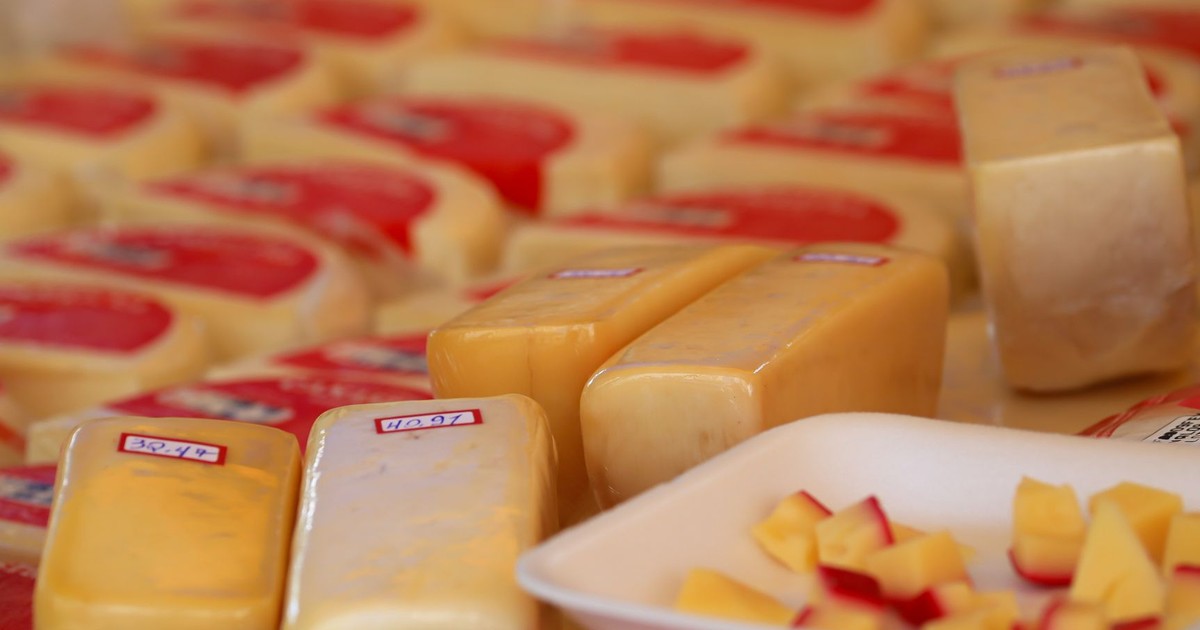
Shredded cheese, sliced cheese, and specialty imports have all climbed as feed costs, labor, and dairy processing expenses have filtered through. A standard 16-ounce bag of shredded cheddar that cost $4 in 2021 now regularly sits at $7 or $8, and imported varieties like Gruyere and Manchego have seen even steeper climbs.
Shoppers adapting to the new cheese reality are buying less of the specialty stuff and more of what’s on sale, buying a block and shredding it at home, which tends to be noticeably cheaper than pre-shredded, or using cheese as a flavor accent rather than a main ingredient. Nutritional yeast, which adds a savory, cheesy note to pasta and roasted vegetables at a fraction of the cost, has built a following well beyond its traditional vegan audience.
What Shoppers Are Doing Now
The grocery store has reorganized itself into a place where every category requires a second look, and the products that once lived in the cart on autopilot now need to earn their spot. The items on this list aren’t marginal luxuries. They’re things that showed up every single week, for years, without anyone giving them a second thought.
Some of these price increases will ease over the next year or two as supply chains stabilize, cattle herds rebuild, and commodity markets cool. Others, like coffee and olive oil, are tied to geopolitical and climate pressures that don’t have a clear resolution date. Shoppers have already started getting deliberate about which version of an item actually matters for how they cook and eat, and finding cheaper substitutes for the ones where the difference is barely noticeable.
Disclaimer: This information is not intended to be a substitute for professional medical advice, diagnosis, or treatment and is for information only. Always seek the advice of your physician or another qualified health provider with any questions about your medical condition and/or current medication. Do not disregard professional medical advice or delay seeking advice or treatment because of something you have read here.
AI Disclaimer: This article was created with the assistance of AI tools and reviewed by a human editor.