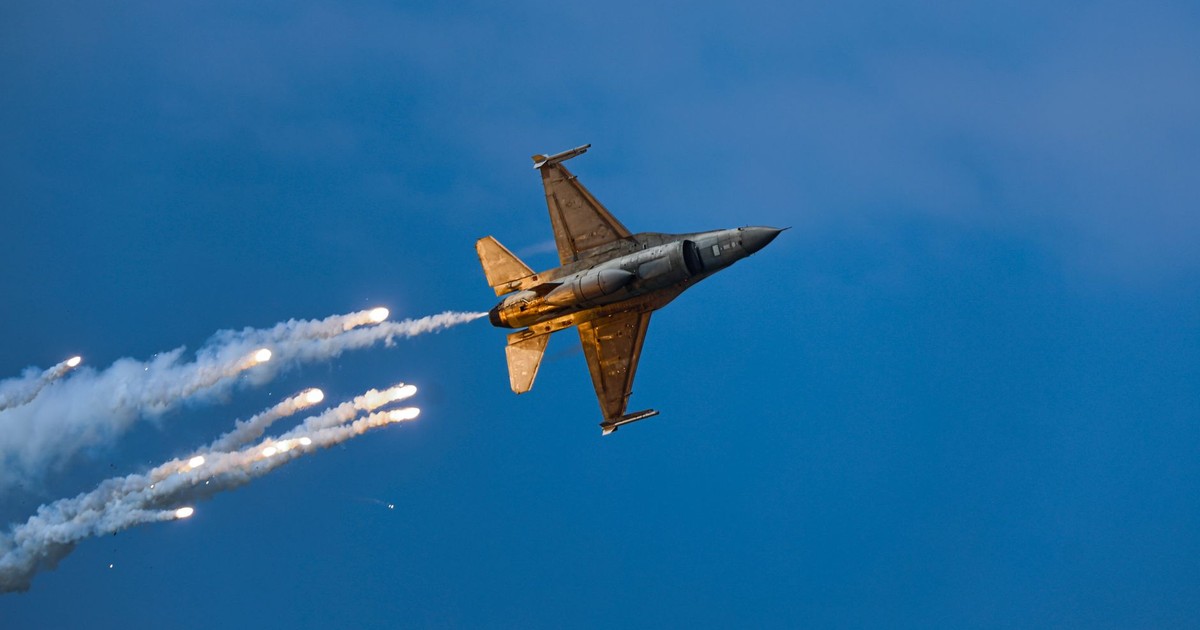

On the morning of July 24, 2026, the United States bombed Iran for the 13th consecutive night. Hours before those strikes, President Donald Trump told Axios that he was weighing something far larger: “I am considering a massive attack. Bigger than ever before. I am close to making a decision. We are all set for it,” he said, describing a potential operation that would exceed the scale of Operation Epic Fury, the joint U.S.-Israel campaign that opened this war in late February.
That warning landed the same week Iran’s Houthi allies in Yemen opened a second front, attacking Saudi oil tankers in the Red Sea. Oil topped $100 a barrel for the first time since May, as the widening conflict threatened a further squeeze on global supplies. The combination of nightly strikes, a president openly musing about an escalation unlike anything the region has seen, and oil markets lurching past a psychologically critical threshold has produced something that looks less like a war with a defined military objective and more like a conflict looking for an exit that neither side can agree to use.
Neither side has found that exit. Five months of escalation, a ceasefire that collapsed before anyone had time to celebrate it, and a June memorandum of understanding that lasted barely six weeks have left both Washington and Tehran locked in a cycle that neither can credibly claim to be winning. Whether Trump’s “massive attack” threat is a genuine military decision or a pressure tactic with a diplomatic target is the question every government in the region is currently trying to answer.
How Operation Epic Fury Began – and What It Did
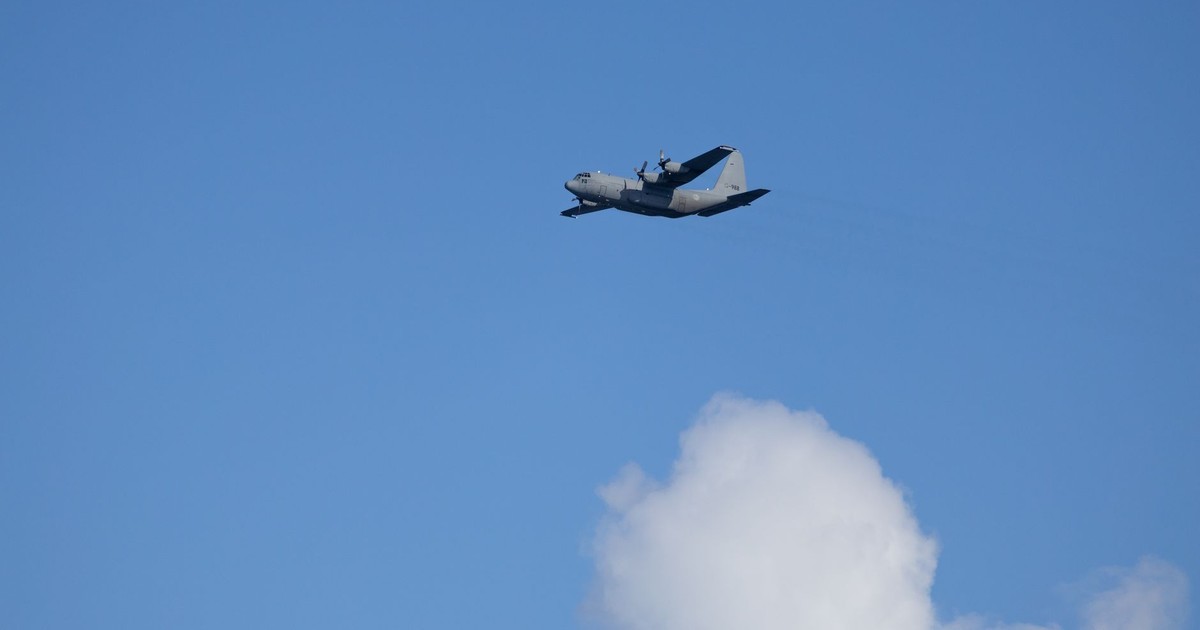
Operation Epic Fury was the U.S. code name for its joint military operations with Israel against Iran, beginning on February 28, 2026. The opening salvo took out Supreme Leader Ali Khamenei and triggered a torrent of hundreds of retaliatory missiles and thousands of drones from Iran across the Middle East.
The operation marked the most significant U.S. military action in the Middle East since the Iraq War, executed without a formal address to Congress beyond a War Powers notification and a Gang of Eight briefing. Trump announced the strikes via an overnight video on Truth Social, accusing Iran of conducting “mass terror” since the 1979 Islamic Revolution.
U.S. Central Command struck more than 1,000 sites across Iran within the first 24 hours alone, deploying B-2 stealth bombers, F-22 and F-16 fighter jets, A-10 attack aircraft, and EA-18G electronic warfare planes. Iran, followed by its allies in Iraq and Lebanon, responded with a series of strikes against Israel and U.S. bases across the region, as well as oil and gas production facilities in the Gulf states.
Although the declared objective of the joint attack was the destruction of Iran’s nuclear and missile programs, Trump suggested in a recorded address at the outset that its broader aim was to bring about regime change in Iran, without specifying how this might be achieved. The gap between destroying specific capabilities and toppling a government has defined the conflict’s direction ever since.
The Ceasefire That Wasn’t
A Pakistan-brokered ceasefire came hours before Trump’s threatened deadline to destroy Iran’s bridges and power plants. No text reflecting mutual agreement on ceasefire terms was released, and the two sides’ differing public statements on the ceasefire presaged subsequent and ongoing points of tension.
What followed was not peace. A U.S. delegation led by Vice President JD Vance met with Iranian counterparts in Islamabad on April 11-12, the senior-most diplomatic engagement between the two countries since 1979. Trump said on April 12 that “most points were agreed to, but the only point that mattered, NUCLEAR, was not,” and announced the beginning of a U.S. blockade on Iranian shipping.
In mid-June, Pakistan’s prime minister announced that the United States and Iran had reached agreement on a memorandum of understanding. The conflict left enormous damage, thousands dead in Iran and Lebanon, dozens dead in Israel and the Gulf Arab states, and millions displaced across the region. The danger of crossfire and Iranian threats led to severe disruption of traffic through the Strait of Hormuz, one of the world’s most volatile oil chokepoints, causing fuel shortages in parts of Asia and rippling effects across the global economy.
On June 17, the U.S. and Iran signed a 14-point memorandum of understanding, setting out plans for talks on freedom of navigation in the Strait of Hormuz, Iran’s nuclear and missile programs, and sanctions. That agreement, signed barely five weeks ago, is now effectively dead. The unfreezing of Iran’s frozen assets was a key point for Tehran in the memorandum of understanding it struck with the U.S. in June, an agreement neither side is honoring.
The New Escalation – and What Triggered It
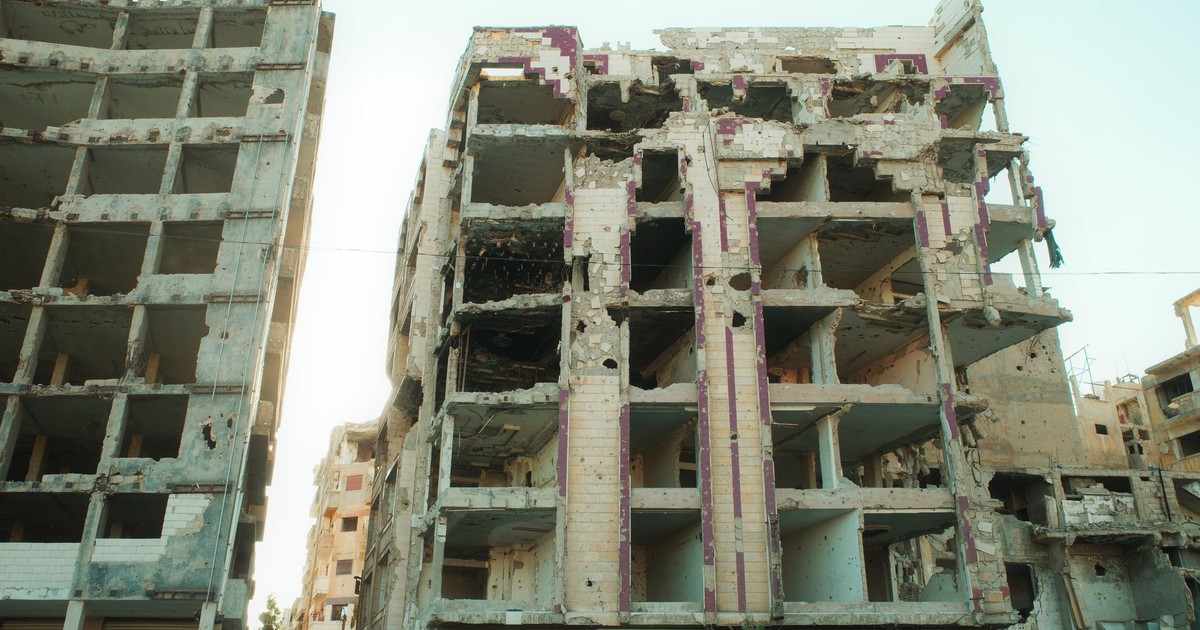
At least four people were killed in Iran after the U.S. military completed its 13th consecutive night of strikes, with CENTCOM stating it targeted “Iranian military command centers, drone storage facilities, communication networks, coastal surveillance sites, and maritime capabilities.”
The renewed fighting was triggered in part by Iran opening what U.S. officials are calling a second front. One thing that had limited the war’s disruption to global oil supply was Saudi Arabia’s ability to use an alternative export route through the Red Sea. The Houthis, Iran-backed militants who control part of Yemen, exposed the fragility of that workaround with new attacks on Saudi tankers, helping push oil prices above $100 a barrel.
Trump pointed directly to the Saudi tanker attacks on Truth Social, warning that “if they do this again, the U.S. will hold Iran responsible, in that the Houthis are a Surrogate and/or Proxy of Iran, and major military punishment will be inflicted upon Iran and, of course, the Houthis, themselves.” He went further. Trump also threatened that “any time the Islamic Republic of Iran shoots at a ship in the Strait of Hormuz, whether it be by Missile, Rocket, Drone, or any other device or weapon, the United States will bomb and destroy ONE BRIDGE OR POWER PLANT, including those located next to, or in, the Capital City of Tehran.”
The U.S. is increasing the number of fighter jets in the Middle East as Trump considers how to proceed, with dozens of U.S. fuelers having arrived in Israel in recent days, still incoming according to an Israeli source.
Nearly 100 U.S. service members have suffered some level of injury, mostly minor, since July 7, the Pentagon said. The human cost is now denominated in American lives as well as Iranian ones, and the political pressure at home is tightening around the administration.
Iran Isn’t Backing Down
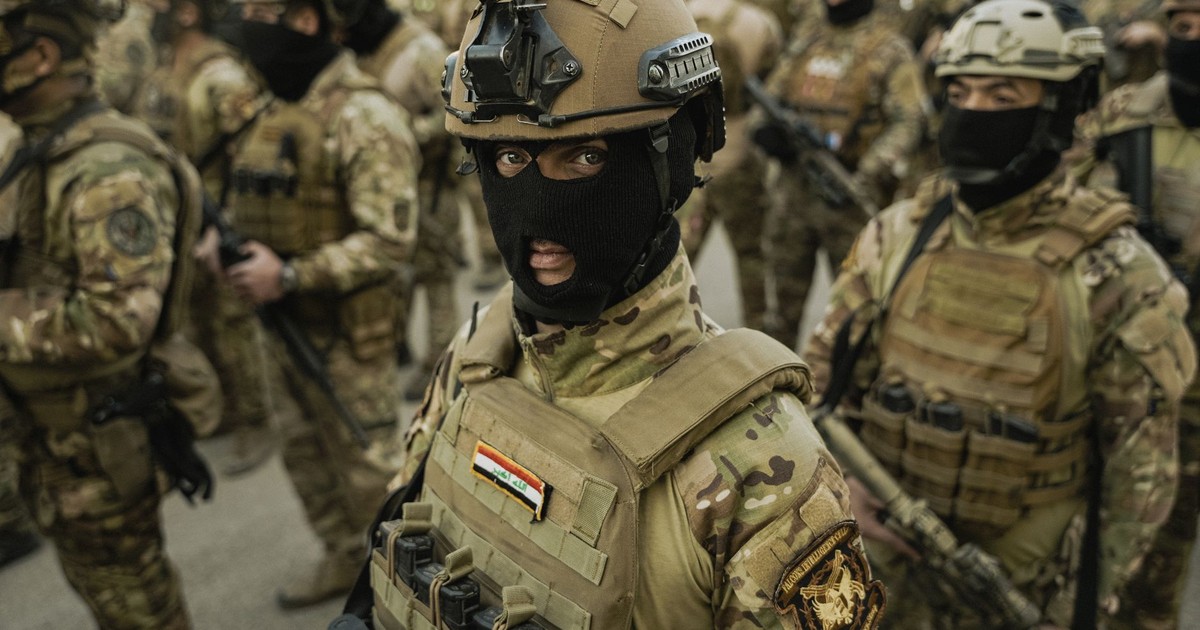
Iran’s response to the Trump Iran attack threat has not been to stand down. Iran has shown little sign of bowing to U.S. demands, launching new attacks on shipping as well as U.S. bases and allies across the Middle East.
Iran’s Revolutionary Guard said it had launched attacks on U.S. military targets in Jordan and Kuwait, including a communications tower, accusing U.S. forces of attacking equivalent infrastructure in Iran.
Kuwait intercepted “hostile targets,” sirens sounded in Bahrain, Jordan said it downed Iranian missiles, and Iran has stepped up attacks on all three countries, which host U.S. military personnel.
On the diplomatic track, Secretary of State Marco Rubio offered a characteristically mixed signal. Rubio, addressing the conflict on the sidelines of the ASEAN summit in Manila, claimed Iran was “begging us, both directly and indirectly” for a deal, but added that Iran didn’t appear ready to make one because every time they agree to something, “people in charge either break it or they want to change it.”
Some U.S. allies in the Middle East have grown openly frustrated with the daily escalation and the absence of diplomatic progress, with regional officials describing the situation as increasingly unpredictable.
The Israel Question
Trump added that Israel “would join in two minutes if I ask them to,” but that there would be “consequences” to it joining the strikes, and that the United States didn’t need any assistance. That statement is notable for what it implies: that a broadened operation involving Israel is a switch Trump is holding, not a foregone conclusion, and that the threat of pulling it has its own diplomatic utility.
Although Israel participated in the strikes against Iran alongside the U.S. from February 28, it is not directly participating in the Pakistan-mediated talks. Following a conversation with Trump, Israeli Prime Minister Benjamin Netanyahu said the president told him the final agreement would have four elements, including removing enriched material and limits on Iranian missiles. Several members of the Israeli ruling government and opposition leaders were critical of the memorandum, with Security Minister Itamar Ben Gvir stating that “Trump’s agreement does not bind us.”
The prospect of Israeli re-entry into direct strikes on Iran would represent a step change in the conflict that neither the region’s governments nor global oil markets have fully priced in.
What’s Actually at Stake
Five months into the most significant U.S. military engagement in the Middle East in over two decades, the strategic picture is harder to read than any single presidential statement makes it appear. According to AAA, the national average for a gallon of regular gasoline jumped 15 cents in a single week to $4.09 as of July 23, 2026, with volatility along the Strait of Hormuz driving crude oil prices into the $90 per barrel range. The national average had peaked at $4.56 on May 21, when the strait was fully closed, meaning the current trajectory already points toward that ceiling again. The economic pressure is global, and it compounds with every night of strikes and every Houthi missile.
Trump’s “massive attack” warning fits a pattern he has used throughout this conflict: set a deadline, back it with real military force, accept a partial arrangement, then restart the cycle when Iran tests the limits of that arrangement. Two U.S. officials confirmed to Axios that no new orders had been given to the military as of Thursday, and that no decision had been formally made. That detail matters. It means the threat is real enough to be credible but not yet an order, which is exactly the space maximum-pressure diplomacy is designed to occupy.
Neither Side Is Winning
Pakistan, the country that helped mediate the first ceasefire between the U.S. and Iran, is being asked to play the same role again. Regional mediators have presented Washington and Tehran with a proposal for a 10-day ceasefire, according to CNBC, a pitch that could put last month’s memorandum of understanding back on track. Whether Iranian hardliners will allow any new ceasefire to hold is a question with no clear answer, and the nightly strike count keeps rising while diplomats search for one.
Neither side has achieved its stated objective. The U.S. set out to permanently end Iran’s nuclear program and disrupt its regional proxy networks. Iran’s nuclear infrastructure was heavily degraded, but the country’s military and its allies are still fighting. Iran sought to survive, preserve its leverage over the Strait of Hormuz, and extract economic concessions. It is surviving, but at an extraordinary cost in lives, infrastructure, and economic stability. Both sides are paying too much and getting too little, which is historically when conflicts either collapse toward peace or lurch in the other direction entirely.
Trump’s language this week leans toward the latter. Thirteen nights of strikes have not changed Tehran’s calculus. Whether a 14th, or a dramatically escalated 15th, does anything differently depends less on military force than on whether either side has a political off-ramp they’re actually willing to take. Right now, neither does.
Disclaimer: This information is not intended to be a substitute for professional medical advice, diagnosis, or treatment and is for information only. Always seek the advice of your physician or another qualified health provider with any questions about your medical condition and/or current medication. Do not disregard professional medical advice or delay seeking advice or treatment because of something you have read here.
AI Disclaimer: This article was created with the assistance of AI tools and reviewed by a human editor.