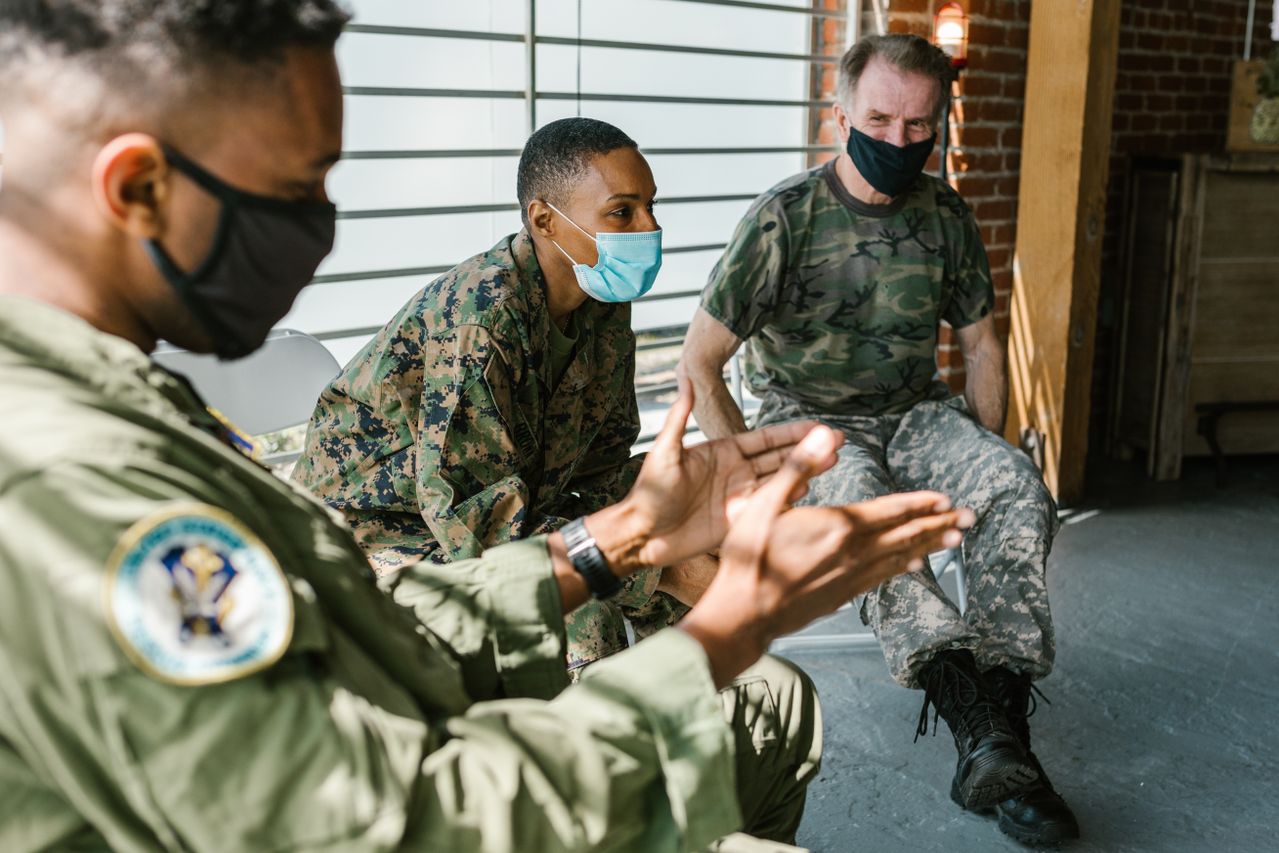

As of this week, at least 159 confirmed cases of influenza had been recorded among recruits at Lackland Air Force Base in San Antonio, Texas, with two hospitalizations. A source at the base told NBC News the number of sickened troops could be over 200. And then there’s the detail that turns this from a health story into something harder to look away from: a trainee named Keon McDaniel, who was in his sixth week of basic military training, died on June 16 at Brooke Army Medical Center after being transported there on June 12 following a medical emergency.
The outbreak comes less than two months after Secretary of Defense Pete Hegseth ended the requirement for U.S. troops to receive an annual flu vaccine. That decision, announced in April 2026 via a video posted to social media, has since run into something he probably didn’t plan for: a flu outbreak at the exact type of facility his policy was supposed to liberate.
The 37th Training Wing at Lackland is the largest training wing in the Air Force, responsible for basic military training of all enlisted Air Force, Space Force, Air Force Reserve, and Air National Guard recruits. It is, in other words, the one place in the entire U.S. military where young people arrive in large groups, live in tight quarters together, and have no prior shared immunity. Military vaccination policy was built specifically to protect that environment.
What Hegseth Did, and Why
A memorandum signed by Hegseth states that “effective immediately, the annual influenza vaccine is voluntary for all Active and Reserve Component Service members” and civilians working for the Defense Department. In his video announcement, he framed the reversal as a matter of personal freedom. “The notion that a flu vaccine must be mandatory for every service member everywhere in every circumstance at all times is just overly broad and not rational,” he said.
He added that troops should have the freedom to make their own decisions “because your body, your faith and your convictions are not negotiable.”
The flu shot requirement that Hegseth ended had been in place since 1945, with one brief pause in 1949. That pause, as it turned out, was also instructive. After researchers noticed the vaccine’s effectiveness fading, the mandate was withdrawn in 1949. This was later found to be caused by abrupt and major changes to the flu virus, and the mandate was reinstated in the early 1950s after the changes became “clearer and combatable.”
Hegseth’s directive does allow for the military services to request to keep the vaccine requirement in place. The services had 15 days to make those requests. The Air Force apparently did not act quickly enough. By the time the outbreak was three weeks old, the Air Force had requested an exemption to Hegseth’s policy that allowed them to mandate flu vaccines at the base, and the base has since started vaccinating people.
The Numbers That Tell the Story

Basic military training is so vulnerable to respiratory illness for a straightforward reason. According to defense officials, the virus spread rapidly through a training wing where recruits live in close quarters, sleep in open dormitories, and share dining facilities. Vaccination, in that context, isn’t about individual health choices. It’s about preventing a wave of sick people from crashing through a facility that can’t function if too many people are ill at once.
Sources told ABC News that there is a 40% flu vaccination rate among recruits at the San Antonio base since the mandate was lifted. Previously, the rate was nearly 100%. That single figure probably explains more about the troops flu outbreak than anything else. When you go from almost universal coverage to fewer than half the people in a crowded dormitory being protected, the virus finds room to move.
A 2026 study published by researchers at the Armed Forces Health Surveillance Division of the Defense Health Agency found that from the 2010-2011 to the 2023-2024 flu seasons, the highest rate of influenza hospitalizations among active service members were among those under the age of 25, especially young recruits. Basic trainees are, almost by definition, in that exact demographic. They’re young, they’re physically stressed from the demands of training, and they’ve been pulled away from the communities where they built their immune history and placed into a new one. The vaccine was the buffer between that vulnerability and an outbreak exactly like this one.
A Policy Built on History That Gets Ignored
The military’s commitment to flu vaccination did not come from bureaucratic caution or overcautious officials. It came from a specific catastrophe. The flu vaccine mandate grew out of military experiences during the influenza pandemic of 1918. That spring, a novel influenza strain spread through crowded Army training camps and traveled to Europe with American troops. About 45,000 American soldiers died of influenza during World War I, nearly as many as the roughly 53,000 killed in combat.
In 1941, as the country prepared to enter another world war, the U.S. Army organized an influenza commission that partnered with the University of Michigan to develop the first influenza vaccine. Clinical trials in military recruits showed that the vaccine reduced the incidence of influenza illness by 85%, and in 1945 the military mandated the vaccine.
The historical argument for mandating the flu vaccine in military settings has never really been about distrust of individual service members’ judgment. It’s been about the math of close-quarters transmission. As Richard Ricciardi, a professor at the George Washington University School of Nursing who served in the U.S. Army for more than three decades, put it: “In the military, vaccination is not political theater. It is force protection. Troops live and work in close quarters, where influenza can spread quickly and sideline otherwise healthy service members.”
Research published on PubMed shows that throughout America’s first 145 years of war, far more military personnel perished from infectious diseases than from enemy action – a pattern only reversed in World War II through vaccines and antibiotics. Disease has historically been the thing that hollows out an army from the inside. Hegseth said in his video that flu causes “no threat to our military readiness” – but during the 1918 influenza pandemic, more than 20,000 U.S. service members died and hundreds of thousands were hospitalized. A retired military medical officer with experience as the senior medical adviser to the Joint Chiefs wrote in a piece published by STAT News that “asserting that flu poses no risk is untrue.”
The Response, and the Political Fallout
In its official statement, the Air Force said: “Over the last three weeks, the 37th Training Wing, in close coordination with the 59th Medical Wing, has been managing a localized influenza outbreak among trainees at Basic Military Training.” The trainees who are symptomatic are receiving antiviral medications such as Tamiflu.
Chief Pentagon spokesman Sean Parnell said that under updated guidance, the Under Secretary of Defense for Personnel and Readiness granted exceptions to the policy for the departments of the Army, Navy, Air Force, National Security Agency, and Defense Health Agency if there were needs to make the vaccine mandatory. He added that “the decisions were based upon thorough risk assessments and are designed to maximize operational readiness, lethality, and force generation, while safeguarding at-risk populations.”
The political response has been sharp. Texas Representative Joaquin Castro, whose district includes San Antonio, was among the first lawmakers to speak publicly about the troops flu outbreak. Castro said: “It was only a matter of time before an outbreak occurred. It was a reckless decision that put troops in harm’s way and undermined our military readiness. At the Lackland Air Force Base in San Antonio, nearly 160 servicemembers are now ill.” He added that he is “especially concerned by the tragic death of a trainee this past week” and that his office has requested the Department of Defense provide a full accounting of the outbreak and investigate the circumstances of the trainee’s death.
Castro concluded: “For the wellbeing of our servicemembers and community, public health policies must be guided by science, not politics.”
Criticism has also come from public health circles. Georges Benjamin, CEO of the American Public Health Association, called it “an irresponsible decision that will undermine the medical readiness of our troops.” Benjamin is a former military physician who trained in the U.S. Army and served as ER director for four years at Walter Reed Army Medical Center.
Even some Republican voices expressed hesitation when the policy was first announced. Senator Roger Wicker of Mississippi told reporters: “The reason it was mandatory was to enhance readiness. You do give up certain rights when you take the oath.”
The Vaccine Policy Isn’t Gone – It’s Just Inconsistent
U.S. military personnel are still required to get vaccinations for diseases including measles, mumps, and polio. Other immunizations may be required depending on risk and military occupation. Depending on where service members could be deployed, troops are required to receive up to 17 different vaccinations. The flu shot was removed from that list. Everything else remained.
Previously, the flu vaccine was mandatory, but the new policy is in line with a previous change of making the COVID-19 vaccine optional. The Pentagon has granted the military services exceptions to the policy, so the flu vaccine can be required in certain cases. That’s the structure that now governs flu vaccination: optional by default, mandatory only if a specific branch requests an exception and makes a case for it. The Air Force at Lackland is now doing exactly that, retroactively, after the outbreak was already three weeks old.
Public health specialists have warned that military members may suffer unnecessary complications from the flu after the vaccination mandate was ended, and fear that severe cases will continue to climb in subsequent flu seasons if preventive measures aren’t restored.
Read More: Trump Blames Obama After the $14M ‘Blue’ Reflecting Pool Turns Green
What This Actually Comes Down To
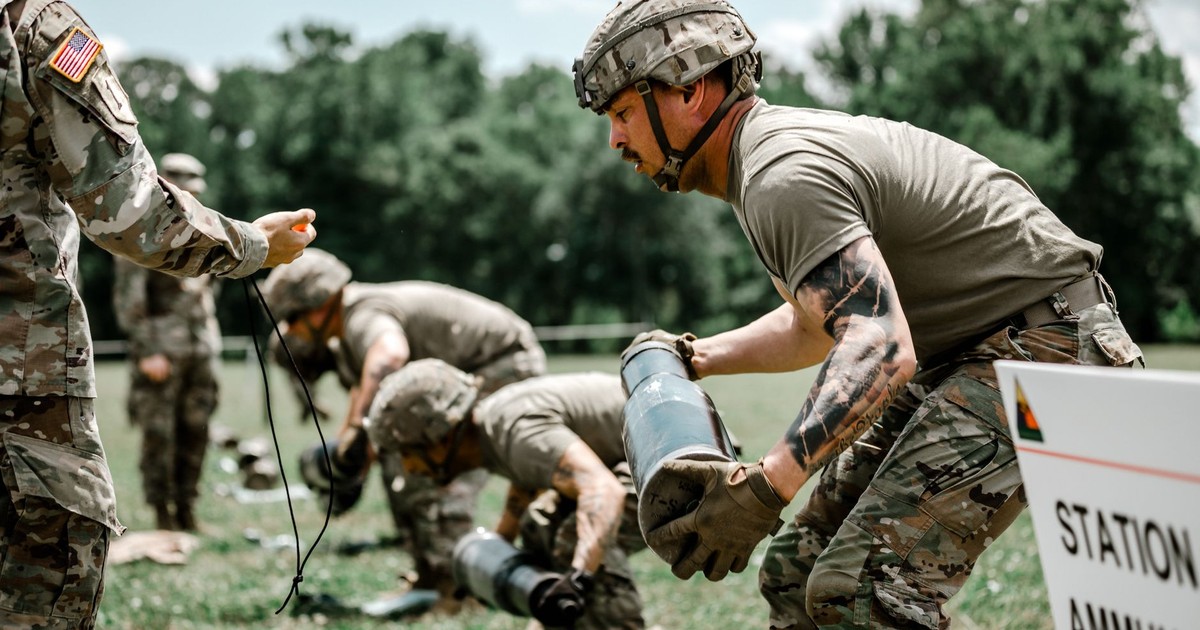
The death of Keon McDaniel hasn’t yet been officially linked to the flu. The Air Force reported the death of basic trainee Keon McDaniel after a June 12 medical emergency during week six of basic military training. The cause remains under investigation as a full medical review begins. That investigation will take time, and the findings will matter. But the broader question doesn’t wait for official conclusions.
Basic military training exists to turn civilians into service members as efficiently and completely as possible. That process depends on people being well enough to train. When vaccination rates drop from nearly 100% to 40% in a setting where dozens of people share barracks and dining halls, the conditions for exactly this kind of outbreak are set in motion. The specific disease, the specific season, the specific base – all of those are details. The pattern was predictable.
Both the Air Force seeking its own exemption and lawmakers demanding a full accounting are asking something straightforward: whether a policy that prioritized individual autonomy over collective readiness served the institution it was supposed to protect. The answer at Joint Base San Antonio, at least, is playing out in real time. The base has resumed vaccinating. The investigation into McDaniel’s death continues. And the question of whether flu vaccination should have ever been treated as a matter of personal discretion in a close-quarters training environment is one that won’t be resolved by a single outbreak report, no matter what it concludes.
Some policy decisions only look obviously wrong in retrospect. This one had medical officers, retired generals, and public health experts saying so out loud before anyone at Lackland got sick.
Disclaimer: This information is not intended to be a substitute for professional medical advice, diagnosis, or treatment and is for information only. Always seek the advice of your physician or another qualified health provider with any questions about your medical condition and/or current medication. Do not disregard professional medical advice or delay seeking advice or treatment because of something you have read here.
AI Disclaimer: This article was created with the assistance of AI tools and reviewed by a human editor.