

The complaints have been building for a while now, and they’re not coming from one-off grumpy customers. They’re a pattern. Crowded aisles that haven’t been touched since the last truck arrived. Prices that make you double-check you’re not in a full-price boutique. An online experience so unreliable it barely qualifies as shopping. These are the TJ Maxx complaints that show up in review after review, on Reddit threads, in consumer watchdog reports, and in the conversations shoppers have while standing in a line that hasn’t moved in fifteen minutes.
TJX is the world’s largest off-price apparel and home fashions retailer, and it reported $56.4 billion in fiscal 2025 net sales, so none of this is a crisis for the company. But strong corporate revenues don’t mean every shopper still feels good walking out the door. Here are ten reasons that feeling has been changing.
1. The Prices Don’t Feel Like Deals Anymore
The whole value proposition of TJ Maxx rests on one idea: you’re paying significantly less than you would elsewhere. The company says it generally prices merchandise 20% to 60% below full-price retailers’ regular prices on comparable goods. In practice, shoppers are increasingly finding that the gap has narrowed to the point where it no longer justifies the effort.
Part of what’s eroded the deal-hunting thrill is the introduction of items that are priced nearly as high as their full-retail counterparts. A name-brand item on the shelf is exciting until you check your phone and find it for roughly the same price on the brand’s own website. When that happens regularly, the store stops feeling like a secret and starts feeling like a slightly disorganized regular store. The comparison shopping that TJ Maxx shoppers have always done in their heads is now easier than ever with a smartphone, and the math doesn’t always add up the way it used to.
Inflation has made everything worse. Products that once sat comfortably in the “affordable impulse buy” range at TJ Maxx now require actual thought. When the prices at a discount retailer start to require a budget, the discount retailer has a branding problem.
2. Brand Quality Has Declined

For years, TJ Maxx was the place to find genuine name brands at a fraction of their normal cost. Shoppers who knew what they were looking for could find the same labels they’d see at Nordstrom or Bloomingdale’s, sometimes even the exact same item from the same season. That’s become rarer. Instead of the heavily discounted name-brand items that the chain was known for selling, it now seems to offer generic brands.
What replaced those name-brand finds is a mix of lower-tier manufacturers producing items specifically for the off-price market. These “made for TJ Maxx” goods look the part on a hanger but often don’t hold up after a few washes. The label says something that sounds premium. The construction suggests otherwise. Shoppers who developed an eye for quality over years of TJ Maxx hunting have noticed, and they’ve said so loudly in reviews across multiple platforms.
This shift isn’t unique to TJ Maxx. The entire off-price sector has faced growing difficulty sourcing genuine excess inventory from premium brands, which increasingly tighten distribution and destroy unsold stock rather than allow it to reach discounters. But that industry reality doesn’t make the disappointment any less real for a shopper who drove twenty minutes hoping to find what they found five years ago.
3. TJ Maxx Complaints About Store Conditions Are a Mess
Walk into a TJ Maxx on a busy Saturday afternoon and you’ll understand the complaint immediately. Clothing pulled from racks and draped over the edges. Shelves where someone has clearly rearranged an entire section looking for one size and left everything in their wake. Fitting rooms with items piled on the floor from the previous hour’s traffic. According to an analysis of over 5,000 reviews, approximately 65% of TJ Maxx complaints relate to difficult returns, 25% cite issues with online orders, 5% involve rude employees, and the remaining 5% cover topics like cleanliness and coupons.
The disorganization isn’t simply a matter of being busy. Shoppers report that restocking and tidying seem to lag significantly behind traffic, particularly in high-traffic urban locations. The treasure hunt model works when you can actually see what’s there. When the racks are jammed so tightly that pulling one item out causes three others to fall, the hunt stops being fun and starts being frustrating.
Staffing constraints don’t help. Maintaining a store floor that’s constantly being disrupted by shoppers requires consistent floor presence, and that costs money. The tension between TJX’s well-documented profitability and store-level conditions has not gone unnoticed by the people shopping in them.
4. The Return Policy Has Frustrating Limits

On paper, TJ Maxx’s return policy is reasonable. TJ Maxx offers a 30-day return window for in-store purchases and 40 days for online orders returned in-store. In-store returns are free, but mail returns cost $11.99 per package, deducted from your refund or merchandise credit. That $11.99 fee stings especially when the item being returned was a clearance find that cost $14.
All returns are processed through T.J. Maxx’s verification system, which tracks return patterns and can decline refunds if misuse is suspected. The word “suspected” is doing a lot of work there. Shoppers who make a genuine return that happens to trigger the algorithm can find themselves denied without clear explanation, and customer service reps reportedly have limited ability to override the system. Without a receipt, shoppers receive store credit for the item’s current selling price – meaning if that sweater went on clearance for $12 yesterday, the shopper gets $12, even if they paid $40.
5. The Online Shopping Experience Is Unreliable

TJ Maxx’s online store has been a recurring source of frustration since its launch. The problems range from the mundane to the genuinely baffling. Shoppers report the website freezing mid-transaction, order confirmations that don’t match what was delivered, and packages that arrive damaged. Shoppers describe the website as rarely loading, with items freezing at the point of purchase and forcing a reboot.
The experience doesn’t replicate the in-store treasure hunt, partly because the inventory online represents only a fraction of what’s in any given store, and partly because the site architecture makes browsing feel like work. The search function returns inconsistent results. Filters don’t always hold. For a company generating over $56 billion in annual sales, the online shopping infrastructure has lagged noticeably behind what shoppers have come to expect from any major retailer in 2025.
Exchanges aren’t available for online orders, which adds another layer of friction. If you buy something online and want a different size, the answer is a return and a brand-new order, complete with the risk that the item you wanted is already gone by the time your refund posts.
6. Long Checkout Lines With Too Few Staff
The checkout line at TJ Maxx has become a signature complaint. Not because the store is popular, but because the number of registers open rarely seems to match the number of people waiting. Shoppers who have spent time finding their items, navigating the floor, and managing the general controlled chaos of the store then face a ten-to-twenty minute wait to actually pay for what they found.
The staffing issue shows up in reviews from dissatisfied shoppers, with customers noting that staff seem stretched thin across multiple responsibilities at once. Associates are trying to restock, tidy, work the fitting room, and manage checkout simultaneously. The result is that no one thing gets done well. Long lines are a concrete, measurable sign of understaffing, and shoppers have noticed they’ve gotten worse.
TJX has previously said it was seeing high rates of theft and other forms of inventory loss in its stores, which has prompted the company to redeploy staff in ways that further strain checkout coverage. Body cameras, additional security measures, and anti-theft protocols are all sensible responses to a real problem, but they come with a cost to the overall shopping flow.
7. Tampered and Opened Products on Shelves
The beauty and personal care sections at TJ Maxx are where this complaint concentrates most intensely. The open-shelf display model, which works well for home goods and clothing, creates genuine hygiene problems when applied to cosmetics. Many shoppers and employees admit that makeup at TJ Maxx may be expired or tampered with. One TJ Maxx employee noted: “Thoroughly check your makeup, people test them, open them, put them on, and break things like eyeshadows and stuff a lot.”
The problem isn’t just cosmetics. Shoppers report finding opened food packaging, toys with broken seals, and electronic accessories that have clearly been partially removed and repackaged. Products that arrive on the floor sealed don’t always stay that way. And unlike a department store with dedicated beauty staff, TJ Maxx doesn’t have the floor coverage to monitor those sections continuously.
For a shopper who picks up what looks like a new product and gets home to find it’s been previously used, the experience is off-putting enough to reconsider the next visit. It also raises questions about TJ Maxx’s quality control protocols for items returning to shelves.
8. Food and Grocery Items Past Their Best
TJ Maxx’s expansion into food, snacks, and specialty grocery items was part of a broader push to increase basket size and foot traffic. The strategy makes sense in theory. In practice, it has introduced a category where the consequences of poor inventory management are more immediately unpleasant. Sure, browsing the food sections at TJ Maxx may help tackle high grocery costs, but shoppers want to make sure they always check the expiration date.
The problem isn’t that TJ Maxx sells food. The problem is that the same treasure hunt model applied to food creates real risk. Items in the food section don’t always turn over as quickly as they would in a dedicated grocery environment, and without the same rigorous date-checking protocols that grocery stores employ, products can sit on shelves past their best-by dates. Shoppers who have learned to flip every package before putting it in their cart have found items that expired months ago.
This is one area where TJ Maxx’s model actively works against the shopper. The randomness that makes the clothing section exciting becomes a liability when you can’t predict whether the chocolate bar you’re buying has been sitting on that shelf since last spring.
9. The TJX Rewards Credit Card Comes With Headaches
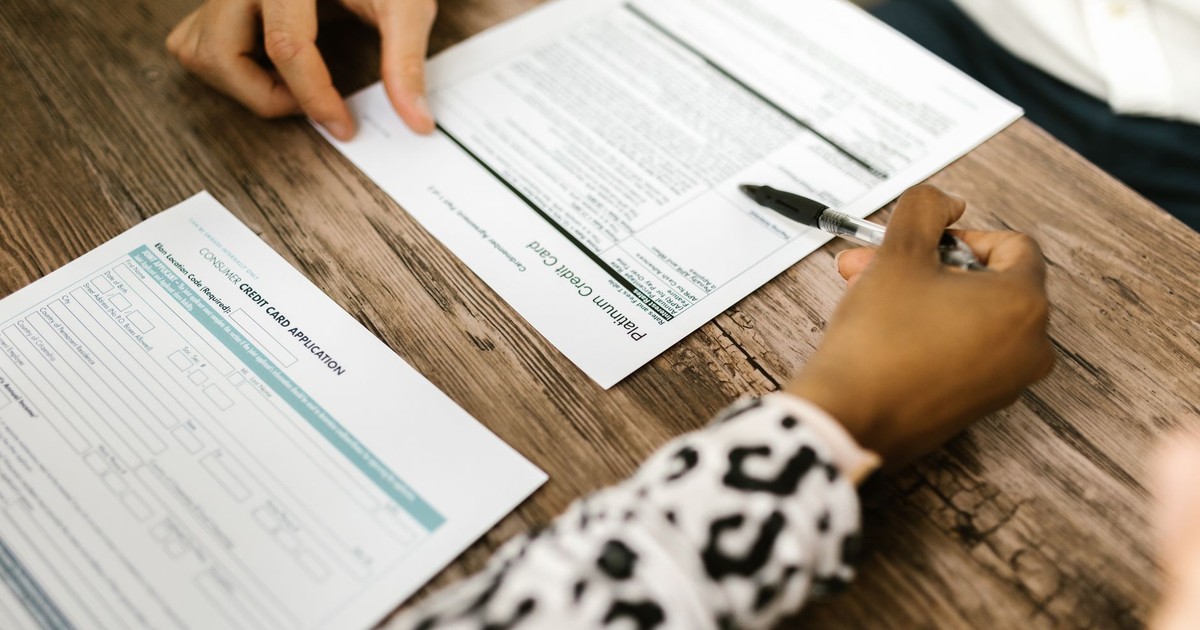
The TJX Rewards credit card is marketed as a straightforward way to earn points on TJ Maxx, Marshalls, and HomeGoods purchases. In practice, cardholders have accumulated a steady volume of complaints about billing confusion, reward redemption limitations, and customer service that doesn’t resolve problems. Shoppers report finding reward points only valid for money off a future purchase and note that TJ Maxx customer service representatives simply say they can’t do anything for you.
Items bought with a gift card always receive merchandise credit rather than a cash refund, which catches some cardholders off guard. Rewards points also come with restrictions that aren’t always clearly communicated upfront. Points can’t be used on past purchases, and the terms of service for the rewards state they cannot be used for gift cards, account balances, or cash back. For a customer who signed up expecting a straightforward earn-and-redeem arrangement, hitting those walls can be genuinely irritating.
10. Customer Service That Doesn’t Solve Problems
Pull back from any specific complaint about TJ Maxx and a consistent theme runs through all of them: when something goes wrong, getting it resolved is harder than it should be. Returns account for the largest share of all TJ Maxx complaints, but the underlying frustration is often less about the policy itself and more about the experience of trying to handle it with a staff member who is either unwilling or unable to help.
In-store managers have varying levels of authority to resolve situations that fall outside the standard policy. Phone-based customer service is similarly limited. TJ Maxx customer service ranks 111th out of 1,024 companies rated on CustomerServiceScoreboard.com, with an overall score of 56.31 out of 200, a rating described as “Disappointing.” A company doing $56 billion a year in sales has the resources to train staff well and empower them to fix reasonable problems. The gap between that potential and the reported reality is where a lot of TJ Maxx complaints actually live.
Read More: 10 things you shouldn’t buy at Target anymore if you’re looking to spend less
What This Actually Means
TJ Maxx isn’t failing. According to TJX’s official earnings report, the 52-week fiscal year ended February 2025 brought in $56.4 billion in net sales, an increase of 4% versus the prior year. By every financial metric, the company is doing well. But financial health and customer satisfaction don’t always move in the same direction, and the distance between the two is exactly where loyal shoppers start to peel away.
The TJ Maxx complaints that have accumulated over the past couple of years share a common thread. They’re not about isolated bad experiences or individual difficult employees. They’re about a model that was built on giving shoppers more than they expected and has gradually shifted toward giving them less. When prices creep up, brands thin out, floors go untidied, and customer service becomes a wall rather than a bridge, the magic that made people drive across town for a Tuesday browse quietly disappears. The treasure hunt only works if you still believe there’s something worth finding. And right now, a growing number of longtime shoppers aren’t sure they do.
AI Disclaimer: This article was created with the assistance of AI tools and reviewed by a human editor.