
2025 has been a year full of remarkable achievements, groundbreaking discoveries, and inspiring progress across multiple fields. From scientific breakthroughs to global diplomacy, this year has produced numerous events that demonstrate humanity’s resilience, creativity, and commitment to a better future. While every year brings change, 2025 stands out for its collection of moments that will have a lasting impact, shaping society, technology, and the environment in meaningful ways.
These examples span a variety of areas, including health, energy, education, sports, the arts, and space exploration, showcasing the breadth of human achievement. Each event or development reflects progress that matters, offering insight into what makes 2025 a uniquely significant year. By examining these milestones, readers can appreciate how innovation, policy, and human ingenuity have come together to create positive change, reminding us that even in challenging times, incredible accomplishments are possible.
1. Global Peace and Diplomacy Advances in 2025
One of the most meaningful best things to happen in 2025 was progress in global diplomacy and peace efforts, particularly through high-level gatherings that brought world leaders to the table to tackle pressing issues. A hallmark event was the 2025 NATO Summit in The Hague, Netherlands, which convened heads of state and government from 32 member countries to reaffirm commitments to collective security in an increasingly complex international environment. For the first time, the Netherlands hosted this summit, symbolizing its effort to contribute to global stability and diplomatic outreach, and new NATO leadership steered discussions on defense spending commitments and modern security threats.
Dialogue included key bilateral talks involving the presidents of the United States, Ukraine, and Turkey, underscoring the summit’s role as a platform for managing regional conflicts and strategic alliances in Europe and beyond. Increased defense spending commitments aimed to strengthen deterrence capabilities, while parallel discussions about economic cooperation and humanitarian support reflected a broader vision of stability and international cooperation. This summit represented a commitment among member nations to pursue both peace and preparedness amid ongoing global tensions, offering hope for diplomatic channels to remain open and productive in 2025.
2. Breakthroughs in Space Exploration and Mars Research
An extraordinary best things category for 2025 was the remarkable progress in space exploration, with scientific missions revealing profound insights about Mars and laying the foundations for future human and robotic exploration. NASA’s Mars Perseverance rover mission achieved peer-review validation for potential biosignatures in Martian rock samples, indicating chemical evidence of past conditions that may have been supportive of microbial life. These findings, published in reputable scientific forums after rigorous review, deepen our understanding of Mars’ geological history and its capacity to have once hosted life processes, expanding humanity’s knowledge of the Red Planet and stimulating scientific and public interest in planetary science.
Beyond Mars, 2025 saw enhanced international cooperation in lunar exploration and preparatory work for more complex missions beyond Earth’s orbit, including spacecraft destined for Mars’ magnetic environment and studies of solar interactions vital for future human expeditions. Space agencies from different countries continued to build momentum for lunar habitats, advanced propulsion systems, and sustainable orbital infrastructure that promise longer-term human presence in space. The collective achievements of this year in space exploration not only energized scientific communities but also expanded humanity’s frontier of knowledge and inspired renewed optimism about the future of interplanetary discovery.
3. Record-Breaking Athletic Performances at Major Championships
Another of the best things to occur in 2025 was the exceptional success and global engagement witnessed in sports, particularly at the 2025 World Athletics Championships held in Tokyo, Japan. Bringing together elite athletes from around the world, the championships were noteworthy for both outstanding competitive performances and historical first achievements. A record number of 53 countries won medals, reflecting heightened diversity and competitiveness in international athletics and a more inclusive global representation than any previous edition of the championships.
Among individual highlights, Sweden’s Mondo Duplantis set a new world record in the men’s pole vault, surging past 6.30 meters, a feat that captivated global audiences and showcased extraordinary athletic ability. Other competitors delivered personal and national bests, including breakthrough medals for nations securing their first podium finishes, and athletes like Cole Hocker and Beatrice Chebet triumphed in distance events, underscoring the depth of talent present on the world stage. These championships not only offered memorable sporting moments but also reinforced athletics’ capacity to bring people together in a shared celebration of excellence, dedication, and international friendship.
4. Expansion of Artistic Recognition and Cultural Achievement
Cultural milestones comprised another of the best things in 2025, particularly through global recognition of artistic talent that transcended national boundaries and inspired new audiences. A significant example was the awarding of the Turner Prize to sculptor and artist Nnena Kalu, whose innovative work in sculpture and drawing earned widespread praise for its expressive depth, vibrant forms, and emotional resonance. Kalu’s large cocoon-like sculptures, created from unexpected materials such as rope, fabric, and repurposed media like VHS tape, challenged conventional artistic norms while inviting critical dialogue among artists, critics, and the public.
The recognition of her achievement at the prestigious Turner Prize elevated conversations about inclusivity in the arts and celebrated creative voices that push aesthetic boundaries. In addition to individual awards, cultural festivals and exhibitions around the world highlighted the power of artistic expression to engage diverse communities, bridge cultural perspectives, and foster reflection on shared human experiences. This renewed focus on creative innovation and artistic recognition in 2025 contributed to a vibrant global arts landscape, nurturing inspiration and creativity that will resonate well into the future.
5. Technological Leadership and Innovation in Media and AI
The year 2025 was marked by notable technological leadership and innovation that became one of the best things to happen, impacting media, content creation, and global connectivity. Industry recognition of leaders such as Neal Mohan, CEO of YouTube, underscored transformative developments in digital platforms that shape how billions of people communicate, create, and consume content. Under his leadership, YouTube expanded its reach across devices and formats, with artificial intelligence playing an increasingly prominent role in empowering creators with tools for content production, discovery, and engagement.
These advances have boosted the creator economy while also raising important questions about content moderation, misinformation, and platform responsibility. Simultaneously, the broader technology sector acknowledged the architects of artificial intelligence as influential figures driving exponential growth and adoption of AI tools across industries, from healthcare and education to entertainment and defence. While this surge in AI usage brought challenges related to ethics, societal impact, and regulatory frameworks, it also delivered productivity gains, new business opportunities, and innovative solutions to complex problems. The dual narratives of rapid technological expansion and thoughtful discourse around its implications defined 2025 as a pivotal year for technology, making these developments among the most significant and positive of the year.
6. Major Breakthroughs in Clean Energy Storage
One of the best things to happen in 2025 was the rapid improvement in clean energy storage technologies. Several research groups and energy companies released commercially viable solid-state battery systems that dramatically increased energy density and reduced charging times for both consumer devices and electric vehicles. Solid-state batteries had been discussed for years, but 2025 marked the moment when manufacturing quality and production scale finally aligned. This shift allowed electric vehicle makers to reduce weight, improve safety, and extend driving range in ways that were not achievable with older lithium-ion designs.
At the same time, renewable energy companies adopted larger grid-scale storage units that stabilized energy delivery during peak demand hours. These storage systems helped cities handle growing electricity needs without adding new fossil fuel-based power plants. Many governments provided incentives that accelerated deployment, which encouraged investment from private energy firms. As a result, consumers experienced more consistent electricity prices, and companies gained confidence to expand operations in regions previously limited by unreliable grids. The collective impact of these changes created forward momentum for global climate goals and offered a realistic pathway toward cleaner transportation and more efficient power distribution throughout the decade.
7. Global Improvements in Pandemic Preparedness
Another of the best things in 2025 was the wide adoption of new pandemic readiness frameworks. Governments, universities, and health organizations collaborated to strengthen early detection systems that monitor viral activity in wastewater, transportation hubs, wildlife corridors, and medical settings. These systems created a clearer picture of emerging threats and enabled faster decision-making. Improved testing technologies also played a major role. Portable diagnostic devices became more accurate, more affordable, and easier for clinics to use in remote regions. This reduced delays in identifying new infections and made response times significantly shorter.
Many countries also increased hospital surge capacity by expanding modular treatment units that can be moved and assembled quickly. These units were originally developed for emergency settings but became standardized for wider public health use in 2025. Schools and workplaces benefited from updated ventilation guidelines that were easier to implement due to lower-cost filtration systems. Additionally, international cooperation reached new levels as shared research platforms allowed scientists to access real-time genomic data. This level of transparency helped shorten the development timelines for potential vaccines and antiviral medications. Collectively, these measures made the world safer, more coordinated, and better prepared for future biological threats.
8. Significant Gains in Global Wildlife Conservation
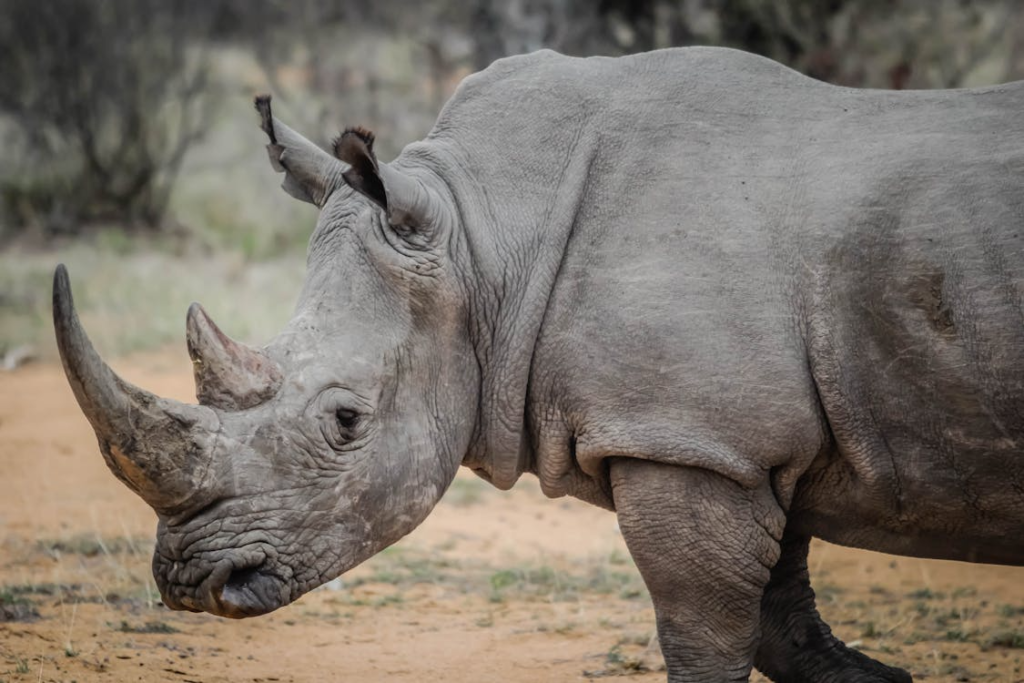
Among the best things in 2025 was a meaningful surge in successful wildlife conservation outcomes. Several endangered species showed population recovery after years of habitat restoration and anti-poaching enforcement. Conservation groups reported encouraging rebounds in African elephant numbers in regions where expanded protected areas had been established. Better tracking methods, including inexpensive camera systems and community-led patrols, helped reduce illegal hunting in key migration zones. Marine conservation also reached an important milestone as multiple countries agreed on new rules limiting deep-sea mining, which created more stable conditions for threatened ocean ecosystems.
Additionally, large-scale coral restoration projects used selective breeding and heat-resistant coral strains that showed greater survival during seasonal warming events. This represented the largest positive shift in coral resilience data in more than a decade. Freshwater conservation saw improvements as well due to updated river management agreements that increased water flow during critical breeding months for native fish species. Education campaigns supported by local leaders helped communities understand the long-term value of sustainable resource use. These combined efforts demonstrated that coordinated conservation strategies, when supported by strong policy, can reverse ecological decline and create healthier environments for both humans and wildlife.
9. Advances in Medical AI for Early Disease Detection
A major entry on the list of best things in 2025 was the widespread adoption of medical AI tools that improved early detection of chronic and life-threatening conditions. Diagnostic models trained on clinical imaging and laboratory data became more integrated into primary care systems. These models helped physicians detect cancers, heart disease, and metabolic disorders at stages that were previously difficult to identify. Clinics using these tools reported lower rates of diagnostic error and faster patient referrals for specialist care. AI-assisted radiology programs could identify subtle anomalies in scans that human review alone might overlook, which improved patient outcomes.
Researchers also developed models capable of predicting disease progression in high-risk individuals, allowing treatment plans to be tailored with greater accuracy. Privacy-enhancing technologies ensured that sensitive medical information was protected while still enabling useful pattern analysis across large datasets. In many regions, rural hospitals benefited significantly because AI systems compensated for shortages of specialized medical staff. Patients gained access to higher-quality diagnostics without the need to travel long distances. These developments strengthened healthcare infrastructure and provided a measurable improvement in survival rates and long-term disease management outcomes in 2025.
10. A Global Education Shift Toward Skills-Based Learning
One of the best things to occur in 2025 was the accelerated global shift toward skills based learning in both schools and adult education programs. Many education systems updated their curriculum frameworks to focus more heavily on practical competencies such as problem solving, digital literacy, communication, financial awareness, and project based collaboration. Schools introduced flexible learning modules that allowed students to progress at individualized speeds, which helped reduce achievement gaps and improved long term retention. Teachers reported higher student engagement due to greater use of real world applications and hands on learning environments.
Adult learners benefited from micro credential programs that offered short, targeted training pathways aligned with growing job sectors. Employers increasingly recognized these credentials as evidence of job readiness, which improved hiring outcomes for workers transitioning careers. Online education platforms improved accessibility by offering affordable and multilingual courses that reached broader populations. Governments supported the shift through incentives for vocational training and partnerships with industry specialists who helped shape relevant course content. These reforms not only modernized education systems but also prepared future workforces for global economic changes by emphasizing adaptability, creativity, and continuous learning.
11. Breakthroughs in Neurotechnology for Restoring Mobility
One of the best things to happen in 2025 was the successful clinical use of new neurotechnology that helped individuals with paralysis regain meaningful mobility. Researchers refined brain spine interface systems that allowed signals from the brain to bypass damaged neural pathways and reach muscles through external or implanted stimulators. Clinical trials showed that these systems enabled patients with severe spinal injuries to stand, take steps, and perform controlled movements that had not been possible for years. Improvements in sensor accuracy gave patients more natural control since the devices could interpret brain activity with less delay. Rehabilitation centers reported that consistent use of the technology helped restore muscle strength and coordination, which further improved mobility outcomes.
The technology also benefited stroke survivors who suffered long term motor impairments. Pairing neural implants with physical therapy provided faster recovery timelines because the brain was trained to send clearer signals during therapy exercises. Software updates made the systems safer by reducing unintended movements and helping users calibrate settings independently. These advances demonstrated that neurotechnology is becoming a practical medical tool rather than an experimental concept. Families gained hope, clinicians gained stronger treatment options, and patients regained independence in ways that transformed daily life.
12. Major Progress in Plastic Waste Reduction
A significant entry among the best things in 2025 was the measurable decline in global plastic waste production. Several countries implemented new manufacturing standards that required the use of biodegradable materials in consumer packaging. These standards encouraged companies to replace petroleum based plastics with safe, plant derived polymers that could break down within predictable time frames. Researchers also introduced new recycling enzymes that accelerated the breakdown of difficult plastics, which reduced the volume of waste entering landfills. Municipal recycling centers adopted these enzymes to process materials that previously had to be discarded. Coastal regions reported cleaner shorelines due to expanded cleanup programs that combined satellite mapping with autonomous collection drones.
These drones identified waste clusters and removed them before they reached sensitive marine environments. Consumer behavior played a notable role as awareness campaigns motivated people to choose reusable products and reduce unnecessary packaging. Several large retailers agreed to standardized refill stations for household goods, which lowered demand for single use plastics. Environmental groups recorded visible improvements in water quality in regions that had previously struggled with plastic pollution. The combined effect of these actions demonstrated that coordinated environmental policies and new technologies can create real progress in reducing the global plastic burden.
13. Improvements in Global Food Security and Crop Innovation
Another of the best things in 2025 was the adoption of climate resilient crop varieties that improved food security in regions vulnerable to drought and extreme temperature shifts. Agricultural research centers released new plant strains capable of thriving with less water and producing higher yields under stress. These crops helped farming communities maintain stable harvests despite unpredictable weather patterns. Satellite based monitoring systems supported these gains by helping farmers identify soil moisture conditions, pest activity, and nutrient deficiencies in real time. This information allowed more efficient use of water and fertilizer, which reduced unnecessary costs and environmental impact.
Several countries expanded vertical farming projects that used controlled environments to grow vegetables year round. These facilities supplied urban areas with fresh produce while using far less land and water than conventional farms. Community cooperatives also formed to share equipment, seeds, and training materials, which improved local agricultural knowledge and reduced dependence on costly imports. School nutrition programs benefited from these improvements because they gained access to more consistent supplies of locally grown food. The combined progress in crop science, technology, and policy created meaningful steps toward a more stable and resilient global food system.
14. A Strong Year for Mental Health Awareness and Access
A crucial addition to the best things that happened in 2025 was the widespread expansion of mental health resources. Governments and health systems recognized growing demand for accessible support services and invested in crisis centers, community clinics, and digital counseling tools. Teletherapy platforms became more affordable and offered multilingual options that reached populations previously underserved by traditional mental health networks. These platforms improved privacy and reduced stigma by allowing people to seek help from home. Schools and workplaces introduced structured mental health programs that focused on stress management, emotional regulation, and early intervention strategies.
These programs helped people recognize symptoms before they escalated, which reduced long term health impacts. In many regions, new regulations required insurance providers to cover mental health treatment at levels equal to physical health care. This eliminated financial barriers that had prevented many individuals from receiving consistent treatment. Public campaigns promoted open conversations about anxiety, depression, trauma, and burnout, which encouraged people to seek support sooner. As community engagement increased, support groups grew stronger and more active. By the end of 2025, surveys indicated a notable rise in people feeling more informed and empowered to care for their mental well being.
15. New Global Standards for Cybersecurity and Digital Safety
Another major highlight among the best things in 2025 was the adoption of stronger global cybersecurity standards. Governments, technology firms, and security researchers collaborated to create guidelines that protected individuals and businesses from rising digital threats. These standards focused on improved encryption, safer data storage practices, and rapid response procedures for cyber incidents. Many organizations introduced mandatory security training to help employees recognize phishing attempts and unsafe online behavior. Advances in automated threat detection made digital networks more resilient by identifying unusual patterns before damage occurred.
Cloud providers upgraded security frameworks to reduce risks associated with remote work environments. Several countries also passed legislation requiring companies to notify consumers promptly in the event of data breaches. This increased transparency encouraged better corporate responsibility and incentivized stronger security measures. Public awareness campaigns taught individuals how to safeguard personal information, manage privacy settings, and recognize potential scams. As a result, digital ecosystems became more secure and trustworthy. These improvements supported economic stability because businesses and consumers gained confidence in using online services.
16. Expansion of Global Renewable Energy Capacity
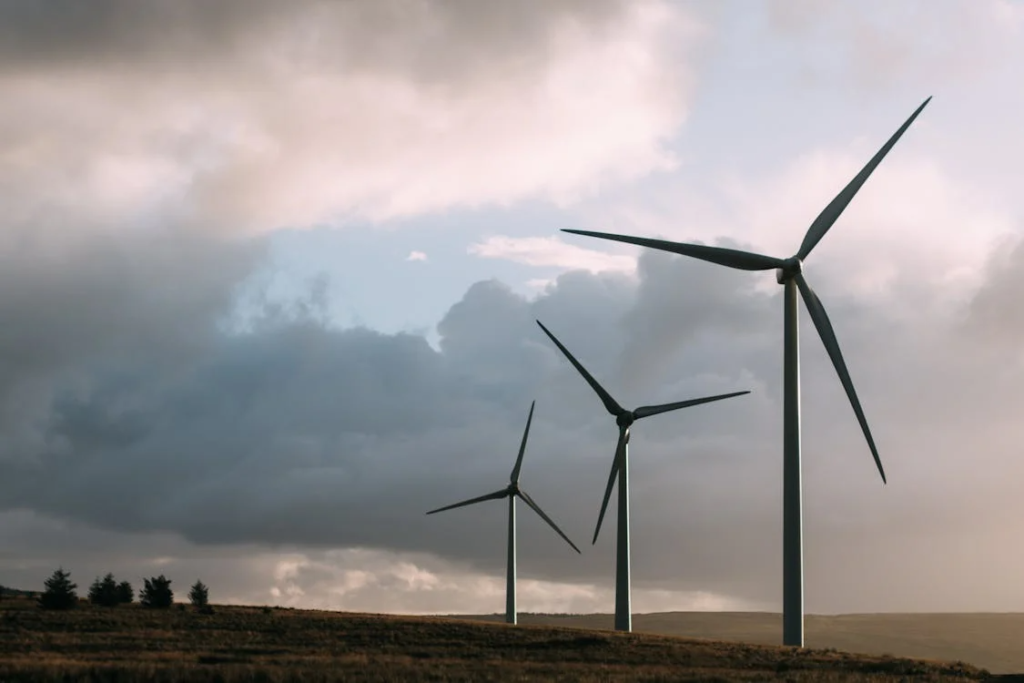
One of the best things to happen in 2025 was the rapid expansion of renewable energy capacity worldwide. Solar and wind power installations reached record levels, supplying a larger percentage of national grids than ever before. Innovations in turbine design and photovoltaic materials improved efficiency, allowing plants to produce more energy on less land. Many governments implemented policies to accelerate clean energy adoption, including subsidies for households installing solar panels and incentives for large scale wind farms. In emerging economies, small scale renewable projects provided electricity to rural communities that previously relied on diesel generators, improving access to reliable power while reducing carbon emissions.
International collaborations helped finance cross border energy projects, such as interconnected grids and large offshore wind developments. Companies invested heavily in research for next generation renewable technologies, including floating solar arrays and hybrid solar wind systems that can operate continuously under variable conditions. These advances collectively demonstrated that transitioning to a low carbon energy future was becoming economically viable, technically achievable, and socially beneficial, making 2025 a pivotal year for the global energy transition.
17. Advances in Personalized Medicine and Genomics
Another of the best things in 2025 was the growing application of personalized medicine driven by genomic analysis. Clinics increasingly used genetic information to guide treatment plans, optimize drug choices, and predict patient responses to therapy. This approach reduced side effects, improved outcomes, and minimized trial and error in treatment regimens. Large scale sequencing projects provided richer data on population level genetic diversity, helping researchers identify markers for diseases such as diabetes, heart disease, and cancer.
Hospitals adopted AI tools that analyzed genomic data and medical histories to propose individualized care plans, which physicians could review and adjust. Preventive medicine benefited as patients gained insight into risks for hereditary conditions and could take proactive measures. Pharmacogenomics became standard in many regions, enabling precision dosing for medications based on genetic factors. Insurance providers began recognizing the cost effectiveness of personalized interventions, which encouraged wider adoption. Overall, these developments helped move healthcare from a one size fits all model toward treatments tailored to individual biology, improving health outcomes and patient satisfaction worldwide.
18. Milestones in International Space Collaboration
A major highlight among the best things in 2025 was the deepening of international cooperation in space exploration. Agencies from multiple countries joined forces on projects ranging from lunar research stations to Mars sample return missions. Collaborative robotic and crewed missions allowed resources and expertise to be shared efficiently, reducing costs and accelerating timelines. For example, astronauts from different nations participated in joint lunar surface experiments that studied geology, radiation, and life support technologies.
Shared orbital platforms hosted scientific instruments from multiple countries, improving data quality and expanding research potential. International agreements standardized protocols for resource utilization, orbital debris management, and planetary protection. Educational initiatives connected students around the world to these missions, fostering interest in STEM fields and inspiring future space professionals. This level of cooperation demonstrated that ambitious scientific goals can be achieved more effectively when countries work together rather than in isolation. By strengthening diplomatic ties and scientific partnerships, 2025 solidified international space collaboration as a model for shared achievement in exploration, research, and technological advancement.
19. Expansion of Global Transportation Infrastructure
Another of the best things to happen in 2025 was the accelerated development of transportation infrastructure in multiple countries. High speed rail networks expanded in Asia and Europe, reducing travel times, lowering emissions, and increasing efficiency for commuters and freight. Urban centers adopted new public transit solutions, including autonomous buses, electric trams, and bike sharing systems integrated with smart city platforms. Airports modernized terminals and adopted automated logistics systems to streamline passenger movement and cargo handling. Roads and highways were upgraded with sensors and adaptive traffic management systems that reduced congestion and improved safety.
In emerging economies, new highways, bridges, and ports improved connectivity between rural regions and urban markets, facilitating trade and economic growth. Investments in sustainable transport solutions, including electrification of bus fleets and charging networks for electric vehicles, reduced dependency on fossil fuels. The integration of multiple transport modes improved mobility, convenience, and reliability for passengers worldwide. These improvements demonstrated that infrastructure development can drive economic opportunity, environmental responsibility, and enhanced quality of life at the same time.
20. Global Recognition and Support for Climate Action
The final entry on the list of best things in 2025 was the visible increase in global recognition and support for climate action. Nations, corporations, and communities adopted stronger environmental policies, set ambitious emission reduction targets, and invested in climate resilience projects. International summits encouraged collaborative approaches to reduce greenhouse gas emissions, manage deforestation, and protect biodiversity. Private sector leaders committed to sustainable practices, including responsible supply chain management, low carbon manufacturing, and investment in carbon offset programs. Public awareness campaigns increased understanding of climate science and promoted individual action, from energy conservation to sustainable consumption.
Financial institutions offered green financing options, enabling both large and small projects to implement environmentally friendly solutions. Cities improved urban planning, incorporating green spaces, flood mitigation, and energy efficient buildings. Climate adaptation initiatives in vulnerable regions strengthened resilience to extreme weather, rising sea levels, and droughts. The collective global momentum demonstrated that climate action was gaining traction as a priority across sectors and societies, highlighting 2025 as a year of meaningful progress toward environmental sustainability and a more stable future.
A Year of breakthroughs and progress
Looking back at 2025, it is clear that this year has been defined by progress, innovation, and meaningful collaboration. These milestones highlight our achievements across science, technology, health, the environment, culture, and society, showing how determination and creativity can create positive change. From breakthroughs in medical technology and renewable energy to advances in education, conservation, and space exploration, they demonstrate humanity’s ability to overcome challenges and work toward a brighter future. Global cooperation, whether in diplomacy, climate action, or scientific research, played a central role in many of these successes, proving that collective effort amplifies impact.
Each achievement not only brought immediate benefits but also laid the foundation for long term growth, sustainability, and well being. Reflecting on these events reminds us that progress is possible when innovation, policy, and community align, and it encourages continued investment in ideas that improve lives worldwide. 2025 will be remembered as a year of inspiring accomplishments that offer hope, optimism, and a vision of what the future can hold.