
16. Tai Chi and Qigong
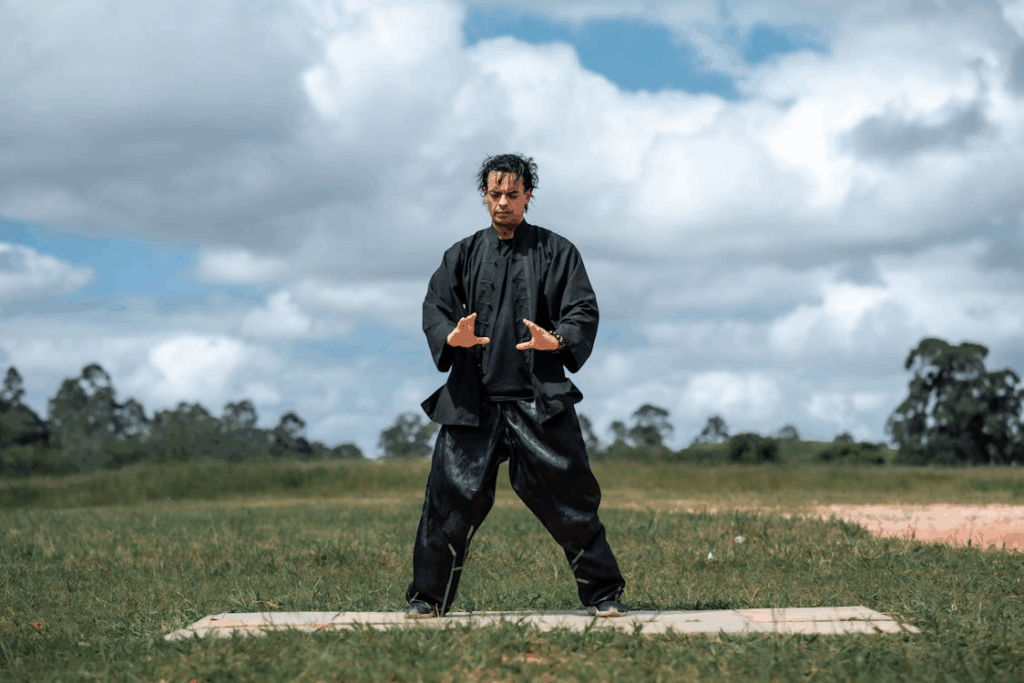
Tai chi and qigong are gentle movement practices that combine slow, flowing motions with deep breathing and focused attention. Originating in ancient China, both are known for promoting relaxation, improving balance, and enhancing overall vitality. For individuals with psoriatic arthritis, these exercises offer a low-impact way to stay active while reducing pain and stiffness.
Tai chi has been studied extensively in chronic pain and arthritis populations. It improves joint flexibility, enhances muscle strength, and supports cardiovascular health without placing stress on inflamed joints. Participants often report increased energy and reduced fatigue after several weeks of practice.
Qigong involves coordinated body movements, breathing techniques, and meditation. Its emphasis on mind-body integration makes it particularly helpful for reducing stress, which is a known trigger for autoimmune flare-ups. Regular qigong practice may help lower levels of cortisol, the primary stress hormone that contributes to inflammation.
Both practices are highly adaptable and can be performed standing, sitting, or even lying down. This makes them suitable for people with limited mobility or during periods of joint flare-ups. Many community centers, physical therapy clinics, and online platforms offer beginner-friendly classes that guide participants safely through the movements.
These practices not only support physical health but also enhance emotional well-being. By encouraging mindfulness and body awareness, tai chi and qigong help individuals reconnect with their bodies in a calm, supportive way. This can improve quality of life and foster a sense of control over symptoms.