
15. Aloe Vera
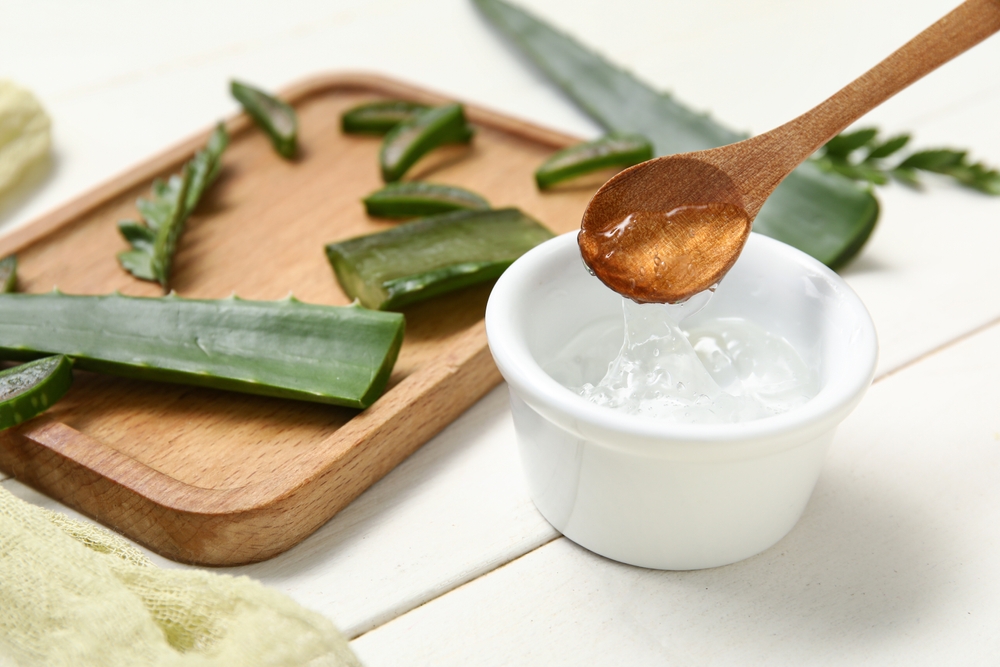
Aloe vera is a succulent plant widely known for its soothing and moisturizing properties. While commonly used for treating burns and skin irritations, aloe vera also has mild anti-inflammatory and immunomodulating effects that may benefit people with psoriatic arthritis.
For skin-related symptoms, aloe vera gel can be applied directly to psoriatic plaques to reduce redness, itching, and scaling. Its cooling effect provides immediate relief for irritated skin, while its anti-inflammatory compounds, including salicylic acid and polysaccharides, help calm immune activity on the skin’s surface.
Aloe vera may also offer internal benefits. Aloe juice, when consumed in moderation, is believed to support gut health by promoting digestion and reducing inflammation in the gastrointestinal tract. Since gut health is closely linked to immune system function, this may have indirect benefits for inflammatory conditions like psoriatic arthritis.
When choosing aloe products, opt for those with minimal additives or preservatives. Pure aloe gel and juice are less likely to irritate sensitive skin or digestive systems. Some people may be allergic to aloe vera, so testing on a small patch of skin is recommended before widespread use.
It is important not to rely solely on aloe vera for managing psoriatic arthritis. However, as part of a broader treatment plan, it can provide targeted relief for skin symptoms and support overall health. Its gentle nature and low risk of side effects make it a useful addition to many self-care routines.