
12. Massage Therapy
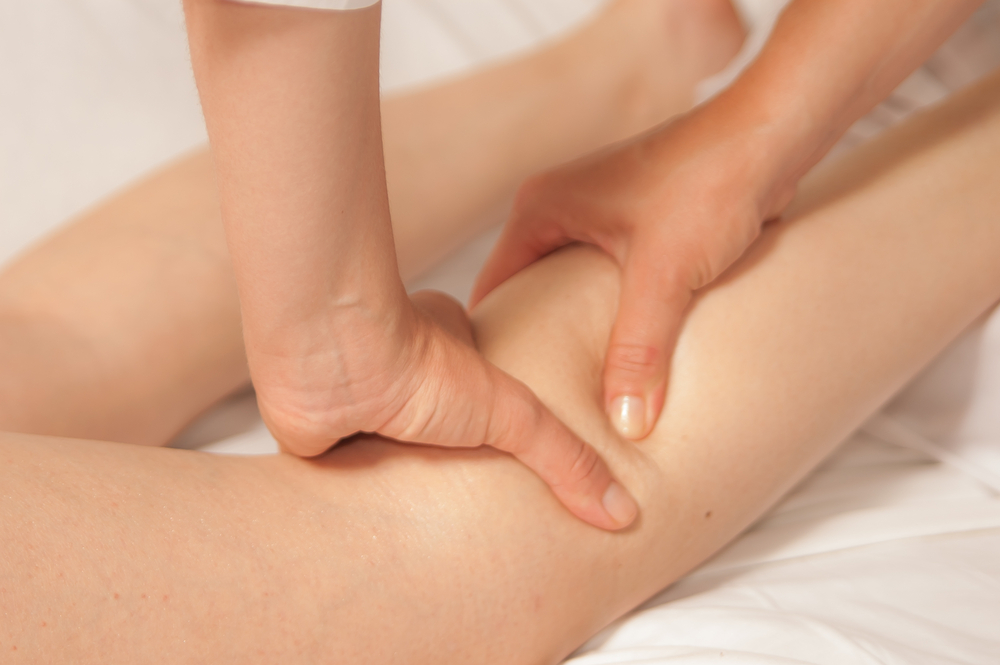
Massage therapy involves manipulating the soft tissues of the body to reduce muscle tension, increase circulation, and promote relaxation. For individuals with psoriatic arthritis, massage can offer physical and psychological benefits by easing joint pain, reducing stiffness, and lowering stress.
Gentle massage techniques, such as Swedish massage, are particularly helpful for people with inflamed or tender joints. Deep tissue massage may be too intense during flare-ups, so it is important to choose a therapist who is experienced in working with arthritis patients and understands how to adapt the technique based on symptoms.
One of the main advantages of massage therapy is its ability to increase blood flow to muscles and joints. Improved circulation helps nourish tissues and remove waste products that contribute to inflammation. It also relaxes surrounding muscles, which can reduce the tension that often worsens joint pain.
Massage therapy also supports the lymphatic system, which plays a role in removing toxins and regulating immune responses. Lymphatic drainage techniques may be especially helpful for managing inflammation and swelling in the joints.
In addition to physical benefits, massage has been shown to reduce cortisol levels and promote the release of serotonin and dopamine, which help improve mood. This is important because chronic pain and fatigue can lead to anxiety and depression, which in turn can amplify pain perception.
Sessions can be scheduled weekly or as needed, and some people find that regular massage therapy enhances the effects of other treatments. It is a safe and relaxing option for many individuals when integrated into a holistic pain management plan.