
11. Acupuncture
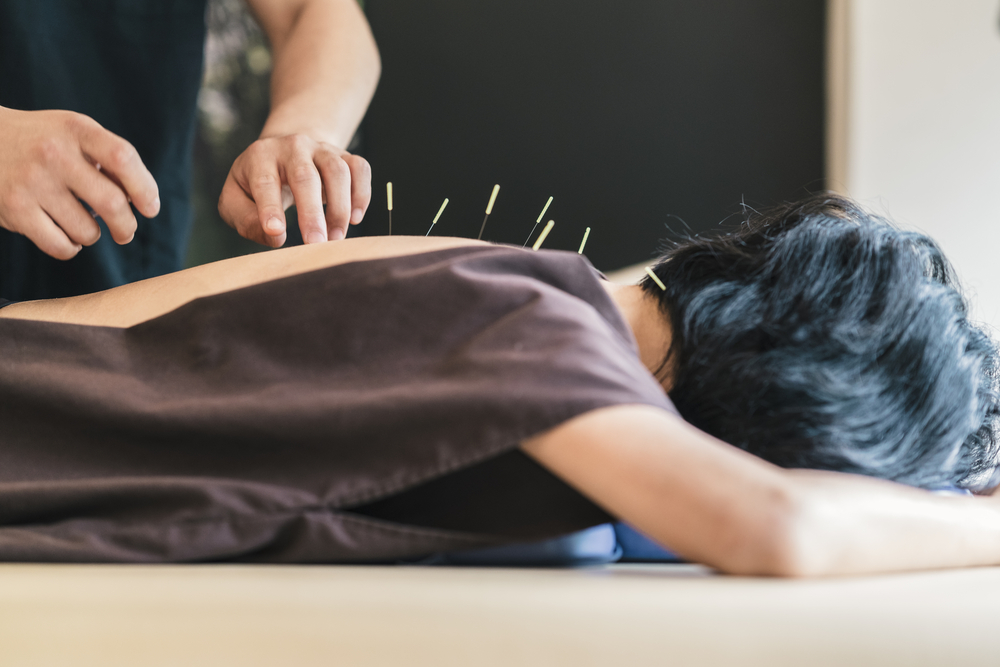
Acupuncture is a traditional Chinese medicine practice that involves inserting fine needles into specific points on the body. These points are believed to correspond to pathways of energy, or meridians, that influence physical and emotional well-being. In modern medicine, acupuncture is thought to work by stimulating nerves, muscles, and connective tissues, thereby increasing blood flow and triggering the body’s natural painkillers.
For people with psoriatic arthritis, acupuncture may help reduce joint pain and stiffness by encouraging the release of endorphins and decreasing inflammation markers in the body. Although acupuncture does not treat the underlying autoimmune disorder, it can help manage symptoms and improve quality of life.
Several clinical studies suggest that acupuncture can provide short-term relief for chronic pain, including arthritis-related pain. In one study, patients with various types of arthritis who received weekly acupuncture sessions reported decreased pain and improved mobility compared to those who did not.
Sessions typically last 30 to 60 minutes, and the number of treatments needed varies depending on symptom severity and response. Most people require multiple sessions over several weeks to see sustained benefits.
Acupuncture is considered safe when performed by a licensed and trained practitioner using sterile needles. Some people experience mild side effects such as soreness, light bruising, or fatigue after treatment. These effects are usually temporary and resolve within a day or two.
Although not a cure, acupuncture can be a useful complementary therapy. It works best when combined with other approaches such as medication, physical therapy, and lifestyle changes.
Read More: These 33 Medications Belong in Every Emergency Kit