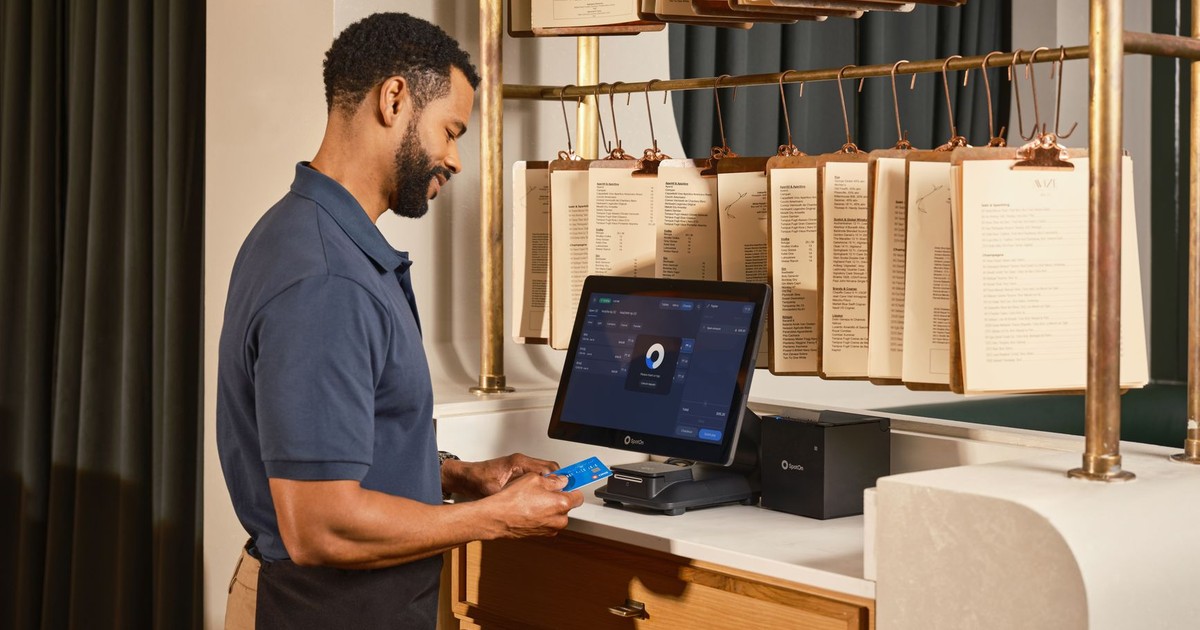

You scan the total on your restaurant bill and see a line near the bottom: “Service Charge – 20%.” You’ve already been charged for service. So are you supposed to tip on top of that? And if you don’t, is your server actually getting that money anyway?
Service charges have become one of the largest sources of confusion at restaurant tables in 2026, creating an information gap that leaves most diners either tipping twice out of habit or skipping the tip entirely while wondering if they just stiffed someone.
A Service Charge Is Not a Tip
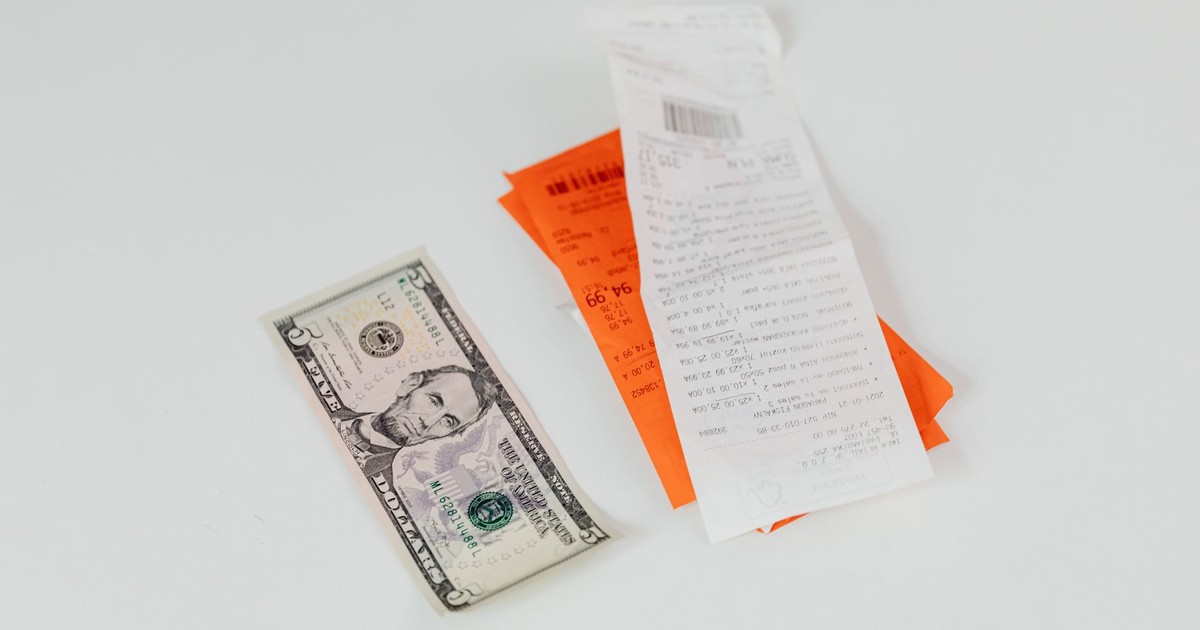
Legally, a service charge and a tip are two completely different things, even when they look identical on your receipt. According to Homebase, service charge revenue goes to the restaurant owner, who then decides how it’s allocated, whether that’s front-of-house staff, back-of-house, operations, or some combination. Tips go directly to service workers, either kept by the server or shared through a tip pool.
When you leave a tip on a credit card, that money travels to the person who served you. When a restaurant collects a service charge, the management team has wide legal discretion over how those funds are used. Unlike a tip, which is the property of the employee the moment it’s given, a service charge is restaurant revenue first. The business decides internally where the money goes, and that could mean kitchen equipment or the utility bill as much as it means wages.
In practice, many restaurants do use service charge revenue to pay staff better. Traditional tipping often favors front-of-house workers, while service charges can help distribute earnings to back-of-house employees like cooks and dishwashers, providing a more consistent revenue pool for wages. But whether any of it gets to your server at all depends entirely on how that particular restaurant operates.
Why So Many Restaurants Have Added Them

From February 2020 to April 2025, restaurant menu prices jumped 31%, driven by inflation and rising costs. Even with those increases, most operators are still working within a narrow 5% pre-tax profit margin. Wages have climbed in many states, ingredient costs have stayed elevated, and the math of running a restaurant has become increasingly difficult.
As Seattle Met reported in June 2025, Seattle’s tip credit expired at the end of 2024, raising wages for many restaurant servers at the start of 2025 and pushing many restaurant owners toward a service fee model, leaving diners bewildered about what these charges mean, where that money goes, and whether they need to tip on top.
A service charge also creates a more predictable revenue stream for wages, something voluntary tipping has never done. On a slow Tuesday night, a server’s income from tips might be a fraction of what it is on a busy Saturday. A service charge smooths that out, at least in theory, and gives the restaurant more control over how it compensates its entire team rather than just the people the customer happens to interact with.
The Law Is Catching Up, but Unevenly

Regulations around service charges are still being written. Ogletree Deakins, a law firm specializing in hospitality employment law, reported in December 2025 that several states, including California, Colorado, Florida, and Massachusetts, enacted laws in 2025 regulating or prohibiting automatic service charges, with an emphasis on clear disclosure and transparency to protect both consumers and employees.
The rules differ state by state. Under Colorado’s 2025 “Protections Against Deceptive Pricing Practices” law, signed in April 2025 and effective January 1, 2026, restaurants must clearly and conspicuously disclose the existence, amount, and purpose of any mandatory service charge and explain how it’s distributed. Massachusetts enacted “junk fee” regulations effective September 2025 requiring all mandatory fees to be included in the first advertised price shown to consumers, with clear disclosure of the fee’s nature and purpose.
Federal law, by contrast, permits an employer to keep all or a portion of the service charge and does not require any specific disclosure language, which is why the experience varies so dramatically from one city to the next. Walk into a restaurant in Denver in 2026 and you’ll likely see a clear explanation of the service charge on the menu. Walk into one in a state without disclosure laws and that 20% line at the bottom of your receipt might come with zero context about who receives it.
Should You Tip on Top of a Service Charge?

It depends on what the service charge actually is, and whether you can find out.
Ask your server whether the service charge goes to staff. Most will tell you. And their answer should guide what you do next. If the charge goes entirely to staff through a clear distribution policy, tipping on top is generous but not obligatory. If the restaurant uses the service charge primarily to cover operational costs and pays staff through separate wages, your server may still benefit from an additional tip. And if the restaurant won’t tell you, erring toward a smaller additional tip, say 5 to 10%, acknowledges the person who actually served you without doubling the intended charge.
Most restaurants automatically add an 18% gratuity to parties of six or more. Large parties require significantly more server time, coordinating orders, managing multiple courses, handling split checks, and historically tipped poorly on average. Auto-gratuity protects servers from receiving a 10% tip after two hours of work for a table of ten. In that context, a mandatory service charge on a large group bill is the industry’s answer to a real and recurring problem.
The Mood Around Tipping Has Shifted
According to Bankrate’s 2025 tipping survey, 63% of Americans hold at least one negative view about tipping, up from 59% the year before. Service charges have become part of why. When a diner sees a 20% service charge and then a tip prompt on the card reader, the reaction is irritation.
The most common complaint, cited in the Bankrate data, is that businesses should pay their employees better rather than relying so heavily on tips, which is, ironically, precisely the argument that many service charge-adopting restaurants are making in their own favor. The disconnect is one of transparency. A restaurant that introduces a service charge to pay kitchen staff fairer wages and says so clearly on the menu tends to get a very different reaction than one that quietly adds 20% with no explanation.
The Bankrate data also found that 35% of Americans typically tip at least 20% at sit-down restaurants, down from 37% the previous year, and 58% say the quality of service most influences how much they tip, down from 64%. Diners are making calculated decisions about every dollar now in a way they weren’t five years ago.
What Restaurants Could Do Better
The awkwardness of service charge tipping largely comes down to restaurants failing to communicate clearly, not because the charge is inherently wrong, but because the diner is left to guess. Service charges can vary significantly from one restaurant to another in terms of how the money is allocated, and that variation is the root of the frustration.
The restaurants getting this right are the ones putting a single clear sentence on the menu: “A 20% service charge is added to all bills. This charge is distributed among our entire team, including kitchen staff. You are welcome to leave an additional gratuity for your server.” One sentence tells the diner what the charge is, where it goes, and what their options are.
The ones getting it wrong are adding a service charge without explanation, then presenting a tip prompt on the payment screen that calculates percentages on the total bill, including that charge. A Florida state legislator proposed cracking down on automatic gratuities after receiving a bill at a Miami restaurant that had both a service fee and a pre-set gratuity already included, noting that “all the restaurants are automatically including a 20% gratuity, or they’re calling it gratuity or service charge or service fee or tip, not just on regular sit-down meals but on take-out as well at fast-casual establishments.” That overlap, whether intentional or careless, is what erodes trust.
What to Do With All of This

Read the bill before you decide anything. If the charge is disclosed and goes to staff, a smaller additional tip or none at all is a reasonable position, not a moral failing. If the service was genuinely exceptional and you want to put extra money directly in your server’s hands, cash does that more reliably than a card tip in a service-charge environment. The cash is theirs immediately and doesn’t pass through the restaurant’s books first.
Ask when you’re not sure. It’s not rude to say “does the service charge go to your team?” Most servers appreciate the question because it signals that you’re thinking about them at all. In states with new disclosure laws, Colorado, Massachusetts, California, and Florida among them, that answer should now be visible on the menu before you even sit down.
Tipping in America is no longer a simple social contract. It used to be: you received good service, you left 20%, your server was paid. Now there are service charges, wellness fees, automatic gratuities, credit card surcharges, and tip prompts at the counter of a coffee shop where nobody brought you anything. Diners aren’t being unreasonable when they feel bewildered. The system has added layers without explaining them. Some of those layers genuinely benefit workers. Some benefit restaurant owners. Most bills don’t tell you which is which.
Knowing the difference between a service charge and a tip won’t make the receipt less complicated. But it does mean you can make a choice that reflects what you actually intend, rather than one driven by guilt, habit, or a payment screen designed to make the largest number feel like the obvious one.
Disclaimer: This information is not intended to be a substitute for professional medical advice, diagnosis, or treatment and is for information only. Always seek the advice of your physician or another qualified health provider with any questions about your medical condition and/or current medication. Do not disregard professional medical advice or delay seeking advice or treatment because of something you have read here.
AI Disclaimer: This article was created with the assistance of AI tools and reviewed by a human editor.