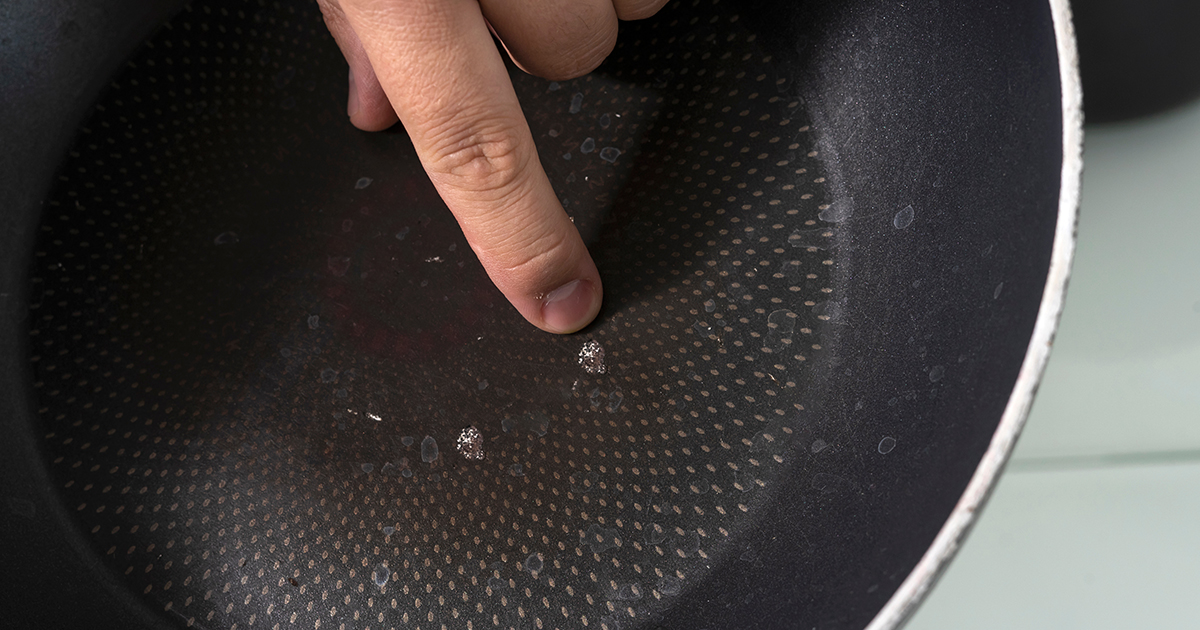

The argument that newer is better falls apart the moment you try to run a nonstick pan for more than two years, or sit through a phone call on a modern handset so slim it feels like holding a credit card to your ear. Progress is real, and nobody is romanticizing the days before central heating or antibiotics. But somewhere between genuine advancement and the race to make things cheaper, lighter, and more disposable, a long list of everyday items quietly got worse.
That’s not nostalgia talking. It’s the verdict of woodworkers comparing joinery, chefs comparing cookware, musicians comparing sound, seamstresses comparing stitching machines, and engineers comparing build materials. The original version was often better. Not in every way, and not always for every person, but in the specific things that matter most to daily use, longevity, and quality of experience.
What follows is a tour through 30 categories where the retro products vs modern argument has a clear winner, backed by what the products actually do rather than how they look on a shelf.
1. Cast Iron Cookware

Cast iron cookware starts as molten iron poured into a mold, finished with seasoning or enamel coating. Unlike traditional nonstick cookware, there are no synthetic coatings or chemical layers that eventually wear away. That single detail explains why a well-used skillet from 1940 can still outperform a pan bought last year.
Cast iron holds and distributes heat exceptionally well, making it perfect for searing, browning, baking, and slow cooking. Once hot, it stays hot, delivering results that aluminum can’t match: a better crust on a steak, more even heat across a skillet of cornbread. The physics haven’t changed; only what most households settle for has.
Nonstick coatings are easily scratched and typically last just three to five years before breaking down. Cast iron lasts for generations. A $30 cast iron pan bought in 1985 is still in daily use in thousands of kitchens. The $60 nonstick pan bought three years ago is already in the bin.
2. Vinyl Records

A format that has been around since the late 1940s is still outselling CDs. According to the RIAA 2024 Year-End Revenue Report, vinyl reached $1.4 billion on 44 million units in 2024, outpacing CDs at 33 million units shipped. Streaming remains dominant, but a physical analog format beating the disc that was supposed to replace it is a striking reversal.
A vinyl record is an analog medium where sound is physically etched into a groove as a continuous waveform. In theory, this means vinyl can capture an unbroken, infinitely detailed representation of sound, unlike digital formats that sample audio at fixed intervals. Most listeners on decent equipment notice a warmth, a presence, a sense of room in the recording that compression removes.
Analog mastering typically preserves a wider dynamic range, meaning the contrast between the quietest and loudest parts of a track is more noticeable. Digital mastering frequently uses compression to ensure consistent volume across tracks, which results in a loss of detail. That lost detail is exactly what audiophiles mean when they say streaming sounds flat.
3. Vintage Sewing Machines
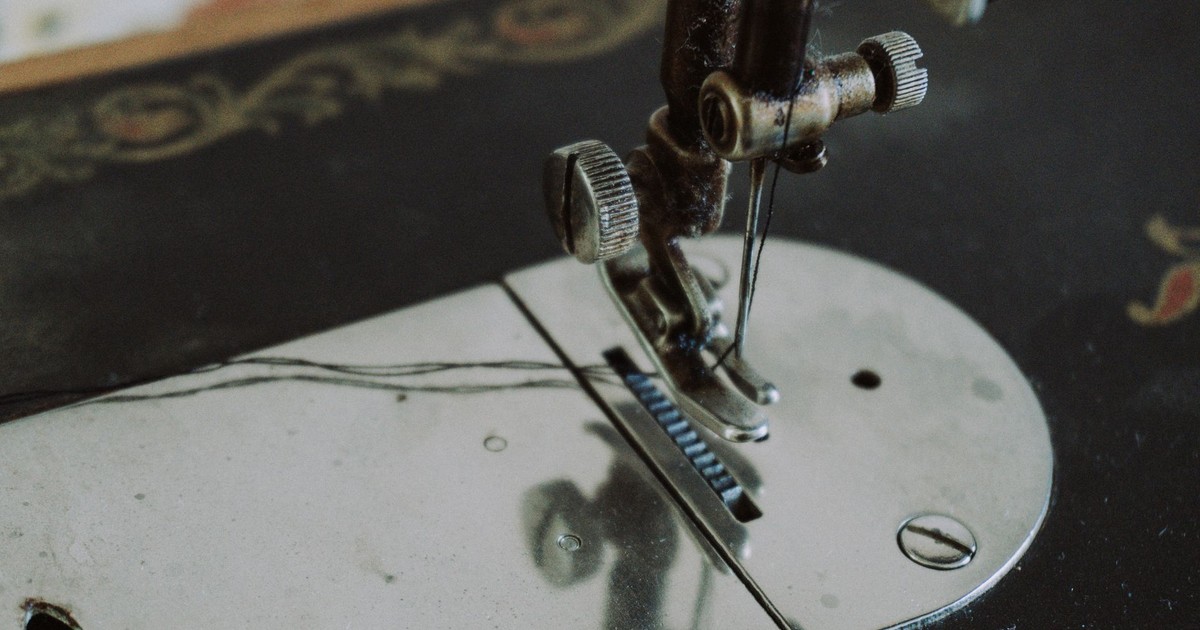
Many professionals and hobbyists find that an older sewing machine is easier to use, easier to repair, and made of heavy-duty metal parts. Today, most affordable machines contain plastic components that aren’t designed for heavy fabrics or prolonged, lifetime use.
A Singer 201 from the 1950s has a cast iron body, a gear-driven feed mechanism, and zero circuit boards to fail. It can stitch through denim, canvas, and leather without protest. The modern equivalent, at the same price point, will skip stitches on a thick seam and need replacing in five years. The vintage machine needs a drop of oil and keeps going.
Vintage machines can be found at garage sales, thrift shops, or for free in a grandmother’s attic. New Singer machines range between $150 and $500, but vintage Singer sewing machines listed on eBay or Craigslist go for an average of $50 to $150. Better machine, lower price, and the one you buy will likely outlast you.
4. Solid Wood Furniture

Solid wood pieces made in the 1930s through the 1960s can be an exceptional value over the cheaply made, flat-pack furniture of today. The difference isn’t aesthetic, it’s structural. Mortise-and-tenon joints, hand-cut dovetails, and solid hardwood construction mean these pieces survive decades of moves, children, and daily use.
The flat-pack alternative uses MDF (medium-density fiberboard, a wood composite material that doesn’t hold screws well), cam locks, and Allen keys. Reassemble it twice and the joints start to wobble. After a move, the legs crack. The vintage dresser your grandmother bought in 1952 is still square.
When looking for quality vintage furniture, key indicators include eaves, joinery, embellishments, carvings, and quality wood. Run your hand along the back of a drawer. If you feel solid wood rather than a thin plywood panel stapled on, you’ve found something worth keeping.
5. Vintage Electric Fans

Well-built fans with metal blades, like Lakewood fans from the early 1990s, are made with strong motors and stronger blades that push more air for the same revolutions per minute than most fans you’ll find today with plastic blades.
The physics of this is straightforward. Metal blades are heavier and stiffer, which means they hold their pitch under load instead of flexing. A fan blade that flexes while spinning loses efficiency. The motor driving it has to work harder for less airflow. Modern plastic-cage fans are designed to survive two summers and be replaced, not to move serious air across a room.
Good quality vintage fans can be found for $30 to $50 online. A similar new window fan with flimsier construction can cost more than $60. The older version outperforms and costs less. The only catch is you have to know where to look.
6. Mechanical Wristwatches
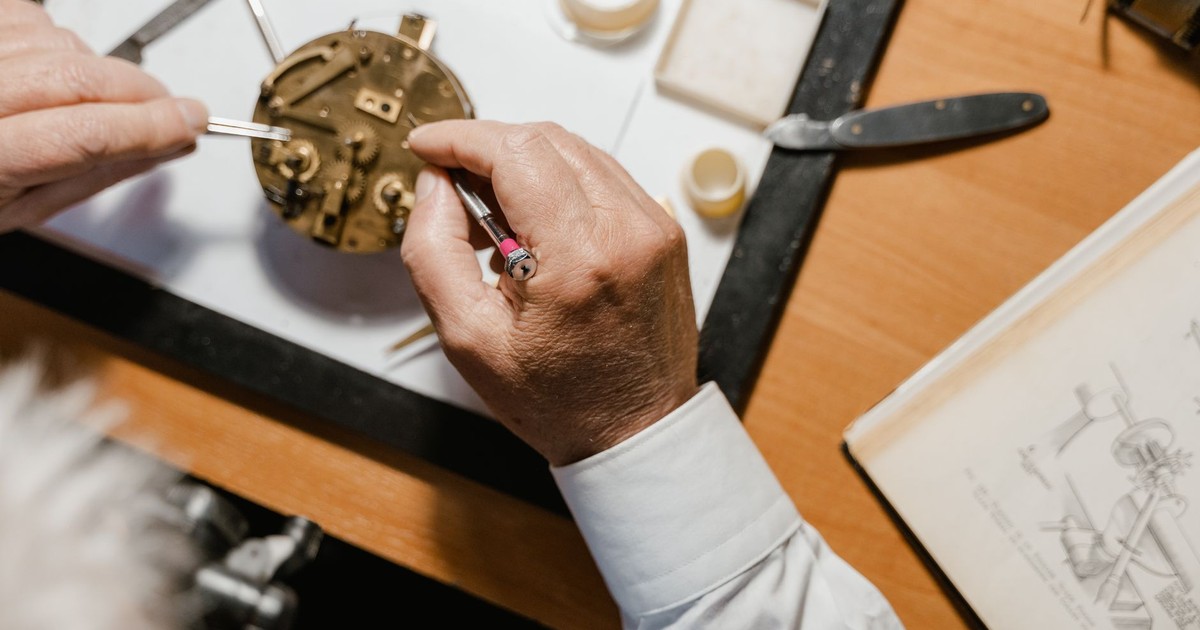
A Swiss mechanical movement from the 1960s keeps time through a coiled mainspring, a balance wheel, and a series of interlocked gears. No battery. No circuit board. No software update required. Wound regularly and serviced every decade or so, it will still be accurate and functional in 100 years.
The modern quartz watch is technically more precise in daily use, typically drifting around 15 seconds per month compared to a mechanical watch’s potential few seconds per day. But quartz movements are sealed units. When the battery dies and is replaced, the contacts corrode over time. The movement itself is considered disposable. Watchmakers don’t repair them; they swap them out.
What’s been lost in the switch to quartz is craft. The decorative finishing of a mechanical movement, called Geneva stripes and perlage, was applied to surfaces no customer would ever see, purely because the craftsman believed it should be done properly. That standard doesn’t exist in a mass-produced quartz movement, and it shows.
7. Glass Milk Bottles
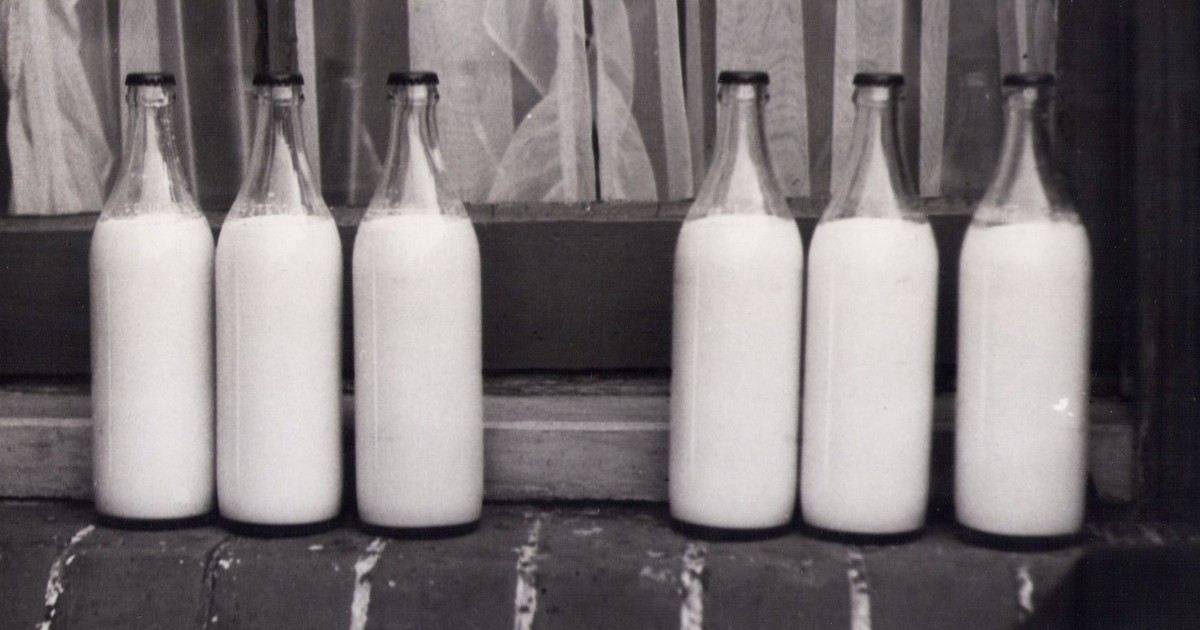
The shift from glass to plastic and cardboard milk containers happened for logistical reasons: lighter weight, lower cost, no returns system needed. But in terms of what the milk tastes like and how long it keeps, glass wins.
Glass is non-porous and chemically inert. It doesn’t absorb odors, leach compounds into the liquid, or let light through (when the bottles are tinted). Cardboard cartons are lined with a thin layer of plastic that can affect flavor over time. HDPE plastic jugs are porous enough that strong-smelling foods stored nearby can subtly alter what’s inside.
The return of glass-bottle dairies, increasingly common at farmers’ markets and premium grocers, isn’t just branding. Chefs and serious home cooks consistently report the milk tastes cleaner, the cream line is more pronounced, and it keeps better in the fridge. The bottle goes back, gets sterilized, and gets refilled. Fewer resources, better product.
8. Fountain Pens
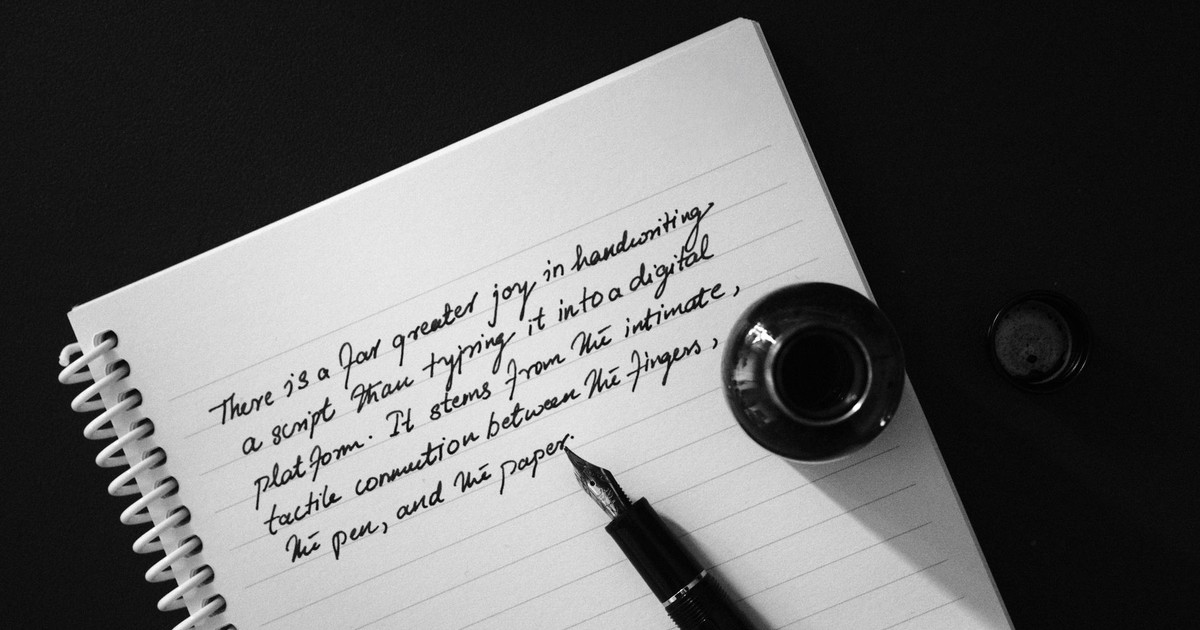
A good fountain pen from the mid-20th century writes with less pressure than any ballpoint. The ink flows through a steel or gold nib by capillary action, not through a process that requires you to press down on the page. Writers who switch from ballpoints frequently report reduced hand fatigue within days.
The modern ballpoint, for all its convenience, requires consistent downward pressure to function. Over the course of a long writing session, that adds up. It also skips, blobs, and dies mid-sentence in a way a properly maintained fountain pen simply doesn’t. A 1950s Parker 51 or Esterbrook J, cleaned and loaded with fresh ink, writes as well today as the day it left the factory.
Fountain pens are now considered a luxury item, sold at premium prices in stationery boutiques. The ballpoint replaced them not because it was better to write with, but because it was cheaper to manufacture and required no maintenance from the user. Convenience won over quality, as it often does.
9. Vintage Denim
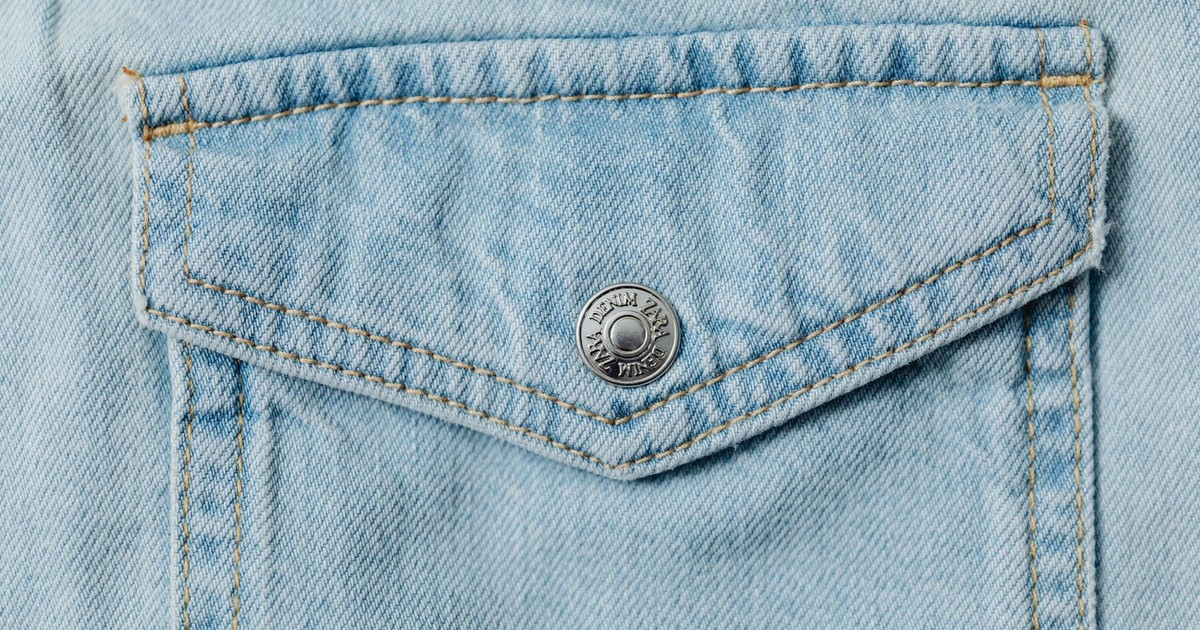
The denim used in Levi’s jeans before the 1980s was woven on shuttle looms, a slower process that produced a denser, more irregular fabric with a distinctive texture called selvedge. Shuttle looms weave under lower tension than modern machines, creating a fabric with a slightly looser, more irregular surface texture, often called “slubby” or “chatter.” This irregularity leads to more interesting, vertical fading patterns over time compared to the flat, uniform surface of mass-market denim.
Major denim brands like Levi’s began using projectile looms in the 1980s to meet growing demand, and today, about 95% of all denim is woven on modern looms. It’s perfectly serviceable, but it doesn’t develop the same character over time. Mass-market denim fades evenly into a flat, washed-out blue without the contrasts that made vintage pairs look better the more you wore them.
The selvedge denim revival happening in Japan and among American heritage brands is a direct response to this quality gap. Brands like Iron Heart and Oni Denim are producing fabric on vintage shuttle looms specifically because the resulting denim behaves differently, more robustly, over years of wear.
10. Manual Coffee Grinders
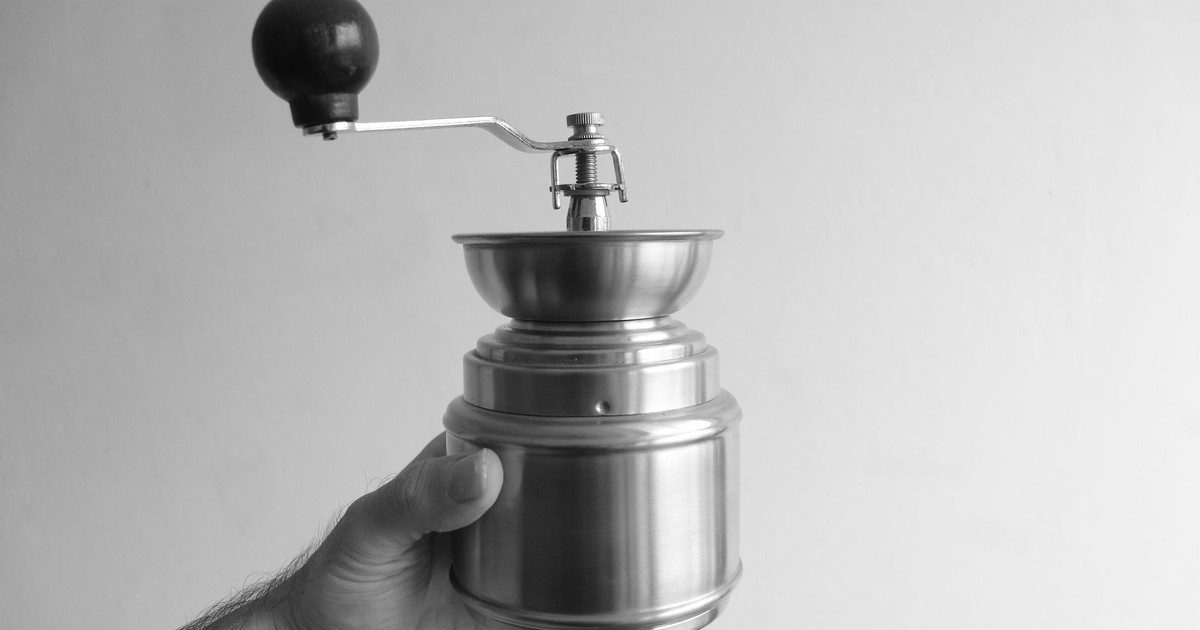
The burr grinders used in mid-century kitchens and coffee shops were heavy, hand-cranked, and produced an extraordinarily consistent grind. Consistency in grind size is the single biggest variable in coffee extraction after water temperature. Uneven grinds mean some particles over-extract (turning bitter) while others under-extract (turning sour) in the same cup.
Cheap electric blade grinders, which dominate modern home kitchens, work by spinning a blade that chops the beans rather than grinding them. The result is a range of particle sizes from powder to pebble in the same batch. It’s fast and inexpensive, but it makes worse coffee than a $25 hand-cranked burr grinder from a thrift store.
The specialty coffee industry knows this. Every serious café uses commercial burr grinders, which are the direct descendants of those mid-century floor-standing models. The principle hasn’t changed. Only the price point of what most households settle for has.
11. Leather Boots Made in America
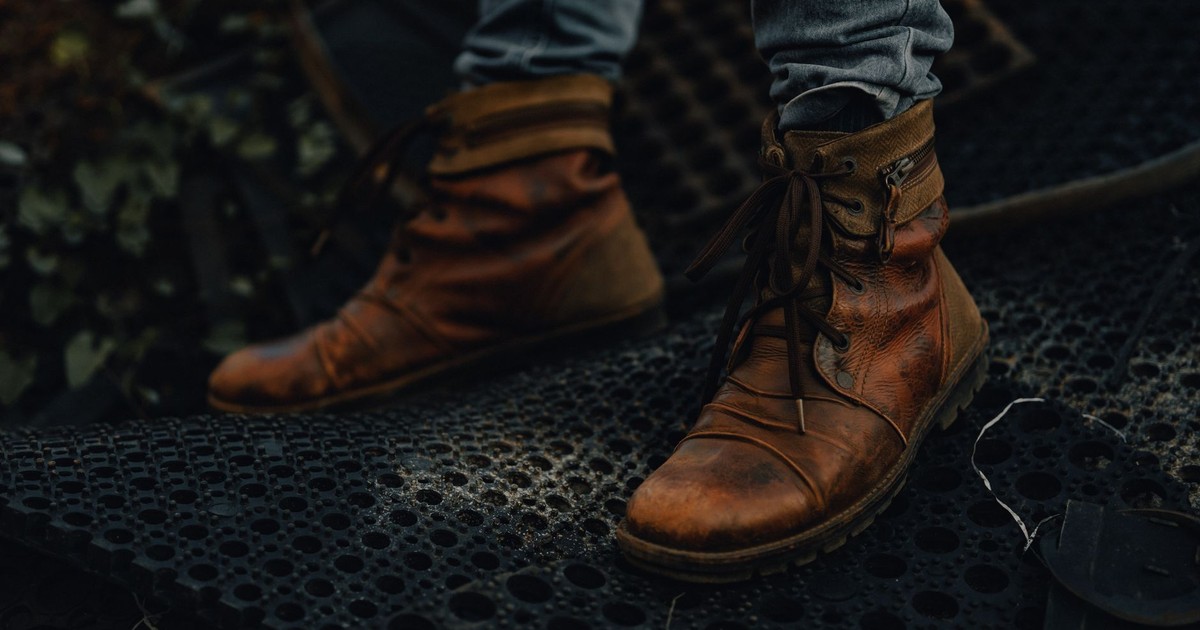
American-made work boots from the 1940s through the 1970s, built by companies like Chippewa, White’s, and Wesco, were made using Goodyear welt construction. This means the upper leather, insole, and outsole are stitched together with a strip of leather called a welt, so the boots can be resoled repeatedly rather than discarded when the sole wears out.
The same pair of boots, properly resoled every few years, can last 30 or 40 years. The leather upper, if maintained with oil, develops a patina that makes it more resistant to water over time. Compare that to a modern mass-market boot with a glued-on synthetic sole and a synthetic upper, which will delaminate in heavy use within a year or two.
Welt construction is still available, but at a price premium that reflects how labor-intensive the process is. Red Wing, Thorogood, and a few others still make welted boots in the US. The vintage originals, which can be found and resoled for a fraction of the new price, remain the benchmark.
12. Polaroid Instant Cameras (Original Film)
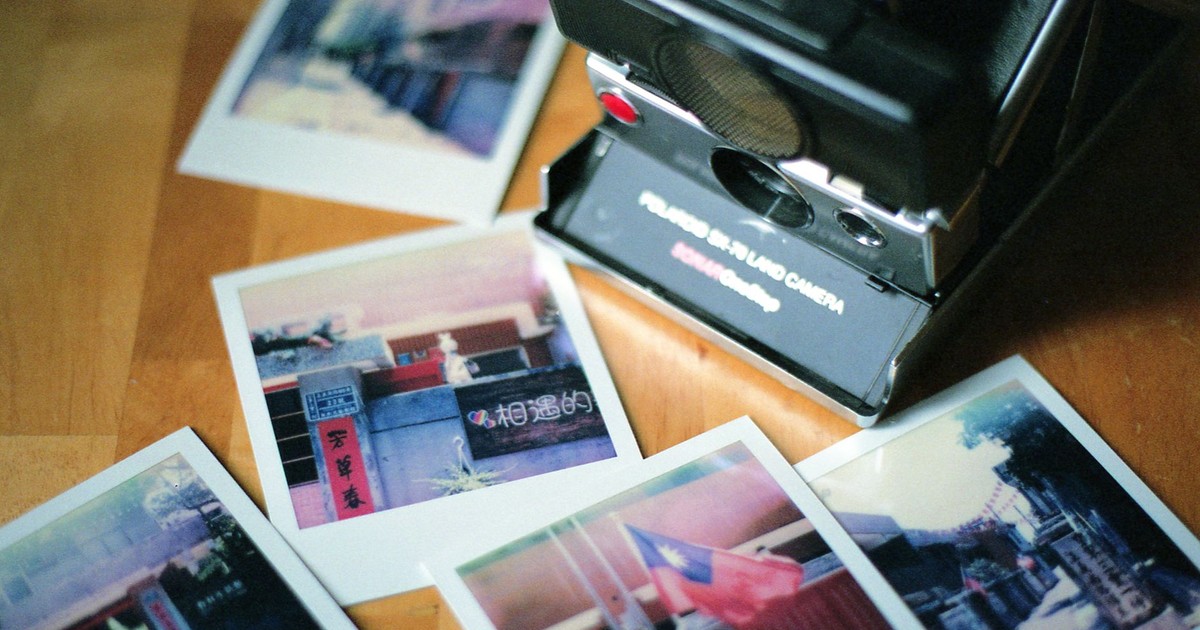
The original Polaroid cameras from the 1970s used integral film that developed using a chemistry Polaroid spent decades perfecting. The resulting prints had a specific color palette, a distinctive soft-focus quality, and an organic warmth that reflected the actual chemistry of the process.
There’s something uniquely satisfying about holding a physical photo seconds after taking it. That sense of excitement and anticipation, combined with the imperfect beauty of film, makes each shot feel more meaningful than a quick snap on your iPhone.
Modern Instax cameras and the revived Polaroid Now produce technically sharper prints with better color accuracy, but they’ve lost something in the translation. The original Polaroid print had an aesthetic rooted in its imperfections, and those imperfections are what people loved. The new versions feel optimized in a way the originals weren’t trying to be.
13. Rotary Phones

This one isn’t about nostalgia for slower dialing. It’s about audio quality. The carbon microphones inside rotary handsets from the 1960s and 1970s had a warm, full-frequency vocal reproduction that made voices sound present and immediate.
Modern smartphone voice calls compress audio aggressively to save bandwidth. The result is a thin, slightly artificial voice quality that experienced phone users from the earlier era noticed immediately when the switch happened. The handset itself, heavy and designed to rest against the ear and mouth simultaneously, positioned the speaker and microphone correctly without effort. The modern phone pressed flat against a face rarely manages both at once.
Voice-over-IP calls through services like WhatsApp and FaceTime can achieve better audio quality than a traditional landline, but the standard cellular voice call remains worse than what a 1968 rotary phone could do. That’s a 58-year regression.
14. Cast Iron Radiators

The cast iron radiators installed in homes built between 1900 and 1950 are still in operation in millions of buildings, and they remain superior heat sources compared to modern alternatives for a specific reason: thermal mass. Cast iron takes time to heat up but radiates warmth slowly and evenly for hours after the boiler has cycled off.
Modern baseboard heaters and forced-air systems heat a room quickly and cool it equally quickly once the thermostat is satisfied. The resulting temperature cycle – warm then cool then warm again – is something the body notices as a fluctuation. Cast iron radiators maintain a steadier ambient temperature that feels genuinely comfortable rather than technically correct.
The other advantage is longevity. A cast iron radiator from 1920 with no moving parts requires no maintenance beyond occasional painting. Modern heating equipment contains motors, fans, sensors, and circuit boards, each a potential failure point with a service interval and a replacement cost.
15. Vinyl Flooring (Original Composition Tile)
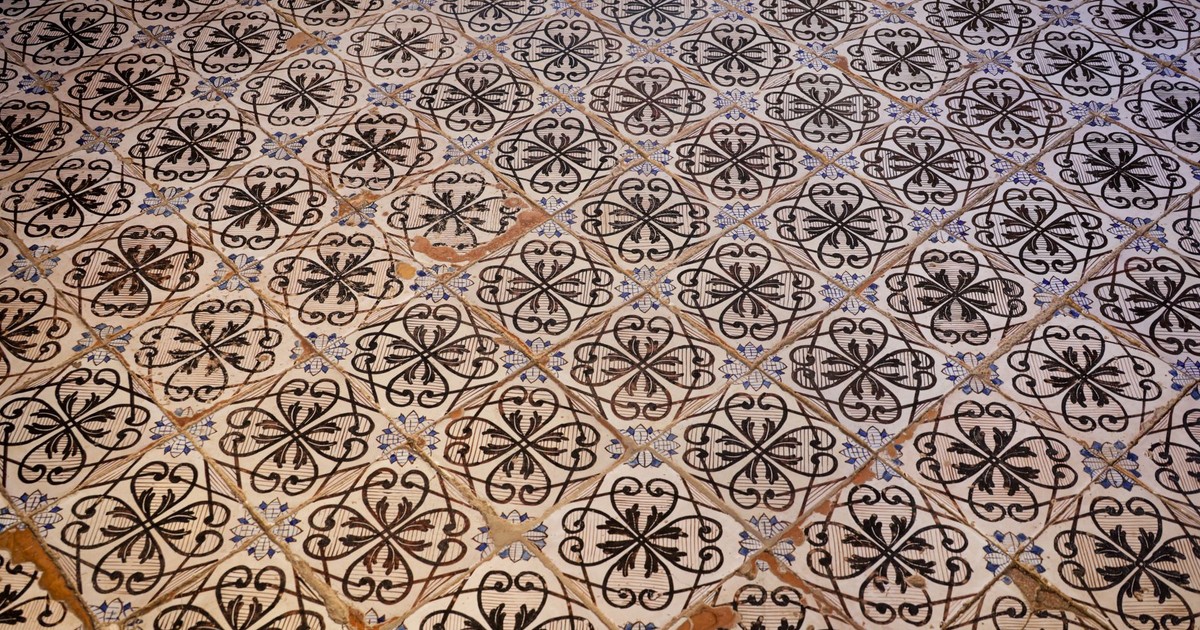
The composition tile flooring installed in commercial and residential spaces from the 1940s through the early 1970s was made from a mixture including genuine linseed oil, limestone, and pigment. It was hard, dense, and extraordinarily durable. Some of it is still in use today, looking serviceable after 70 years of foot traffic.
Modern vinyl plank flooring, sold as LVP (luxury vinyl plank), is made from multiple layers of PVC with a photographic layer and a clear wear layer on top. It’s comfortable underfoot and looks convincingly like wood or stone, but the wear layer scratches and the photographic layer beneath it fades. Most LVP carries a warranty of 10 to 25 years, which sounds generous until you compare it with a floor that’s still going at 80.
The trade-off is that original composition tile often contained asbestos, which is why any restoration work on pre-1980 flooring requires testing and potentially professional abatement. The durability was real; so was the health concern. It’s a category where “better” requires a clarifying asterisk.
16. Mechanical Typewriters

Writers who use vintage typewriters, specifically Royal, Underwood, and Olympia models from the 1950s and 1960s, consistently report a different relationship with their writing compared to a word processor. The resistance of the keys, the sound and physical commitment of each keystroke, and the permanence of the typed word (no delete key) all slow the process down in ways that many find help rather than hinder.
Research suggests that writing by hand or on a typewriter improves retention and composition quality compared to typing on a keyboard, largely because the slower process forces more intentional word choice. The typewriter sits between handwriting and typing in terms of speed and physicality, and some writers find it hits a productive middle point.
A well-maintained Olympia SM3 from 1957 requires no electricity, no software, no subscription, and no internet connection. It will still be working in 2090. The laptop you’re typing on today will be a paperweight in eight years.
17. Incandescent Light Bulbs

LED lighting has genuinely improved in the years since incandescent bulbs were phased out in most markets. Early LED bulbs produced a cold, flat light that made rooms feel clinical. Warm-spectrum LEDs have gotten considerably better. But a specific quality remains in incandescent light, a continuous spectrum without the gaps found in even high-quality LEDs, that changes how skin tones look and how a room feels.
A Color Rendering Index (CRI, a measure of how accurately a light source reproduces colors compared to natural sunlight) of 100, which is what incandescent bulbs achieved, remains the benchmark against which all other light sources are measured. Most residential LEDs reach a CRI of 80 to 90. Some premium options reach 95. None reach 100.
This matters most in spaces where accurate color rendering is important: kitchens where you’re assessing food, bathrooms where you’re checking your appearance before leaving the house, and art studios where color decisions depend on the light. LEDs win on energy efficiency decisively. But anyone who has stood under a single 60-watt incandescent knows what’s been lost.
18. Wooden Toys

The wooden toys made by companies like BRIO, Holgate, and Playskool in the 1950s and 1960s were turned and finished from solid beechwood, maple, or birch. They had genuine weight and heft, and they didn’t break. A wooden train set from 1965 still works. It can be passed down.
Modern plastic toys are designed for a market that replaces rather than repairs. The tolerances are loose enough that pieces misalign after a few months of use, the paint chips to reveal generic-looking plastic underneath, and the electronics that add sound and light effects invariably fail before the toy itself is structurally worn out.
The sensory experience is also different. Children handling wooden toys engage with weight, grain, and temperature in a way that plastic doesn’t offer. Developmental play researchers have noted that open-ended, tactile toys with no single correct use tend to support more creative play than single-purpose electronic alternatives. Wooden blocks, stacking rings, and pull toys remain perennial bestsellers in early childhood settings precisely because they work.
19. Paper Notebooks

Paper notebooks from the mid-20th century were made from rag-content paper with a neutral or slightly alkaline pH. They could survive decades without the yellowing and brittleness that characterizes modern acidic wood-pulp paper. A letter written on good rag paper in 1940 is still legible today. Many mass-market notebooks from the 1990s are already turning amber and fragile.
The paper in premium composition notebooks of the 1940s and 1950s also had a surface texture that responded beautifully to dip pens and fountain pens, providing just enough tooth to control the nib without snagging. Modern notebooks are optimized for ballpoints and felt-tips, which means the surface is often too smooth for fountain pen users and the paper thin enough to bleed through.
Archival-quality notebooks still exist, made by companies like Clairefontaine and Leuchtturm that use acid-free, fountain-pen-friendly paper. But they are the exception, priced as premium items, where once they were simply the standard.
20. Tube Amplifiers
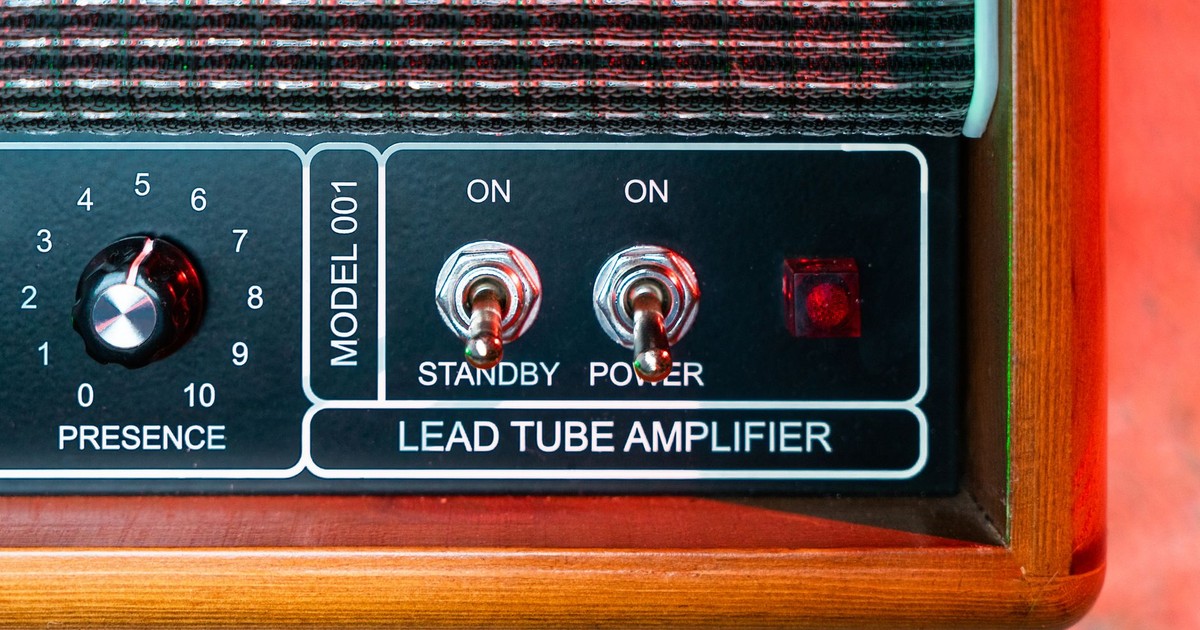
Guitar amplifiers, hi-fi amplifiers, and studio monitoring equipment built around vacuum tubes in the 1950s and 1960s produce a specific kind of harmonic distortion when driven hard. That distortion happens to align with overtones that the human ear perceives as warm, full, and pleasing. It’s the sound on virtually every recording that’s considered a classic from that era.
Transistor and digital amplifiers can simulate this distortion, and some do it convincingly. But the simulation is, by definition, a copy of the original behavior. Recording engineers and musicians who work with original Fender Tweeds, Marshall Bluesbreakers, and Vox AC30s consistently describe a responsiveness to playing dynamics – the way the amp reacts differently to a soft touch versus a hard attack – that modern solid-state designs haven’t fully replicated.
Tube amplifiers require more maintenance. Tubes need replacing every few years, and the circuits run at high voltages that require respect. But the same circuit producing that sound in 2026 was producing it in 1962, and it hasn’t needed a software update once.
21. Bar Soap

Cold-process soap made using traditional methods retains glycerin, a natural byproduct of the saponification process that is a genuinely effective humectant (meaning it draws moisture to the skin). Industrial soap manufacturing separates the glycerin out for sale in more profitable products like cosmetics and pharmaceuticals, leaving a cleansing bar that can strip skin of moisture rather than maintain it.
The soap produced by traditional cold-process methods using olive oil, coconut oil, tallow, or lard, made the way soap was made for centuries, contains that glycerin and produces a gentler, more moisturizing result. Small-batch soap makers have been pointing this out for decades. Dermatologists increasingly agree. The artisanal soap revival isn’t just aesthetic; it’s a correction to an industrial shortcut that made the product worse.
22. Film Photography

Digital photography has democratized image-making in ways that are genuinely transformative. The ability to shoot 500 frames in an afternoon without cost, review immediately, and share instantly has changed what photography is and who does it. None of that is being disputed.
But film forces a discipline that produces different results. A photographer working with 36 exposures per roll spends more time composing before releasing the shutter. The resulting images frequently have more intentionality than those culled from a burst of 40 digital frames. The film grain, which digital sensors work to eliminate, adds texture that many photographers and viewers prefer to the clinical sharpness of high-resolution digital output.
Medium format film, in particular, from cameras like the Hasselblad 500C/M or Mamiya RB67, produces a tonal quality and depth of field behavior that even modern full-frame digital sensors can’t fully match. Fashion photographers and portrait artists continue to reach for these cameras specifically for that reason. The tool imposes constraints, and the constraints improve the work.
23. Handmade Quilts
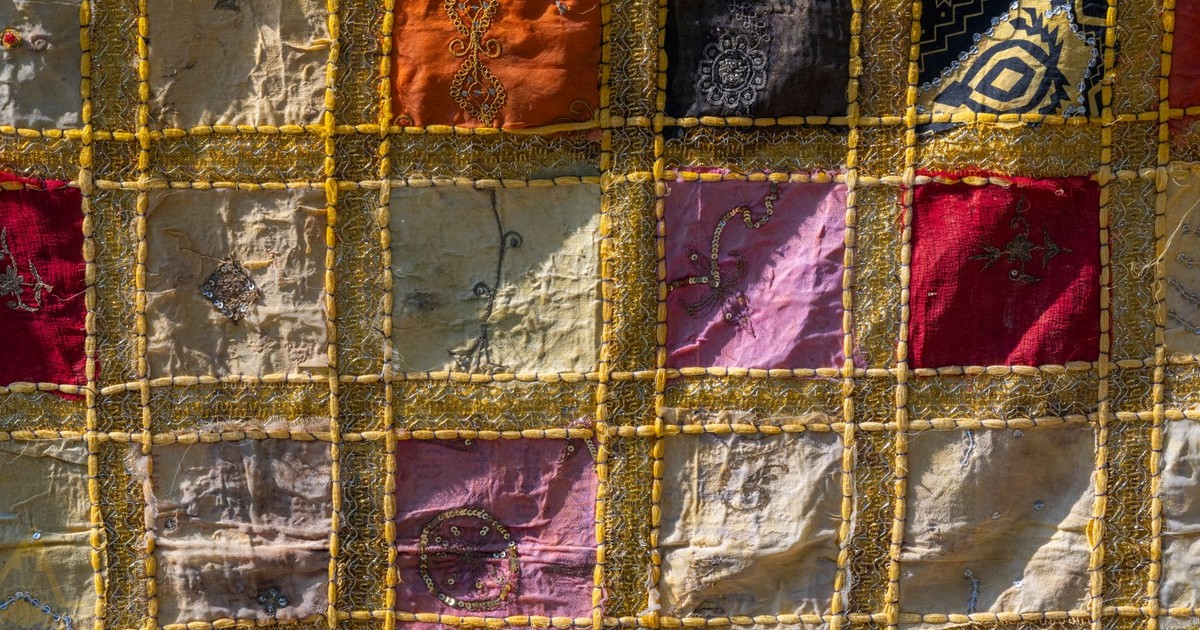
Factory quilts fill a function. They’re warm, washable, and cheap. But handmade quilts, specifically those made using traditional patterns and hand-stitching, do something different. Each stitch represents a choice. The variations in tension, the slight imperfections in the pattern, the specific fabrics chosen from the maker’s existing materials: all of it tells a story that a machine-quilted polyester fill cannot.
The practical difference matters too. Traditional quilts made from cotton batting and cotton fabric breathe in a way that synthetic fills don’t. They regulate temperature across a wider range, cool enough in mild weather and warm enough in genuine cold. A well-made cotton quilt can be repaired, re-backed, and passed down. A polyester duvet insert is replaced when it starts to clump.
The longevity of handmade quilts is notable. Museum collections are full of quilts from the 1850s that remain in usable condition. They were made to last, using materials and methods that have proven themselves over generations.
24. Vintage Bicycles (Steel Frame)
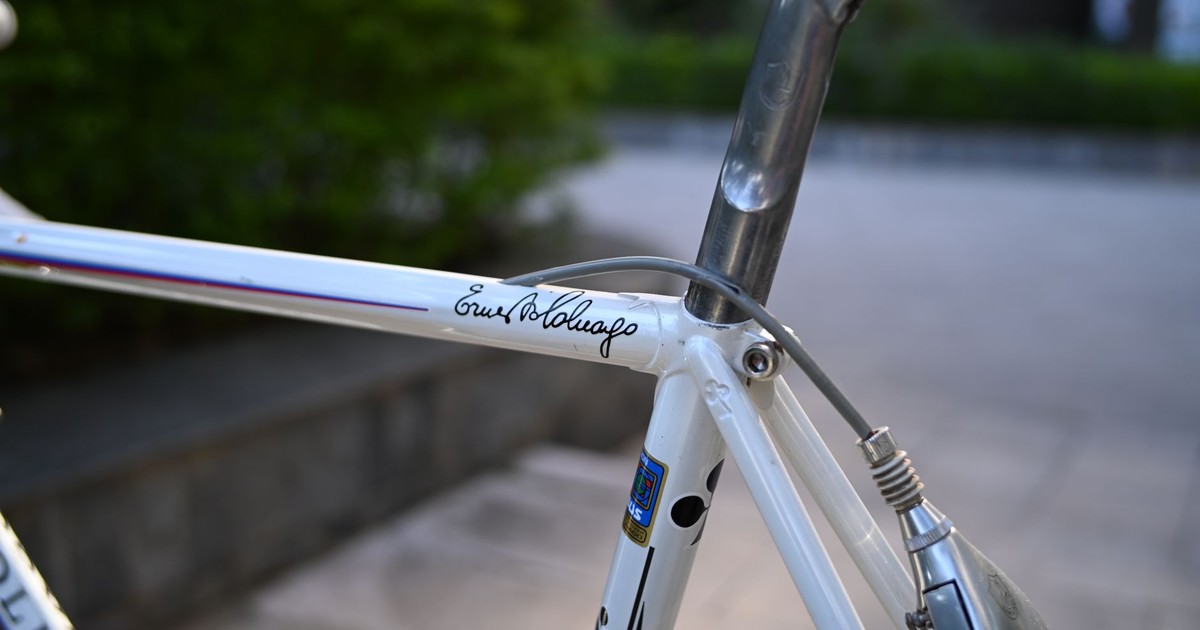
Steel-frame bicycles, built in the 1970s and 1980s by American and European manufacturers, offer a ride quality that carbon fiber and aluminum frames built for the modern market don’t easily replicate. Steel has a natural flex that absorbs road vibration, particularly on longer rides, giving it a characteristic described by cyclists as “compliance.” It doesn’t rattle your fillings out on rough pavement.
The practical advantage of steel is also repairability. An aluminum or carbon fiber frame that cracks or dents is functionally destroyed. A steel frame can be welded, brazed, and rebuilt. Frame builders can modify geometry, add braze-ons, and repair damaged tubes in a way that no other material allows. A steel frame from 1978, stripped, repainted, and built up with modern components, can be a better everyday bicycle than many new options.
Brands like Trek, Raleigh, and Peugeot produced steel frames in the 1970s that are now sought out specifically for these properties. The cycling community has a name for it: steel is real.
25. Glass Food Storage Containers
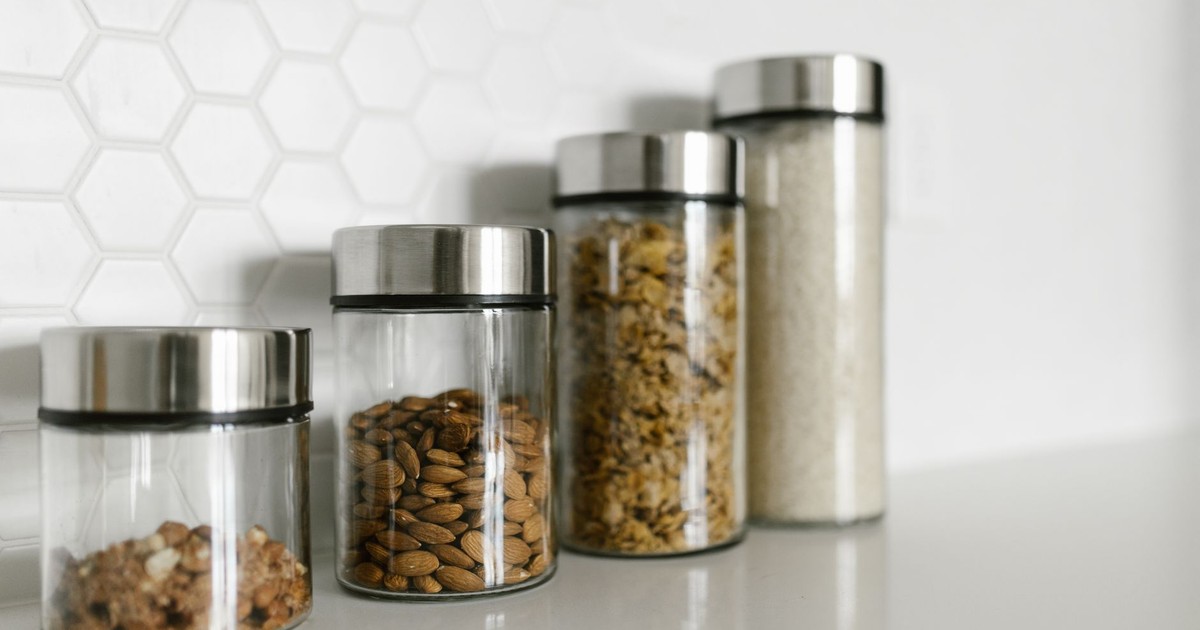
Pyrex glass storage containers from the 1940s through the 1970s were made from borosilicate glass, a formulation that could withstand direct flame, sudden temperature changes, and decades of dishwasher cycles without cracking. You could move a Pyrex dish directly from the freezer to a hot oven.
After Corning sold the Pyrex brand and manufacturing shifted, the composition changed to tempered soda-lime glass in North American markets, a less thermally stable formulation. Reports of Pyrex dishes shattering suddenly when used as intended began appearing in consumer safety forums and media coverage. The older borosilicate pieces, identifiable by their slightly different tint and the older Pyrex logo, became collector items specifically for this reason.
European Pyrex still uses borosilicate glass, as do competing brands like Simax and Duran, which are used in laboratory settings. The lesson is that a household product was changed for manufacturing cost reasons and became measurably worse. The older pieces remain superior.
26. Analog Alarm Clocks
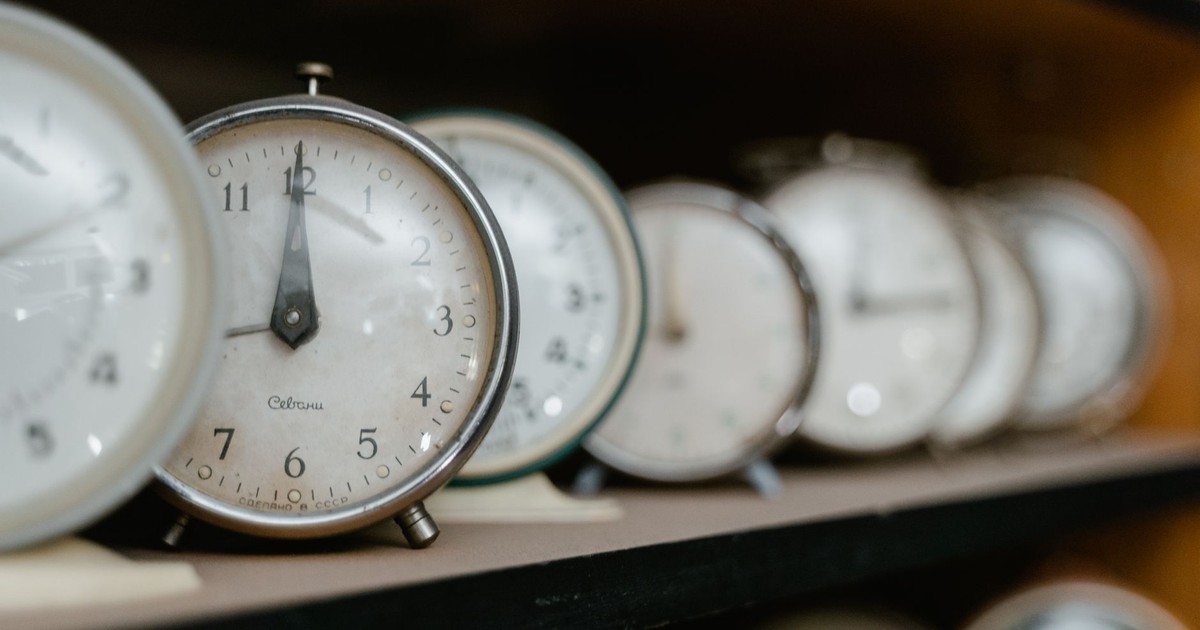
The argument for an analog alarm clock over a smartphone as your morning alarm isn’t sentimental. It’s about what happens when your phone stays in another room. Research consistently links bedroom smartphone use to later sleep onset, lighter sleep quality, and the tendency to check messages immediately upon waking, before you’ve even had a moment of consciousness to yourself.
A wind-up or battery-operated analog clock tells you the time and wakes you up. It doesn’t serve you notifications, emails, or a summary of overnight news before your eyes have fully adjusted. The simple act of putting the phone out of the bedroom, using an old clock instead, is a behavioral change that sleep researchers describe as one of the more effective interventions available for improving sleep quality without medication.
The wind-up brass clock on the nightstand isn’t inferior technology. It’s appropriate technology: a tool sized exactly to the job it’s doing, without the side effects.
27. Handwritten Letters

The average text message takes about 30 seconds to compose. A handwritten letter takes 20 minutes. That asymmetry, which looks like a disadvantage for the letter, is actually where its value comes from. The time invested is legible in the result. The handwriting is unique. The paper can be kept. The specific words chosen under the constraint of not being able to backspace exist in a form that communicates care in a way a digital message, however affectionate, cannot fully replicate.
Social psychologists studying gift-giving and gratitude have found that receiving a handwritten note produces measurably stronger positive responses than receiving a digital equivalent with the same content. The medium carries its own signal: this person stopped, sat down, and gave you their time and attention in a physical form.
The letter written to someone in 1952 can still be read today, in the same handwriting, with the same ink. The text message from 2012 is probably gone, the phone it was sent to long since replaced or broken.
28. Whole Milk

The shift away from whole milk toward low-fat and skim alternatives, which began in earnest in the 1970s based on dietary guidelines linking saturated fat to heart disease, is being substantially revised. A growing body of nutritional research now suggests that the fat in whole milk is accompanied by fat-soluble vitamins (A, D, E, and K) that are simply not present in skim milk without fortification, and that the fat itself supports the absorption of those vitamins in ways that fortified skim milk can’t replicate.
Beyond nutrition, whole milk from grass-fed cows, which was the default before the industrialization of dairy, tastes different. The fat carries flavor compounds that disappear when the cream is removed. The result of 50 years of low-fat dairy consumption is a generation of people who have never tasted milk the way it was before it was optimized, and who sometimes mistake the thinner product for the real thing.
The raw milk movement takes this further, arguing that pasteurization at ultra-high temperatures (UHT pasteurization, which allows for longer shelf life) also alters flavor and destroys beneficial bacteria. That argument is more contested from a food safety standpoint. But the basic case for whole milk over skim, on both nutritional and flavor grounds, is no longer a fringe position.
29. Vintage Umbrellas

An umbrella was once a well-crafted, solid piece of adornment. It had a thick wooden handle, solid metal bracings, and heavy canvas to protect you from the rain. Modern equivalents are made to be replaceable and disposable, and in fact you can buy umbrellas from the Dollar Tree.
The logic behind the vintage umbrella’s superiority is the same logic that applies to most items on this list: it was designed to last. The ribs were steel or whalebone, flexible enough to give without breaking in wind and rigid enough to hold the canopy taut. The cover was natural canvas or heavy nylon that didn’t invert at the first gust. The handle was wooden or Bakelite, comfortable and heavy enough to give the umbrella presence.
A quality umbrella from a maker like Brigg’s of London, Swaine Adeney Brigg, or Fox Umbrellas (all still operating) costs between $150 and $400 and is designed to be repaired and to last 30 or more years. The math per year of use makes the disposable alternative look considerably less economical, quite apart from the experience difference.
30. Hand-Cranked Ice Cream Makers
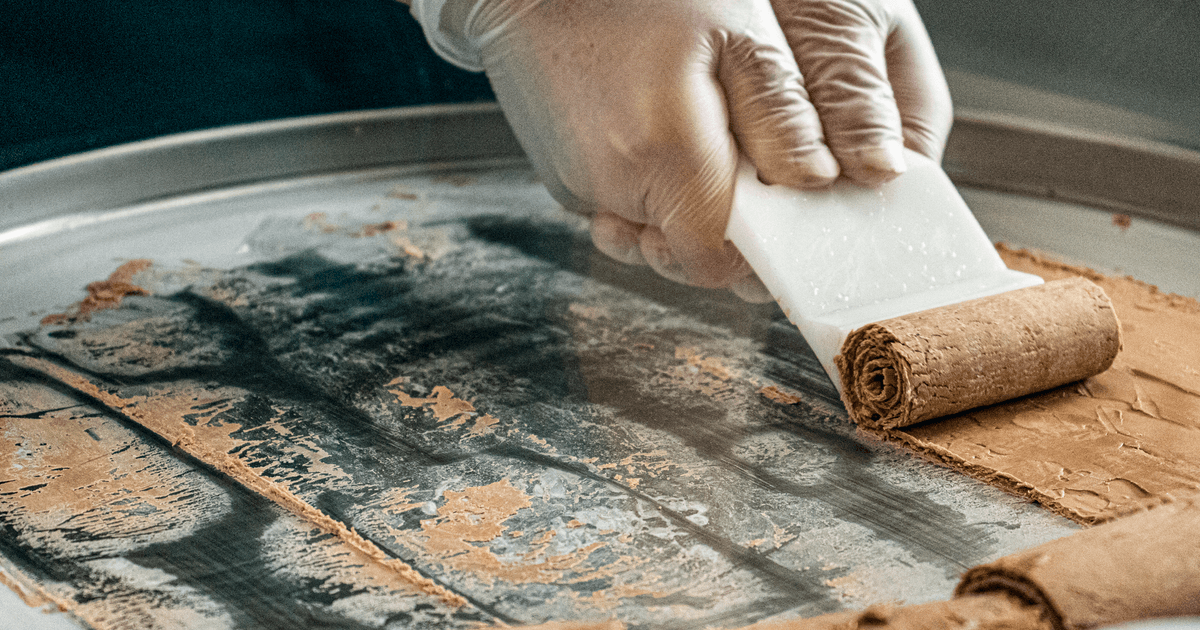
The hand-cranked wooden bucket ice cream makers used in American households from the 19th century through the mid-20th century produced a specific texture that modern electric ice cream makers struggle to replicate. The hand-cranking process is slower and less consistent in speed, and that inconsistency turns out to matter.
Variable churning speed produces a slightly more irregular ice crystal structure in the freezing ice cream, resulting in a creamier mouthfeel than the uniform crystals produced by electric churning. The process also requires a specific ratio of rock salt to ice in the surrounding bucket, which draws heat from the mixture at a rate calibrated over generations of practical experience. Electric machines use compressors that cool more aggressively, often producing a harder result.
There’s also the occasion of it. Making ice cream in a hand-cranked wooden bucket is an event, not a Tuesday night convenience. The 45 minutes of cranking, usually shared among anyone nearby, produces a specific anticipation that shapes how the result tastes. A food psychologist would call this effort justification. Everyone else calls it Sunday afternoon in July.
Read More: Vintage Items From the 70s and 80s People Still Refuse to Throw Away
What This Actually Means
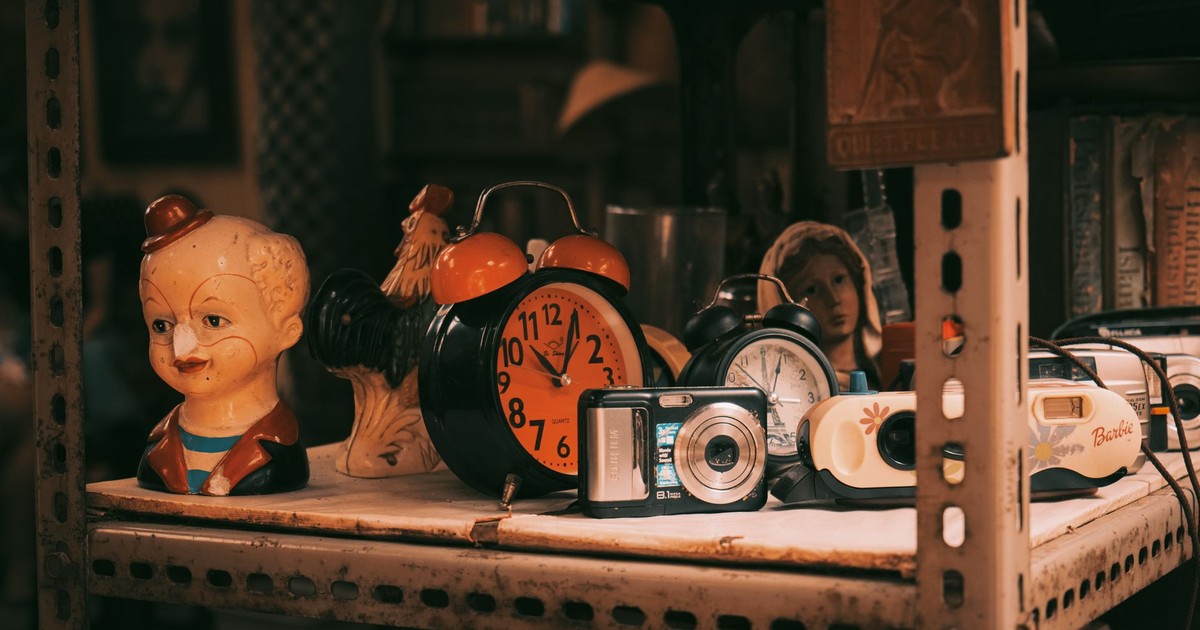
The pattern across all 30 of these items is the same: somewhere between the original version and the current one, a manufacturer made a decision that prioritized cost, speed of production, or disposability over quality, durability, or user experience. Sometimes that trade-off was worth it. Sometimes it produced something genuinely better. But often, particularly with hand-crafted goods, cookware, tools, and anything requiring skilled labor to build well, it made the product worse.
The retro products vs modern comparison isn’t an argument for living in the past. Central heating, modern medicine, refrigeration, and the internet have improved daily life in ways that aren’t up for debate. But within the category of everyday objects, there’s a strong case for buying old, repairing rather than replacing, and holding the modern version to the standard set by what came before it. A cast iron pan, a steel bicycle frame, a mechanical wristwatch, a hand-cranked burr grinder: none of these require nostalgia to justify them. They just require a clear-eyed look at what they actually do compared to what replaced them. More often than people expect, that comparison goes to the older version.