

Florida made a certain kind of promise to American retirees for decades: sun, no income tax, and a lower gear. Millions took it. But the math has shifted. Insurance bills, flood coverage, and rapidly rising housing costs have quietly eroded the financial case for Florida, and the same warm-weather lifestyle people moved there for exists in a dozen other American cities at a fraction of the price.
Florida’s tax-friendly reputation draws retirees every year, but rising insurance costs and everyday expenses can meaningfully impact your wallet in ways that the “no income tax” headline never quite mentions. Florida is popular precisely because it doesn’t have personal income tax, but combined state and local taxes are higher than many comparable states, and housing costs have risen sharply. Drivers also pay some of the highest car insurance rates in the country, while wind and flood insurance have become not only expensive but difficult to get.
The good news is that the same things people love about Florida – warmth, sunshine, an outdoor pace of life – exist in a dozen other American cities, often at a fraction of the cost. Some with better healthcare infrastructure. Some with fewer crowds. Some with a livability that Florida’s most popular zip codes traded away somewhere between 2020 and now. These eight retirement cities warm weather retirees keep overlooking deserve a serious look.
1. Augusta, Georgia
Florida’s average annual home insurance bill hit $8,292 in 2025, an 18% jump over 2024, according to Insurify’s 2026 report. That’s before flood insurance, before HOA fees, and before the annual guessing game about whether hurricane season will reset everything again. Augusta, by contrast, offers housing costs that are 18.8% below the U.S. average, according to Salary.com’s 2026 data. On a fixed retirement income, that’s a real number. It means the monthly gap between what you spend and what you have in reserve stays meaningful for longer.
While Augusta’s temperatures can dip to the high 30s on an occasional January day, average temperatures run between 70 and 90 degrees for most other months. As one of Georgia’s oldest cities, Augusta offers retirees history, culture, and fine cuisine, with views of the Savannah River running through its heart. The Masters Tournament draws visitors every April, but Augusta’s downtown arts scene and riverfront restaurant strip function year-round, not just for one week in spring.
Georgia offers favorable tax rules for retirees, including no tax on Social Security and generous deductions on retirement income. Paired with housing costs well below the national average, the combined picture is one of the more compelling financial cases in the South for anyone comparing actual retirement budgets rather than just climate maps.
2. Phoenix, Arizona
Phoenix rewards retirees who aren’t afraid of extreme summer heat – in July the average high hits a sweltering 106 degrees, though the overall summer average is closer to 98. December highs of 66 degrees, however, make the city a snowbird’s paradise. Many retirees solve the summer problem the same way Arizonans always have: they leave for a few months, or they lean into air conditioning, early mornings, and the state’s extraordinary desert parks.
Scottsdale, Phoenix’s upscale neighbor, ranks near the top nationally for adult volunteer activities, art galleries, and public golf courses per capita, and sits among the top cities for museums and book clubs per capita. The Phoenix metro area is large enough that retirees can choose their pace entirely, from the energy of downtown Tempe to the calmer streets of Chandler or Sun City, the original planned retirement community.
Tax-friendliness is another strong reason to consider the Phoenix area. Arizona has no estate or inheritance taxes and no income taxes on retirement income. Healthcare options are extensive. The Mayo Clinic has a full campus in Scottsdale, and Banner Health operates one of the largest hospital networks in the Southwest, giving retirees access to specialist care that smaller markets simply can’t match.
3. Winston-Salem, North Carolina
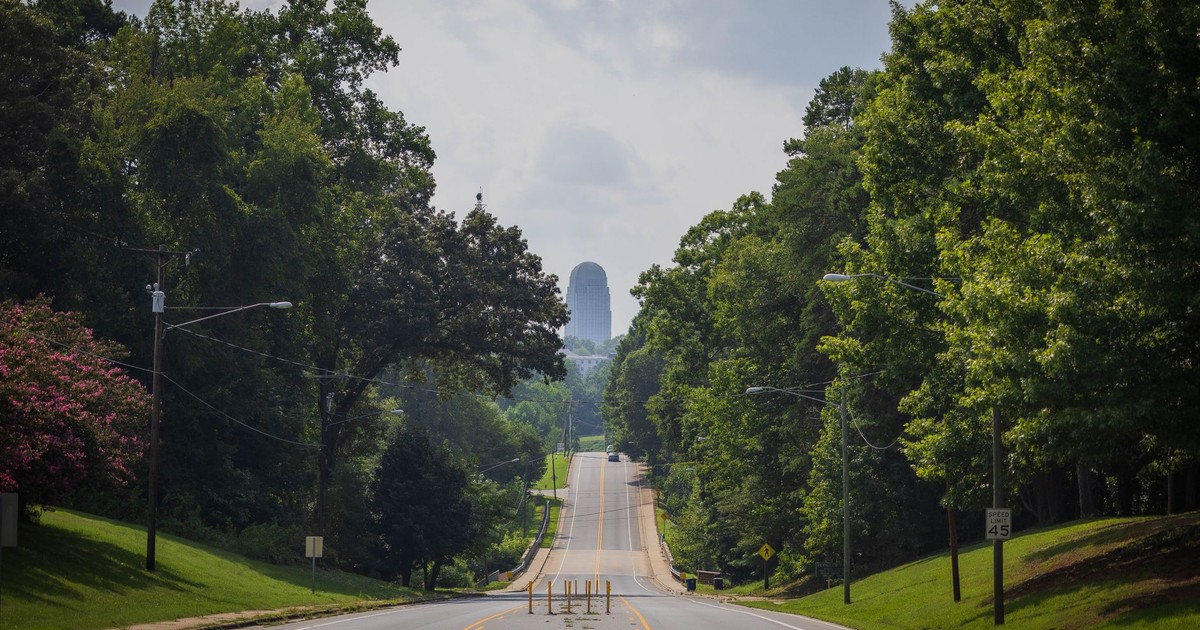
Even during Winston-Salem’s coldest winter months, the average daily high sits around 56 degrees – warm enough for regular outdoor activity. The city offers attractions ideal for retirees on a fixed income, from scenic outdoor murals to what’s recognized as the oldest community garden in the United States.
North Carolina’s overall tax picture works in retirees’ favor. The state offers no tax on Social Security and provides generous deductions on retirement income – a meaningful advantage compared to states that tax pension distributions. Winston-Salem itself is consistently less expensive than Charlotte or Raleigh, which means retirees get access to the state’s tax benefits without paying the premium prices of North Carolina’s larger cities.
The city has a genuine arts infrastructure anchored by the University of the Arts and the Reynolda House Museum of American Art. Wake Forest Baptist Medical Center, one of the country’s respected academic medical systems, sits within the city limits, which matters considerably when healthcare needs become more frequent.
4. Laughlin, Nevada
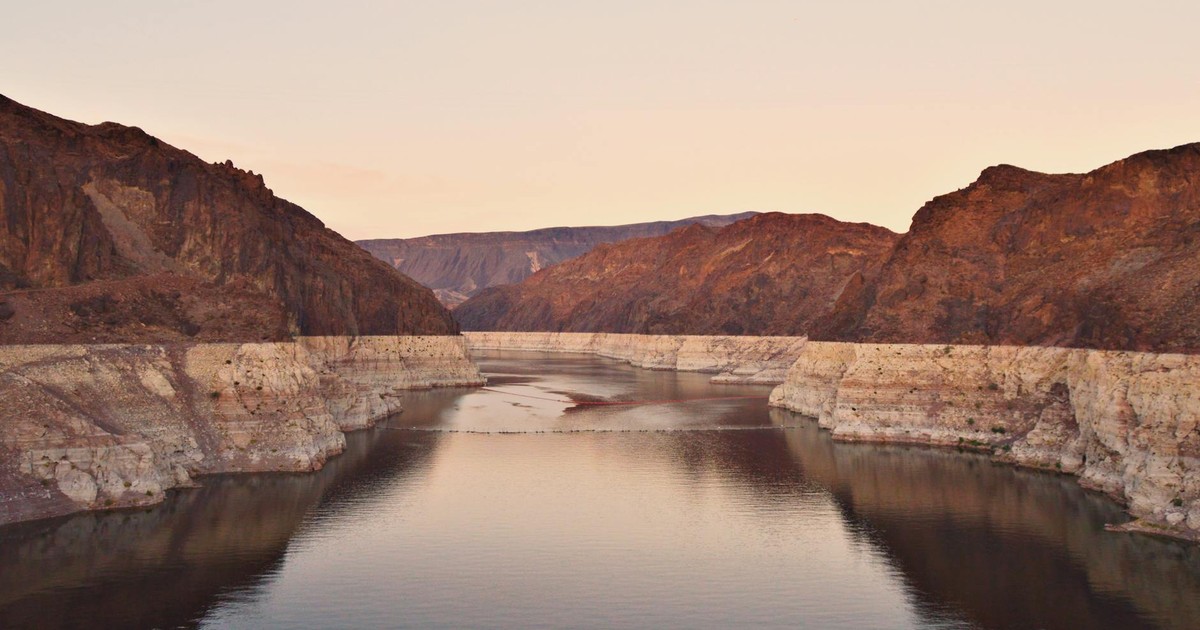
Laughlin suits retirees who want warm temperatures without the humidity. At its muggiest, the city has just 8% humidity, and the average high temperature during the coldest winter months is around 63 degrees. For anyone who spent decades in the Midwest or Northeast, that January forecast reads like a genuine reward.
Laughlin is home to several outstanding golf courses, and when summer heat arrives, the Big Bend of the Colorado State Recreational Area offers chances to cool off in the water or along its sandy riverside beaches. The Colorado River running along the city’s edge creates a recreational corridor that distinguishes Laughlin from the purely landlocked desert towns nearby.
Nevada, like Florida, has no state income tax. But unlike Florida, it doesn’t carry Florida’s hurricane risk, its flood insurance complexity, or its rapidly escalating homeowners premiums. The state also levies no income tax on Social Security benefits. For retirees weighing warm weather against a predictable, lower total cost of living, Nevada’s case is straightforward.
5. Columbus, Georgia
During Columbus’ warm season, temperatures regularly exceed 85 degrees, and during its relatively short cold season the average high is around 64 degrees. The city is a history enthusiast’s destination, home to the National Infantry Museum and Soldier Center and the National Civil War Naval Museum.
Columbus sits on the Chattahoochee River along the Georgia-Alabama border, and the river itself has been transformed into one of the most ambitious urban whitewater recreational developments in the country. The RiverWalk stretches for miles and connects parks, restaurants, and residential neighborhoods in a way that makes it easy to stay physically active without needing a car. For retirees who want daily outdoor movement baked into the geography of where they live, it’s an underrated asset.
Like Augusta, Columbus benefits from Georgia’s retiree-friendly tax structure, with no tax on Social Security income. Housing costs in Columbus run well below the national average, and the city’s Piedmont Columbus Regional Hospital provides solid access to medical care without the wait times that come with living in a smaller rural market.
6. Huntsville, Alabama
From May to September, Huntsville enjoys average high temperatures above 81 degrees. Even in January, the average high holds around 50. The climate supports the Huntsville Botanical Garden, which is home to the nation’s largest open-air butterfly house – the Purdy Butterfly House, a 9,000-square-foot sanctuary housing more than 1,000 native butterflies each summer.
Huntsville is not the Alabama that exists only in the imagination of people who haven’t been there. NASA’s Marshall Space Flight Center and a large aerospace and defense industry presence have built a city with strong research hospitals, a well-educated population, and a restaurant and arts scene that surprises first-time visitors. Housing is very affordable, with access to beaches along the Gulf Coast Strip, a crime rate slightly below the national average, and many small cities like Fairhope where artsy communities and a large retiree presence have developed.
The financial picture in Alabama is genuinely competitive. Property taxes are among the lowest in the country, and the state does not tax Social Security income. For retirees who want a slower pace combined with a community that has real intellectual and cultural substance, Huntsville has become one of the most compelling options in the Southeast.
7. Rock Hill, South Carolina
With average winter highs in the mid-50s and average summer highs above 82 degrees, Rock Hill stays comfortably warm through most of the year. It sits just south of Charlotte, close enough to access that city’s airport and major medical centers, but with lower housing costs and a smaller-town pace that most people who relocate there cite as the primary reason they stayed.
South Carolina offers a warm climate with mild winters, beautiful coastal regions, and favorable tax rules for retirees, including no tax on Social Security and generous deductions on retirement income. Rock Hill itself has invested significantly in its downtown in recent years, and the Anne Springs Close Greenway – a large nature preserve within the city – gives retirees access to trails, equestrian paths, and water activities that feel more like a national park than a suburban amenity.
Healthcare access in Rock Hill is strong. Atrium Health, one of the largest healthcare networks in the Southeast, operates facilities in the city and the broader Charlotte metro, which means specialist access isn’t dependent on a long drive to a major urban center. For retirees comparing the Carolinas to Florida, the combination of mild temperatures, lower insurance costs, and no Social Security tax makes Rock Hill’s case worth taking seriously.
8. Scottsdale, Arizona

Scottsdale offers low humidity, warm temperatures, and excellent healthcare options, making it particularly well-suited to retirees for whom both comfort and health security are priorities. That pairing is rarer than it sounds – cities that are affordable and warm tend to have thinner healthcare infrastructure, while cities with excellent medical centers tend to be expensive and cold.
According to WalletHub’s 2025 retirement rankings, Scottsdale ranks fourth in the nation for mild weather and second among the most caring cities, with the rankings built on four metrics: affordability, activities, quality of life, and healthcare. The density of active-adult communities in the Scottsdale area means social connection is built into the fabric of the place rather than something retirees have to engineer for themselves. Golf, hiking, arts programming, and year-round farmers markets fill the calendar in a way that even Florida’s best retirement communities have to work to match.
Scottsdale ranks at the top of the country for adult volunteer activities, art galleries, and public and municipal golf courses per capita, and places among the leaders nationally for museums and book clubs per capita. For retirees who want genuine cultural and civic engagement alongside the sunshine, that infrastructure is not incidental. It’s the whole point.
Read More: The 13 Best States to Retire in 2026 (And the 7 Worst)
What This Actually Means
Florida’s advantages are real. No income tax, warm winters, and an enormous ecosystem of retirement communities built specifically for people in this stage of life. None of that disappeared. But the total cost of living there has risen steeply – home insurance costs more than 14% higher than in 2023, driver premiums among the nation’s highest, and a flood insurance market that has become genuinely difficult to navigate. On a fixed income, an extra thousand dollars a year in insurance premiums is an extra thousand dollars that isn’t available for anything else.
The cities on this list don’t ask you to give up sunshine or warmth. They ask you to weigh the whole balance sheet, not just the income tax line. Augusta’s housing discount stretches savings further. Scottsdale’s healthcare infrastructure provides security. Winston-Salem’s mild winters and low costs reward retirees who want cultural depth without paying Raleigh prices. Rock Hill puts you inside South Carolina’s tax advantages without the coastal insurance exposure. None of these is Florida, and that’s precisely the point. The assumption that Florida is the default retirement destination goes back decades. Checking that assumption against current numbers, in 2026, is where a better decision starts.
AI Disclaimer: This article was created with the assistance of AI tools and reviewed by a human editor.