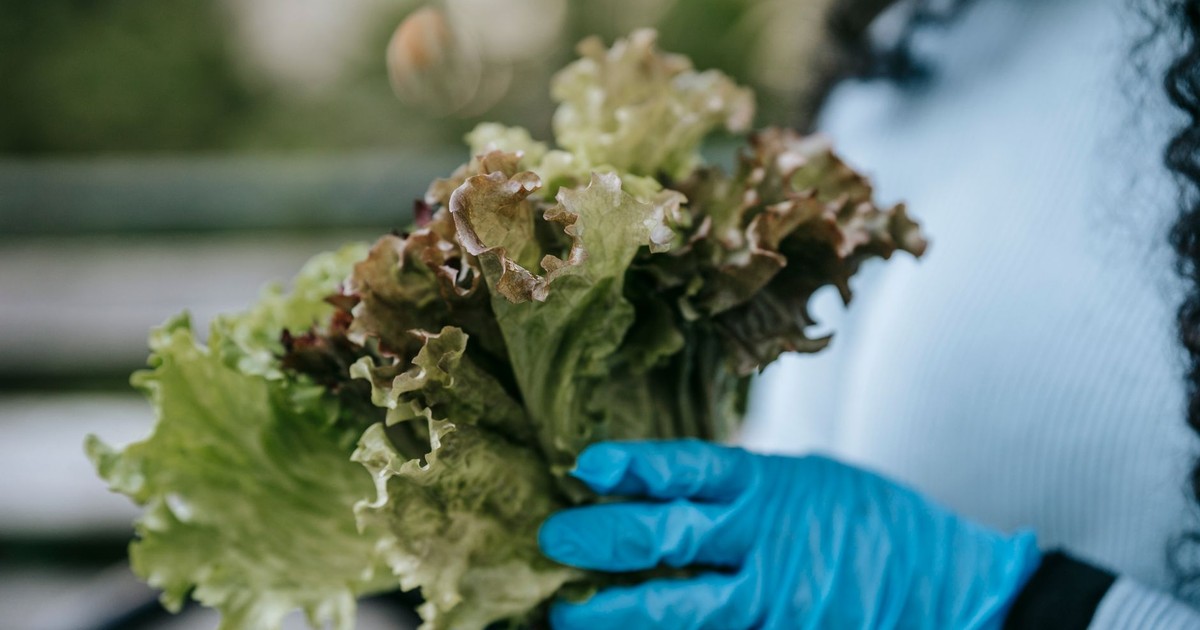

A 2019 investigation traced contaminated fresh basil exported to the United States by Siga Logistics de RL de CV, located in Morelos, Mexico, as the likely source of an 11-state outbreak. In that case and many others, the parasite’s origin was irrigation water contaminated with human waste during growing, rather than any failure at the point of distribution or retail.
The vulnerability is intrinsic to how produce is grown. Cyclospora can be associated with irrigation water, and crops that see significant exposure to water in the field carry elevated risk. As food scientist Dr. Donald Schaffner of Rutgers University explained, anything irrigated could, in principle, be a risk.
Why Washing Isn’t Enough
Thorough washing reduces risk but does not remove it. Raspberries are particularly difficult to clean because they are covered in tiny hairs that the Cyclospora parasite clings to, and standard rinsing under running water cannot remove the parasite from these surface structures. The challenge is similar for leafy greens with textured surfaces, bagged salad mixes, and fresh herbs like cilantro and basil.
Cooking is the most reliable protective measure: heating food to 158 degrees Fahrenheit or higher kills Cyclospora. For fresh produce consumed raw (salads, raspberries, fresh herbs), that option is often not practical, which is part of why these foods repeatedly appear at the center of outbreaks.
The Surveillance Gap Question
The investigation has reignited a debate about the consequences of scaling back federal foodborne illness tracking. Before July 1, 2025, the CDC’s Foodborne Diseases Active Surveillance Network, known as FoodNet, collected data on eight pathogens including Cyclospora. The network now only actively collects information on two pathogens: salmonella and an especially dangerous kind of E. coli. Tracking for the rest, including Cyclospora, became optional.
Writing in Forbes, science journalist Victoria Forster reported that Barbara Kowalcyk, PhD, director of the Institute for Food Safety and Nutrition Security at George Washington University, stated that public health funding cuts had impacted the current activities related to the Cyclospora outbreak. Kowalcyk explained that staffing limitations affect the speed of investigations, particularly when investigators need to interview patients about possible exposures, and that delays make it more difficult to identify common exposures because patients may struggle to remember what they ate weeks earlier, with contaminated food potentially no longer available for testing.
Others pushed back on the most direct version of that argument. Craig Hedberg, a professor in the Division of Environmental Health Sciences at the University of Minnesota, noted that FoodNet is not intended to detect outbreaks, and that Cyclospora surveillance has not been reduced as a result of changes to FoodNet, because the parasite remains a nationally notifiable disease.
FoodNet is used to track illness trends over time, not monitor foods to prevent outbreaks. But a lack of federal resources does make it harder for the CDC and its state partners to resolve outbreaks once they begin.
Former CDC Director Dr. Robert Redfield put it plainly to CNN: “I don’t think it’s in our country’s interest to cut these programs back. Surveillance is sort of the key to early identification.”
Symptoms, Diagnosis, and Treatment
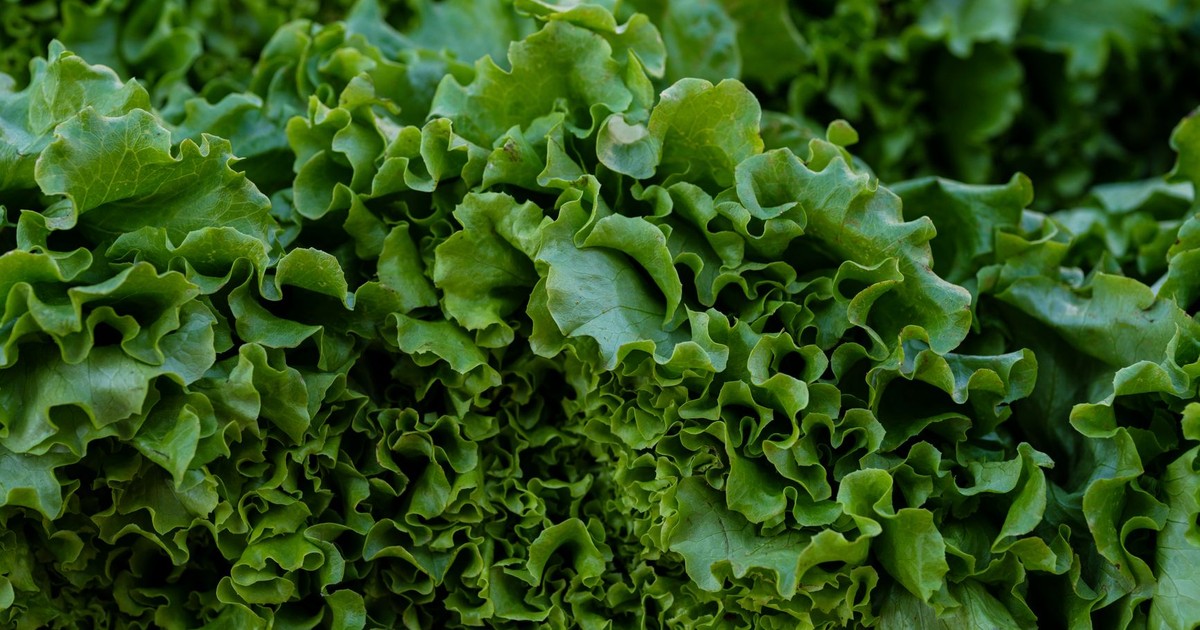
The parasite causes diarrhea, cramps, nausea, and fatigue, with an incubation period of approximately 7 to 10 days after exposure. The episodes of severe diarrhea can last for weeks, and without treatment, the illness can be both disabling and prolonged.
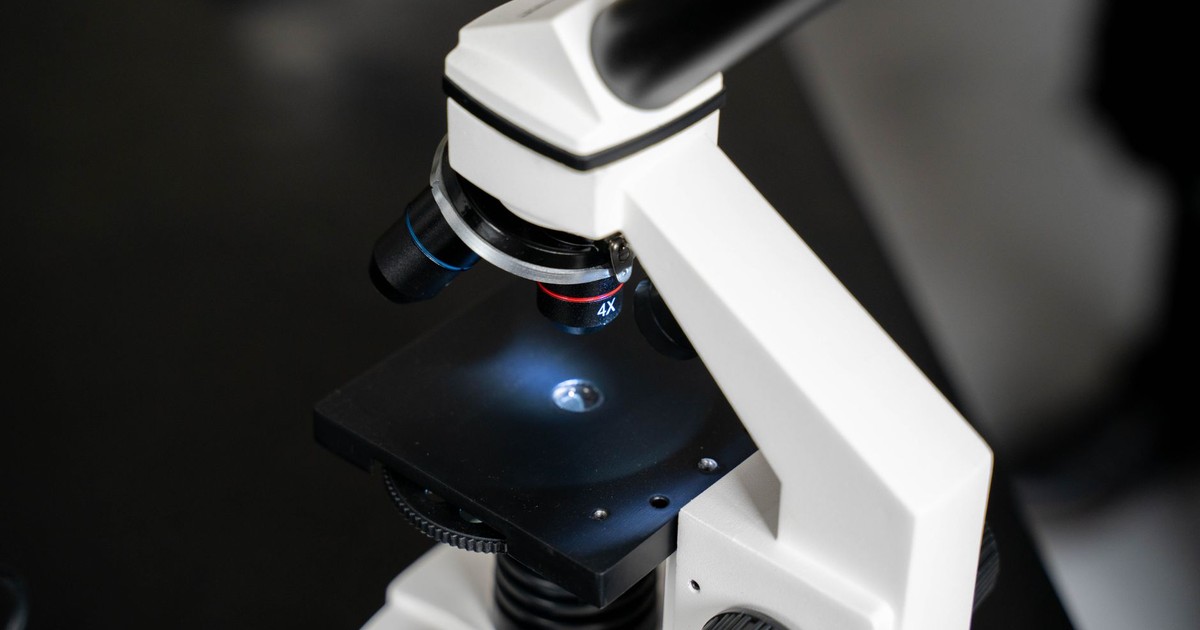
One of the most clinically significant complications in the current outbreak is diagnostic. Routine stool cultures and many standard diarrhea panels miss Cyclospora entirely; clinicians must explicitly request modified acid-fast staining or PCR testing, particularly for patients presenting with persistent watery diarrhea without a clear cause.
Trimethoprim-sulfamethoxazole remains the preferred antibiotic therapy; alternative regimens for patients with sulfa allergies are less validated, and untreated disease can last weeks with possible relapse even after apparent recovery. Most patients recover fully with appropriate treatment, though immunocompromised individuals may experience prolonged illness.
Person-to-person spread is highly unlikely, according to the CDC, which means household contacts of someone who is sick do not need to isolate, though anyone preparing food for others while symptomatic should be especially careful about handwashing.
Read More: The Brain Supplement Men Take Daily Found to Potentially Shorten Lifespan
What This Means If You’re Eating Salad Right Now
No recall has been issued, no single product has been named, and the investigation is still running weeks behind the exposure window. That is not unusual for Cyclospora, but it does mean there is no clean consumer guidance of the kind people are used to: no “throw away the romaine” moment, no specific brand to avoid.
What investigators do know, based on decades of prior outbreaks, is that pre-washed bagged salads and mixed greens carry more risk than whole heads of lettuce because the parasite can survive washing and is harder to remove from the textured surfaces common in processed salad products. Michigan health officials have specifically recommended buying whole heads rather than bagged mixes, removing the outer layers of leaves, and washing the inner leaves under running water for at least a minute. It is not a guarantee, but it is the best available guidance while the investigation continues.
Anyone who has developed persistent watery diarrhea, particularly if it has lasted more than a few days without improvement, should tell their doctor to test specifically for Cyclospora. Standard stool panels will not catch it. The antibiotic treatment, once the diagnosis is confirmed, is widely available and inexpensive.
The broader question of whether cuts to federal surveillance infrastructure have slowed this investigation down does not have a clean answer yet. What is clear is that the trail investigators are following gets colder every day: produce already eaten, receipts already discarded, and memories already fading of what was on the plate three weeks ago. Some outbreaks get resolved. Some never do. The difference usually comes down to how fast investigators can move, and right now, they are not moving fast enough to stay ahead of this one.
AI Disclaimer: This article was created with the assistance of AI tools and reviewed by a human editor.