
The argument that religion predates civilization is not a philosophical claim. It’s an archaeological one. Human beings were performing burial rituals, painting caves, and arranging bodies with ochre and offerings tens of thousands of years before the first city rose from the Mesopotamian plain. Whatever they were doing, they were doing it deliberately – and that deliberateness is what separates a grave from a dumping ground.
Pinning an exact founding date to most of the oldest religions in the world is essentially impossible. Most age-old religions face this problem. Unlike modern institutions, they rarely have a single “birthday” or founding date. They grew across centuries, absorbed neighboring practices, were renamed by conquerors, and reinvented themselves in response to drought, plague, and empire. The dates historians use are starting points for a conversation, not facts carved in stone – though some of them literally were.
What follows is a chronological survey of the 15 oldest religions in the world, ranked from most ancient to the most recently founded on this list. Some are still practiced by hundreds of millions of people today. Others survived in scattered communities against extraordinary odds. A few exist now only in the archaeological record, their prayers eroded from temple walls. All of them contributed something to the way humanity understands itself.
1. Animism (c. 100,000 BCE and earlier)
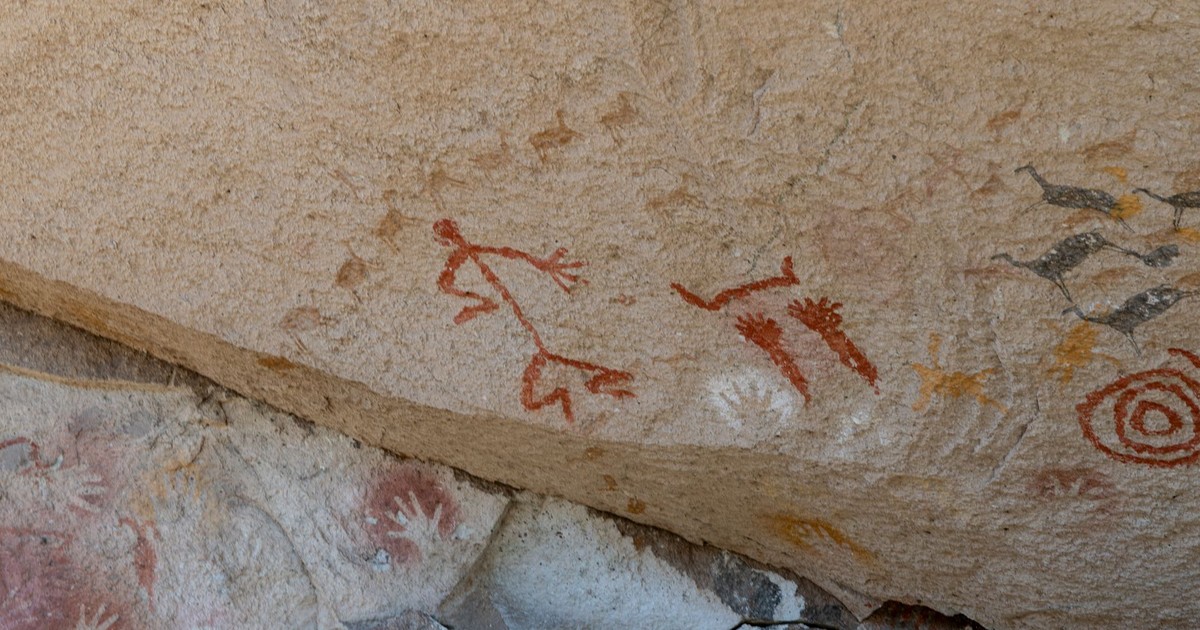
Animism is arguably the oldest spiritual practice known to humanity – a worldview that attributes living spirits to animals, plants, rivers, mountains, and natural phenomena. Archaeological evidence from burial sites, cave paintings, and ritual artifacts suggests that Neanderthals and early Homo sapiens practiced forms of spiritual ritual at least 100,000 years ago. These weren’t idle gestures. Placing a body in a deliberate position, covering it in red ochre, or tucking food and tools alongside it for a journey the dead couldn’t take alone requires belief – belief in something that continues after the breath stops.
Prehistoric religion differs from the religious format known to most 21st-century commentators, which is based around orthodoxy and religious text. Rather, prehistoric religion likely drew from shamanism, experiences of religious ecstasy, and animism. The spirits weren’t worshipped from a distance, through a priestly class. They were encountered directly – in the body of the elk you hunted, the river that flooded your camp, the mountain that blocked the sun at winter solstice.
Shamanism – the practice of individuals entering altered states to communicate with spirits – likely evolved alongside animism and remains practiced in indigenous communities across Siberia, the Americas, Africa, and Australia. Though not an organized religion in the conventional sense, animism established the foundational spiritual impulse that all later organized religions built upon. Every deity in every temple owes something to the unnamed spirit that a Neanderthal once placated with a bowl of food at the mouth of a cave.
2. Sumerian Religion (c. 4500 – 3500 BCE)
Sumerian and Akkadian peoples in ancient Mesopotamia had been worshipping some form of a mother goddess starting in the Ubaid Period, roughly 5500 – 3700 BCE. By the time the first cities rose between the Tigris and Euphrates rivers, that worship had crystallized into one of history’s most elaborate religious systems. Settled around 4500 BCE in modern-day Iraq, Sumer is the world’s oldest known civilization, and its religious tradition is among the first to leave a written record. According to the Vatican Museums, the Sumerians, the most ancient inhabitants of Mesopotamia, invented writing in the fourth millennium BCE.
The Sumerians originally practiced a polytheistic religion, with anthropomorphic deities representing cosmic and terrestrial forces in their world. Their pantheon wasn’t arbitrary. Each god had a domain tied to the realities of Mesopotamian life: Enlil governed wind and storm, Inanna ruled war and love, Nanna tracked the moon’s phases that dictated the planting season. Archaeological evidence indicates they established roughly a dozen city-states by the fourth millennium BCE, each usually dominated by a ziggurat – the tiered, pyramid-like temples associated with Sumerian religion.
Sumerian religion heavily influenced the beliefs of later Mesopotamian peoples, and elements of it are retained in the mythologies and religions of the Hurrians, Akkadians, Babylonians, Assyrians, and other Middle Eastern cultures. The earliest writings of their mythology that have been preserved were written around 2300 BCE, but the stories themselves were likely much older and orally passed down for generations – and Sumerian mythology is around 3,000 years older than the Bible. The flood narrative in Genesis has a Sumerian predecessor by nearly 1,500 years.
3. Ancient Egyptian Religion (c. 3100 BCE)
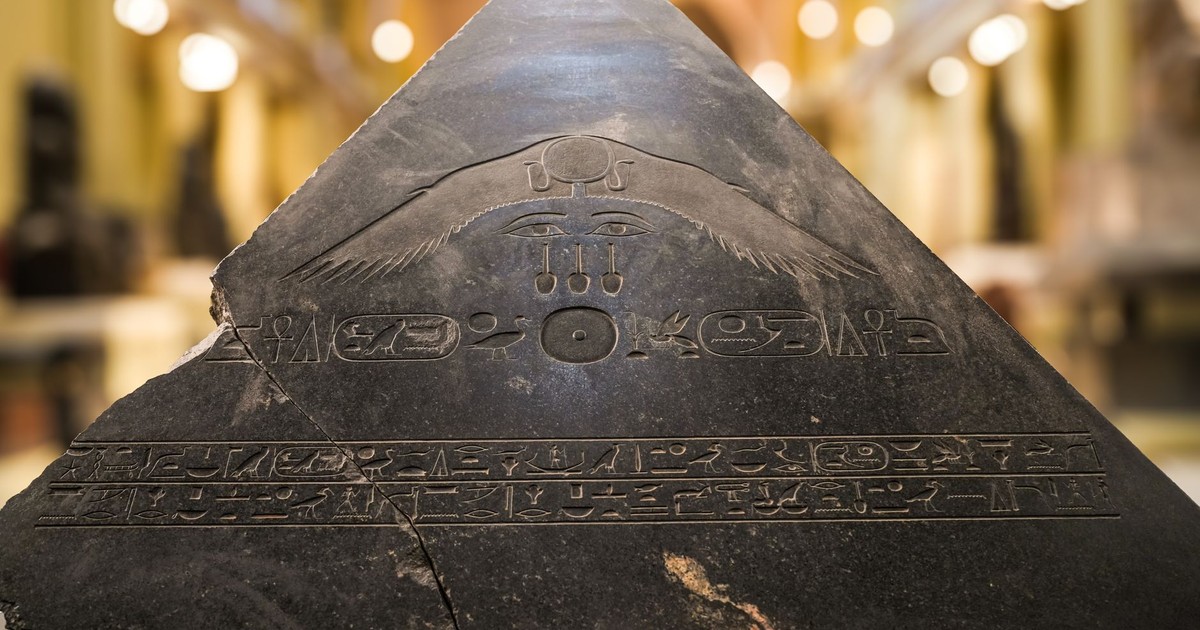
Ancient Egyptian religion encompasses the indigenous beliefs of ancient Egypt from predynastic times in the 4th millennium BCE to its disappearance in the first centuries CE. That’s an almost incomprehensibly long run – a religion practiced continuously for more than 3,000 years, through pharaohs and invasions, drought and dynasty, until Christianity finally displaced it.
Evidence of early religious practices can be traced to the Predynastic Period around 4000 BCE, when early Egyptians developed burial rituals and began honoring natural forces, animals, and certain deities. These beliefs became more formalized around 3000 BCE with the unification of Upper and Lower Egypt, laying the foundation for a highly organized religious structure.
The most important deities were the sun god – who had several names and aspects – and Osiris, the god of the dead and ruler of the underworld. Egyptian belief in the afterlife and the importance of funerary practices is evident in the great efforts made to ensure the survival of their souls after death, via the provision of tombs, grave goods, and offerings to preserve the bodies and spirits of the deceased. The Egyptian fixation on death wasn’t morbid. It was architectural. The belief that the body needed to be preserved for the soul to return drove the construction of the most recognizable monuments on earth.
4. Hinduism (c. 2300 BCE – 7000 BCE)
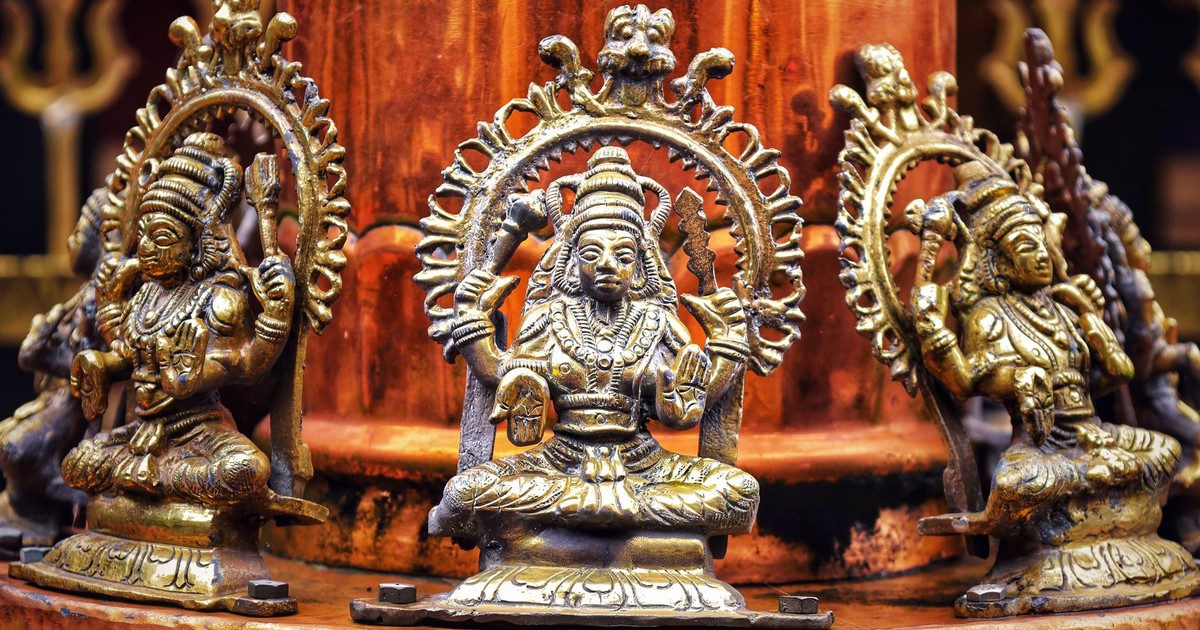
Hinduism occupies a unique position on any list of the oldest religions in the world because it defies simple dating. According to Britannica, although the name Hinduism is relatively new, having been coined by British writers in the early 19th century, it refers to a rich cumulative tradition of texts and practices, some of which date to the 2nd millennium BCE or possibly earlier. If the Indus Valley civilization (3rd-2nd millennium BCE) was the earliest source of these traditions, then Hinduism is the oldest living religion on Earth.
The clearest textual foundation for Hinduism comes from the Vedic period (1500-500 BCE), during which Indo-Aryan people migrated to the Indus Valley and became a dominant cultural force. Over time, they composed the Vedas – meaning “knowledge” in Sanskrit – a collection of texts and hymns describing deities, mythologies, and rituals. The religion that produced the Rigveda is recognizably related to the Hinduism practiced by over a billion people today.
What makes Hinduism extraordinary isn’t just its age. It’s the fact that it adapted. In the Bronze Age cities of the Indus Valley, archaeologists have found various artifacts like seals, figurines, and symbols pointing to the origins of Hinduism – including depictions of figures seated in yogic positions, stone and bronze sculptures of animals and trees, and phallic symbols similar to those associated with the Hindu god Shiva. Millions of people around the world continue to practice the teachings of Hinduism, largely concentrated in India, Nepal, and parts of Southeast Asia.
5. Ancient Chinese Religions (c. 2000 BCE)
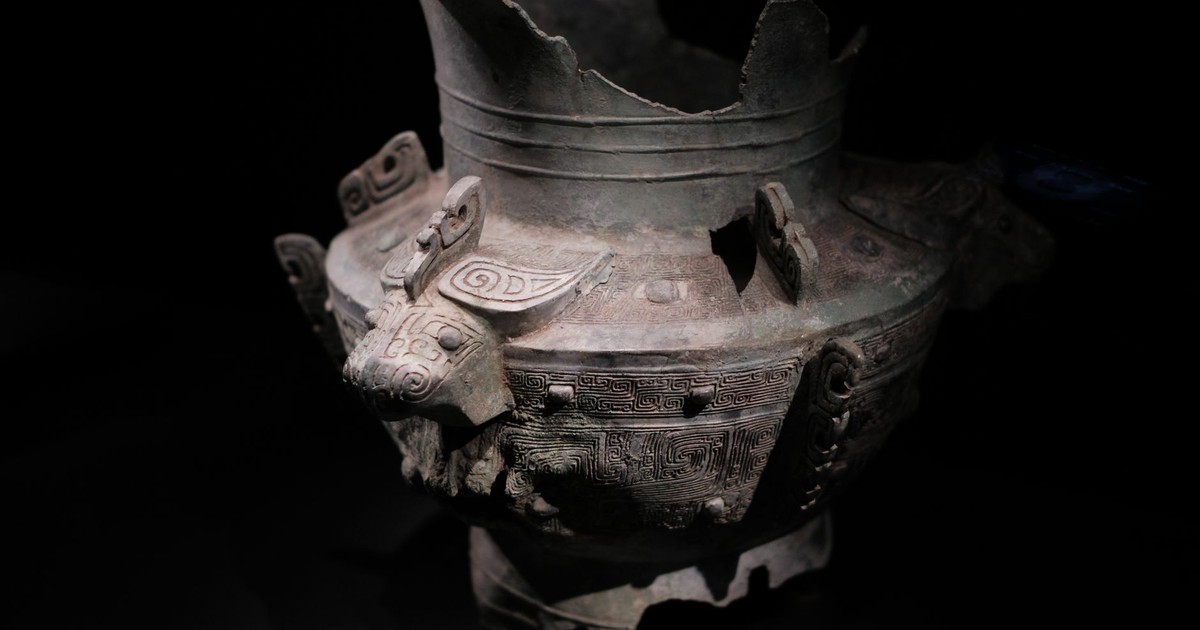
In ancient China, religion is thought to have developed as early as c. 4500 BCE, as evidenced by designs on ceramics found at the Neolithic site of Banpo Village. This early belief structure may have been a mix of animism and mythology, as these images include recognizable animals and pig-dragons, precursors to the famous Chinese dragon.
By the Shang dynasty (c. 1600 – 1046 BCE), Chinese religious practice had developed into a sophisticated system centered on ancestor veneration, divination, and worship of a supreme deity called Shangdi. The polytheistic religion of the Chinese Shang dynasty reached its mature form between 1300 and 1046 BCE. The famous oracle bones – tortoise shells and cattle shoulder blades heated until they cracked, then “read” for divine messages – are among the most vivid artifacts of early organized religion anywhere on earth.
This ancient tradition fed directly into later Chinese religious movements. Taoism, Confucianism, and Chinese Buddhism all grew from a soil already rich with ancestor worship, cyclical cosmology, and reverence for natural forces. The dragons, the jade emperors, the rituals tied to the lunar calendar – all of it runs through an unbroken thread from those Shang dynasty oracle pits.
6. Judaism (c. 2000 BCE)

Judaism is the oldest of the Abrahamic monotheistic faiths, tracing its origins to Abraham’s covenant with God approximately 4,000 years ago and Moses receiving the Torah around 1300 – 1200 BCE. The Hebrew Bible – the foundational scripture – represents one of the world’s most influential collections of religious literature. Judaism introduced the revolutionary concept of a single universal God to world religious thought, along with the importance of ethical law and the notion of a chosen people with a covenant-based relationship with the divine.
Judaism evolved over centuries through the teachings and traditions of Abraham, Moses, and other early figures, rather than beginning on a specific date. Some argue it has a direct history that’s over 4,000 years old, while some scholars claim that people only started truly practicing Jewish traditions and identifying as Jews much later. What’s undisputed is the result: a tradition that has survived conquest, diaspora, the destruction of the Temple, and millennia of persecution and still maintained a coherent theological and cultural identity.
Recent excavations at sites mentioned in the Hebrew Bible have uncovered artifacts from the late Iron Age that align with the historical context of Exodus-era narratives, offering tangible texture to stories that have guided Jewish practice for three millennia.
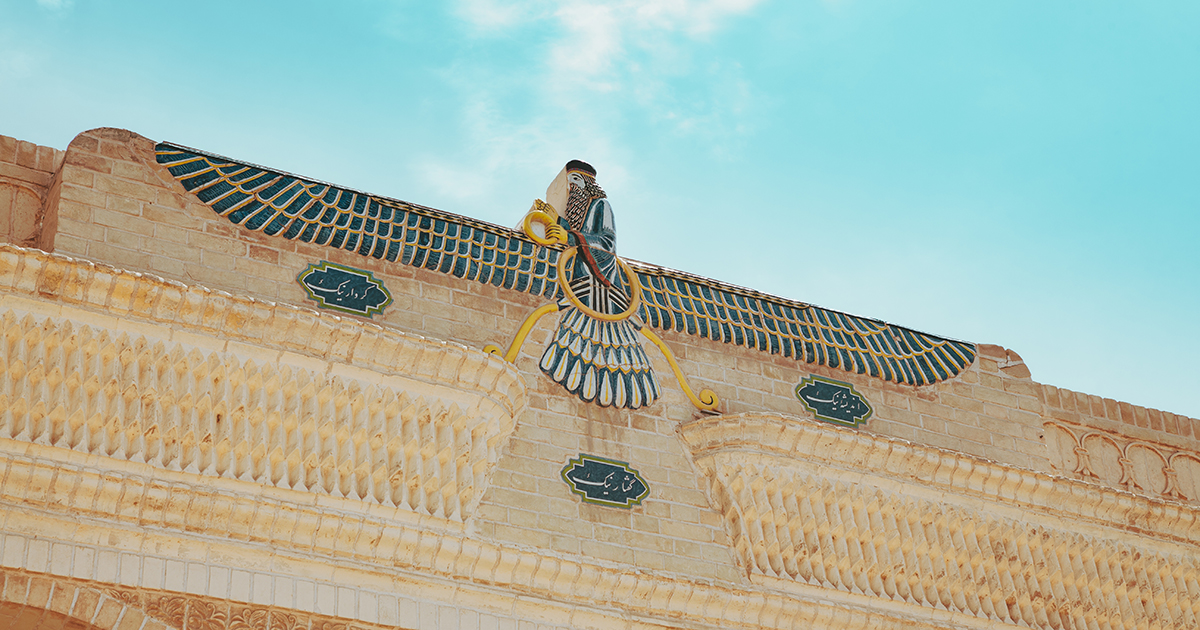
7. Zoroastrianism (c. 1500 – 1200 BCE)
Zoroastrianism is an ancient Persian religion that may have originated as early as 4,000 years ago. Arguably the world’s first monotheistic faith, it’s one of the oldest religions still in existence. According to History.com, the prophet Zoroaster – known as Zarathrustra in ancient Persian – is regarded as the founder of Zoroastrianism. Most of what is known about Zoroaster comes from the Avesta, a collection of Zoroastrian religious scriptures, and it’s unclear exactly when he may have lived. Some scholars place him as early as 1500 BCE; others as late as the 6th century BCE.
Zoroastrians worship only one God, called Ahura Mazda, the supreme being. The faith is defined by a dualistic focus on good versus evil, heaven versus hell. At one point it was considered one of the most powerful religions in the world, and it shares many major concepts with Judaism, Christianity, and Islam. Many scholars argue that Zoroastrianism’s influence on the exiled Jewish population in Babylon helped shape the concepts of Satan, apocalypse, and resurrection that later became central to all three Abrahamic faiths.
Zoroastrianism was the state religion of three Persian dynasties until the Muslim conquest of Persia in the seventh century CE. Zoroastrian refugees, called Parsis, escaped to India. Today Zoroastrianism has an estimated 100,000 to 200,000 worshipers worldwide and is practiced as a minority religion in parts of Iran and India. Fire temples still burn in Mumbai, Tehran, and diaspora communities across the world.
8. Jainism (c. 800 BCE)
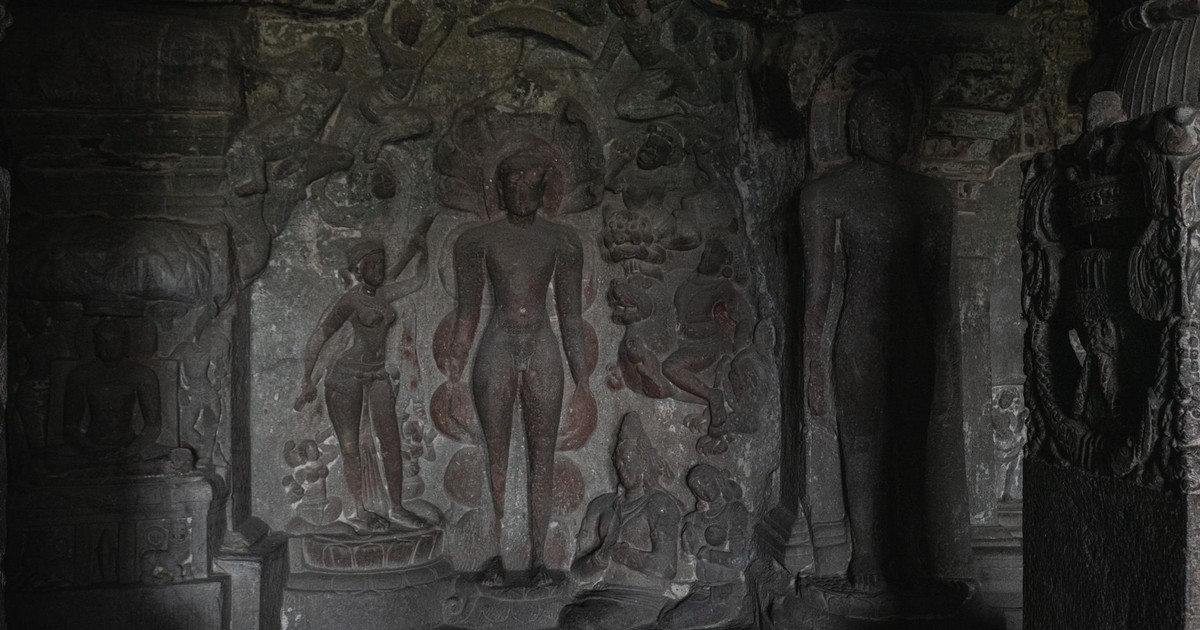
Once a dominant religion on the Indian subcontinent, Jainism has fairly obscure origins. According to Wikipedia’s history of Jainism, Jains trace their history through a lineage of twenty-four tirthankaras (ford-makers), revering Rishabhanatha as the first in the present time-cycle. Scholarly consensus places its verifiable historical roots in the 9th-8th century BCE, with Parshvanatha and Mahavira widely accepted as historical figures. Mahavira is viewed by scholars not as a founder, but as a reformer of the pre-existing community established by Parshvanatha.
Jainism is characterized by principles of non-violence, non-possessiveness, and asceticism. Its commitment to ahimsa – non-harm to all living beings – is absolute. Devout Jain monks sweep the path before them to avoid stepping on insects and wear cloth masks to avoid inhaling them. This isn’t performance. It’s a logical extension of the belief that all living things possess souls of equal worth.
Jainism has between four and five million followers, known as Jains or Jainas, residing mostly in India, with diaspora communities in North America, Europe, and East Asia. That’s a small count for a tradition nearly three thousand years old, but Jainism has punched far above its demographic weight. Its philosophical influence on Gandhi’s concept of non-violent resistance shaped one of the 20th century’s most consequential political movements.
9. Ancient Greek Religion (c. 800 BCE)
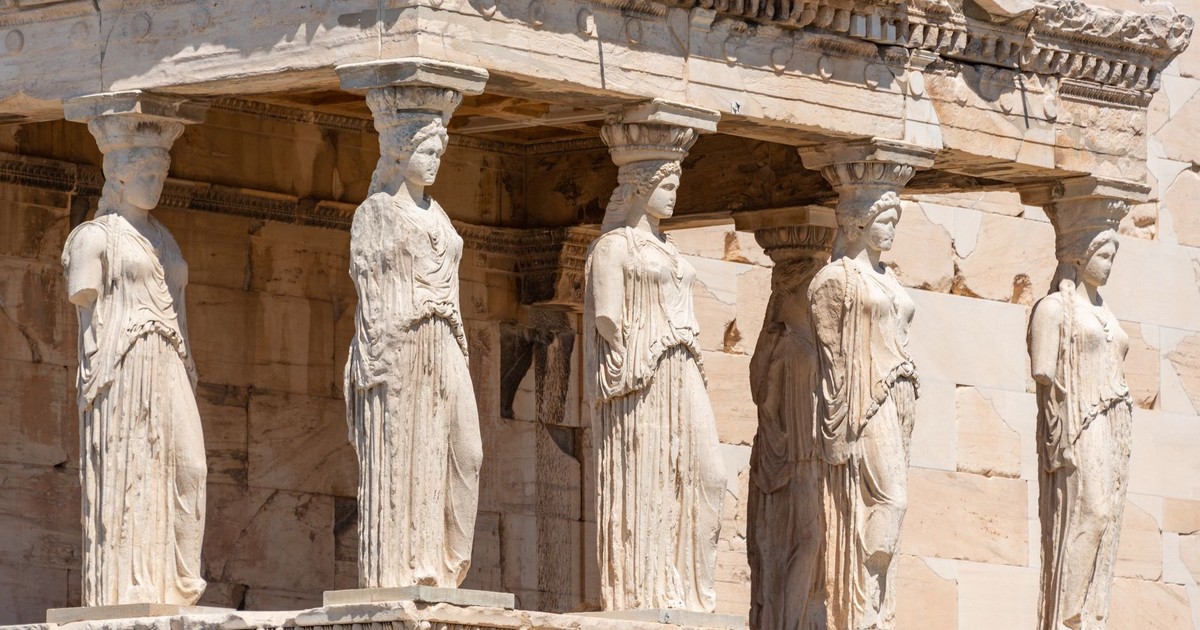
The ancient Greek religious tradition didn’t spring from a single founding text or prophet. It grew organically from Bronze Age practices, absorbing Minoan and Mycenaean influences, until it crystallized into the pantheon of Olympian gods familiar from Homer. Religion during the Greek Dark Ages is seen as a continuation of Bronze Age Greek religion, a period that ended around 800 BCE.
The Greek gods were distinguished from most earlier divine systems by their very humanness. Zeus committed adultery, Hera nursed grudges, Achilles sulked. These weren’t perfect cosmic beings – they were amplified humans, subject to the same passions and pettiness as the mortals who worshipped them. That relatability made Greek religion enormously generative: it produced tragedy, comedy, philosophy, and science all from the same set of theological premises.
Greek religion was officially supplanted by Christianity following Emperor Theodosius I’s declaration of Nicene Christianity as the state religion of the Roman Empire in 380 CE. But the tradition didn’t vanish. Modern pagan religions are based on the pre-Christian practices of protohistoric Bronze and Iron Age societies, and Greek mythology remains one of the most referenced cultural frameworks on earth.
10. Buddhism (c. 500 – 400 BCE)
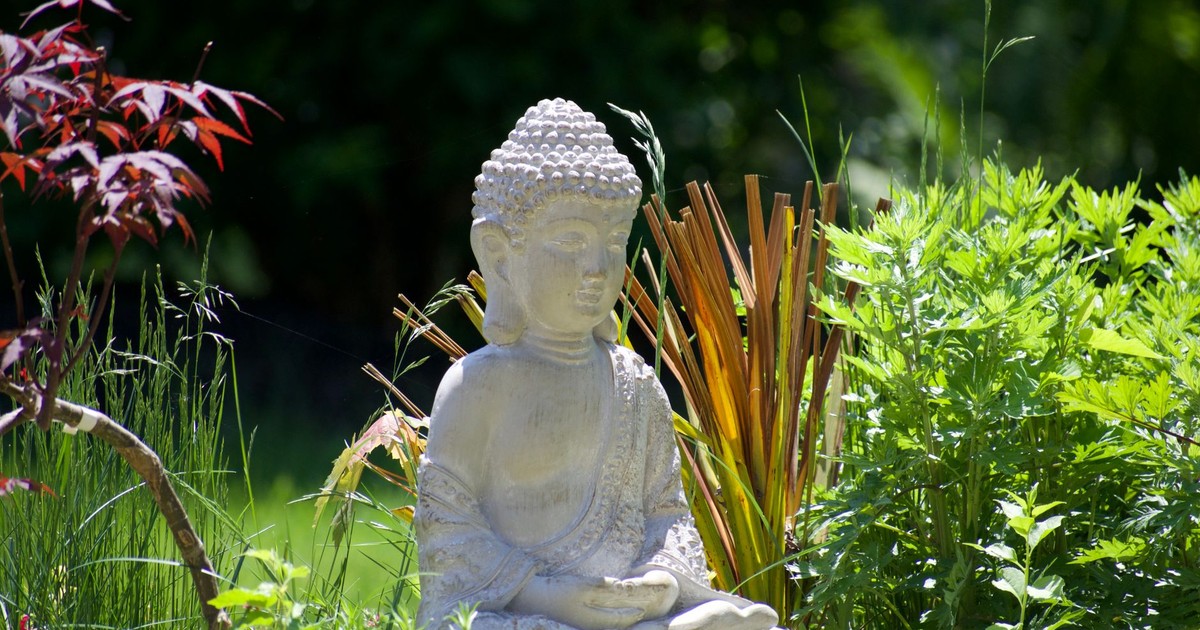
Unlike most other religions on this list, Buddhism has a fairly clear history: it begins with one man, Siddhartha Gautama, known as the Buddha. Based in the northernmost regions of the Indian subcontinent – most likely in present-day Nepal – roughly between the 6th and 5th centuries BCE, he was the founder and leader of his own monastic order, one of many sects that existed across the region at the time.
The Buddha’s teachings – the Four Noble Truths and the Noble Eightfold Path – offer a practical framework for achieving liberation through ethical conduct, meditation, and wisdom. Buddhism’s remarkable adaptability, absorbing and transforming across dozens of cultures while maintaining its core insights, is unparalleled in religious history. It moved from India to Sri Lanka to Southeast Asia to China to Japan to Tibet, and each time it arrived somewhere new it found a way to integrate without losing itself.
Today Buddhism is the fourth-largest religion with over 500 million adherents worldwide. In the last 30 years it has also become one of the fastest-growing spiritual traditions in the Western world, where its emphasis on meditation and the reduction of suffering found a ready audience in cultures drowning in anxiety.
11. Taoism (c. 500 – 400 BCE)
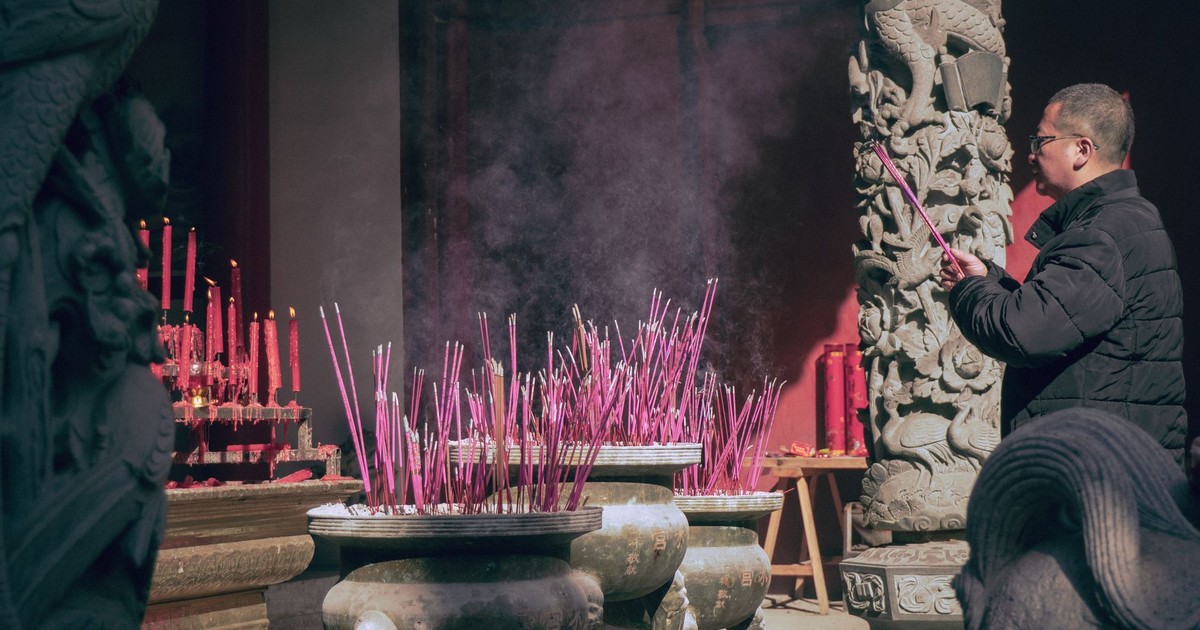
Taoism can be traced with some certainty to a work attributed to the mythical Laozi, said to have been a contemporary of Confucius – the Tao Te Ching – whose oldest recorded edition dates back to the 4th century BCE. The text itself is 81 short chapters long. Most are under a page. Yet its influence on Chinese philosophy, governance, medicine, and art over the following two and a half millennia is almost impossible to overstate.
Taoism is based on the teachings of the Tao Te Ching, which emphasizes spiritual harmony within the individual. There are two main schools within Taoism: philosophical Taoism (Tao-chia) and religious Taoism (Tao-chiao). The philosophical branch treats the Tao – meaning “the way” – as an impersonal force underlying all reality. The religious branch developed temples, deities, liturgy, and a priesthood. The two strands have existed in tension and collaboration for centuries.
Taoism’s central idea – that the universe has a natural flow and that human suffering comes from fighting rather than moving with it – has aged remarkably well. It appears, in translated form, in cognitive behavioral therapy, in ecological philosophy, and in the contemplative traditions of cultures worldwide.
12. Confucianism (c. 500 BCE)

Confucianism must be traced to one man: the Chinese politician, teacher, and philosopher Confucius (551 – 479 BCE), though he himself maintained he was part of a scholarly tradition dating back to an earlier golden age. Confucius wasn’t trying to found a religion. He was trying to fix a society he saw falling apart. His prescription was a return to ritual propriety, filial piety (respect for parents and ancestors), and ethical governance.
Believers of Confucianism see it as a system of social and ethical philosophy. Over time, Confucianism had a strong impact on the spiritual and political life of the Chinese people. Its influence spread across much of East Asia, including Korea, Vietnam, and Japan. The concept of the examination system – governing by meritocracy rather than pure hereditary right – was directly Confucian in origin and shaped Chinese governance for over a thousand years.
Whether Confucianism counts as a religion in the Western sense is a longstanding debate. It has no creation myth, no deity to worship, and no afterlife theology to speak of. What it has is ritual, hierarchy, and a moral framework that demands constant self-improvement. That’s either a religion or a philosophy, depending on how strict your definitions are.
13. Shinto (c. 700 BCE and earlier)

While many people believe that Shinto did not officially begin until after Buddhism was introduced to Japan around the 6th century BCE, there is recorded history mentioning Shinto’s roots from around 700 BCE, although archaeological records date back further. Shinto has no founder, no canonical scripture, and no fixed creed. It is a practice of reverence for kami – divine spirits that inhabit natural objects, places, and phenomena – and for the ancestors whose energy continues to shape the living.
After Buddhism arrived in Japan, many Buddhist elements were mixed into Shinto faiths and traditions, as well as Confucian ones. The ruling aristocracy eventually combined all three religions and developed Shinto as a way to guide Japan’s people. This blending is characteristic of Japanese religious life more broadly: surveys consistently show that most Japanese people practice both Shinto and Buddhism simultaneously, without experiencing any contradiction.
Shinto was officially designated as Japan’s state religion during the Meiji Period (1868 – 1912). Today, both Shinto and Buddhism are closely tied to Japan’s society and culture. The practice of visiting a Shinto shrine at New Year’s, of marking births and marriages with Shinto rites and funerals with Buddhist ones, remains one of the most distinctive features of contemporary Japanese life.
14. Christianity (c. 30 CE)
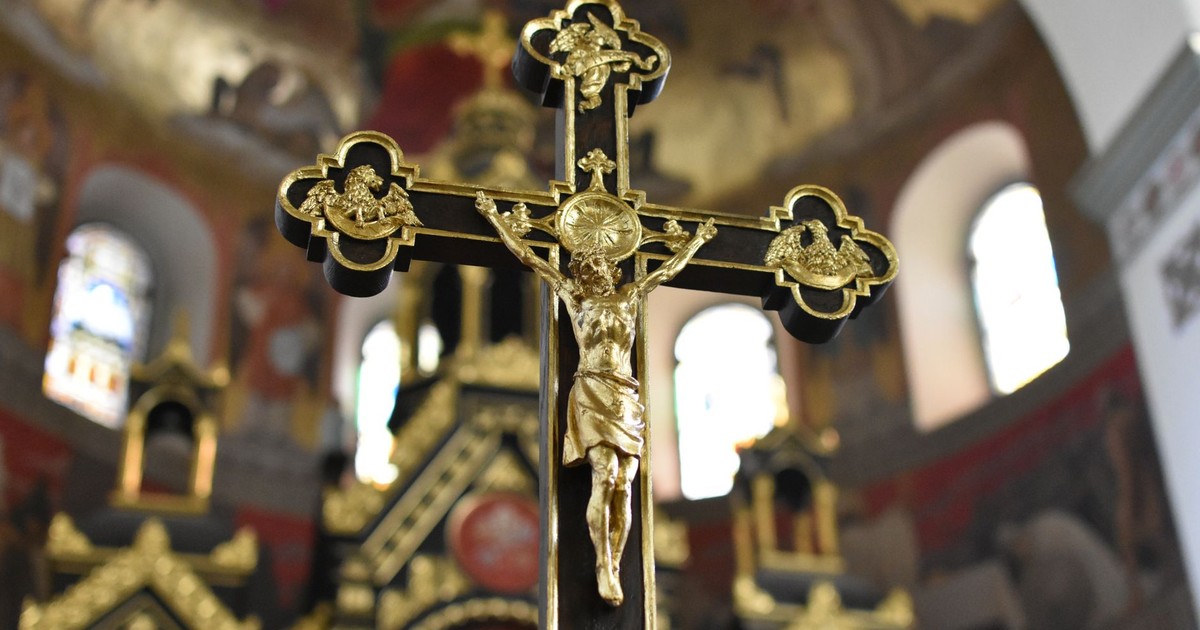
The life of Jesus of Nazareth, the central figure of Christianity, is dated to approximately 6 – 4 BCE to 30 or 33 CE. From the execution of a Jewish preacher in Roman-occupied Judea, one of the world’s most far-reaching religions was born. Its early spread was remarkable: a movement of a few hundred followers in Jerusalem became a religion practiced across the Mediterranean world within three generations.
Christianity spread rapidly throughout the Mediterranean world and was declared the official religion of the Roman Empire by Emperor Theodosius I in 380 CE. Over the centuries it divided into three major branches – Roman Catholicism, Eastern Orthodoxy, and Protestantism – each with distinct practices and traditions. Today, Christianity is practiced on every continent and has shaped the history, culture, law, and art of much of the world.
With an estimated 2.4 billion adherents, Christianity is currently the world’s largest religion. What began as a sect within Judaism – centered on the teachings of a single itinerant rabbi from Galilee – became the dominant spiritual framework of Western civilization, influencing everything from hospital systems to university curricula, from the structure of the working week to the architecture of every major European city.
15. Islam (c. 610 CE)

The youngest religion on this list is, by global adherent count, the world’s second-largest. Islam was founded by the Prophet Muhammad in the Arabian Peninsula, following the first revelations he received in approximately 610 CE in the cave of Hira near Mecca. Islam is an Abrahamic monotheistic religion based upon the teachings of the Prophet Muhammad. Within a century of Muhammad’s death in 632 CE, Islam had spread from the Arabian Peninsula to Spain in the west and the borders of China in the east – one of the most rapid religious expansions in recorded history.
Islam recognizes the same God as Judaism and Christianity, and regards both Moses and Jesus as prophets, albeit without the divine status that Christians assign to Jesus. The Quran, believed by Muslims to be the direct word of God revealed to Muhammad, is supplemented by the Hadith – recorded accounts of the Prophet’s sayings and practices. Together these texts form the basis of Islamic law, ethics, and worship.
Today Islam has approximately 1.8 billion followers across every continent. It is the majority religion across 49 countries and the fastest-growing major religion in the world by both birth rate and conversion. In a list spanning 100,000 years of human spiritual practice, that growth trajectory is among the most striking data points.
Read More: 8 Biblical Plants That Were Actually Used as Ancient Remedies (and they worked)
What Has Always Been True
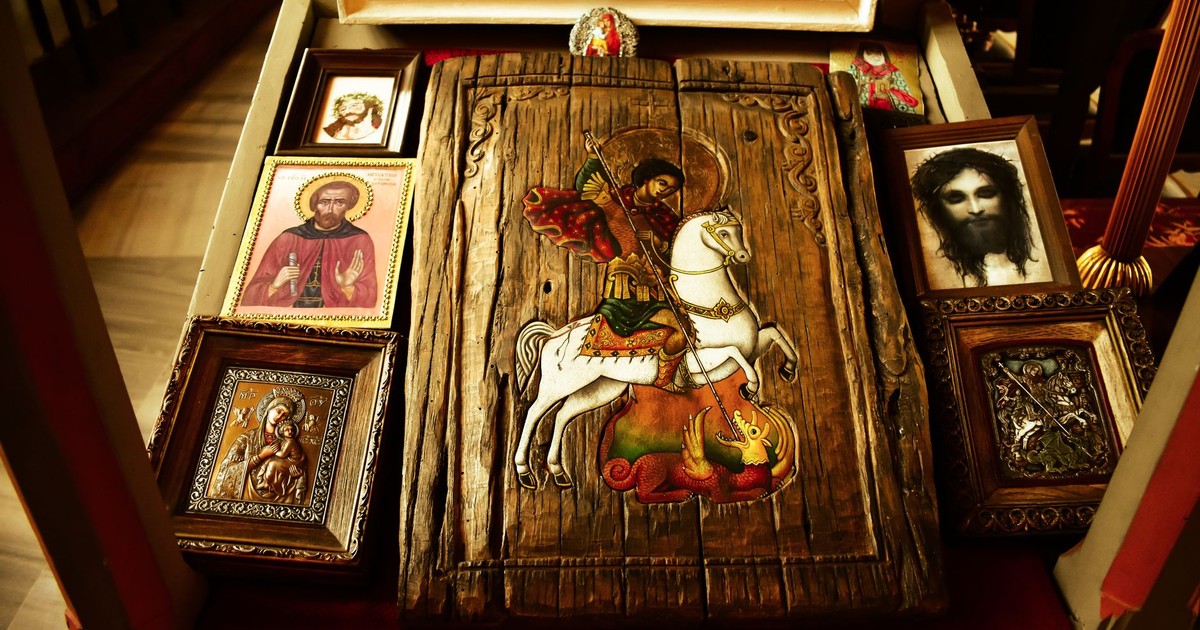
Archaeological evidence strongly suggests religious practices dating back to c. 60,000 BCE, and it seems probable that belief in an unseen spiritual world developed independently in cultures around the world, from Mesopotamia to Mesoamerica. What that tells us is something both humbling and clarifying: the urge to find meaning in existence isn’t a cultural artifact, a product of civilization, or something that arrived with writing and temples. It’s as old as we are.
Every religion on this list responded to the same handful of human questions. Why is there suffering? What happens after death? How should we treat each other? What do we owe to the forces – visible and invisible – that shape our lives? The answers vary so dramatically that they have justified wars, inquisitions, and crusades against each other. But the questions themselves are identical.
The oldest religions in the world did not emerge because human beings are superstitious. They emerged because human beings think. The cave painter at Chauvet, the Sumerian priest at the top of the ziggurat, the Buddhist monk counting his breaths – they were all working on the same problem. Some of those problems don’t get solved. They get lived with, handed down, and reconsidered by every generation that comes next. That’s not a failure of religion. That might be its entire point.
AI Disclaimer: This article was created with the assistance of AI tools and reviewed by a human editor.