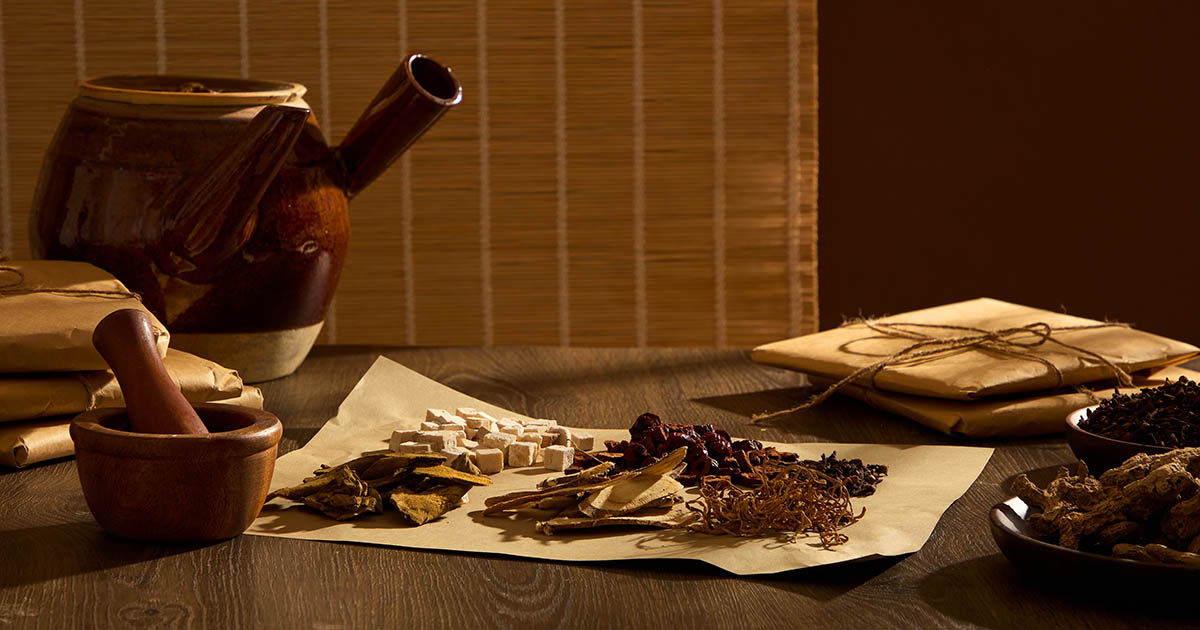

The argument that happens most in long-term relationships isn’t about money or who controls the TV remote. It’s about who noticed the thing that needed doing and who didn’t. The Bible, it turns out, has a similar kind of overlooked precision. More than 600 plant references are scattered across its pages, but they’re not background detail. Some of them are formulas, written with specific quantities, specific species, specific intended effects on the human body.
For centuries, the botanical content of scripture was treated as spiritual scenery, a fragrant backdrop to sacred events. Researchers changed that framing when they began cross-referencing biblical plant names with parallel records from ancient Egypt, Mesopotamia, and the archaeological digs of the Levant. A working pharmacopoeia came into focus: not miracle cures, but practical medicine, recorded in one of the most widely distributed texts in history.
These eight plants are where the history becomes genuinely interesting. Some of their ancient uses have since been confirmed by modern laboratory and clinical research. Others still sit at the edge of what science has had time to investigate properly. All of them were traded, cultivated, and depended upon by people who had no other options, and who, judging by the evidence, knew exactly what they were doing.
Myrrh
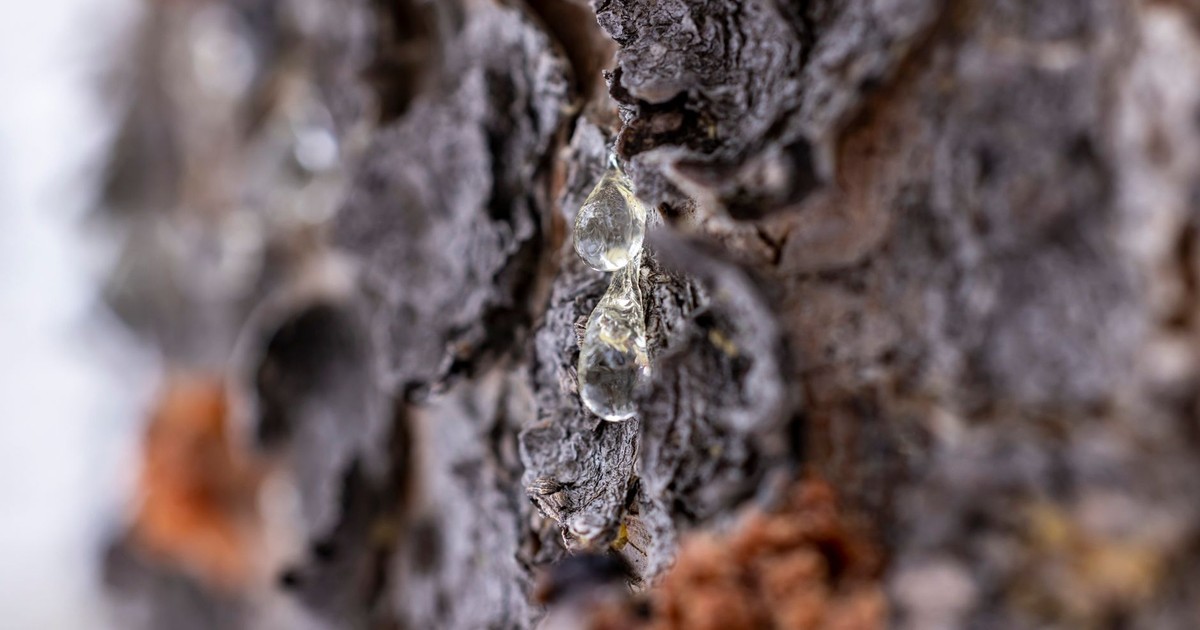
Myrrh comes from the sap of Commiphora trees, native to the Arabian Peninsula and parts of northeast Africa. It was one of the most valuable substances in the ancient world. In the Bible, it appears in three key moments: as one of the gifts brought by the Magi to the infant Jesus, as part of the burial spices used for his body, and as a component in the holy anointing oil described in Exodus. The word itself comes from the Arabic “murr,” meaning bitter.
Greek and Roman soldiers carried myrrh to treat wounds and sores, valuing it specifically for its action on mucosa and its antiseptic properties. It was also used as a general tonic and disinfectant, and applied internally to treat indigestion. Written references to myrrh as both a perfume and herbal medicine date back to Herodotus in the fifth century BC.
Modern research confirms that myrrh contains potent bioactive compounds supporting wound healing, inflammation reduction, and antimicrobial defense. Clinical studies have shown that topically applied myrrh oil can accelerate wound healing by promoting cellular regeneration and reducing bacterial contamination at injury sites. Most studies to date remain preliminary, working primarily with test-tube or animal research, and more human trials are needed to confirm the full scope of its effects.
Frankincense

Frankincense, the resin of Boswellia trees, has been used in traditional medicine for thousands of years. Tapped in a process similar to maple syrup, the resin was known in Ayurveda as Shallaki and used for centuries to treat inflammatory conditions, joint disorders, and respiratory ailments, with Ayurvedic formulations combining it with other botanicals particularly for managing rheumatoid arthritis and osteoarthritis.
The active compounds driving those effects are boswellic acids. The compound known as AKBA is identified as one of the primary anti-inflammatory agents, working by inhibiting enzymes involved in producing leukotrienes, the inflammatory molecules responsible for pain, swelling, and stiffness. Ancient healers likely worked around the body’s absorption challenges by applying frankincense preparations directly to skin.
Beyond inflammation, frankincense has notable antimicrobial and wound-healing properties. A 2025 study published in Frontiers in Medicine assessed the antimicrobial and antioxidant properties of Boswellia sacra resin and found it effective against resistant bacterial strains, with results supporting its traditional use for skin infections and inflammatory skin conditions. The study also confirmed antioxidant activity from compounds including boswellic acids and flavonoids. These dual properties, fighting both bacteria and oxidative damage, go some way to explaining why frankincense was present at every significant moment in ancient ritual life, from anointing the living to preserving the dead.
Hyssop
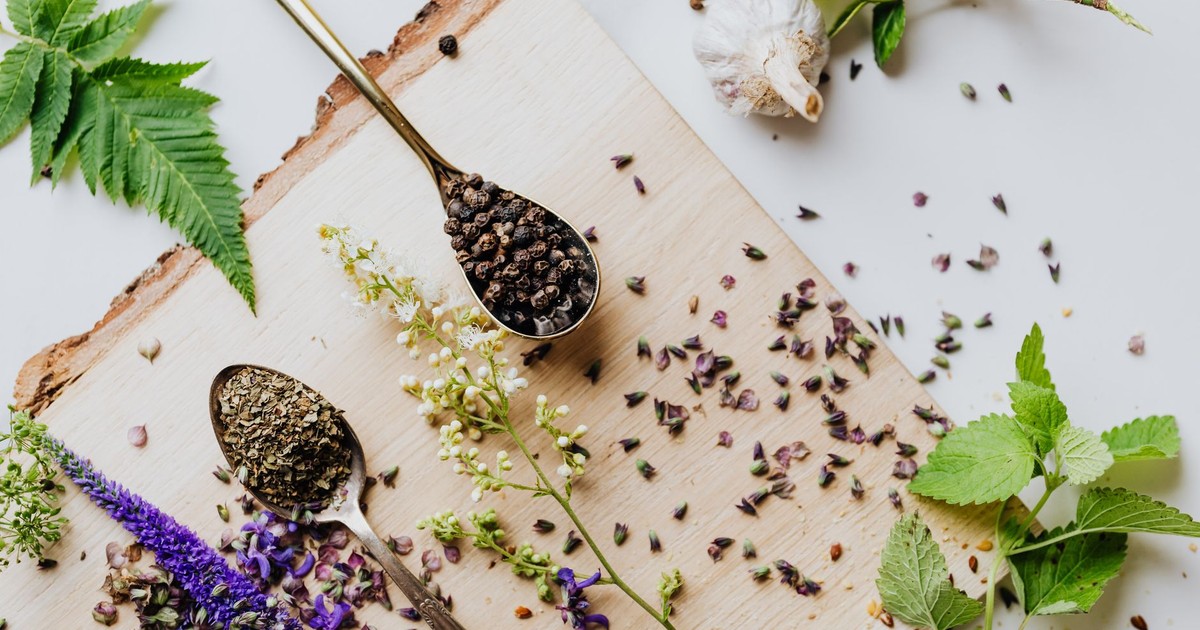
Hyssop was a bitter, aromatic herb indigenous to the Middle East, widely valued not just for ritual purification but for its medicinal properties. It was a popular natural remedy for respiratory illness and was also commonly used to disinfect and clean wounds. Its distinct scent made it a recognizable part of ancient daily life throughout the Near East.
Hyssop is mentioned in Psalm 51:7 in the plea “Purge me with hyssop, and I shall be clean,” and again in John 19:29, when a sponge soaked in vinegar was lifted to Jesus on a stalk of hyssop during the crucifixion. That second reference is more than symbolic. Hyssop was the most common, accessible herb for cleansing and relief. If someone was thirsty and in pain, hyssop was the plant you’d reach for.
The botanical identity of biblical hyssop has been debated for centuries. An exception to the general ambiguity is the use of Origanum syriacum by the Samaritans in exactly the same manner as in biblical times. Modern analysis of Origanum syriacum shows it to be closely related to common oregano, which goes some way toward explaining its antimicrobial reputation. It has since gained recognition as an ancient herb with cleansing and healing properties against some of the most dangerous microbes facing medicine today.
The Olive Tree
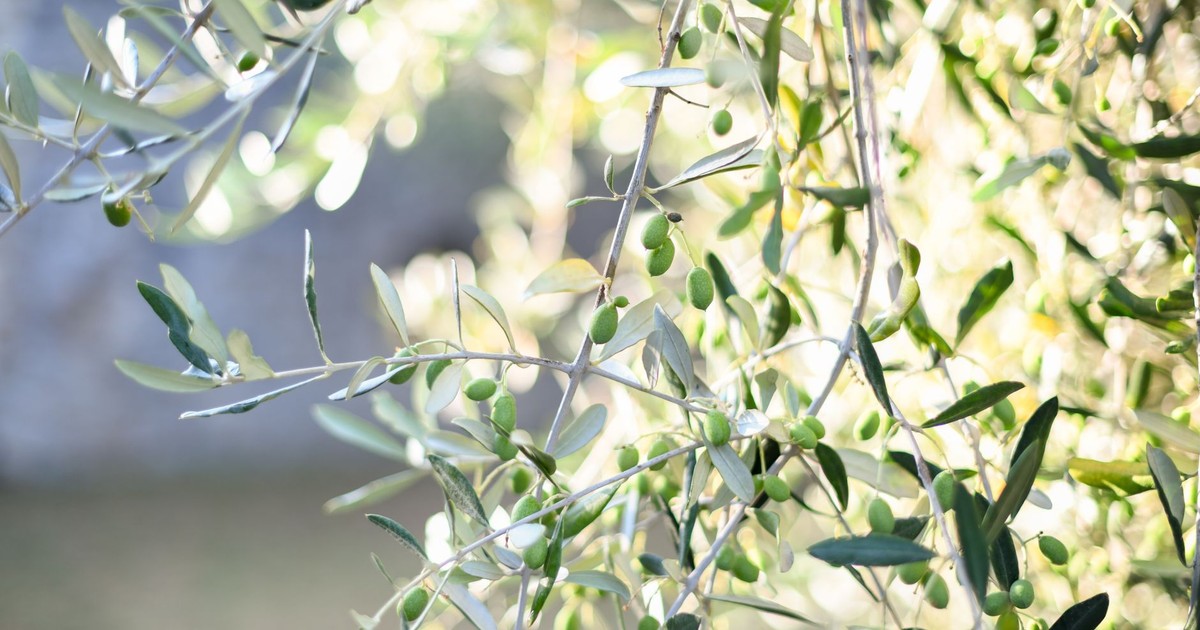
Olive oil’s role in ancient medicine went well beyond cooking. It was the universal carrier, the base ingredient that made every other plant medicine work. Ancient people used it to anoint wounds or skin conditions, applying it directly to alleviate irritation and dry skin and to support healing. In Exodus 30:22-25, Moses received a specific formula: liquid myrrh, fragrant cinnamon, fragrant calamus, cassia, and around a gallon of olive oil, to be made into a sacred anointing oil. The oil was the medium that carried all the active resins and plant compounds into the skin.
In the New Testament, the Good Samaritan pours olive oil and wine onto the wounds of the injured man. That combination wasn’t incidental. Olive oil acted as a soothing barrier and carrier, while wine’s alcohol content provided antiseptic action. It’s one of the earliest documented examples of a two-ingredient wound treatment, and both ingredients were chosen for practical reasons that still hold up.
The olive’s centrality in ancient medicine extended far beyond religious texts. As herbal knowledge traveled along trade routes from cities to rural areas, and as Greek and Roman physicians expanded on Egyptian botanical practice, the olive remained a constant. It was cheap enough to be available to everyone, effective enough to be present in the formulas of the wealthy, and stable enough to keep the active compounds in other plants viable long enough to use.
The Balm of Gilead
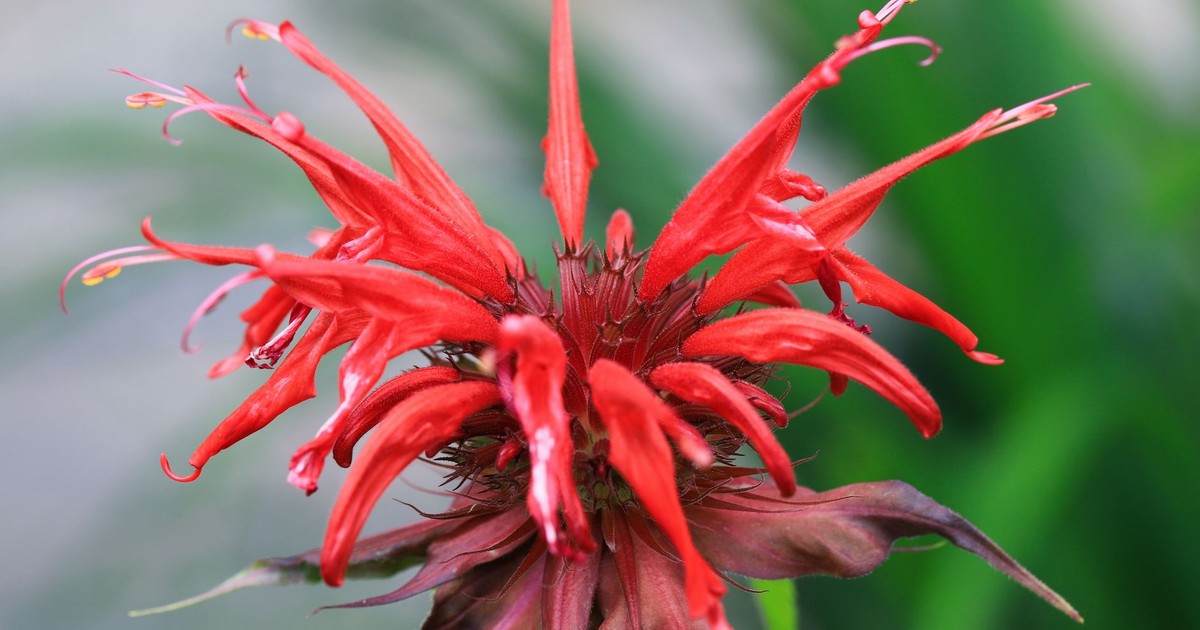
Few remedies in the ancient world had the Balm of Gilead’s reputation. It was a rare perfume used medicinally, mentioned in the Hebrew Bible and named for the region of Gilead, where it was said to have been produced. In the Talmud, the balm appears as a valued ointment produced by the Jericho plain, with its main use as a topical medication rather than a cosmetic.
The Bible references the balm’s use in treating sores in the book of Jeremiah, across three separate passages. It became so synonymous with effective healing that the phrase itself passed into general use, and any reliable cure for suffering came to be called a “balm of Gilead.” That cultural residue lasted centuries beyond the plant’s availability.
A previously unknown species belonging to the Commiphora genus has been grown from a single ancient seed, tentatively identified as the biblical plant behind a medicinal extract called tsori. That seed, discovered at an archaeological site in the Judean desert, dates to roughly 2,000 years ago. Whether it represents the exact plant behind the biblical formula remains under investigation, but it suggests the species didn’t disappear entirely.
Spikenard (Nard)
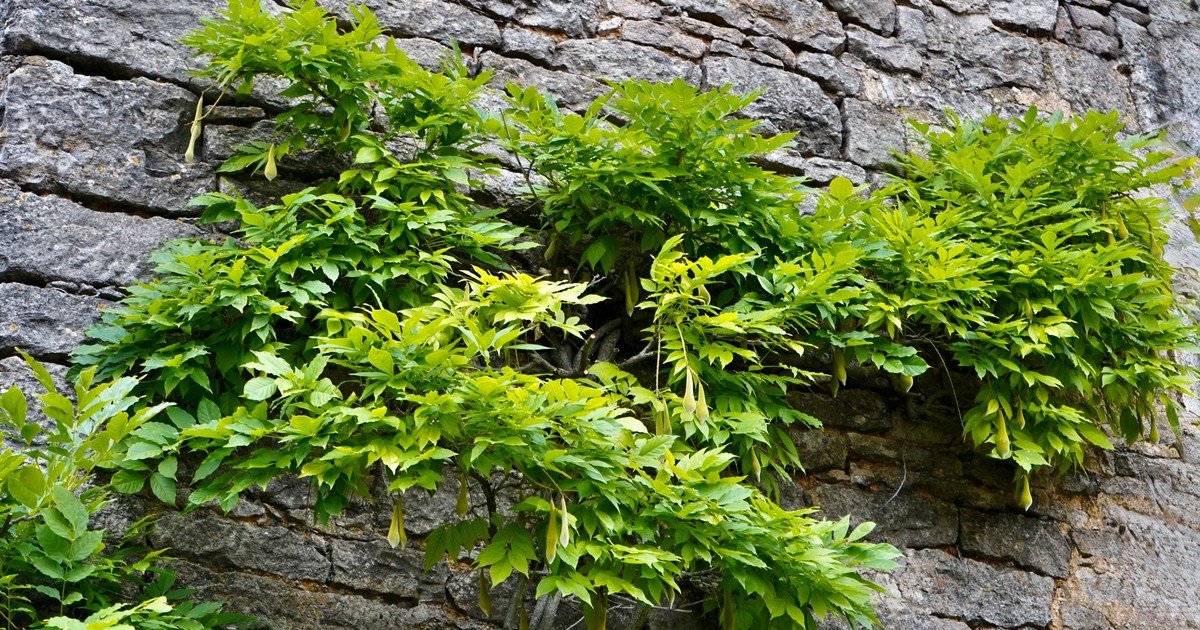
Spikenard, also called nard, is an aromatic amber-colored essential oil derived from Nardostachys jatamansi, a flowering plant in the honeysuckle family that grows in the Himalayas of Nepal, China, and India. In the Bible, it appears as a luxurious perfume and anointing oil, and an indication of the very best being offered. In John 12:3, Mary of Bethany anoints Jesus with a whole pound of pure nard, prompting immediate objection from Judas Iscariot about the cost. One pound of imported Himalayan spikenard in first-century Judea was roughly equivalent to a laborer’s annual wage.
Beyond its use as a costly perfume, spikenard held a documented place in Ayurvedic medicine and in traditional healing systems across a wide territory from India to Europe. Revered as a precious anointing oil, it was applied in moments of grief, preparation for death, and spiritual ceremony, all situations characterized by acute stress and sleep disruption.
Modern science has found that spikenard contains compounds that enhance GABA neurotransmitter activity in the brain, producing anti-anxiety effects. Studies show it can significantly reduce anxiety behaviors and improve sleep quality. GABA is the brain’s primary calming chemical, the same system targeted by prescription sedatives. That the ancients reached for spikenard precisely in moments of grief and distress has a pharmacological explanation that nobody at the time had language to describe.
Fig
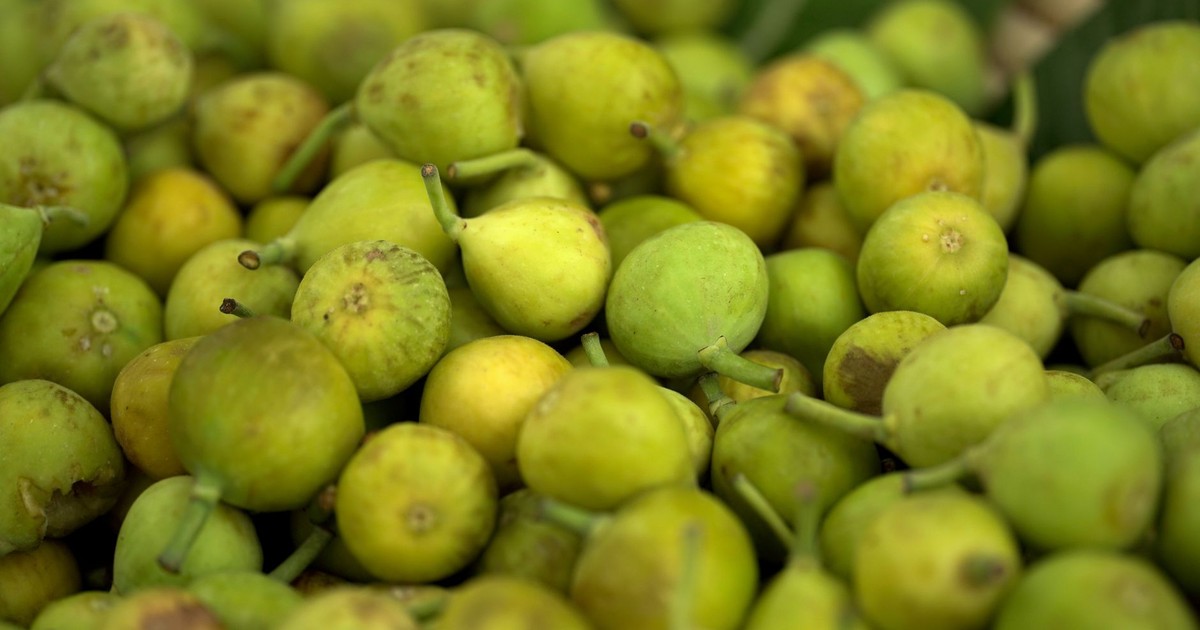
Figs are among only five species mentioned explicitly as medicinal plants in the Bible itself. A prime example is the account of King Hezekiah, from 2 Kings 20:7, where the prophet Isaiah directs that a cake of figs be laid on the king’s boil. The king recovered, and the fig poultice got the credit.
That account has a plausible scientific explanation. A 2023 study analyzed the antibacterial properties of Ficus carica extracts and found them effective against several dangerous bacterial strains, including E. coli, Staphylococcus aureus, and Klebsiella pneumoniae, a drug-resistant organism that poses serious challenges to modern medicine. The antibacterial effects increased with processing, and the extracts showed strong activity across all tested bacterial strains. The researchers identified specific bioactive components responsible, giving the ancient fig poultice a plausible scientific basis that had gone unverified for roughly 2,700 years.
Cinnamon
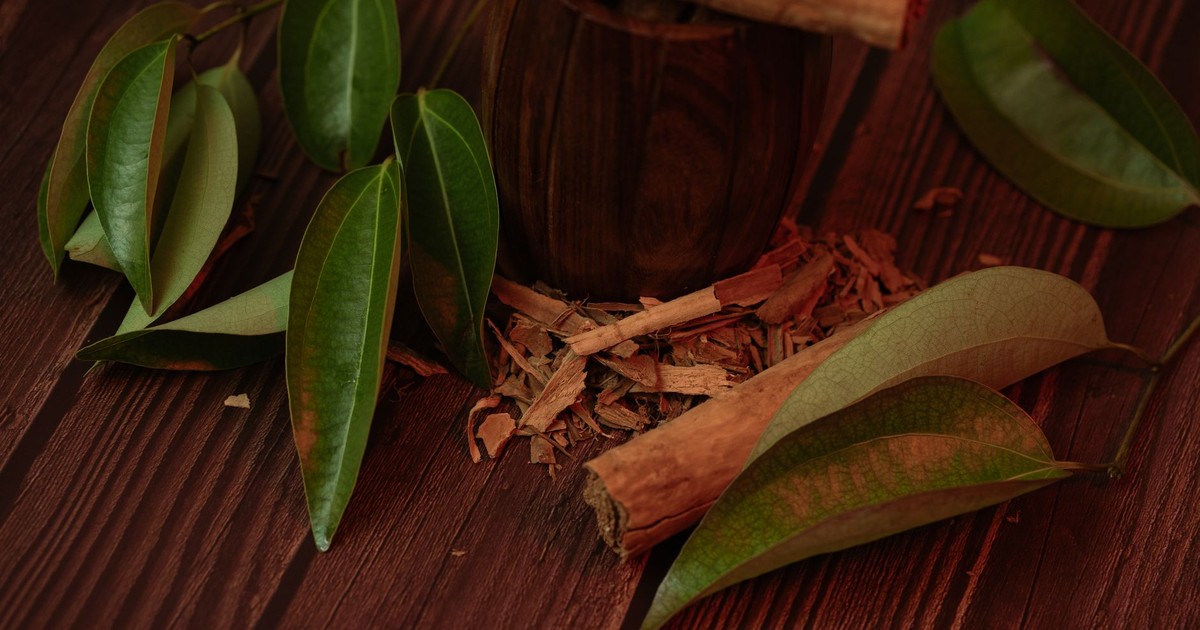
In Exodus 30:22-25, God gave Moses a specific formula that included fragrant cinnamon alongside liquid myrrh, calamus, cassia, and olive oil to create the sacred anointing oil. Cinnamon’s inclusion wasn’t decorative. In the ancient Near East, it was expensive enough to be listed alongside gold in trade records, imported from South or Southeast Asia along routes that wouldn’t be fully understood in the West until centuries later.
The active compound in cinnamon bark is cinnamaldehyde, and its properties were apparently appreciated long before anyone isolated it chemically. A 2024 study confirmed that cinnamon essential oil and its main component cinnamaldehyde possess potent antibacterial activity, with the research testing effects against Pseudomonas aeruginosa, a bacterium known for resistance to conventional treatment. Plant essential oils have long been regarded as repositories of antimicrobial agents, and in recent years have been examined as potential alternatives or supplements to conventional drugs, though the biological pathways are still being mapped.
Ancient Egyptians used cinnamon in embalming preparations, which required genuinely effective antimicrobial compounds to work. That those same compounds are now being studied as potential adjuncts to antibiotics is less a vindication of ancient wisdom than confirmation that effective chemistry doesn’t expire.
Read More: 15 rare herbs you should consider growing
What Survived for a Reason
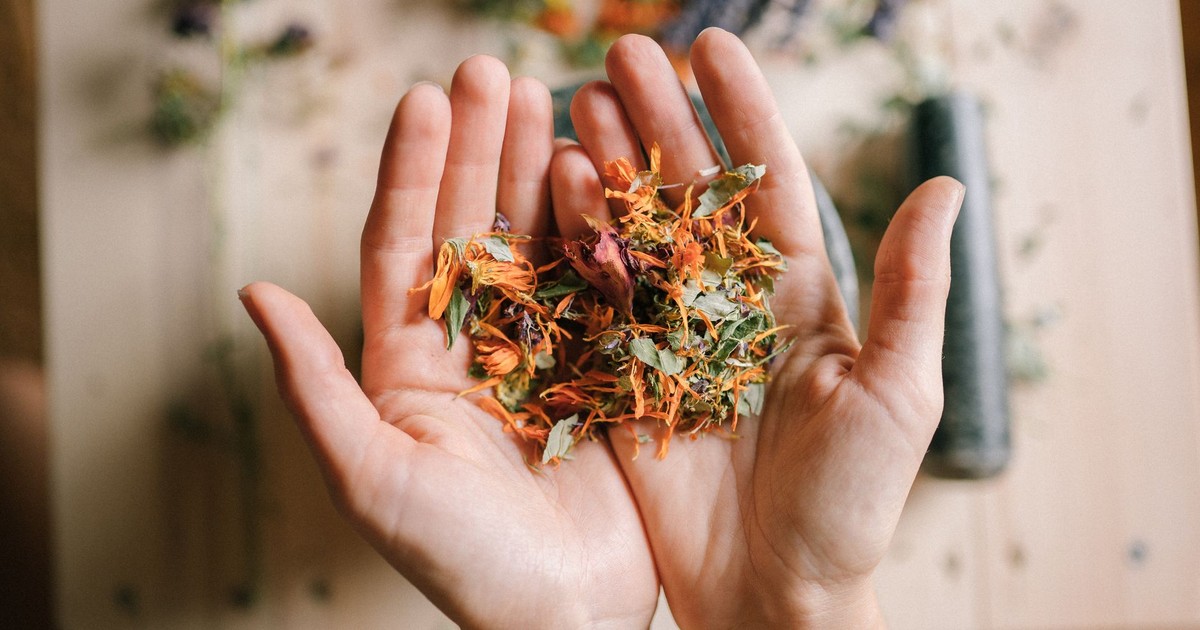
Previous scholarly lists of biblical medicinal plants numbered anywhere from 55 to 176 species, but modern studies have found that many names on those lists are no longer valid, arising from old mistranslations and errors in botanical identification. The more defensible number, the plants that can be confidently identified and cross-verified across Hebrew texts, Egyptian records, and archaeological evidence, is around 45 species, according to a landmark ethnobotanical review published in the Journal of Ethnobiology and Ethnomedicine. Of those 45, only five are named directly in the Bible as medicinal plants: fig, nard, hyssop, the Balm of Gilead, and mandrake. The others, including myrrh, frankincense, cinnamon, and olive, appear in explicitly medicinal contexts even if they aren’t labeled as such.
What ties these eight together isn’t just that they worked. It’s that they worked well enough to persist across trade networks, cultures, and centuries before a single clinical trial was ever run. The Ebers Papyrus from around 1500 BCE, one of the oldest surviving medical documents, lists frankincense alongside dozens of other plant-based treatments. The Sumerians were documenting herbal recipes on clay tablets 5,000 years ago. In ancient times, there was no separation between spiritual, daily, and medical use. A plant that healed a wound was also used in prayer, burial, or cleansing. The category of “medicinal herb” as something distinct from food, perfume, or ritual offering is an entirely modern invention.
The more honest way to read these eight plants is not as historical curiosities that have been “validated” by science, and not as miracle cures that modern medicine has somehow overlooked. They were the tools available to people who needed to manage pain, prevent infection, and treat wounds without anything else within reach. Some of those tools were genuinely good. Some of the science behind them is still being worked out. But the gap between ancient use and modern understanding has been narrowing faster in the last decade than in the previous century, and the plants that appear again and again across the oldest surviving medical and religious texts in the world are a reasonable place to start reading.
Disclaimer: This information is not intended to be a substitute for professional medical advice, diagnosis, or treatment and is for information only. Always seek the advice of your physician or another qualified health provider with any questions about your medical condition and/or current medication. Do not disregard professional medical advice or delay seeking advice or treatment because of something you have read here.
AI Disclaimer: This article was created with the assistance of AI tools and reviewed by a human editor.