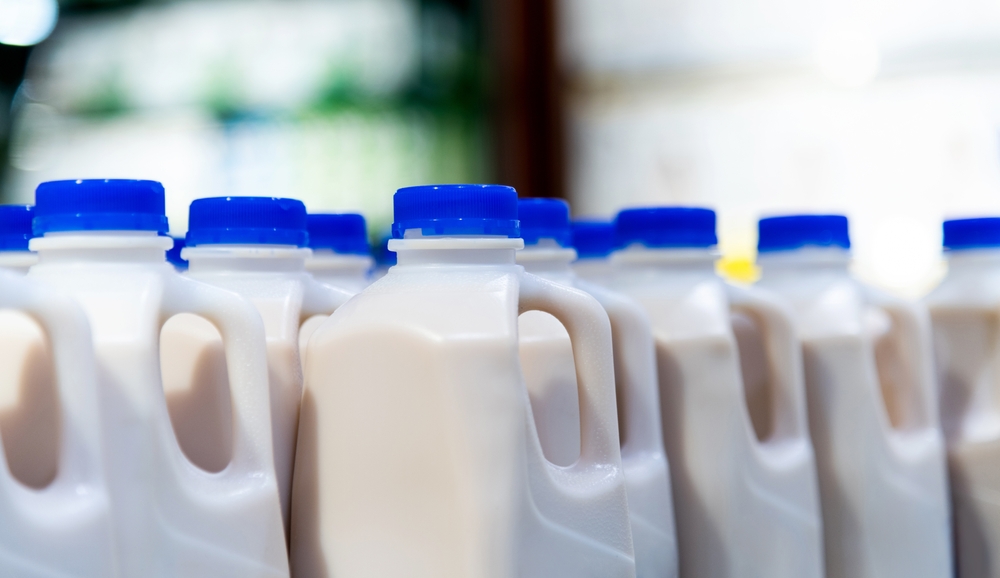

When it comes to selecting the perfect carton of milk, many of us might not think twice about what we grab from the shelf. However, understanding the finer details can make a significant difference in quality and freshness. The importance of buying milk that meets your standards extends beyond just taste; it affects everything from nutritional value to shelf life.
In an age where food labeling can be confusing, knowing what to look for can empower consumers to make informed choices. Whether you’re a health-conscious shopper, a parent concerned about your family’s nutrition, or simply someone who appreciates the richness of high-quality dairy, being vigilant can save you from disappointment.
Milk is a staple in many households, serving as a versatile ingredient in cooking, baking, and everyday consumption. Yet, not all milk is created equal. By being aware of potential red flags, you can ensure that your purchase aligns with your expectations and dietary needs. In the following sections, we’ll explore some crucial considerations to keep in mind when purchasing milk, helping you navigate the dairy aisle with confidence and peace of mind. Your next glass of milk could be just a few informed choices away!
What the Date on the Carton Actually Means
Before getting into what to look for in the store, it’s worth clearing up a misconception that sends perfectly good milk down the drain and occasionally lets bad milk make it home.
According to the USDA Food Safety and Inspection Service, a “Sell-By” date tells the store how long to display the product for sale, for inventory management. It is not a safety date. Neither, for that matter, is a “Use-By” date the hard line most people treat it as. The dates applied to food are for quality, not safety – foods can be wholesome and safe to consume past the printed date, and the USDA recommends consumers evaluate the quality of a product before consuming it regardless of what the label says.
Pasteurized milk lasts three to seven days beyond its “sell by” date if kept at or below 40 degrees Fahrenheit. That’s the critical qualifier: if kept at or below 40 degrees. The date assumes the cold chain – the unbroken sequence of refrigeration from the dairy to the distribution center to the store shelf to your home – has stayed intact. When it hasn’t, the date means nothing at all.
The FDA doesn’t regulate date labeling for food products, except for infant formula. Food companies determine the date on their products, and each uses its own method for naming a date. So “best by,” “sell by,” and “use by” can mean different things depending on who made the product and where it’s sold. What that means in practice is that the number on the carton is a starting point for your judgment, not the final word.
The One Thing to Check Before You Buy
When you reach into a grocery store dairy case and pull out a carton of milk, it should feel cold. Not cool. Cold. If it feels room temperature, or even slightly warm, that’s your signal to leave it.
When milk sits at temperatures between 40°F and 140°F, it enters what food safety experts call the danger zone. According to the USDA, bacteria grow most rapidly in this range, doubling in number in as little as 20 minutes. That’s fast enough that milk sitting in a malfunctioning dairy case for even a few hours can be significantly more compromised than the date on the carton would ever suggest. Bacteria like Salmonella, E. coli, Listeria, and Staphylococcus aureus grow rapidly in warm conditions – they’re behind the kind of foodborne illness that puts you in bed for three days wondering what you ate.
When normally frozen or refrigerated products are “sweating” while still inside coolers, it’s a sign that the interior fridge temperature may be too warm. This is the visual companion to the warmth you feel. If a refrigerator is faulty, food temperatures can rise, putting those items in the temperature danger zone and increasing the risk of foodborne illnesses. It’s not unusual to see cold items “sweat” as you transport them home, but if a carton is sweating while still in the cooler, you can’t trust that it’s been properly stored.
There’s also the question of where the carton is positioned in the dairy case. Reach toward the back. Not because of some old superstition about freshness dates, but because the back of a refrigerator case stays consistently colder. The front is exposed to the warm air of the store aisle every time someone opens the door. Grab milk last at the grocery store – that way, it’s out for less time and stays as cool as possible between the dairy case and your refrigerator.
Why the Cold Chain Matters More Than the Label
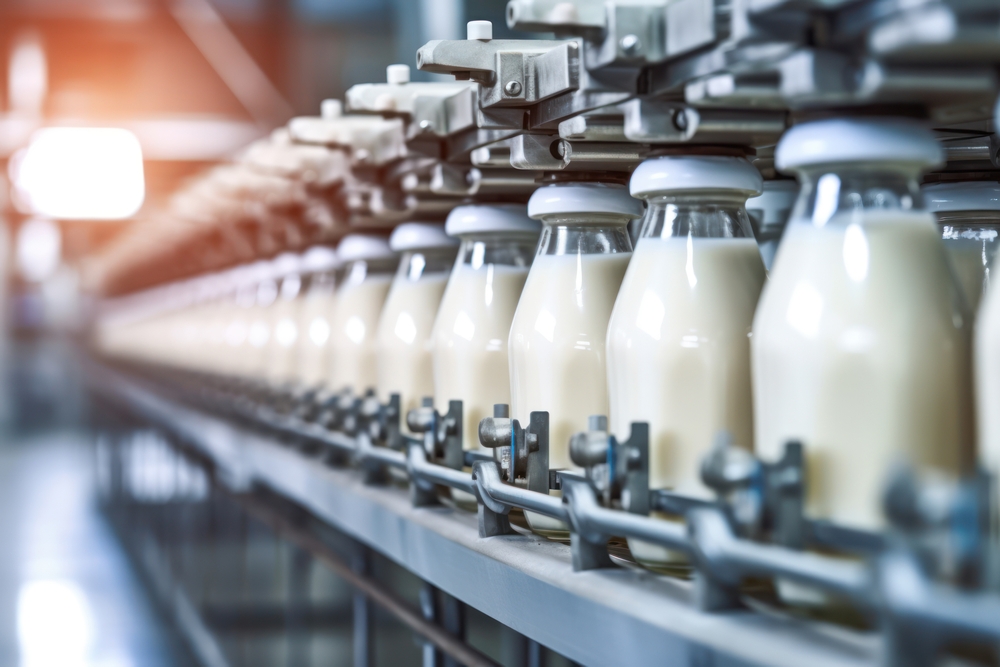
The cold chain is the continuous sequence of temperature-controlled handling that milk passes through from the moment it leaves the dairy. When any link in that chain breaks, the clock on spoilage speeds up dramatically, regardless of what the carton says.
Clemson University’s food safety extension notes that by law, Grade A milk must be maintained at a temperature of 45°F or below, because bacteria in milk will grow minimally below that threshold. Temperatures well below 40°F are necessary to fully protect quality. Refrigeration must be maintained through warehousing, distribution, delivery, and storage – the cooler milk is kept at every stage, the longer it lasts and the safer it is.
A malfunctioning dairy case isn’t always obvious. The lights still work. The case still looks fine. But the compressor may be struggling, a seal may be cracked, or the case may simply be overloaded to the point where air circulation has been blocked. Improper door latching is another way to accidentally compromise refrigerated food, even if the cooling mechanisms are all in perfect working order. If the refrigerator doors don’t form an airtight seal, warm air can seep in, preventing the fridge from maintaining its required cold temperature.
You can also check whether the carton has any condensation or moisture on the outside while still in the case. A normal, well-functioning dairy case should keep the cartons dry and cold. A case that’s running too warm allows moisture to form on the packaging as warm store air hits the surface of the containers. That condensation is telling you something.
Also worth knowing: household fridges aren’t as cold as those in grocery stores, and this has an impact on how long products last. So milk that has already been slightly compromised in a warm store case will deteriorate faster once it’s sitting in your home fridge, which probably runs a degree or two warmer than a commercial unit. The problem compounds.
What Spoiled Milk Actually Looks, Smells, and Tastes Like
Once you get the milk home, the date stamp is still not your best tool. Your nose is. One of the first signs that milk has gone off is a change in smell. Spoiled milk has a distinct sour odor, which is due to lactic acid produced by bacteria. Other signs of spoilage include a slightly yellow color and a lumpy texture.
If you pour a glass and the milk looks thicker than usual, or there are small white clumps floating in it, stop. Spoiled milk may feel slimy, chunky, or gritty as the proteins break down. Healthy milk should have a smooth and consistent texture, so any inconsistency is a red flag. A dingy, yellow color is a clear visual sign of spoiled milk. It may also have crusts around the edges or on the surface, or begin to curdle.
Drinking a sip or two of spoiled milk is unlikely to cause any serious side effects. However, consuming moderate or large amounts can cause food poisoning and result in symptoms like nausea, vomiting, stomach pain, and diarrhea. Most healthy adults recover quickly, but the experience isn’t one worth repeating when it’s entirely avoidable.
If your milk smells completely normal but you’re unsure about the date, that’s actually a reassuring sign. The best way to determine whether milk is spoiled is with a simple sniff test. Spoiled milk will develop an off odor, flavor, or texture due to naturally occurring spoilage bacteria. If milk has developed such spoilage characteristics, it should not be consumed.
Read More: 9 Foods You Should Never Defrost on the Counter
How to Store It Once You’re Home
Buying a cold, properly stored carton is only half the job. What you do when you walk through your front door matters just as much.
After grocery shopping, unpack and store dairy products first, placing milk in the back of the refrigerator, which tends to be the coldest place. The fridge door – where most people reflexively put the milk jug – is actually the warmest spot in the refrigerator, because it’s closest to the warm air that enters every time the door swings open. Storing milk in the fridge door can cause its temperature to fluctuate more every time you open the fridge, which may make the milk spoil faster than if kept in the back.
Keep the lid tight. Once milk has been opened, it is exposed to more bacteria from the surrounding environment, which can speed up spoilage, especially if the carton is left out repeatedly or handled often. And if you find yourself with more milk than you can use before it turns, freezing is a legitimate option. You can freeze milk for up to three months. The texture changes slightly after thawing – it can separate a little – but it’s fine for cooking, baking, or blending.
The Part Nobody Tells You

The date on the milk carton has become the default shorthand for safety, and it’s genuinely useful – but it was never designed to account for a refrigerator case that’s been running three degrees too warm all week, or a carton that sat at the front of the display through a busy Saturday afternoon with the door swinging open every thirty seconds.
The food system assumes that the cold chain held. The date was calculated with that assumption baked in. When the chain breaks anywhere along the way – in the truck, in the back room, in the store case itself – the date becomes an optimistic fiction.
So the habit worth building is simple. Before the carton goes in the cart: feel it. Cold is good. Warm is a no. Check for condensation while the carton is still in the case. Reach toward the back. Grab milk last, after everything else, so it spends the least possible time out of refrigeration on the way home. These are ten-second checks that cost nothing.
None of it requires becoming anxious about every grocery run. Milk is generally safe, pasteurization does a real job, and a mildly imperfect day in the dairy case isn’t going to land you in the ER. But spoiled milk at home is genuinely unpleasant, genuinely avoidable, and almost always traceable back to a moment in the store where the carton felt warmer than it should have and you bought it anyway because the date said it was fine. Now you know to trust your hand over the label.
Disclaimer: This information is not intended to be a substitute for professional medical advice, diagnosis, or treatment and is for information only. Always seek the advice of your physician or another qualified health provider with any questions about your medical condition and/or current medication. Do not disregard professional medical advice or delay seeking advice or treatment because of something you have read here.
AI Disclaimer: This article was created with the assistance of AI tools and reviewed by a human editor.