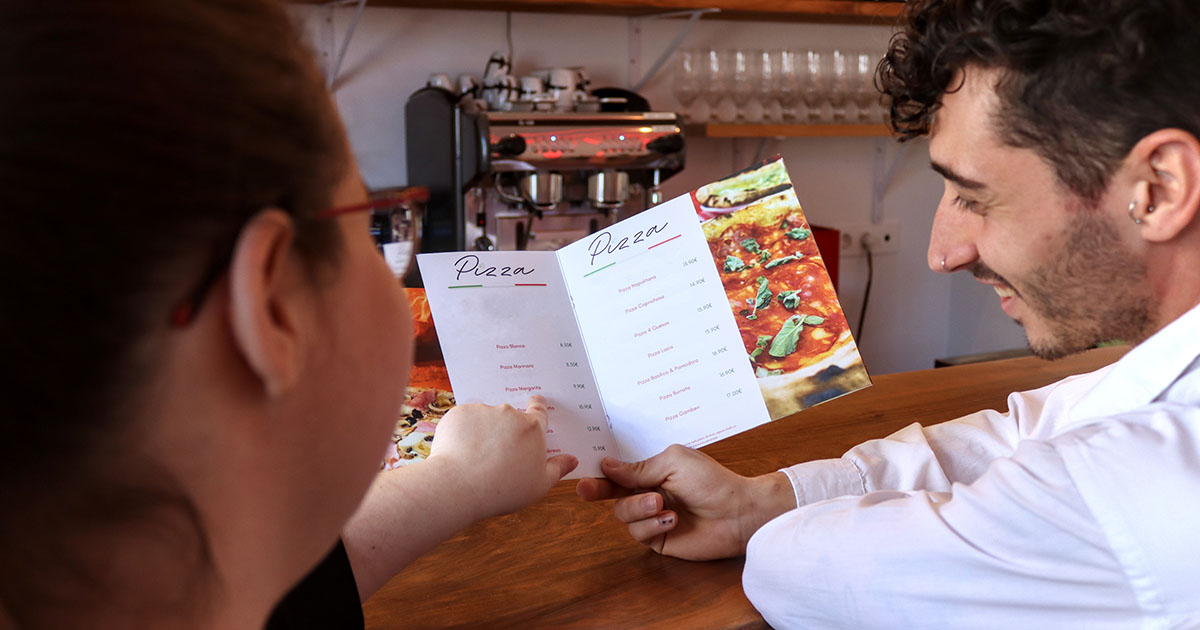

Order the menu at most restaurants and you’re placing a certain amount of trust in the words printed on the page. That trust is frequently misplaced – not because every kitchen is running a con, but because the ingredients most likely to be swapped are, reliably, the expensive ones. The premium word does the selling. The product, frequently, doesn’t show up.
Menu item deception follows a pattern that’s easy to spot once you know what you’re looking at. Chefs and food industry insiders have been talking about this for years. Red snapper. Wild salmon. Kobe beef. Truffle oil. Balsamic. These aren’t exotic edge cases – they’re the items that appear on thousands of menus from neighborhood sushi spots to leather-bound fine dining rooms. And they’re exactly the ones most likely to be something else.
The substitutions that follow aren’t horror stories. Most aren’t dangerous. But they cost you money under false pretenses, and the story that premium ingredients tell about a restaurant’s quality is often exactly that: a story.
1. “Wild” Salmon
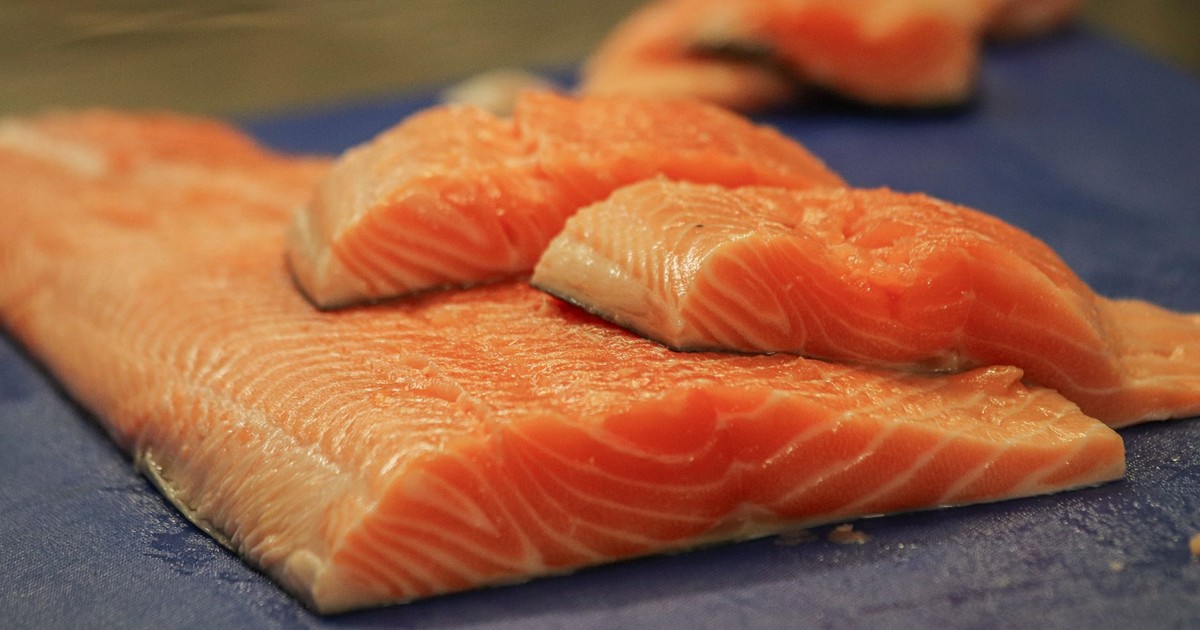
A 2024 study published in PMC/PLOS ONE, which genetically tested salmon from 52 sushi restaurants and 67 grocery stores in Seattle, found that 18% of all salmon samples were mislabeled. Sushi restaurants were a particular problem: farmed Atlantic salmon was substituted for vendor-claimed wild salmon in 32.3% of restaurant samples, compared to 0% at grocery stores.
Farmed and wild salmon aren’t just different labels – they’re different fish. Wild Pacific salmon is leaner, more mineral, and varies by season and run. Farmed Atlantic salmon is fattier, milder, and consistent year-round, partly because it’s raised on a controlled diet that often includes synthetic astaxanthin to achieve that familiar orange color. When you order the wild option and pay the premium, the expectation is reasonable: these are not interchangeable products.
The economic damage to customers at sushi restaurants was significantly worse than at grocery stores. All fraudulent salmon sold at sushi establishments was a cheaper, market-priced fish passed off at wild-caught prices. The fat lines in the fillet tell the story if you catch the fish raw: farmed salmon has thick, evenly spaced white striping through the flesh; wild salmon’s fat lines are thinner and irregular. Once the fish is sliced, seared, or rolled, that difference disappears entirely, which is exactly why the swap is so easy to make.
2. Red Snapper
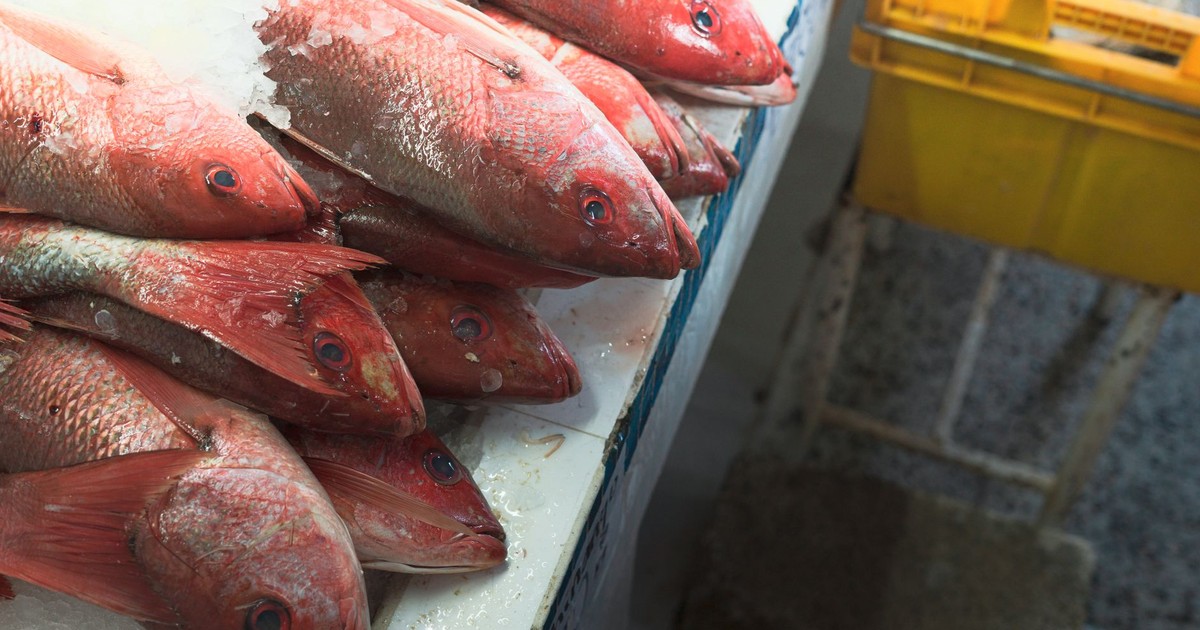
Red snapper is one of the most consistently mislabeled fish in the United States. A meta-analysis published in Food Control in May 2025 – the most comprehensive review of U.S. seafood mislabeling studies to date, covering 35 studies and 4,179 samples from 32 states – found an overall mislabeling rate of 39.1%, with species substitution as the leading form of fraud at 26.2%.
Red snapper bears a disproportionate share of that burden. Between one-fifth and more than one-third of grouper, cod, halibut, and Chilean sea bass samples have been found mislabeled in various investigations, and 84% of white tuna samples in one national study turned out to be escolar – a species that can cause serious digestive issues for anyone who eats more than a few ounces of it. Escolar produces a waxy ester the human body cannot easily metabolize, and its side effects can be rapid and unpleasant. It’s called “the laxative fish” in food industry circles for a reason.
In documented substitution cases, cheaper farmed fish were systematically swapped for premium ones: pangasius sold as grouper, sole, and cod; tilapia sold as red snapper; Atlantic farmed salmon sold as wild or king salmon. The swap rarely originates in the restaurant kitchen – it more often happens upstream, at the distributor or wholesaler level. Even a chef who cares deeply about sourcing may be serving a different fish than the one printed on the menu, because by the time the fillet arrives, the deception is already done.
3. “Kobe” and “Wagyu” Beef
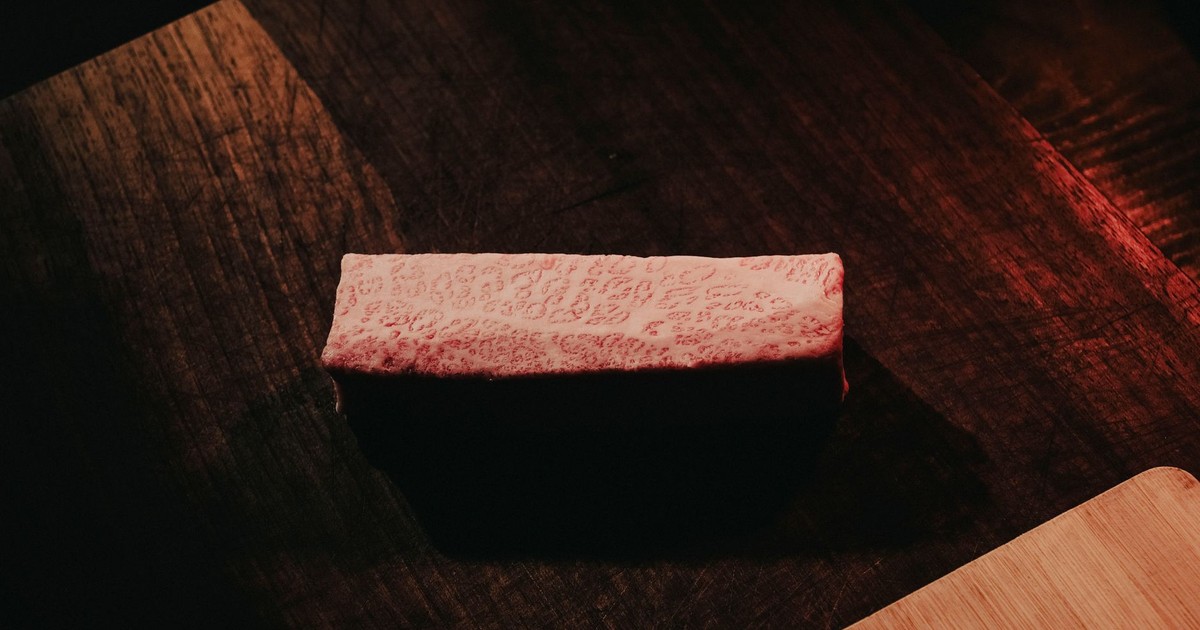
Real Kobe beef comes from Tajima-strain Japanese Black cattle raised in Japan’s Hyogo Prefecture under a tightly controlled certification process. Genuine Kobe beef only comes from specific regions in Japan, and strict international certification rules govern the marketing of authentic Japanese Kobe beef. There are only a few dozen restaurants in the United States legally registered to serve it.
That last figure is the one that matters. A few dozen certified restaurants in a country of 330 million people and hundreds of thousands of dining establishments. Yet “Kobe” and “Wagyu” appear on menus at burger joints, steakhouses, and gastropubs across the country. What most diners are actually getting is American-raised crossbred cattle – sometimes called “wangus,” a hybrid of Wagyu and Angus breeds. According to CBS News, Americans are most likely buying meat from this crossbred category. The meat may be genuinely good, but it’s being sold under a name it doesn’t qualify for.
Under USDA rules, cattle only need to have one parent with at least 93.7% Wagyu genetics to carry the Wagyu label – meaning the animal itself could have as little as 46.9% Wagyu genetics and still be marketed as Wagyu. That’s a wide door to walk a very ordinary steak through. Genuine Kobe beef restaurants outside Japan are listed publicly on the certification body’s website. If a restaurant isn’t on that list, the menu claim is unverified.
4. Truffle Oil Dishes
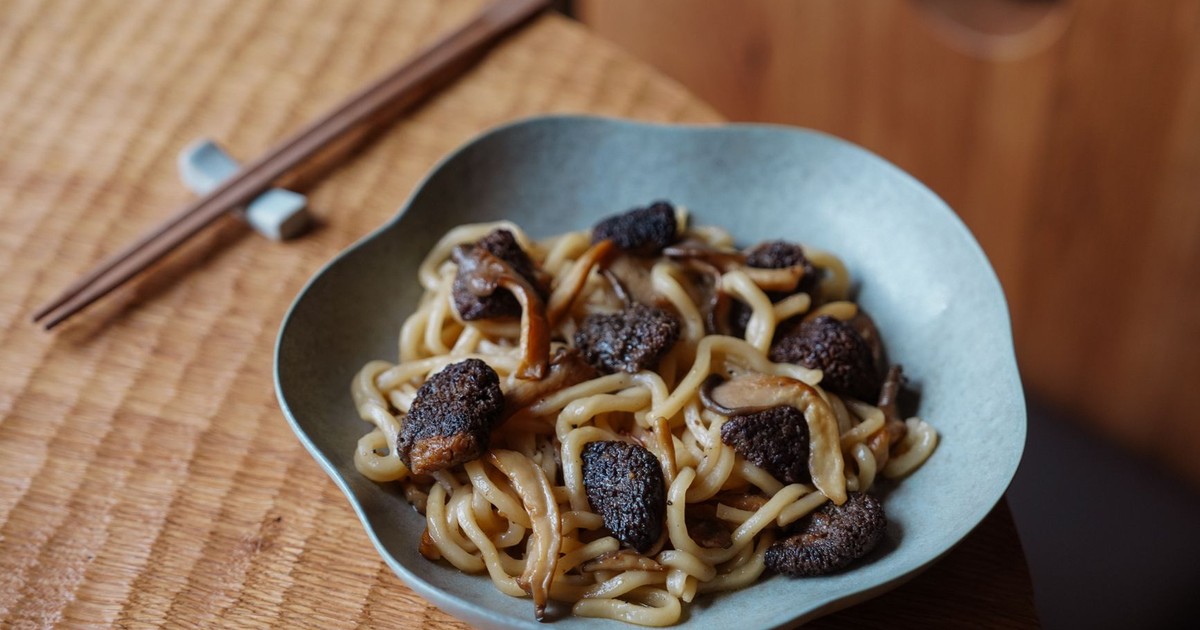
Ask any chef who has worked in a serious kitchen what they think of truffle oil, and the answer is rarely diplomatic. What is called truffle oil is, as one food industry expert puts it, “entirely made in a laboratory” and has nothing to do with mushrooms. The scent hitting you from truffle fries, truffle pasta, or truffle aioli is almost always a synthetic compound called 2,4-dithiapentane – a petrochemical molecule that mimics one component of real truffle’s aroma. In most cases, truffle oil is scented with this chemical, not with actual fungi.
Real truffles – the black Périgord and white Alba varieties prized by serious cooks – cost anywhere from $80 to well over $300 per ounce depending on the season and variety, and they lose their aroma within days of harvest. No restaurant charging $18 for truffle fries is shaving fresh fungus over them. The economics make synthetic flavoring almost inevitable in mass-market products.
The problem isn’t just the mismatch – it’s the misleading sensory signal. Synthetic 2,4-dithiapentane smells aggressively, one-dimensionally “truffle-ish” in a way real truffles don’t. Real truffles smell earthy, musky, and oddly complex; the chemical version smells like a candle. If the truffle fragrance on your plate hits you immediately and hard from across the table, you’re almost certainly eating the synthetic version. Dishes that actually contain shaved truffle tend to list the variety – black truffle, white truffle – and the price reflects it accordingly.
5. “Fresh” Pasta
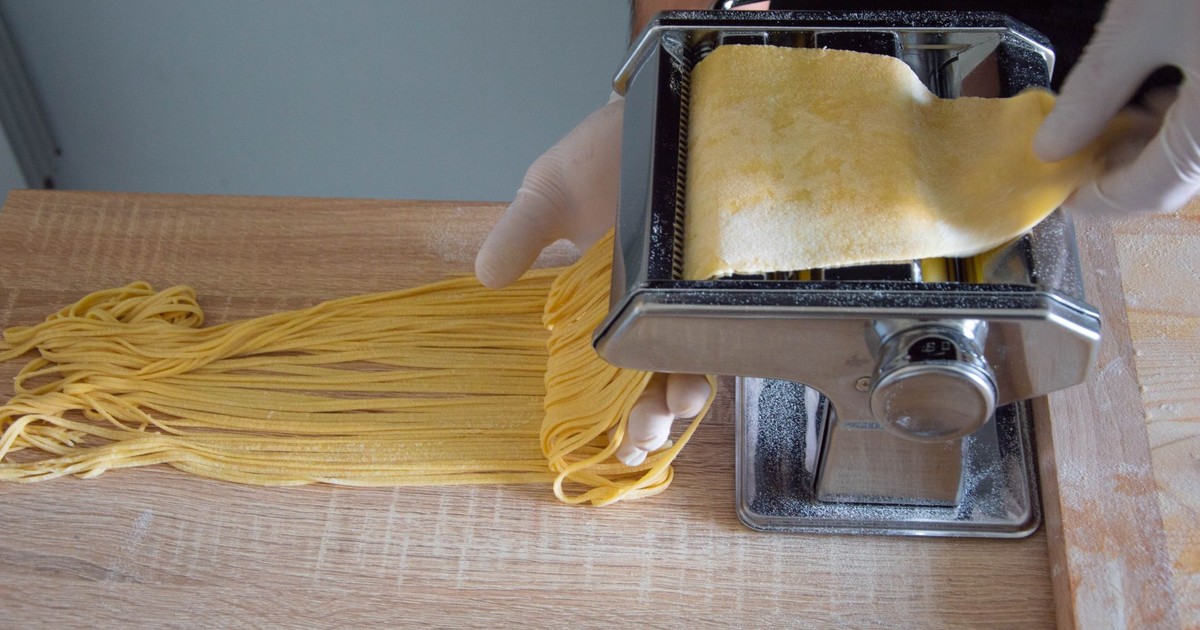
Fresh pasta is one of the most effective premium signals a restaurant can put on a menu. It implies a kitchen that makes things by hand, from scratch, that morning. But even at places where pasta is a focus, the word “fresh” has a complicated relationship with the truth.
Commercially produced fresh pasta – the kind that arrives in vacuum-sealed bags from a food service supplier – is technically “fresh” in that it hasn’t been dried. It’s not the same as pasta made to order in that kitchen’s prep. House-made pasta has a specific bite, starch release, and sauce-holding quality that extruded commercial pasta doesn’t replicate. You can often spot the difference through uniformity alone. Restaurant-made pasta varies slightly in thickness, in curl, in the way the sauce clings. Commercial “fresh” pasta looks identical from piece to piece, because it was produced by a machine at a facility three states away.
Asking “Is this made in house?” gets at the truth quickly. A kitchen that actually makes its pasta will answer immediately and with specifics – which shapes, which doughs, what flour. A kitchen serving commercial pasta will often say something vague about making “everything from scratch” or redirect to the sauce.
6. Wagyu Burgers
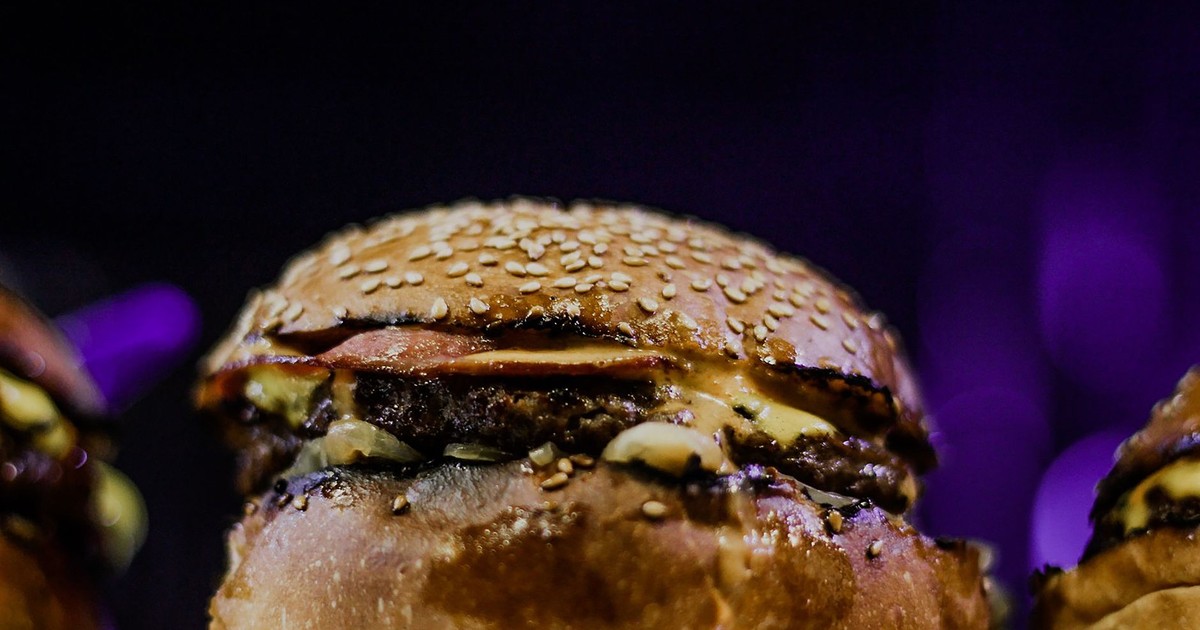
The Wagyu burger has become one of the most aggressively marketed menu item deception moves in casual dining over the last decade. A regular burger at a mid-range restaurant runs $14 to $16. A “Wagyu burger” at the same restaurant runs $22 to $28. The price premium is real. The beef backing it, often isn’t.
Ground Wagyu presents a structural problem: Wagyu beef’s defining quality is its extraordinary intramuscular fat, which creates that distinctive marbling and buttery texture in whole cuts. That tenderness doesn’t survive the grinding process intact. When restaurants blend Wagyu-branded fat into ground beef to justify the label, the result may be a better-than-average burger, but it doesn’t deliver the experience Wagyu beef is known for in its whole-cut form.
The USDA labeling rules described above apply here too. A “Wagyu blend” burger can legally contain a majority of conventional beef with a minority of crossbred Wagyu mixed in. The menu doesn’t say “blend” unless the kitchen wants it to. The word Wagyu appears alongside the premium price, and the rest is left to the customer’s imagination.
7. Parmesan
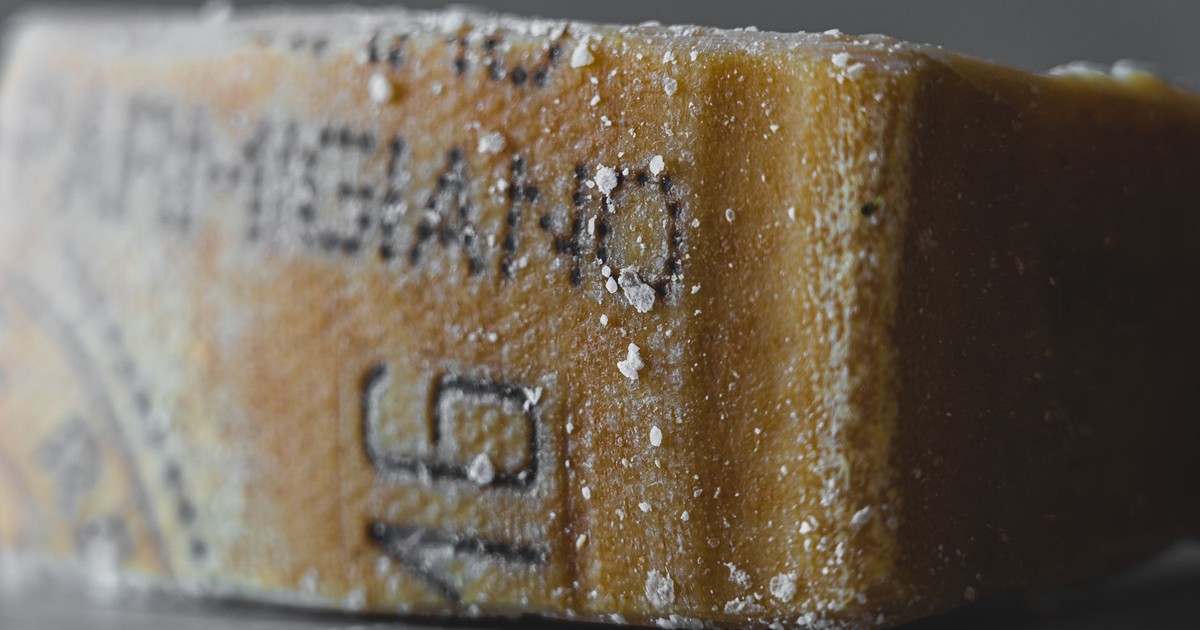
The green can is the most famous example, but the menu item deception around Parmesan extends well into restaurant kitchens. Authentic Parmigiano-Reggiano is made from raw cow’s milk in a specific zone of northern Italy, aged a minimum of 12 months, and carries a Protected Designation of Origin stamp. What most restaurants grate over your pasta, Caesar salad, or risotto is domestic “Parmesan” – a catch-all term with almost no regulatory meaning in the United States.
One seller of Italian cheeses told Bloomberg News that about 20% of U.S. Parmesan production is mislabeled. Cellulose – plant fiber derived from wood pulp – is commonly added to grated Parmesan as an anti-clumping agent, and some brands have been found to carry far more than the accepted maximum of 4%. It’s a legal food additive, and it isn’t harmful in small amounts. But it’s displacing actual dairy in your cheese without disclosure.
At the restaurant level, the honest version of Parmesan on a menu is a whole wheel of Parmigiano-Reggiano grated tableside, or a dish that specifies “DOP Parmigiano-Reggiano” and means it. Everything else is likely a domestic imitation: saltier, melts differently, lacks the nutty complexity of the real thing. The simplest check at the grocery store or cheese counter is to look for the words “Parmigiano-Reggiano” stamped into the rind itself, which certifies the origin.
8. Balsamic Vinegar
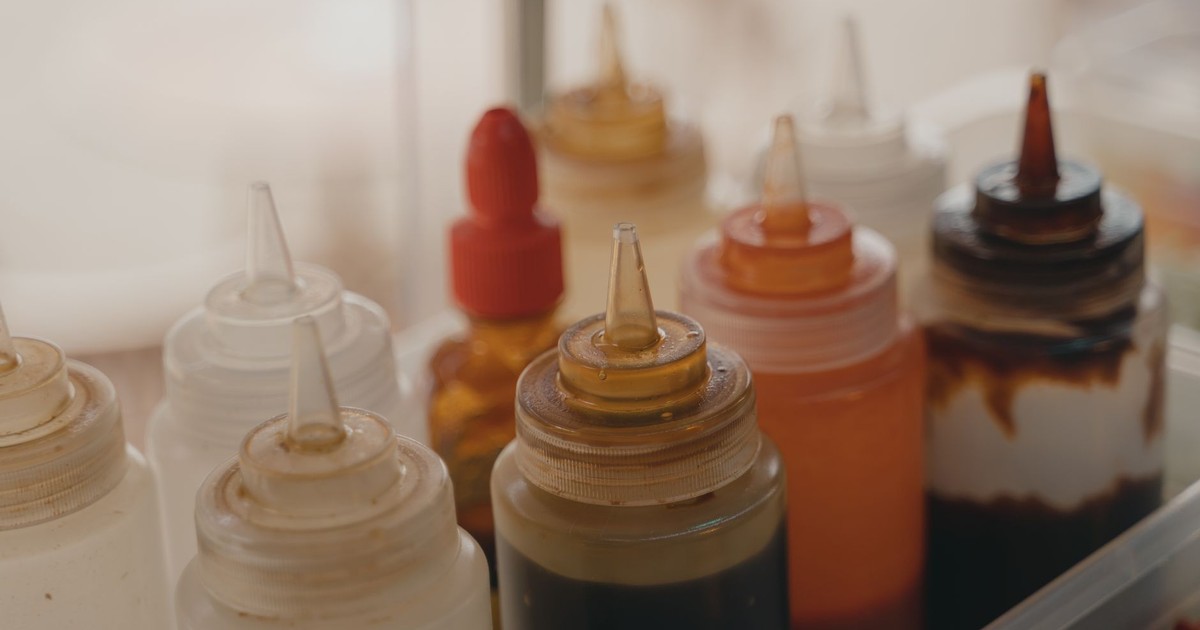
Balsamic vinegar has two distinct lives: the real version and everything else. Traditional balsamic – Aceto Balsamico Tradizionale – comes from Modena or Reggio Emilia in Italy, is made exclusively from cooked grape must (pressed grape juice), and is aged for a minimum of 12 years in progressively smaller wooden barrels. A 100ml bottle of genuine Tradizionale costs $50 to $150. The process is genuinely ancient and nearly absurdly labor-intensive.
As CBS News reports, traditional balsamic vinegar carries a D.O.P. stamp – “Denominazione di Origine Protetta” – and the only ingredient listed should be grape must. Many bottles labeled as balsamic contain a different type of vinegar with added sweetener and coloring, which is how a product costing a few dollars per bottle gets to sit next to something worth $100.
What restaurant menus rarely make clear is whether the “balsamic glaze” drizzled over your caprese or grilled chicken is anything close to the real product. In most cases, it’s commercial vinegar with caramel color and sugar – sweet, dark, viscous, and possessing about as much connection to Modena as a bottle of ketchup. The giveaway is price and viscosity. Real aged balsamic is naturally thick and intensely complex in flavor. Anything used freely as a drizzle ingredient at a standard price point is almost certainly the imitation.
9. Wasabi
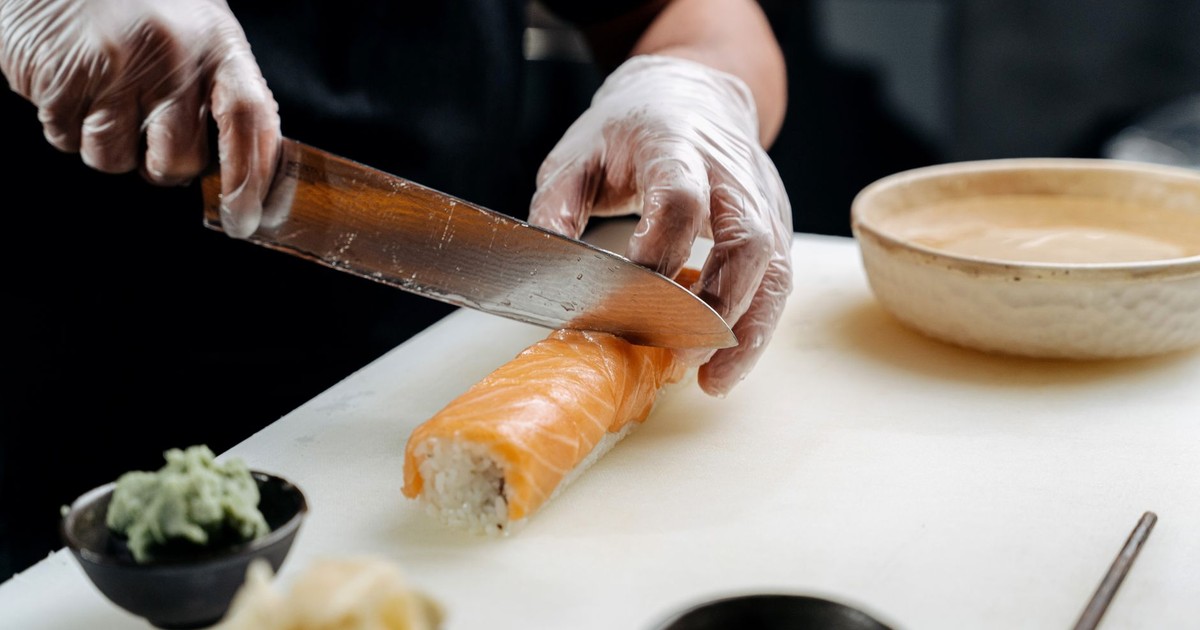
The green paste on your sushi plate is almost never real wasabi. Genuine wasabi – Wasabia japonica – is one of the most difficult plants to cultivate commercially. It grows semi-submerged in cold, clean running water, takes 18 to 24 months to mature, and loses its distinctive flavor within 15 minutes of being grated. The real version is prepared fresh from the rhizome immediately before service, producing a sharp nasal heat that dissipates fast rather than building and lingering like chili.
Up to 99% of the “wasabi” served in North American sushi restaurants isn’t wasabi at all. What virtually every sushi restaurant in the United States serves instead is a paste of horseradish, mustard powder, cornstarch, and green food coloring – engineered to approximate the heat but fundamentally a different plant. The heat of horseradish-based paste lingers and builds. The heat of real wasabi rises fast and clears, leaving a clean, faintly floral note.
Genuine Wasabia japonica does exist in the United States, but the plant is rare enough that a handful of specialty farms – primarily in Oregon and parts of the Pacific Northwest – supply it almost exclusively to high-end Japanese restaurants willing to pay $70 to $250 per pound for the rhizome. If a restaurant is serving the real thing, they’ll tell you unprompted, because they paid enough for it that it becomes a selling point.
Read More: McDonald’s Filet-O-Fish was born from a Catholic church rule — and almost didn’t happen
The Words Are Doing the Work

None of this requires paranoia about every menu you read. Most of these substitutions aren’t sinister in origin – they’re commercial compromises that have become so normalized they barely register in professional kitchens. A line cook plating truffle fries probably hasn’t thought about what’s actually in the truffle oil since training. The distributor who sold “wild salmon” to a sushi restaurant may have believed what the label said. The chain of convenient deception has enough links in it that no single person needs to feel like a fraudster.
But the pattern is consistent: the premium signals are almost always the suspects. “Wild” in front of fish. “Wagyu” or “Kobe” in front of beef. “Truffle” in anything that isn’t eye-wateringly expensive or visibly shaved tableside. “Fresh” pasta at a restaurant with no pasta-making described. “Artisan balsamic” at a price point that doesn’t support 12 years of barrel aging. NOAA Fisheries notes that seafood inspectors find some form of fraud in up to 40% of products submitted for voluntary review – and that’s just in the category they oversee. Across the entire menu, the reliable rule is simple: the more expensive the ingredient sounds, the more worth asking about it.
AI Disclaimer: This article was created with the assistance of AI tools and reviewed by a human editor.