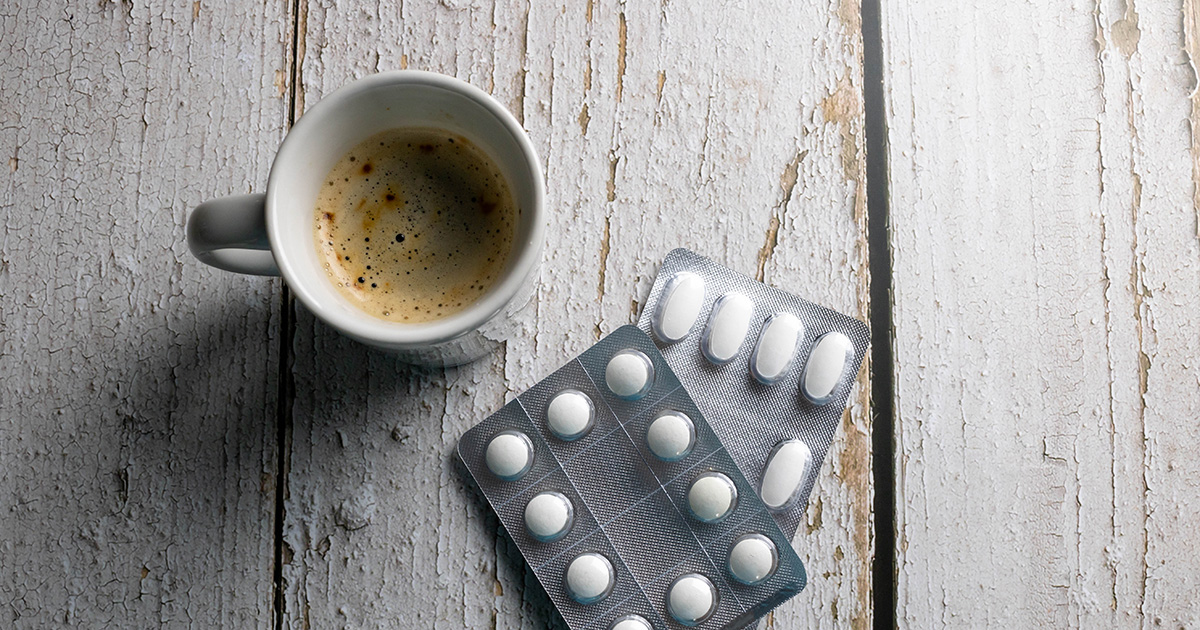

Your pharmacist knows something your doctor doesn’t always have time to mention. Coffee contains over 1,000 chemical compounds beyond caffeine, and that rich chemical complexity creates real potential for interactions with drugs. Most people assume the problem is just caffeine giving them a buzz on top of a stimulant medication. The actual picture is more complicated, and in some cases, more consequential.
An enzyme called CYP1A2 is responsible for breaking down caffeine in the body. Because that same enzyme also metabolizes a significant number of other drugs, drinking coffee alongside those medications means the two compete for the same processing pathway, slowing breakdown and raising the amount of the drug circulating in your blood. There’s also the issue of physical binding, where compounds in coffee latch onto a drug molecule before it can be absorbed, and the effect of caffeine on gut motility, which speeds up digestion and cuts the window a drug has to enter your bloodstream. The interference largely comes down to caffeine, which can either intensify or reduce the effects of a range of medications.
None of this means you need to give up your morning cup. But if you take any of the following medications regularly, the timing and amount of coffee you drink is worth a second look.
1. Levothyroxine (Thyroid Hormone Replacement)
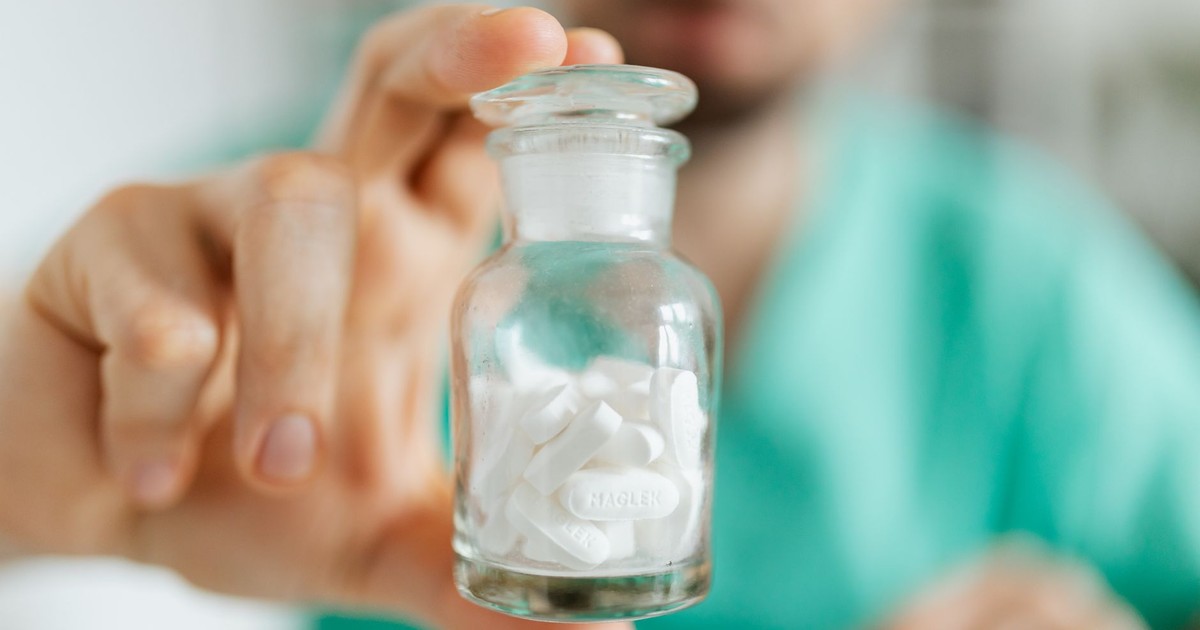
Levothyroxine is the standard treatment for an underactive thyroid, and it is one of the most widely prescribed drugs in the United States. A 2021 systematic review of 63 studies found limited but consistent evidence for an interaction between levothyroxine and coffee, and in every case the result was decreased absorption of the drug, with coffee reducing bioavailability by 27 to 36% compared to taking it with water.
When coffee significantly reduces how much levothyroxine the body absorbs, thyroid hormone levels can stay too low, meaning symptoms like fatigue, feeling cold, and unexplained weight changes may persist despite treatment. The fix is straightforward but requires some planning: take levothyroxine on an empty stomach with water and wait at least 30 to 60 minutes before drinking coffee.
If your thyroid levels have been inexplicably inconsistent on a stable dose, your morning routine is the first place to look.
2. Theophylline (Asthma and COPD Medication)
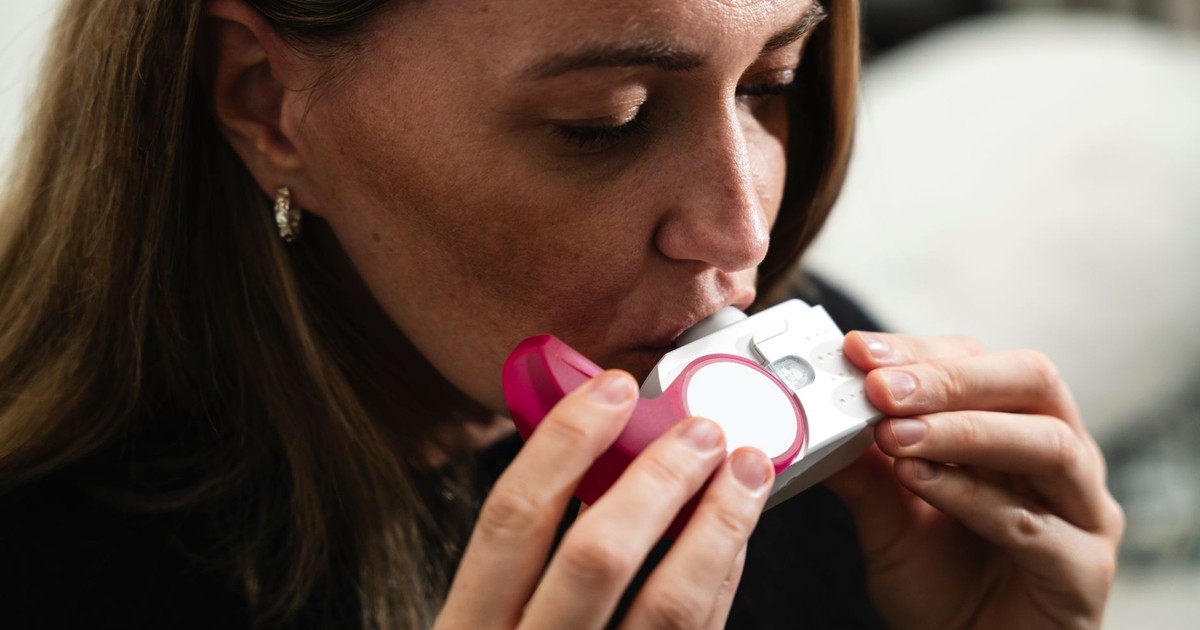
Theophylline is used to open airways in people with asthma and chronic obstructive pulmonary disease (COPD). It belongs to the same chemical family as caffeine, which is where the problem starts. According to The Conversation, caffeine can raise theophylline levels in the body, amplifying the drug’s effects as well as its side effects, which include nausea and heart palpitations. Caffeine may also slow the rate at which the body clears theophylline.
Theophylline already has a narrow therapeutic window, meaning the difference between an effective dose and a toxic one is not wide, so anything that raises blood levels of the drug demands attention. Overlapping side effects, including jitteriness and sleep disturbances, make this harder to spot in real time.
If you’re on theophylline and drink coffee regularly, that habit is worth discussing with your prescriber before assuming your current dose is correctly calibrated.
3. Clozapine (Antipsychotic)
Clozapine is prescribed for treatment-resistant schizophrenia, and it’s a drug where getting the blood level right matters enormously. Too little and it doesn’t work, too much and the side effects, which include seizures, become serious. Caffeine competes with clozapine for the CYP1A2 metabolic route, which means the drug breaks down more slowly and builds up at higher concentrations than the prescribing dose was intended to produce.
The clinical consequences of getting this wrong are significant. For people taking clozapine, managing caffeine intake consistently and keeping their healthcare provider informed of any changes is important for keeping the medication within a safe and effective range.
This is particularly tricky because it’s not just about avoiding coffee. It’s about being consistent. A sudden spike in caffeine intake, say from switching to energy drinks or doubling your daily cups, can shift clozapine levels in ways that are difficult to anticipate without monitoring.
4. Other Antipsychotics: Olanzapine and Haloperidol
The CYP1A2 competition issue extends beyond clozapine to other antipsychotic medications. Both olanzapine (sold as Zyprexa) and haloperidol (Haldol) are processed significantly through CYP1A2, which gives coffee a direct line to their blood concentrations.
Olanzapine is used to treat schizophrenia and bipolar disorder. Haloperidol is one of the older antipsychotics, still widely used in acute psychiatric settings and for managing severe agitation. If someone on these medications changes their coffee habits, starts drinking more, stops entirely, or switches to a heavily caffeinated brand, their medication levels can shift without any change to their prescription.
Keeping caffeine consumption stable and informing your healthcare provider of any significant changes is the most practical approach for anyone on this class of drug.
5. Tricyclic Antidepressants (TCAs)
Tricyclic antidepressants, an older class of antidepressants that includes amitriptyline and imipramine, are still prescribed for depression, nerve pain, migraines, and insomnia. TCAs already carry a substantial side-effect burden, including dry mouth, drowsiness, and heart rhythm changes at higher doses. Caffeine’s stimulant and cardiovascular effects can compound some of those side effects, which means people who find their TCA side effects seem worse on days they’ve had more coffee than usual may be observing a real interaction rather than coincidence.
Caffeine can also form physical complexes with some drugs, binding to them in the gut in ways that make absorption harder. This has been documented with iron supplements. If you take supplements like iron or magnesium alongside any antidepressant, the timing question gets even more layered.
6. Ephedrine (Decongestants and Bronchodilators)
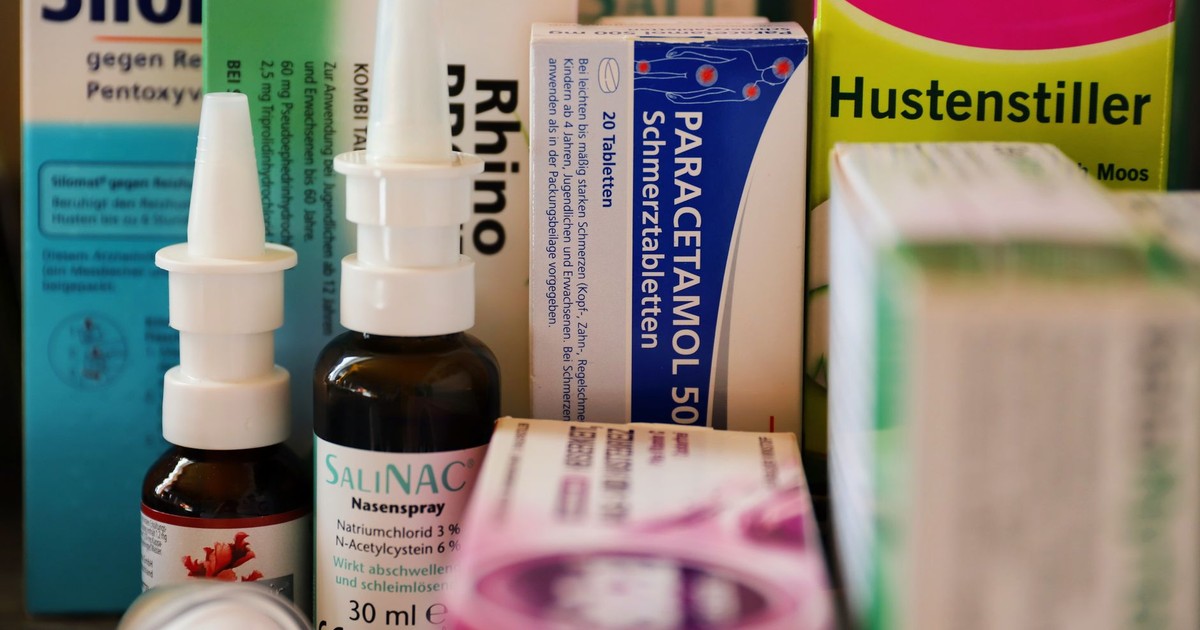
Ephedrine is a stimulant used in some decongestants and medications for low blood pressure and breathing problems. It accelerates the central nervous system. Caffeine does the same thing. Combining them stacks those effects in ways that can move quickly from uncomfortable to dangerous. Drugs.com notes that both ephedrine and caffeine can increase blood pressure and heart rate, and combining them may enhance these effects, particularly in people with a history of high blood pressure or heart disease.
Ephedrine raises heart rate and blood pressure on its own. Add caffeine, and those effects compound rather than simply add together. It’s two stimulants working on the same systems simultaneously.
Herbal supplements are part of this picture too. Products such as ma huang contain natural ephedra, the plant-derived compound from which ephedrine is synthesized. If you’re using a decongestant or any supplement that lists ephedra or ephedrine on the label, coffee is not a good pairing.
7. Blood Pressure Medications (Antihypertensives)
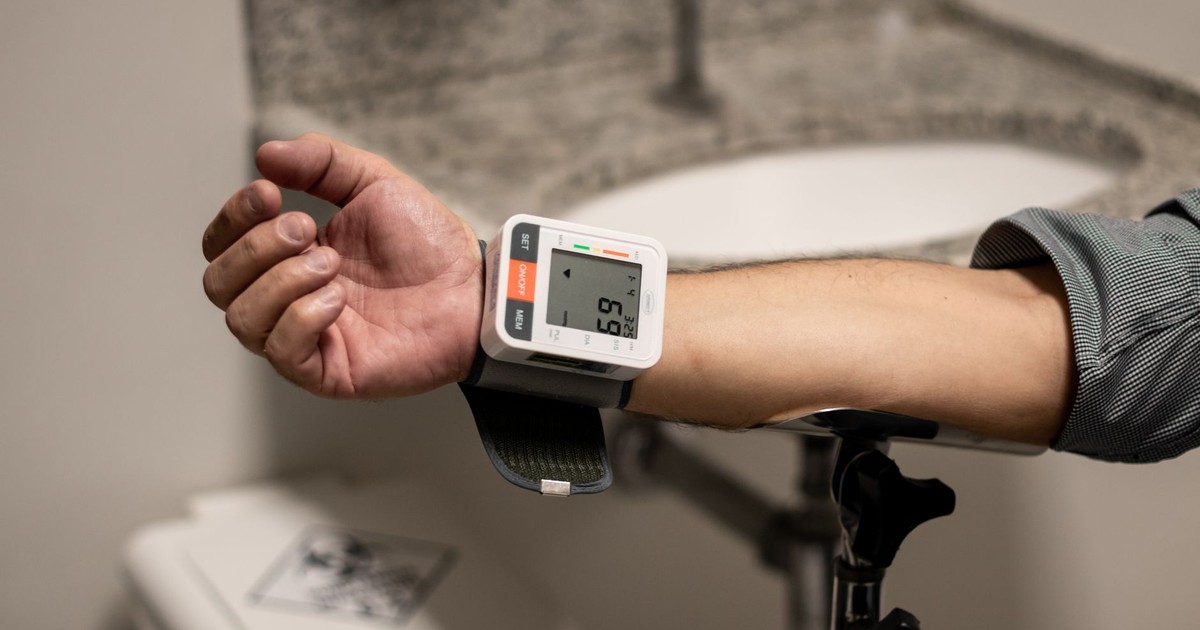
Drinking coffee around the same time as taking certain blood pressure medications can reduce how much of the drug the body absorbs. Caffeinated coffee can also raise blood pressure directly, making it harder for those medications to do their job. So the coffee is working against the drug from two directions at once.
The absorption side comes down to timing and gut chemistry. The blood pressure side is about caffeine’s direct effect on the cardiovascular system. Even in habitual coffee drinkers who have built up some tolerance, a morning cup still produces a measurable, if temporary, rise in blood pressure, precisely when many people take their antihypertensive medication.
Regular coffee drinkers tend to develop more tolerance to the blood pressure effects than occasional drinkers. But for someone whose hypertension is already difficult to control, or who has recently started a new blood pressure medication, the combination deserves attention. Spacing coffee at least an hour away from the morning dose is a reasonable starting point.
8. Blood Thinners (Anticoagulants and Antiplatelets)
Blood thinners like warfarin (Coumadin) work by slowing clot formation. Caffeine can inhibit the metabolism of warfarin through liver enzyme pathways, potentially raising the drug’s blood levels and shifting its anticoagulant effect in ways that routine blood tests may not immediately catch. For most people having a regular one or two cups a day, this is manageable. The concern rises with large and variable amounts of coffee.
Warfarin is particularly sensitive to dietary and lifestyle changes because it is metabolized through multiple liver enzyme pathways. Coffee volume matters alongside the more commonly discussed factors like vitamin K from leafy greens. People on warfarin are typically told to keep their diet and habits consistent for exactly that reason: it’s not any single food or drink that causes problems, it’s the swings.
For people on newer anticoagulants like rivaroxaban or apixaban, the interaction profile is different and generally less pronounced. Still, the broader principle holds: consistency in caffeine intake is more important than the amount.
9. Diabetes Medications

Coffee and blood sugar have a complicated relationship, and that complexity creates problems for people whose medications are calibrated to keep glucose levels stable. The Mayo Clinic notes that caffeine affects each person differently, and that people with diabetes who find it hard to control their blood sugar may benefit from limiting caffeine. Antidiabetic medications that can be affected by caffeine’s influence on blood sugar include glimepiride, glyburide, insulin, pioglitazone, and rosiglitazone, among others.
Caffeine influences how cells respond to insulin and can temporarily push blood glucose higher after meals. For someone without diabetes, this is a minor and self-correcting fluctuation. For someone managing type 2 diabetes with medication, it can make glucose levels unpredictable, particularly around the morning dose, when blood sugar is already being actively managed.
The effect isn’t uniform. Some people with type 2 diabetes see noticeable post-meal glucose spikes from caffeinated coffee, while others see very little change. Monitoring blood glucose in the hours after your morning coffee, especially when starting a new diabetes medication or adjusting a dose, is the most direct way to understand how caffeine affects your individual response.
10. Quinolone Antibiotics (Ciprofloxacin and Others)
Quinolone antibiotics, including ciprofloxacin (Cipro) and norfloxacin, are broad-spectrum antibiotics used for urinary tract infections, respiratory infections, and gastrointestinal infections. They have a well-documented interaction with coffee. These antibiotics inhibit the CYP1A2 enzyme, the same pathway used to break down caffeine, so caffeine lingers in your system far longer than it normally would.
In the case of ciprofloxacin, it’s the caffeine that suffers the slowdown. Research shows ciprofloxacin can increase the elimination half-life of caffeine by 50% to over 100% and reduce its clearance by 30 to 50%, meaning the caffeine from two cups of coffee may produce the cardiovascular and anxiety effects of what effectively amounts to five or six. Insomnia, rapid heart rate, and jitteriness are common enough on this antibiotic that the coffee contribution often goes unnoticed.
For a short antibiotic course, the practical solution is to cut coffee to one small cup per day or switch to half-caff until the course is finished.
Read More: 5 Viral TikTok Health Trends That Could Seriously Harm You
What to Do With All of This

The theme running through all ten of these interactions is that timing, consistency, and amount matter more than most people realize, and “my doctor didn’t say anything” doesn’t mean there’s nothing to know. When a healthcare professional prescribes a new medication, it’s worth asking directly how much coffee or tea you drink and whether that could be a problem. For over-the-counter medications, a pharmacist is the right person to ask. They have the training, the interaction databases, and, frankly, more time for this conversation than most physicians do in a standard appointment.
For medications where absorption is the issue, levothyroxine being the clearest example, the fix is usually just waiting 30 to 60 minutes between the pill and the cup. For medications where caffeine amplifies drug effects, like theophylline or the antipsychotics, the goal is consistency rather than elimination. Sudden changes in how much coffee you drink are more disruptive to medication stability than steady, moderate intake. And for antibiotics like ciprofloxacin, a short-term reduction for the duration of the course is usually all it takes. The list of medications that interact with coffee is longer than most people expect, but the adjustments required are, in most cases, smaller than giving up the drink entirely.
Disclaimer: This information is not intended to be a substitute for professional medical advice, diagnosis, or treatment and is for information only. Always seek the advice of your physician or another qualified health provider with any questions about your medical condition and/or current medication. Do not disregard professional medical advice or delay seeking advice or treatment because of something you have read here.
AI Disclaimer: This article was created with the assistance of AI tools and reviewed by a human editor.