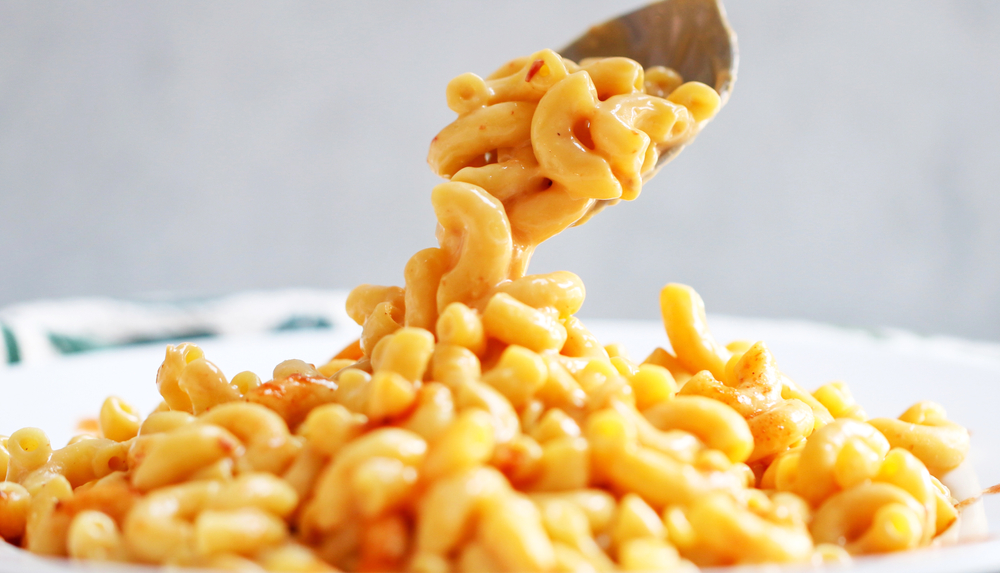

Check your refrigerator if you shop at Aldi. Somewhere between a Tuesday afternoon grocery run and a Wednesday dinner, more than half a million packages of macaroni and cheese changed from a simple side dish into a food safety concern that took nearly three months to fully surface.
That gap between when a problem is found and when most shoppers find out about it says a lot about how the U.S. food recall system actually operates. It moves in layers: a company acts first, then the federal agency formally weighs in, then the news cycle catches up. By that point, the product has usually already been eaten or tossed without a second thought. For anyone in a household managing a soy allergy, though, that sequence isn’t just an administrative timeline. It’s the kind of thing that keeps you reading ingredient panels on every single package you pick up.
The recall at the center of this one involves a refrigerated macaroni and cheese sold exclusively at Aldi under the Park St. Deli label. The ingredient the label was missing is soy lecithin, a common food additive derived from soybeans that millions of people never notice and a smaller number can’t safely consume.
What Was Recalled and Who Made It
The product in question is the Park St. Deli Refrigerated Macaroni & Cheese made by BEF Foods, sold exclusively at Aldi. According to the FDA, 58,405 cases of Park St. Deli Macaroni & Cheese are affected, with each case containing nine 20-ounce packages, bringing the total number of impacted packages to 525,645. The plastic tubs of macaroni and cheese were sold inside paperboard sleeves.
The pre-cooked pasta is made with American cheese and found exclusively in the refrigerated section at Aldi stores. It’s not a shelf-stable box of pasta powder – it’s a ready-to-heat side dish aimed squarely at busy households that want something fast and familiar. The packaging, a plastic tub in a cardboard sleeve, is the kind of format where the full ingredient list can be easy to miss if you’re not specifically looking for it.
BEF Foods, Inc., based in Texas, initiated the voluntary recall after the presence of undeclared soy lecithin was detected on the product label. The recall number, for anyone cross-referencing the federal database, is H-0940-2026. A spokesperson for Aldi told reporters that the company moved quickly to remove the affected product from store shelves as soon as it received notification of the voluntary recall.
The Timeline: March to June
This recall didn’t happen overnight, and the gap between when BEF Foods first acted and when the FDA formally classified it reveals something important about how food recalls are processed in the U.S.
BEF Foods, Inc. initially announced a voluntary recall of its Park St. Deli Macaroni & Cheese on March 23, 2026. On June 10, the FDA updated the classification on the recall notice to a Class II. That’s nearly three months between the company pulling the product and the federal agency formally upgrading its risk classification. The product itself had already been removed from shelves well before the June announcement, but the FDA’s classification upgrade is what triggered the broader wave of public awareness.
The terminology gets blurry fast in consumer news coverage, so it’s worth knowing what a Class II classification actually means. A Class II recall involves a situation in which use of or exposure to a compromised product could potentially cause “temporary or medically reversible adverse health consequences,” in addition to the possibility for serious health issues. It sits below a Class I recall, which is reserved for the most severe threats – contamination with a pathogen like Listeria or Salmonella, for example. Class II is what the FDA reaches for when the risk is real but the probability of a serious outcome is considered lower. In this case, that reflects the fact that soy allergy, while genuine, is less acutely dangerous at the population level than bacterial contamination. It is currently unclear if any illnesses have been caused by the undisclosed allergen.
What Is Soy Lecithin, and Why Does It Matter?
Soy lecithin is everywhere in processed food, and most people consuming it never notice. It is a plant-based food additive derived from soybeans, used as an emulsifier – meaning it keeps ingredients that would otherwise separate, like oil and water, blended together. Judy Simon, a clinical dietitian nutritionist at the University of Washington, has described how it works in practice: lecithin is used in salad dressing, for example, to combine oil and water into a smooth, consistent texture. You’ll find it in chocolate, margarine, baked goods, infant formula, and a long list of other packaged items.
For most people, that’s unremarkable. For someone managing a soy allergy, it’s a trigger that must be caught on the label every single time. Consuming a hidden soy-derived ingredient can set off allergic reactions ranging from mild symptoms to severe reactions requiring immediate medical attention. Soy lecithin is a common additive in processed products, but its presence must be clearly indicated on the label under federal allergen regulations.
Soy is one of the nine major allergens recognized under federal law, alongside milk, eggs, fish, shellfish, tree nuts, peanuts, wheat, and sesame. Food allergy now affects an estimated 18 million adults and 4 million children in the U.S., and there is no cure – the only prevention is removing the food allergen from the diet entirely. That reality makes accurate labeling not a courtesy but an absolute necessity for millions of households.
Who Is at Risk
The people most directly affected by this macaroni and cheese recall are those with a confirmed soy allergy or sensitivity who purchased the Park St. Deli product without any reason to suspect it contained soy-derived ingredients. They made a reasonable decision based on the information available to them. The label simply didn’t tell the truth.
The most severe food allergy reaction is anaphylaxis, a medical emergency requiring immediate attention and treatment with epinephrine. Soy allergy rarely reaches that level of severity – it tends to present with hives, gastrointestinal symptoms, or respiratory irritation – but “rarely” is cold comfort to the person who keeps an EpiPen in their bag. According to Kids with Food Allergies, a division of the Asthma and Allergy Foundation of America, milk, egg, wheat, and soy allergies are often outgrown, while most people do not outgrow peanut, tree nut, fish, and shellfish allergies. For adults still carrying a soy allergy into their 30s and 40s, the label is the only defense they have.
The broader context is one of rising prevalence. Food allergy prevalence in the United States has increased by 50% since the 1990s, with soybeans among the nine most common food allergens. The pool of people who could be affected by an undeclared soy ingredient keeps growing, and the obligation to get labeling right has never been higher.
If you’re managing food allergies in your household, understanding how food allergy labeling laws protect you can help you know exactly what manufacturers are required to disclose.
How to Know If Your Package Is Affected
The recall covers all 58,405 cases distributed to Aldi stores across the United States. The FDA has published the full recall details – including specific lot codes and date information – on its enforcement database under event number 98714. The most direct way to check is to visit the FDA’s recall page and match your package against the listed identifiers.
If you have the product at home and are uncertain: stop consuming it immediately. The product is a 20-ounce plastic tub sold in a paperboard cardboard sleeve, branded as Park St. Deli Macaroni & Cheese, and stocked in the refrigerated section.
On the return process, Aldi has been straightforward. The company confirmed it moved quickly to remove the affected product from store shelves at the time of the March voluntary recall. Consumers can return the product to their local Aldi store for a full refund – no receipt required for recalled items under standard retail recall policy.
The Bigger Picture on Labeling Failures
Undeclared allergens are, by a significant margin, the most common reason the FDA issues food recalls in the United States. According to the University of Georgia’s Extension Food Science program, the leading cause of food recalls in 2023 was undeclared allergens. That tends to surprise consumers who associate food recalls primarily with bacterial contamination – Listeria, E. coli, Salmonella – because those are the recalls that make the evening news. Allergen labeling failures happen with less drama, which is part of why they keep happening.
It almost always happens the same way: an ingredient gets added, swapped, or carried over from a shared production line, and the label doesn’t get updated to reflect it. A 2024 analysis published in the Journal of Food Protection, which examined more than 35,000 FDA food recalls over two decades, found that undeclared allergens accounted for 28 percent of all food recalls – and that the failure to declare allergens typically stems from cross-contamination during food processing or incorrect labeling.
The Park St. Deli situation fits a familiar pattern: a manufacturer identifies a labeling gap, initiates a voluntary recall, products come off shelves, and then weeks or months later the FDA formally classifies the risk. The system technically works. But by the time a formal classification lands, the product has often already cycled through thousands of shopping carts.
Read More: Here’s What KFC Does With Its Leftover Chicken
What to Do With All of This

If you don’t have a soy allergy, this particular recall doesn’t represent a risk to you. The product itself isn’t unsafe the way contaminated spinach or raw flour is unsafe – it simply contains an ingredient that should have been on the label and wasn’t. For the overwhelming majority of people who bought it and ate it without incident, the worst that happened was not knowing what they were eating. That’s a labeling failure, but it doesn’t require action if no one in your household manages a soy allergy or sensitivity.
If someone in your home does have a soy allergy, check your refrigerator. The product is refrigerated, not shelf-stable, so it won’t have been sitting unnoticed in a pantry for months. If you bought it recently and haven’t used it yet, pull it out and check the lot code against the FDA’s enforcement listing. Return it. Get the refund.
The harder thing to sit with here is that label errors like this one don’t end with a recall. The next bag, the next tub, the next box on the shelf is a different product made by a different manufacturer with its own supply chain, its own production line, its own labeling process. For people with serious food allergies, every single purchase requires the same scrutiny, every time. A recall like this one is resolved in a week. The vigilance it demands of allergy sufferers doesn’t end.
AI Disclaimer: This article was created with the assistance of AI tools and reviewed by a human editor.