

Most people assume that whatever didn’t sell by closing time ends up in a black bag and out the back door. For a chain that cooks its chicken fresh throughout the day, in batches, to a recipe that hasn’t fundamentally changed in decades, the math on overproduction is unavoidable. Someone has to deal with what’s left. And the answer, it turns out, is more layered than a simple trip to the dumpster.
KFC operates over 18,000 restaurants across 118 countries. At that scale, even a modest overshoot in daily chicken production adds up to something staggering by the end of a week. The question of what happens to all that KFC leftover chicken has been bouncing around Reddit threads, food industry reporting, and corporate sustainability documents for years. Pull the threads together and a clear picture forms: the story runs through charity programs, menu recycling, renewable energy, and artificial intelligence, often all at once.
That system wasn’t built in a single push. It evolved over decades, driven partly by ethics, partly by economics, and partly by growing pressure on large food companies to be accountable for what they throw away.
The Harvest Program: Where Unsold Chicken Becomes Dinner for Someone Else
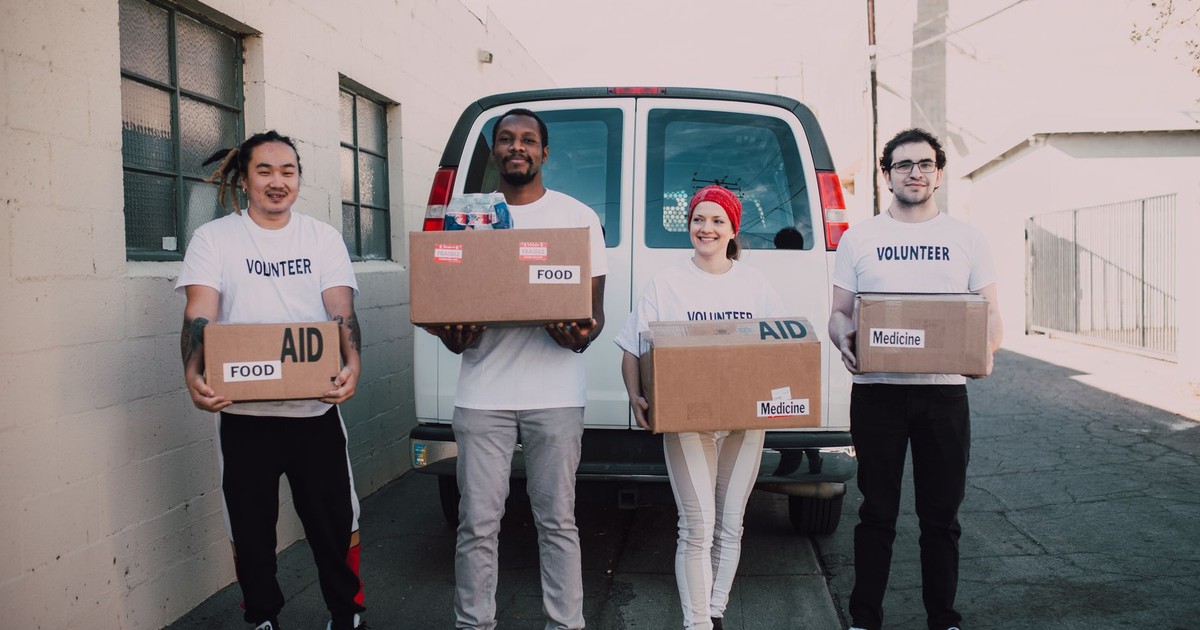
KFC primarily manages its end-of-day surplus through the Harvest Food Donation Programme, a global initiative launched in 1992 by Yum! Brands, KFC’s parent company, designed to redirect surplus food to local hunger relief organizations. Pizza Hut was actually the first Yum! brand to participate, making it the first national chain in the US to formalize surplus food donations at scale. KFC followed seven years later.
According to the KFC Foundation Harvest page, since 1999 KFC restaurants have donated more than 92 million meals to over 4,300 nonprofits nationwide, feeding local community members in need while directly reducing waste. That number has been building for more than two decades, one closing-time food package at a time. The Yum! Brands corporate story puts the broader picture in sharper relief: since the program launched in 1992, the company has donated over 215 million pounds of food across all its brands worldwide, with the UK operation growing significantly after partnering with FareShare, the country’s biggest food redistribution network, in 2021, with food donations growing by two-thirds and reaching 1 million meals over the first three years.
The process at a participating restaurant is straightforward. Unsold surplus food is prepared in approved containers and stored in the restaurant’s freezers for a weekly scheduled pickup by a local food bank. Local charities coordinate pickups directly with participating restaurants. In practice, that means community churches, soup kitchens, and food banks showing up with coolers and taking home food that would otherwise have no destination.
One thing worth being clear about: the Harvest program is not universal across every KFC location. Participation is franchise-dependent, which means the experience at one location can look completely different from another. The program is real, active, and substantial, but a franchisee in Trinidad and Tobago who bought a freezer truck to transport surplus food to seven local charities each week is running a meaningfully different operation from a franchise that doesn’t participate at all.
The Pot Pie Truth: When Last Night’s Chicken Becomes Today’s Lunch
Separate from formal donation, some KFC leftover chicken never leaves the building at all. It gets repurposed directly into the next day’s menu, and the item most associated with this practice is the chicken pot pie.
According to former employees on Reddit, a 2026 report from The Takeout details how the chain deals with leftovers the same way smart home cooks do: by repurposing them into new dishes. “At the end of the night we would put on gloves and remove the chicken from the bones so it could be used in the chicken pot pies,” wrote one former employee. Another noted that the chain used leftover white meat for the pot pies but typically didn’t have much remaining by the time the restaurant closed.
Admittedly, most of these commenters hadn’t worked for the restaurant in years and the threads are quite old. The policy might have changed since then, but fast food chains now keep this kind of information under tighter wraps. Still, the practice makes obvious financial and operational sense. Cooked, deboned white meat going into a pot pie filling is indistinguishable from freshly prepared filling from a food safety and quality standpoint, provided storage and handling protocols are followed correctly.
Other chains do the same thing. Wendy’s reportedly adds leftover burger meat to its chili. A former Popeyes employee revealed that the chain adds old chicken scraps to its gravy. KFC is not unusual here; it’s the norm.
What does vary significantly by location is what employees themselves take home. Managers at some locations are reportedly generous about letting staff take home leftovers at the end of the night, while others claimed that the last few customers of the night were sometimes on the receiving end of “waste not, want not” largesse, receiving buckets of extra chicken with their orders so that nothing was thrown out. This informal generosity happens alongside, not instead of, the formal donation program.
When Chicken Becomes Fuel: The Biodiesel Route
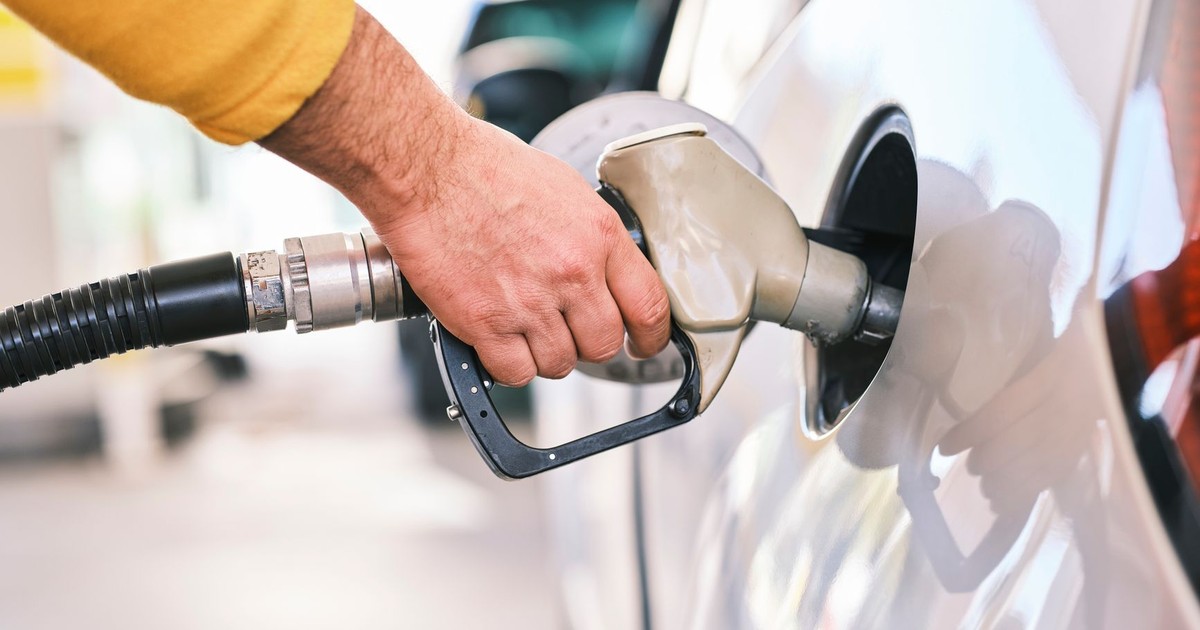
Not every piece of KFC leftover chicken can be donated or folded into a pot pie. Some of it is genuinely past the point of safe reuse, and that’s where the sustainability story takes an unexpected turn.
A May 2026 report from Food Republic explains that alongside using leftover chicken for pot pies or sandwiches, the majority of food waste that cannot be reused or donated is converted into biodiesel, a renewable and much more sustainable alternative to traditional petroleum diesel. Biodiesel is produced by chemically processing organic fats and oils, in this case from leftover food waste, into a fuel that can run diesel engines with significantly lower carbon emissions than conventional petroleum. KFC isn’t the only chain doing this: McDonald’s manages its waste through a similar approach, while Chipotle predominantly donates to food charities or composts it.
According to KFC, by 2035 it aims to become a zero-waste business. That target covers packaging, food, and operational waste across its global restaurant system. The biodiesel stream is one component of that, but the ambition is considerably broader than just what happens to unsold chicken at the end of the night.
The AI Layer: Trying Not to Cook Too Much in the First Place
Preventing the surplus from building up in the first place is where the operation has shifted most noticeably in recent years. KFC is tapping into artificial intelligence to do exactly that, using AI-driven software to predict how much chicken is likely needed based on existing sales data. As part of a trial run through its parent company’s Byte by Yum! platform, this technology represents a significant shift from the traditional guesswork that led to overproduction. The systems analyze historical sales data, weather patterns, local events, and seasonal trends to predict demand more accurately.
The practical effect is that a KFC in a city where a major event is happening on a Tuesday evening should, in theory, be cooking more chicken than usual that day. And a location where sales typically drop on rainy afternoons should be cooking less. Getting those calls right even slightly more often doesn’t just reduce the amount of leftover chicken at closing. It cuts ingredient costs, reduces energy use, and lowers the load on the entire downstream waste-management system.
The Byte by Yum! platform, launched in February 2025, has been scaling its AI-driven restaurant technology across all of the parent company’s brands globally, with the goal of integrating predictive and operational tools into kitchen management at speed. At last count, 25,000 restaurants across the world are using at least one Byte by Yum! product. Whether that translates directly into measurable reductions in overcooked chicken at individual KFC locations is still being determined, but the direction is clear: use data to cook closer to actual demand, and let the donation programs handle the genuine overage.
The Franchise Gap Nobody Talks About
One of the most important things to understand about how KFC handles its leftover chicken is that there isn’t one single answer. KFC is overwhelmingly a franchise business. The vast majority of its restaurants worldwide are owned and operated by independent franchisees, not by KFC corporate. That means participation in programs like Harvest, the specific handling of end-of-day surplus, and even whether employees are permitted to take leftovers home can vary from one operator to the next.
Implementation varies dramatically between franchise locations and countries. This isn’t a criticism so much as a structural reality of how large global restaurant chains operate. The corporate policy sets the framework and offers the programs. The franchisee decides how, or whether, to implement them.
For customers, that’s worth knowing. If you’re wondering whether the KFC near you donates its unsold food or converts it to biodiesel, the honest answer is: it depends who owns that specific restaurant and which programs they’ve opted into.
Read More: Fast Food Chicken Chains Ranked – Prepare to Be Offended
What This Actually Means
The story of KFC leftover chicken is, at its core, a story about scale. When you’re serving millions of meals a day across tens of thousands of restaurants in over a hundred countries, the gap between what you cook and what you sell is never zero. It can’t be. Cooking to exact demand in real time is operationally impossible with fresh chicken, which has to go into the fryer well before the customer walks in.
What KFC has built over the past 25-plus years is a layered response to that gap: a formal donation program that has redistributed 92 million meals in the US alone, an internal menu recycling practice that puts leftover white meat into pot pies, a biodiesel stream for what can’t be donated or reused, and now an AI forecasting system designed to shrink the gap from the supply side. None of these solutions is perfect in isolation. Taken together, they represent a serious institutional effort to not simply throw away food.
The distance between what the corporate program promises and what happens on the ground at any individual franchise on a Wednesday night is where the real accountability question sits. Sustainability targets and AI platforms address aggregate numbers. They don’t yet reach inside every individual location at closing time. That’s where the work continues.
AI Disclaimer: This article was created with the assistance of AI tools and reviewed by a human editor.