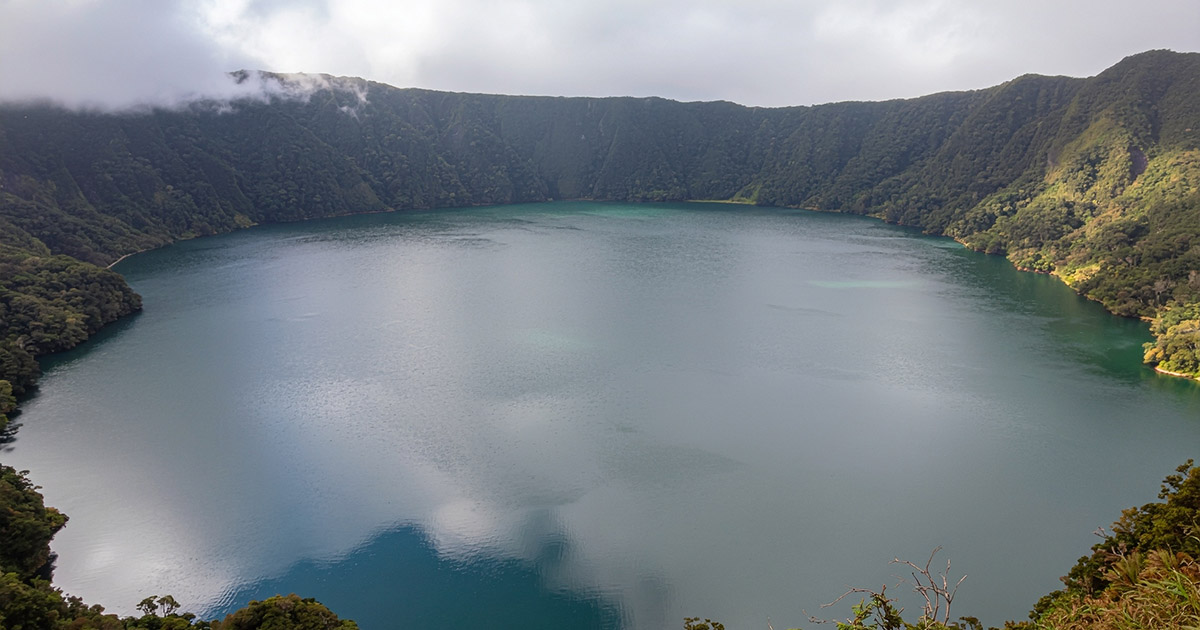

On August 21, 1986, a lake in northwestern Cameroon killed over 1,700 people without a single explosion, fire, or flood that anyone could see or hear coming. The victims were found exactly where they had been standing: in doorways, in fields, on footpaths. No signs of trauma. No warning. The lake itself, large, blue, and placid the following morning, looked exactly as it always had. That is what makes the Lake Nyos explosion one of the strangest and most unsettling geological hazards on Earth.
No fire. No flood. No volcano visible on the horizon. Which is what makes the event so disorienting in retrospect, and what took researchers years to fully understand.
What happened that night was something scientists had never named or classified before. When they finally pieced it together, the explanation was almost harder to believe than the disaster itself. A lake had erupted. Not metaphorically. It had physically exploded, not with lava or with steam, but with a concentrated wall of invisible gas that moved through populated valleys faster than most people could run.
What Actually Happened on August 21, 1986
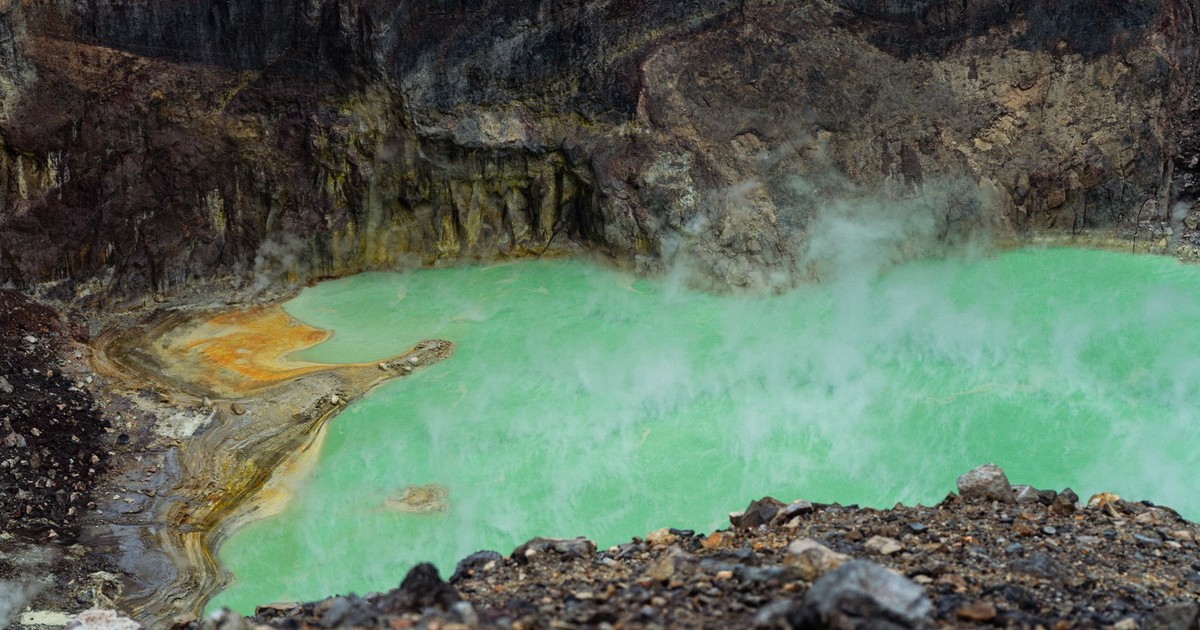
At about 9:30 p.m. on August 21, a rumbling noise came from the lake for 15 to 20 seconds, followed by a cloud of carbon dioxide and a blast of foul-smelling air. At the same time, a frothy spray shot hundreds of feet out of the lake, and a white cloud collected over the water. From the ground, that cloud grew to 100 meters tall and then flowed across the land.
The eruption triggered the sudden release of about 100,000 to 300,000 tons of carbon dioxide. The gas cloud initially rose at nearly 100 km/h and then, being heavier than air, descended onto nearby villages, suffocating people and livestock within 25 kilometers of the lake. Since carbon dioxide is 50% more dense than air, the cloud hugged the ground and moved down the valleys. The mass was about 50 meters thick and traveled at 20 to 50 kilometers per hour.
The Lake Nyos explosion killed 1,746 people and 3,500 livestock. Two years before, in August 1984, 37 people near Lake Monoun, another crater lake roughly 100 kilometers to the southeast, had died suddenly under nearly identical circumstances. That earlier incident was largely covered up by the Cameroonian government. With no electricity or telephone service in the area, it wasn’t difficult to keep it contained, and the 5,000 people living near Lake Nyos had no idea what they were living beside.
The Science of a Lake That Explodes
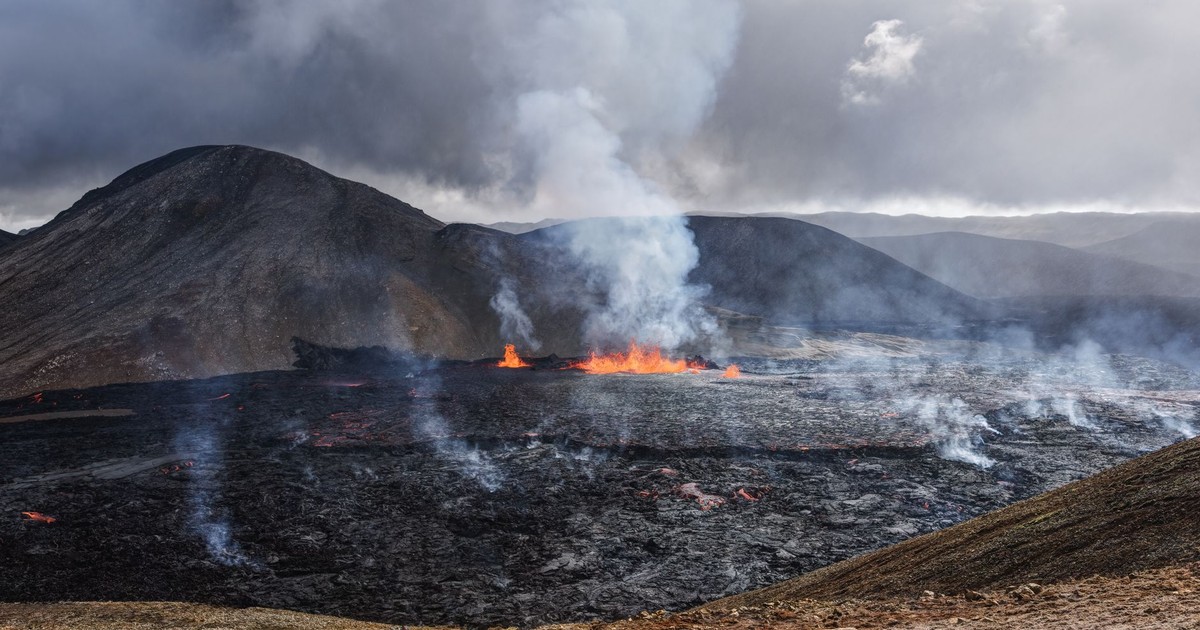
A limnic eruption, also called a lake overturn, is an extremely rare type of natural hazard in which dissolved carbon dioxide suddenly erupts from deep lake water, forming a gas cloud capable of asphyxiating wildlife, livestock, and humans. To understand why it happens at Lake Nyos specifically, you need to understand what sits beneath it.
Lake Nyos sits in a volcanic caldera, and the Lake Nyos explosion was triggered by a massive release of magmatic carbon dioxide gas from the lakebed. The CO2 accumulated in the lake’s depths due to a lack of seasonal mixing. In most lakes, temperature changes through the year cause the water to turn over, cycling deep water to the surface and releasing trapped gases into the atmosphere in small, harmless amounts. Lake Nyos doesn’t do that effectively. Scientists classify it as a meromictic lake, meaning its layers stay stubbornly separate, with dense, cold, gas-saturated water sitting undisturbed at the bottom and lighter water floating above it.
According to NASA’s Earth Observatory, Lake Nyos sits on the edge of an inactive volcano and a pocket of magma, and “carbon dioxide from that magma slowly percolates through Earth’s crust with the groundwater and accumulates in the bottom of the lake.” Eventually, the gas becomes too concentrated, and a bubble of CO2 bursts from the lake. Think of it like a carbonated drink that has been shaken for decades. The pressure builds and builds until the slightest disruption causes an explosive release.
Scientists believe the CO2, which had been seeping into the lake for centuries, was finally dislodged by a disturbance such as a landslide. Earthquakes and volcanic activity can also serve as triggers, as the rising CO2 ejects water from the lake. Whatever nudged it that August night, a chain reaction followed. Once a pocket of gas-saturated water was disturbed and began rising, the pressure on it dropped. Lower pressure meant the gas could no longer stay dissolved, so it burst out of solution. That released more gas, which drove more water upward, which released more gas still. In seconds, the entire deep layer of the lake essentially uncorked.
A 1987 study in Science by Kling and colleagues confirmed, through chemical, isotopic, geologic, and medical evidence, that the bulk of gas released was carbon dioxide stored in the lake’s deep layer; that victims died of CO2 asphyxiation; that the CO2 came from magmatic sources; and that no significant direct volcanic activity was involved.
Why Carbon Dioxide Is So Deadly in This Form
Carbon dioxide is everywhere. Every breath you exhale contains it. At normal concentrations in air, it’s harmless. What made the Lake Nyos explosion different was concentration and delivery. The gas didn’t mix with the surrounding air as it traveled. It moved as a coherent, dense mass, displacing oxygen in the same way water would fill a low-lying basin.
Carbon dioxide had been accumulating from underground springs, held down by the weight of the water above it. When the gas finally burst out, it traveled low to the ground because it is heavier than air, until it eventually dispersed. At concentrations above roughly 10%, CO2 causes loss of consciousness within seconds and death within minutes. Survivors who were on higher ground, or who were somehow partially shielded, woke up hours later to find everyone around them dead, with no obvious cause.
The aftermath prompted a profound kind of confusion. People in the surrounding communities had no way to understand what a limnic eruption was, because nobody did. Myth, conspiracy theory, and incomplete scientific fact swirled around the Lake Nyos deaths in the immediate aftermath. Some speculated it was a weapon test. Others thought it was divine punishment. Investigators from multiple countries eventually pieced together the truth, and the process of doing so essentially created limnic eruption as a recognized category of natural disaster.
The Warning Nobody Got: Lake Monoun and the Pattern Nobody Saw
Reporting in Earth magazine details how researchers concluded that the 1984 Lake Monoun deaths and the 1986 Lake Nyos explosion shared the same cause: rare limnic eruptions in which CO2-rich gas from deep within the earth had been seeping into groundwater entering the lakes via submarine springs, for decades or even centuries. The tragedy at Lake Monoun, which killed 37 people, was the first recorded limnic eruption in modern history. Had it been handled as a public warning rather than suppressed, the villages around Lake Nyos might have known what they were living next to.
Both killer lakes sit along the Cameroon Volcanic Line, a chain of volcanoes stretching 1,600 kilometers from the Gulf of Guinea in the southwest to Lake Chad in the northeast. The whole region rests on volcanic activity, and the crater lakes it creates are uniquely suited to accumulating CO2 from below. Anyone living near any of these lakes was, in theory, living near a potential limnic hazard, even if they had no way of knowing it. The isotopic analysis of surface springs surrounding the lakes, which, according to local lore, had long killed frogs and birds, showed a common origin for the spring and lake waters. The danger was always there. It had simply never been named.
Defusing the Bomb: The Degassing Project
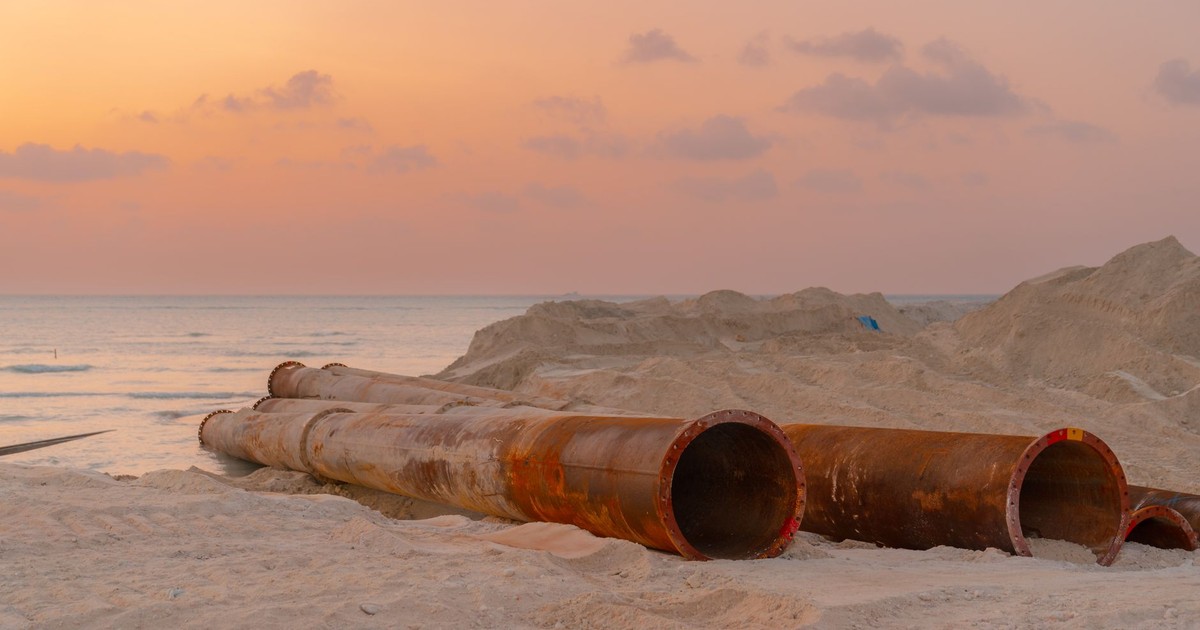
Artificial degassing of Lake Nyos began in 2001 when the first degassing tube went into operation. Degassing was enhanced in 2011 with two additional tubes. The system works on a straightforward principle: a pipe is lowered to the deep, gas-saturated layer of the lake, and the pressure difference between the bottom and the surface pushes the water upward through the pipe. As it rises and the pressure drops, the CO2 fizzes out harmlessly into the atmosphere, like a very slow, controlled version of what happens when you open a soda. The process needs no external power because the physics does the work automatically.
By 2019, the degassing had reached an essentially steady state. A single one of the installed pipes can self-sustain the process indefinitely, maintaining CO2 at a safe level without any need for external power. That is genuinely good news. But “safer” is not the same as “safe.”
CO2 continues to seep into the lake from underground, and monitoring is ongoing. The natural rock dam holding back the lake is also weakening, and a failure could unleash water and trapped gas downstream. The dam is not a human construction. It’s the volcanic rim of the caldera itself, and if it were to give way, the downstream communities would face both a major flood and a sudden release of whatever gas remains dissolved in the lake. Today, Nyos is degassed to roughly 80% of the level it was at immediately after the 1986 explosion. “The lake is safer today than it was in 2000, but it is still hazardous.”
The Larger Threat: Lake Kivu
The Lake Nyos explosion was not just a local disaster. It became the scientific template for understanding a category of risk that nobody had properly characterized before. And it pointed researchers toward a lake that makes Nyos look small.
In 2005, Lake Kivu in the Democratic Republic of Congo, 2,000 times larger than Lake Nyos, was found to be supersaturated with gas, and geologists found evidence that outgassing events around the lake had happened roughly every thousand years. Lake Kivu expels not just carbon dioxide but also methane and hydrogen sulfide. Scientists estimate it holds around 60 billion cubic meters of methane and 285 billion cubic meters of CO2 in its stratified deep waters. Millions of people live on its shores.
Though companies commercially extract methane from the lake, volcanic activity can trigger a limnic eruption at any time. In 2021, when Mount Nyiragongo erupted nearby, it triggered small amounts of gas to emerge from the lake. That event was a preview, not a disaster, but it illustrated the speed with which geological events can interact. A major eruption or earthquake in the region could disturb the gas-saturated layers of Kivu in the same way a landslide apparently disturbed Nyos in 1986.
A 2020 study published in PLOS ONE found that when measurement errors in the 2005 assessment were corrected for, including possible bias in how gas concentrations were converted to pressure readings, the risk of a gas eruption at Lake Kivu did not appear to be increasing over time. The scientific community is not in full agreement on how urgent the Kivu situation is, but the consensus is clear that it warrants sustained monitoring.
Read More: 11 Natural Disaster Warning Signs You Should Never Ignore
The Work That Never Really Ends
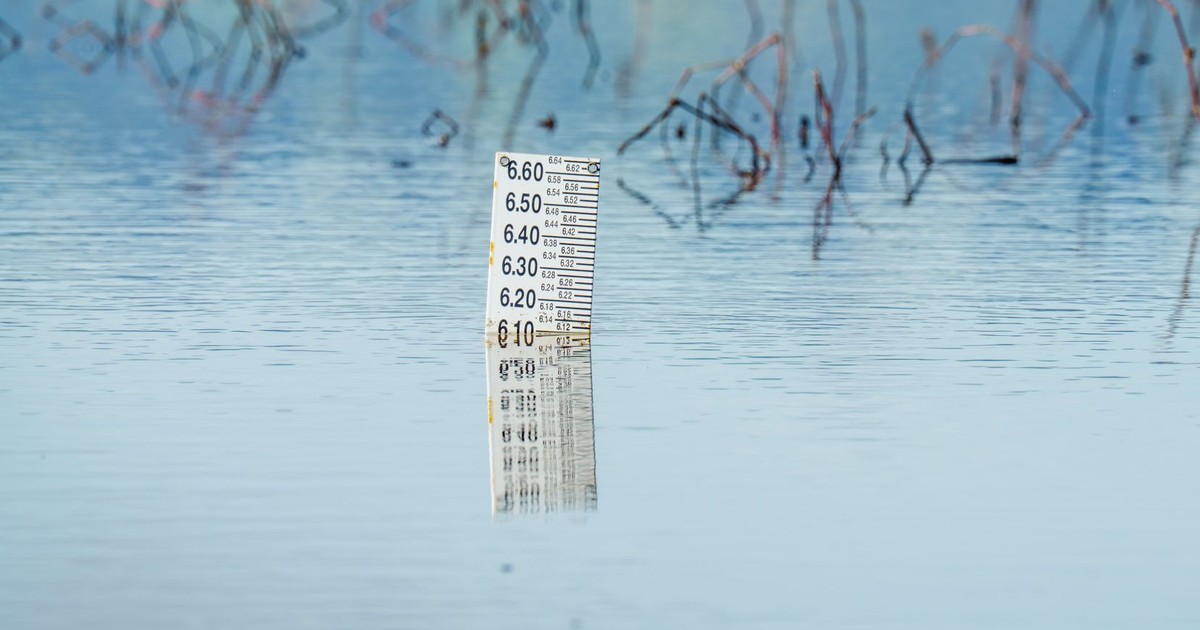
What doesn’t get much coverage, 40 years on, is the ongoing effort to keep Lake Nyos from becoming what it was before 1986. The degassing pipes require maintenance. The monitoring equipment requires upkeep. The communities that were evacuated after the disaster were eventually allowed to return, but they returned to a lake that will never be entirely ordinary.
The research that came out of the 1986 disaster also reshaped how scientists classify natural hazards more broadly. Risks that are invisible, that build slowly over decades or centuries, and that leave no surface trace until they rupture are harder to plan for than earthquakes or storms. They require a different kind of vigilance: less focused on event response and more focused on long-term geological monitoring and the political will to act on findings before the body count arrives.
Lake Monoun, the smaller lake where it all started in 1984, was considered fully degassed by 2009 after its own pipe system was installed and ran successfully. Lake Nyos, larger and deeper, has taken longer, and the CO2 that seeps in from the volcanic rock below means the work is never fully finished. It’s less like a bomb that was defused and more like a pressure valve that has to be kept open.
Two Years Was All the Warning the World Got
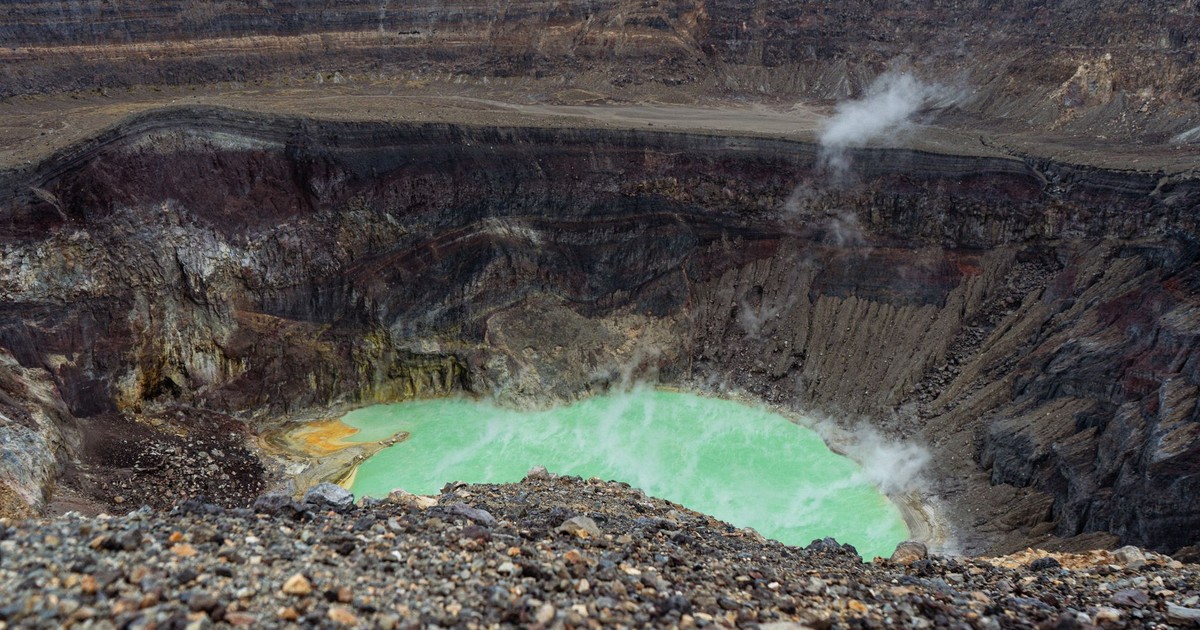
The Lake Nyos explosion is one of those events that sits uncomfortably at the edge of what we expect natural disasters to look like. No warning sirens would have helped, because there was nothing to see or hear until it was already happening. The deadliest things about it were its speed, its invisibility, and the fact that for decades, nobody had thought to look for this kind of risk.
The geological conditions that made Lake Nyos lethal weren’t secret. The volcanic caldera was there. The magma below it was there. The lack of seasonal mixing in the water column was measurable, had anyone measured it. What wasn’t there was any framework for asking the right questions before a tragedy forced that framework into existence.
The 5,000 residents who lived around the lake in 1986 didn’t know what they were living next to. The Cameroonian government didn’t know. The international scientific community hadn’t yet connected the dots. That ignorance wasn’t carelessness. It was simply the reality of a hazard type that had never been classified, never been named, and never been studied because it had never, in recorded history, killed anyone before 1984.
Two years. That was all the warning the world got. And none of it reached the people who needed it.
AI Disclaimer: This article was created with the assistance of AI tools and reviewed by a human editor.