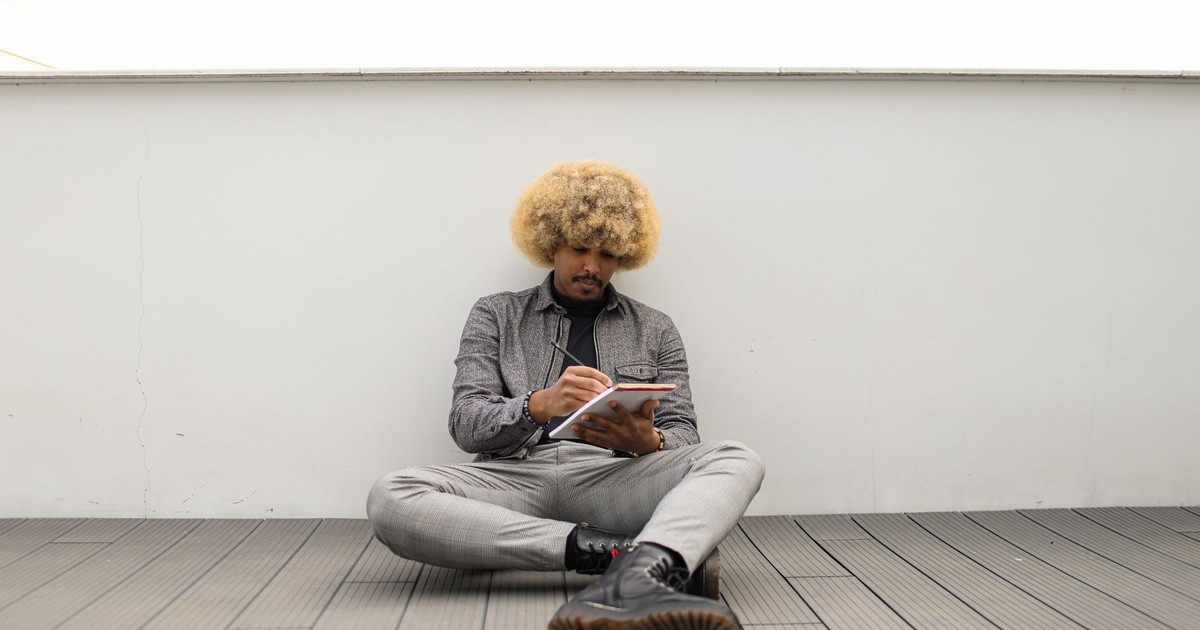

The argument most people have about introversion gets the premise wrong. It’s not about shyness, social anxiety, or disliking people. It’s about what a person does with an hour entirely to themselves and what that hour reveals about how their brain is built.
People who genuinely need alone time to function at their best are often doing something in that solitude that looks, from the outside, a little odd. They’re muttering through a problem they haven’t told anyone about yet. They’re reorganizing a playlist no one will ever hear. They’re three hours deep into a rabbit hole about something completely unrelated to their actual life.
They’re being, for lack of a better word, weird in the private, self-directed, unperformed way that most of us only allow ourselves when no one’s watching. And it’s that specific kind of alone time, chosen and defended and genuinely restorative, that tends to cluster around a set of personality traits that researchers are only beginning to understand properly.
The science here is more nuanced than the pop-psychology version of introversion you’ve probably encountered. A 2025 study found that social introversion and sensory processing sensitivity were significant predictors of motivation for solitude, while broad introversion showed no relationship with solitude motivation at all. The people who most genuinely need and use alone time share specific characteristics, not just a vague preference for staying home. Here are nine of them.
1. They Have a Rich Internal Life That Needs Tending

Ask someone who genuinely needs solo time what they think about when they’re alone, and the answer is rarely “nothing.” It’s a problem they’ve been turning over for three days. It’s a conversation they replayed on the drive home and finally figured out what they actually wanted to say. It’s the half-formed idea for a project they haven’t mentioned to anyone because it isn’t ready yet.
Researchers studying the different types of introversion call this “thinking introversion,” a style of engagement defined by deep immersion in introspection and imagination rather than a simple preference for being alone. These are people whose inner world is active and specific, not dormant. Solitude isn’t rest from thought; it’s the condition under which their real thinking finally gets to happen.
This is also why they can seem distracted in conversation. They’re not being rude. They’re mentally carrying something heavy that hasn’t had the space to be set down yet. Give them an afternoon alone and they come back lighter.
2. They’re Wired Differently at the Neurological Level
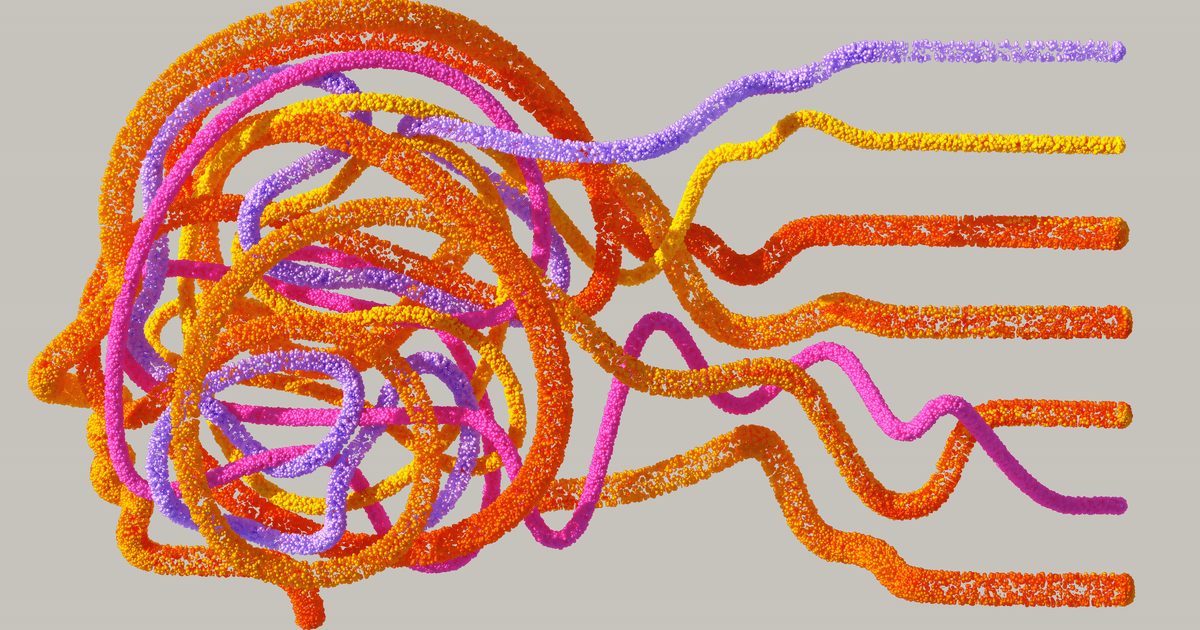
The popular explanation for why introverts need time alone is that they find social interaction “draining.” That’s not wrong, but it’s incomplete. The more accurate version goes deeper than energy metaphors and into brain chemistry.
Introversion is linked to higher dopamine sensitivity, which means that activities raising dopamine levels, crowded rooms, loud environments, high-stimulation social settings, can tip quickly from enjoyable into overwhelming. It’s not that introverts don’t experience pleasure from social interaction; it’s that their threshold for when that stimulation becomes too much arrives sooner. Alone time isn’t a retreat. It’s a recalibration.
The restorative activities that work best for introverts tend to involve what neurologists describe as the acetylcholine reward pathway: sustained, focused, internally-directed engagement. The brain isn’t recovering from dopamine saturation but actively seeking a different reward channel. Reading, making something, thinking through a problem, these activities feel restorative for a specific neurological reason, not just a personal quirk.
3. They’re Highly Self-Aware, Often Uncomfortably So
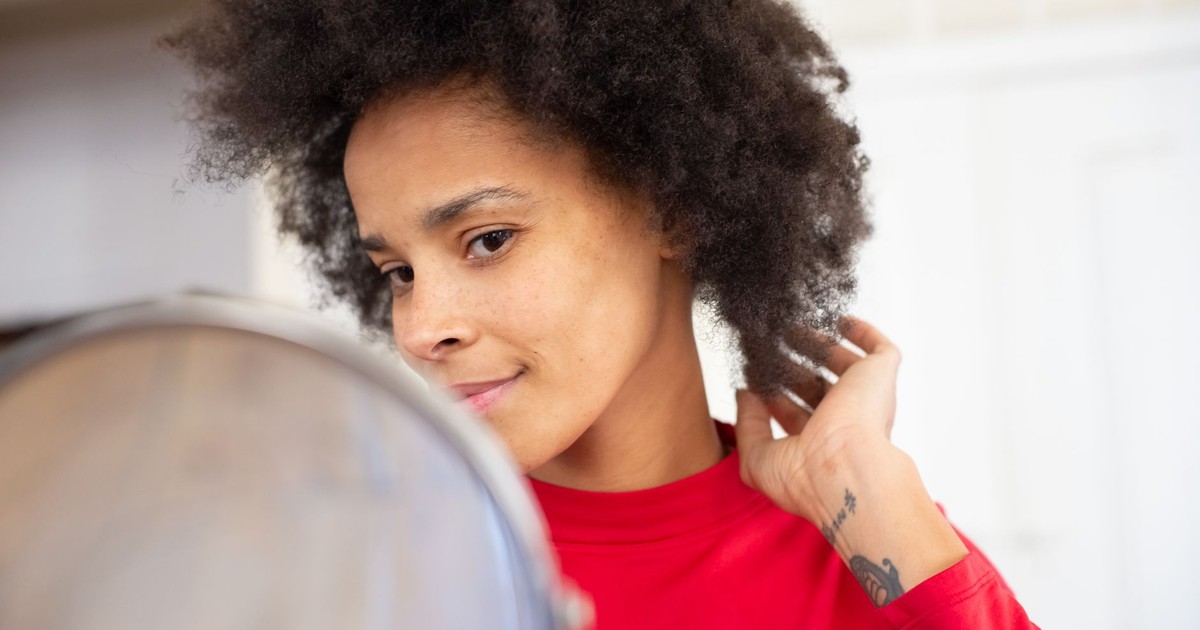
People who fiercely protect their alone time tend to know themselves well, sometimes too well for their own comfort. They notice when they’re performing versus when they’re being genuine. They catch the gap between what they said in a meeting and what they actually meant. They track their own mood shifts with the kind of attention most people reserve for other people.
Self-awareness is a trait closely tied to deep introspection, and people who develop it are more confident in their decisions and tend to maintain stronger relationships. The catch is that self-awareness, without enough time to process what it surfaces, becomes a source of anxiety rather than clarity. The alone time isn’t optional for these people. It’s what turns raw self-observation into something useful.
That’s also why a canceled plan often feels like relief to them rather than disappointment. It’s not antisocial. It’s that they had a backlog of their own inner material that needed attending.
4. They’re Selective About Social Energy in a Very Specific Way
People who need alone time aren’t uniformly withdrawn. They can be warm, funny, engaged, and fully present in a conversation, and then completely gone from your social calendar for four days afterward. The selectivity isn’t about who they like. It’s about managing a finite resource.
Social introversion, as researchers define it, is specifically a preference for being alone or with a small number of close friends over large social gatherings, not a blanket preference for solitude over connection. The distinction matters. These people aren’t avoiding relationships; they’re managing the ratio between depth and volume. A two-hour dinner with one person they love costs less than a forty-minute drinks event with twelve acquaintances.
You’ll also notice this group is often much more present in the relationships they do invest in. When they’re with you, they’re fully there, because they’ve protected the alone time that makes that presence possible. Being introverted isn’t a barrier to deep connection; for many people, it’s what makes deep connection feel worthwhile at all.
5. They Process Experience on a Delay
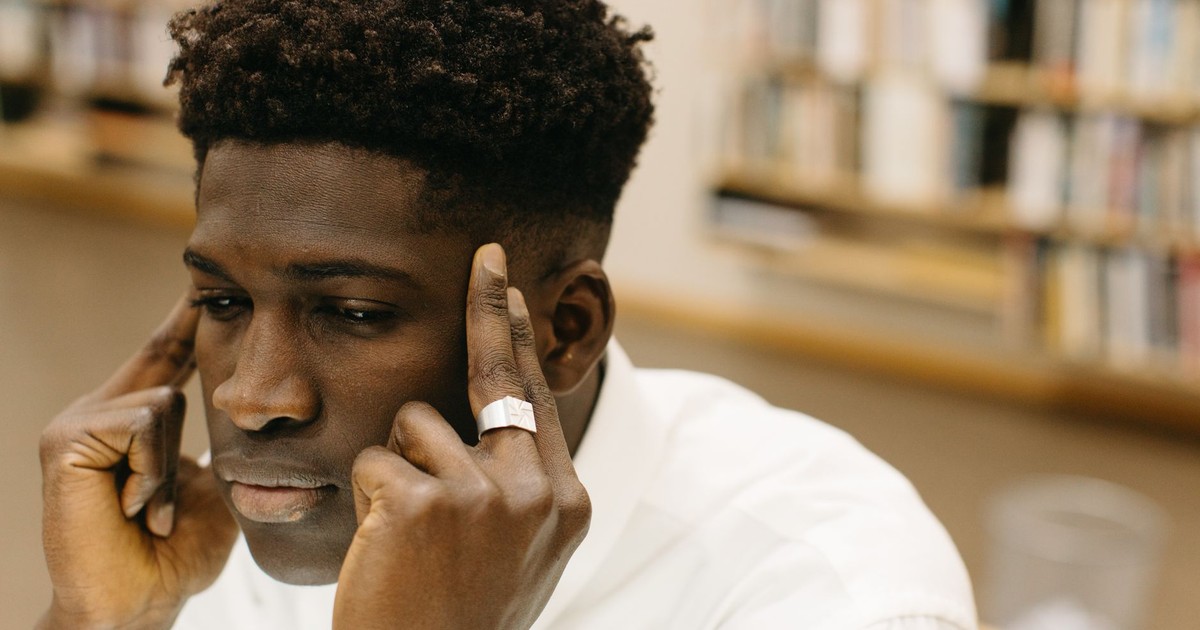
Something happens, a difficult conversation, a new piece of information, a change of plan, and their first response is often not much. Maybe a nod, maybe “I’ll think about it.” The real response comes hours or days later, once they’ve had time alone with the experience.
This is one of the most misread traits in this group. People around them sometimes interpret the delay as indifference or as passive-aggression. It’s neither. People with high sensory processing sensitivity, a trait strongly associated with those who need alone time, have a tendency toward deep processing, which means they take in and analyze more information from any given experience than average. The delay isn’t avoidance. It’s the actual thinking happening.
The practical upside: when they do share an opinion or a decision, it’s been thought through properly. The downside is that they can seem emotionally unavailable in the moment when urgency matters. Both things are true.
6. They Have a Strong Sense of Authenticity
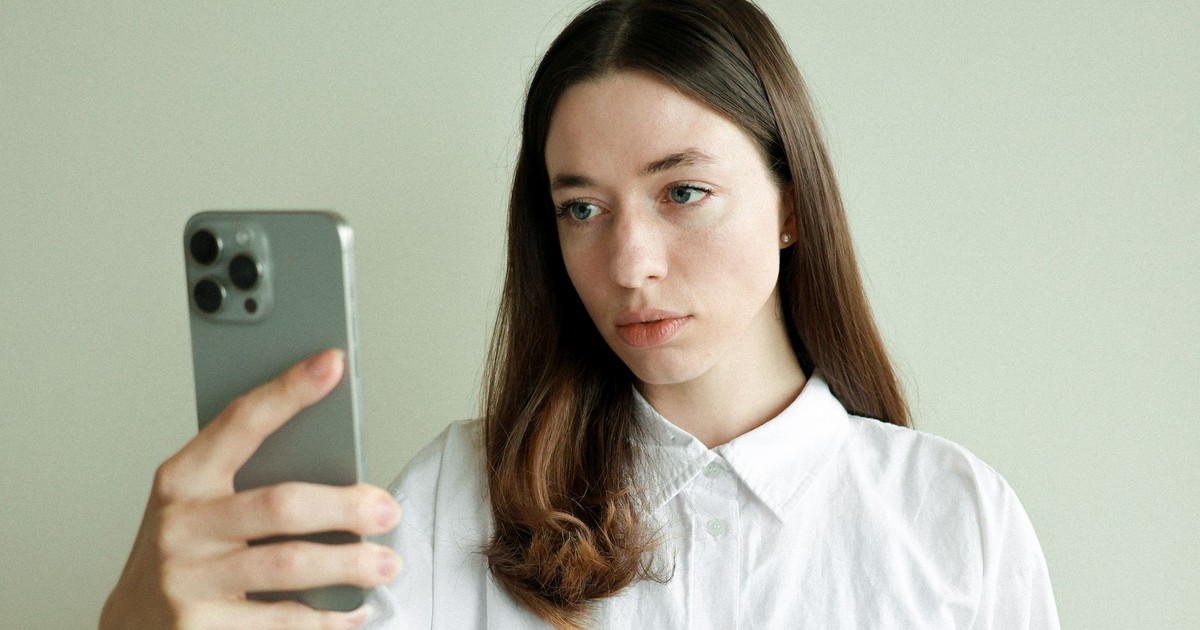
People who need alone time tend to have a finely tuned detector for inauthenticity in others and especially in themselves. They find small talk not just boring but actually uncomfortable, because performing interest they don’t feel costs them something real. They tend to go quiet rather than say something they don’t mean.
Research published in 2022 found that the quality of motivation for solitude is closely tied to what researchers call dispositional autonomy, the tendency to act from a place of self-congruence, genuine interest, and freedom from external pressure. People high in this trait choose alone time not because they’re hiding from the world but because solitude is where they can finally stop performing for it.
This is partly why the “weird” behaviour happens in private. It’s not that they’re hiding something shameful. It’s that the version of themselves that emerges alone is the unedited one. The one humming along to a song while making coffee, narrating their own grocery list, or laughing at something they thought of three hours ago. That version exists, and they’ve learned it needs its own uninterrupted air time.
7. They’re Prone to Creative Leaps That Happen in Solitude

There’s a reason so many writers, composers, and artists describe their best ideas as arriving in the shower, on a walk, or at 2am. It’s not romantic nonsense. It’s about what happens to cognition when external demands drop away.
The 2025 research found that thinking introversion, the dimension of introversion most associated with imagination and internal engagement, was a strong predictor of self-determined motivation for solitude, the kind of alone time actively chosen because it brings value. People who seek this kind of solitude aren’t escaping ideas; they’re chasing them. The absence of social input creates the conditions where associative thinking runs freely, connections get made, and ideas that seemed half-baked an hour ago suddenly finish themselves.
Crucially, this kind of creativity requires a specific quality of aloneness. Not lonely. Not bored. Not passively scrolling. Engaged, self-directed solitude, the kind that protects a line of thinking long enough for it to arrive somewhere.
8. They’re Highly Attuned to Overstimulation

Loud restaurants. Open-plan offices. Events with unexpected schedule changes. Environments where multiple conversations are happening simultaneously. People who genuinely need alone time tend to find these situations harder than others do, not because they’re fragile but because they’re picking up more.
Research from 2025 confirms that the need for solitude depends significantly on whether a person is highly sensitive, a trait that can belong to both introverts and extroverts but intensifies the pull toward alone time considerably. Sensory processing sensitivity (the formal name for what most people just call being highly sensitive) means that lights are brighter, sounds carry further, and other people’s emotional states land harder. After a day of registering all of that, the need for a room with the door closed isn’t dramatic. It’s maintenance.
Noise actively impairs selective attention for introverts, and memory and reading comprehension are also adversely affected by noisy environments, outcomes that extroverts don’t experience in the same way. The person who goes home from the party and sits in silence for an hour isn’t being antisocial. They’re doing the neurological equivalent of letting a screen buffer.
9. They Self-Regulate Through Solitude, Not Through Other People
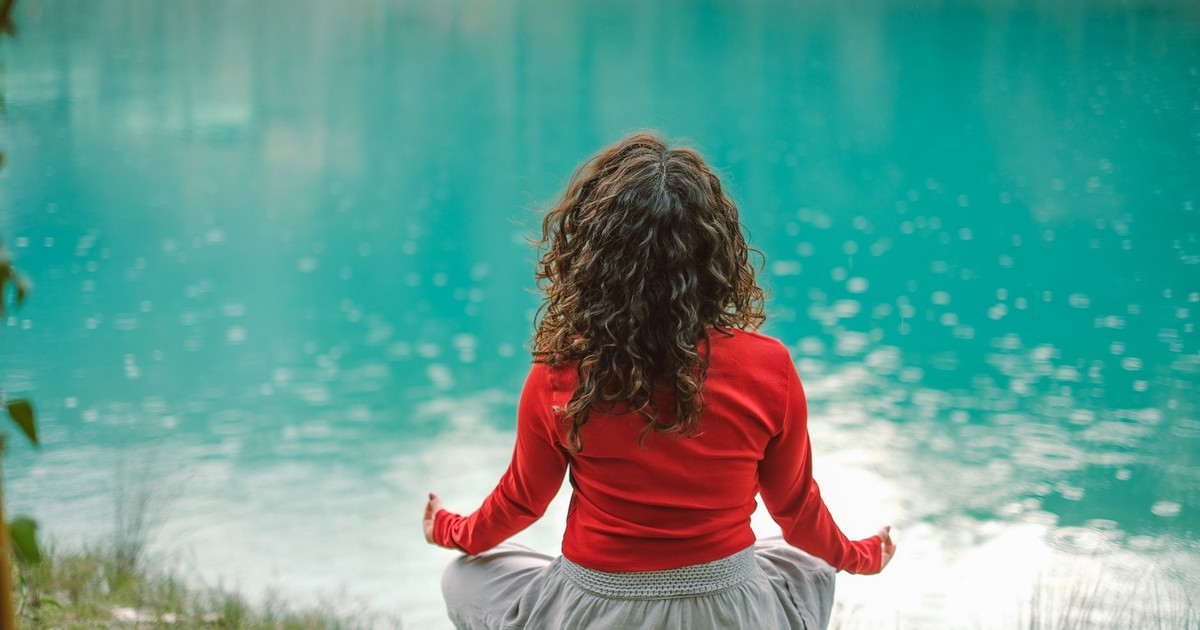
When something goes wrong, a bad day, a conflict, a creeping low-grade anxiety, many people’s first instinct is to call someone, text a friend, or go somewhere with other humans. People who need alone time reliably do the opposite.
Research on solitude and wellbeing finds that for people who feel secure in themselves and their relationships, solitude can be a space that is nourishing, creative, and genuinely restorative, not a symptom of withdrawal but a skill. They’ve learned, often from a young age, that their nervous system resets through internal processing, not external reassurance. A run alone. Cooking something that requires concentration. Sitting with whatever they’re feeling until they can name it properly.
From a self-determination theory perspective, people with self-determined motivation for solitude actively take time out of their day to embrace the benefits that being alone brings: opportunities for relaxation, creativity, and freedom from the pressure of social performance. That’s a very different psychology from someone who is isolated and lonely. The difference is agency. They’re not ending up alone; they’re choosing it, on purpose, because they know what happens when they do.
Read More: 11 Odd Habits That Might Mean You’re Smarter Than You Think
What to Do With All of This
None of these nine traits exist in a vacuum, and most people who recognize themselves in this list will recognize some traits more than others. That’s accurate. Introversion isn’t a single switch but a cluster of tendencies, and a 2025 study found that even the word “introversion” contains at least four meaningfully distinct dimensions that predict different behaviors in different ways.
What does remain consistent across the research is this: the people who need alone time and actually use it well are not avoiding life. They’re doing something specific with solitude that other people skip: processing what happened, restoring what got depleted, creating in the conditions that work for their particular brain. The weirdness that emerges when no one is watching isn’t a secret self they’re hiding. It’s the unedited version of a person who has learned, often through years of trial and error, what they actually need to function. That’s not a flaw in their social wiring. It’s the whole design.
Disclaimer: This information is not intended to be a substitute for professional medical advice, diagnosis, or treatment and is for information only. Always seek the advice of your physician or another qualified health provider with any questions about your medical condition and/or current medication. Do not disregard professional medical advice or delay seeking advice or treatment because of something you have read here.
AI Disclaimer: This article was created with the assistance of AI tools and reviewed by a human editor.